

Dostarczamy ważne urządzenia w procesie obróbki rudy złota, takie jak system CIL/CIP, komórki flotacyjne…


/
/
Które metody przetwarzania fosforanów maksymalizują jakość i wydobycie?

Metoda przetwarzania fosfatu używana do maksymalizacji jakości i odzysku zależy od składu mineralogicznego, zanieczyszczeń i wielkości cząstek rudy. Poniżej przedstawiono kilka skutecznych i powszechnie stosowanych metod przetwarzania rudy fosforanowej, które optymalizują jakość i odzysk:
Flotacja pianowa jest najczęściej stosowaną i skuteczną metodą maksymalizacji jakości i odzysku fosforanów, szczególnie w przypadku rud o drobnoziarnistej strukturze. W przypadkach rud o gruboziarnej strukturze lub o wysokiej zawartości węglanów, można zastosować separację grawitacyjną, kalcynację lub obróbkę chemiczną. Dokładne zrozumienie mineralogicznych właściwości rudy oraz odpowiednia integracja kilku metod zazwyczaj przynosi najlepsze wyniki.
Firma Prominer (Szanghaj) Mining Technology Co., Ltd. specjalizuje się w dostarczaniu kompleksowych rozwiązań w zakresie przeróbki minerałów i zaawansowanych materiałów na całym świecie. Nasze główne obszary działania obejmują: przeróbka złota, wzbogacanie rud litu, minerały przemysłowe. Specjalizujemy się w produkcji materiałów anodowych i przeróbce grafitu.
Produkty obejmują: mielenie i klasyfikację, separację i odwadnianie, rafinację złota, przetwarzanie węgla/grafitu oraz systemyługowania.
Oferujemy kompleksowe usługi, w tym projektowanie inżynierskie, produkcję urządzeń, instalację oraz wsparcie operacyjne, wspierane przez konsultacje ekspertów 24/7.
Nasz adres strony internetowej:https://www.prominetech.com/
Naszy adres e-mail:[email protected]
Nasza sprzedaż:+8613918045927(Richard),+8617887940518(Jessica),+8613402000314(Bruno)
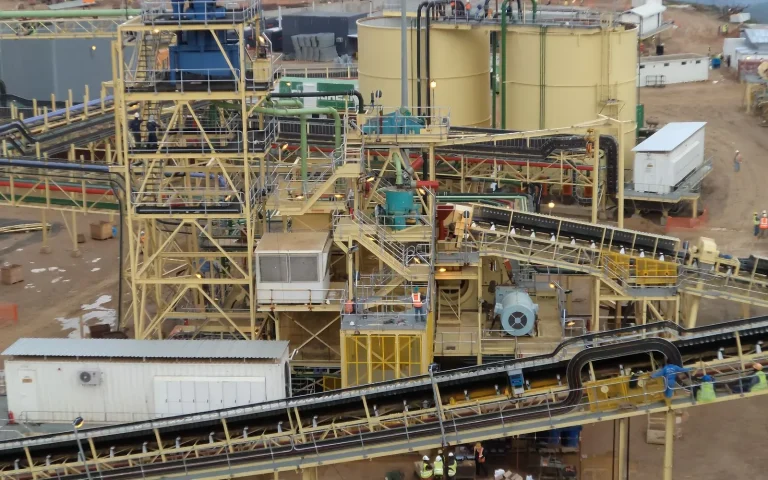
Dostarczamy ważne urządzenia w procesie obróbki rudy złota, takie jak system CIL/CIP, komórki flotacyjne…
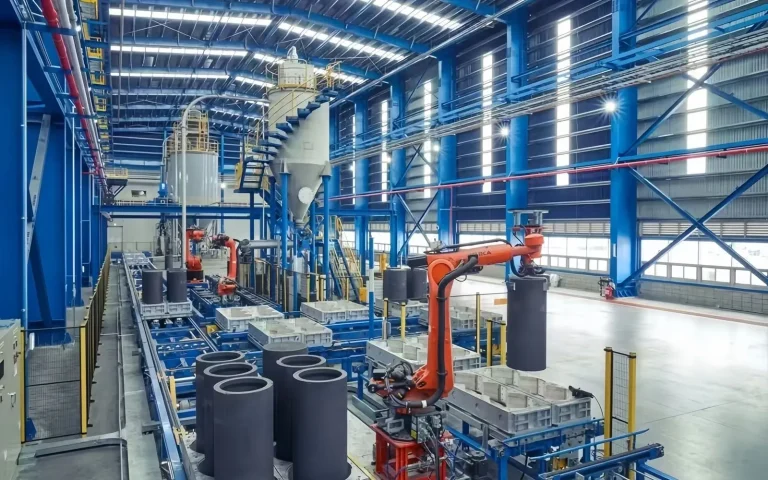
Zapewniamy pełne rozwiązanie do produkcji anod grafitowych, obejmujące mielenie, formowanie, oczyszczanie…
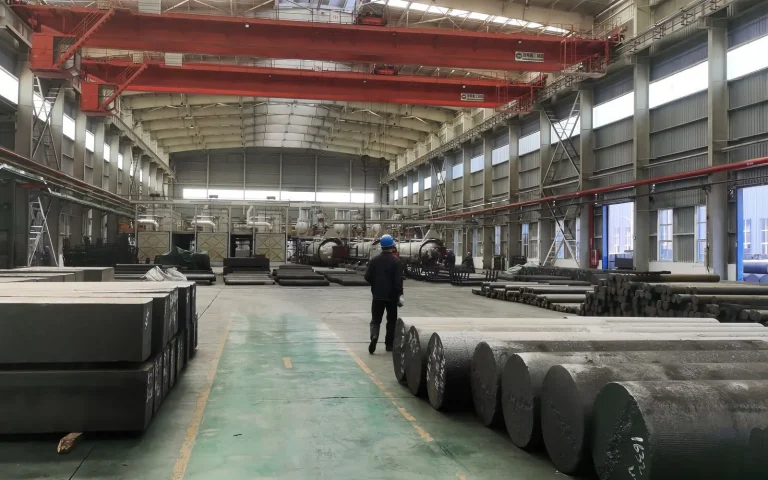
Elektroda grafitowa UHP jest głównie używana w piecach łukowych o ultra wysokiej mocy w przemyśle hutniczym

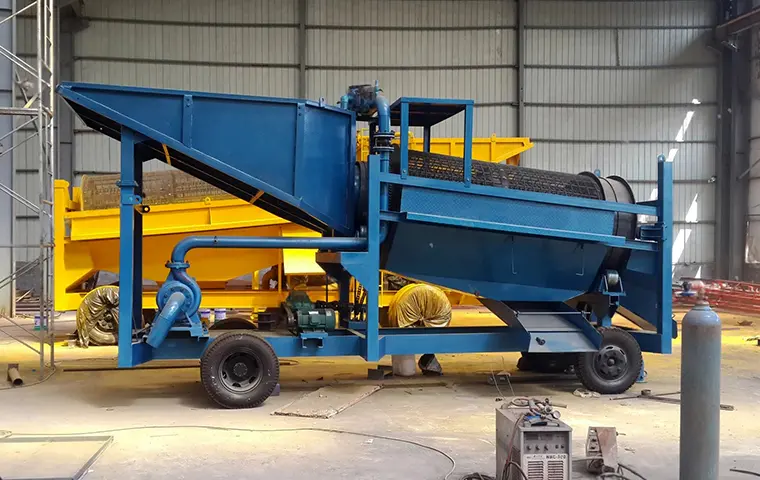
Surowa ruda: złoto aluwialne z osadów koryt rzecznych i tarasów Zawartość złota: 1,5 g/t Wskaźnik odzysku złota: 92%
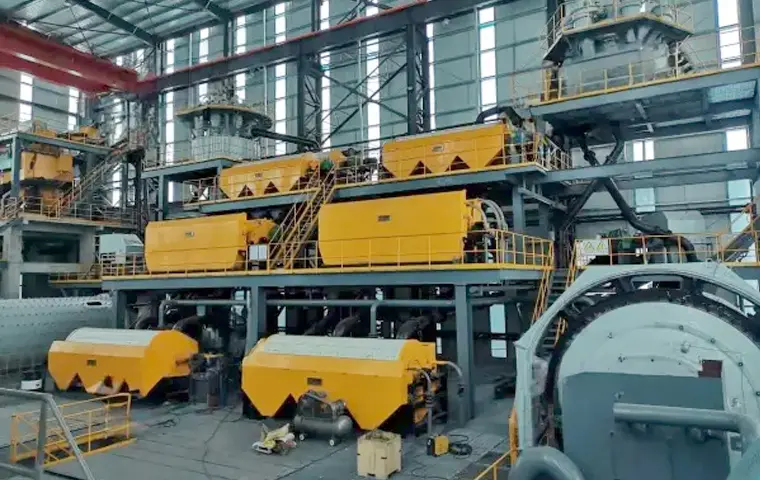
Surowiec: Ruda magnetytowa z pasmem hematytu Zawartość żelaza: 28-32% Produkt końcowy: Wysokojakościowy koncentrat żelaza
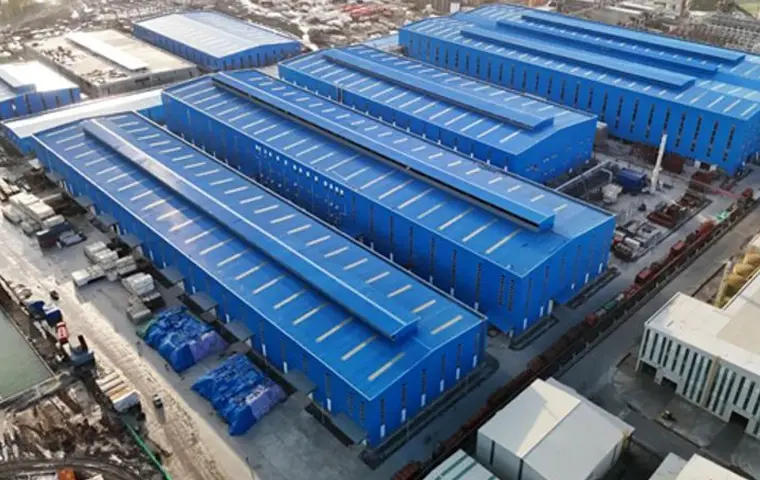
Surowiec: Koks naftowy, koks igłowy, binder naftowy. Projektowana zdolność produkcyjna: 50 000 ton rocznie.
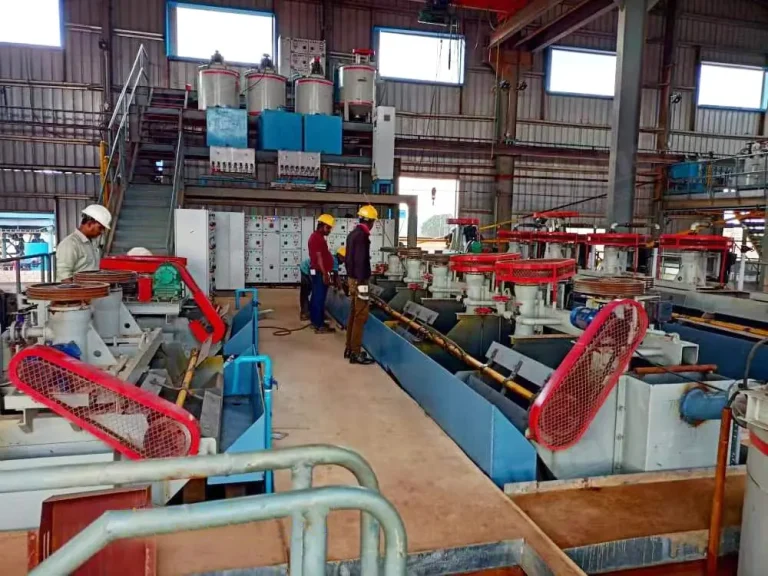
Surowa ruda: ruda siarczkowa pierwotna (chalcopyryt-bornit) Zawartość Cu: 0,72% Zawartość w koncentracie: 28,3%
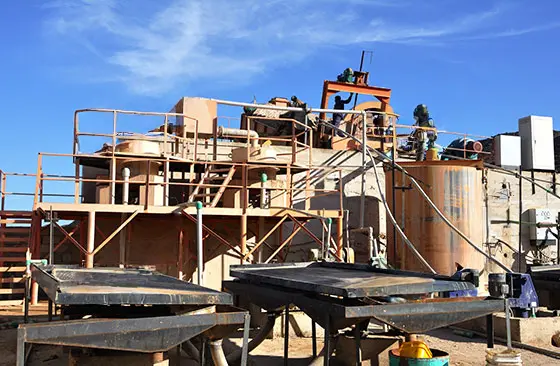
Ruda surowa: siarczek złota i miedzi (stosunek Au-Cu: 1:1,2) Zawartość złota: 2,8 g/t Zawartość miedzi: 0,85%
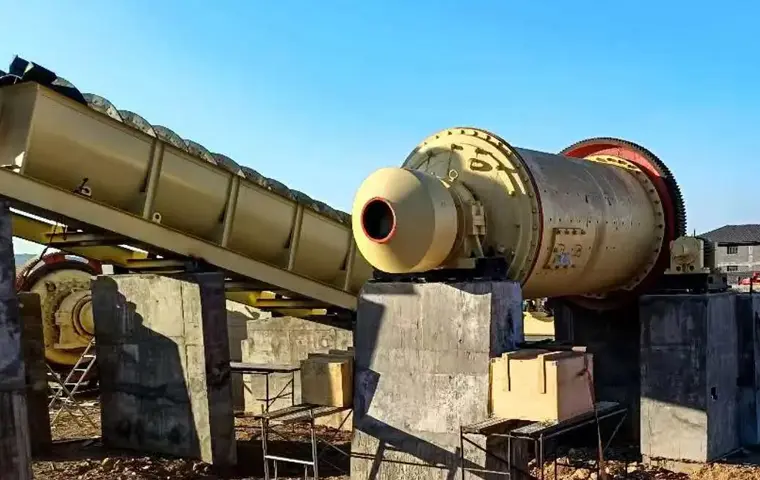
Ruda surowa: Ruda złota typu tlenkowego Stopień złota: 2,5 g/t Czystość sztabki złota: 96%
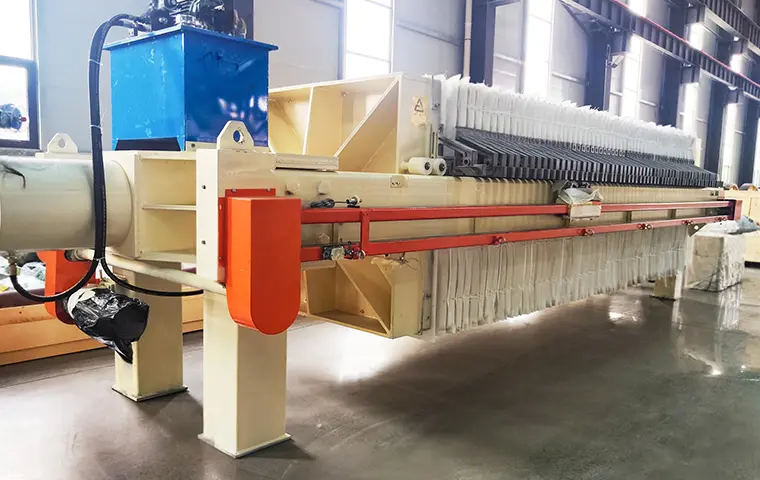
Tło projektu: Ulepszenie układu osuszania dla koncentratu flotacyjnego i odpadów zakładowych w celu zmniejszenia zawartości wilgoci i umożliwienia składowania w stosach na sucho.
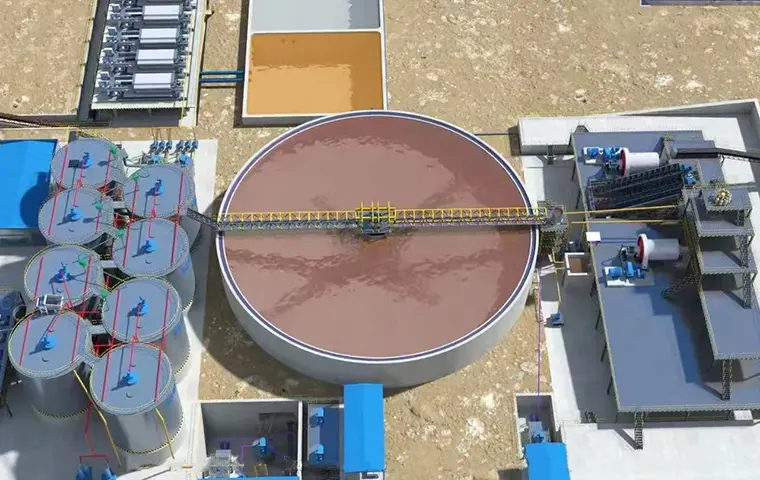
Surowa ruda: Ruda miedzi typu siarczkowego (głównie chalkopiryt) Zawartość miedzi: 0,8% Produkt końcowy: Koncentrat miedzi
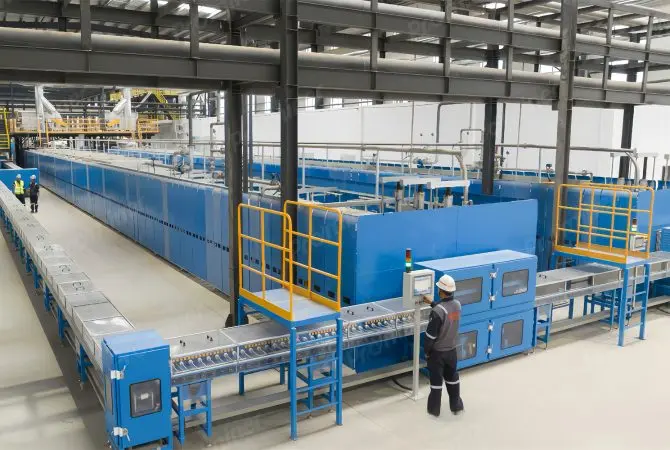
Możemy dostarczyć kompleksowe rozwiązanie dla systemu obróbki karbonizacyjnej w wysokiej temperaturze
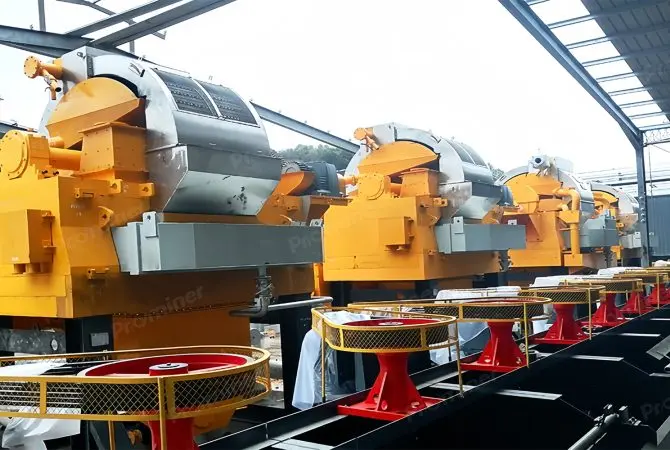
Prominer może dostarczyć różne separatory magnetyczne HIMS (separator magnetyczny o wysokiej intensywności)
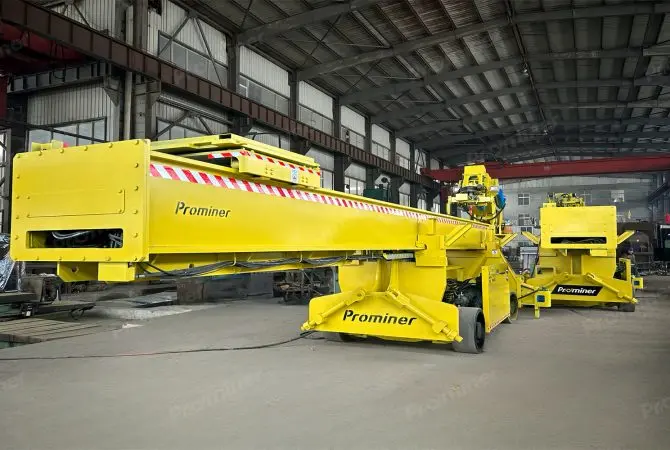
Możemy zaprojektować i wyprodukować maszynę do reliningu młynów (lub nazywaną manipulatorem do reliningu młynów)
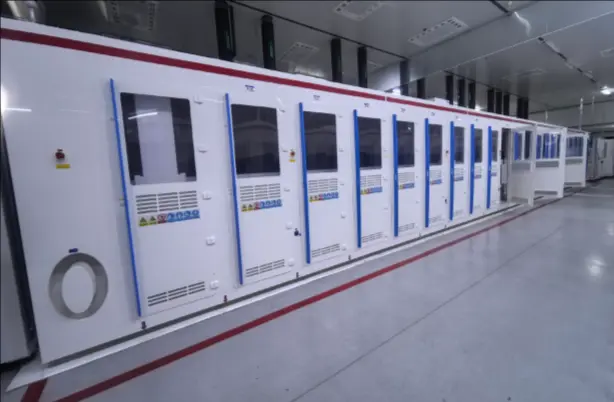
W skład wchodzi: sprzęt do teksturyzacji monokryształów w partiach, ładowarka/rozładowarka do teksturyzacji partii, niskie ciśnienie…
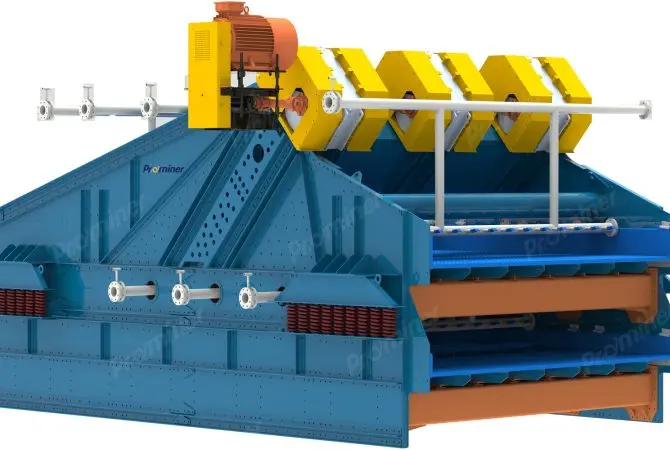
Prominer może dostarczyć wszelkiego rodzaju ekrany liniowe do klasyfikacji minerałów, rozmiarowania materiałów, osuszania
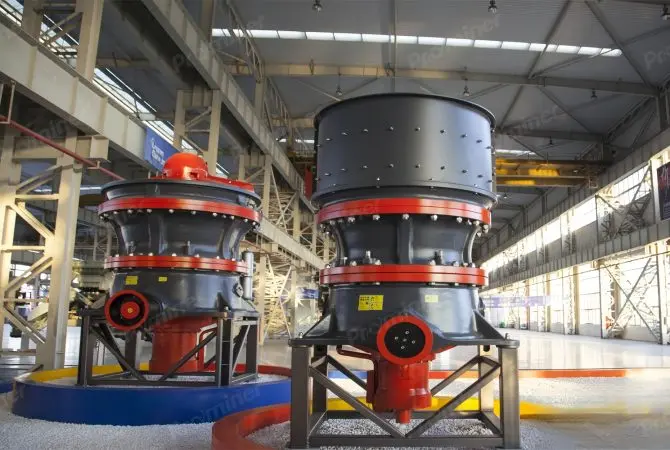
Kruszarka hydrauliczna jednostkowa ma dwie serie w oparciu o różne komory, komora S jest zaprojektowana
Aby dowiedzieć się więcej o naszych produktach i rozwiązaniach, prosimy o wypełnienie poniższego formularza, a jeden z naszych ekspertów skontaktuje się z Tobą wkrótce
Projekt flotacji złota 3000 TPD w prowincji Shandong
Flotacja rudy litu 2500 TPD w Syczuanie
Faks: (+86) 021-60870195
Adres:Nr 2555, Xiupu Road, Pudong, Szanghaj
Prawa autorskie © 2023.Prominer (Shanghai) Mining Technology Co., Ltd.


