



Leaching w zbiornikach to dobry wybór dla właściciela projektu, aby rozpocząć na początkowym etapie, aby zaoszczędzić inwestycje


/
/
Why is “More Crushing and Less Grinding” a Wise Way to Save Energy and Improve Productivity?
In mineral processing and aggregate production, crushing and grinding are two essential size-reduction stages. However, they differ significantly in energy consumption. Crushing typically uses compressive forces to reduce large rocks into smaller pieces, while grinding further reduces material into fine particles through impact and attrition.
Grinding is far more energy-intensive than crushing. In fact, grinding processes—especially in ball mills or similar equipment—can account for up to 40–50% of total plant energy consumption. This is because grinding requires finer particle sizes, which demand exponentially greater energy input. By shifting more size reduction work to the crushing stage, operations can dramatically reduce overall energy usage.
The concept of “more crushing and less grinding” involves maximizing particle size reduction during the crushing stage so that less work is required in the grinding stage. This is achieved by:
By producing finer material before it enters the mill, the grinding system operates under reduced load, improving both efficiency and throughput.
Energy savings are one of the most compelling reasons to adopt this approach. Crushing equipment generally consumes less energy per ton compared to grinding mills. When more work is done upfront in crushing:
In large-scale operations, even a small percentage reduction in grinding energy can translate into substantial annual cost savings.
When grinding mills process coarser, less optimized feed, their capacity is limited. However, if the feed is pre-crushed to a finer, more uniform size:
This leads to higher overall plant productivity without necessarily investing in additional grinding capacity. Essentially, better crushing enables the grinding circuit to operate closer to its optimal performance range.
Grinding equipment, such as ball mills and liners, is subject to significant wear due to continuous impact and abrasion. Excessive grinding workload accelerates component degradation.
By transferring more size reduction to the crushing stage:
Lower maintenance frequency means less downtime and higher operational availability.
A well-optimized crushing circuit produces more uniform feed material. Consistent feed size distribution improves the stability of downstream grinding and separation processes.
Korzyści obejmują:
Stable operation not only enhances product quality but also simplifies process control.
Energy efficiency directly correlates with environmental performance. Lower energy consumption means:
As industries face increasing environmental regulations and carbon reduction targets, adopting “more crushing and less grinding” becomes both an economic and strategic decision.
“More crushing and less grinding” is a wise strategy because it addresses one of the most energy-intensive stages in mineral processing. By shifting more size reduction work to the crushing phase, operations can reduce energy consumption, increase throughput, lower maintenance costs, and improve overall process stability.
In a competitive and sustainability-driven industrial environment, optimizing the balance between crushing and grinding is not just a technical improvement—it is a smart business decision.
A: Cechy minerałów różnią się znacznie nawet w obrębie tego samego złoża rudy. Profesjonalny test (taki jak analiza chemiczna, XRD i SEM) zapewnia, że schemat procesu jest zoptymalizowany pod kątem twojej specyficznej klasy rudy i rozmiaru uwolnienia. To zapobiega kosztownym niedopasowaniom sprzętu i gwarantuje najwyższe możliwe wskaźniki odzysku dla twojego projektu.
A: Utrzymujemy stały zapas podstawowych części eksploatacyjnych (takich jak wkłady kruszarek, siatki screeningowe i media mielące). Dla klientów międzynarodowych oferujemy zalecaną „listę części zamiennych na 2 lata” przy pierwszym zakupie. Wsparcie techniczne jest dostępne 24/7 za pośrednictwem wideo zdalnego, a wizyty na miejscu mogą być organizowane w przypadku złożonych potrzeb serwisowych.
A: Tak. Wysyłamy zespół starszych inżynierów mechaników i elektryków na miejsce, aby nadzorować instalację, uruchamianie i testowanie obciążeniowe sprzętu. Oferujemy również kompleksowe szkolenie na miejscu dla lokalnych operatorów, aby zapewnić sprawne i długoterminowe funkcjonowanie.
A: Absolutnie. Specjalizujemy się w świadczeniu usług EPCM (Zarządzanie Inżynieryjne, Zakupy, Zarządzanie Budową). Obejmuje to wszystko, od wstępnych testów rudy i projektowania kopalni, po produkcję sprzętu, logistyka i integracja zakładów na pełną skalę, zapewniając płynne przejście od zielonego pola do produkcji.
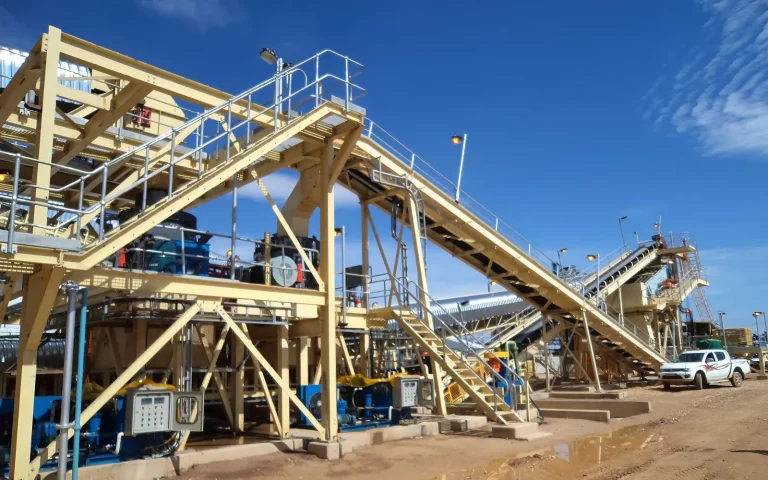
Leaching w zbiornikach to dobry wybór dla właściciela projektu, aby rozpocząć na początkowym etapie, aby zaoszczędzić inwestycje
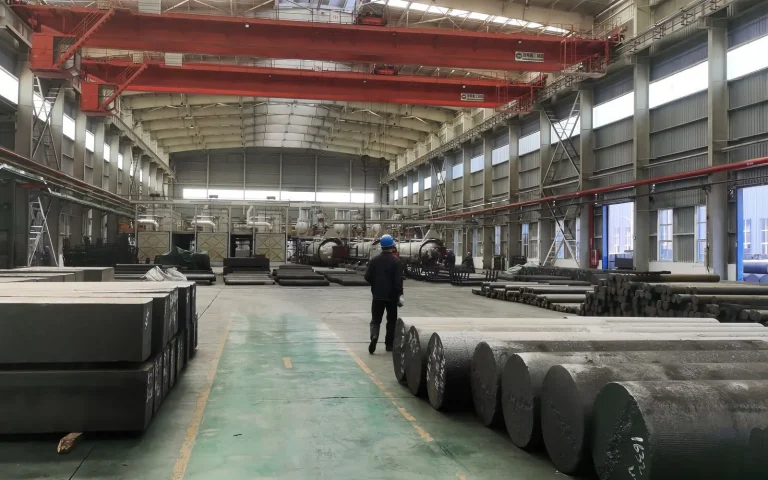
Elektroda grafitowa UHP jest głównie używana w piecach łukowych o ultra wysokiej mocy w przemyśle hutniczym
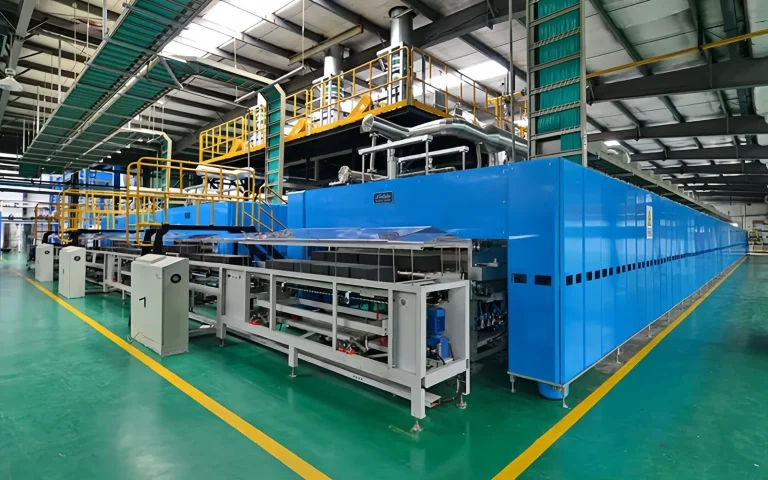
Materiał anodowy z sztucznego grafitu jest głównie wytwarzany z wysokiej jakości koksu naftowego o niskiej zawartości siarki

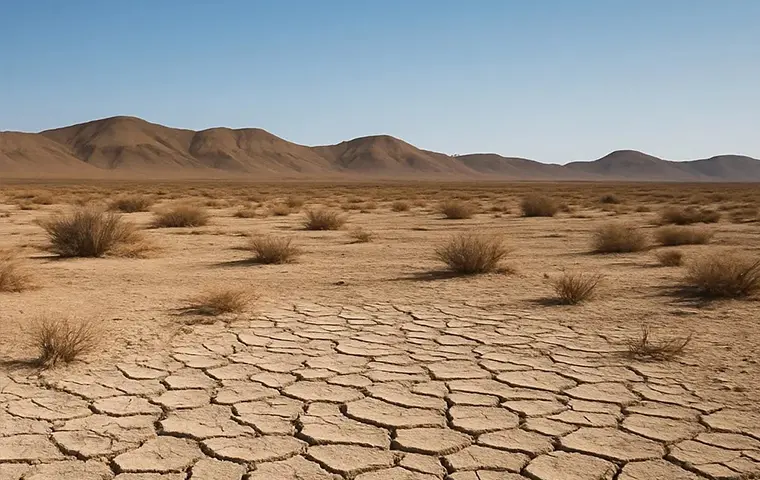
Surowa ruda: Ruda złota typu tlenkowego Klasa złota: 3,5 g/t Wskaźnik odzysku złota: 92% Czystość sztabki złota: 96%
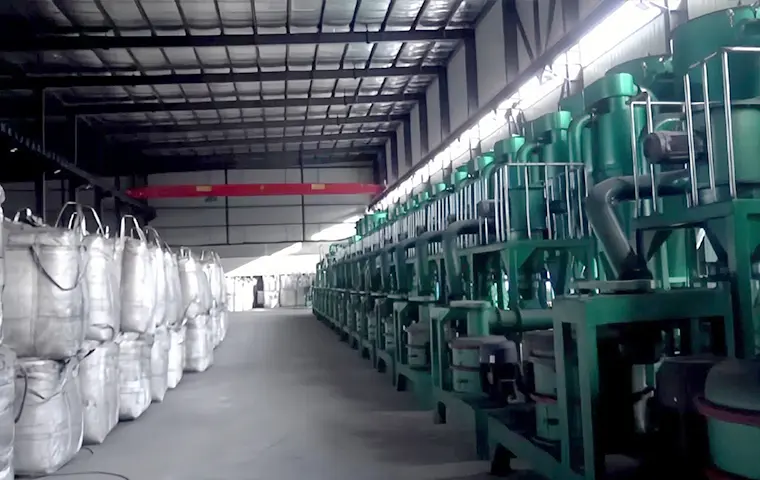
Surowiec: Wysokopurystyczny grafit (99,95% C) Projektowa zdolność: 10 000 ton rocznie
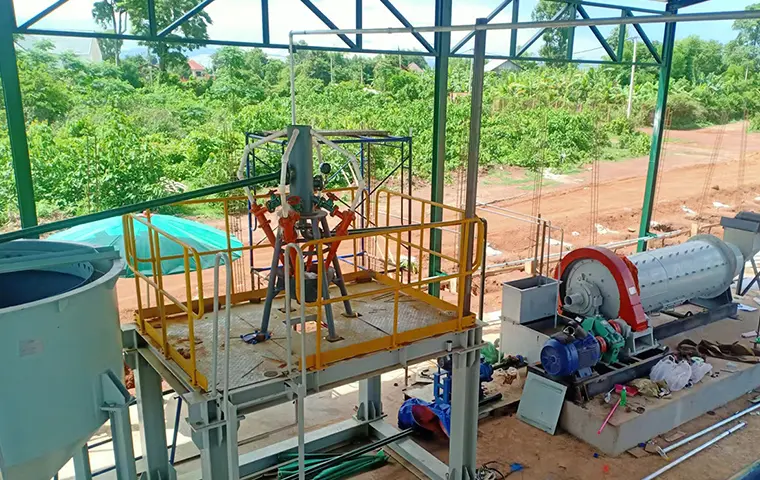
Funkcje: Kompaktowy układ, pełne pokrycie procesów, niskie koszty inwestycji i szybkie wdrożenie. Zaprojektowane dla Start-upów i Małych Kopalni — Twoje elastyczne i efektywne rozwiązanie do wydobycia złota!
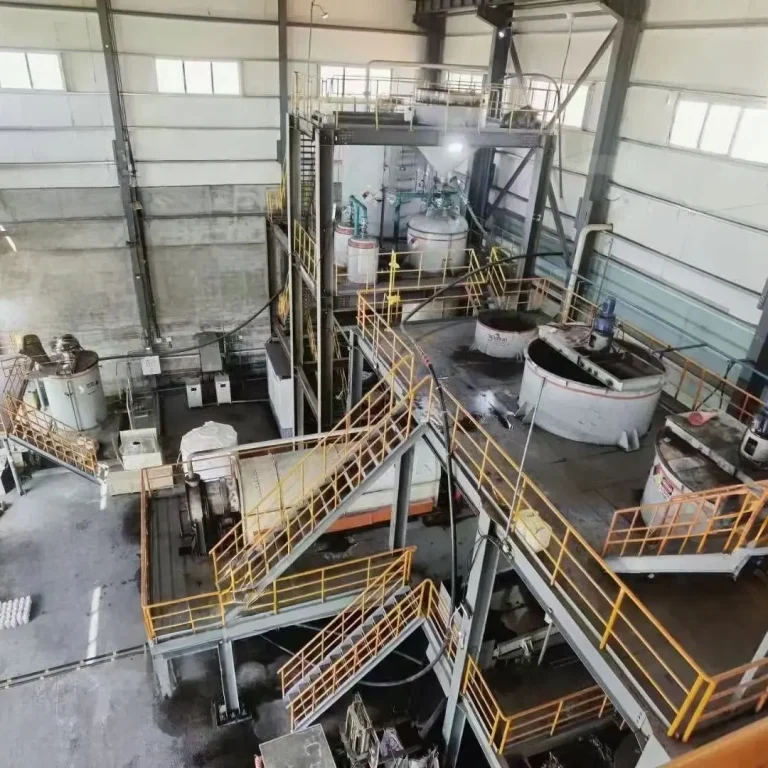
Surowiec: Złoto z rudą tlenkową/siarczkową Zawartość złota: 3,5 g/t Czystość sztabki złota: 99,5%
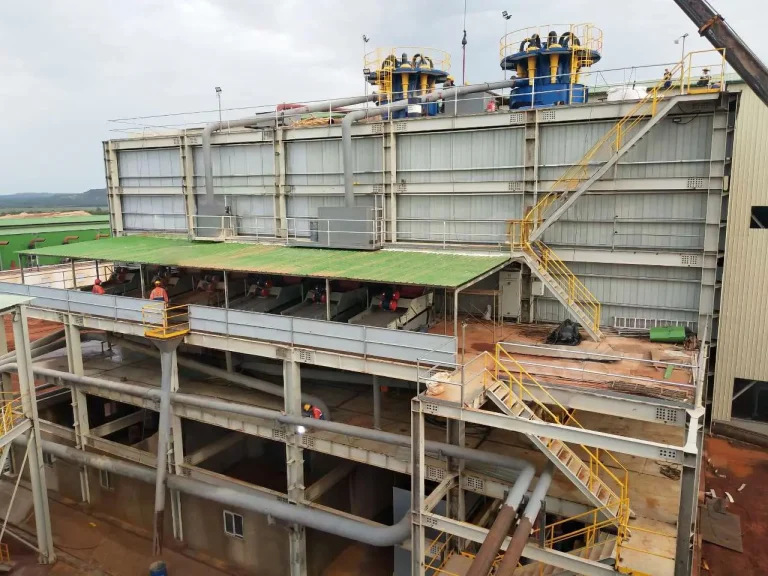
Surowiec: Złoże złota aluwiów rzecznych Klasa złota: 0,7 g/t (średnio) Stopa odzysku: 90%
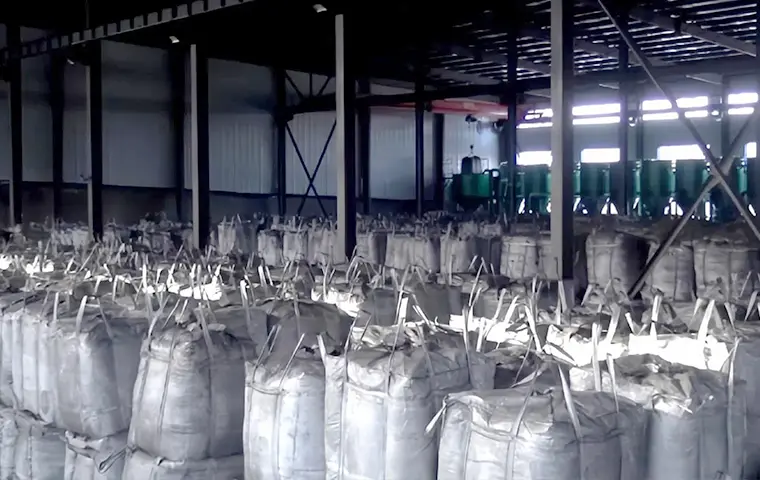
Surowiec: Koncentrat flotacyjny grafitu (95% C) Kapacity projektu: 10 000 ton rocznie
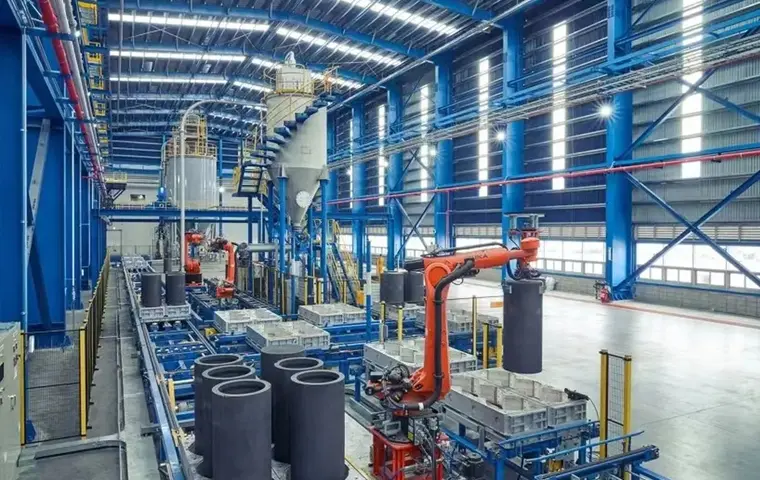
Surowce: Zielony koks naftowy, zielony koks igłowy i pitch o wysokiej temperaturze topnienia.
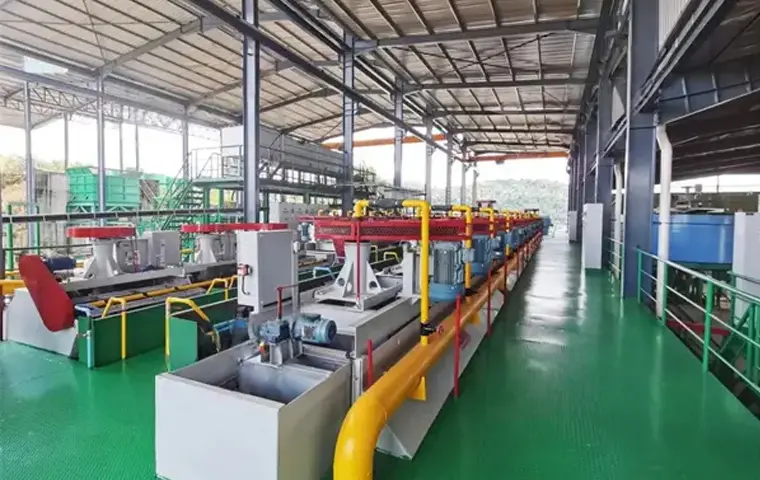
Ruda surowa: Koltan aluwiów (tantalit-kolumbit) z rudą kasiterytu Stopień rud: Ta₂O₅: 0,025-0,04%; Nb₂O₅: 0,02-0,035%; SnO₂: 0,1-0,3%
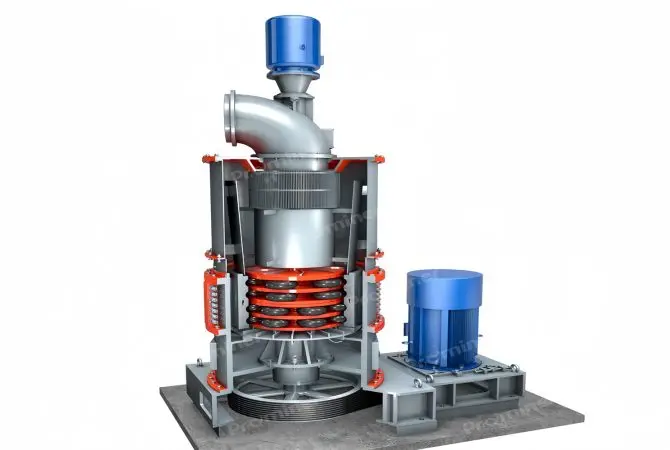
Możemy dostarczyć młyn walcowy do produkcji ultradrobnego proszku, który nadaje się do mielenia.
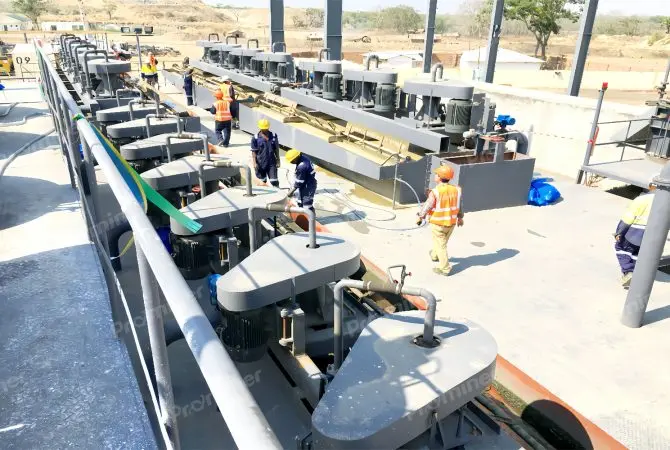
Prominer może dostarczyć maszyny flotacyjne serii SF oraz komory flotacyjne serii XCF/KYF
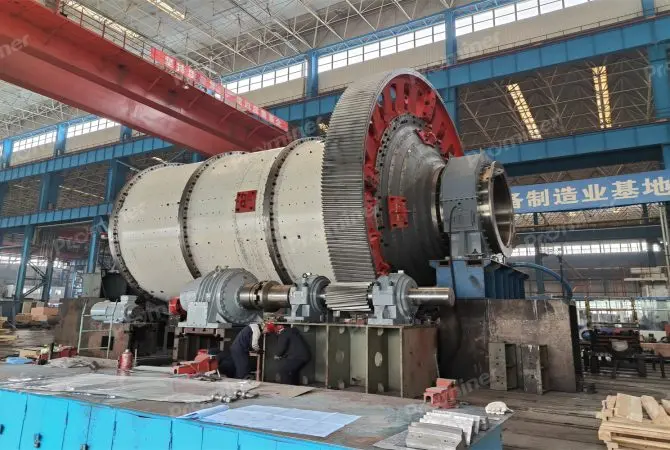
Możemy zaprojektować i wyprodukować młyn kulowy typu kratowego do podstawowego mielenia minerałów
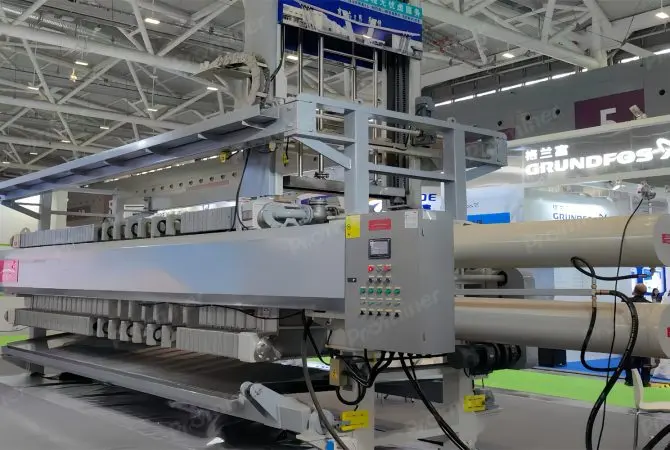
Prominer może dostarczyć filtr prasowy, filtr próżniowy taśmowy, filtr próżniowy dyskowy i filtr ceramiczny
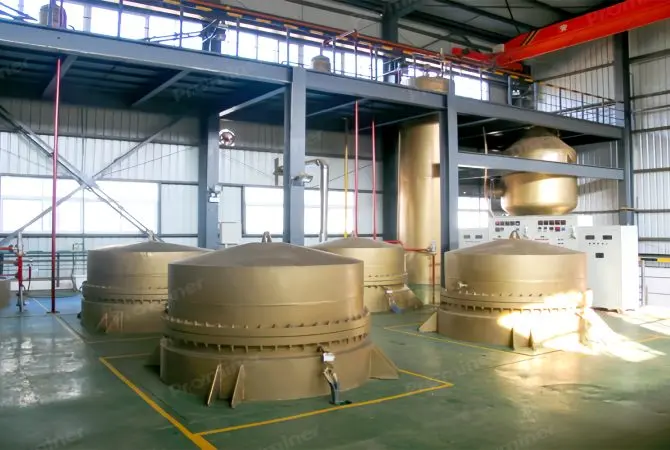
Prominer może zaprojektować i dostarczyć kompletny system rafinacji i przetapiania dla projektu CIL złota
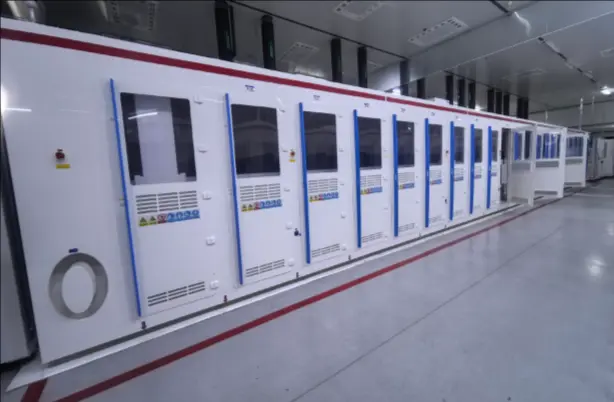
W skład wchodzi: sprzęt do teksturyzacji monokryształów w partiach, ładowarka/rozładowarka do teksturyzacji partii, niskie ciśnienie…
Aby dowiedzieć się więcej o naszych produktach i rozwiązaniach, prosimy o wypełnienie poniższego formularza, a jeden z naszych ekspertów skontaktuje się z Tobą wkrótce
Projekt flotacji złota 3000 TPD w prowincji Shandong
Flotacja rudy litu 2500 TPD w Syczuanie
Faks: (+86) 021-60870195
Adres:Nr 2555, Xiupu Road, Pudong, Szanghaj
Prawa autorskie © 2023.Prominer (Shanghai) Mining Technology Co., Ltd.


