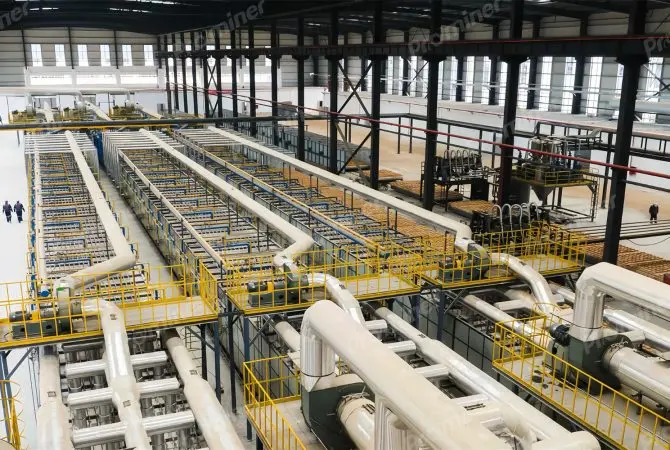
อิเล็กโทรดกราไฟต์ UHP ใช้สำหรับเตาอาร์คไฟฟ้ากำลังสูงพิเศษในอุตสาหกรรมการหลอมเหล็ก



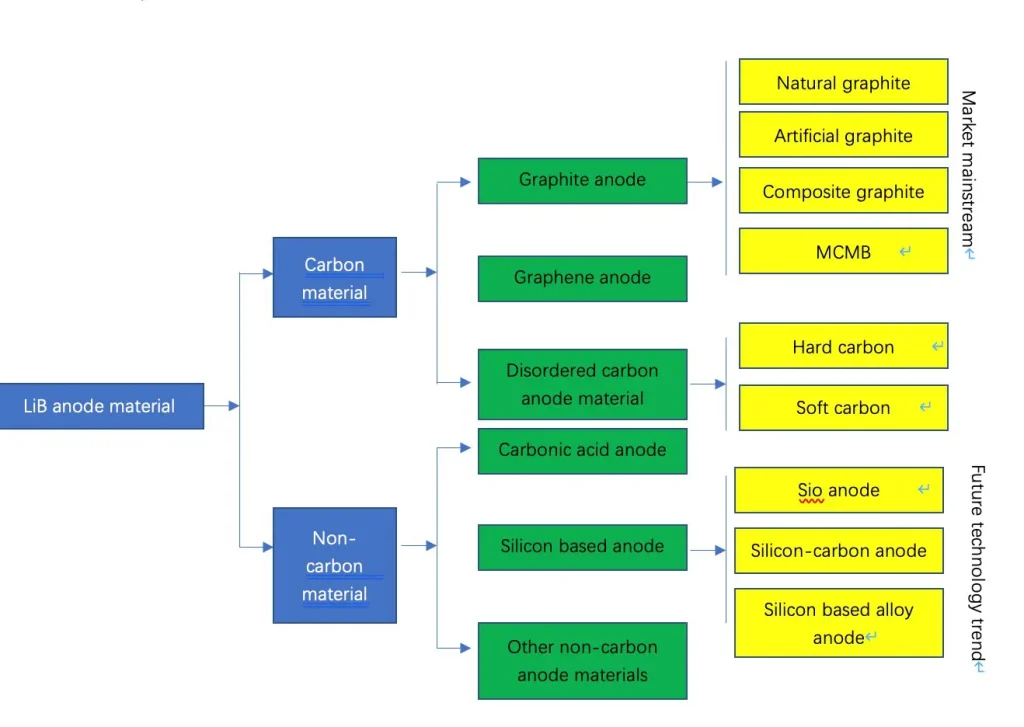
วัสดุแอโนดแบ่งออกเป็นสองประเภทหลัก: วัสดุคาร์บอนและวัสดุที่ไม่ใช่คาร์บอน คาร์บอนหมายถึงระบบที่มีฐานคาร์บอน ซึ่งรวมถึงไมโครสเฟียร์เมโซคาร์บอน, กราไฟต์เทียม, กราไฟต์ธรรมชาติ และคาร์บอนแข็ง ขณะนี้วัสดุคาร์บอนที่ใช้งานได้มากที่สุดคือวัสดุแอโนดกราไฟต์ ซึ่งกราไฟต์เทียมและกราไฟต์ธรรมชาติมีการใช้งานในอุตสาหกรรมขนาดใหญ่ วัสดุที่ไม่ใช่คาร์บอนส่วนใหญ่มักจะรวมถึงวัสดุที่มีพื้นฐานซิลิคอน, วัสดุที่มีพื้นฐานดีบุก, ลิเทียมไททาไนต์ เป็นต้น ในบรรดาวัสดุเหล่านี้ วัสดุแอโนดที่มีพื้นฐานซิลิคอนเป็นวัตถุการศึกษาหลักของผู้ผลิตวัสดุแอโนดหลักในปัจจุบันและเป็นหนึ่งในวัสดุแอโนดใหม่ที่มีโอกาสนำไปใช้ในระดับใหญ่ในอนาคต.
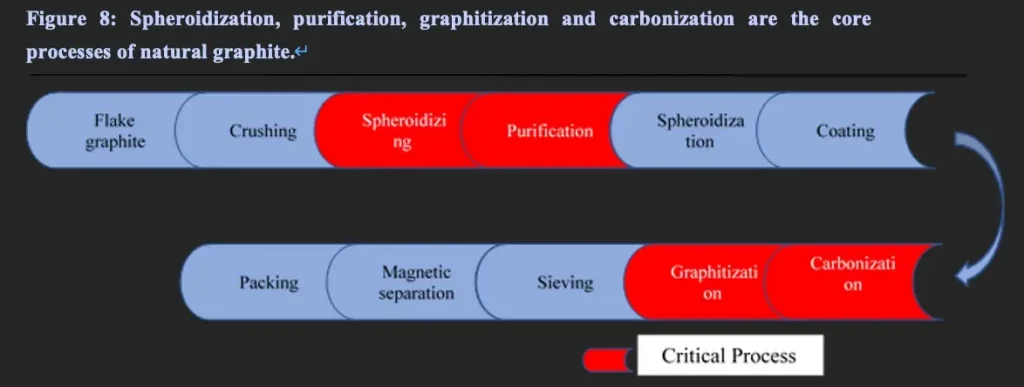
การแปรรูปกราไฟต์ธรรมชาติ
วัสดุแอโนดกราไฟต์ธรรมชาติคือน้ำหนักกราไฟต์แบบแผ่นธรรมชาติที่ใช้เป็นวัสดุดิบ หลังจากการบด, การคัดเกรด, การเปลี่ยนรูป,การทำให้บริสุทธิ์, การบำบัดพื้นผิวและกระบวนการอื่น ๆ ที่เตรียมจากวัสดุแอโนด.
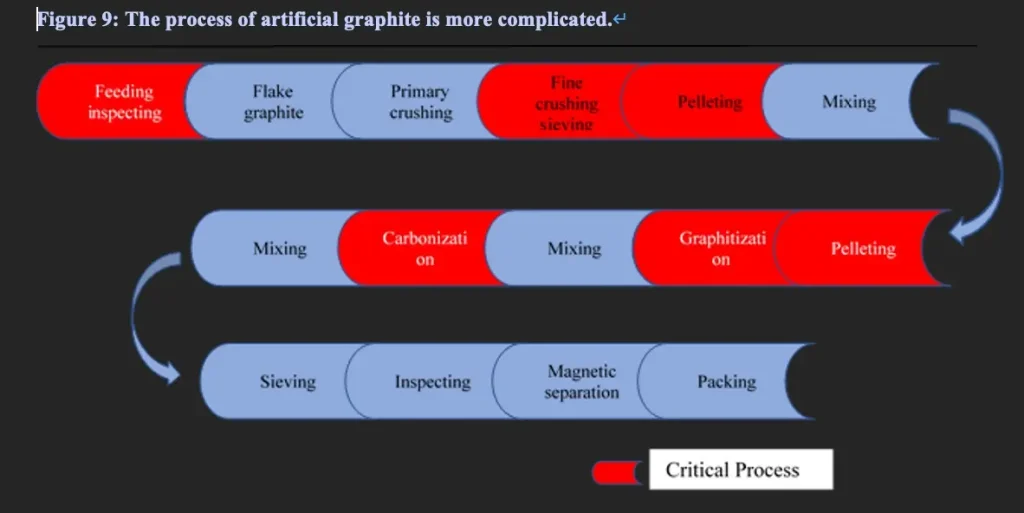
กระบวนการเตรียมวัสดุแอโนดกราไฟต์เทียม
Artificial graphite manufacturing process can be divided into four steps, more than ten small procedures, granulation and graphitization is the key.
กระบวนการผลิตวัสดุแอโนดกราไฟต์เทียมสามารถแบ่งออกเป็นสี่ขั้นตอน:
1) การเตรียมการล่วงหน้า
2) การทำเม็ด
3) การเปลี่ยนกราไฟต์
4) การบดบอลและการคัดกรอง.
Among the four steps, crushing and screening are relatively simple, and granulation and graphitization are the two links that reflect the technical threshold and production level of the anode industry.
Specific to the production process, firstly, one or more of the coke and conductive particles, carbon nanotubes, carbon black, acetylene black are premixed, and then the mixed material and carbon are sintered and coated once, and the prepared particles are graphitized. Graphitized materials and resin materials for secondary coating; Surface treatment with solvent, centrifugation, precipitation and other methods to separate solid particles from the solvent, and then carbonization, 5-20um particles, to obtain a high rate of carbon anode material. In this method, by mixing and fabricating particles, the particles are coated twice to fill the inner shell of the material, so that the internal structure of the material is stable, so that the carbon anode material has the advantages of high rate performance, high pressure compaction, high specific capacity and so on.
(1) การเตรียมการเบื้องต้น
Graphite raw material (needle coke or petroleum coke) is mixed with binder for air milling (crushing).According to the different products, the graphite raw materials and adhesive (graphitization) according to different proportions, the mixing ratio is 100 :(5~20), the material through the vacuum feeding machine into the hopper, and then the hopper into the air flow mill for air การบด, การบด 5~10mm diameter of the raw and auxiliary materials to 5-10 microns. After air การบด, cyclone dust collector is used to collect the required particle size materials, the dust collection rate is about 80%, the tail gas is filtered by the filter core filter and discharged, the dust removal efficiency is more than 99%. The material of the filter element is the filter cloth with pores less than 0.2 micron, which can intercept all the dust above 0.2 micron. The fan control system is in negative pressure state.
ความแตกต่าง: pretreatment mill is divided into mechanical mill and jet mill, now the mainstream is jet mill. There are more kinds of adhesives, such as petroleum asphalt, coal asphalt, phenolic resin or epoxy resin.
(2) การแกรนูล/การแกรนูลรอง
การอัดเม็ด is a key step in artificial graphite processing. การอัดเม็ด is divided into pyrolysis process and ball milling process.
กระบวนการความร้อน: the intermediate material 1 is put into the reaction reactor and electrically heated according to a certain temperature curve in inert gas atmosphere and under a certain pressure. It is stirred at 200-300 ℃ for 1-3h and then heated to 400-500℃ to obtain the material with a particle size of 10-20mm. The material is cooled and discharged, namely the intermediate material
2. Ball mill and sieve division of labor: vacuum feeding, conveying intermediate material 2 to the ball mill for mechanical ball การบด, การบด 10~20mm material into 6~10 micron particle size material, and screening to get intermediate material
3. The material on the screen is transported back to the ball mill by vacuum pipe for ball การบด.
The size, distribution and morphology of graphite particles affect many properties of anode materials. In general, the smaller the particle size, the better the rate performance and cycle life, but the first efficiency and compaction density (affecting the volume energy density and specific capacity) are worse, and vice versa. Reasonable particle size distribution (mixing large particles with small particles, later process) can improve the specific capacity of the negative electrode. The particle morphology also has a great influence on the rate and low temperature performance.
การทำเกรนที่สอง: small particles have large specific surface area, more channels and shorter paths for lithium ion migration, good rate performance, and large particles have high compaction density and large capacity. How to take into account the advantages of large and small particles, and achieve high capacity and high rate at the same time? The answer is to take secondary granulation. Using the base material such as small grain petroleum coke and needle coke, by adding coating materials and additives, under the condition of high temperature agitation, by controlling the material proportion, temperature rise curve and agitation speed, the small grain base material can be granulated twice, and the product with larger grain size can be obtained. Compared with the product of the same particle size, the secondary granulation can effectively improve the liquid retention performance of the material and reduce the expansion coefficient of the material (there are concave holes between small particles and small particles), shorten the diffusion path of lithium ions, improve the rate performance, but also improve the high and low temperature performance and cycling performance of the material.
ความแตกต่าง: The secondary granulation process has high barriers, many types of coating materials and additives, and is prone to problems such as uneven coating or coating shedding, or poor coating effect, etc. It is an important process for high-end artificial graphite.
(3) การกราไฟต์ไลเซชัน
การกราไฟต์ is the orderly transformation of thermodynamically unstable carbon atoms from chaotic layer structure to graphite crystal structure by thermal activation. Therefore, high temperature heat treatment (HTT) is used in the graphitization process to provide energy for atomic rearrangement and structural transformation. In order to improve the graphitization degree of refractory carbon materials, catalysts can also be added.
เพื่อให้ได้ผลลัพธ์การกราไฟต์ไลเซชันที่ดียิ่งขึ้น จำเป็นต้องทำในสามด้าน:
1. ควบคุมวิธีการโหลดวัสดุทนความร้อนและวัสดุเข้าเตา (การโหลดแนวนอน การโหลดแนวตั้ง การโหลดหลุด และการโหลดผสม เป็นต้น) และสามารถปรับระยะห่างระหว่างวัสดุตามประสิทธิภาพที่แตกต่างกันของวัสดุทนความร้อนได้;
2. according to the different capacity and product specifications of the graphitization furnace, different power curve is used to control the rate of rise and fall in the process of graphitization;
3, in specific circumstances, in the ingredients to add catalyst, improve the degree of graphitization, that is, “catalytic graphitization”.
ความแตกต่าง: Different qualities of artificial graphite have different heating and cooling rates, holding time, catalysts, etc. It is expected that the types of graphitization furnaces used are different, resulting in relatively large differences in performance and cost. การกราไฟต์ separated from the front-end and back-end processes, especially the heating and cooling process, is basically programmed, but the graphitization time is long and the equipment investment is large, so more outsourced processing is required, and there is no risk of technology leakage.
(4) การคาร์บอไนเซชันแบบเคลือบ
การคาร์บอไนเซชันแบบเคลือบ: การคาร์บอไนเซชันแบบเคลือบ uses a graphite-like carbon material as a “core”, and coats a layer of uniform amorphous carbon material on its surface to form particles similar to a “core-shell” structure. The precursors of commonly used amorphous carbon materials include low-temperature pyrolysis carbon materials such as phenolic resin, pitch, and citric acid. The interlayer spacing of amorphous carbon materials is larger than that of graphite, which can improve the diffusion performance of lithium ions in it. SEI film, improve the first effect, cycle life, etc.
ความแตกต่าง: Different manufacturers choose different precursors and different heating procedures, so that the thickness and uniformity of the coating layer are also different, so the product cost and performance will also be different.
(5) การคัดกรอง/การเติม
วัสดุที่ผ่านการทำให้เป็นกราไฟต์จะถูกขนส่งไปยังเครื่องบดลูกบอลด้วยสุญญากาศ จากนั้นจึงผ่านการผสมทางกายภาพและการบดลูกบอล วัสดุจะถูกคัดกรองด้วยตะแกรงโมเลกุลขนาด 270 เมช และวัสดุที่อยู่ใต้ตะแกรงจะถูกตรวจสอบ วัด บรรจุหีบห่อ และจัดเก็บ วัสดุบนตะแกรงจะถูกบดลูกบอลต่อไปเพื่อให้ตรงตามข้อกำหนดด้านขนาดอนุภาค จากนั้นจึงร่อน

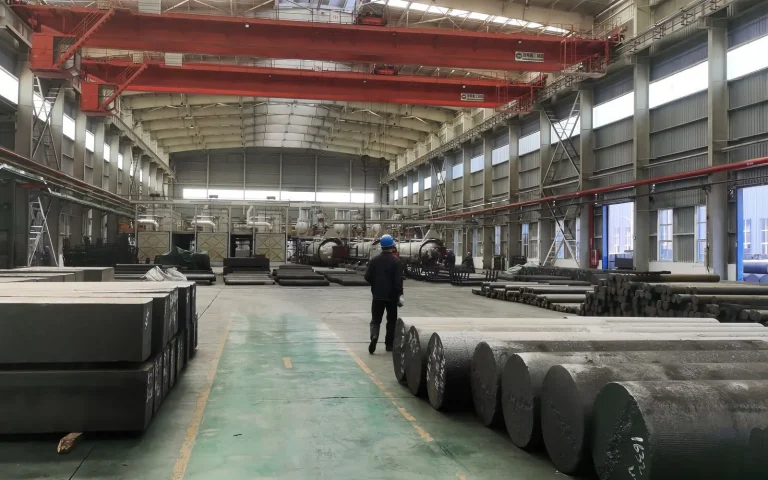
อิเล็กโทรดกราไฟต์ UHP ใช้สำหรับเตาอาร์คไฟฟ้ากำลังสูงพิเศษในอุตสาหกรรมการหลอมเหล็ก
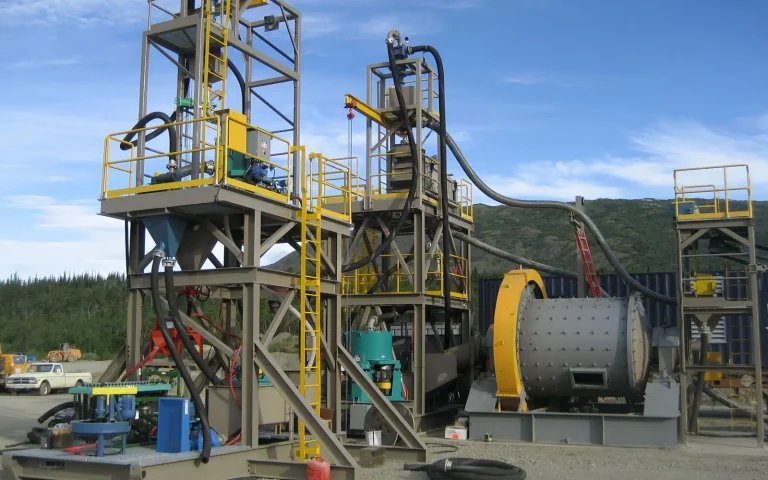
แร่ที่รู้จักกันดีที่สุดในกลุ่มแร่ที่เกิดจากภายนอกคือทองคำจากตะกอนซึ่งเรียกว่าทองคำพลาซ่า ทองคำจากตะกอนหมายถึง
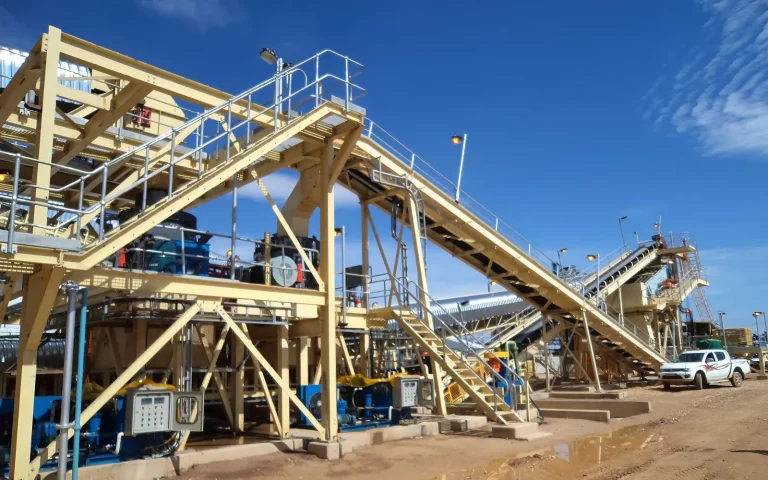
การล้างในถังเป็นตัวเลือกที่ดีสำหรับเจ้าของโครงการในการเริ่มต้นในระยะเริ่มต้นเพื่อลดการลงทุน
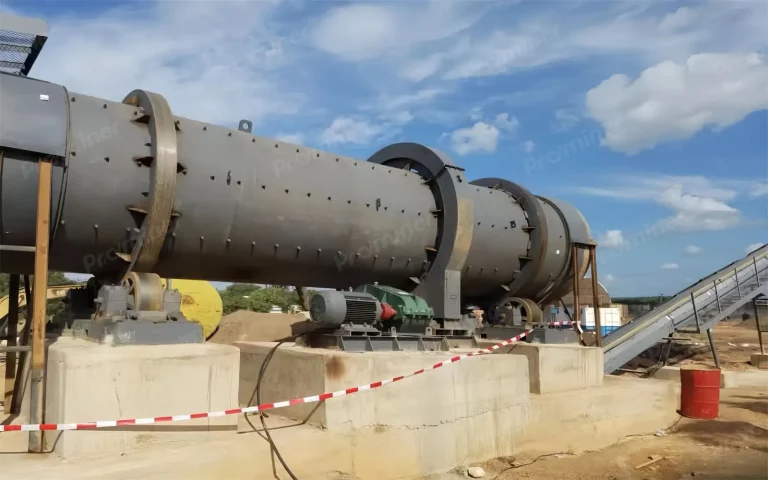
การล้างแบบกองเป็นวิธีการล้างไซยาไนด์แบบดั้งเดิมที่ยืดหยุ่นและประหยัดในการสกัดทองคำ
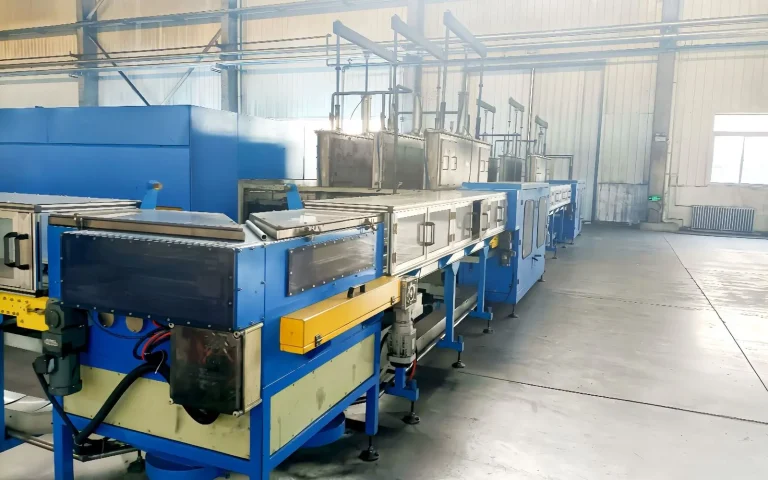
วัสดุแอโนดคาร์บอนแข็งเป็นวัสดุที่ได้รับความนิยมมากที่สุดสำหรับการค้าแบตเตอรี่โซเดียมไอออน
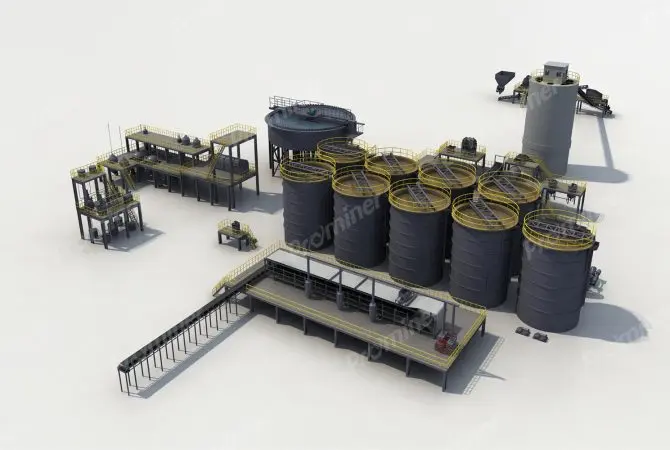
Prominer สามารถให้บริการโซลูชันครบวงจรสำหรับระบบ CIL (คาร์บอนในสารละลาย)
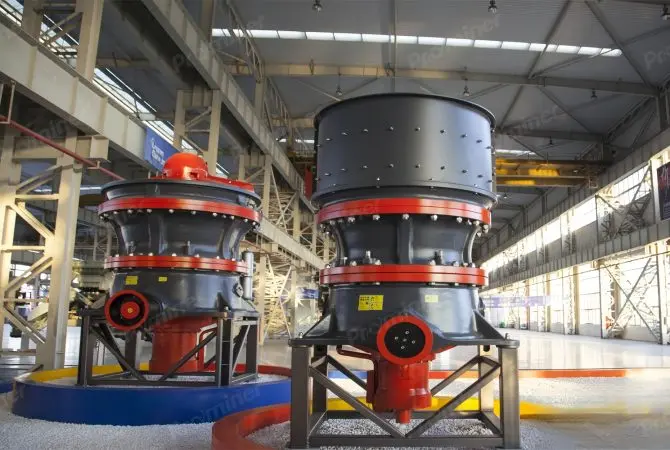
เครื่องบดกรวยไฮดรอลิกกระบอกเดียวมีสองซีรีส์ตามห้องที่แตกต่างกัน, ห้อง S ถูกออกแบบมา
หากต้องการทราบข้อมูลเพิ่มเติมเกี่ยวกับผลิตภัณฑ์และโซลูชันของเรา โปรดกรอกแบบฟอร์มด้านล่างและผู้เชี่ยวชาญของเราจะติดต่อกลับหาคุณในไม่ช้า
โครงการฟลอทเตชั่นทองคำ 3000 TPD ในมณฑลซานตง
ฟลอทเตชั่นแร่ลิเธียม 2500 TPD ในเสฉวน
Fax: (+86) 021-58779592
ที่อยู่: ห้อง 606 อาคาร D3 เฟส II ศูนย์ธุรกิจฉวนซา 777 ถนนหลง เมียโอฉวน ถัง เขตผู่ตงใหม่ เซี่ยงไฮ้ ประเทศจีน
ลิขสิทธิ์ © 2023. บริษัท โปรมิเนอร์ (เซี่ยงไฮ้) ไมนิ่ง เทคโนโลยี จำกัด