อิเล็กโทรดกราไฟต์ UHP ใช้สำหรับเตาอาร์คไฟฟ้ากำลังสูงพิเศษในอุตสาหกรรมการหลอมเหล็ก




การลดต้นทุนสารเคมีฟลูออไรท์ในการลอยตัวลง 40% โดยไม่สูญเสียคุณภาพจำเป็นต้องมีการปรับสมดุลเชิงกลยุทธ์ระหว่างการปรับปรุงกระบวนการ การเลือกสารเคมีทางเลือก และการพัฒนาประสิทธิภาพ ด้านล่างนี้เป็นกลยุทธ์เฉพาะที่สามารถทำให้บรรลุเป้าหมายนี้ได้:
สำหรับโรงงานลอยตัวฟลูออไรต์ที่สมมุติขึ้น:
โดยการปรับ优化กระบวนการลอยตัวอย่างเป็นระบบ การเลือกใช้สารเคมีที่มีต้นทุนต่ำ และการพัฒนาการปฏิบัติงาน สามารถลดต้นทุนได้อย่างมีนัยสำคัญโดยไม่ลดคุณภาพของผลิตภัณฑ์
ลักษณะของแร่มีความแตกต่างกันอย่างมากแม้ในแร่ก้อนเดียวกัน การทดสอบจากผู้เชี่ยวชาญ (เช่น การวิเคราะห์ทางเคมี, XRD และ SEM) จะช่วยให้แน่ใจว่าแผนภาพการไหลได้รับการปรับให้เหมาะสมสำหรับเกรดแร่และขนาดการปล่อยที่เฉพาะเจาะจงของคุณ ซึ่งจะป้องกันการไม่ตรงกันของอุปกรณ์ที่อาจมีค่าใช้จ่ายสูงและรับประกันอัตราการฟื้นฟูที่สูงที่สุดเท่าที่จะเป็นไปได้สำหรับโครงการของคุณ
A: เรามีสต็อกชิ้นส่วนสึกหรอหลักอย่างถาวร (เช่น แผ่นโม่หิน, ตาข่ายกรอง, และสื่อบด) สำหรับลูกค้าระหว่างประเทศ เราจัดทำ "รายการอะไหล่แนะนำ 2 ปี" พร้อมกับการสั่งซื้อครั้งแรก การสนับสนุนทางเทคนิคมีให้บริการตลอด 24 ชั่วโมงผ่านวิดีโอรีโมต และสามารถจัดการเยี่ยมชมสถานที่สำหรับความต้องการการบำรุงรักษาที่ซับซ้อนได้
A: ใช่ เราส่งทีมวิศวกรเครื่องกลและไฟฟ้าระดับสูงไปยังสถานที่เพื่อดูแลการติดตั้ง การเริ่มต้นใช้งาน และการทดสอบโหลดของอุปกรณ์ นอกจากนี้เรายังมีการฝึกอบรมที่ครอบคลุมสำหรับผู้ปฏิบัติงานท้องถิ่นของคุณเพื่อให้แน่ใจว่าการดำเนินงานในระยะยาวเป็นไปอย่างราบรื่น
A: แน่นอน เราเชี่ยวชาญในการให้บริการ EPCM (วิศวกรรม, การจัดซื้อ, การจัดการก่อสร้าง) ซึ่งรวมถึงทุกอย่างตั้งแต่การทดสอบแร่เริ่มต้นและการออกแบบเหมืองไปจนถึงการผลิตอุปกรณ์, การขนส่ง, และการรวมโรงงานในขนาดเต็ม ทำให้มั่นใจได้ว่าจะมีการเปลี่ยนผ่านที่ไร้รอยต่อจากพื้นที่ก่อสร้างใหม่ไปสู่การผลิต
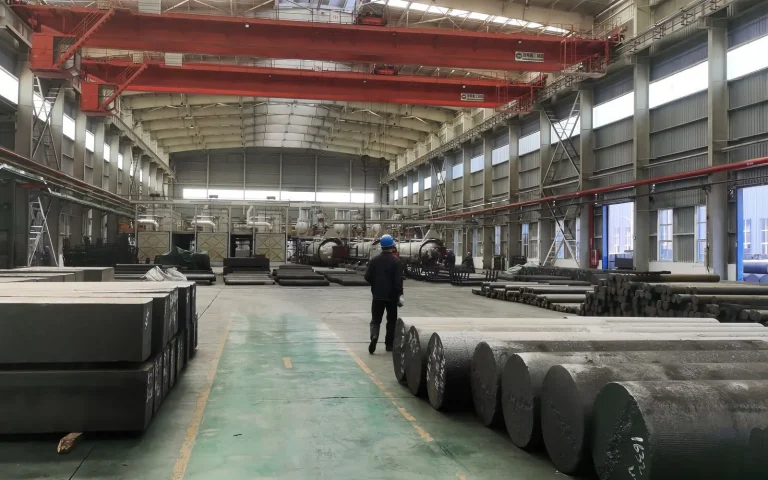
อิเล็กโทรดกราไฟต์ UHP ใช้สำหรับเตาอาร์คไฟฟ้ากำลังสูงพิเศษในอุตสาหกรรมการหลอมเหล็ก
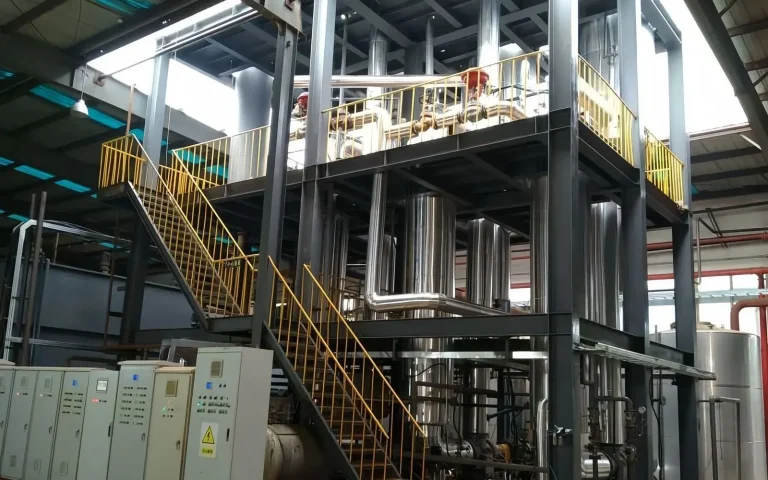
เราสามารถให้โซลูชันการสกัดลิเธียมโดยตรง (DLE) เพื่อกู้คืนลิเธียมจากน้ำเกลือในทะเลสาบเกลือ
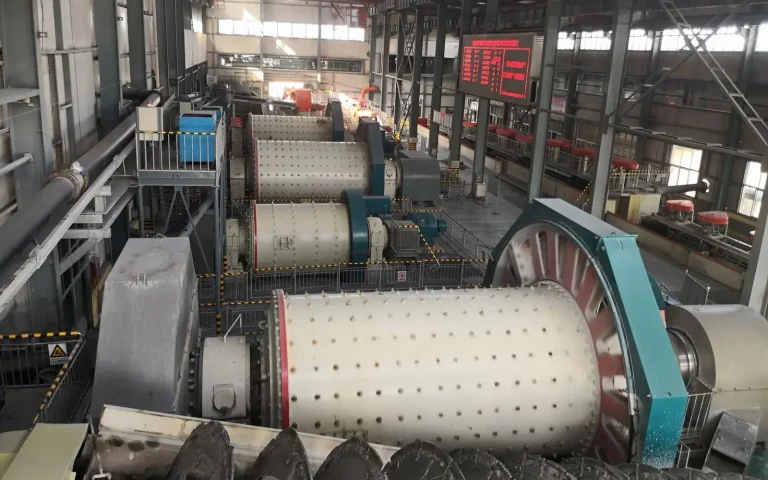
สปอดูมีนและเลพิโดไลต์เป็นแร่ธาตุลิเธียมที่สำคัญมากและสามารถกู้คืนได้ง่าย

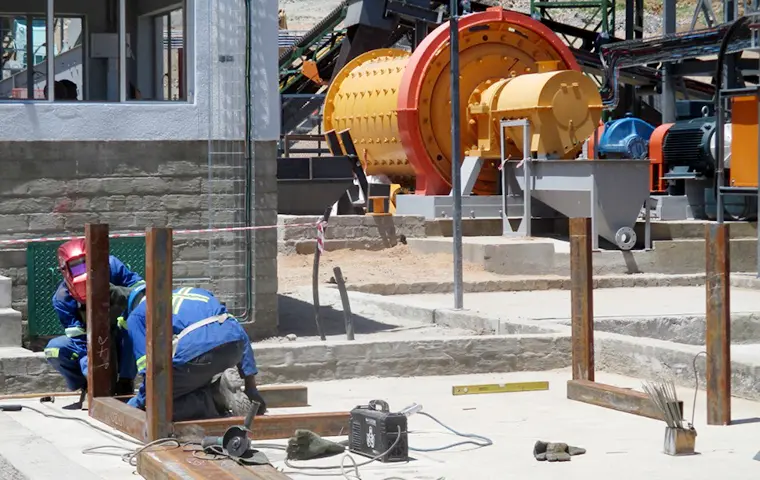
แร่ดิบ: แร่กราไฟต์แบบผลึกเกรดสูง เกรดอาหาร: 18% C เกรดคอนเซนเทรต: 95% C (TGC)
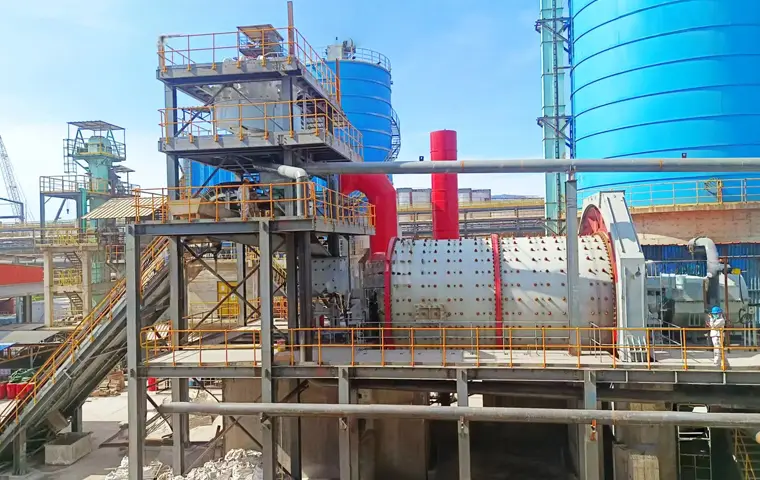
วัตถุดิบ: หินปูนแคลเซียมสูง ผลิตภัณฑ์สุดท้าย: ซีเมนต์ ผงวัตถุดิบ (200 เมช) และวัสดุก่อสร้าง
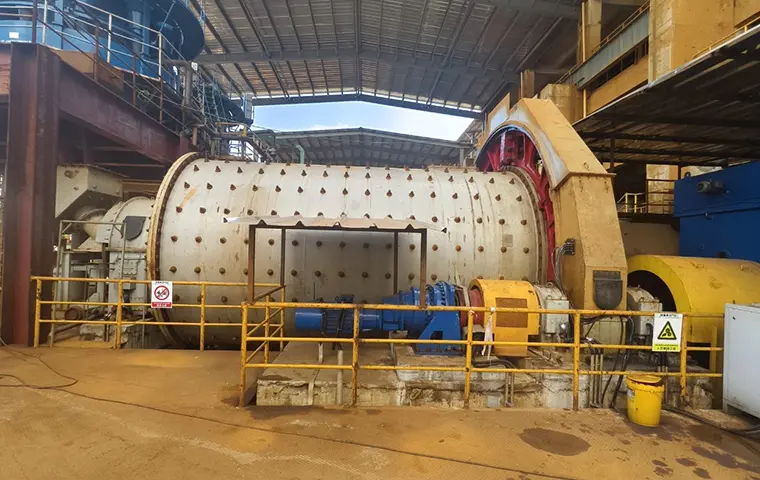
ตั้งอยู่ในประเทศอินโดนีเซีย โครงการนี้มุ่งเน้นการบดซ้ำแร่สัตต nickel อย่างมีประสิทธิภาพเพื่อทำให้การปรับปรุงแร่และการประมวลผลเชิงลึกดีขึ้น Prominer (เซี่ยงไฮ้) เทคโนโลยีเหมืองแร่ จำกัด
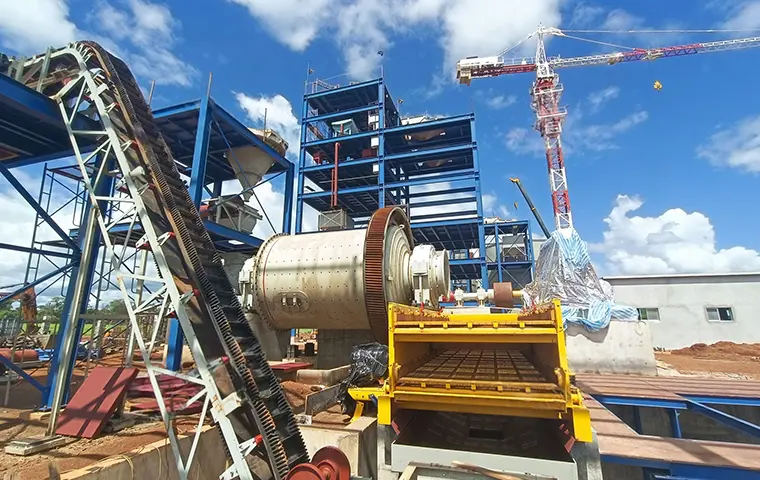
แร่ดิบ: แร่ทองแดงออกไซด์ เกรดทอง: 3.5 กรัม/ตัน ความบริสุทธิ์ของทองแท่ง: 96%
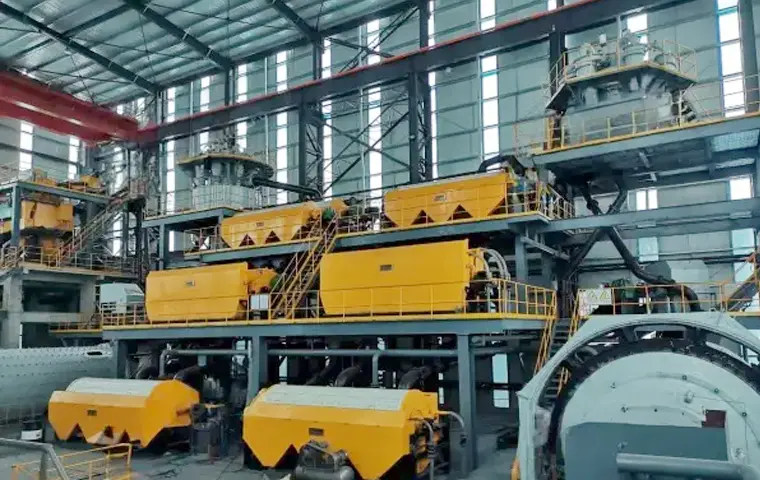
แร่ดิบ: แร่เหล็กแมกนีไทต์ที่มีแถบเฮมาไทต์ ระดับเหล็ก: 28-32% ผลิตภัณฑ์สุดท้าย: สารเข้มข้นเหล็กเกรดสูง
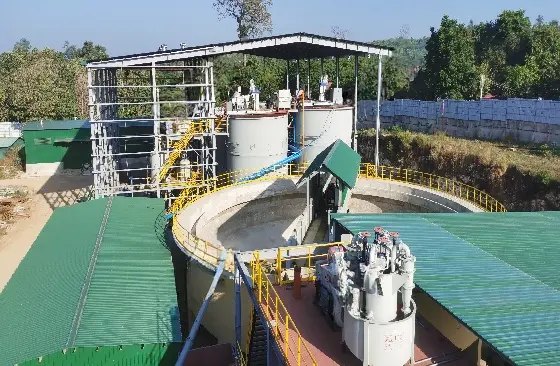
สถานที่: แทนซาเนีย แอฟริกา และกาลีมันตันกลาง อินโดนีเซีย ชนิดแร่: แร่ซัลไฟด์เกรดต่ำ (ทองคำ 1.2–1.8 กรัม/ตัน)
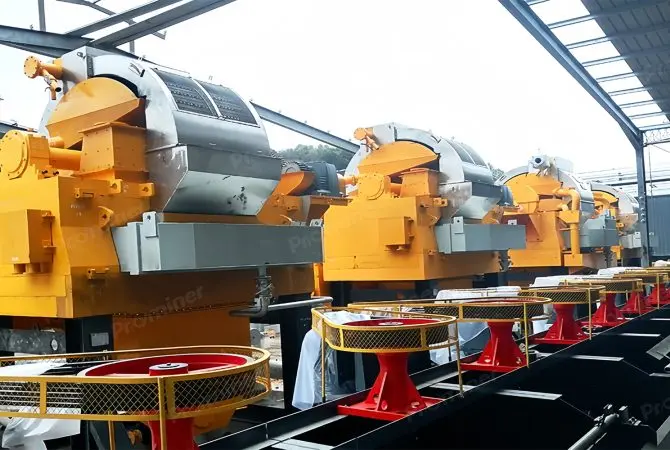
Prominer สามารถจัดหาเครื่องแยกแม่เหล็ก HIMS (เครื่องแยกแม่เหล็กความเข้มสูง) ที่แตกต่างกันได้
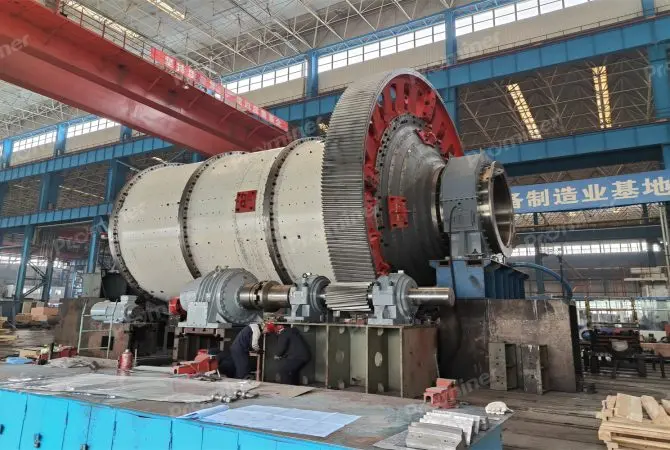
เราสามารถออกแบบและผลิตโรงสีบอลแบบตะแกรงสำหรับการบดแร่เบื้องต้น
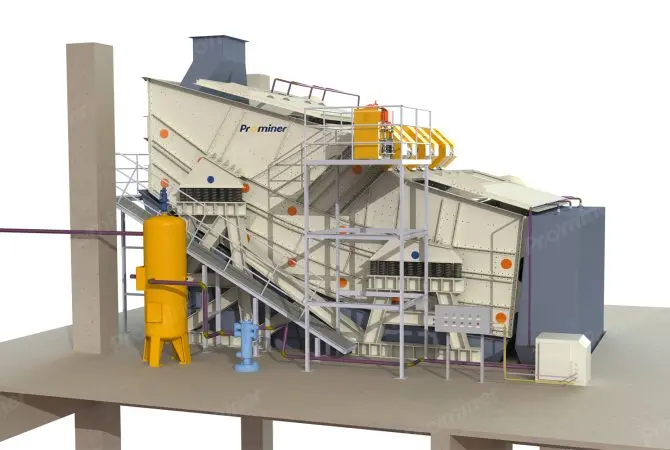
หน้าจอกล้วยยังเป็นที่รู้จักกันดีในชื่อหน้าจอความหนาของเตียงคงที่ Prominer มีความสามารถในการจัดหาวัสดุแห้ง
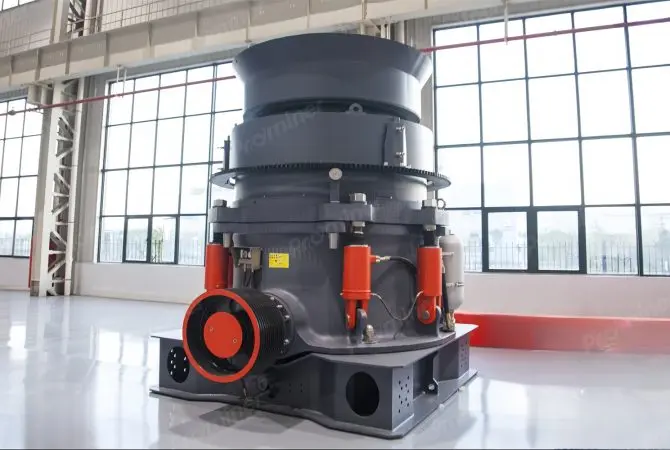
เครื่องบดกรวยไฮดรอลิกหลายกระบอกรวมความเร็วของเครื่องบด, ความเบี่ยงเบนและรูปแบบห้อง
หากต้องการทราบข้อมูลเพิ่มเติมเกี่ยวกับผลิตภัณฑ์และโซลูชันของเรา โปรดกรอกแบบฟอร์มด้านล่างและผู้เชี่ยวชาญของเราจะติดต่อกลับหาคุณในไม่ช้า
โครงการฟลอทเตชั่นทองคำ 3000 TPD ในมณฑลซานตง
ฟลอทเตชั่นแร่ลิเธียม 2500 TPD ในเสฉวน
แฟกซ์: (+86) 021-60870195
ที่อยู่:เลขที่ 2555 ถนนซิ่วผู่ ผู่ตง เซี่ยงไฮ้
ลิขสิทธิ์ © 2023.บริษัท โปรมิเนอร์ (เซี่ยงไฮ้) ไมนิ่ง เทคโนโลยี จำกัด