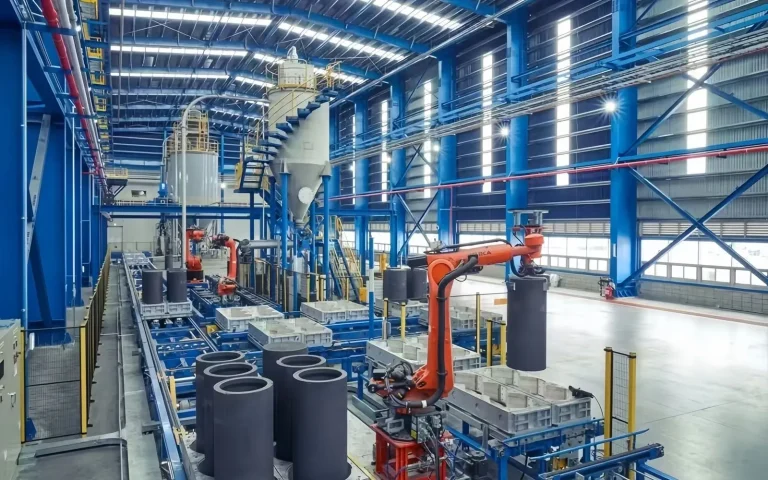
แอโนดที่มีพื้นฐานจากซิลิกอนเป็นวัสดุแอโนดคอมโพสิตชนิดหนึ่งที่เกิดจากการรวมซิลิกอน



การเพิ่มประสิทธิภาพในการกู้คืนโลหะมีค่าจากแร่ลิโมไนต์ที่มีความซับซ้อนต้องพิจารณาอย่างรอบคอบในด้านแร่ธาตุของแร่ เทคนิคการผลิตที่เลือกใช้ และการปรับค่าเฉพาะที่สำคัญ ลิโมไนต์เป็นแร่เหล็กที่ประกอบด้วยออกไซด์ของเหล็ก(III) ไฮเดรตเป็นหลักและมักจะมีนิกเกิล โคบอลต์ และโลหะมีค่าอื่น ๆ กลยุทธ์ต่อไปนี้สามารถนำมาใช้เพื่อปรับปรุงการกู้คืนจากแร่ลิโมไนต์ที่มีความซับซ้อนได้:
การเพิ่มประสิทธิภาพการฟื้นฟูจากแร่ไลโมไนต์ที่ซับซ้อนเกี่ยวข้องกับการปรับวิธีการสกัดให้เหมาะสมกับแร่ธาตุและเคมีของแร่เฉพาะ โดยการรวมเทคนิคการบำบัดที่มีประสิทธิภาพ วิธีการไฮโดรเมตัลลูร์จิคล่วงหน้าที่ทันสมัย เช่น HPAL และตัวเลือกการบำบัดของเหลือสามารถรับประกันการใช้ทรัพยากรได้อย่างมีประสิทธิภาพ นอกจากนี้ยังควรให้ความสำคัญกับการลดต้นทุนการดำเนินงานและผลกระทบต่อสิ่งแวดล้อมเพื่อให้บรรลุผลลัพธ์ที่ยั่งยืน
บริษัท โพรมีเนอร์ (เซี่ยงไฮ้) ไมนิ่ง เทคโนโลยี จำกัด เชี่ยวชาญในการให้บริการด้านการแปรรูปแร่ธาตุและวัสดุขั้นสูงครบวงจรทั่วโลก เราให้ความสำคัญกับการ: การแปรรูปทองคำ การปรับปรุงแร่ลิเธียม แร่ธาตุอุตสาหกรรม การผลิตวัสดุขั้วบวก และการแปรรูปกราไฟท์
ผลิตภัณฑ์ ได้แก่: การบดและการคัดแยก การแยกและการกำจัดน้ำ การกลั่นทองคำ การแปรรูปคาร์บอน/กราไฟท์ และระบบการล้าง
เรามีบริการครบวงจร รวมถึงการออกแบบวิศวกรรม การผลิตอุปกรณ์ การติดตั้ง และการสนับสนุนด้านการดำเนินงาน พร้อมด้วยการปรึกษาหารือจากผู้เชี่ยวชาญตลอด 24 ชั่วโมง 7 วัน
เว็บไซต์ของเรา:https://www.prominetech.com/
อีเมลของเรา:[email protected]
ยอดขายของเรา:+8613918045927(Richard),+8617887940518(Jessica)+8613402000314(บรูโน)
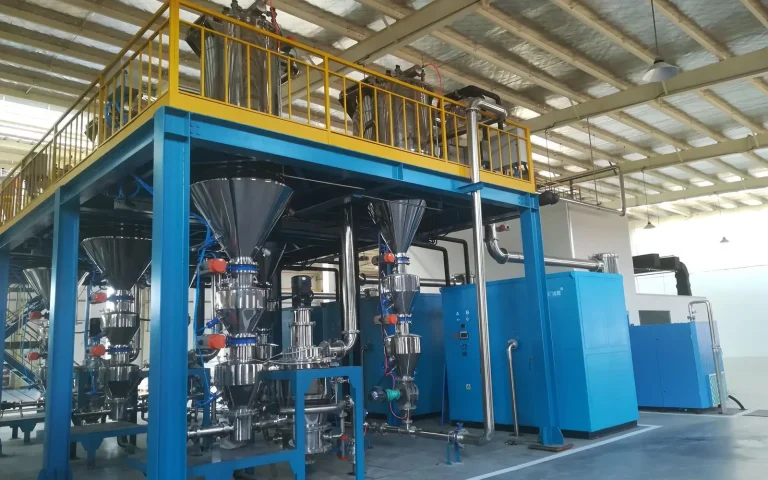
แอโนดที่มีพื้นฐานจากซิลิกอนเป็นวัสดุแอโนดคอมโพสิตชนิดหนึ่งที่เกิดจากการรวมซิลิกอน
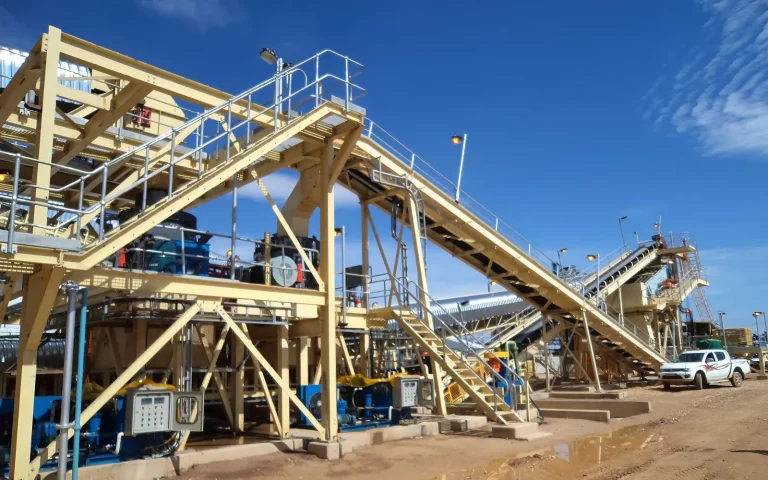
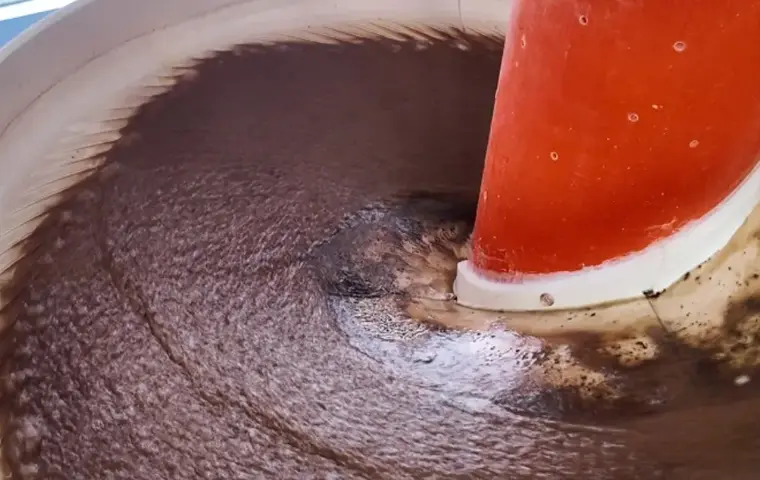
การล้างในถังเป็นตัวเลือกที่ดีสำหรับเจ้าของโครงการในการเริ่มต้นในระยะเริ่มต้นเพื่อลดการลงทุน

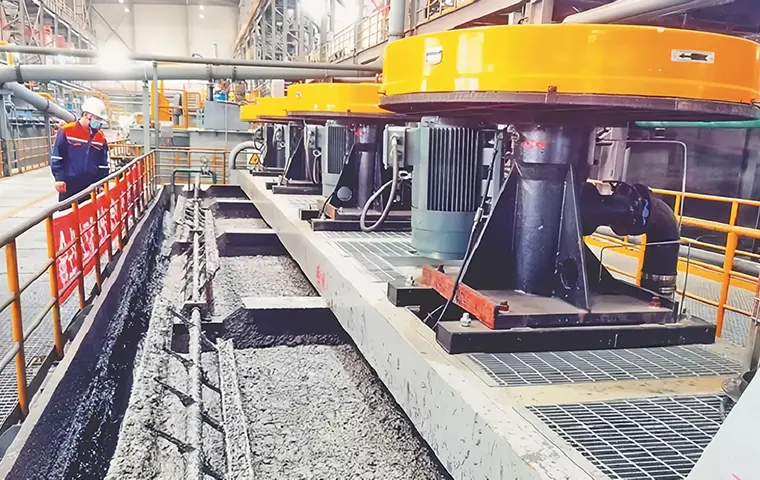
ประเภทโครงการ: สวนอุตสาหกรรมกราไฟต์และวัสดุชั้นสูงแบบบูรณาการระดับโลก แร่ดิบ: แร่กราไฟต์ชนิดแผ่นธรรมชาติ
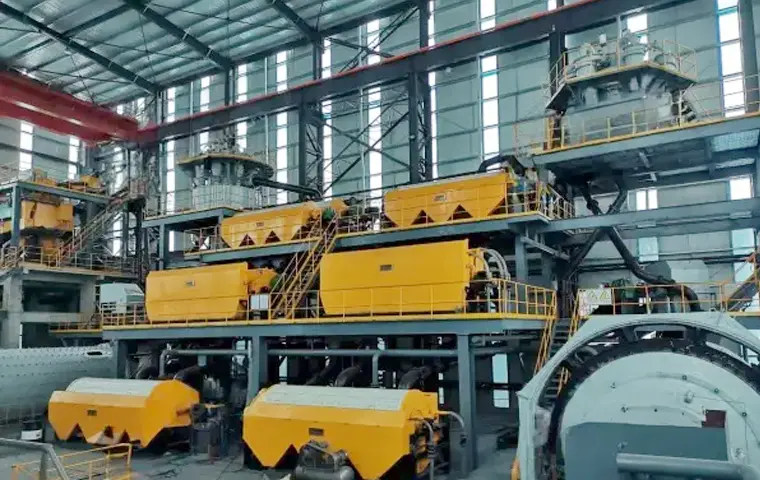
แร่ดิบ: แร่เหล็กแมกนีไทต์ที่มีแถบเฮมาไทต์ ระดับเหล็ก: 28-32% ผลิตภัณฑ์สุดท้าย: สารเข้มข้นเหล็กเกรดสูง
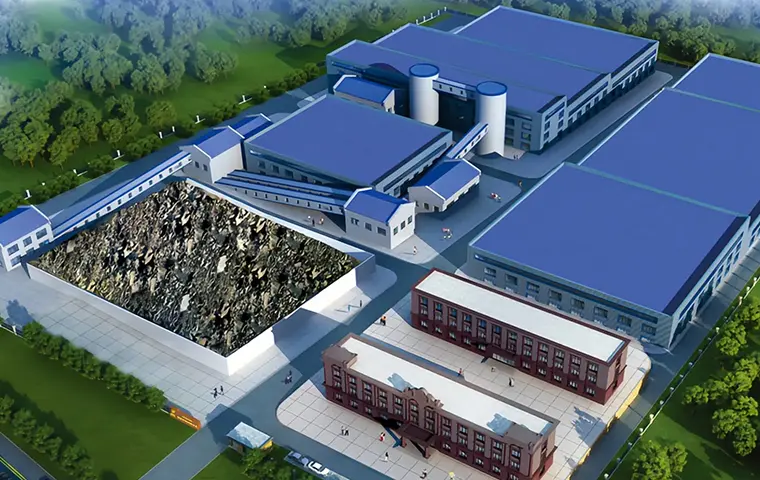
วัสดุทางการผลิต: แร่กราไฟท์ธรรมชาติ ความเข้มข้น: 95% C TGC ผลิตภัณฑ์สุดท้าย: คอนเซนเทรตกราไฟท์จากการลอยตัว
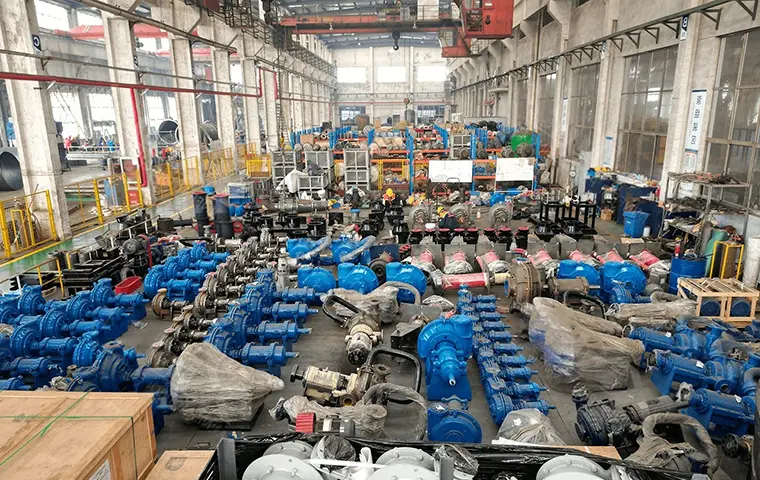
Raw Ore: Crystalline Flake Graphite Ore Feed Carbon Grade: 8–12% (Variable) Final Product: High-Purity Flake Graphite Concentrate
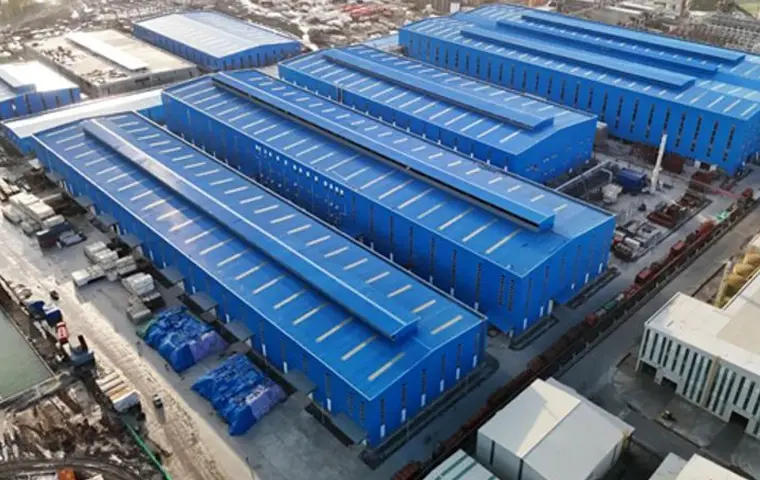
วัตถุดิบ: โค้กปิโตรเลียม, โค้กเข็ม, ยางมะตอย ความสามารถของโครงการ: 50,000 ตันต่อปี
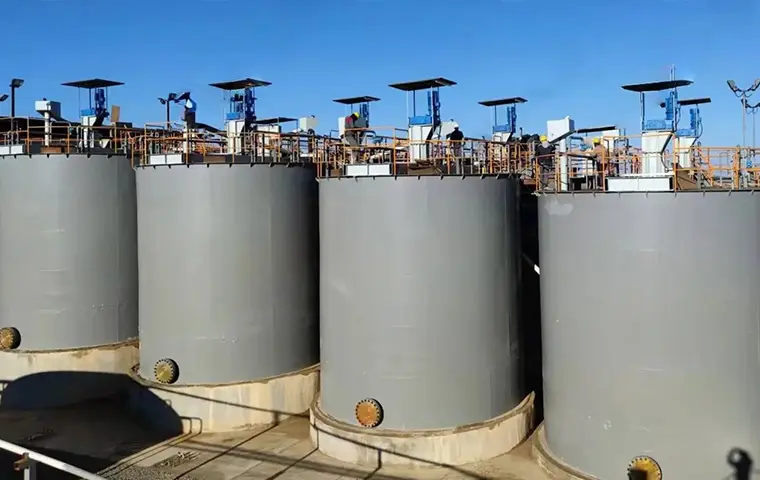
แร่ดิบ: แร่ทองคำประเภทซัลไฟด์ (ที่มีไพไรต์และอาร์เซนิโอไพไรต์) เกรดทอง: 4.2 กรัม/ตัน ผลิตภัณฑ์สุดท้าย: แถบทองคำโดเร
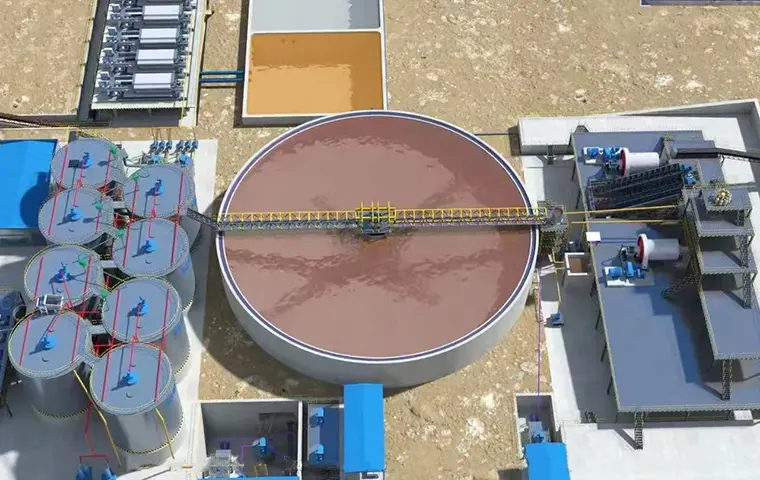
แร่ดิบ: แร่ทองแดงประเภทซัลไฟด์ (ส่วนใหญ่เป็นแร่ชัลโคไพไรต์) เกรดทองแดง: 0.8% ผลิตภัณฑ์สุดท้าย: แร่ทองแดงเข้มข้น
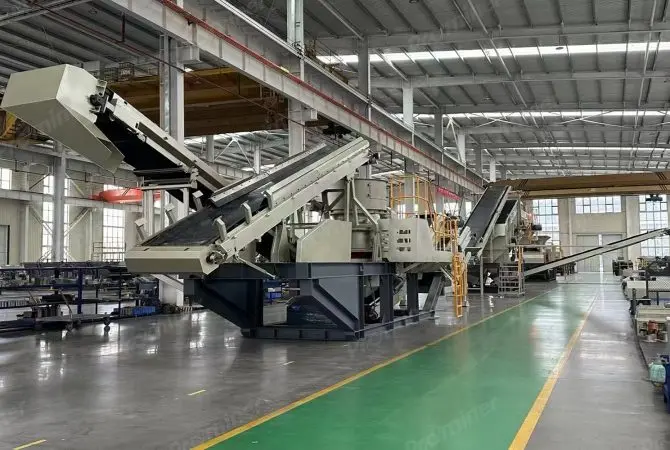
เครื่องบดพกพาติดตั้งบนสกิด, ตามความต้องการของตลาดที่ต้องการการเคลื่อนย้ายที่ง่ายจากไซต์หนึ่งไปยังอีกไซต์หนึ่ง
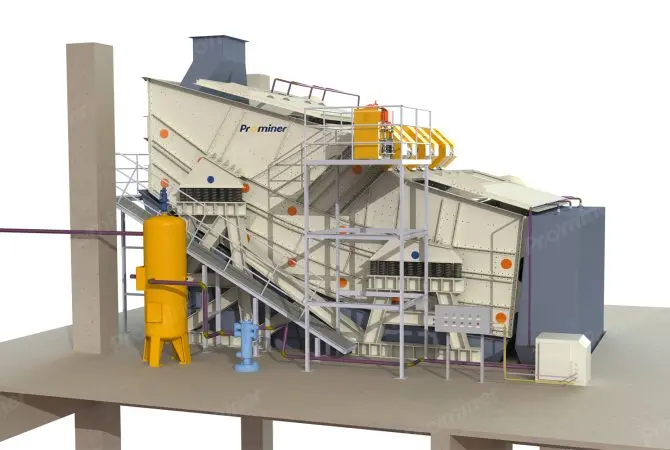
หน้าจอกล้วยยังเป็นที่รู้จักกันดีในชื่อหน้าจอความหนาของเตียงคงที่ Prominer มีความสามารถในการจัดหาวัสดุแห้ง
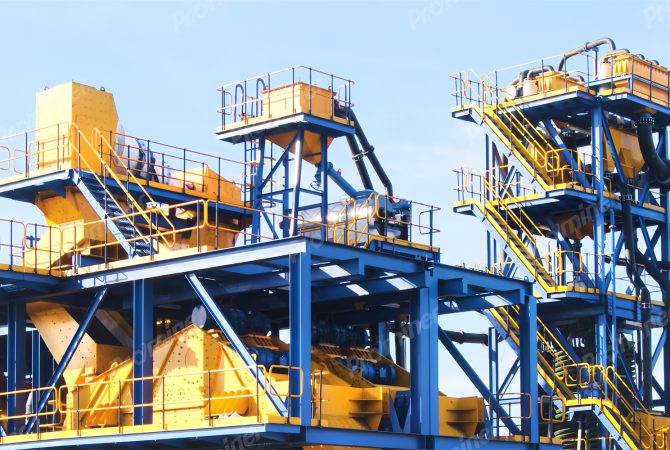
Prominer สามารถจัดหาเครื่องแยกแม่เหล็ก LIMS (เครื่องแยกแม่เหล็กความเข้มต่ำ) ที่แตกต่างกันได้
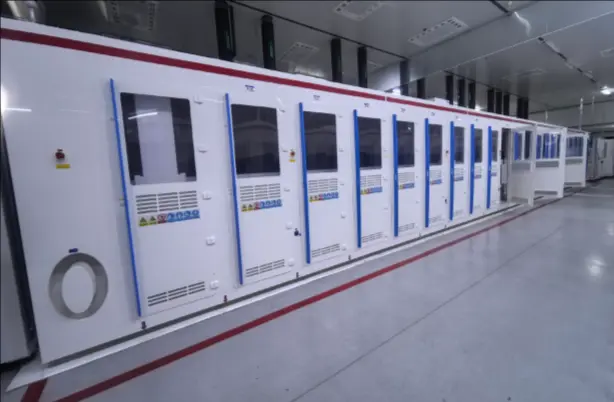
รวมถึง: อุปกรณ์ตกผลึกเดี่ยวแบบแบทช์, เครื่องโหลด/ปลดแบทช์สำหรับตกผลึก, ความดันต่ำ…
หากต้องการทราบข้อมูลเพิ่มเติมเกี่ยวกับผลิตภัณฑ์และโซลูชันของเรา โปรดกรอกแบบฟอร์มด้านล่างและผู้เชี่ยวชาญของเราจะติดต่อกลับหาคุณในไม่ช้า
โครงการฟลอทเตชั่นทองคำ 3000 TPD ในมณฑลซานตง
ฟลอทเตชั่นแร่ลิเธียม 2500 TPD ในเสฉวน
แฟกซ์: (+86) 021-60870195
ที่อยู่:เลขที่ 2555 ถนนซิ่วผู่ ผู่ตง เซี่ยงไฮ้
ลิขสิทธิ์ © 2023.บริษัท โปรมิเนอร์ (เซี่ยงไฮ้) ไมนิ่ง เทคโนโลยี จำกัด