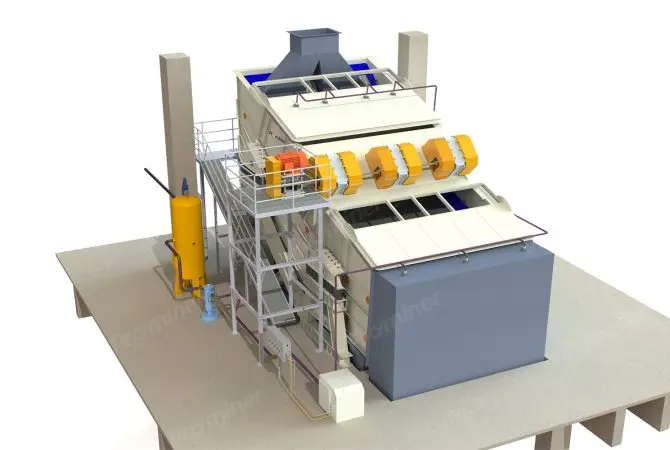
แร่ที่รู้จักกันดีที่สุดในกลุ่มแร่ที่เกิดจากภายนอกคือทองคำจากตะกอนซึ่งเรียกว่าทองคำพลาซ่า ทองคำจากตะกอนหมายถึง




Selecting the most profitable technology for processing different types of gold ores is a complex decision that requires thorough evaluation of geological, metallurgical, environmental, and economic factors. The profitability of gold extraction and processing technologies depends on the ore type, mineralogy, grade, infrastructure, and market dynamics. Here are some steps to guide this selection process:
The most profitable technology for gold ore processing depends on an integrated assessment of ore type, recovery rates, costs, and market conditions. Collaborate with experienced metallurgists, geologists, engineers, and environmental experts to make an informed decision. Ultimately, piloting and testing are essential before committing to full-scale implementation.
ลักษณะของแร่มีความแตกต่างกันอย่างมากแม้ในแร่ก้อนเดียวกัน การทดสอบจากผู้เชี่ยวชาญ (เช่น การวิเคราะห์ทางเคมี, XRD และ SEM) จะช่วยให้แน่ใจว่าแผนภาพการไหลได้รับการปรับให้เหมาะสมสำหรับเกรดแร่และขนาดการปล่อยที่เฉพาะเจาะจงของคุณ ซึ่งจะป้องกันการไม่ตรงกันของอุปกรณ์ที่อาจมีค่าใช้จ่ายสูงและรับประกันอัตราการฟื้นฟูที่สูงที่สุดเท่าที่จะเป็นไปได้สำหรับโครงการของคุณ
A: เรามีสต็อกชิ้นส่วนสึกหรอหลักอย่างถาวร (เช่น แผ่นโม่หิน, ตาข่ายกรอง, และสื่อบด) สำหรับลูกค้าระหว่างประเทศ เราจัดทำ "รายการอะไหล่แนะนำ 2 ปี" พร้อมกับการสั่งซื้อครั้งแรก การสนับสนุนทางเทคนิคมีให้บริการตลอด 24 ชั่วโมงผ่านวิดีโอรีโมต และสามารถจัดการเยี่ยมชมสถานที่สำหรับความต้องการการบำรุงรักษาที่ซับซ้อนได้
A: ใช่ เราส่งทีมวิศวกรเครื่องกลและไฟฟ้าระดับสูงไปยังสถานที่เพื่อดูแลการติดตั้ง การเริ่มต้นใช้งาน และการทดสอบโหลดของอุปกรณ์ นอกจากนี้เรายังมีการฝึกอบรมที่ครอบคลุมสำหรับผู้ปฏิบัติงานท้องถิ่นของคุณเพื่อให้แน่ใจว่าการดำเนินงานในระยะยาวเป็นไปอย่างราบรื่น
A: แน่นอน เราเชี่ยวชาญในการให้บริการ EPCM (วิศวกรรม, การจัดซื้อ, การจัดการก่อสร้าง) ซึ่งรวมถึงทุกอย่างตั้งแต่การทดสอบแร่เริ่มต้นและการออกแบบเหมืองไปจนถึงการผลิตอุปกรณ์, การขนส่ง, และการรวมโรงงานในขนาดเต็ม ทำให้มั่นใจได้ว่าจะมีการเปลี่ยนผ่านที่ไร้รอยต่อจากพื้นที่ก่อสร้างใหม่ไปสู่การผลิต
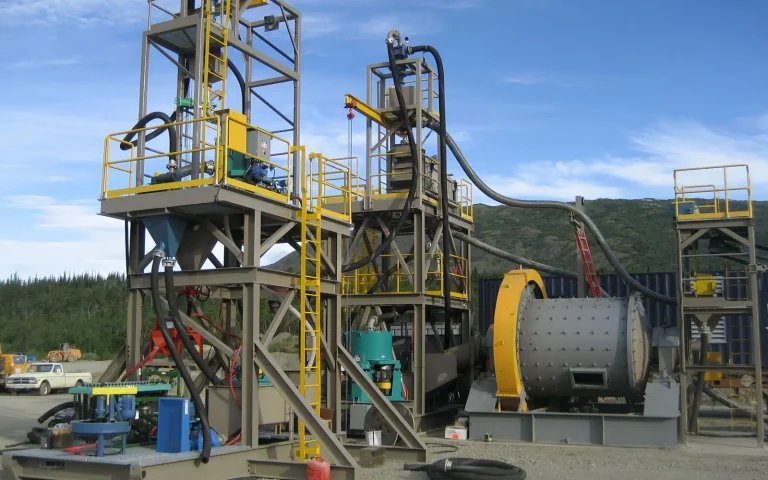
แร่ที่รู้จักกันดีที่สุดในกลุ่มแร่ที่เกิดจากภายนอกคือทองคำจากตะกอนซึ่งเรียกว่าทองคำพลาซ่า ทองคำจากตะกอนหมายถึง
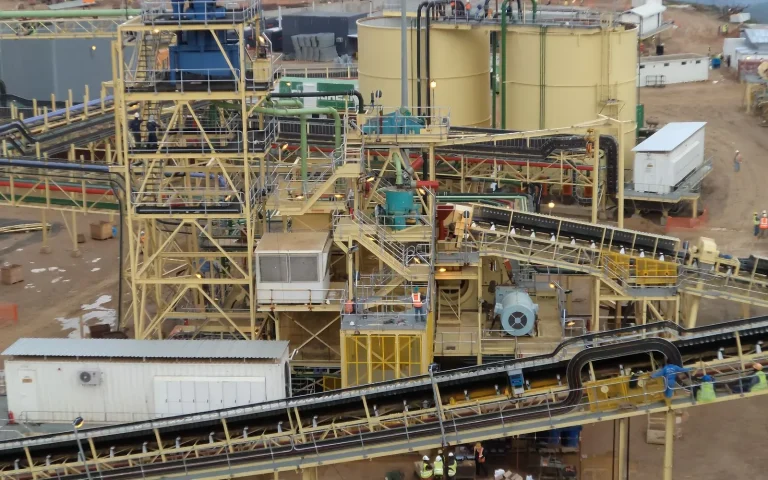
จัดหาอุปกรณ์สำคัญในการขั้นตอนการแยกแร่ทองคำ เช่น ระบบ CIL/CIP, เซลล์ฟลอเตชัน…

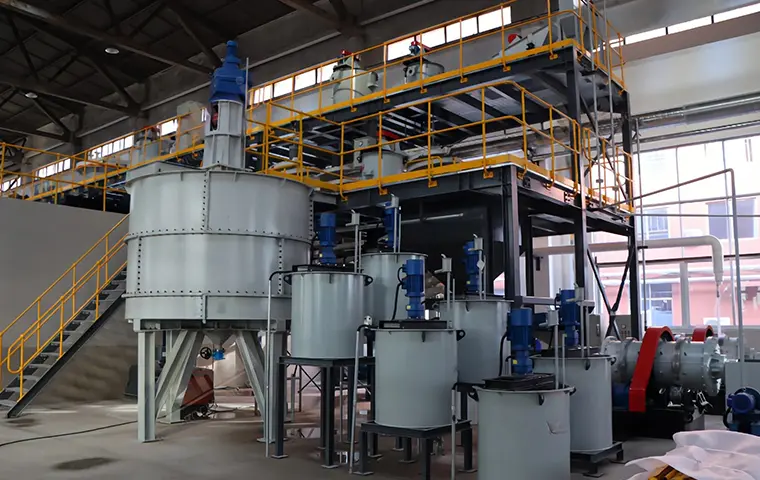
พื้นหลังของโครงการ: การขยายและการปรับปรุงเทคโนโลยีของโรงงานลอยตัวที่มีอยู่เดิม
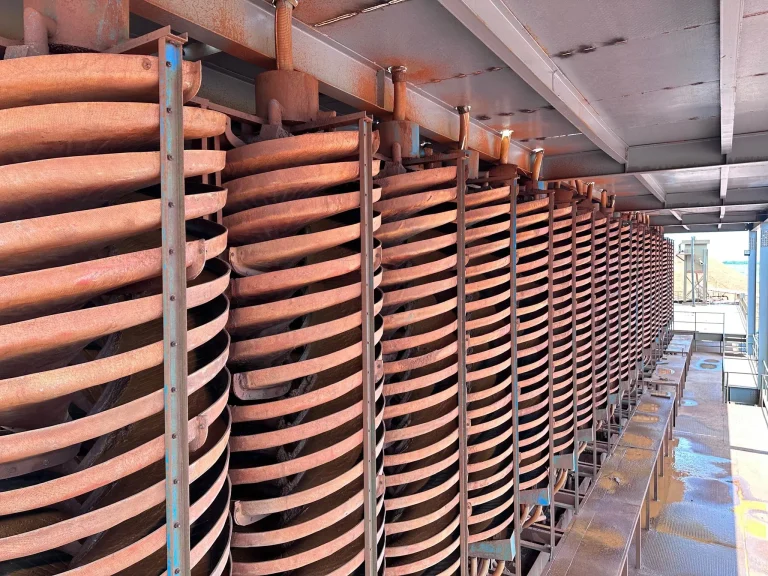
แร่ดิบ: แร่ทรายชายหาดไทเทเนียมซาร์โคเนีย TiO₂ เกรด: 4.5% ZrO₂ เกรด: 3.2%
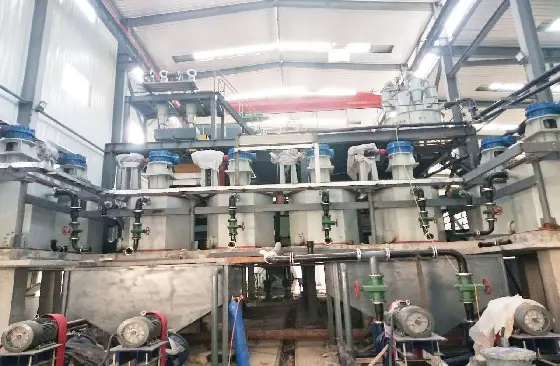
วัตถุดิบ: หินควอตซ์ (SiO₂: 97.8%) คุณภาพสำหรับแผงโซลาร์เซลล์: SiO₂ ≥99.99%, Fe₂O₃ ≤10ppm
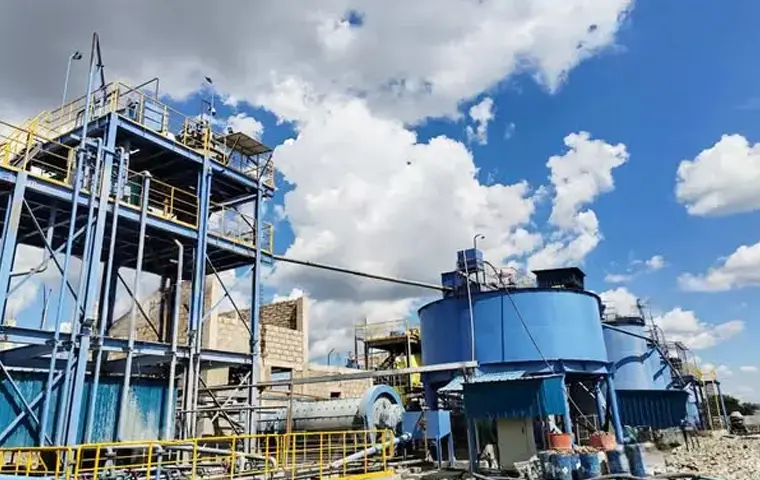
แร่ดิบ: แร่ทองแดง-ทองคำ ปริมาณทองแดง: 1.2% ปริมาณทองคำ: 1.5 กรัม/ตัน อัตราการแยก: ทองแดง 89%, ทองคำ 88%
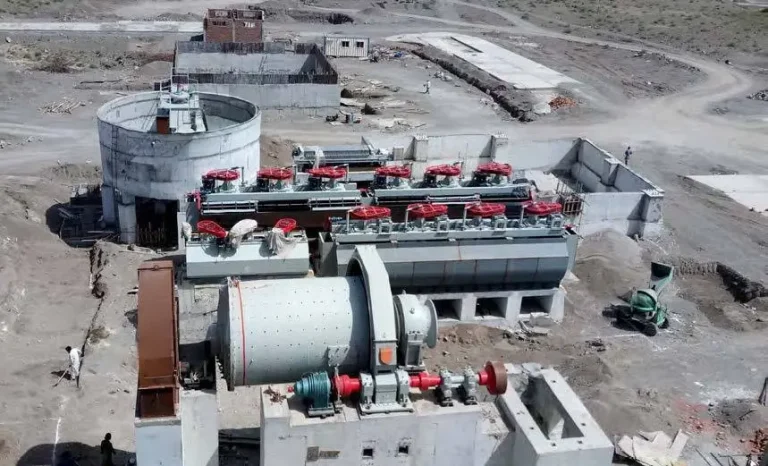
แร่ดิบ: แร่ทองแดงออกไซด์-ซัลไฟด์ผสม (แคลโคไซต์/มะลอไคต์) ปริมาณทองแดง: 1.2% | เงิน: 15 กรัมต่อตัน
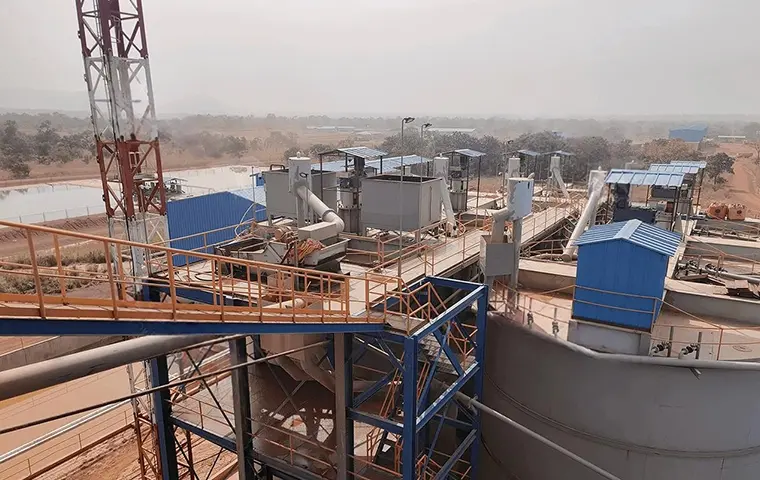
แร่ดิบ: แร่ทองแดงซัลไฟด์ (มีปริมาณไพไรต์เล็กน้อย) เกรดทองแดง: 1.2% เกรดสารสกัด 25% Cu

วัสดุดิบ: กากทองจากโรงงานทองคำที่มีอยู่ (All-slime) เกรดทองในกาก: 1.2 กรัม/ตัน ผลิตภัณฑ์สุดท้าย: บล็อกทองคำ
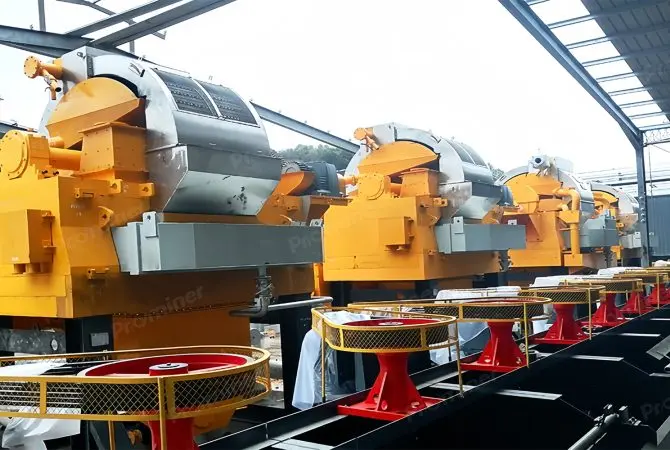
Prominer สามารถจัดหาเครื่องแยกแม่เหล็ก HIMS (เครื่องแยกแม่เหล็กความเข้มสูง) ที่แตกต่างกันได้
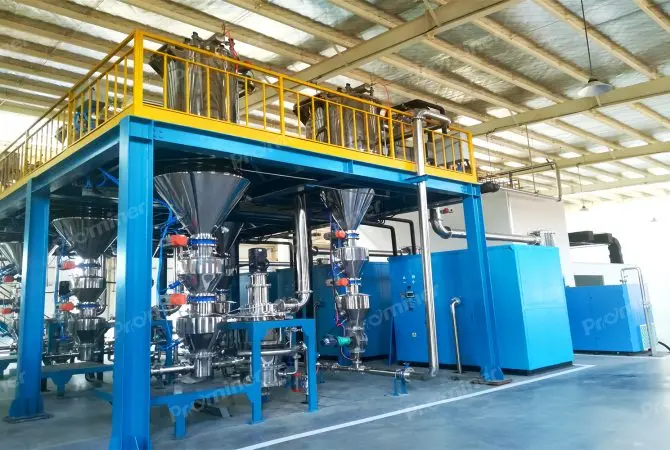
เจ็ทมิลล์ยังเรียกว่ามิลล์แบบฟลูอิไดซ์เบด โดยใช้หัวฉีดหลายตัวเพื่อสร้างการไหลของอากาศที่ความเร็วเสียง
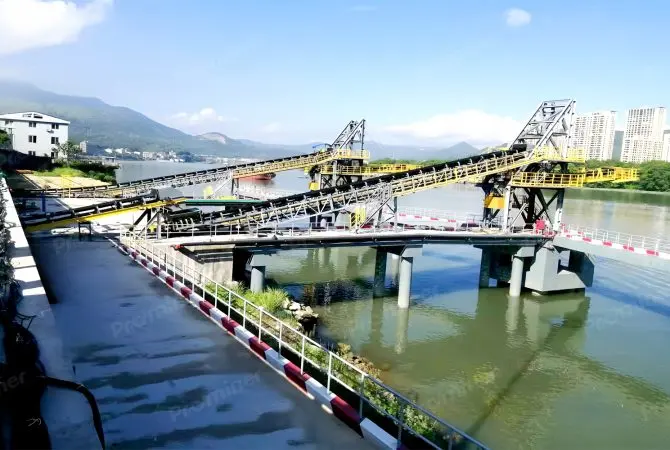
เราสามารถให้โซลูชันของสายพานลำเลียงสำหรับวัตถุประสงค์ที่แตกต่างกัน รวมถึงสายพานลำเลียงที่เอียงสูง
หากต้องการทราบข้อมูลเพิ่มเติมเกี่ยวกับผลิตภัณฑ์และโซลูชันของเรา โปรดกรอกแบบฟอร์มด้านล่างและผู้เชี่ยวชาญของเราจะติดต่อกลับหาคุณในไม่ช้า
โครงการฟลอทเตชั่นทองคำ 3000 TPD ในมณฑลซานตง
ฟลอทเตชั่นแร่ลิเธียม 2500 TPD ในเสฉวน
แฟกซ์: (+86) 021-60870195
ที่อยู่:เลขที่ 2555 ถนนซิ่วผู่ ผู่ตง เซี่ยงไฮ้
ลิขสิทธิ์ © 2023.บริษัท โปรมิเนอร์ (เซี่ยงไฮ้) ไมนิ่ง เทคโนโลยี จำกัด