

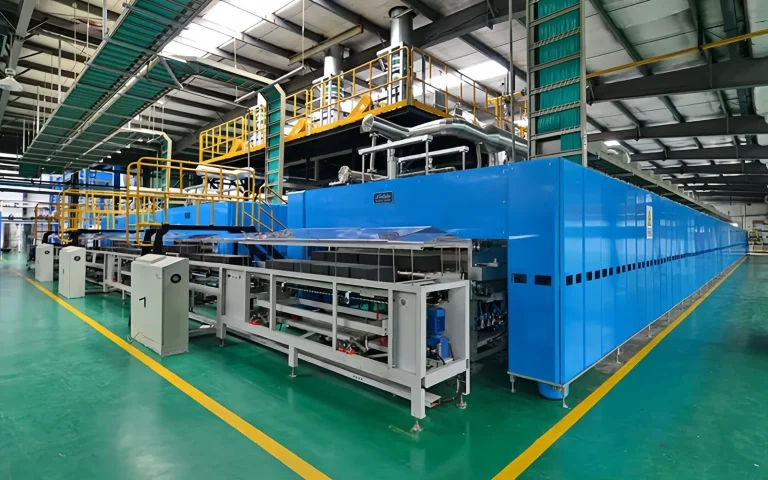
วัสดุแอโนดกราไฟต์เทียมทำมาจากโค้กปิโตรเลียมที่มีคุณภาพสูงและมีซัลเฟอร์ต่ำ


/
/
วิธีการที่มีประสิทธิภาพสำหรับการแปรรูปควอตซ์ด้วยการลอยตัวและการปรับปรุงทางเคมีคืออะไร?


ควอทซ์เป็นหนึ่งในแร่ธาตุที่พบมากที่สุดในเปลือกโลก และถูกนำมาใช้กันอย่างแพร่หลายในอุตสาหกรรมการผลิตแก้ว เครื่องเคลือบดินเผา อิเล็กทรอนิกส์ และการใช้งานซิลิก้าที่ความบริสุทธิ์สูง อย่างไรก็ตาม ควอทซ์ดิบมักมีสิ่งเจือปน เช่น ออกไซด์ของเหล็ก โฟลด์สปาร์ มาคา แร่ดินเหนียว และแร่นำหนัก เพื่อให้ได้มาตรฐานคุณภาพอุตสาหกรรม โดยเฉพาะสำหรับควอทซ์ที่ความบริสุทธิ์สูง จึงใช้เทคนิคการประมวลผลขั้นสูง เช่น การลอยตัวและการปรับปรุงด้วยกระบวนการเคมี
ด้านล่างนี้คือภาพรวมของวิธีการที่มีประสิทธิภาพในการทำให้ควอตซ์บริสุทธิ์
ประสิทธิภาพของการบำบัดควอตซ์ขึ้นอยู่กับประเภทและการกระจายของสิ่งเจือปน สารปนเปื้อนที่พบได้บ่อยได้แก่:
เป้าหมายหลักของการประมวลผลคือการเพิ่มปริมาณซิลิกาไดออกไซด์ (SiO₂) ในขณะเดียวกันก็ลดสิ่งเจือปนที่เป็นโลหะและไม่ใช่โลหะให้น้อยที่สุด อุตสาหกรรมระดับสูง เช่น การผลิตเซมิคอนดักเตอร์และโฟโตโวลเทอิก อาจต้องการระดับความบริสุทธิ์ของซิลิกาเกินกว่า 99.9%
การลอยตัวเป็นหนึ่งในเทคนิคที่มีประสิทธิภาพที่สุดในการแยกควอตซ์ออกจากแร่ที่เกี่ยวข้อง โดยอิงจากความแตกต่างของคุณสมบัติบนผิวหน้าของมัน
ในวิธีนี้ ควอทซ์จะลอยขึ้นมาในขณะที่สิ่งสกปรกจะจมลง โดยปกติจะใช้สารเก็บประจุบวก เช่น อมีน ภายใต้สภาพกรดหรือเป็นกลางของค่า pH
ขั้นตอนสำคัญได้แก่:
วิธีนี้มีประสิทธิภาพเป็นพิเศษเมื่อควอตซ์เป็นแร่มีค่าหลัก
การลอยกลับเป็นที่นิยมใช้ในกระบวนการแยก Quartz แทนที่จะลอย Quartz ออกไป จะเป็นการลอยสิ่งไม่บริสุทธิ์ เช่นเฟลด์สปาร์และแร่ที่ประกอบด้วยเหล็กออกไปแทน
การลอยกลับมักเป็นที่นิยมสำหรับการผลิตควอตซ์ความบริสุทธิ์สูง เพราะช่วยปรับปรุงความสามารถในการคัดแยกและลดการสูญเสียซิลิกา
สิ่งเจือปนของเหล็กส่งผลกระทบอย่างมากต่อคุณภาพของควอทซ์ การลอยแยกเฉพาะจุดสามารถกำจัดแร่ธาตุที่มีเหล็กเป็นส่วนประกอบโดยใช้:
การผสมผสานนี้ช่วยปรับปรุงผลการบำบัดให้ดีขึ้นโดยรวม
เมื่อวิธีทางกายภาพและการลอยน้ำไม่เพียงพอที่จะเป็นไปตามมาตรฐานความบริสุทธิ์ การปรับปรุงโดยวิธีเคมีจะนำมาใช้เพื่อกำจัดสิ่งปนเปื้อนในระดับร่องรอย
การละลายด้วยกรดเป็นหนึ่งในเทคนิคการทำให้บริสุทธิ์ทางเคมีที่มีประสิทธิภาพที่สุด มันช่วยกำจัดออกไซด์ของเหล็กและสิ่งเจือปนโลหะอื่น ๆ จากพื้นผิวและขอบเมล็ดควอตซ์
กรดที่นิยมใช้ทั่วไป:
การละลายด้วยวิธีชะล้างมักดำเนินการภายใต้อุณหภูมิและการเขย่าอย่างควบคุมเพื่อเพิ่มประสิทธิภาพของปฏิกิริยา
สำหรับควอตซ์ความบริสุทธิ์สูงสุด ระบบกรดผสม (เช่น HCl + HF) ถูกนำมาใช้ วิธีนี้:
มาตรการความปลอดภัยและสิ่งแวดล้อมอย่างเคร่งครัดจำเป็นเนื่องจากสารเคมีเหล่านี้มีลักษณะกัดกร่อนและเป็นพิษ
ในบางกรณี การบำบัดด้วยด่างตามด้วยการเผาให้ความร้อนช่วยให้เฟสสิ่งปนเปื้อนหลวมขึ้นก่อนการล้างด้วยกรด การบำบัดด้วยความร้อนยังสามารถ:
ขั้นตอนการเตรียมนี้ช่วยเพิ่มประสิทธิภาพของการทำความสะอาดด้วยกระบวนการทางเคมีในภายหลัง
โรงงานแปรรูปควอทซ์ที่มีประสิทธิภาพมากที่สุดจะรวมเทคนิคหลายๆ อย่างเข้าด้วยกันในแนวทางที่เป็นขั้นเป็นตอน:
กระบวนการผสมผสานนี้ช่วยเพิ่มการกู้คืนซิลิกาให้สูงสุด พร้อมทั้งรักษาความบริสุทธิ์ในระดับสูงที่เหมาะสมสำหรับการใช้งานในอุตสาหกรรมที่มีความต้องการสูง
หลายปัจจัยส่งผลต่อประสิทธิภาพของกระบวนการลอยและการทำให้บริสุทธิ์ทางเคมี:
การปรับปรุงพารามิเตอร์เหล่านี้อย่างระมัดระวังเป็นสิ่งสำคัญเพื่อให้ได้อัตราการกู้คืนสูงสุดและคุณภาพของผลิตภัณฑ์ที่ยอดเยี่ยม
การแปรรูปควอทซ์อย่างมีประสิทธิภาพต้องอาศัยการแยกทางกายภาพ เทคนิคการลอยตัว และการทำให้บริสุทธิ์ทางเคมี การลอยตัวมีประสิทธิภาพสูงในการกำจัดเฟลด์สปาร์ คิดมา และแร่ธาตุที่มีเหล็ก ในขณะที่การแผ่รังสีด้วยกรดช่วยให้กำจัดสิ่งปนเปื้อนในระดับร่องรอยสำหรับการใช้งานที่ต้องการความบริสุทธิ์สูง
ด้วยการผนวกวิธีการเหล่านี้เข้าเป็นกระบวนการที่ออกแบบมาอย่างดี ผู้ผลิตสามารถบรรลุมาตรฐานความบริสุทธิ์ที่เข้มงวดซึ่งจำเป็นในอุตสาหกรรมยุคใหม่ เช่น การผลิตแก้ว อิเล็กทรอนิกส์ และพลังงานแสงอาทิตย์
A: สำหรับทรัพยากรกราไฟต์ คำตอบที่สมบูรณ์ควรครอบคลุมทั้งการลอยตัวของกราไฟต์ธรรมชาติและการประมวลผลเชิงลึก ระบบเครื่องบดลูกและระบบไซโคลนไฮโดรเป็นขั้นตอนการบดเบื้องต้น สำหรับการผลิตวัสดุขั้วไฟฟ้าขั้นสูง การหมุนขึ้นรูปเป็นสิ่งจำเป็นเพื่อปรับปรุงความหนาแน่นของแท่งและลดพื้นผิวเฉพาะ นอกจากนี้ ระบบเคลือบ Prominer ซึ่งรวมฟังก์ชันการเคลือบและการกลายเป็นเม็ดเป็นขั้นตอนสำคัญในการประมวลผลวัสดุขั้วไฟฟ้าที่มีกำไรสูง
A: การเลือกกระบวนการขึ้นอยู่กับลักษณะของแร่เป็นหลัก กระบวนการ Gold CIL/CIP เป็นวิธีที่ได้รับความนิยมและมีประสิทธิภาพสูงในการแปรรูปแร่ทองคำประเภทออกไซด์คุณภาพสูง สำหรับโครงการทองคำอื่น ๆ การลอยตัวยังคงเป็นวิธีการแปรรูปที่ได้รับความนิยมมากที่สุด สำหรับเจ้าของที่ต้องการประหยัดงบประมาณในขั้นต้น การปล่อยแร่ในถัง (vat leaching) หรือ การปล่อยแร่เป็นกอง (heap leaching) เป็นทางเลือกที่ยืดหยุ่นและคุ้มค่า เราแนะนำให้เริ่มต้นด้วยการทดสอบในห้องปฏิบัติการและการทดสอบนำร่องเพื่อกำหนดกระบวนการที่มีประสิทธิภาพและเป็นวิทยาศาสตร์มากที่สุด
A: การแยกแม่เหล็กเป็นสิ่งสำคัญสำหรับการปรับปรุงแร่ธาตุ เราให้บริการแยกแม่เหล็กทั้ง HIMS (ความเข้มสูง) และ LIMS (ความเข้มต่ำ) เพื่อจัดการกับคุณสมบัติแม่เหล็กของแร่ธาตุต่าง ๆ ในการออกแบบโรงงานที่ได้รับการปรับปรุง เทคโนโลยีนี้จะถูกผสมผสานกับระบบบดละเอียดประสิทธิภาพสูง—โดยใช้เครื่องบดทรงกระบอกเดี่ยวหรือเครื่องบดทรงกระบอกหลายลูกสูบ—and ระบบบดละเอียด เพื่อให้แน่ใจว่าหินปนเปื้อนถูกคัดออกในขั้นต้น ซึ่งจะช่วยปรับปรุงผลผลิตอย่างมากและประหยัดพลังงาน
A: การออกแบบโรงงานที่ประสบความสำเร็จต้องอาศัยบริการ EPC (วิศวกรรม, จัดซื้อ, ก่อสร้าง) ที่ครอบคลุม ประกอบด้วยการพิจารณาหลักเช่น การออกแบบวิศวกรรม (สำรวจพื้นที่ แนวทางการเก็บตัวอย่าง และแบบร่าง PFD) และการปรับแต่งอุปกรณ์เพื่อให้แน่ใจว่าเครื่องจักรตรงกับลักษณะของแร่ที่เฉพาะเจาะจง ตัวอย่างเช่น Prominer สามารถปรับแต่งหน้าจอแนวนอนความกว้างสูงสุด 5.1 เมตร สำหรับการแยกและระบายน้ำแบบขนาดใหญ่ ในที่สุด บริการบนพื้นที่มืออาชีพ รวมทั้งการกำกับดูแลงานก่อสร้างและการเริ่มใช้งาน เป็นสิ่งสำคัญสำหรับการดำเนินงานที่เสถียรในระยะยาว
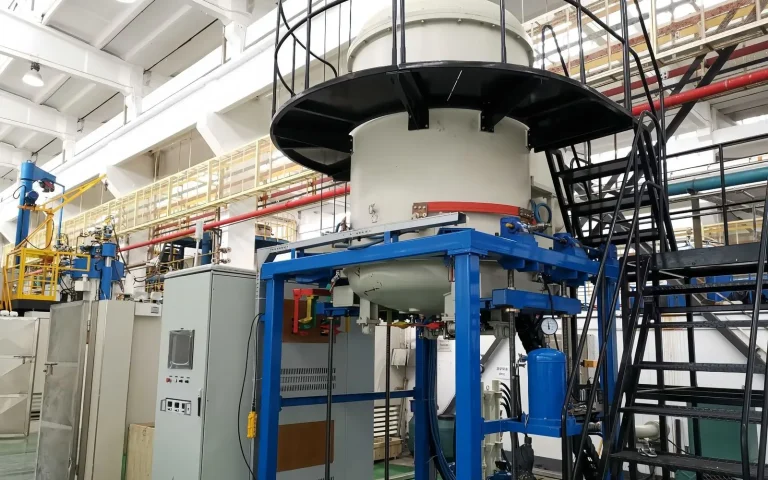
ความต้องการจากอุตสาหกรรมในช่วงหลายปีที่ผ่านมาคือกราไฟต์พิเศษและคาร์บอนที่มีความเข้มงวดมากขึ้น
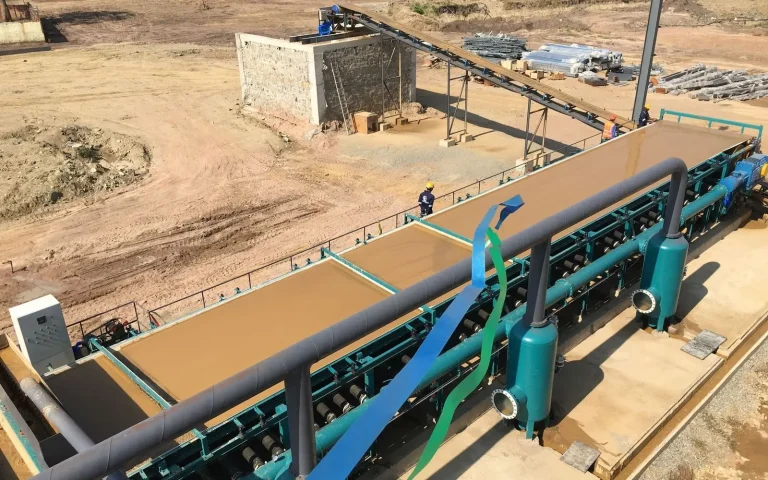
กระบวนการ CIL (คาร์บอนในการชะล้าง) ของทองคำ เป็นวิธีที่ได้รับความนิยมอย่างมากในการประมวลผลแร่ทองคำประเภทออกไซด์เกรดสูง

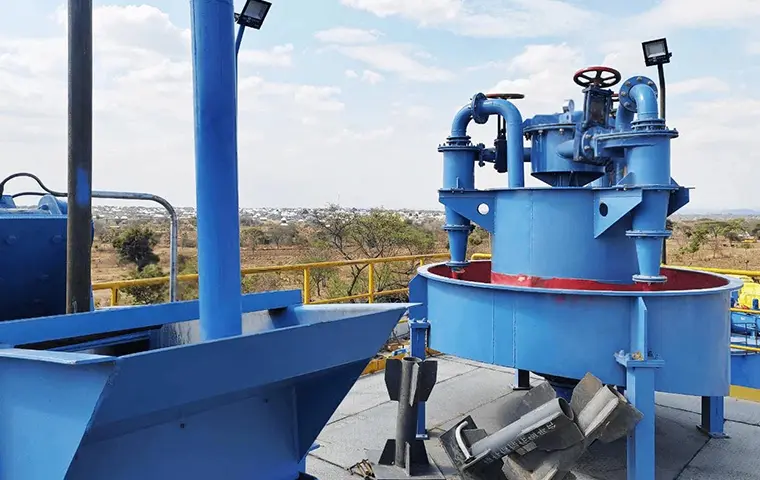
เป้าหมายความจุ: เพิ่มความสามารถในการผลิตจาก 500 ตันต่อวัน เป็น 850 ตันต่อวันเป็นขั้นตอนโดยไม่หยุดการผลิต.
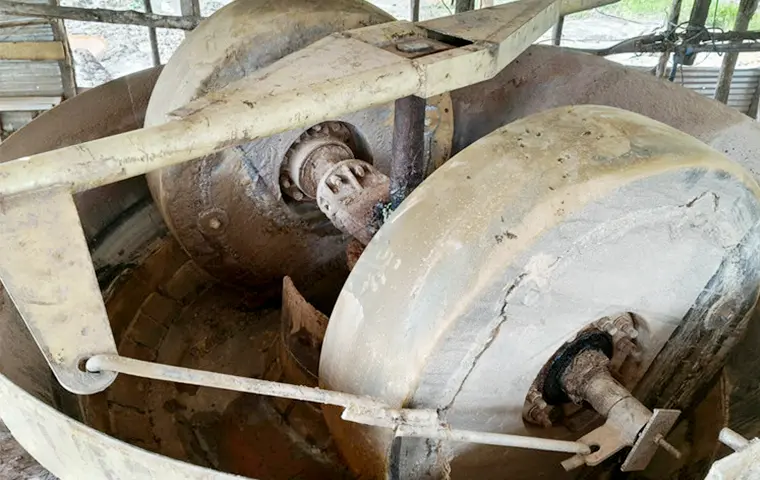
แร่ดิบ: แร่ทองคำที่พบในตะกอน / แร่ทองคำแบบเส้นหลังการบด ความเข้มข้นของทองคำ: 1.5 – 2.5 กรัม/ตัน ความบริสุทธิ์ของทองคำแท่ง: ≥ 90%
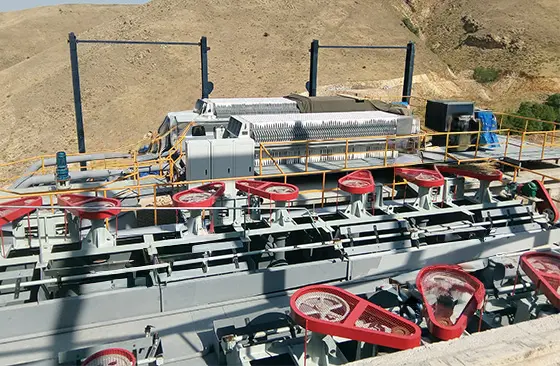
แร่ดิบ: ซิลิเกต-ฟอสเฟต มีการรวมตัวของแมกนีไทต์ องค์ประกอบของธาตุอาหาร: P₂O₅: 19-23%; Fe₂O₃: 8-12%; SiO₂: 25-35%; CaO: 32-38%
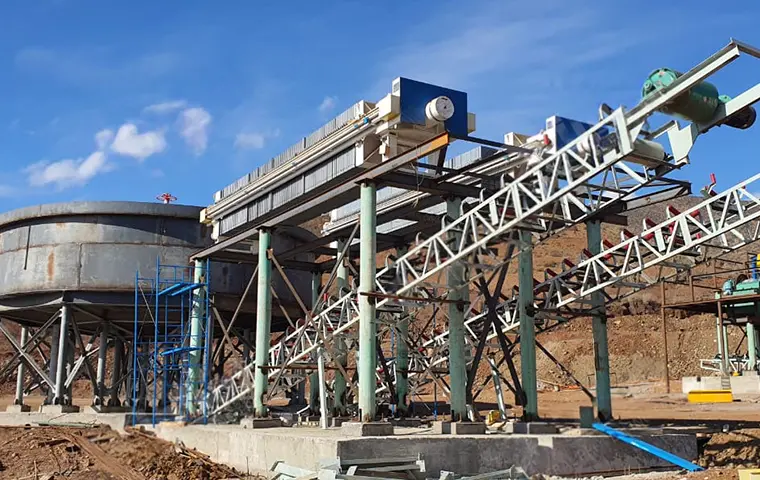
จากการทดสอบในห้องปฏิบัติการไปจนถึงการส่งมอบขั้นสุดท้าย Prominer ได้จัดส่งโซลูชันขนาด 20 ตันต่อชั่วโมงที่ปรับแต่งได้
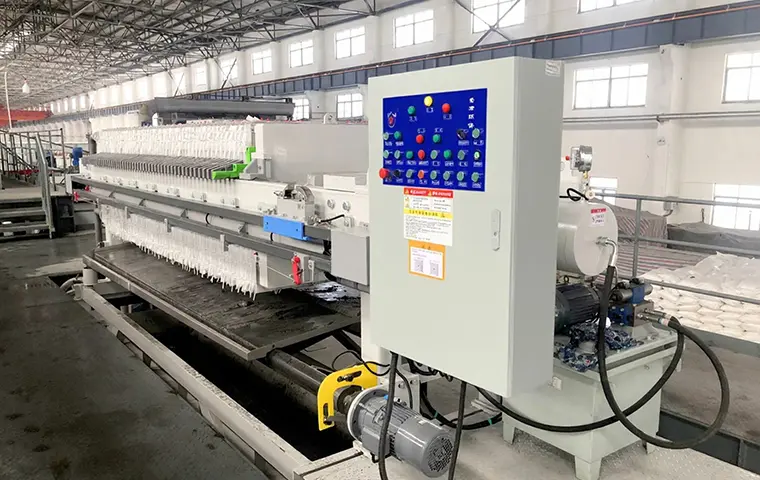
วัตถุดิบ: เศษคาร์บอนจากการทำอัลูมิเนียมไฟฟ้าเกรดวัตถุดิบ: เนื้อหาไครโอลิธ 15–20% ผลิตภัณฑ์สุดท้าย: ไครโอลิธรีไซเคิล (บริสุทธิ์ ≥ 92%)
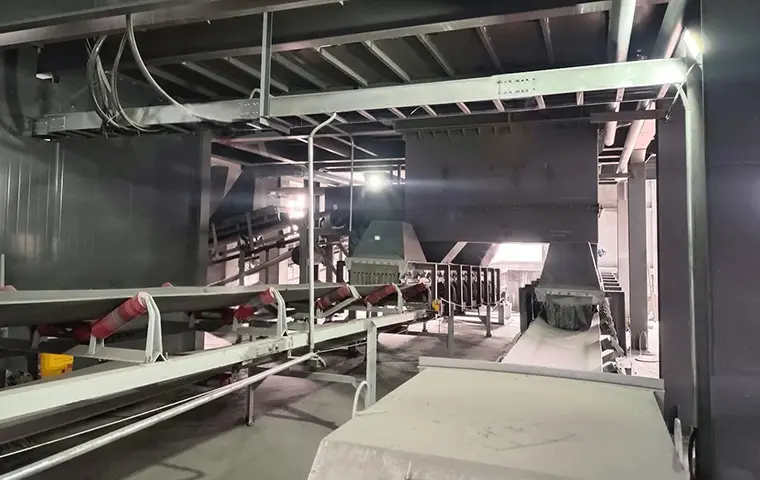
เพิ่มประสิทธิภาพการกู้คืนทองแดงและลดการใช้พลังงานผ่านการก่อนความเข้มข้นที่ล้ำสมัยและความเชี่ยวชาญด้าน EPC กว่า 15 ปีของ Prominer

แร่ดิบ: แร่ทองแดงชนิดซัลไฟด์ (มีทองคำอยู่ด้วย) เกรดทองคำ: 0.6 กรัม/ตัน เกรดทองแดง: 1.2%
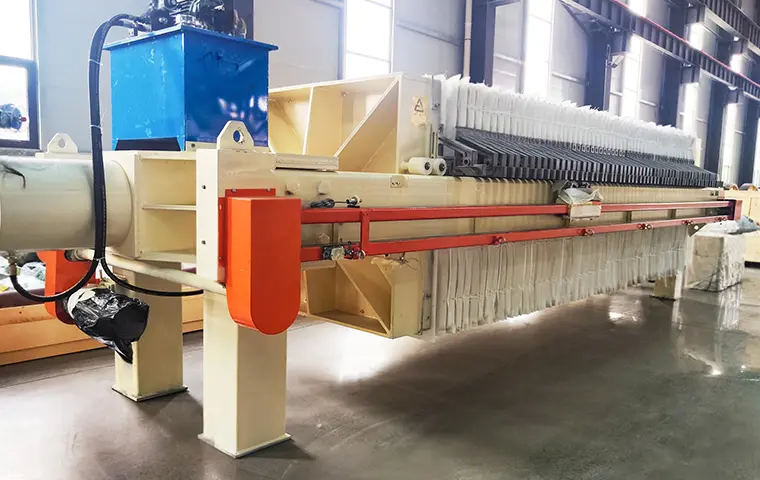
พื้นหลังโครงการ: การปรับปรุงระบบการระบายน้ำสำหรับการแยกโฟลเตชั่นและกากอุตสาหกรรมเพื่อจัดการลดปริมาณความชื้นและอำนวยความสะดวกในการทิ้งกองแห้ง
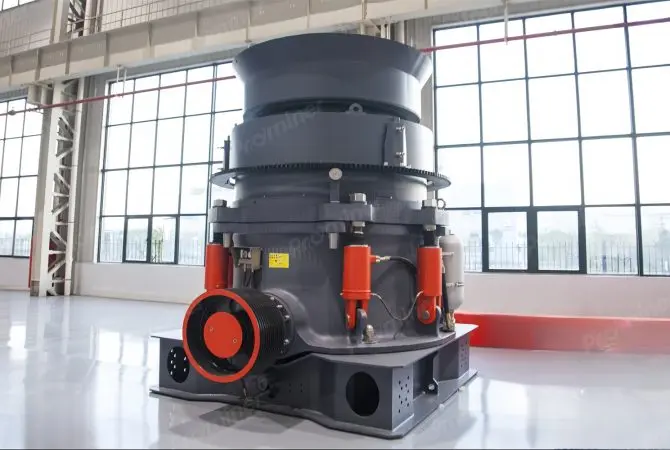
เครื่องบดกรวยไฮดรอลิกหลายกระบอกรวมความเร็วของเครื่องบด, ความเบี่ยงเบนและรูปแบบห้อง
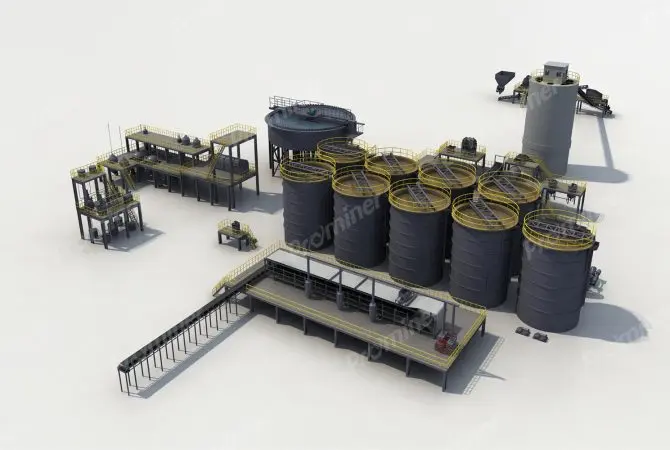
Prominer สามารถให้บริการโซลูชันครบวงจรสำหรับระบบ CIL (คาร์บอนในสารละลาย)
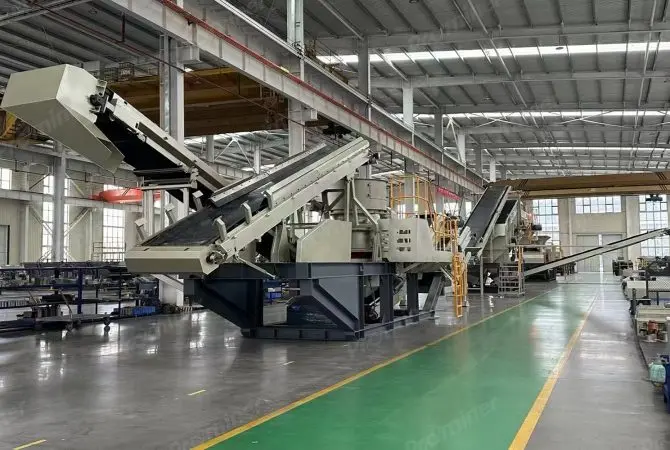
เครื่องบดพกพาติดตั้งบนสกิด, ตามความต้องการของตลาดที่ต้องการการเคลื่อนย้ายที่ง่ายจากไซต์หนึ่งไปยังอีกไซต์หนึ่ง
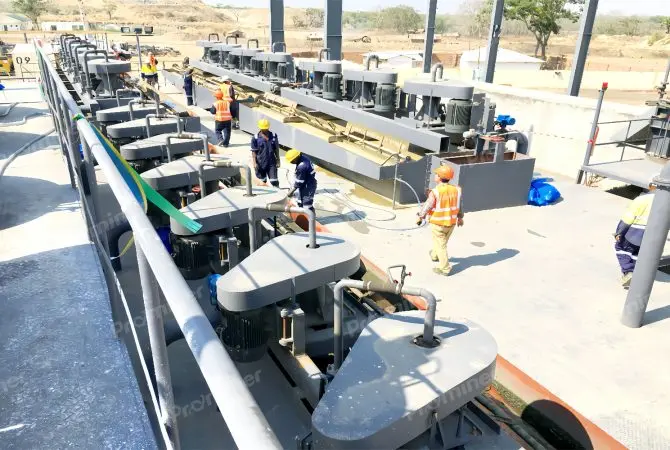
Prominer สามารถจัดหาเครื่องฟลอเทชั่นแบบดูดตัวเองซีรีส์ SF และเซลล์ฟลอเทชั่นแบบนิวเมติกซีรีส์ XCF/KYF
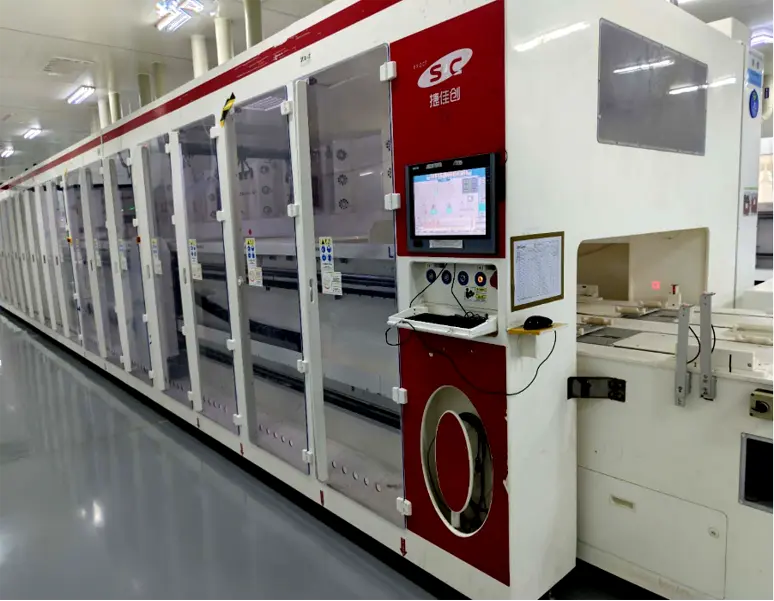
เช่น: เตาเผาแพร่โบรอน, การกำจัด BSG, เครื่องขัดด่าง, PE-POLY…
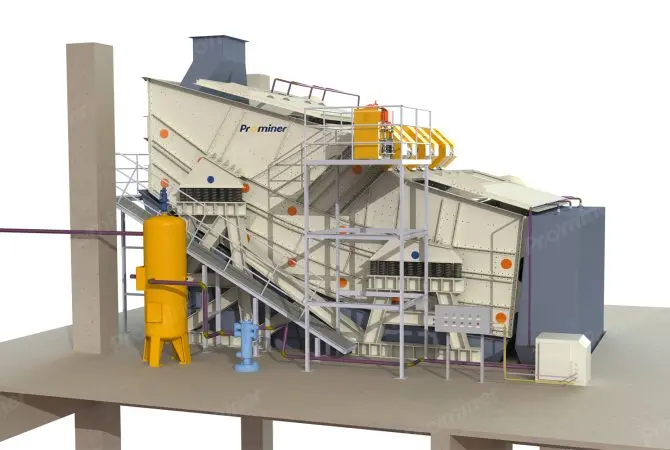
หน้าจอกล้วยยังเป็นที่รู้จักกันดีในชื่อหน้าจอความหนาของเตียงคงที่ Prominer มีความสามารถในการจัดหาวัสดุแห้ง
หากต้องการทราบข้อมูลเพิ่มเติมเกี่ยวกับผลิตภัณฑ์และโซลูชันของเรา โปรดกรอกแบบฟอร์มด้านล่างและผู้เชี่ยวชาญของเราจะติดต่อกลับหาคุณในไม่ช้า
โครงการฟลอทเตชั่นทองคำ 3000 TPD ในมณฑลซานตง
ฟลอทเตชั่นแร่ลิเธียม 2500 TPD ในเสฉวน
Fax: (+86) 021-58779592
ที่อยู่: ห้อง 606 อาคาร D3 เฟส II ศูนย์ธุรกิจฉวนซา 777 ถนนหลง เมียโอฉวน ถัง เขตผู่ตงใหม่ เซี่ยงไฮ้ ประเทศจีน
ลิขสิทธิ์ © 2023. บริษัท โปรมิเนอร์ (เซี่ยงไฮ้) ไมนิ่ง เทคโนโลยี จำกัด


