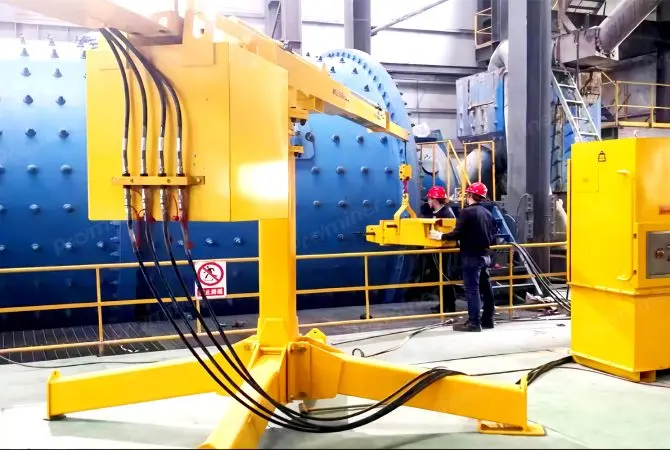
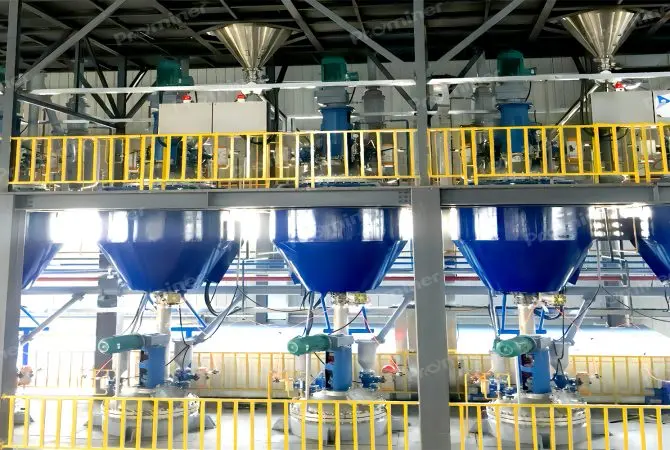
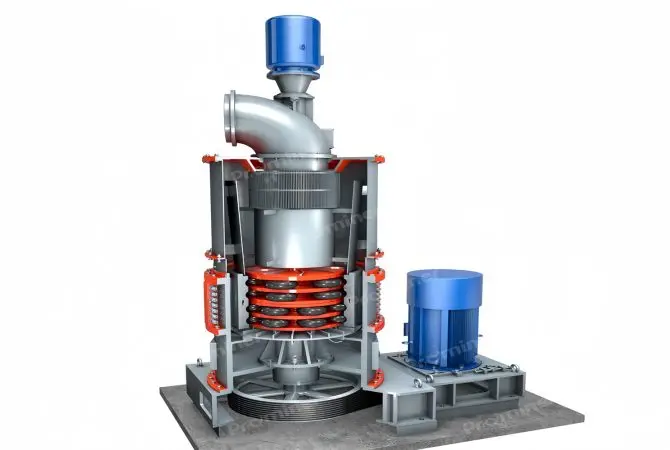
เราสามารถให้โซลูชันการสกัดลิเธียมโดยตรง (DLE) เพื่อกู้คืนลิเธียมจากน้ำเกลือในทะเลสาบเกลือ




การออกแบบโรงงานแปรรูปแร่เป็นงานที่ซับซ้อนซึ่งต้องสมดุลระหว่างประสิทธิภาพทางเทคนิค ความสามารถทางเศรษฐกิจ ความปลอดภัยและความรับผิดชอบต่อสิ่งแวดล้อม โรงงานแต่ละแห่งจะต้องปรับแต่งให้เหมาะสมกับแร่ธาตุที่เฉพาะเจาะจง สถานที่ตั้ง และเป้าหมายการผลิต ด้านล่างนี้คือข้อพิจารณาหลักที่เป็นแนวทางในการออกแบบโรงงานแปรรูปแร่ให้ประสบความสำเร็จ
การเข้าใจแร่กลุ่มเป็นรากฐานของการออกแบบโรงงาน การศึกษาทางธรณีวิทยาและเทคโนโลยีโลหะวิทยาอย่างละเอียดจะเป็นตัวกำหนด:
ปัจจัยเหล่านี้มีผลต่อการเลือกใช้เครื่องจักรในการบด, โม่, แยก, และกำจัดน้ำออก ความแปรปรวนขององค์ประกอบแร่ก็ต้องพิจารณาเพื่อให้แน่ใจว่าโรงงานสามารถรับมือกับความผันผวนได้โดยไม่ทำให้ประสิทธิภาพลดลงมาก
แผนผังลำดับขั้นตอนกระบวนการกำหนดวิธีที่แร่ดิบถูกเปลี่ยนเป็นผลิตภัณฑ์ที่สามารถจำหน่ายได้ รวมถึง:
การทดสอบในห้องปฏิบัติการและในระดับต้นแบบเป็นสิ่งที่จำเป็นเพื่อยืนยันกระบวนการที่เลือก เป้าหมายคือเพื่อให้ได้การฟื้นตัวและคุณภาพของผลิตภัณฑ์สูงสุด ในขณะเดียวกันก็ลดการใช้พลังงาน สารเคมี และน้ำให้น้อยที่สุด
ความสามารถของโรงงานต้องสอดคล้องกับเป้าหมายการผลิตและอายุการทำงานของเหมือง นักออกแบบต้องพิจารณา:
การสร้างความยืดหยุ่นเข้าไปในดีไซน์ช่วยให้สามารถปรับปรุงหรือเพิ่มความจุได้เมื่อสภาพตลาดหรือสำรองแร่เปลี่ยนแปลง
อุปกรณ์จะต้องถูกเลือกบนพื้นฐานของความน่าเชื่อถือ ประสิทธิภาพ และความเข้ากันได้กับกระบวนการไหล ความคำนึงถึงที่สำคัญได้แก่:
ผังโรงงานควรปรับให้เหมาะสมกับการไหลของวัสดุ ลดการเคลื่อนย้ายวัสดุ และให้ทางเข้าที่ปลอดภัยสำหรับการดำเนินงานและการบำรุงรักษา ผังที่เหมาะสมยังช่วยลดจุดคอขวดและเวลาที่เครื่องจักรหยุดทำงาน
โรงงานแปรรูปแร่เป็นกิจกรรมที่ใช้ทรัพยากรมาก การจัดการน้ำและพลังงานอย่างมีประสิทธิภาพจึงเป็นสิ่งสำคัญทั้งด้านการควบคุมต้นทุนและการปฏิบัติตามข้อกำหนดด้านสิ่งแวดล้อม
ในพื้นที่ห่างไกล ต้องประเมินความน่าเชื่อถือของการจ่ายไฟฟ้าและตัวเลือกพลังงานทางเลือกด้วย
ข้อบังคับด้านสิ่งแวดล้อมมีผลกระทบอย่างมากต่อการออกแบบโรงงาน พื้นที่สำคัญได้แก่:
การบูรณาการมาตรการปกป้องสิ่งแวดล้อมตั้งแต่เนิ่นๆ ช่วยให้กระบวนการอนุญาตเป็นไปอย่างราบรื่นขึ้นและลดภาระผูกพันในระยะยาว
โรงงานแปรรูปแร่สมัยใหม่พึ่งพาอัตโนมัติมากขึ้นเพื่อปรับปรุงประสิทธิภาพและความสม่ำเสมอ ระบบควบคุมขั้นสูงสามารถ:
อัตโนมัติช่วยเพิ่มผลผลิต ลดความผิดพลาดของมนุษย์ และสนับสนุนการตัดสินใจโดยอิงข้อมูล
ความปลอดภัยต้องถูกรวมอยู่ในทุกขั้นตอนของการออกแบบ ซึ่งรวมถึง:
การออกแบบเพื่อความปลอดภัยไม่เพียงแต่ปกป้องแรงงานเท่านั้น แต่ยังช่วยลดเวลาหยุดทำงานและความเสี่ยงด้านกฎหมายด้วย
การลงทุนด้านทุน (CAPEX) และค่าใช้จ่ายในการดำเนินงาน (OPEX) ต้องได้รับการประเมินอย่างรอบคอบ นักออกแบบควรพิจารณา:
โรงงานที่ออกแบบมาอย่างดีสมดุลระหว่างการลงทุนเบื้องต้นกับประสิทธิภาพในการดำเนินงานระยะยาวและความสามารถในการทำกำไร
การออกแบบโรงงานแปรรูปแร่ต้องใช้แนวทางแบบสหสาขาวิชา ซึ่งรวมถึงธรณีวิทยา โลหะวิทยา วิศวกรรม สิ่งแวดล้อม และเศรษฐศาสตร์ โดยการพิจารณาลักษณะของแร่ กระบวนการออกแบบ เลือกอุปกรณ์ ความยั่งยืน และความปลอดภัยอย่างรอบคอบ บริษัทสามารถพัฒนาการดำเนินงานที่มีประสิทธิภาพ ปฏิบัติตามกฎระเบียบ และคุ้มค่าทางด้านต้นทุน ซึ่งสามารถดำเนินต่อไปได้อย่างยั่งยืนตลอดอายุการทำงานของเหมือง
A: สำหรับทรัพยากรกราไฟต์ คำตอบที่สมบูรณ์ควรครอบคลุมทั้งการลอยตัวของกราไฟต์ธรรมชาติและการประมวลผลเชิงลึก ระบบเครื่องบดลูกและระบบไซโคลนไฮโดรเป็นขั้นตอนการบดเบื้องต้น สำหรับการผลิตวัสดุขั้วไฟฟ้าขั้นสูง การหมุนขึ้นรูปเป็นสิ่งจำเป็นเพื่อปรับปรุงความหนาแน่นของแท่งและลดพื้นผิวเฉพาะ นอกจากนี้ ระบบเคลือบ Prominer ซึ่งรวมฟังก์ชันการเคลือบและการกลายเป็นเม็ดเป็นขั้นตอนสำคัญในการประมวลผลวัสดุขั้วไฟฟ้าที่มีกำไรสูง
A: การเลือกกระบวนการขึ้นอยู่กับลักษณะของแร่เป็นหลัก กระบวนการ Gold CIL/CIP เป็นวิธีที่ได้รับความนิยมและมีประสิทธิภาพสูงในการแปรรูปแร่ทองคำประเภทออกไซด์คุณภาพสูง สำหรับโครงการทองคำอื่น ๆ การลอยตัวยังคงเป็นวิธีการแปรรูปที่ได้รับความนิยมมากที่สุด สำหรับเจ้าของที่ต้องการประหยัดงบประมาณในขั้นต้น การปล่อยแร่ในถัง (vat leaching) หรือ การปล่อยแร่เป็นกอง (heap leaching) เป็นทางเลือกที่ยืดหยุ่นและคุ้มค่า เราแนะนำให้เริ่มต้นด้วยการทดสอบในห้องปฏิบัติการและการทดสอบนำร่องเพื่อกำหนดกระบวนการที่มีประสิทธิภาพและเป็นวิทยาศาสตร์มากที่สุด
A: การแยกแม่เหล็กเป็นสิ่งสำคัญสำหรับการปรับปรุงแร่ธาตุ เราให้บริการแยกแม่เหล็กทั้ง HIMS (ความเข้มสูง) และ LIMS (ความเข้มต่ำ) เพื่อจัดการกับคุณสมบัติแม่เหล็กของแร่ธาตุต่าง ๆ ในการออกแบบโรงงานที่ได้รับการปรับปรุง เทคโนโลยีนี้จะถูกผสมผสานกับระบบบดละเอียดประสิทธิภาพสูง—โดยใช้เครื่องบดทรงกระบอกเดี่ยวหรือเครื่องบดทรงกระบอกหลายลูกสูบ—and ระบบบดละเอียด เพื่อให้แน่ใจว่าหินปนเปื้อนถูกคัดออกในขั้นต้น ซึ่งจะช่วยปรับปรุงผลผลิตอย่างมากและประหยัดพลังงาน
A: การออกแบบโรงงานที่ประสบความสำเร็จต้องอาศัยบริการ EPC (วิศวกรรม, จัดซื้อ, ก่อสร้าง) ที่ครอบคลุม ประกอบด้วยการพิจารณาหลักเช่น การออกแบบวิศวกรรม (สำรวจพื้นที่ แนวทางการเก็บตัวอย่าง และแบบร่าง PFD) และการปรับแต่งอุปกรณ์เพื่อให้แน่ใจว่าเครื่องจักรตรงกับลักษณะของแร่ที่เฉพาะเจาะจง ตัวอย่างเช่น Prominer สามารถปรับแต่งหน้าจอแนวนอนความกว้างสูงสุด 5.1 เมตร สำหรับการแยกและระบายน้ำแบบขนาดใหญ่ ในที่สุด บริการบนพื้นที่มืออาชีพ รวมทั้งการกำกับดูแลงานก่อสร้างและการเริ่มใช้งาน เป็นสิ่งสำคัญสำหรับการดำเนินงานที่เสถียรในระยะยาว
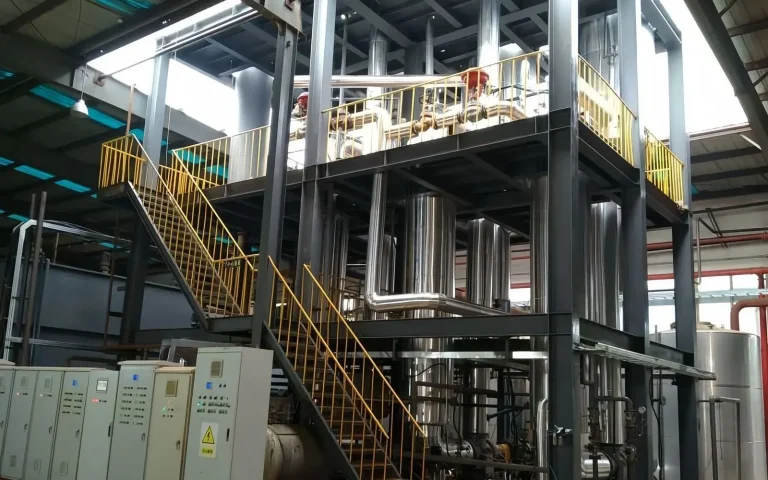
เราสามารถให้โซลูชันการสกัดลิเธียมโดยตรง (DLE) เพื่อกู้คืนลิเธียมจากน้ำเกลือในทะเลสาบเกลือ
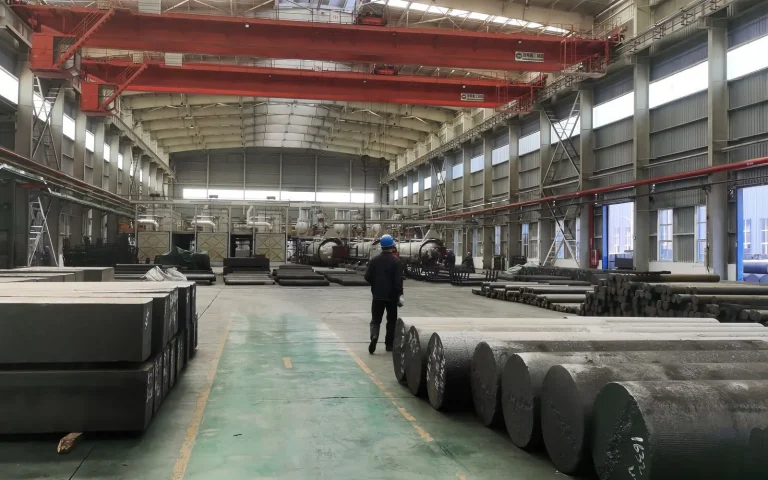
อิเล็กโทรดกราไฟต์ UHP ใช้สำหรับเตาอาร์คไฟฟ้ากำลังสูงพิเศษในอุตสาหกรรมการหลอมเหล็ก
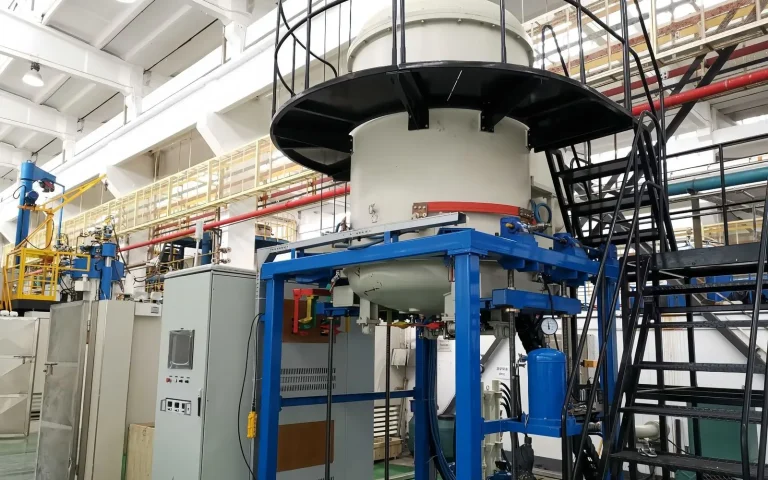
ความต้องการจากอุตสาหกรรมในช่วงหลายปีที่ผ่านมาคือกราไฟต์พิเศษและคาร์บอนที่มีความเข้มงวดมากขึ้น

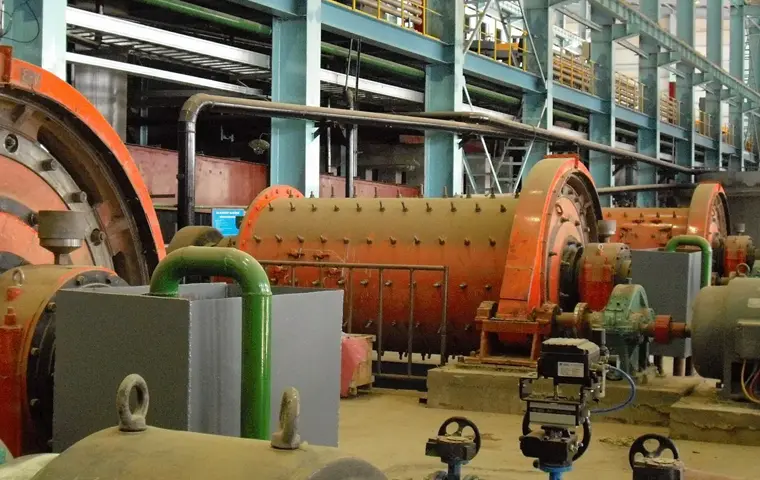
แร่ดิบ: แร่โมลิบดีนัมประเภทซัลไฟด์ (ส่วนใหญ่เป็นโมลิบดีไนต์) เกรดโมลิบดีนัม: 0.15% เกรดผลิตภัณฑ์: 45% Mo
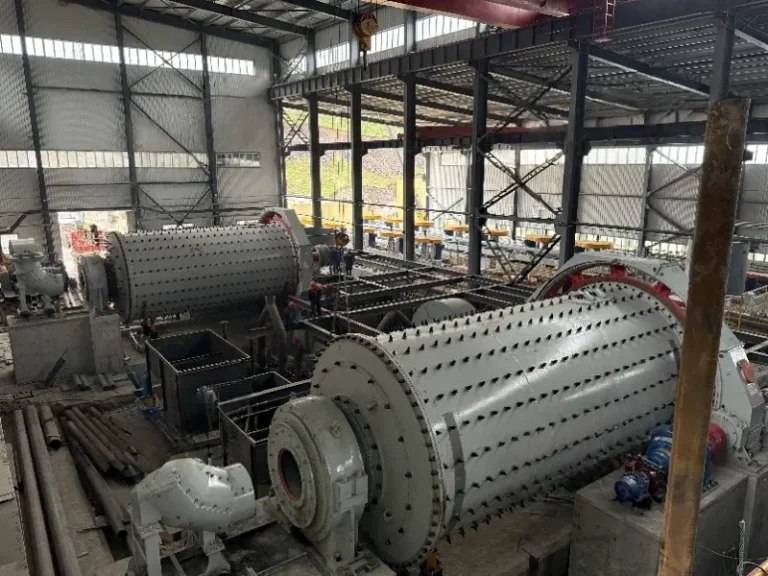
แร่ดิบ: แร่ไนเคิลลีเทอไรต์ชนิดลิโมไนต์ Ni: 1.2% Co: 0.12%
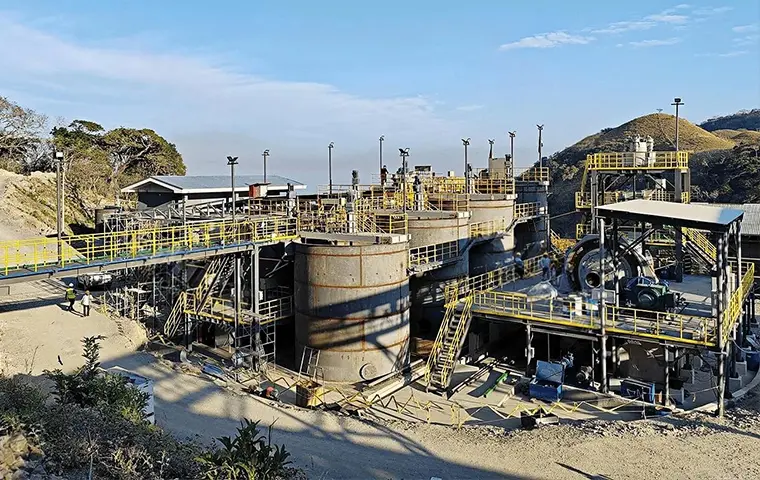
แร่ดิบ: แร่ทองแดงชนิดซัลไฟด์ (เกรดต่ำ, หลากหลาย) เกรดทองแดงที่ใช้เป็นวัตถุดิบ: 0.45% เกรดทองแดงของสมาธิ: 25%
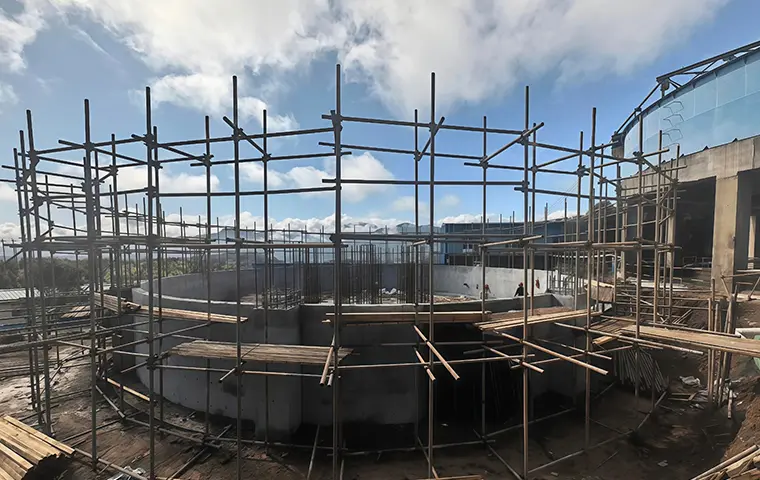
แร่ดิบ: แร่โกนประเภทซัลไฟด์ เกรดทอง: 3.5 กรัม/ตัน อัตราการฟื้นฟูทอง: 92%
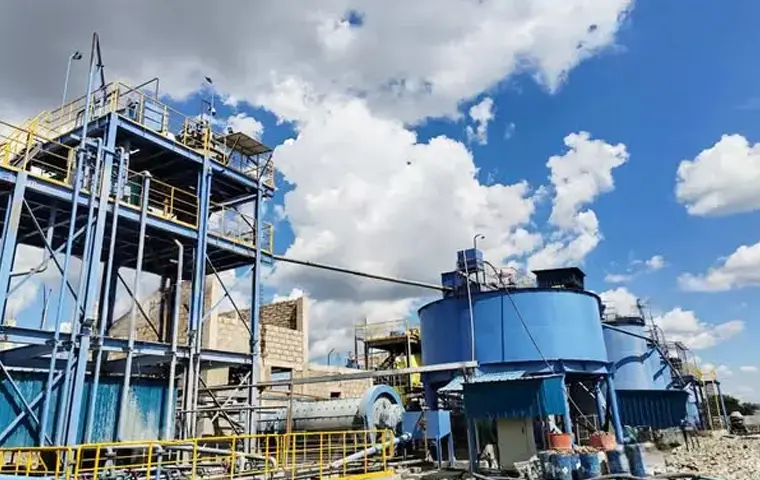
แร่ดิบ: แร่ทองแดง-ทองคำ ปริมาณทองแดง: 1.2% ปริมาณทองคำ: 1.5 กรัม/ตัน อัตราการแยก: ทองแดง 89%, ทองคำ 88%

แร่ดิบ: ดินเฮคเตอร์ไนต์อุดมด้วยลิเธียม (Li₂O: 0.6-1.0%) ผลิตภัณฑ์สุดท้าย: ลิเธียมคาร์บอเนตเกรดแบตเตอรี่
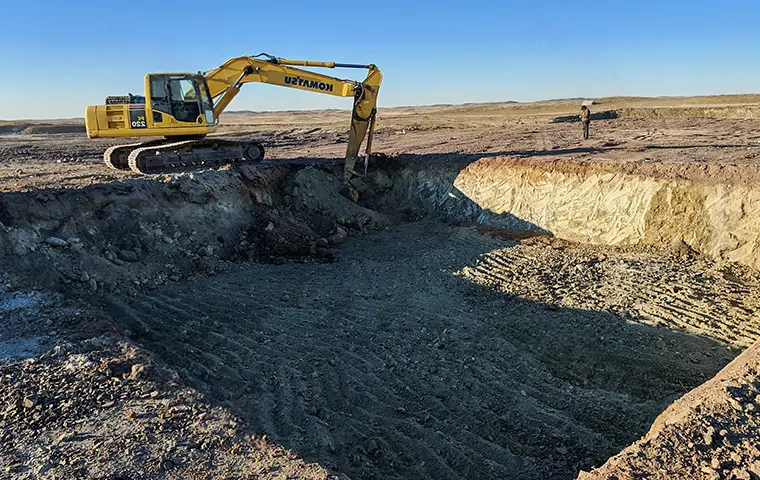
วัสดุพื้นฐาน: สลายจากเหมืองทองคำจากโรงงาน CIL เนื้อหาของแข็งในกาก: 35-40% ความหนาแน่นในการจัดเรียงสุดท้าย: 1.6-1.8 ตัน/ลูกบาศก์เมตร
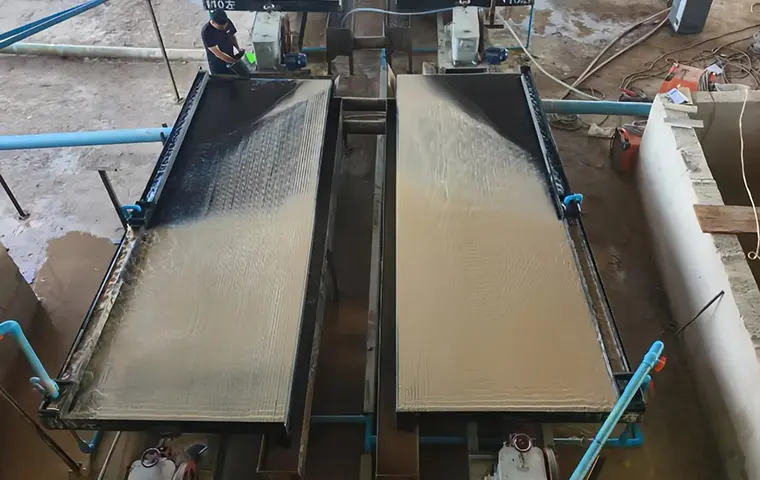
แร่ดิบ: แร่ซัลไฟด์แอนติโมไนด์ที่มีสายแร่ควอตซ์ เกรด Sb: 3.5% เกรดเข้มข้น: 55%
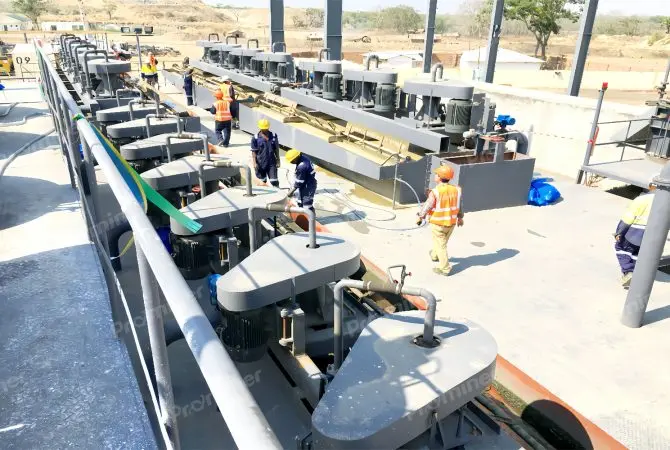
Prominer สามารถจัดหาเครื่องฟลอเทชั่นแบบดูดตัวเองซีรีส์ SF และเซลล์ฟลอเทชั่นแบบนิวเมติกซีรีส์ XCF/KYF
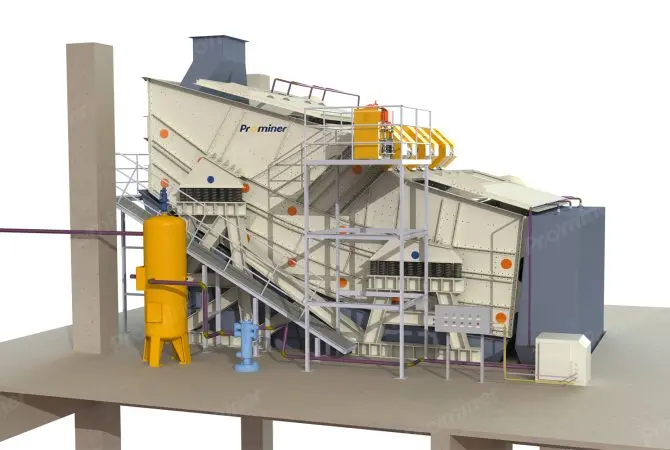
หน้าจอกล้วยยังเป็นที่รู้จักกันดีในชื่อหน้าจอความหนาของเตียงคงที่ Prominer มีความสามารถในการจัดหาวัสดุแห้ง
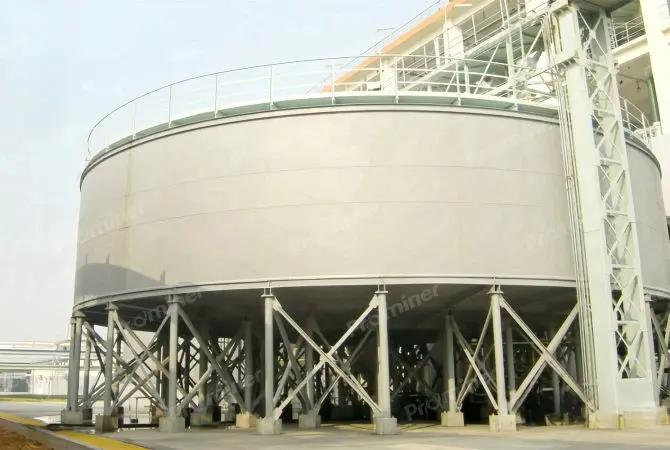
Prominer สามารถจัดหาเครื่องข้นที่แตกต่างกัน รวมถึงเครื่องข้นที่ขับเคลื่อนกลางและเครื่องข้นที่มีแรงดึงรอบนอก
หากต้องการทราบข้อมูลเพิ่มเติมเกี่ยวกับผลิตภัณฑ์และโซลูชันของเรา โปรดกรอกแบบฟอร์มด้านล่างและผู้เชี่ยวชาญของเราจะติดต่อกลับหาคุณในไม่ช้า
โครงการฟลอทเตชั่นทองคำ 3000 TPD ในมณฑลซานตง
ฟลอทเตชั่นแร่ลิเธียม 2500 TPD ในเสฉวน
Fax: (+86) 021-58779592
ที่อยู่: ห้อง 606 อาคาร D3 เฟส II ศูนย์ธุรกิจฉวนซา 777 ถนนหลง เมียโอฉวน ถัง เขตผู่ตงใหม่ เซี่ยงไฮ้ ประเทศจีน
ลิขสิทธิ์ © 2023. บริษัท โปรมิเนอร์ (เซี่ยงไฮ้) ไมนิ่ง เทคโนโลยี จำกัด