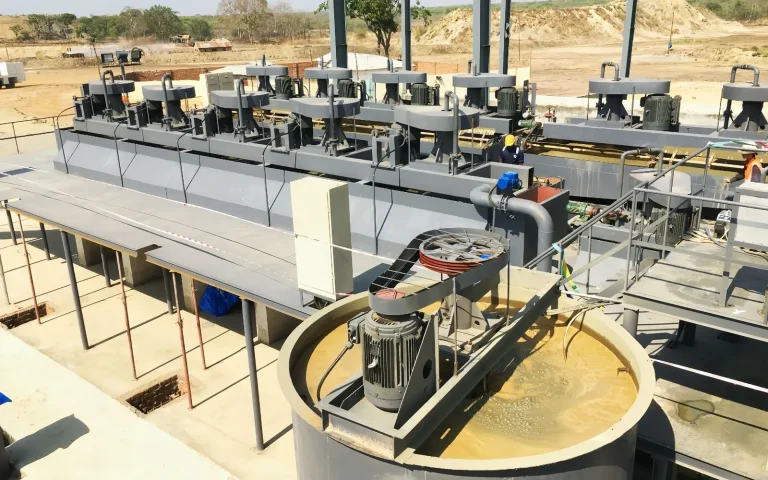
จัดหาอุปกรณ์สำคัญในการขั้นตอนการแยกแร่ทองคำ เช่น ระบบ CIL/CIP, เซลล์ฟลอเตชัน…


/
/
ปัจจัยสำคัญใดบ้างในการเพิ่มประสิทธิภาพเทคโนโลยีการแยกแร่ทองแดง-ตะกั่ว-สังกะสี?


แร่ทองแดง-ตะกั่ว-สังกะสี (Cu-Pb-Zn) มักพบในแหล่งแร่หลายโลหะที่ซับซ้อน ซึ่งแร่ต่าง ๆ ถูกแทรกสอดกันอย่างละเอียดและยากต่อการแยก เทคนิคการปรับปรุงกระบวนการแปรรูปแร่เหล่านี้จำเป็นต้องใช้แนวทางที่เป็นระบบซึ่งสมดุลระหว่างประสิทธิภาพทางโลหะวิทยา ต้นทุนการดำเนินงาน และความรับผิดชอบต่อสิ่งแวดล้อม ด้านล่างนี้คือปัจจัยสำคัญที่มีผลต่อความสำเร็จในการปรับปรุงกระบวนการอย่างเหมาะสม
การเข้าใจลักษณะแร่วิทยาของแร่นั้นเป็นพื้นฐานของกลยุทธ์การปรับปรุงคุณภาพใดๆ การศึกษาละเอียดเกี่ยวกับกระบวนการแร่วิทยาช่วยกำหนดได้ว่า:
การวิเคราะห์แร่ธาตุอย่างแม่นยำช่วยให้นักวิศวกรสามารถเลือกความละเอียดการบด สารตกตะกอนฟอง และลำดับการแยกได้อย่างเหมาะสม ลดการปรับแต่งโดยการทดลองผิดถูกในระหว่างการผลิตให้น้อยลง
การบดให้เหมาะสมเป็นสิ่งสำคัญต่อการปล่อยแร่ธาตุอย่างเพียงพอโดยไม่บดเกินไป การบดไม่เพียงพอทำให้การแยกเป็นไปได้ไม่ดีเนื่องจากอนุภาคที่ติดกัน และการบดเกินไปอาจเป็นได้ว่า:
การเพิ่มประสิทธิภาพความละเอียดของการบดเกี่ยวข้องกับการสร้างสมดุลระหว่างข้อกำหนดการปลดปล่อยกับประสิทธิภาพการใช้พลังงาน กระบวนการบดและการจัดประเภทเป็นขั้นตอนมักถูกใช้เพื่อปรับปรุงประสิทธิภาพการแยกส่วน
กระบวนการฟลูเตชันเป็นหัวใจหลักในการคัดแยกทองแดง-ตะกั่ว-สังกะสี แผนผังการไหลที่พบบ่อยที่สุด ได้แก่:
การเลือกลำดับการฟลูเตชันที่เหมาะสมขึ้นอยู่กับลักษณะของแร่ ความแตกต่างของความสามารถในการฟลูเตของแร่ และการพิจารณาทางเศรษฐกิจ การออกแบบกระบวนการต้องคำนึงถึงการยับยั้งแร่ที่ไม่ต้องการอย่างมีประสิทธิภาพในแต่ละขั้นตอนด้วย
สารเคมีมีผลอย่างมากต่อประสิทธิภาพการแยกด้วยฟลูเตชัน หมวดหมู่สารเคมีหลักมีดังนี้:
การเพิ่มประสิทธิภาพชนิดของสารเคมี ปริมาณ และจุดการเติม ช่วยปรับปรุงเกรดของสารเข้มข้นและอัตราการฟื้นฟู โรงงานสมัยใหม่มักใช้การทดสอบระบบสารเคมีและระบบการเติมสารอัตโนมัติเพื่อให้มั่นใจในความสม่ำเสมอและลดของเสียให้น้อยที่สุด
ระบบควบคุมกระบวนการขั้นสูงช่วยเพิ่มความมั่นคงในการดำเนินงานและประสิทธิภาพในการฟื้นฟู การเฝ้าติดตามแบบเรียลไทม์ของพารามิเตอร์ เช่น:
ช่วยให้ผู้ปฏิบัติงานปรับเปลี่ยนได้ทันเวลา การทำงานโดยอัตโนมัติช่วยลดความผิดพลาดของมนุษย์ ปรับปรุงความสามารถในการทำซ้ำ และเพิ่มผลผลิตโดยรวมของโรงงาน
เคมีของน้ำมีผลอย่างมากต่อประสิทธิภาพการลอยตัว ปัจจัยต่างๆ เช่น ไอออนที่ละลายอยู่, ค่า pH และสารปนเปื้อนในน้ำรีไซเคิล สามารถเปลี่ยนแปลงประสิทธิภาพของสารเคมีและความจำเพาะของแร่ได้
นอกจากนี้ กฎระเบียบด้านสิ่งแวดล้อมยังกำหนดให้มีการจัดการอย่างระมัดระวังใน:
การปรับปรุงระบบรีไซเคิลน้ำและนำเข้าใช้สารเคมีที่เป็นมิตรกับสิ่งแวดล้อม ช่วยสนับสนุนการดำเนินงานของโรงงานอย่างยั่งยืน
การปรับแต่งเชิงเทคนิคต้องสอดคล้องกับความเป็นไปได้ทางเศรษฐกิจ ปัจจัยเศรษฐกิจสำคัญได้แก่:
การวิเคราะห์ต้นทุนและผลประโยชน์อย่างต่อเนื่องช่วยให้มั่นใจว่าการปรับปรุงในกระบวนการฟื้นฟูหรือคุณภาพผลผลิตแปลเป็นผลกำไรทางการเงินที่แท้จริง
คุณสมบัติแร่ธาตุอาจเปลี่ยนแปลงตามเวลา ซึ่งต้องมีการทดสอบและปรับตัวอย่างต่อเนื่อง การทดสอบในระดับนำร่อง การทดลองลอยในห้องปฏิบัติการ และการวิเคราะห์ข้อมูลจากโรงงาน เป็นเครื่องมือสนับสนุนการพัฒนาอย่างต่อเนื่อง
การตรวจสอบประสิทธิภาพเป็นประจำและการตรวจสอบด้านโลหะวิทยาช่วยในการระบุอุปสรรคและรักษาระดับการผลิตที่เหมาะสม
การเพิ่มประสิทธิภาพเทคโนโลยีการคัดแยกแร่ทองแดง ตะกั่ว สังกะสี ต้องใช้แนวทางแบบบูรณาการซึ่งรวมการวิจัยแร่ธาตุ วิศวกรรมกระบวนการ การจัดการสารช่วยทำละลาย การอัตโนมัติ และการวิเคราะห์ทางเศรษฐศาสตร์ โดยการแก้ไขปัจจัยสำคัญเหล่านี้อย่างเป็นระบบ โรงงานแปรรูปสามารถเพิ่มเปอร์เซ็นต์การสกัด รักษาคุณภาพของผลิตภัณฑ์เข้มข้น และดำเนินงานอย่างยั่งยืนและคุ้มค่า.
A: สำหรับทรัพยากรกราไฟต์ คำตอบที่สมบูรณ์ควรครอบคลุมทั้งการลอยตัวของกราไฟต์ธรรมชาติและการประมวลผลเชิงลึก ระบบเครื่องบดลูกและระบบไซโคลนไฮโดรเป็นขั้นตอนการบดเบื้องต้น สำหรับการผลิตวัสดุขั้วไฟฟ้าขั้นสูง การหมุนขึ้นรูปเป็นสิ่งจำเป็นเพื่อปรับปรุงความหนาแน่นของแท่งและลดพื้นผิวเฉพาะ นอกจากนี้ ระบบเคลือบ Prominer ซึ่งรวมฟังก์ชันการเคลือบและการกลายเป็นเม็ดเป็นขั้นตอนสำคัญในการประมวลผลวัสดุขั้วไฟฟ้าที่มีกำไรสูง
A: การเลือกกระบวนการขึ้นอยู่กับลักษณะของแร่เป็นหลัก กระบวนการ Gold CIL/CIP เป็นวิธีที่ได้รับความนิยมและมีประสิทธิภาพสูงในการแปรรูปแร่ทองคำประเภทออกไซด์คุณภาพสูง สำหรับโครงการทองคำอื่น ๆ การลอยตัวยังคงเป็นวิธีการแปรรูปที่ได้รับความนิยมมากที่สุด สำหรับเจ้าของที่ต้องการประหยัดงบประมาณในขั้นต้น การปล่อยแร่ในถัง (vat leaching) หรือ การปล่อยแร่เป็นกอง (heap leaching) เป็นทางเลือกที่ยืดหยุ่นและคุ้มค่า เราแนะนำให้เริ่มต้นด้วยการทดสอบในห้องปฏิบัติการและการทดสอบนำร่องเพื่อกำหนดกระบวนการที่มีประสิทธิภาพและเป็นวิทยาศาสตร์มากที่สุด
A: การแยกแม่เหล็กเป็นสิ่งสำคัญสำหรับการปรับปรุงแร่ธาตุ เราให้บริการแยกแม่เหล็กทั้ง HIMS (ความเข้มสูง) และ LIMS (ความเข้มต่ำ) เพื่อจัดการกับคุณสมบัติแม่เหล็กของแร่ธาตุต่าง ๆ ในการออกแบบโรงงานที่ได้รับการปรับปรุง เทคโนโลยีนี้จะถูกผสมผสานกับระบบบดละเอียดประสิทธิภาพสูง—โดยใช้เครื่องบดทรงกระบอกเดี่ยวหรือเครื่องบดทรงกระบอกหลายลูกสูบ—and ระบบบดละเอียด เพื่อให้แน่ใจว่าหินปนเปื้อนถูกคัดออกในขั้นต้น ซึ่งจะช่วยปรับปรุงผลผลิตอย่างมากและประหยัดพลังงาน
A: การออกแบบโรงงานที่ประสบความสำเร็จต้องอาศัยบริการ EPC (วิศวกรรม, จัดซื้อ, ก่อสร้าง) ที่ครอบคลุม ประกอบด้วยการพิจารณาหลักเช่น การออกแบบวิศวกรรม (สำรวจพื้นที่ แนวทางการเก็บตัวอย่าง และแบบร่าง PFD) และการปรับแต่งอุปกรณ์เพื่อให้แน่ใจว่าเครื่องจักรตรงกับลักษณะของแร่ที่เฉพาะเจาะจง ตัวอย่างเช่น Prominer สามารถปรับแต่งหน้าจอแนวนอนความกว้างสูงสุด 5.1 เมตร สำหรับการแยกและระบายน้ำแบบขนาดใหญ่ ในที่สุด บริการบนพื้นที่มืออาชีพ รวมทั้งการกำกับดูแลงานก่อสร้างและการเริ่มใช้งาน เป็นสิ่งสำคัญสำหรับการดำเนินงานที่เสถียรในระยะยาว
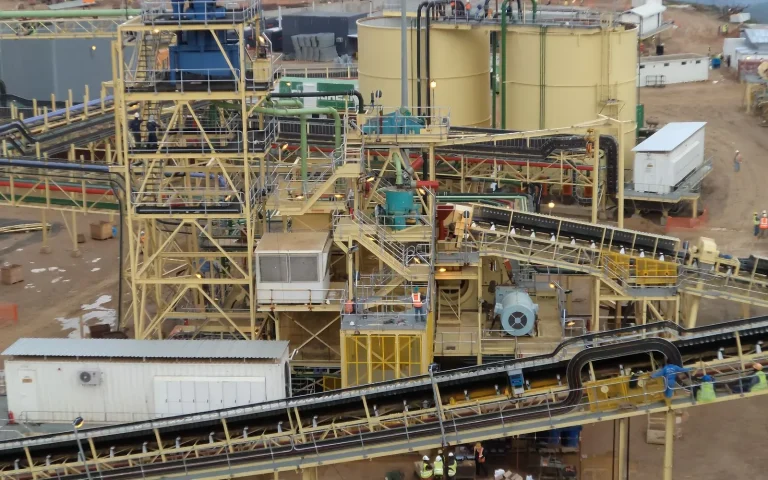
จัดหาอุปกรณ์สำคัญในการขั้นตอนการแยกแร่ทองคำ เช่น ระบบ CIL/CIP, เซลล์ฟลอเตชัน…
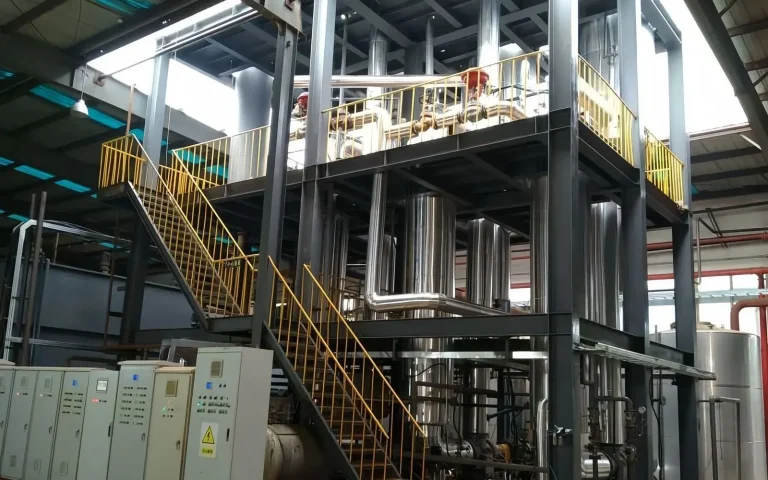
เราสามารถให้โซลูชันการสกัดลิเธียมโดยตรง (DLE) เพื่อกู้คืนลิเธียมจากน้ำเกลือในทะเลสาบเกลือ

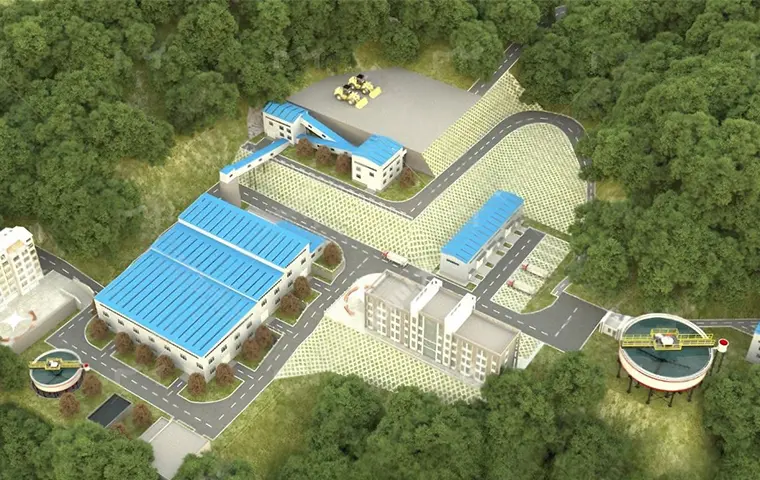
วัตถุดิบ: แร่ฟลูออไรต์ (CaF₂) เกรดฟลูออร์สปาร์: 35% CaF₂ เกรดคอนเซนเทรต: 97% CaF₂
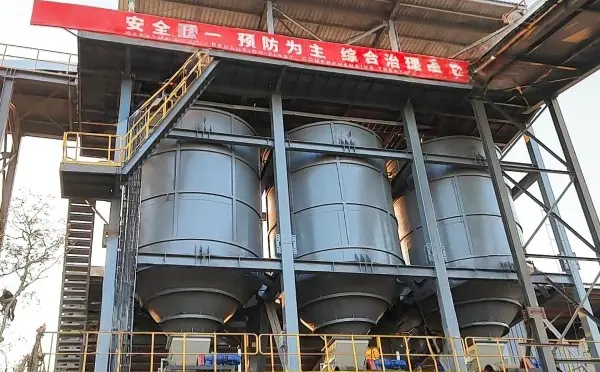
แร่ดิบ: เลพิดอไลต์, สโพดุมีน, แร่ธาตุอื่นๆ: ควอทซ์, เฟลด์สปาร์, ไมกา ระดับ Li₂O: 0.8%
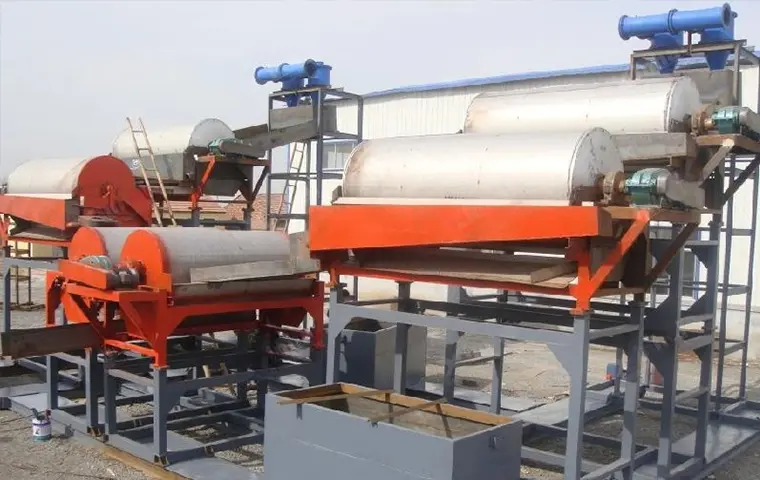
แร่ดิบ: แร่ฮาวส์มันไนท์ (Mn₃O₄) เกรดแมงกานีส: 35% ผลิตภัณฑ์สุดท้าย: คอนเซนเทรตฮาวส์มันไนท์ อัตราการกู้คืนแมงกานีส: 88%
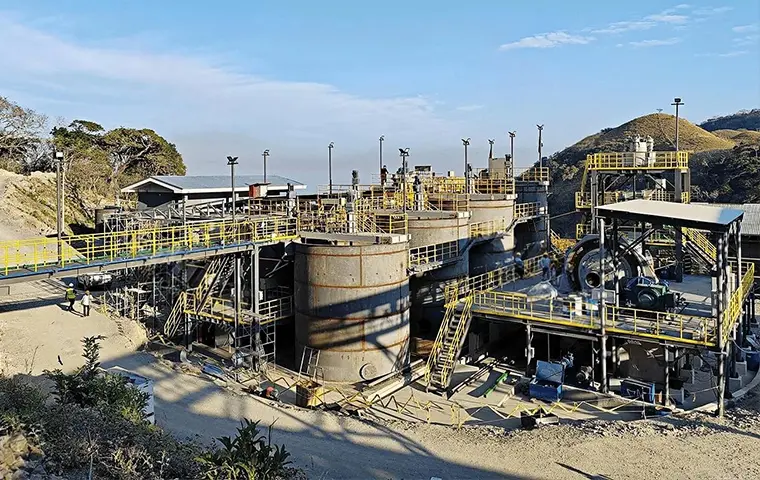
แร่ดิบ: แร่ทองแดงชนิดซัลไฟด์ (เกรดต่ำ, หลากหลาย) เกรดทองแดงที่ใช้เป็นวัตถุดิบ: 0.45% เกรดทองแดงของสมาธิ: 25%
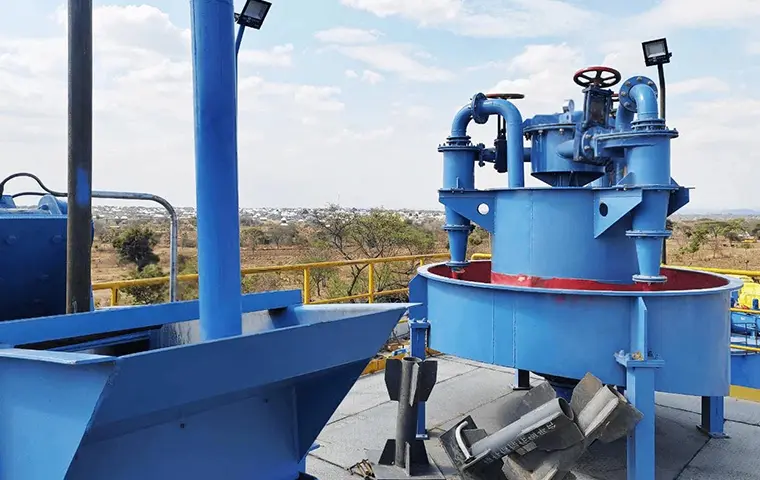
เป้าหมายความจุ: เพิ่มความสามารถในการผลิตจาก 500 ตันต่อวัน เป็น 850 ตันต่อวันเป็นขั้นตอนโดยไม่หยุดการผลิต.
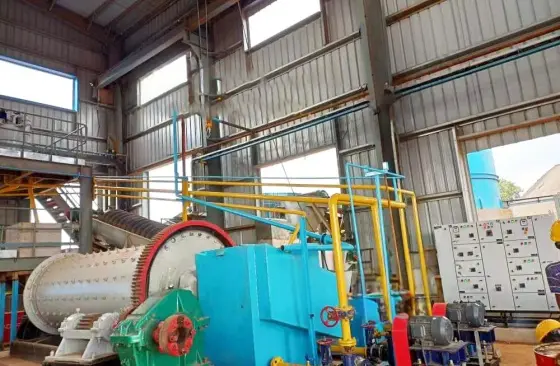
วัตถุดิบ: เถาวัลย์ทองแดงที่ได้จากการฟลอตเตชันแบบซัลไฟด์ คอนแซนเทรตโลหะ: ทองแดง: 0.8% , ทองคำ: 0.3 กรัม/ตัน , เงิน: 5 กรัม/ตัน , เหล็ก: 25%
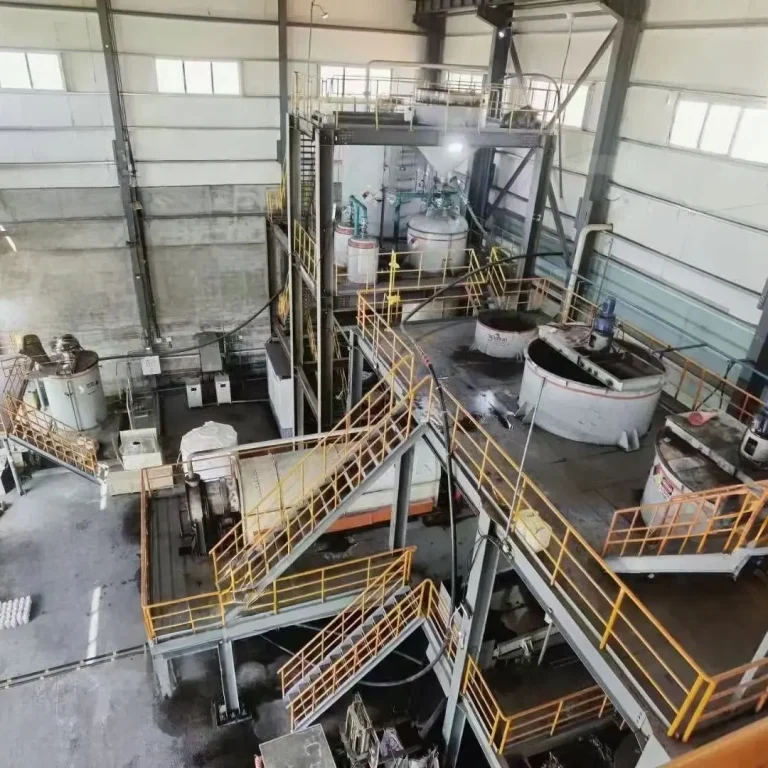
แร่ดิบ: ทองคำแร่ซัลไฟด์ผสม (ทั่วไป) เกรดทองคำ: 3.5 กรัม/ตัน ความบริสุทธิ์ของแท่งทองคำ: 99.5%
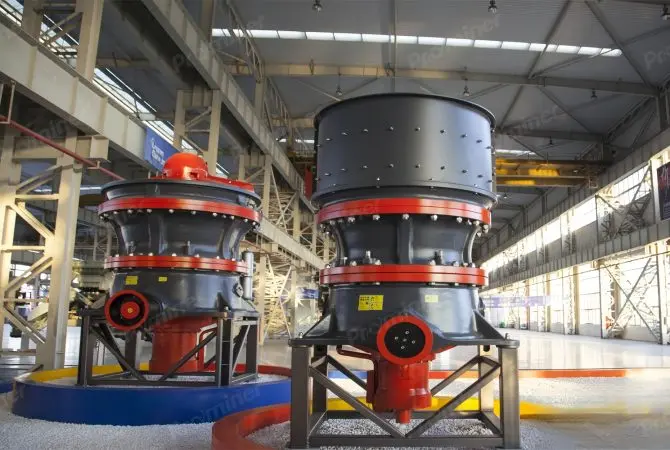
เครื่องบดกรวยไฮดรอลิกกระบอกเดียวมีสองซีรีส์ตามห้องที่แตกต่างกัน, ห้อง S ถูกออกแบบมา
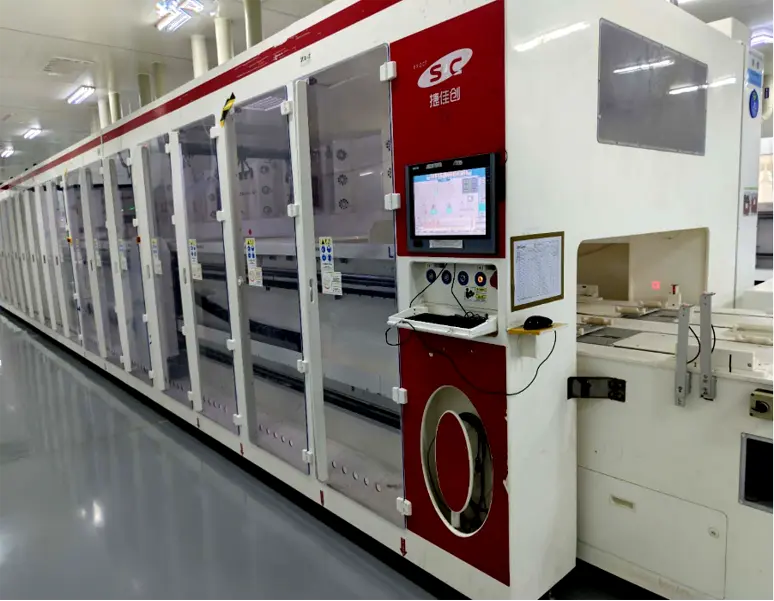
เช่น: เตาเผาแพร่โบรอน, การกำจัด BSG, เครื่องขัดด่าง, PE-POLY…
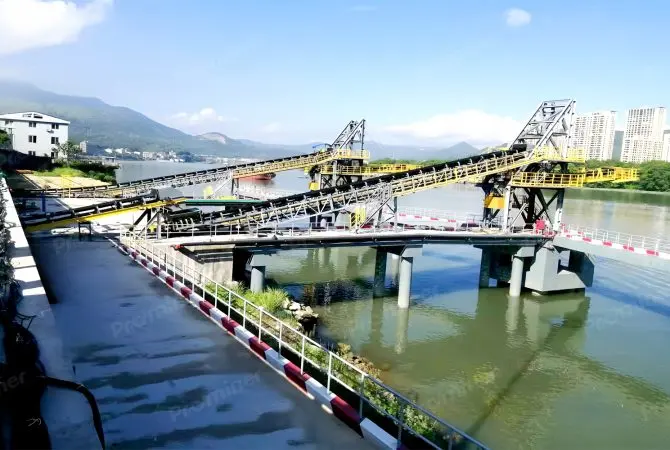
เราสามารถให้โซลูชันของสายพานลำเลียงสำหรับวัตถุประสงค์ที่แตกต่างกัน รวมถึงสายพานลำเลียงที่เอียงสูง
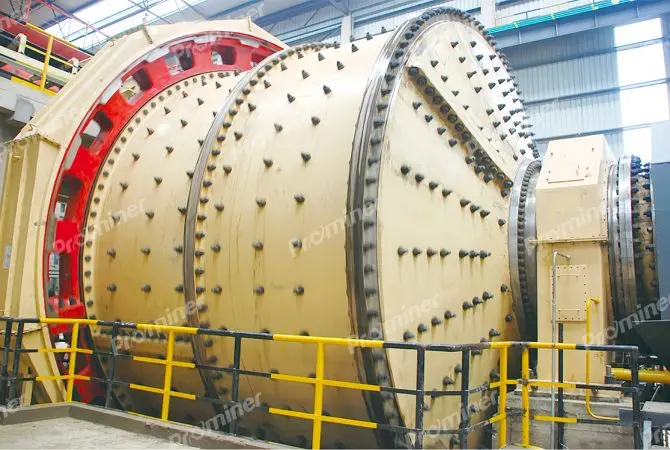
AG/SAG ย่อมาจากโรงสีออโตเจนัสและโรงสีเซมิออโตเจนัส ซึ่งรวมฟังก์ชันการบดสองอย่าง
หากต้องการทราบข้อมูลเพิ่มเติมเกี่ยวกับผลิตภัณฑ์และโซลูชันของเรา โปรดกรอกแบบฟอร์มด้านล่างและผู้เชี่ยวชาญของเราจะติดต่อกลับหาคุณในไม่ช้า
โครงการฟลอทเตชั่นทองคำ 3000 TPD ในมณฑลซานตง
ฟลอทเตชั่นแร่ลิเธียม 2500 TPD ในเสฉวน
Fax: (+86) 021-58779592
ที่อยู่: ห้อง 606 อาคาร D3 เฟส II ศูนย์ธุรกิจฉวนซา 777 ถนนหลง เมียโอฉวน ถัง เขตผู่ตงใหม่ เซี่ยงไฮ้ ประเทศจีน
ลิขสิทธิ์ © 2023. บริษัท โปรมิเนอร์ (เซี่ยงไฮ้) ไมนิ่ง เทคโนโลยี จำกัด