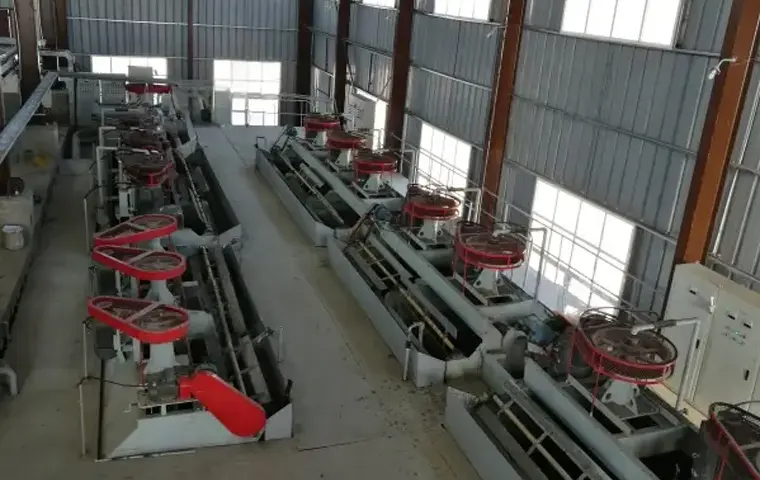
จัดหาอุปกรณ์สำคัญในการขั้นตอนการแยกแร่ทองคำ เช่น ระบบ CIL/CIP, เซลล์ฟลอเตชัน…



ประสิทธิภาพการลอยฟอสเฟตได้รับผลกระทบจากหลายปัจจัยที่เกี่ยวข้องกัน ซึ่งสามารถมีผลต่อการแยกและการฟื้นฟูแร่ฟอสเฟตจากแร่ เรามาดูปัจจัยสำคัญที่ส่งผลต่อประสิทธิภาพการลอยฟอสเฟตกัน:
การปรับแต่งปัจจัยเหล่านี้ต้องการความสมดุลที่รอบคอบระหว่างสภาพการดำเนินงาน, การเลือกสารเคมี, และลักษณะของแร่ การทดสอบแบบนำร่องและการติดตามผลอย่างต่อเนื่องมักสำคัญต่อการบรรลุประสิทธิภาพการลอยตัวที่สูงในการแปรรูปฟอสเฟต
บริษัท โพรมีเนอร์ (เซี่ยงไฮ้) ไมนิ่ง เทคโนโลยี จำกัด เชี่ยวชาญในการให้บริการด้านการแปรรูปแร่ธาตุและวัสดุขั้นสูงครบวงจรทั่วโลก เราให้ความสำคัญกับการ: การแปรรูปทองคำ การปรับปรุงแร่ลิเธียม แร่ธาตุอุตสาหกรรม การผลิตวัสดุขั้วบวก และการแปรรูปกราไฟท์
ผลิตภัณฑ์ ได้แก่: การบดและการคัดแยก การแยกและการกำจัดน้ำ การกลั่นทองคำ การแปรรูปคาร์บอน/กราไฟท์ และระบบการล้าง
เรามีบริการครบวงจร รวมถึงการออกแบบวิศวกรรม การผลิตอุปกรณ์ การติดตั้ง และการสนับสนุนด้านการดำเนินงาน พร้อมด้วยการปรึกษาหารือจากผู้เชี่ยวชาญตลอด 24 ชั่วโมง 7 วัน
เว็บไซต์ของเรา:https://www.prominetech.com/
อีเมลของเรา:[email protected]
ยอดขายของเรา:+8613918045927(Richard),+8617887940518(Jessica)+8613402000314(บรูโน)
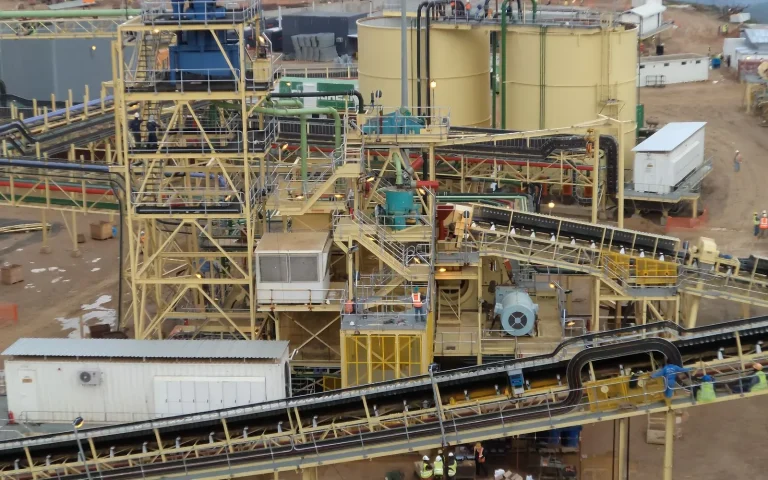
จัดหาอุปกรณ์สำคัญในการขั้นตอนการแยกแร่ทองคำ เช่น ระบบ CIL/CIP, เซลล์ฟลอเตชัน…
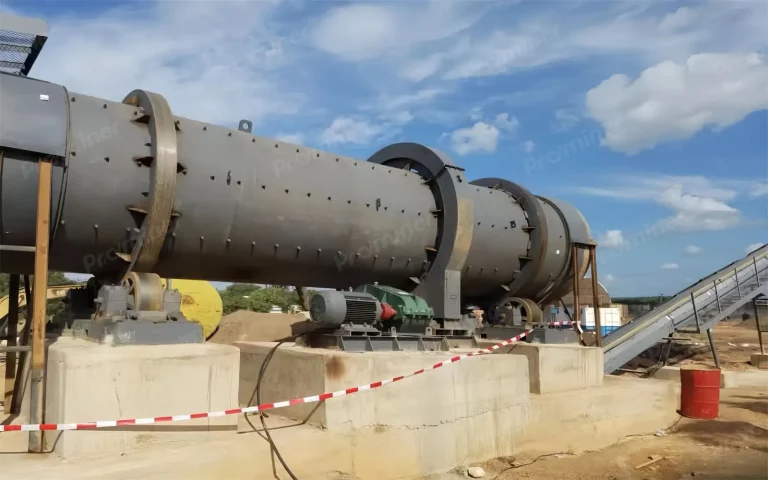
การล้างแบบกองเป็นวิธีการล้างไซยาไนด์แบบดั้งเดิมที่ยืดหยุ่นและประหยัดในการสกัดทองคำ
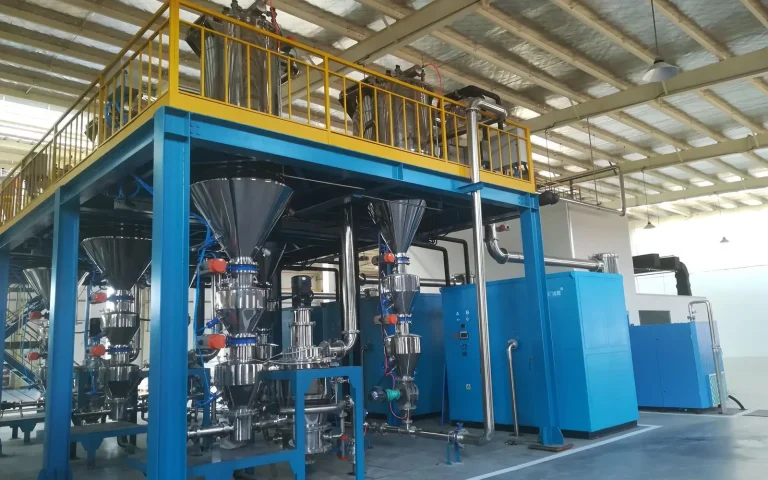
แอโนดที่มีพื้นฐานจากซิลิกอนเป็นวัสดุแอโนดคอมโพสิตชนิดหนึ่งที่เกิดจากการรวมซิลิกอน

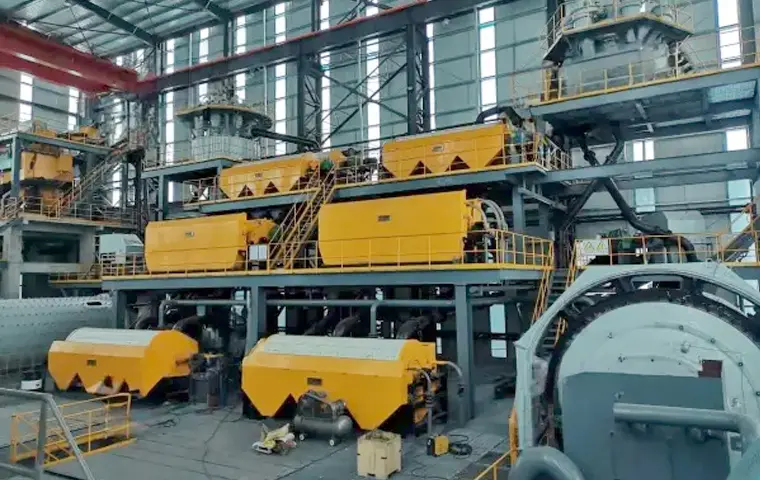
แร่ดิบ: แร่เหล็กแมกนีไทต์ที่มีแถบเฮมาไทต์ ระดับเหล็ก: 28-32% ผลิตภัณฑ์สุดท้าย: สารเข้มข้นเหล็กเกรดสูง
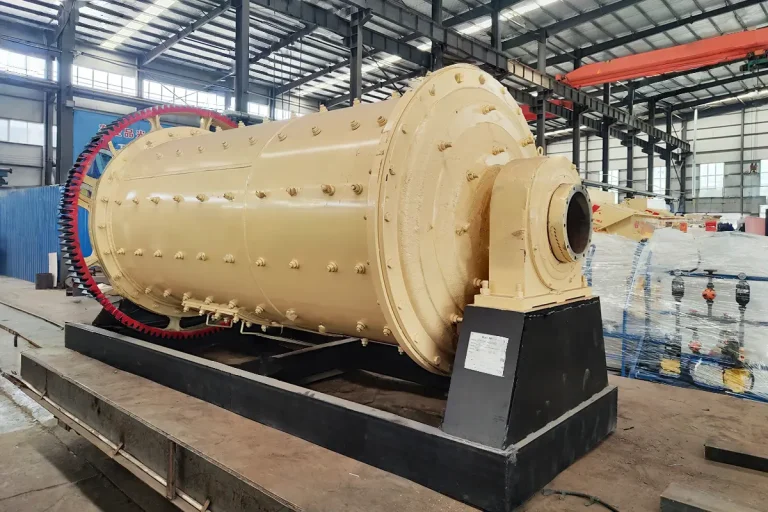
แร่ดิบ: แร่ทองแดง (ชัลโคไพไรต์) เกรดทองแดง: 0.85% ผลิตภัณฑ์สุดท้าย: สลายแร่ที่บดละเอียดสำหรับการลอยตัว
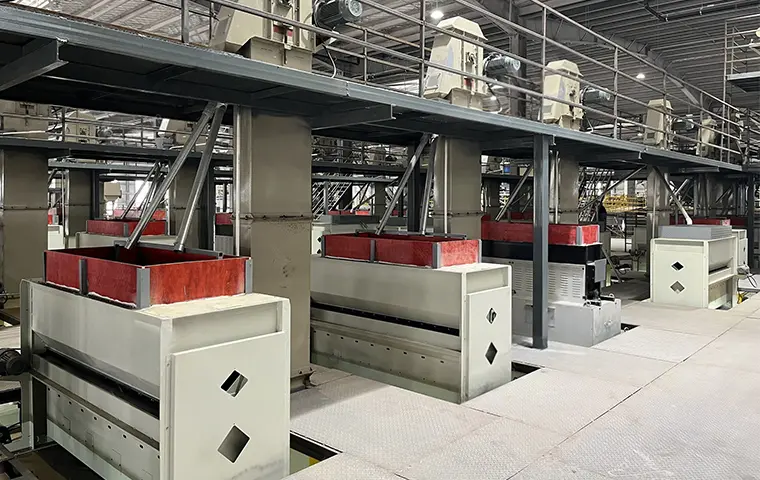
แร่ดิบ: แร่ลอยจากระบบแม่น้ำในภาคตะวันตกเฉียงใต้ของประเทศจีน ประกอบด้วยเซอร์โคเนียม รูไทล์ อิลเมไนต์ และแร่หนักอื่นๆ
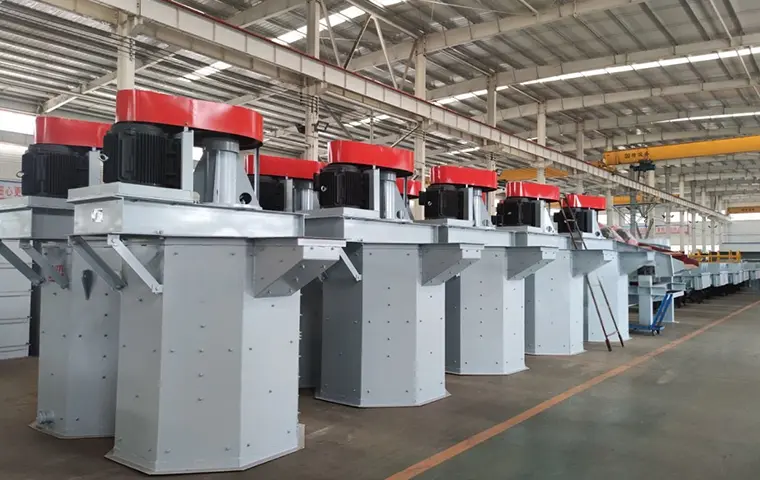
วัตถุดิบ: แร่ควอตซ์ที่มีสิ่งเจือปน (เหล็ก, อลูมิเนียม, ฯลฯ) เกรดควอตซ์: 98.5% SiO₂ ผลิตภัณฑ์สุดท้าย: ทรายควอตซ์บริสุทธิ์สูง (99.9% SiO₂)
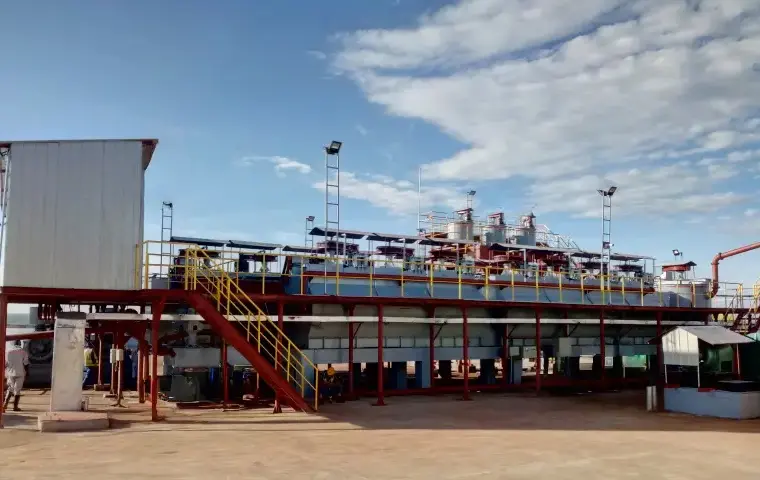
แร่ดิบ: แร่ฟอสเฟตผสมที่มีซิลิกาและคาร์บอเนต ระดับ P2O5: 18.5% ระดับแร่เข้มข้น: 32% P2O5
แร่ดิบ: แร่กราไฟต์เกล็ดผลึก ส่วนผสมของคาร์บอน: 8–12% (แปรผัน) ผลิตภัณฑ์สุดท้าย: รวมกราไฟต์เกล็ดบริสุทธิ์สูง
แร่ดิบ: แร่ทองคำชนิดออกไซด์และซัลไฟด์ เกรดทองคำ: 2.5 กรัม/ตัน ผลิตภัณฑ์สุดท้าย: บูลเลี่ยนทองคำ
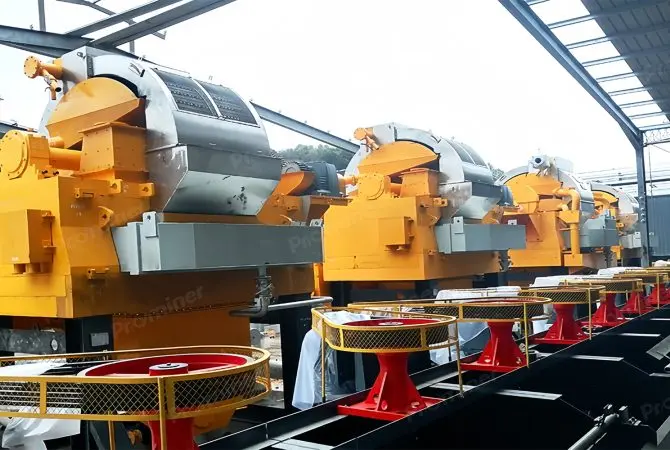
Prominer สามารถจัดหาเครื่องแยกแม่เหล็ก HIMS (เครื่องแยกแม่เหล็กความเข้มสูง) ที่แตกต่างกันได้
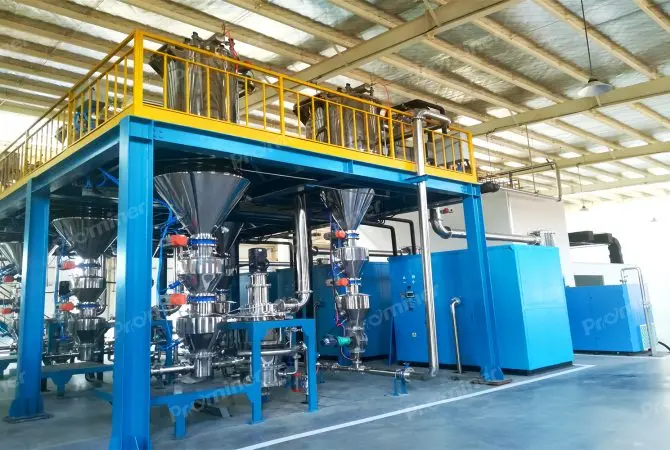
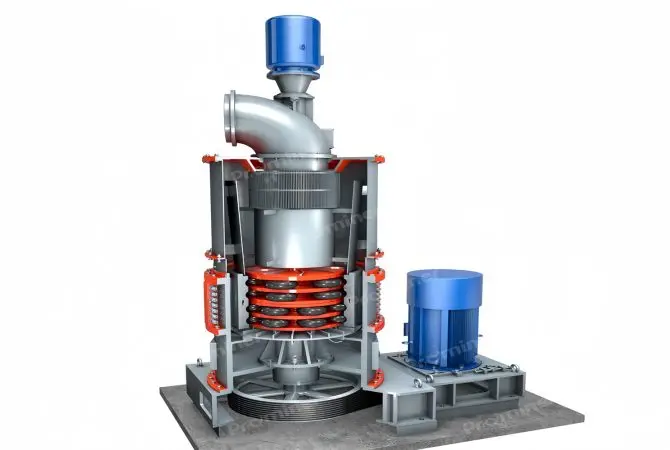
เจ็ทมิลล์ยังเรียกว่ามิลล์แบบฟลูอิไดซ์เบด โดยใช้หัวฉีดหลายตัวเพื่อสร้างการไหลของอากาศที่ความเร็วเสียง
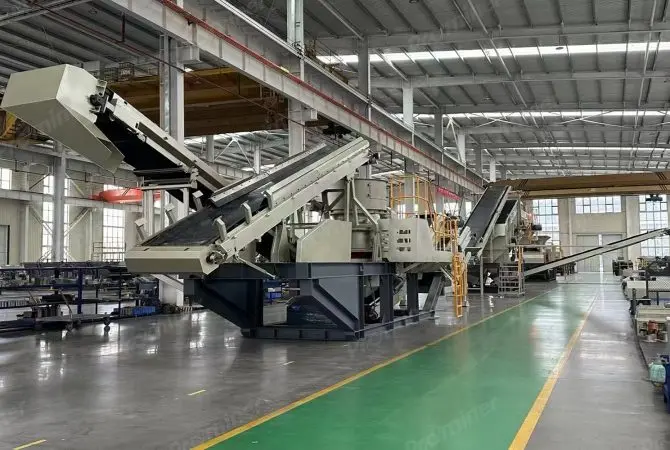
เครื่องบดพกพาติดตั้งบนสกิด, ตามความต้องการของตลาดที่ต้องการการเคลื่อนย้ายที่ง่ายจากไซต์หนึ่งไปยังอีกไซต์หนึ่ง
หากต้องการทราบข้อมูลเพิ่มเติมเกี่ยวกับผลิตภัณฑ์และโซลูชันของเรา โปรดกรอกแบบฟอร์มด้านล่างและผู้เชี่ยวชาญของเราจะติดต่อกลับหาคุณในไม่ช้า
โครงการฟลอทเตชั่นทองคำ 3000 TPD ในมณฑลซานตง
ฟลอทเตชั่นแร่ลิเธียม 2500 TPD ในเสฉวน
แฟกซ์: (+86) 021-60870195
ที่อยู่:เลขที่ 2555 ถนนซิ่วผู่ ผู่ตง เซี่ยงไฮ้
ลิขสิทธิ์ © 2023.บริษัท โปรมิเนอร์ (เซี่ยงไฮ้) ไมนิ่ง เทคโนโลยี จำกัด