วัสดุแคโทดเป็นหนึ่งในวัสดุหลักที่กำหนดประสิทธิภาพของแบตเตอรี่ลิเธียมไอออน


/
/
เทคโนโลยีการทำให้บริสุทธิ์ขั้นสูงใดที่เพิ่มมูลค่าของแร่ธาตุไม่ใช่โลหะสูงสุด?

เทคโนโลยีการทำให้บริสุทธิ์ขั้นสูงมีบทบาทสำคัญในการเพิ่มมูลค่าของแร่ที่ไม่มีโลหะ โดยการปรับปรุงความบริสุทธิ์ เพิ่มความสามารถในการใช้งาน และตอบสนองต่อข้อกำหนดทางอุตสาหกรรมและตลาดที่เข้มงวด ด้านล่างนี้เป็นเทคนิคการทำให้บริสุทธิ์ที่มีประสิทธิภาพที่สุดบางประการสำหรับการเพิ่มมูลค่าของแร่ที่ไม่มีโลหะ เช่น ซิลิกา เคโอไลน ฟิลด์สปาร์ แกรไฟต์ และอื่นๆ
ในหลายกรณี มีการใช้การผสมผสานของเทคโนโลยีเหล่านี้เพื่อให้ได้ความบริสุทธิ์และฟังก์ชันที่ต้องการ ตัวอย่างเช่น:
การเลือกเทคโนโลยีการชำระล้างขึ้นอยู่กับแร่ธาตุเป้าหมาย ความต้องการของตลาด และลักษณะของสิ่งสกปรกที่ต้องการนำออก การใช้เทคนิคที่ทันสมัยเหล่านี้ไม่เพียงแต่เพิ่มมูลค่าให้กับแร่ธาตุที่ไม่ใช่โลหะ แต่ยังช่วยให้เป็นไปตามมาตรฐานอุตสาหกรรม ส่งเสริมการใช้วัสดุเหล่านี้ในแอปพลิเคชันที่ประสิทธิภาพสูง เช่น อุตสาหกรรมอิเล็กทรอนิกส์ การก่อสร้าง การเก็บพลังงาน และการผลิตขั้นสูง
บริษัท โพรมีเนอร์ (เซี่ยงไฮ้) ไมนิ่ง เทคโนโลยี จำกัด เชี่ยวชาญในการให้บริการด้านการแปรรูปแร่ธาตุและวัสดุขั้นสูงครบวงจรทั่วโลก เราให้ความสำคัญกับการ: การแปรรูปทองคำ การปรับปรุงแร่ลิเธียม แร่ธาตุอุตสาหกรรม การผลิตวัสดุขั้วบวก และการแปรรูปกราไฟท์
ผลิตภัณฑ์ ได้แก่: การบดและการคัดแยก การแยกและการกำจัดน้ำ การกลั่นทองคำ การแปรรูปคาร์บอน/กราไฟท์ และระบบการล้าง
เรามีบริการครบวงจร รวมถึงการออกแบบวิศวกรรม การผลิตอุปกรณ์ การติดตั้ง และการสนับสนุนด้านการดำเนินงาน พร้อมด้วยการปรึกษาหารือจากผู้เชี่ยวชาญตลอด 24 ชั่วโมง 7 วัน
เว็บไซต์ของเรา:https://www.prominetech.com/
อีเมลของเรา:[email protected]
ยอดขายของเรา:+8613918045927(Richard),+8617887940518(Jessica)+8613402000314(บรูโน)
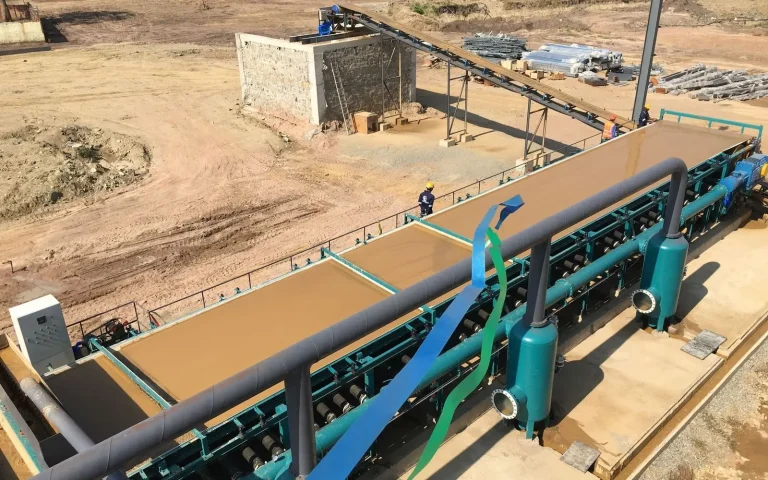
กระบวนการ CIL (คาร์บอนในการชะล้าง) ของทองคำ เป็นวิธีที่ได้รับความนิยมอย่างมากในการประมวลผลแร่ทองคำประเภทออกไซด์เกรดสูง
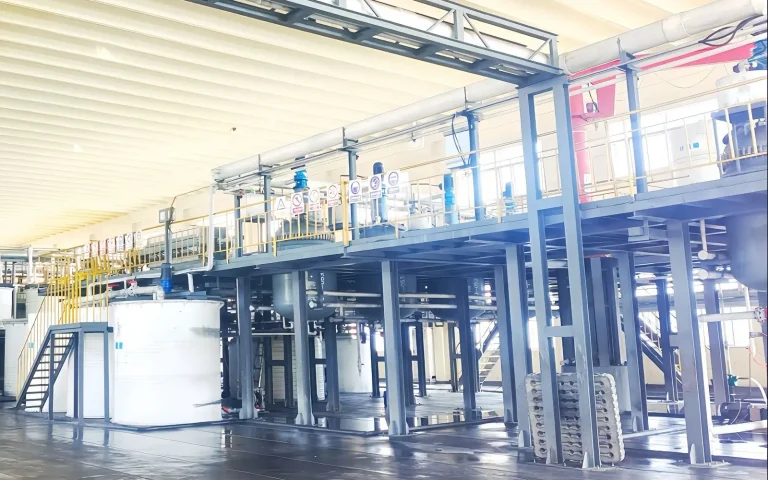
กราไฟต์แบบแผ่นสามารถใช้ผลิตกราไฟต์คาร์บอนสูง, กราไฟต์บริสุทธิ์สูง, กราไฟต์ขยายได้

แร่ดิบ: แร่ทองแดงชนิดออกไซด์ เกรดทอง: 3.5 กรัม/ตัน อัตราการกู้คืนทอง: 92% ความบริสุทธิ์ของทองคำแท่ง: 96%
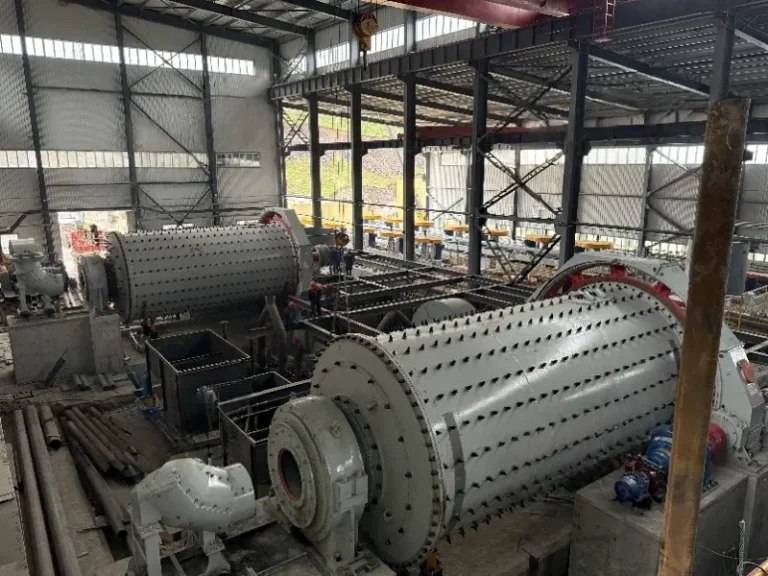
แร่ดิบ: แร่ไนเคิลลีเทอไรต์ชนิดลิโมไนต์ Ni: 1.2% Co: 0.12%
แร่ดิบ: แร่ทองคำออกไซด์สึกกร่อน เกรดทอง: 1.8 กรัม/ตัน อัตราการฟื้นฟูทองคำ: 90.5%
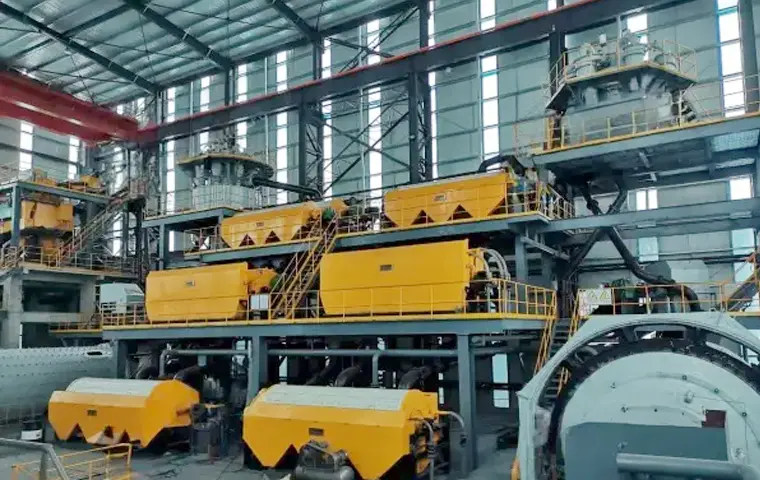
แร่ดิบ: แร่เหล็กแมกนีไทต์ที่มีแถบเฮมาไทต์ ระดับเหล็ก: 28-32% ผลิตภัณฑ์สุดท้าย: สารเข้มข้นเหล็กเกรดสูง
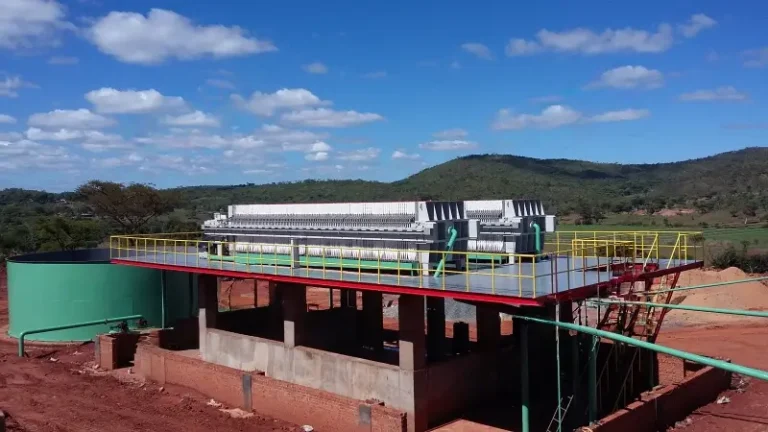
แร่ดิบ: แร่ทองคำที่มีซัลไฟด์ (ซัลไฟด์ 30%) กรัมทอง: 3.2 g/t ผลิตภัณฑ์สุดท้าย: ทองแท่ง 98.99%
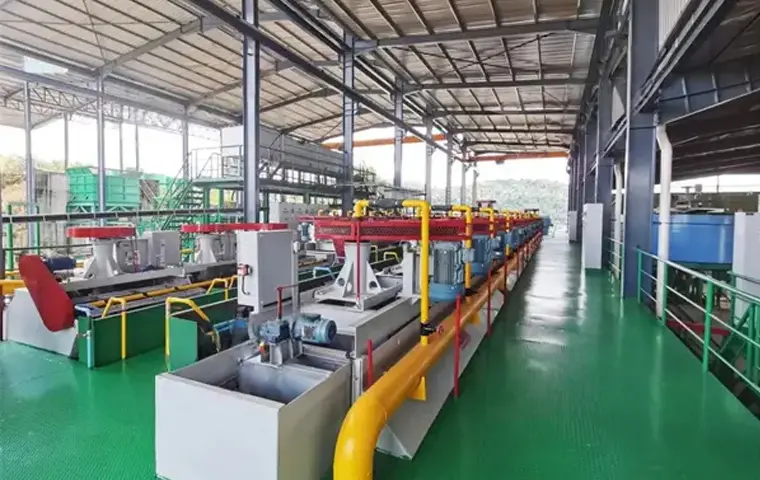
แร่ดิบ: คอลแทนตะกอน (ทังสเตน-โคโลมไบต์) พร้อมแร่แคสซิเทอไรต์ คุณภาพ: Ta₂O₅: 0.025-0.04%; Nb₂O₅: 0.02-0.035%; SnO₂: 0.1-0.3%
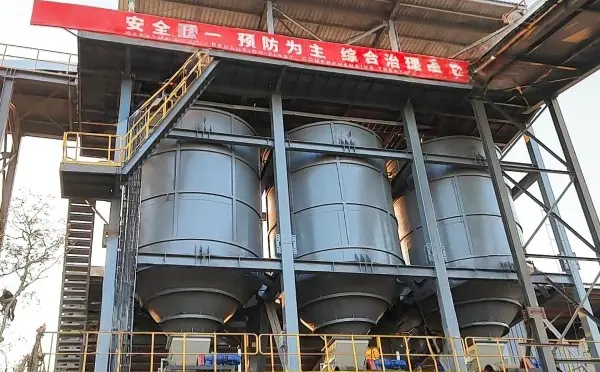
แร่ดิบ: เลพิดอไลต์, สโพดุมีน, แร่ธาตุอื่นๆ: ควอทซ์, เฟลด์สปาร์, ไมกา ระดับ Li₂O: 0.8%
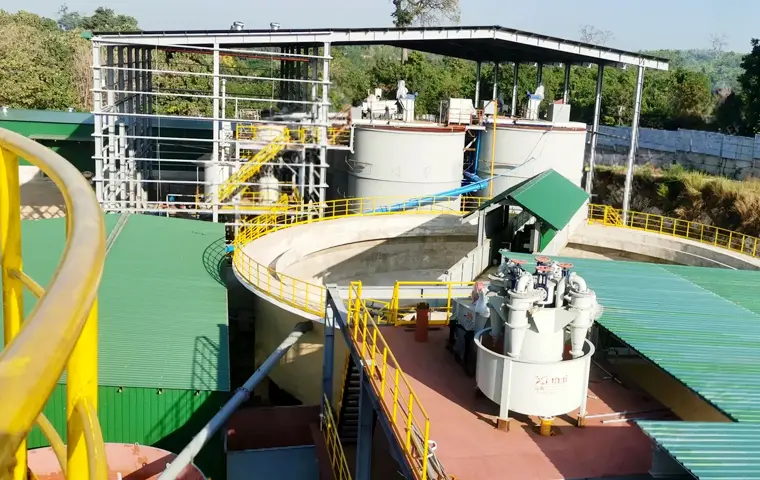
แร่ดิบ: แร่ทองคำออกไซด์คู่และซัลไฟด์ (มีส่วนที่ทนต่อการละลาย) เกรดทอง: 3.5-4.2 กรัม/ตัน ผลิตภัณฑ์สุดท้าย: ทองคำโดเร (Au ≥96.5%)
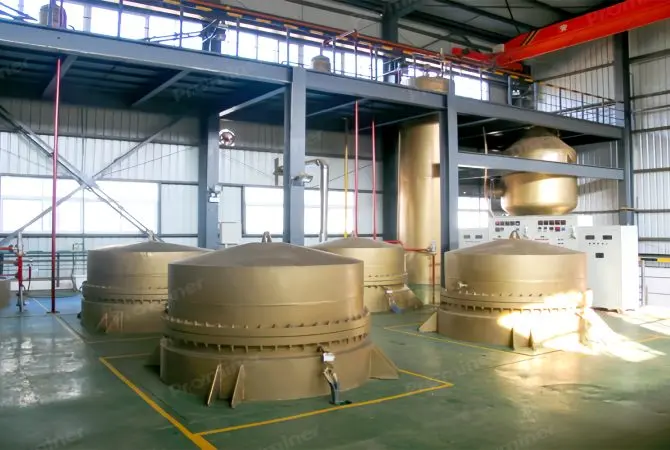
Prominer สามารถออกแบบและจัดหาโรงกลั่นและระบบการหลอมที่สมบูรณ์สำหรับโครงการ CIL ทองคำ
หากต้องการทราบข้อมูลเพิ่มเติมเกี่ยวกับผลิตภัณฑ์และโซลูชันของเรา โปรดกรอกแบบฟอร์มด้านล่างและผู้เชี่ยวชาญของเราจะติดต่อกลับหาคุณในไม่ช้า
โครงการฟลอทเตชั่นทองคำ 3000 TPD ในมณฑลซานตง
ฟลอทเตชั่นแร่ลิเธียม 2500 TPD ในเสฉวน
แฟกซ์: (+86) 021-60870195
ที่อยู่:เลขที่ 2555 ถนนซิ่วผู่ ผู่ตง เซี่ยงไฮ้
ลิขสิทธิ์ © 2023.บริษัท โปรมิเนอร์ (เซี่ยงไฮ้) ไมนิ่ง เทคโนโลยี จำกัด