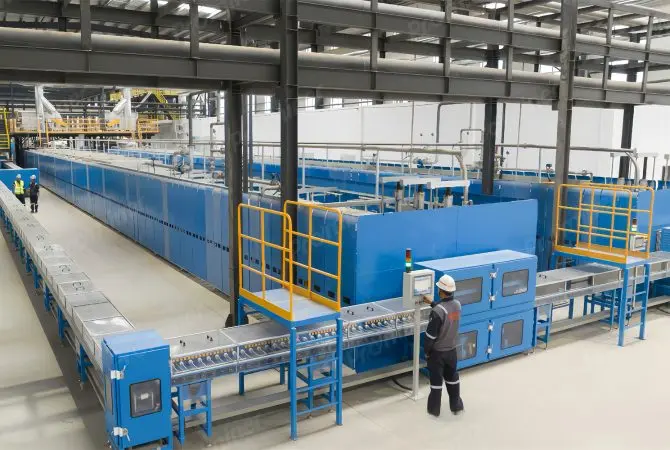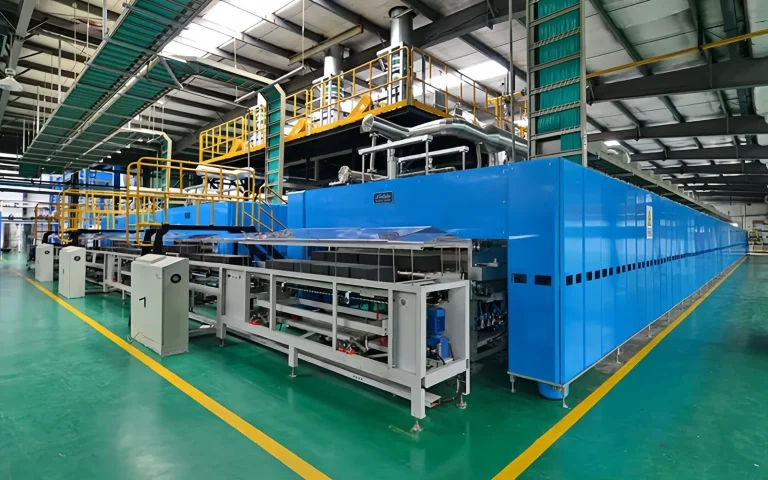
วัสดุแอโนดกราไฟต์เทียมทำมาจากโค้กปิโตรเลียมที่มีคุณภาพสูงและมีซัลเฟอร์ต่ำ


/
/
สารช่วยลอยโลหะทองคำใดบ้างที่สามารถให้การฟื้นฟูเกิน 95% ในขณะเดียวกันก็ลดการใช้ไซยาไนด์ให้น้อยที่สุด?


การได้รับการกู้คืนทองคำมากกว่า 95% ในขณะที่ลดการใช้ไซยาไนต์เป็นสิ่งสำคัญสูงสุดสำหรับการดำเนินงานแปรรูปแร่ในยุคปัจจุบัน ด้วยข้อบังคับด้านสิ่งแวดล้อมที่เพิ่มขึ้นและต้นทุนสารเคมีที่สูงขึ้น การลอยตัวกลายเป็นขั้นตอนก่อนการสะสมที่สำคัญ ซึ่งช่วยลดความต้องการไซยาไนต์ในขั้นตอนต่อไปอย่างมีนัยสำคัญ ความลับอยู่ที่การเลือกส่วนผสมของสารช่วยลอยที่เหมาะสมซึ่งสามารถเพิ่มการกู้คืนทองคำได้สูงสุด—โดยเฉพาะสำหรับแร่อ่วยและแร่ที่ยากต่อการแปรรูป—พร้อมกับรักษาความคัดเลือกและลดการใช้สารเคมีให้น้อยที่สุด
ต่อไปนี้คือหมวดหมู่รีเอเจนต์และเคมีภัณฑ์เฉพาะที่มีประสิทธิภาพที่สุด ซึ่งช่วยให้กระบวนการสามารถฟื้นฟูได้มากกว่า +95% พร้อมลดความต้องการใช้ไซยาไนด์
ผู้รวบรวมเป็นสารเคมีที่สำคัญที่สุดในกระบวนการลอยทองคำ บทบาทของพวกเขาคือการทำให้แร่ทองคำที่มีอยู่บนพื้นผิวมีคุณสมบัติในการไม่ชอบน้ำแบบเลือกได้ เพื่อให้สามารถเกาะติดกับฟองอากาศและไปเข้าสู่ส่วนที่เข้มข้น
ผู้เก็บรวบรวมสำคัญที่ทำให้การกู้คืนสูงขึ้นได้แก่:
แซนเทต (PAX, SIBX, SEX)
ใช้กันอย่างแพร่หลายและมีประสิทธิภาพสูงสำหรับทองคำที่สามารถชะล้างได้ฟรีที่เกี่ยวข้องกับซัลไฟด์ สารแอมิลแซนเทตโพแทสเซียม (PAX) เป็นสารที่มีความแรงเป็นพิเศษและมักให้การกู้คืนที่สูงในแร่ที่มีพายไรต์เป็นจำนวนมาก
ไดเทิโฟสเฟต (DTPs):
ดีเยี่ยมสำหรับการฟื้นฟูทองคำที่เกี่ยวข้องกับทองแดงและซัลไฟด์ซับซ้อน พวกเขามีความสามารถในการเลือกสรรและเสถียรภาพที่ดีกว่าในระดับค่าพีเอชต่างๆ
ไทโอโนแคร์บาเมตส์
มีประสิทธิภาพเป็นพิเศษในระบบทองแดง-ทองคำ พวกเขาช่วยเพิ่มความสามารถในการคัดเลือก และบ่อยครั้งช่วยลดการลอยผงเพรียตต์ที่ไม่ต้องการ ซึ่งช่วยลดการใช้ไซยาไนด์ในขั้นตอนถัดไป
ระบบเก็บรวบรวมแบบผสม
การผสมผสานของแซนเทตและไดเทโอฟอสเฟตมักให้ผลร่วมกันเพิ่มขึ้น ทำให้การฟื้นตัวและคุณภาพดีขึ้น
โดยการเพิ่มผลการลอยตัวให้สูงสุดในขั้นต้น จะเหลือทองน้อยลงในเศษแร่ง—ลดความจำเป็นในการใช้ไซยาไนด์มากเกินไปในกระบวนการละลาย.
ในแร่หลายชนิด ทองคำจะแพร่กระจายอย่างละเอียดภายในแร่ซัลไฟด์ เช่น พายไรต์ หรือแอสโนโพไรต์ การกระตุ้นที่เหมาะสมจะช่วยให้แร่เหล่านี้ลอยตัวได้อย่างมีประสิทธิภาพ
การเปิดใช้งานที่ได้รับการปรับแต่งช่วยให้ซัลไฟด์ที่มีทองคำถูกแยกออกในแร่เข้าระดับพลอยท์ มากกว่าที่จะสูญเสียไปในกากตะกอน ช่วยลดความต้องการไซยาไนด์ในวงจรการละลายแร่ทั้งก้อน
การฟื้นตัวสูงจะต้องสมดุลกับความสามารถในการเลือกเป้าหมาย การลอยตัวของวัสดุไม่ใช่เป้าหมายมากเกินไปจะเพิ่มต้นทุนการประมวลผลในขั้นตอนปลายทางและการใช้ไซยาไนด์
สารกดประสาทที่มีประสิทธิผลประกอบด้วย:
โซเดียมเมตาบิซัลไฟต์ (SMBS):
มักใช้เพื่อกดทับพายไรต์ในระบบบางชนิด เพื่อปรับปรุงคุณภาพของสารแนวร่วม
กลูโคเมทิลเซลลูโลส (CMC) และแป้งดัดแปลง:
ลดแร่แฝง เช่น หินแร่ไทล์หรือดินเหนียว เพื่อป้องกันการเจือจางของสารรวมทองคำ
มะนาว (การควบคุม pH)
รักษาสภาพความเป็นด่างซึ่งลดการเกิดซัลไฟด์ที่ไม่ต้องการและลดการใช้สารเร่งปฏิกิริยาเกินความจำเป็น
สารเข้มข้นของทำความสะอาดหมายถึงแรงดึงมวลที่ต่ำลง ซึ่งช่วยลดการใช้ไซยาไนด์ในกระบวนการละลายได้อย่างมีนัยสำคัญ
แม้จะมักถูกมองข้าม แต่ฟรอเทอร์ก็มีบทบาทสำคัญในการเสถียรภาพของฟองและการเพิ่มการยึดเกาะของอนุภาค
ตัวเลือกทั่วไปได้แก่:
MIBC (เมธิล ไอโซบิวทิล คาร์บิโนล):
ให้ความคงตัวของฟองปานกลางและความสามารถในการเลือกสรรที่ดี
ฟรอตเตอร์ที่ทำจากโพรพิลีนกลยาคอล (PPG)
เสนอการควบคุมขนาดฟองและเสถียรภาพของฟองอย่างดีขึ้น เพื่อปรับปรุงการกู้ทองละเอียด
ลักษณะฟองอากาศที่ได้รับการปรับให้ดีขึ้นช่วยเพิ่มการกู้คืนอนุภาคละเอียด ซึ่งโดยปกติแล้วเป็นอนุภาคที่ยากต่อการจับเก็บมากที่สุด
กลยุทธ์ที่มีประสิทธิภาพที่สุดสำหรับการลดการใช้ไซยาไนด์คือไม่ใช่การแทนที่ แต่มุ่งเน้นการลดปริมาณที่ต้องทำการละลาย
โดยการนำการลอยตัวที่มีประสิทธิภาพสูงมาใช้
ในหลายกระบวนการ คอนเซนเทรตจากการลอยตัวจะถูกนำไปผ่านการทำให้เป็นซัยนาดูเทชั่นอย่างเข้มข้น การออกซิเดชันภายใต้แรงดัน หรือการเผา เพื่อเพิ่มการฟื้นตัวให้เกินกว่า 95%
การฟื้นตัวเกือบ 95% ขึ้นไปโดยทั่วไปต้องการ:
การทดสอบในห้องปฏิบัติการและการทดลองลอยตัวแบบนำร่องเป็นสิ่งสำคัญในการกำหนดแผนการใช้สารเคมีที่เหมาะสมสำหรับแร่ธาตุเฉพาะแต่ละชนิด
กระบวนการขุดทองที่สามารถทำได้อย่างต่อเนื่องโดยมีอัตราการฟื้นตัวมากกว่า 95% ในขณะที่ลดการใช้ไซยาไนด์นั้นขึ้นอยู่กับโปรแกรมตัวทำฟลอเทชั่นที่ได้รับการออกแบบมาอย่างรอบคอบ ตัวเก็บตัวที่มีประสิทธิภาพสูง ตัวกระตุ้นที่ตรงเป้าหมาย ตัวลดการตกตะกอนแบบเลือกได้ และโฟร์เทอร์ที่ปรับแต่งอย่างเหมาะสม ทำงานร่วมกันเพื่อเพิ่มการกู้คืนของซัลไฟด์และผลิตแร่ที่มีคุณภาพสูง
โดยมุ่งเน้นที่ประสิทธิภาพการลอยตัวเป็นกลยุทธ์การเพิ่มความเข้มข้นล่วงหน้า บริษัทผู้ขุดเจาะสามารถลดการใช้ไซยาไนด์ลงอย่างมีนัยสำคัญ ลดผลกระทบต่อสิ่งแวดล้อม และปรับปรุงเศรษฐศาสตร์โดยรวมของโครงการ
การผสมสารเคมีที่เหมาะสมไม่ได้เพียงแต่ช่วยปรับปรุงอัตราการฟื้นตัวเท่านั้น แต่ยังเปลี่ยนแปลงความยั่งยืนและความสามารถในการทำกำไรของวงจรการประมวลผลทองคำโดยรวมด้วย
ลักษณะของแร่มีความแตกต่างกันอย่างมากแม้ในแร่ก้อนเดียวกัน การทดสอบจากผู้เชี่ยวชาญ (เช่น การวิเคราะห์ทางเคมี, XRD และ SEM) จะช่วยให้แน่ใจว่าแผนภาพการไหลได้รับการปรับให้เหมาะสมสำหรับเกรดแร่และขนาดการปล่อยที่เฉพาะเจาะจงของคุณ ซึ่งจะป้องกันการไม่ตรงกันของอุปกรณ์ที่อาจมีค่าใช้จ่ายสูงและรับประกันอัตราการฟื้นฟูที่สูงที่สุดเท่าที่จะเป็นไปได้สำหรับโครงการของคุณ
A: We maintain a permanent stock of core wear parts (such as crusher liners, screen meshes, and grinding media). For international clients, we provide a recommended “2-year spare parts list” with the initial purchase. Technical support is available 24/7 via remote video, and site visits can be arranged for complex maintenance needs.
A: ใช่ เราส่งทีมวิศวกรเครื่องกลและไฟฟ้าระดับสูงไปยังสถานที่เพื่อดูแลการติดตั้ง การเริ่มต้นใช้งาน และการทดสอบโหลดของอุปกรณ์ นอกจากนี้เรายังมีการฝึกอบรมที่ครอบคลุมสำหรับผู้ปฏิบัติงานท้องถิ่นของคุณเพื่อให้แน่ใจว่าการดำเนินงานในระยะยาวเป็นไปอย่างราบรื่น
A: แน่นอน เราเชี่ยวชาญในการให้บริการ EPCM (วิศวกรรม, การจัดซื้อ, การจัดการก่อสร้าง) ซึ่งรวมถึงทุกอย่างตั้งแต่การทดสอบแร่เริ่มต้นและการออกแบบเหมืองไปจนถึงการผลิตอุปกรณ์, การขนส่ง, และการรวมโรงงานในขนาดเต็ม ทำให้มั่นใจได้ว่าจะมีการเปลี่ยนผ่านที่ไร้รอยต่อจากพื้นที่ก่อสร้างใหม่ไปสู่การผลิต
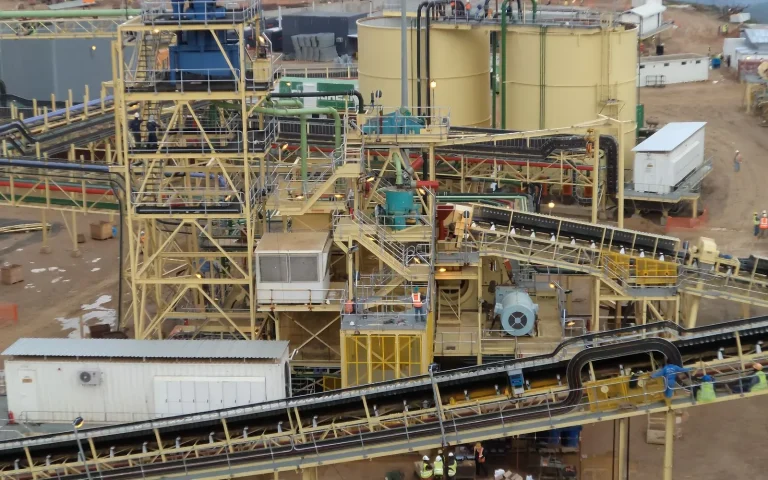
จัดหาอุปกรณ์สำคัญในการขั้นตอนการแยกแร่ทองคำ เช่น ระบบ CIL/CIP, เซลล์ฟลอเตชัน…
ฟลอทเตชั่นเป็นวิธีการแปรรูปที่ได้รับความนิยมมากที่สุดในโครงการการแปรรูปแร่ทองคำ เนื่องจากกระบวนการฟลอทเตชั่น

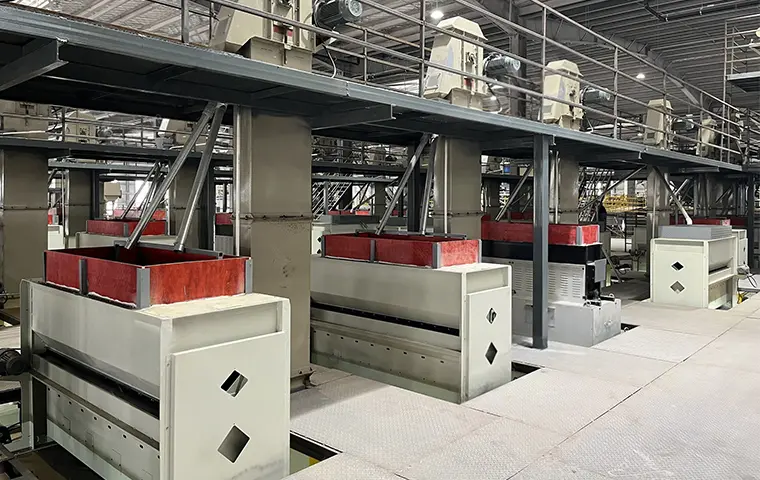
แร่ดิบ: แร่ลอยจากระบบแม่น้ำในภาคตะวันตกเฉียงใต้ของประเทศจีน ประกอบด้วยเซอร์โคเนียม รูไทล์ อิลเมไนต์ และแร่หนักอื่นๆ
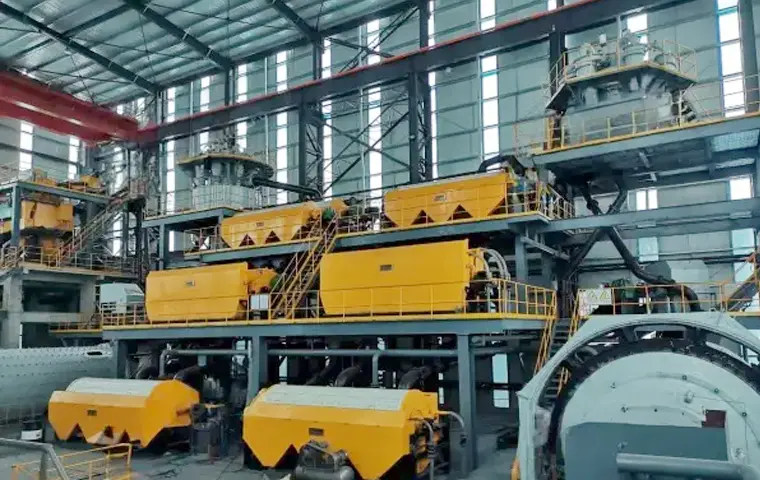
แร่ดิบ: แร่เหล็กแมกนีไทต์ที่มีแถบเฮมาไทต์ ระดับเหล็ก: 28-32% ผลิตภัณฑ์สุดท้าย: สารเข้มข้นเหล็กเกรดสูง
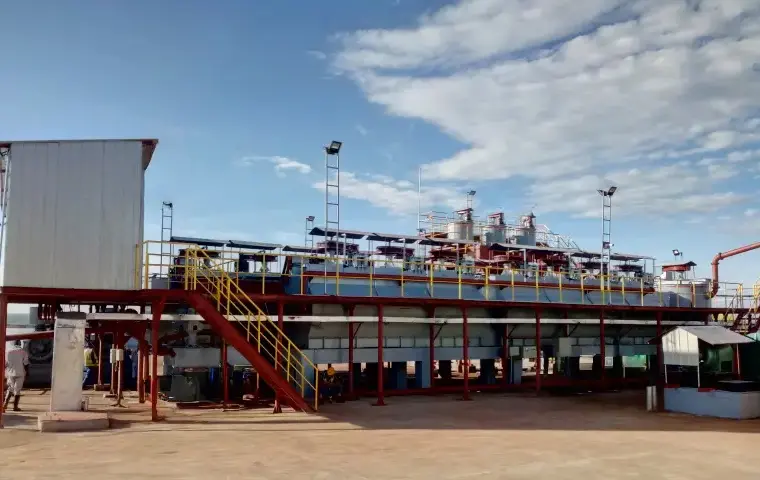
แร่ดิบ: แร่ฟอสเฟตผสมที่มีซิลิกาและคาร์บอเนต ระดับ P2O5: 18.5% ระดับแร่เข้มข้น: 32% P2O5
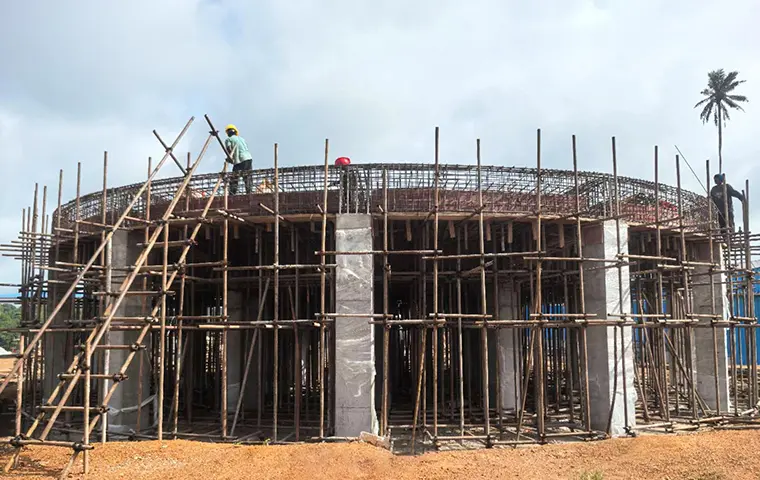
วัสดุฟีด: กองกากทองที่มีประวัติสะสม กากทองเกรด: 1.5 กรัม/ตัน อัตราการกู้คืนทองเป้าหมาย: 88%
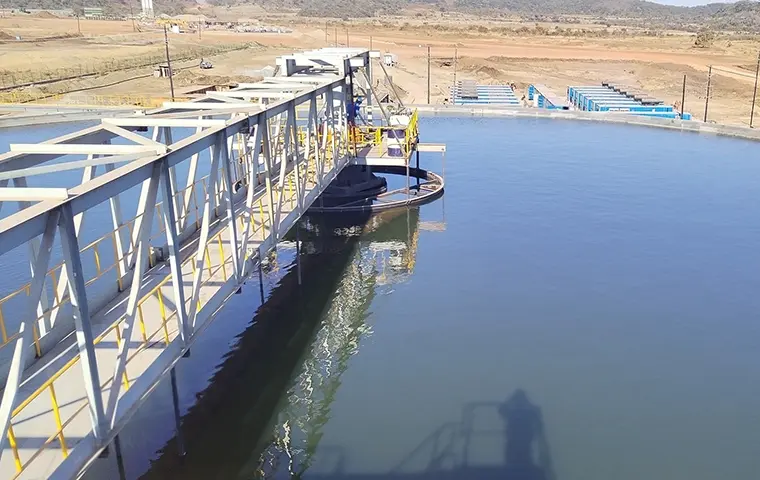
แร่ดิบ: แร่แคลไซต์ CaCO3 เกรด: 85% ผลิตภัณฑ์สุดท้าย: ผงแคลไซต์เคลือบและไม่เคลือบ (325 – 2500 เมช)
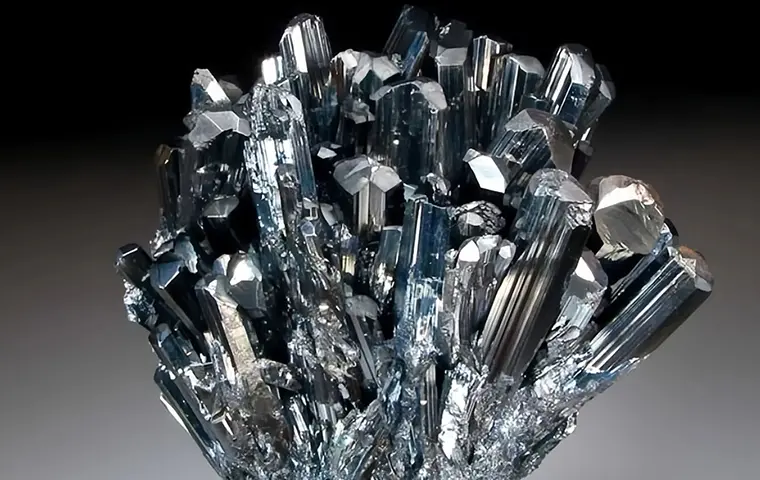
แร่ดิบ: สตีบไนต์ (แร่ซัลไฟด์สังกะสี) เกรด Sb: 3.5% เกรดเข้มข้น: 55% Sb
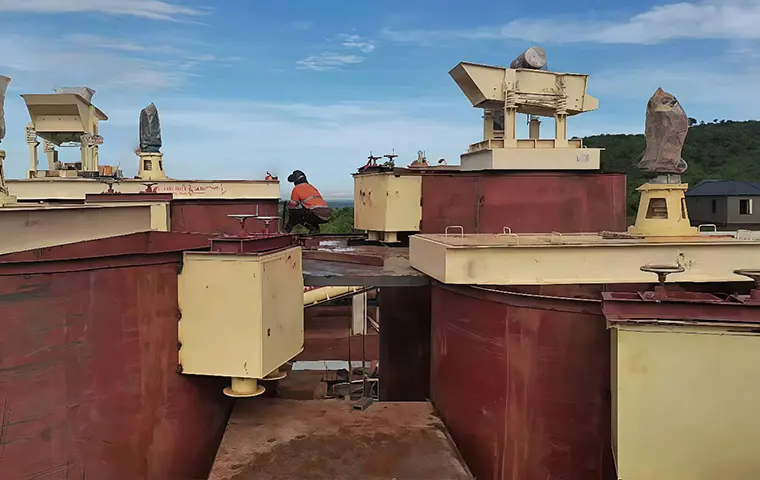
แร่ดิบ: แร่ทองคำชนิดออกไซด์ เกรดทองคำ: 3.5 กรัม/ตัน ความบริสุทธิ์ทองคำแท่ง: 99.5%
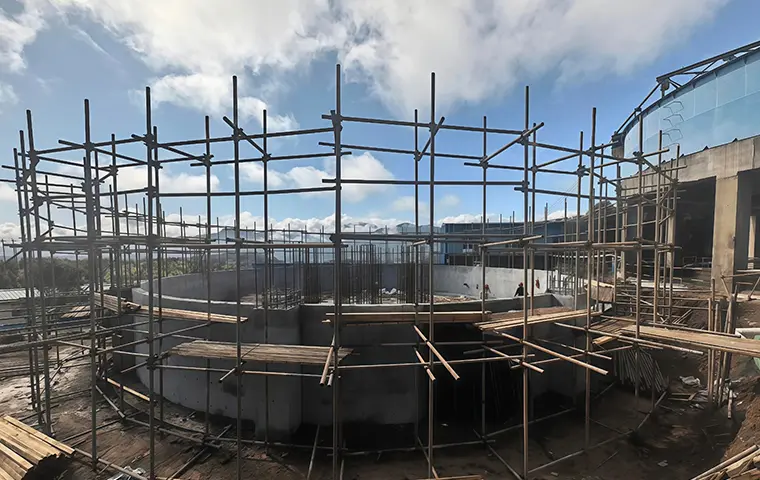
แร่ดิบ: แร่โกนประเภทซัลไฟด์ เกรดทอง: 3.5 กรัม/ตัน อัตราการฟื้นฟูทอง: 92%
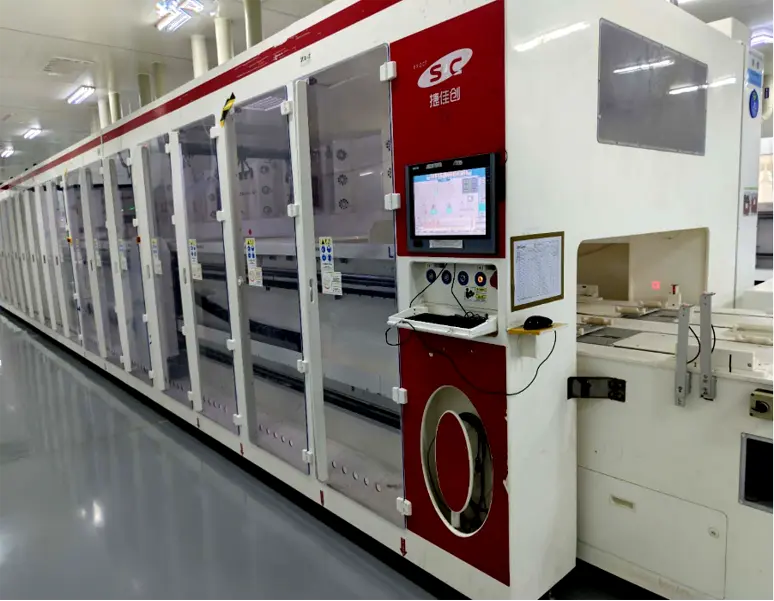
เช่น: เตาเผาแพร่โบรอน, การกำจัด BSG, เครื่องขัดด่าง, PE-POLY…
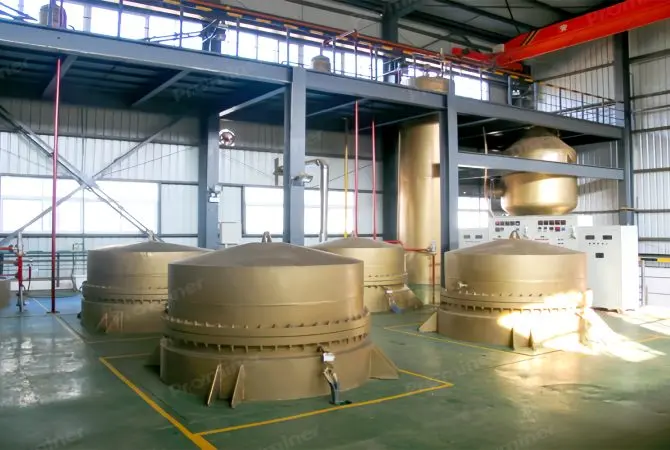
Prominer สามารถออกแบบและจัดหาโรงกลั่นและระบบการหลอมที่สมบูรณ์สำหรับโครงการ CIL ทองคำ
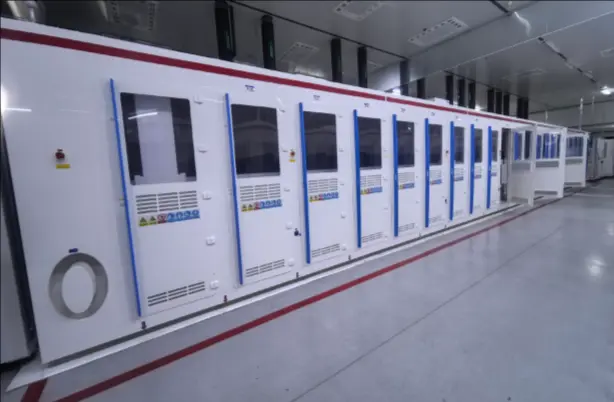
รวมถึง: อุปกรณ์ตกผลึกเดี่ยวแบบแบทช์, เครื่องโหลด/ปลดแบทช์สำหรับตกผลึก, ความดันต่ำ…
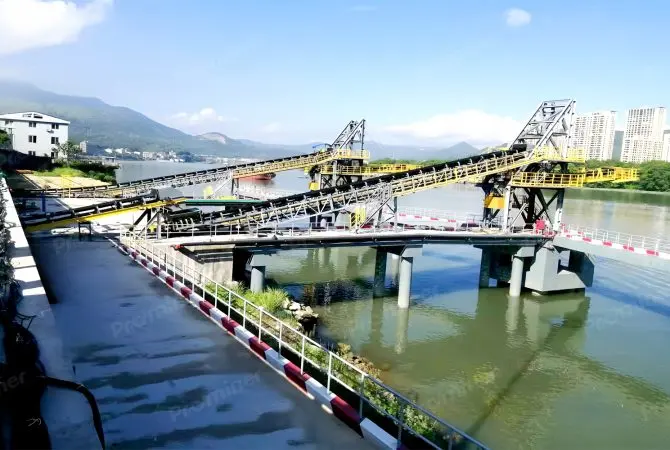
เราสามารถให้โซลูชันของสายพานลำเลียงสำหรับวัตถุประสงค์ที่แตกต่างกัน รวมถึงสายพานลำเลียงที่เอียงสูง
หากต้องการทราบข้อมูลเพิ่มเติมเกี่ยวกับผลิตภัณฑ์และโซลูชันของเรา โปรดกรอกแบบฟอร์มด้านล่างและผู้เชี่ยวชาญของเราจะติดต่อกลับหาคุณในไม่ช้า
โครงการฟลอทเตชั่นทองคำ 3000 TPD ในมณฑลซานตง
ฟลอทเตชั่นแร่ลิเธียม 2500 TPD ในเสฉวน
Fax: (+86) 021-58779592
ที่อยู่: ห้อง 606 อาคาร D3 เฟส II ศูนย์ธุรกิจฉวนซา 777 ถนนหลง เมียโอฉวน ถัง เขตผู่ตงใหม่ เซี่ยงไฮ้ ประเทศจีน
ลิขสิทธิ์ © 2023. บริษัท โปรมิเนอร์ (เซี่ยงไฮ้) ไมนิ่ง เทคโนโลยี จำกัด