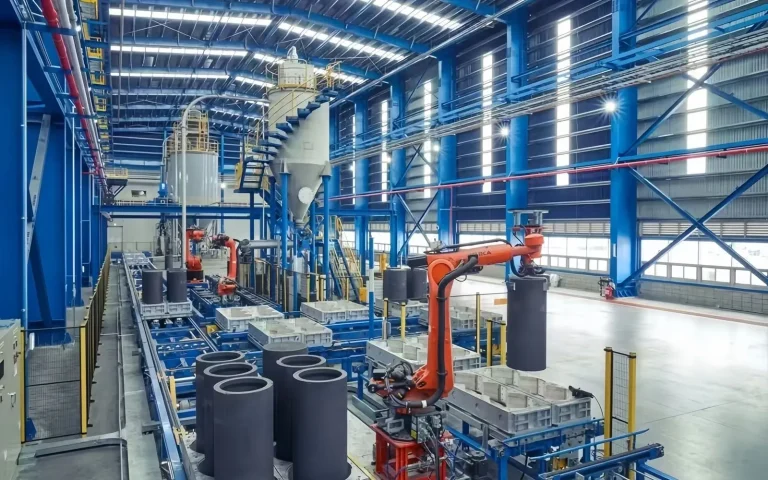
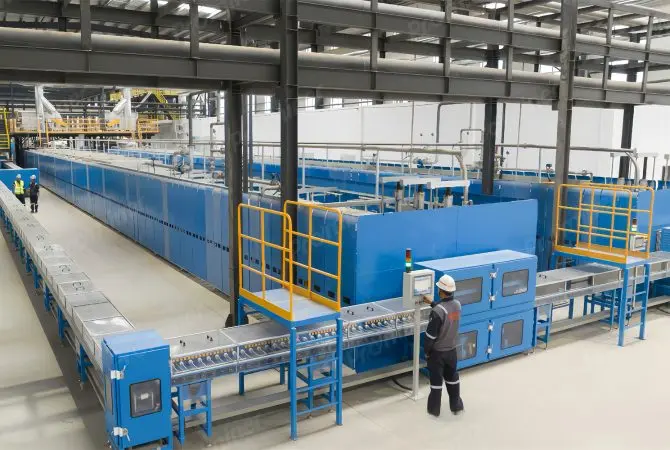
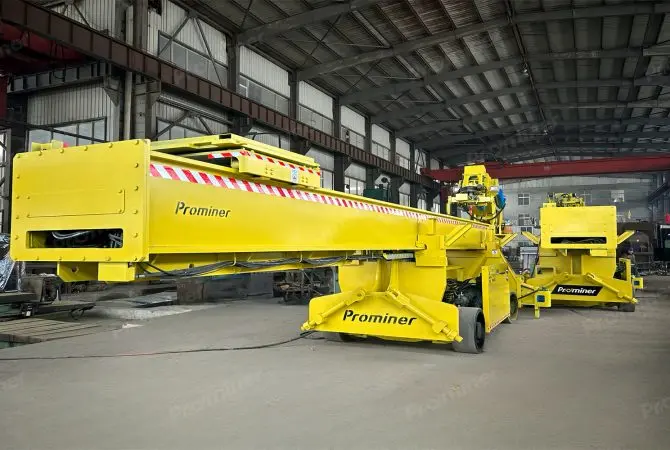
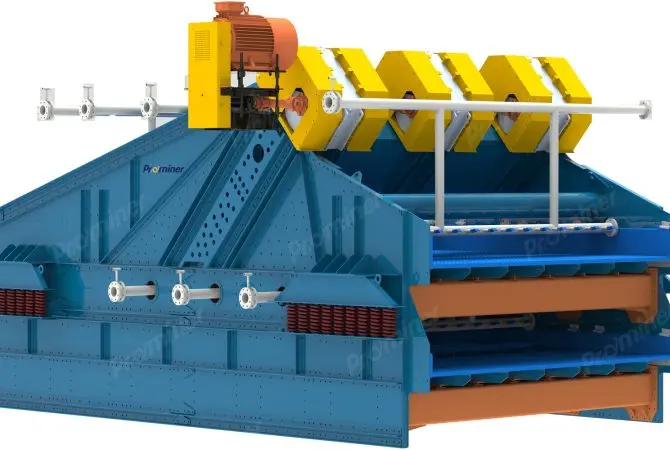
จัดหาอุปกรณ์สำคัญในการขั้นตอนการแยกแร่ทองคำ เช่น ระบบ CIL/CIP, เซลล์ฟลอเตชัน…



วิธีการแปรรูปฟอสเฟตที่ใช้เพื่อเพิ่มเกรดและการฟื้นฟูขึ้นอยู่กับการประกอบแร่ แรงปนเปื้อน และขนาดของอนุภาคของแร่ ด้านล่างนี้คือวิธีการที่มีประสิทธิภาพและมักใช้กันในการแปรรูปแร่ฟอสเฟตที่ช่วยเพิ่มเกรดและการฟื้นฟู:
การลอยฟองเป็นวิธีที่ใช้กันอย่างแพร่หลายและมีประสิทธิภาพสูงสุดในการเพิ่มเกรดและการฟื้นฟูฟอสเฟต โดยเฉพาะอย่างยิ่งสำหรับแร่ที่มีขนาดละเอียด ในกรณีที่มีแร่ขนาดหยาบหรือแร่ที่มีคาร์บอเนตสูง การแยกด้วยแรงโน้มถ่วง การเผา หรือการบำบัดทางเคมีอาจถูกนำมาใช้ การเข้าใจคุณสมบัติแร่ทางแร่ธาตุอย่างละเอียดและการรวมหลายวิธีอย่างเหมาะสมมักจะให้ผลลัพธ์ที่ดีที่สุด
บริษัท โพรมีเนอร์ (เซี่ยงไฮ้) ไมนิ่ง เทคโนโลยี จำกัด เชี่ยวชาญในการให้บริการด้านการแปรรูปแร่ธาตุและวัสดุขั้นสูงครบวงจรทั่วโลก เราให้ความสำคัญกับการ: การแปรรูปทองคำ การปรับปรุงแร่ลิเธียม แร่ธาตุอุตสาหกรรม การผลิตวัสดุขั้วบวก และการแปรรูปกราไฟท์
ผลิตภัณฑ์ ได้แก่: การบดและการคัดแยก การแยกและการกำจัดน้ำ การกลั่นทองคำ การแปรรูปคาร์บอน/กราไฟท์ และระบบการล้าง
เรามีบริการครบวงจร รวมถึงการออกแบบวิศวกรรม การผลิตอุปกรณ์ การติดตั้ง และการสนับสนุนด้านการดำเนินงาน พร้อมด้วยการปรึกษาหารือจากผู้เชี่ยวชาญตลอด 24 ชั่วโมง 7 วัน
เว็บไซต์ของเรา:https://www.prominetech.com/
อีเมลของเรา:[email protected]
ยอดขายของเรา:+8613918045927(Richard),+8617887940518(Jessica)+8613402000314(บรูโน)
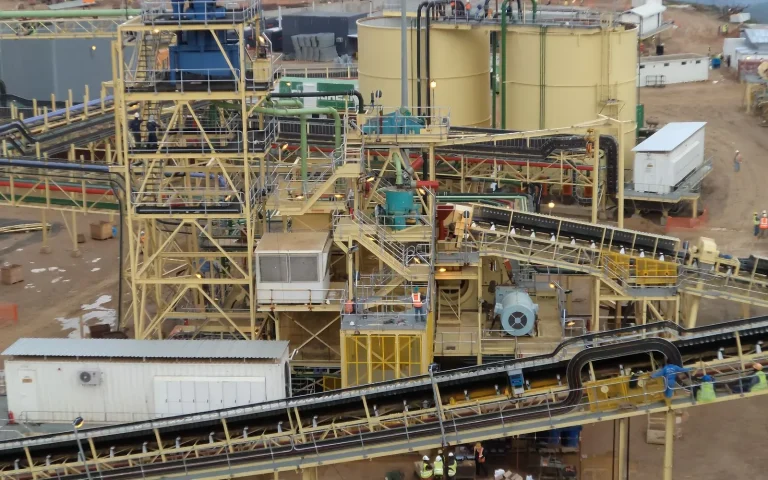
จัดหาอุปกรณ์สำคัญในการขั้นตอนการแยกแร่ทองคำ เช่น ระบบ CIL/CIP, เซลล์ฟลอเตชัน…
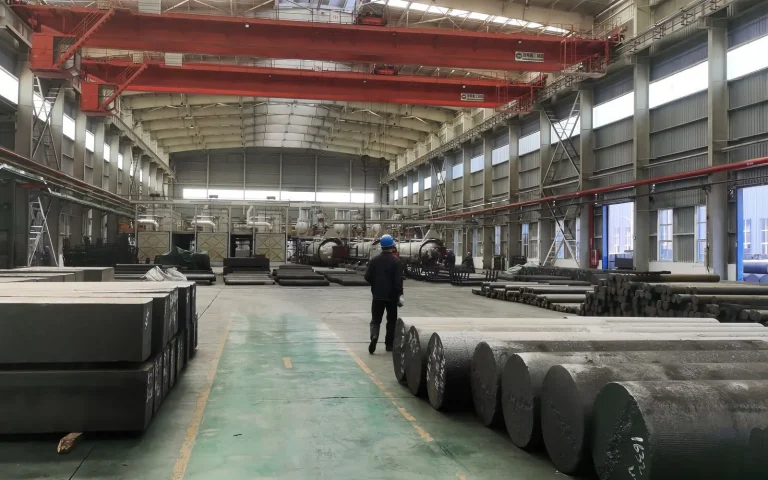
อิเล็กโทรดกราไฟต์ UHP ใช้สำหรับเตาอาร์คไฟฟ้ากำลังสูงพิเศษในอุตสาหกรรมการหลอมเหล็ก

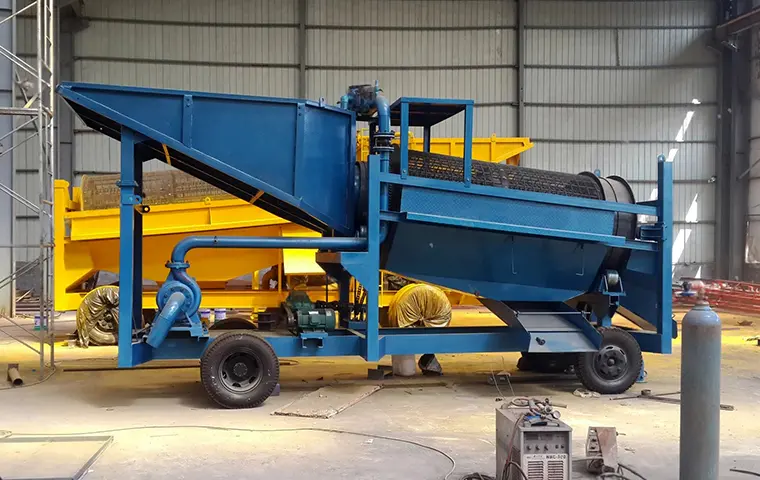
แร่ดิบ: แร่ทองคำจากการเก็บเกี่ยวทองคำในทะเลน้ำและการกักเก็บบนที่ราบระดับสูง เกรดทองคำ: 1.5 กรัม/ตัน อัตราการกู้คืนทองคำ: 92%
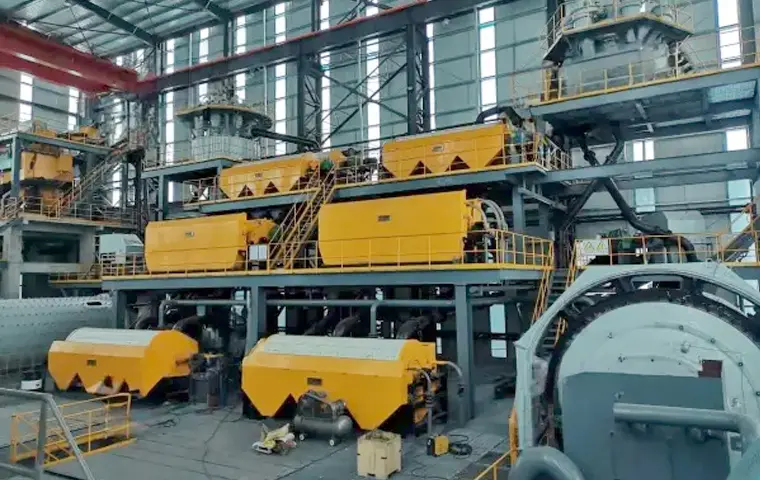
แร่ดิบ: แร่เหล็กแมกนีไทต์ที่มีแถบเฮมาไทต์ ระดับเหล็ก: 28-32% ผลิตภัณฑ์สุดท้าย: สารเข้มข้นเหล็กเกรดสูง
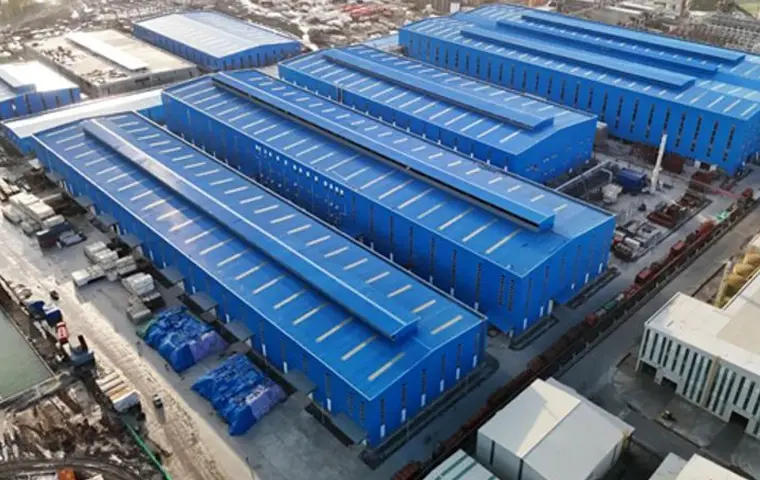
วัตถุดิบ: โค้กปิโตรเลียม, โค้กเข็ม, ยางมะตอย ความสามารถของโครงการ: 50,000 ตันต่อปี
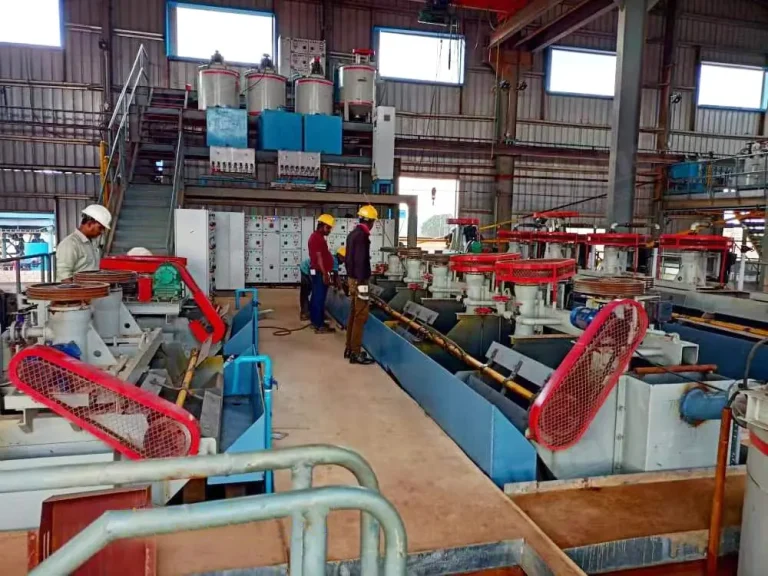
แร่ดิบ: แร่ซัลไฟด์หลัก (แคลโคไพไรต์-บอร์ไนต์) ปริมาณทองแดง: 0.72% ปริมาณแร่เข้มข้น: 28.3%
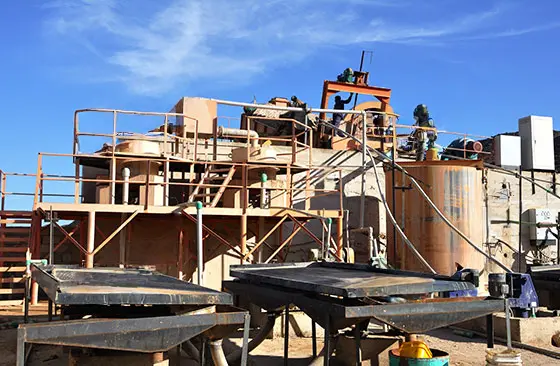
แร่ดิบ: แร่ทองคำ-ทองแดงซัลไฟด์ (อัตราส่วน Au-Cu: 1:1.2) องศาทองคำ: 2.8 กรัม/ตัน องศาทองแดง: 0.85%
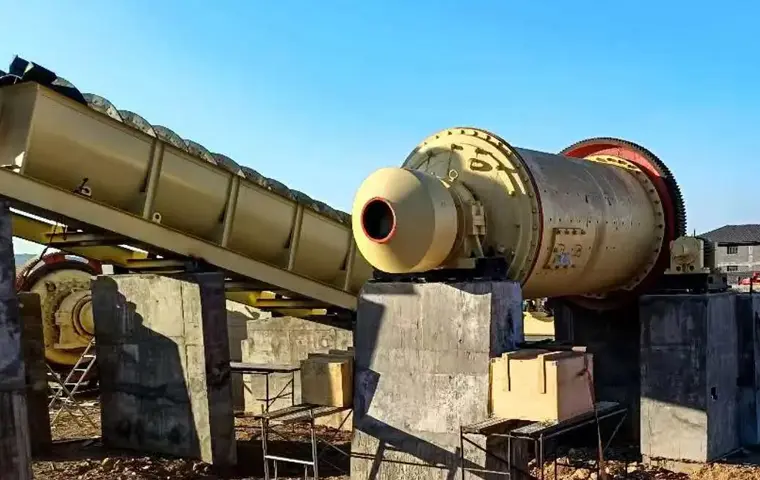
แร่ดิบ: แร่ทองคำชนิดออกไซด์ เกรดทองคำ: 2.5 กรัม/ตัน ความบริสุทธิ์ของทองแท่ง: 96%
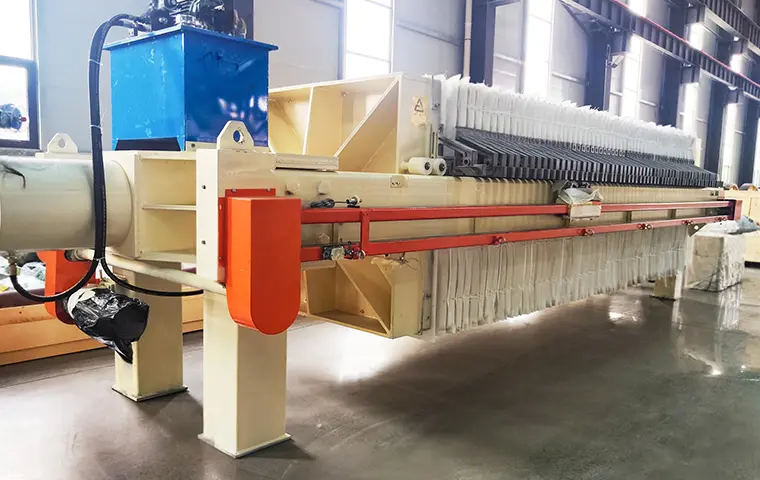
พื้นหลังโครงการ: การปรับปรุงระบบการระบายน้ำสำหรับการแยกโฟลเตชั่นและกากอุตสาหกรรมเพื่อจัดการลดปริมาณความชื้นและอำนวยความสะดวกในการทิ้งกองแห้ง
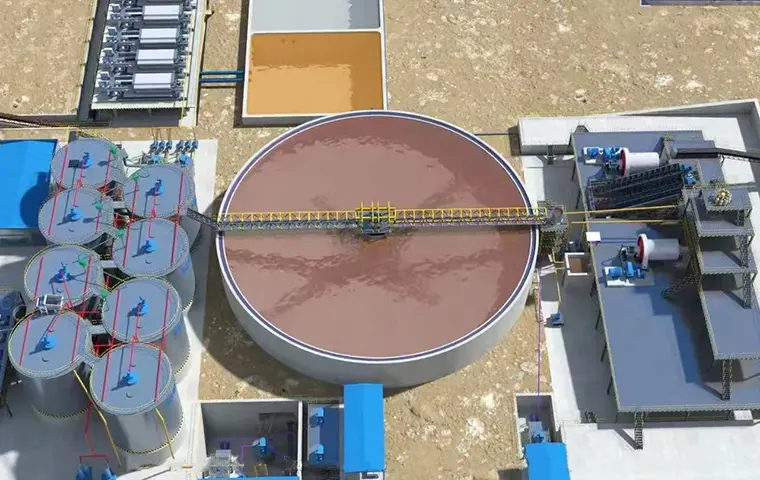
แร่ดิบ: แร่ทองแดงประเภทซัลไฟด์ (ส่วนใหญ่เป็นแร่ชัลโคไพไรต์) เกรดทองแดง: 0.8% ผลิตภัณฑ์สุดท้าย: แร่ทองแดงเข้มข้น
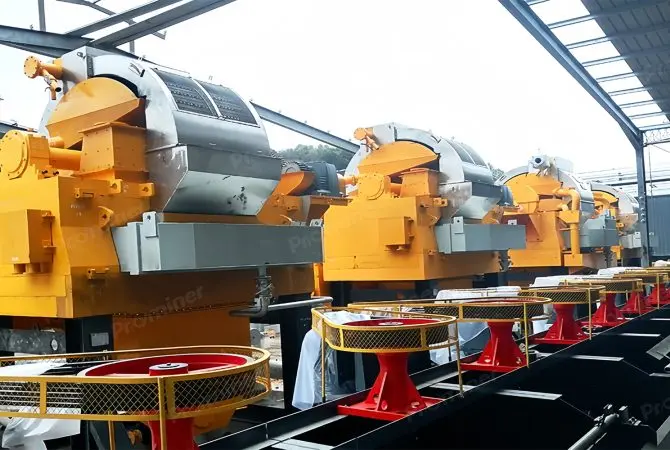
Prominer สามารถจัดหาเครื่องแยกแม่เหล็ก HIMS (เครื่องแยกแม่เหล็กความเข้มสูง) ที่แตกต่างกันได้
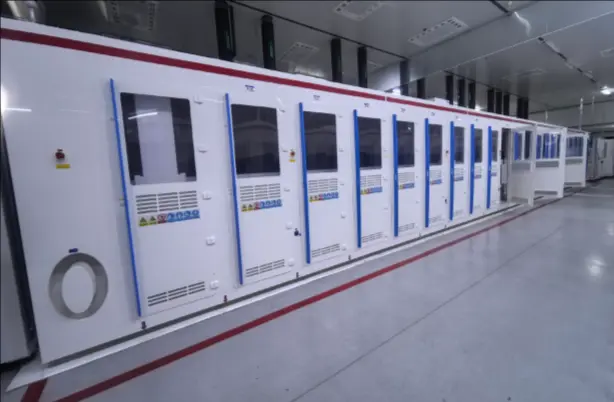
รวมถึง: อุปกรณ์ตกผลึกเดี่ยวแบบแบทช์, เครื่องโหลด/ปลดแบทช์สำหรับตกผลึก, ความดันต่ำ…
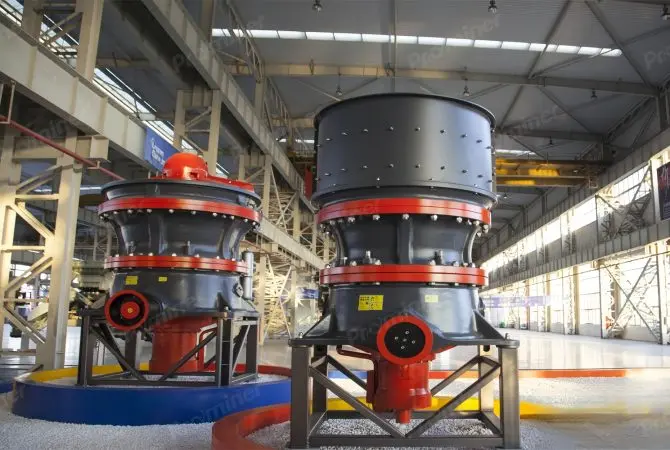
เครื่องบดกรวยไฮดรอลิกกระบอกเดียวมีสองซีรีส์ตามห้องที่แตกต่างกัน, ห้อง S ถูกออกแบบมา
หากต้องการทราบข้อมูลเพิ่มเติมเกี่ยวกับผลิตภัณฑ์และโซลูชันของเรา โปรดกรอกแบบฟอร์มด้านล่างและผู้เชี่ยวชาญของเราจะติดต่อกลับหาคุณในไม่ช้า
โครงการฟลอทเตชั่นทองคำ 3000 TPD ในมณฑลซานตง
ฟลอทเตชั่นแร่ลิเธียม 2500 TPD ในเสฉวน
แฟกซ์: (+86) 021-60870195
ที่อยู่:เลขที่ 2555 ถนนซิ่วผู่ ผู่ตง เซี่ยงไฮ้
ลิขสิทธิ์ © 2023.บริษัท โปรมิเนอร์ (เซี่ยงไฮ้) ไมนิ่ง เทคโนโลยี จำกัด