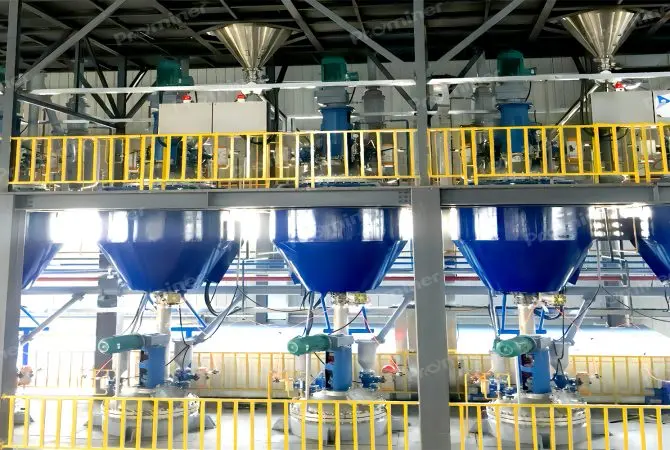
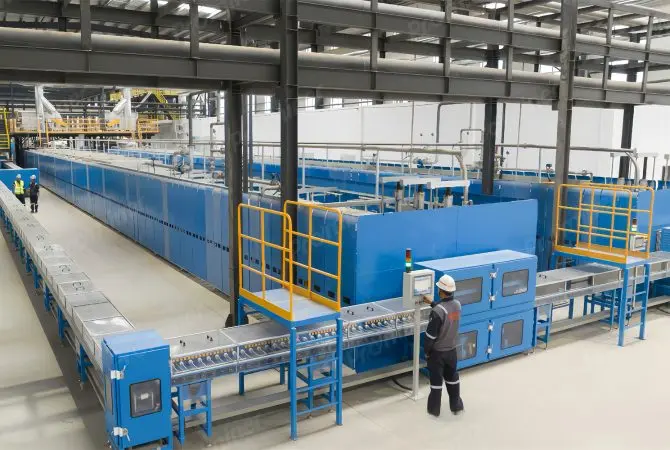
วัสดุแอโนดคาร์บอนแข็งเป็นวัสดุที่ได้รับความนิยมมากที่สุดสำหรับการค้าแบตเตอรี่โซเดียมไอออน




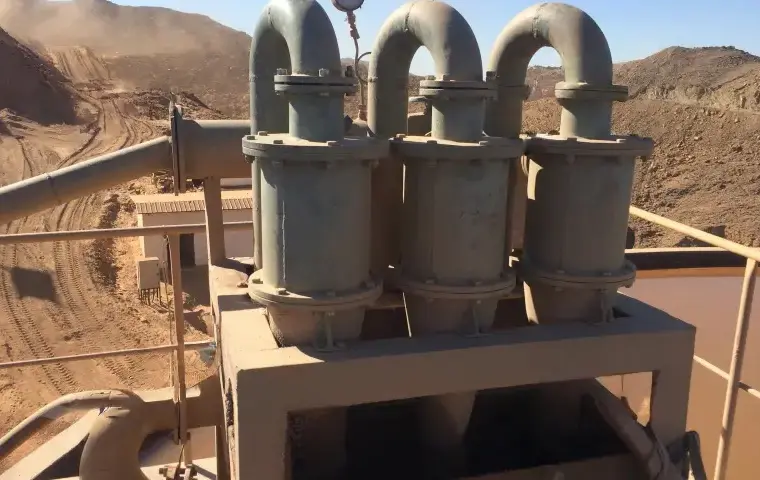
The most cost-effective tailings dry storage and dewatering method depends on numerous factors, including the type of mine, location, climate, tailings composition, environmental regulations, and long-term operational goals. Below is a breakdown of common methods and considerations for determining cost-effectiveness:
To determine the most cost-effective option for your operation:
A detailed cost-benefit analysis considering upfront investment, operating costs, and long-term risks will help determine the most cost-effective solution tailored to your specific operations. Dry stack tailings are often recommended in areas with stringent regulations and critical water recovery needs, whereas thickened or paste tailings may be more favorable in operations with larger storage areas and lower regulatory pressure.
ลักษณะของแร่มีความแตกต่างกันอย่างมากแม้ในแร่ก้อนเดียวกัน การทดสอบจากผู้เชี่ยวชาญ (เช่น การวิเคราะห์ทางเคมี, XRD และ SEM) จะช่วยให้แน่ใจว่าแผนภาพการไหลได้รับการปรับให้เหมาะสมสำหรับเกรดแร่และขนาดการปล่อยที่เฉพาะเจาะจงของคุณ ซึ่งจะป้องกันการไม่ตรงกันของอุปกรณ์ที่อาจมีค่าใช้จ่ายสูงและรับประกันอัตราการฟื้นฟูที่สูงที่สุดเท่าที่จะเป็นไปได้สำหรับโครงการของคุณ
A: เรามีสต็อกชิ้นส่วนสึกหรอหลักอย่างถาวร (เช่น แผ่นโม่หิน, ตาข่ายกรอง, และสื่อบด) สำหรับลูกค้าระหว่างประเทศ เราจัดทำ "รายการอะไหล่แนะนำ 2 ปี" พร้อมกับการสั่งซื้อครั้งแรก การสนับสนุนทางเทคนิคมีให้บริการตลอด 24 ชั่วโมงผ่านวิดีโอรีโมต และสามารถจัดการเยี่ยมชมสถานที่สำหรับความต้องการการบำรุงรักษาที่ซับซ้อนได้
A: ใช่ เราส่งทีมวิศวกรเครื่องกลและไฟฟ้าระดับสูงไปยังสถานที่เพื่อดูแลการติดตั้ง การเริ่มต้นใช้งาน และการทดสอบโหลดของอุปกรณ์ นอกจากนี้เรายังมีการฝึกอบรมที่ครอบคลุมสำหรับผู้ปฏิบัติงานท้องถิ่นของคุณเพื่อให้แน่ใจว่าการดำเนินงานในระยะยาวเป็นไปอย่างราบรื่น
A: แน่นอน เราเชี่ยวชาญในการให้บริการ EPCM (วิศวกรรม, การจัดซื้อ, การจัดการก่อสร้าง) ซึ่งรวมถึงทุกอย่างตั้งแต่การทดสอบแร่เริ่มต้นและการออกแบบเหมืองไปจนถึงการผลิตอุปกรณ์, การขนส่ง, และการรวมโรงงานในขนาดเต็ม ทำให้มั่นใจได้ว่าจะมีการเปลี่ยนผ่านที่ไร้รอยต่อจากพื้นที่ก่อสร้างใหม่ไปสู่การผลิต
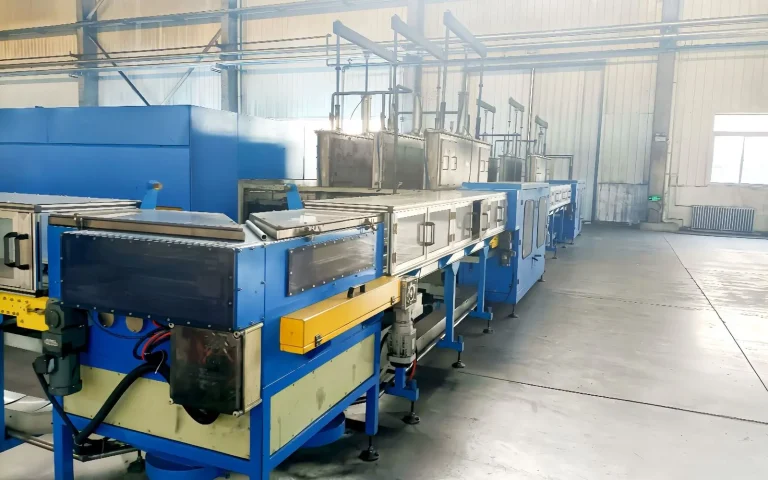
วัสดุแอโนดคาร์บอนแข็งเป็นวัสดุที่ได้รับความนิยมมากที่สุดสำหรับการค้าแบตเตอรี่โซเดียมไอออน
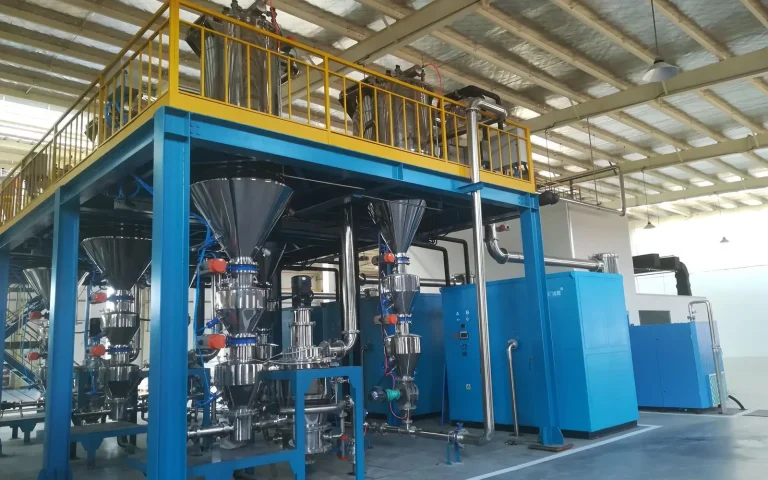
แอโนดที่มีพื้นฐานจากซิลิกอนเป็นวัสดุแอโนดคอมโพสิตชนิดหนึ่งที่เกิดจากการรวมซิลิกอน
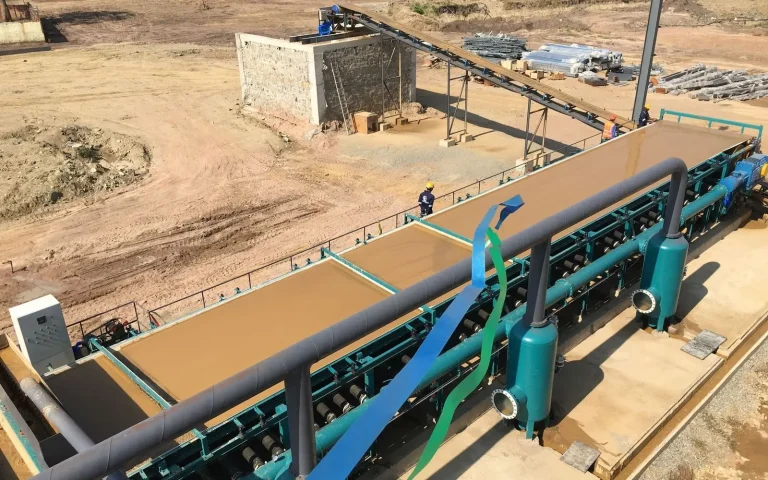
กระบวนการ CIL (คาร์บอนในการชะล้าง) ของทองคำ เป็นวิธีที่ได้รับความนิยมอย่างมากในการประมวลผลแร่ทองคำประเภทออกไซด์เกรดสูง

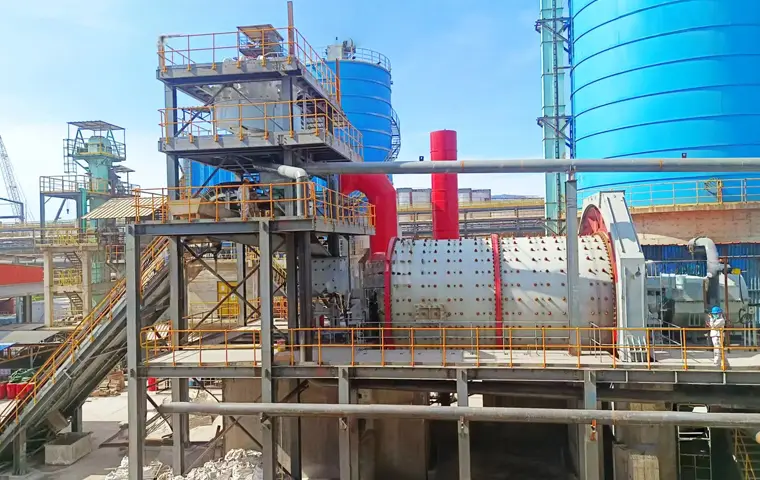
วัตถุดิบ: หินปูนแคลเซียมสูง ผลิตภัณฑ์สุดท้าย: ซีเมนต์ ผงวัตถุดิบ (200 เมช) และวัสดุก่อสร้าง
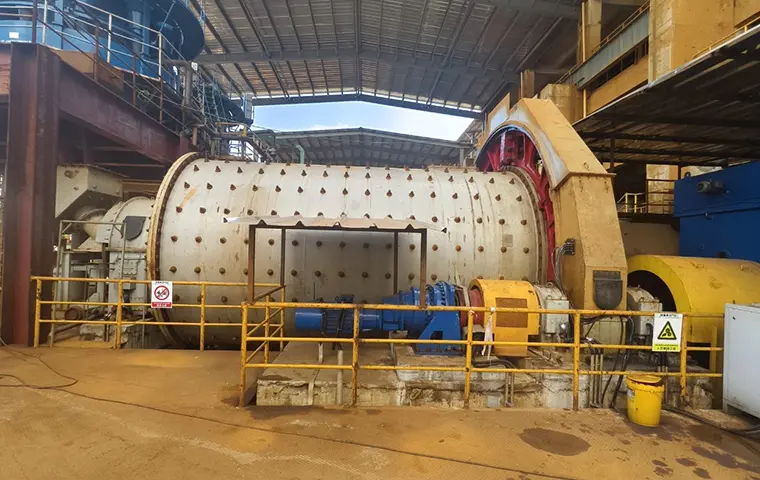
Located in Indonesia, this project focuses on the efficient regrinding of nickel ore to enhance mineral upgrading and deep processing. Prominer (Shanghai) Mining Technology Co., Ltd.
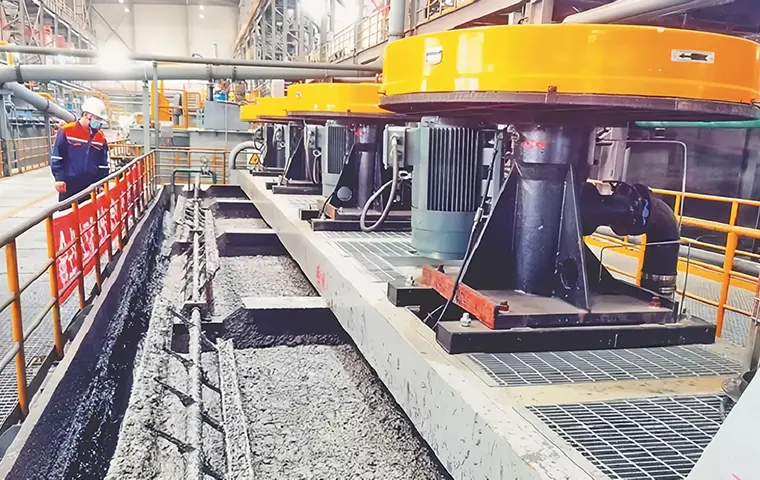
ประเภทโครงการ: สวนอุตสาหกรรมกราไฟต์และวัสดุชั้นสูงแบบบูรณาการระดับโลก แร่ดิบ: แร่กราไฟต์ชนิดแผ่นธรรมชาติ
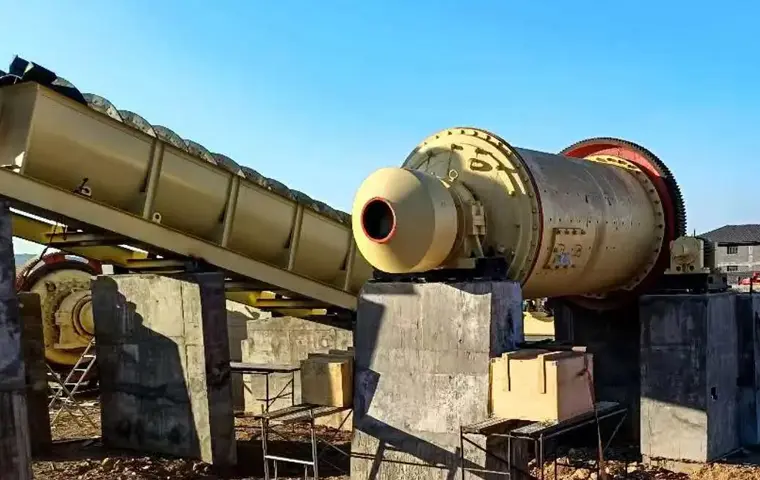
แร่ดิบ: แร่ทองคำชนิดออกไซด์ เกรดทองคำ: 2.5 กรัม/ตัน ความบริสุทธิ์ของทองแท่ง: 96%
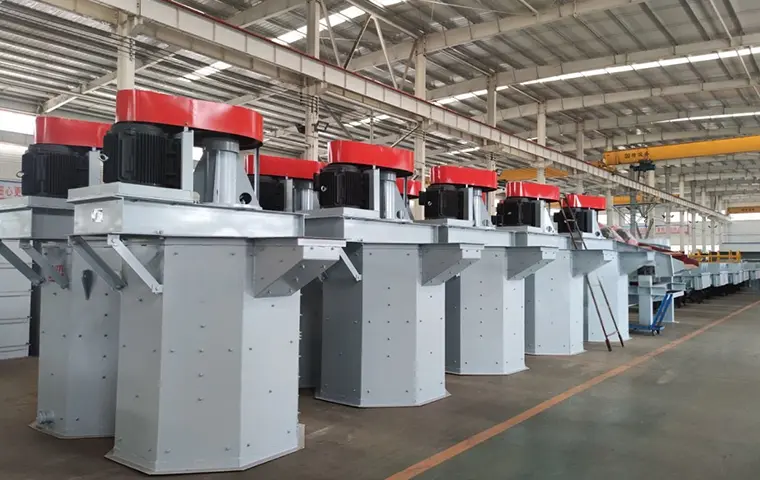
วัตถุดิบ: แร่ควอตซ์ที่มีสิ่งเจือปน (เหล็ก, อลูมิเนียม, ฯลฯ) เกรดควอตซ์: 98.5% SiO₂ ผลิตภัณฑ์สุดท้าย: ทรายควอตซ์บริสุทธิ์สูง (99.9% SiO₂)
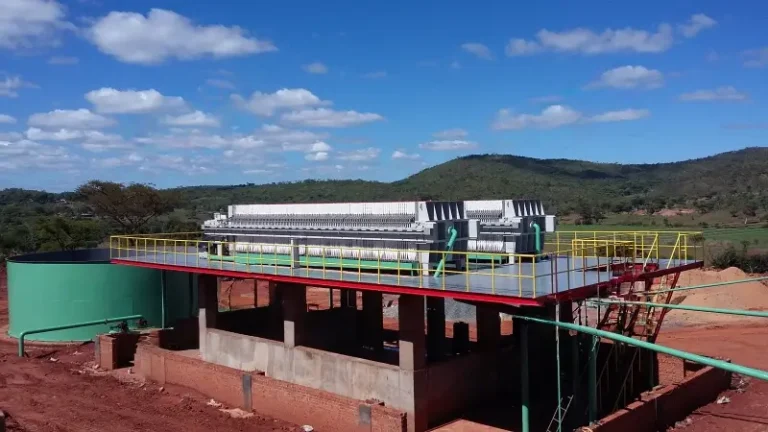
แร่ดิบ: แร่ทองคำที่มีซัลไฟด์ (ซัลไฟด์ 30%) กรัมทอง: 3.2 g/t ผลิตภัณฑ์สุดท้าย: ทองแท่ง 98.99%
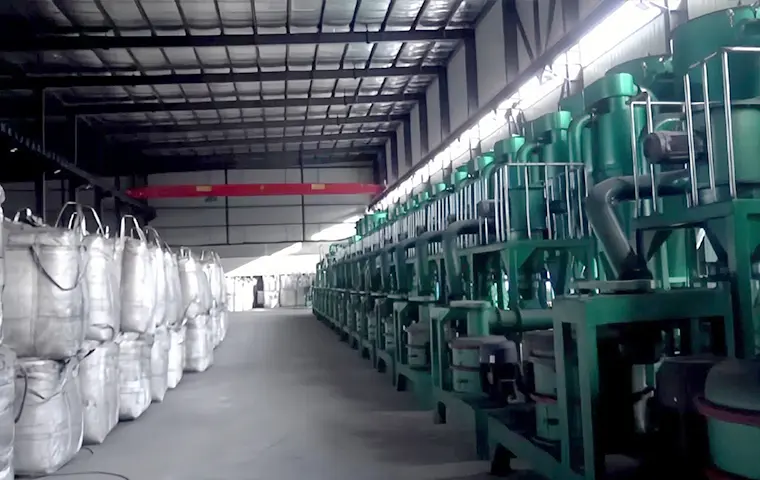
วัตถุดิบ: กราไฟท์บริสุทธิ์สูง (99.95% C) ความสามารถของโครงการ: 10,000 ตันต่อปี
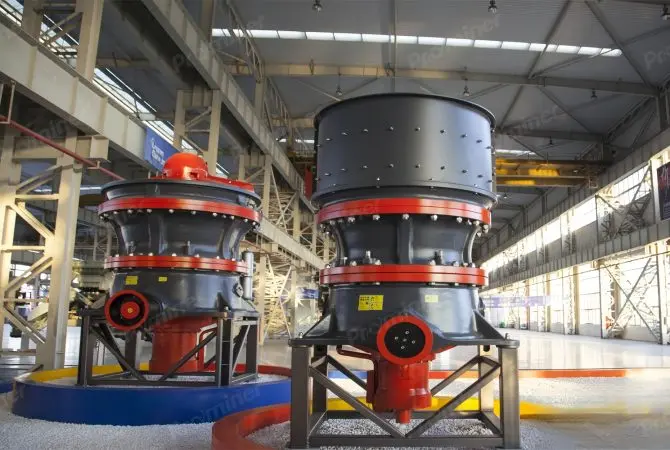
เครื่องบดกรวยไฮดรอลิกกระบอกเดียวมีสองซีรีส์ตามห้องที่แตกต่างกัน, ห้อง S ถูกออกแบบมา
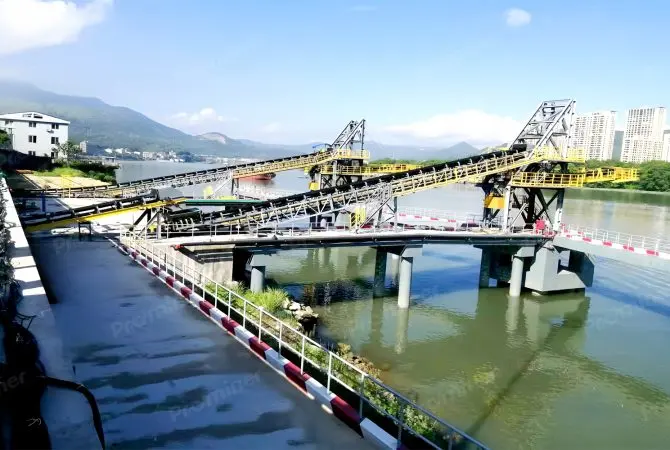
เราสามารถให้โซลูชันของสายพานลำเลียงสำหรับวัตถุประสงค์ที่แตกต่างกัน รวมถึงสายพานลำเลียงที่เอียงสูง
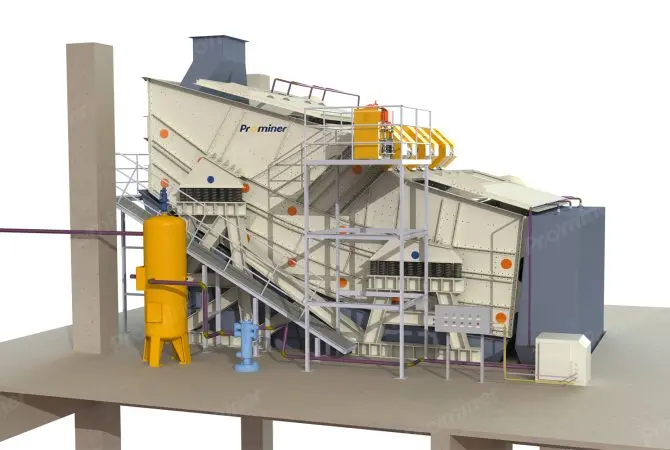
หน้าจอกล้วยยังเป็นที่รู้จักกันดีในชื่อหน้าจอความหนาของเตียงคงที่ Prominer มีความสามารถในการจัดหาวัสดุแห้ง
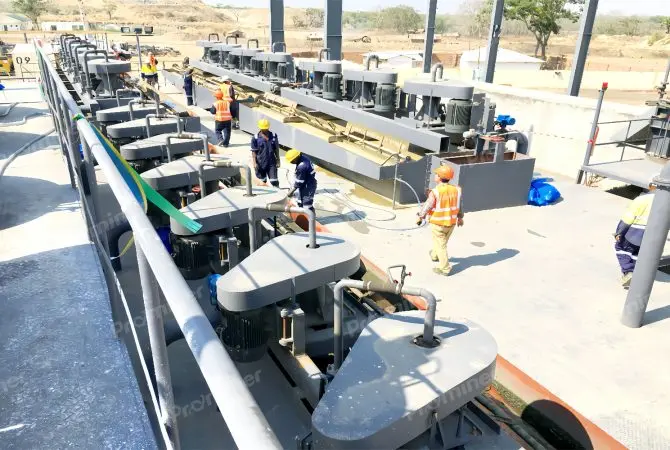
Prominer สามารถจัดหาเครื่องฟลอเทชั่นแบบดูดตัวเองซีรีส์ SF และเซลล์ฟลอเทชั่นแบบนิวเมติกซีรีส์ XCF/KYF
หากต้องการทราบข้อมูลเพิ่มเติมเกี่ยวกับผลิตภัณฑ์และโซลูชันของเรา โปรดกรอกแบบฟอร์มด้านล่างและผู้เชี่ยวชาญของเราจะติดต่อกลับหาคุณในไม่ช้า
โครงการฟลอทเตชั่นทองคำ 3000 TPD ในมณฑลซานตง
ฟลอทเตชั่นแร่ลิเธียม 2500 TPD ในเสฉวน
แฟกซ์: (+86) 021-60870195
ที่อยู่:เลขที่ 2555 ถนนซิ่วผู่ ผู่ตง เซี่ยงไฮ้
ลิขสิทธิ์ © 2023.บริษัท โปรมิเนอร์ (เซี่ยงไฮ้) ไมนิ่ง เทคโนโลยี จำกัด