Tuz gölü tuzlu suyundan lityumu geri kazanmak için doğrudan lityum ekstraksiyonu (DLE) çözümü sağlayabiliriz


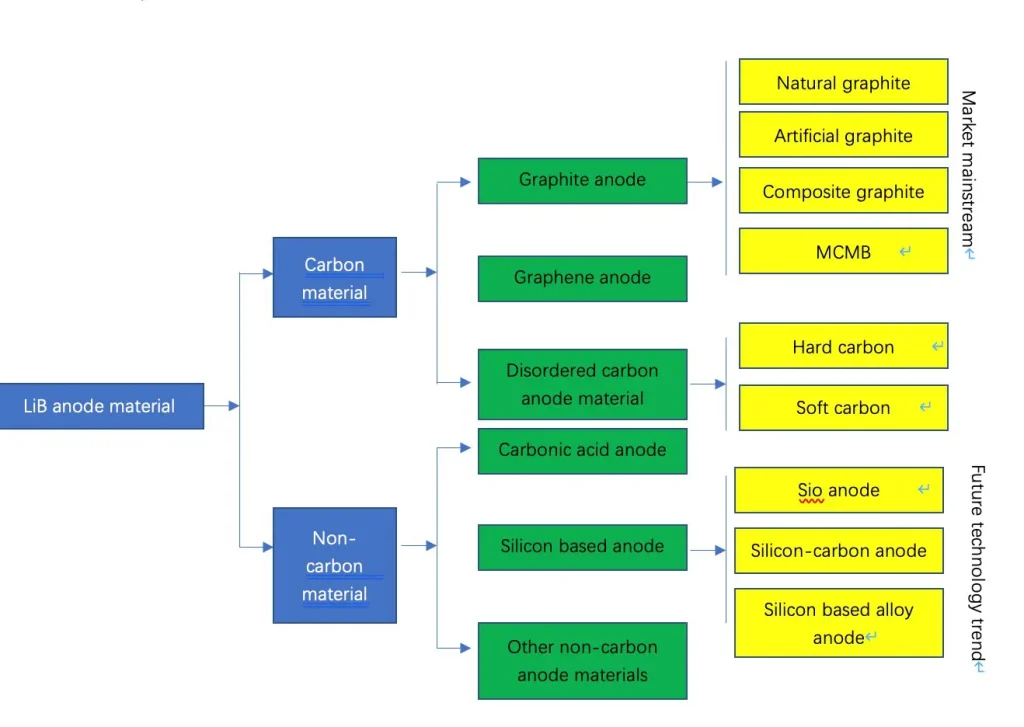
Anot malzemeleritemelde iki kategoriye ayrılır: karbon malzemeleri ve non-karbon malzemeleri. Karbon, başlıca karbon bazlı sistemleri ifade eder, bunun içinde mezokarbon mikrosferleri, yapay grafit, doğal grafit ve sert karbon bulunur. Şu anda, en yaygın kullanılan karbon malzemeleri grafit anot malzemeleridir; bunlar arasında yapay grafit ve doğal grafit büyük ölçekli endüstriyel uygulamalara sahiptir. Non-karbon malzemeleri başlıca silikon bazlı malzemeler, kalay bazlı malzemeler, lityum titanat vb. içermektedir. Bunlar arasında, silikon bazlı anot malzemeleri şu anda büyük anot malzeme üreticilerinin ana araştırma nesneleridir ve gelecekte büyük ölçekte uygulanma olasılığı en yüksek yeni anot malzemelerinden biridir.
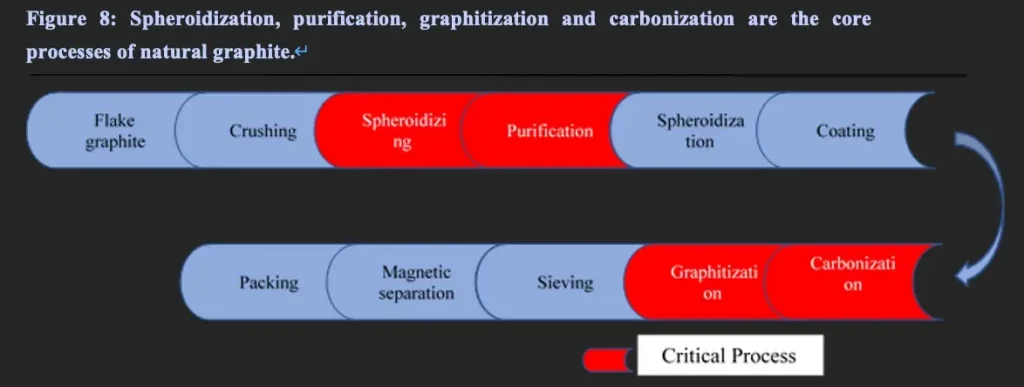
Doğal Grafit İşleme
Doğal grafit anot malzemesi doğal pul grafit hammadde olarak kullanılmakta olup,öğütme, sınıflandırma, sferoïdizasyon,arıtma, yüzey işlemleri ve diğer süreçler sonrasında katot malzemesinden hazırlanmaktadır.
Yapay Grafit Anot Malzemesi Hazırlama Süreci
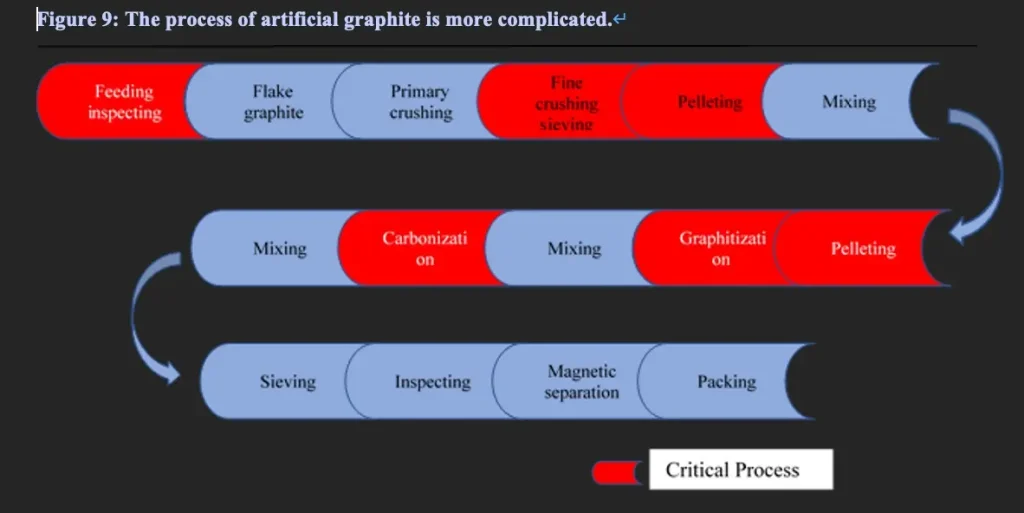
Artificial graphite manufacturing process can be divided into four steps, more than ten small procedures, granulation and graphitization is the key.
Yapay grafit anot malzemesi üretim süreci dört aşamaya ayrılabilir:
1) ön işleme
2) granülasyon
3) grafitleşme
4) toplu öğütme ve eleme.
Among the four steps, crushing and screening are relatively simple, and granulation and graphitization are the two links that reflect the technical threshold and production level of the anode industry.
Specific to the production process, firstly, one or more of the coke and conductive particles, carbon nanotubes, carbon black, acetylene black are premixed, and then the mixed material and carbon are sintered and coated once, and the prepared particles are graphitized. Graphitized materials and resin materials for secondary coating; Surface treatment with solvent, centrifugation, precipitation and other methods to separate solid particles from the solvent, and then carbonization, 5-20um particles, to obtain a high rate of carbon anode material. In this method, by mixing and fabricating particles, the particles are coated twice to fill the inner shell of the material, so that the internal structure of the material is stable, so that the carbon anode material has the advantages of high rate performance, high pressure compaction, high specific capacity and so on.
(1) Ön İşleme
Graphite raw material (needle coke or petroleum coke) is mixed with binder for air milling (crushing).According to the different products, the graphite raw materials and adhesive (graphitization) according to different proportions, the mixing ratio is 100 :(5~20), the material through the vacuum feeding machine into the hopper, and then the hopper into the air flow mill for air öğütme, öğütme 5~10mm diameter of the raw and auxiliary materials to 5-10 microns. After air öğütme, cyclone dust collector is used to collect the required particle size materials, the dust collection rate is about 80%, the tail gas is filtered by the filter core filter and discharged, the dust removal efficiency is more than 99%. The material of the filter element is the filter cloth with pores less than 0.2 micron, which can intercept all the dust above 0.2 micron. The fan control system is in negative pressure state.
Difference: pretreatment mill is divided into mechanical mill and jet mill, now the mainstream is jet mill. There are more kinds of adhesives, such as petroleum asphalt, coal asphalt, phenolic resin or epoxy resin.
(2) Granülasyon/İkincil Granülasyon
Granülasyon is a key step in artificial graphite processing. Granülasyon is divided into pyrolysis process and ball milling process.
Piroliz Süreci: the intermediate material 1 is put into the reaction reactor and electrically heated according to a certain temperature curve in inert gas atmosphere and under a certain pressure. It is stirred at 200-300 ℃ for 1-3h and then heated to 400-500℃ to obtain the material with a particle size of 10-20mm. The material is cooled and discharged, namely the intermediate material
2. Ball mill and sieve division of labor: vacuum feeding, conveying intermediate material 2 to the ball mill for mechanical ball öğütme, öğütme 10~20mm material into 6~10 micron particle size material, and screening to get intermediate material
3. The material on the screen is transported back to the ball mill by vacuum pipe for ball öğütme.
The size, distribution and morphology of graphite particles affect many properties of anode materials. In general, the smaller the particle size, the better the rate performance and cycle life, but the first efficiency and compaction density (affecting the volume energy density and specific capacity) are worse, and vice versa. Reasonable particle size distribution (mixing large particles with small particles, later process) can improve the specific capacity of the negative electrode. The particle morphology also has a great influence on the rate and low temperature performance.
İkincil Granülasyon: small particles have large specific surface area, more channels and shorter paths for lithium ion migration, good rate performance, and large particles have high compaction density and large capacity. How to take into account the advantages of large and small particles, and achieve high capacity and high rate at the same time? The answer is to take secondary granulation. Using the base material such as small grain petroleum coke and needle coke, by adding coating materials and additives, under the condition of high temperature agitation, by controlling the material proportion, temperature rise curve and agitation speed, the small grain base material can be granulated twice, and the product with larger grain size can be obtained. Compared with the product of the same particle size, the secondary granulation can effectively improve the liquid retention performance of the material and reduce the expansion coefficient of the material (there are concave holes between small particles and small particles), shorten the diffusion path of lithium ions, improve the rate performance, but also improve the high and low temperature performance and cycling performance of the material.
Differences: The secondary granulation process has high barriers, many types of coating materials and additives, and is prone to problems such as uneven coating or coating shedding, or poor coating effect, etc. It is an important process for high-end artificial graphite.
(3) Grafitleşme
Grafitleştirme is the orderly transformation of thermodynamically unstable carbon atoms from chaotic layer structure to graphite crystal structure by thermal activation. Therefore, high temperature heat treatment (HTT) is used in the graphitization process to provide energy for atomic rearrangement and structural transformation. In order to improve the graphitization degree of refractory carbon materials, catalysts can also be added.
Daha iyi grafitizasyon etkisi elde etmek için üç aşama gerçekleştirilmelidir:
1. Direnç malzemelerini ve malzemeleri fırına yükleme yöntemini (yatay yükleme, dikey yükleme, kaydırma ve karışık yükleme vb.) kavramak ve direnç malzemelerinin farklı performanslarına göre malzemeler arasındaki mesafeyi ayarlayabilmek;
2. according to the different capacity and product specifications of the graphitization furnace, different power curve is used to control the rate of rise and fall in the process of graphitization;
3, in specific circumstances, in the ingredients to add catalyst, improve the degree of graphitization, that is, “catalytic graphitization”.
Differences: Different qualities of artificial graphite have different heating and cooling rates, holding time, catalysts, etc. It is expected that the types of graphitization furnaces used are different, resulting in relatively large differences in performance and cost. Grafitleştirme separated from the front-end and back-end processes, especially the heating and cooling process, is basically programmed, but the graphitization time is long and the equipment investment is large, so more outsourced processing is required, and there is no risk of technology leakage.
(4) Kaplamalı Karbonizasyon
Kaplamalı karbonizasyon: Kaplamalı karbonizasyon uses a graphite-like carbon material as a “core”, and coats a layer of uniform amorphous carbon material on its surface to form particles similar to a “core-shell” structure. The precursors of commonly used amorphous carbon materials include low-temperature pyrolysis carbon materials such as phenolic resin, pitch, and citric acid. The interlayer spacing of amorphous carbon materials is larger than that of graphite, which can improve the diffusion performance of lithium ions in it. SEI film, improve the first effect, cycle life, etc.
Differences: Different manufacturers choose different precursors and different heating procedures, so that the thickness and uniformity of the coating layer are also different, so the product cost and performance will also be different.
(5) Eleme/Doping
Grafitize malzemeler, vakum ile toplama tesisine taşınır ve ardından fiziksel karıştırma ve top frezeleme işlemine tabi tutulur. 270 ağ moleküler eleği ile elenir ve eleğin altındaki malzeme incelenir, ölçülür, paketlenir ve depolanır. Eleğin üzerindeki malzeme, partikül boyutu gereksinimlerini karşılamak için daha fazla top frezeleme yapılır ve ardından elenir.

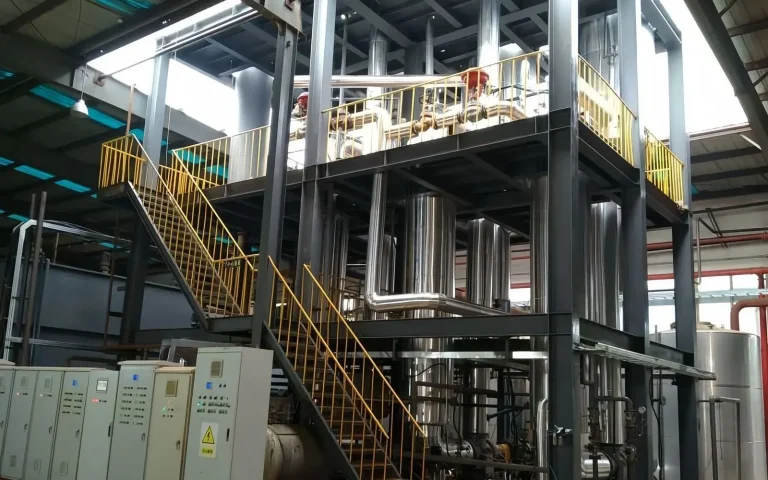
Tuz gölü tuzlu suyundan lityumu geri kazanmak için doğrudan lityum ekstraksiyonu (DLE) çözümü sağlayabiliriz
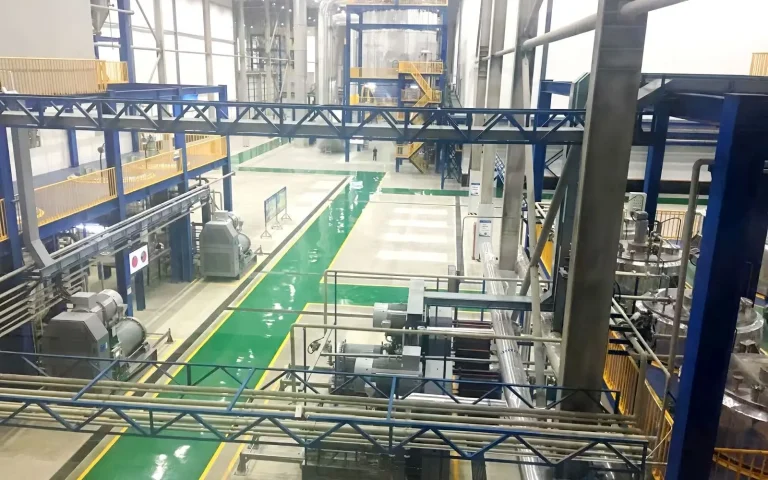
Kathot malzeme, lityum iyon pillerinin performansını belirleyen ana malzemelerden biridir.
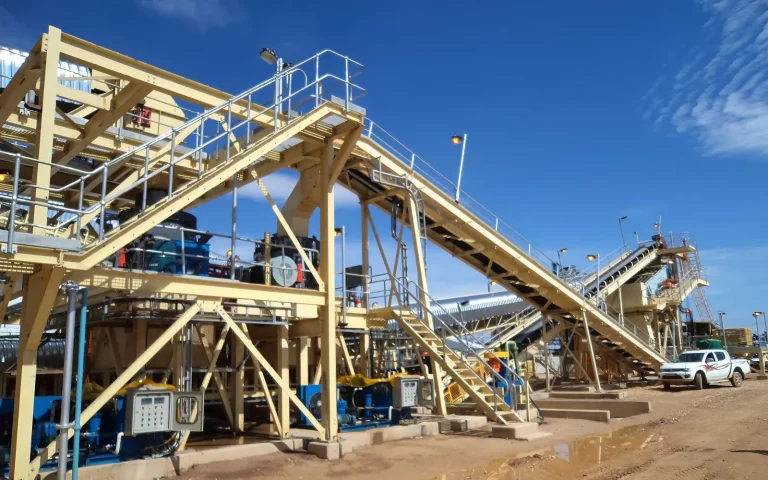
Havuz siyanürleme, proje sahiplerinin başlangıç aşamasında yatırımı tasarruf etmek için iyi bir seçenektir.
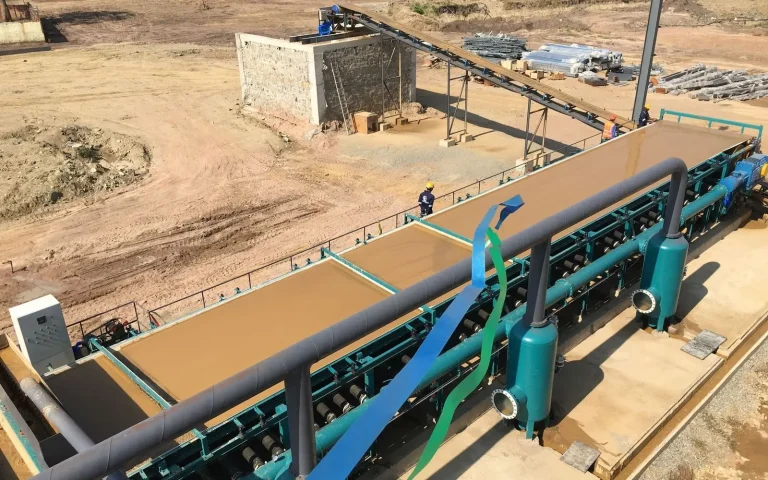
Altın CIL süreci (siyanürle muamele edilen karbon) yüksek derece oksit türü altın cevherini işlemek için çok popüler bir yoldur.
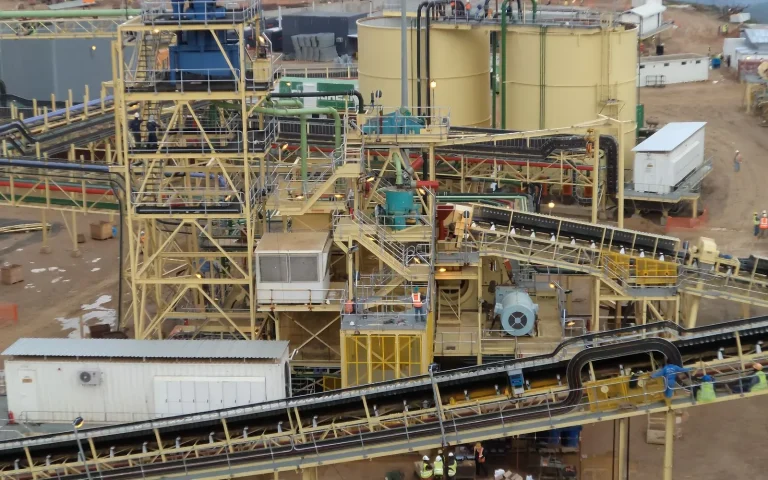
Flotasyon, altın cevheri işleme projesinde en popüler işleme yoludur. Çünkü flotasyon süreci…
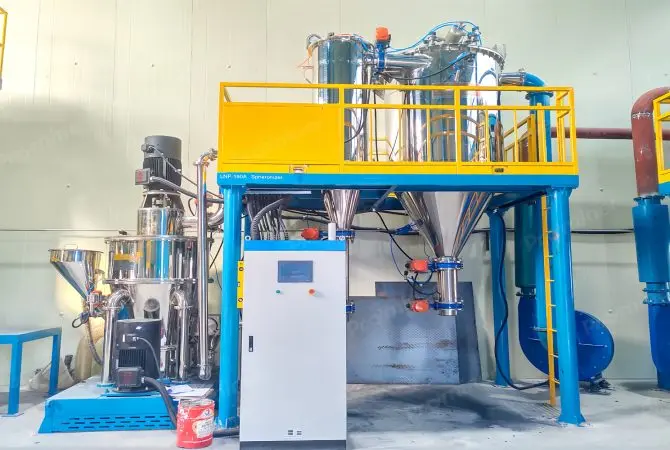
Sıkı PSD gereksinimlerinin yanı sıra, Anot Grafitinin de bir küresel şekil gerektirir
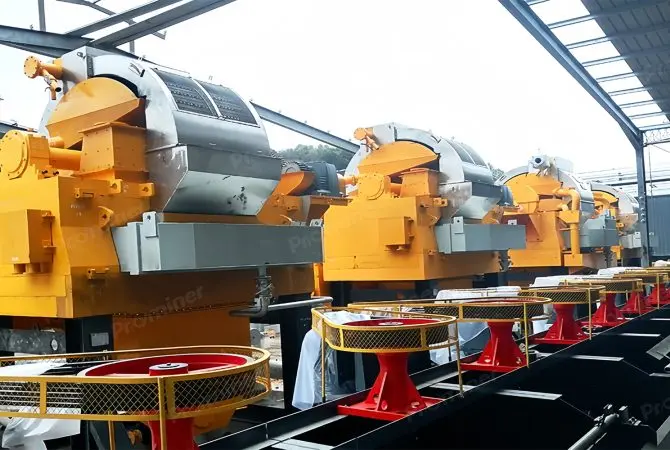
Prominer, farklı HIMS (Yüksek Yoğunluklu Manyetik Ayırıcı) manyetik ayırıcılar sağlayabilir
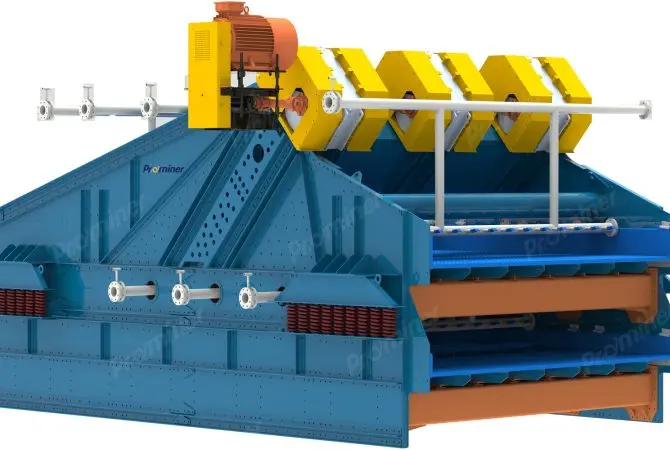
Prominer, mineral sınıflandırması, malzeme boyutlama, su giderme için her türlü lineer eleği sağlayabilir.
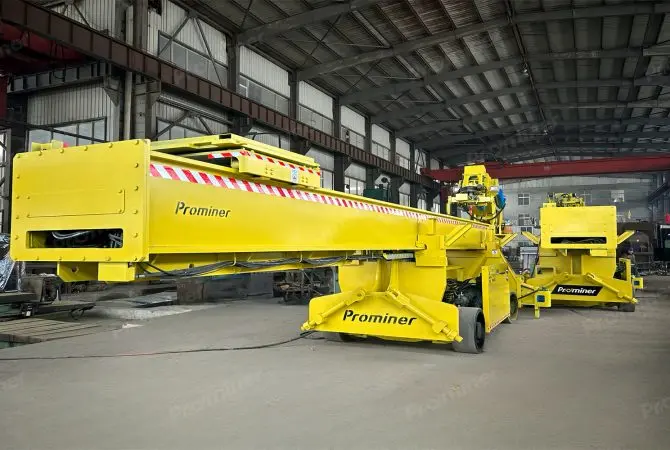
Değirmen yenileme makinesi (veya değirmen yenileme manipülatörü olarak adlandırılır) tasarlayıp üretebiliriz
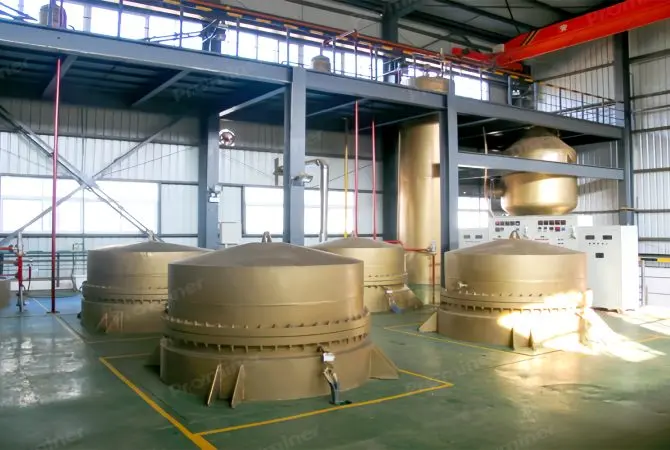
Prominer, altın CIL projesi için tamamlayıcı rafineriyi ve eritme sistemini tasarlayıp sağlayabilir
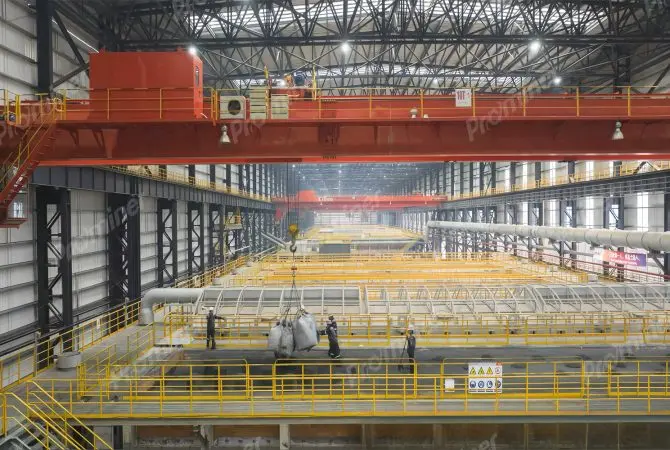
Karbon malzemesini değiştirmek için farklı tipte grafitizasyon fırını sağlayabiliriz
Ürünlerimiz ve çözümlerimiz hakkında daha fazla bilgi almak için lütfen aşağıdaki formu doldurun ve uzmanlarımızdan biri kısa süre içinde sizinle iletişime geçecektir.
Shandong Eyaletindeki 3000 TPD Altın Flotasyon Projesi
2500TPD Lityum Cevheri Flotasyonu Sichuan'da.
Fax: (+86) 021-58779592
Address: Oda 606, Bina D3, Faz II, Chuansha İş Merkezi, 777 Long, Miaochuan Road, Pudong Yeni Bölgesi, Şanghay, Çin
Telif Hakkı © 2023. Prominer (Şanghay) Madencilik Teknolojisi A.Ş.