

Sert karbon anot malzemesi, sodyum iyon bataryasının ticarileşmesi için en çok tercih edilen malzemelerdir


/
/
Florit Flotasyon Reajantı Maliyetlerini Kaliteden Ödün Vermeden %40 Nasıl Kesilir?


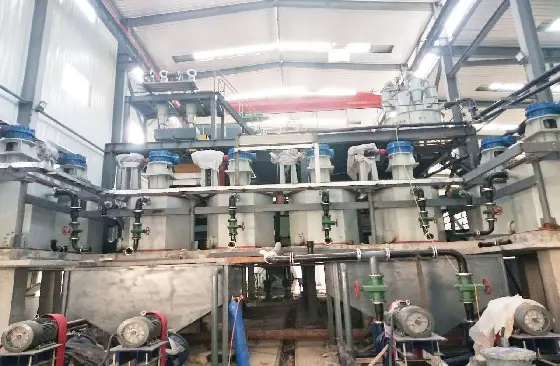
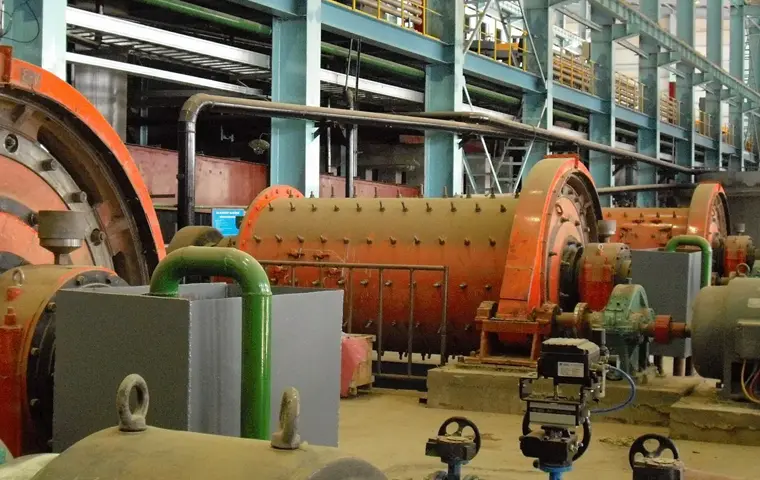
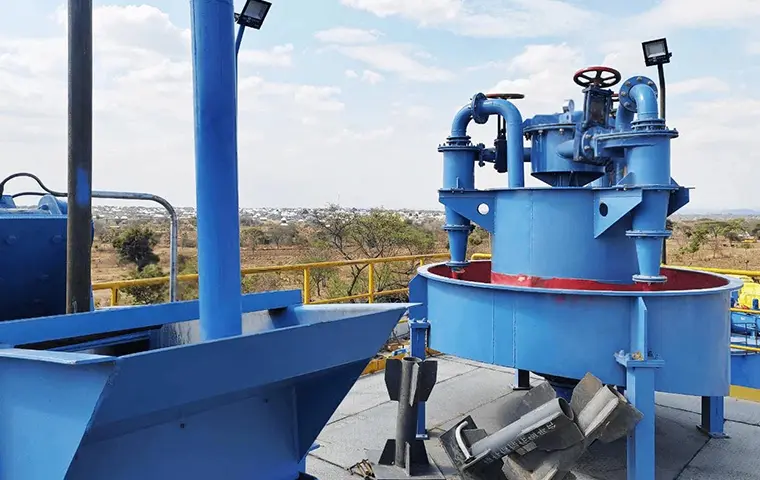
Florit flotasyonu reaktanı maliyetlerini %40 oranında azaltmak, kalite kaybına uğramadan süreç optimizasyonu, alternatif reaktör seçimi ve verimlilik iyileştirmelerinin stratejik bir dengesini gerektirir. Bu hedefe ulaşmak için aşağıda belirli stratejiler bulunmaktadır:
Varsayımsal bir florit flotasyon tesisi için:
Flotasyon süreçlerini metodik olarak optimize ederek, maliyet etkin reaktörler benimseyerek ve operasyonel uygulamaları geliştirerek, ürün kalitesinden ödün vermeden önemli maliyet azaltımları sağlamak mümkündür.
A: Minerallerin özellikleri aynı maden bedeni içinde bile önemli ölçüde değişiklik gösterebilir. Profesyonel bir test (kimyasal analiz, XRD ve SEM gibi) akış şemasının belirli maden dereceniz ve liberasyon boyutunuz için optimize edilmesini sağlar. Bu, maliyetli ekipman uyumsuzluklarını önler ve projeniz için mümkün olan en yüksek geri kazanım oranlarını garanti eder.
A: Ana aşınma parçalarının (kırıcı astarları, ekran ağları ve öğütme medyası gibi) sürekli bir stoğunu bulunduruyoruz. Uluslararası müşterilerimize, ilk satın alma ile birlikte önerilen bir “2 yıllık yedek parça listesi” sunuyoruz. Teknik destek, uzaktan video ile 7/24 mevcuttur ve karmaşık bakım ihtiyaçları için saha ziyaretleri düzenlenebilir.
A: Evet. Cihazların kurulumu, devreye alınması ve yük testlerinin yapılması için sahaya kıdemli mekanik ve elektrik mühendislerinden oluşan bir ekip gönderiyoruz. Ayrıca, yerel operatörleriniz için kapsamlı bir sahada eğitim de sağlıyoruz, böylece uzun vadeli sorunsuz bir operasyon garanti altına alınmış olur.
A: Kesinlikle. EPCM (Mühendislik, Tedariq, İnşaat Yönetimi) hizmetleri sunma konusunda uzmanız. Bu, başlangıçta maden testi ve maden tasarımından ekipman üretimi, lojistik ve tam ölçekli tesis entegrasyonuna kadar her şeyi kapsar; yeşil alanın üretime geçişini sorunsuz bir şekilde sağlarız.
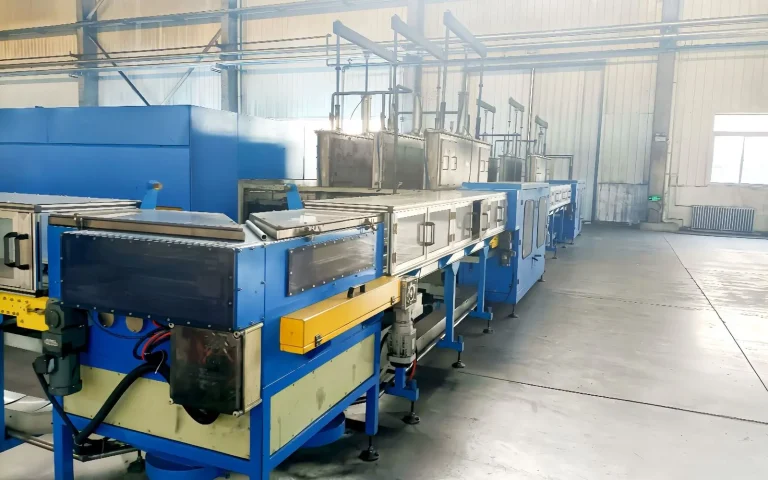
Sert karbon anot malzemesi, sodyum iyon bataryasının ticarileşmesi için en çok tercih edilen malzemelerdir
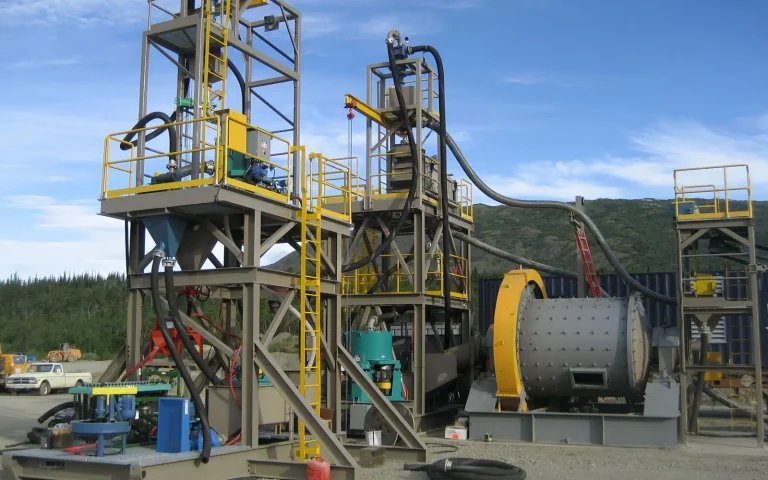
Dışsal cevherlerin en iyi bilinenlerinden biri, yeraltı altın olarak da adlandırılan allüvyal altındır. Allüvyal altın, …
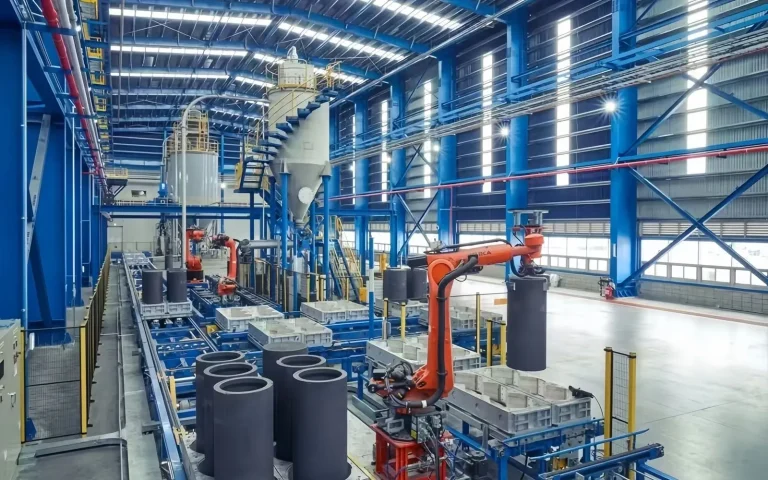
Prominer, doğal grafit anodu malzemeleri üretimi için tam bir çözüm sağlayabilir, bunun içinde öğütme de vardır.

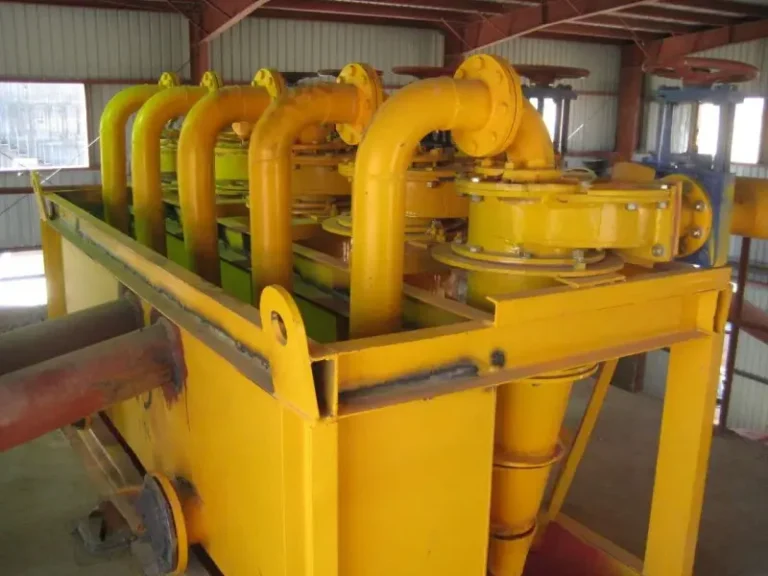
Ham Madde: Alüvyon Kalay Kumu (Kasiterit) Kalay Derecesi: %0,8 Konsantre Derecesi: %65
Ham Madde: Kuvarsit Kaya (SiO₂: %97.8) Fotovoltaik Derece: SiO₂≥%99.99, Fe₂O₃≤10 ppm
Ham Cevher: Sülfürlü Tip Molibden Cevheri (Ağırlıklı Olarak Molibdenit) Mo Derecesi: %0.15 Konsantre Derecesi: %45 Mo
Ham Cevher: Yüksek kaliteli Wollastonit cevheri ile birlikte Garnet ve Diopside Besleme Gradası: %65-70 Wollastonit
Kapasite Hedefi: Üretimi durdurmadan işleme kapasitesini 500 TPD'den 850 TPD'ye aşamalı olarak artırmak.
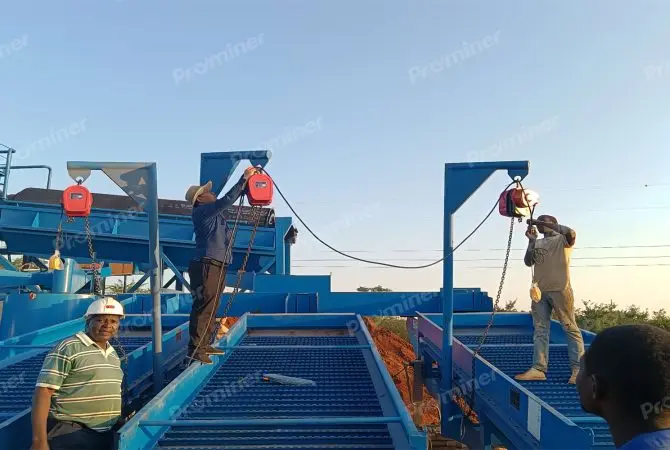
Ham Cevher: Nehir yatağından alüvyal altın cevheri Altın Derecesi: 0.8 g/t
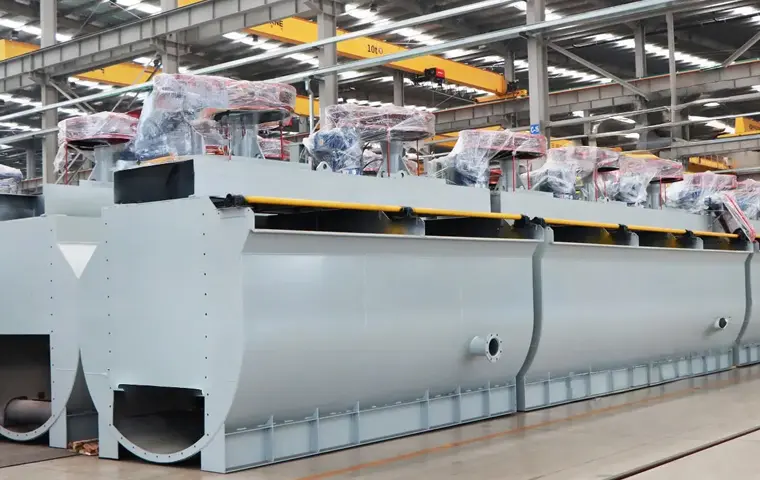
Ham Maden: Piritli Altınlı Sülfürlü Maden Altın Derişimi: 3.8 g/t Konsantre Derişimi: 42 g/t Au
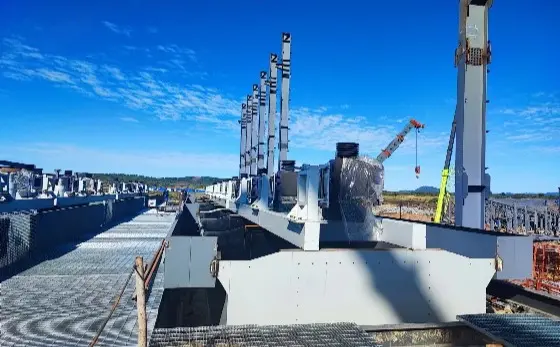
Ham Madde: Lityum Pegmatit Kumu (Spodumen Zengin) Li₂O Derecesi: %1,2 Son Ürün: Pil Dereceli Lityum
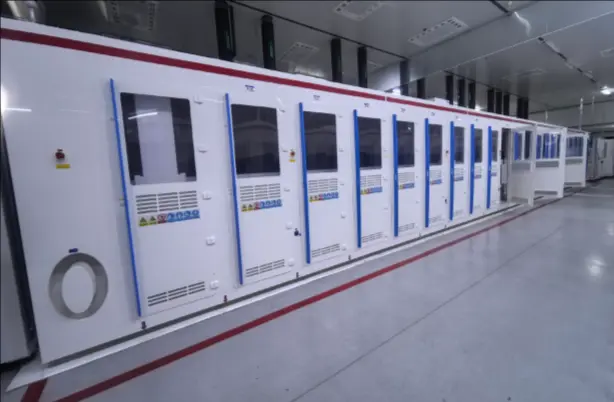
Dahil: Tek kristal partiler için tekstürleme ekipmanı, parti tekstürleme yükleme/boşaltma ünitesi, düşük basınçlı…
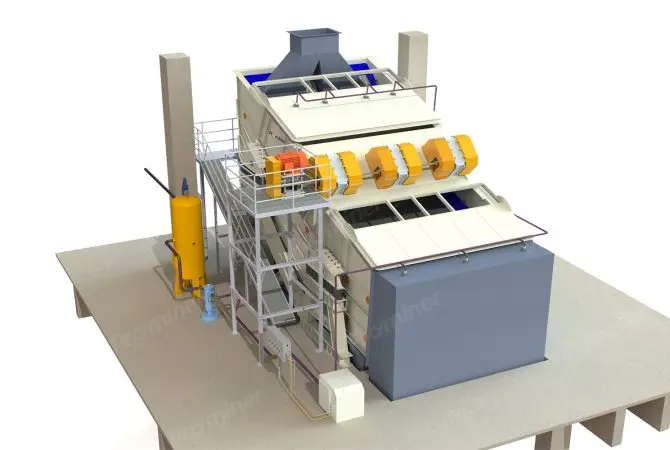
Flip-flow elek panelinin genişleyip daralmasını sağlayarak yüksek ivme oranlarına ulaşma yeteneğine sahiptir
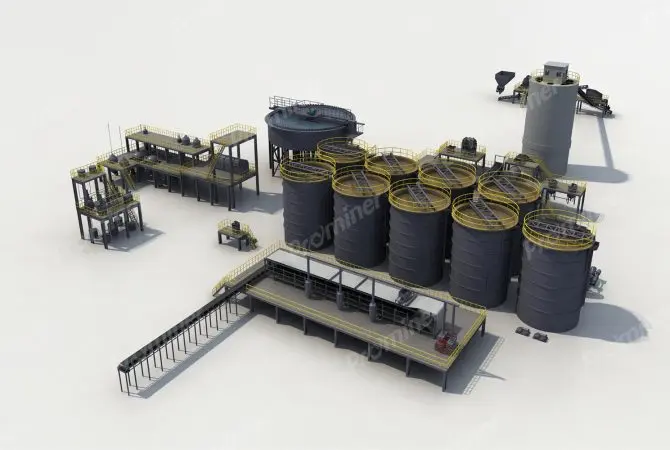
Prominer CIL (karbon çözümde) sistemi için tam çözümü sağlayabilir
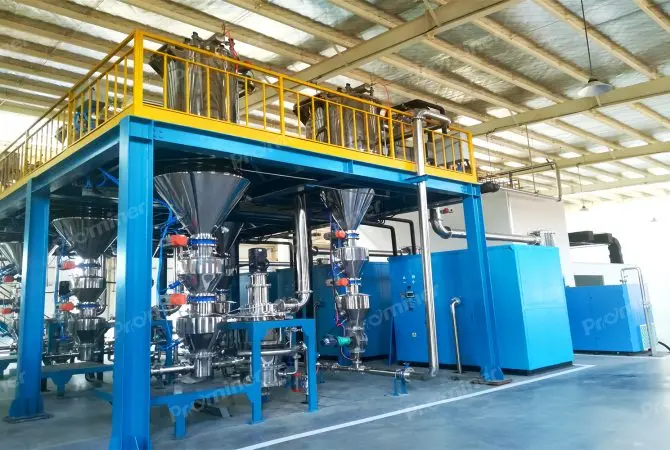
Jet mil, çoklu nozul kullanarak ses hızı hava akışı oluşturan sıvılaşmış yatak jet milidir.
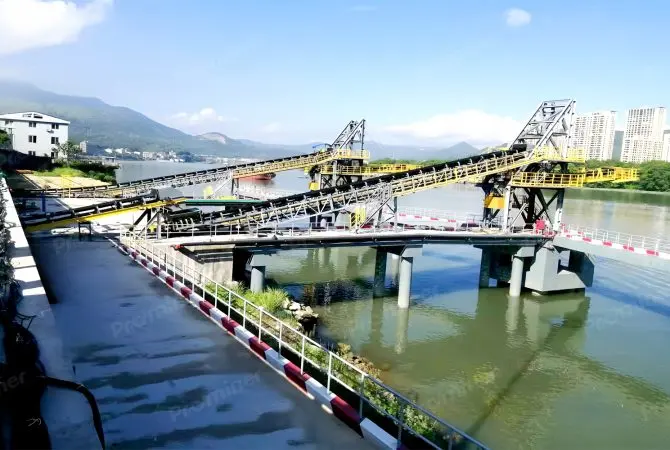
Farklı amaçlar için yanal eğimli bantlı konveyörler de dâhil olmak üzere konveyör çözümlerini sağlayabiliriz
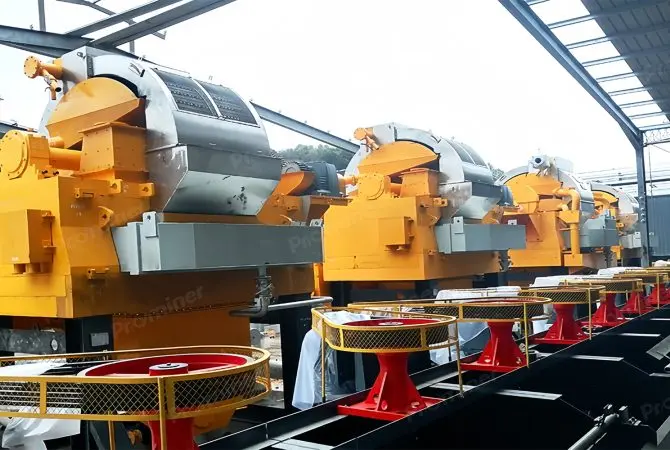
Prominer, farklı HIMS (Yüksek Yoğunluklu Manyetik Ayırıcı) manyetik ayırıcılar sağlayabilir
Ürünlerimiz ve çözümlerimiz hakkında daha fazla bilgi almak için lütfen aşağıdaki formu doldurun ve uzmanlarımızdan biri kısa süre içinde sizinle iletişime geçecektir.
Shandong Eyaletindeki 3000 TPD Altın Flotasyon Projesi
2500TPD Lityum Cevheri Flotasyonu Sichuan'da.
Faks: (+86) 021-60870195
Adres:No.2555,Xiupu Yolu, Pudong, Şanghay
Telif Hakkı © 2023.Prominer (Şanghay) Madencilik Teknolojisi A.Ş.


