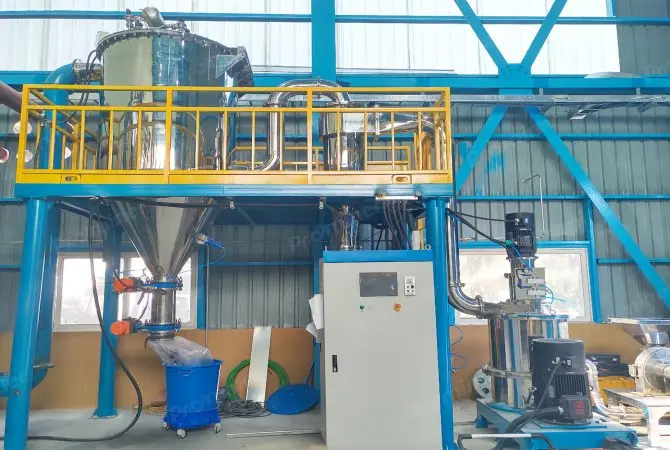
Spodümen ve lepidolit, çok önemli lityum içeren minerallerdir ve geri kazanımları oldukça kolaydır.



Verimli bir grafit işleme devresi tasarlamak, yüksek grafit geri kazanımı ve kalitesini elde etmek için ezme, öğütme, flotasyon ve rafine etme süreçlerinin optimizasyonuna odaklanarak birkaç adım ve değerlendirme içerir. Aşağıda, etkili bir grafit işleme devresi tasarlamak için ana adımlar ve ilkeler bulunmaktadır:
Flotasyon, grafit zenginleştirme için en yaygın yöntemdir ve grafitin gang mineralinden ayrılmasına odaklanır.
Belirli türdeki grafit cevherleri için, yerçekimi ayırımı (spiral ayırıcılar, sarsıntılı masalar) silikat gangından kaba grafit pulunu ayırmayı artırabilir. Bu aşama genellikle flotasyondan sonra yer alır.
Detaylı cevher karakterizasyonu yaparak, uygun işleme ekipmanını seçerek ve işlem devresinin her aşamasını optimize ederek, grafit geri kazanımını ve kalitesini maksimize ederken işletme maliyetlerini de minimize edebilirsiniz.
Prominer (Shanghai) Maden Teknolojisi Ltd. Şti., küresel çapta tam mineral işleme ve gelişmiş malzeme çözümleri sunmaktadır. Çekirdek odak alanlarımız şunları içerir: altın işleme, lityum cevheri zenginleştirme, endüstriyel mineraller. Anot malzemesi üretimi ve grafit işleme konusunda uzmanlaşmıştır.
Ürünler şunları içerir: Uğrama ve Sınıflandırma, Ayrıştırma ve Kurutma, Altın Rafinasyon, Karbon/Grafit İşleme ve Çözünme Sistemleri.
Mühendislik tasarımı, ekipman üretimi, kurulum ve operasyonel destek dahil olmak üzere uçtan uca hizmetler sunuyoruz, 7/24 uzman danışmanlık desteğiyle.
Web Sitemizin URL'si:Üzgünüm, ancak belirttiğiniz URL'yi ziyaret edip içeriğini çeviremiyorum. Ancak, içeriği buraya yapıştırırsanız, size çeviride yardımcı olabilirim.
E-Posta Adresimiz:
[email protected]
Satışlarımız:+8613918045927(Richard),+8617887940518(Jessica)+8613402000314(Bruno)
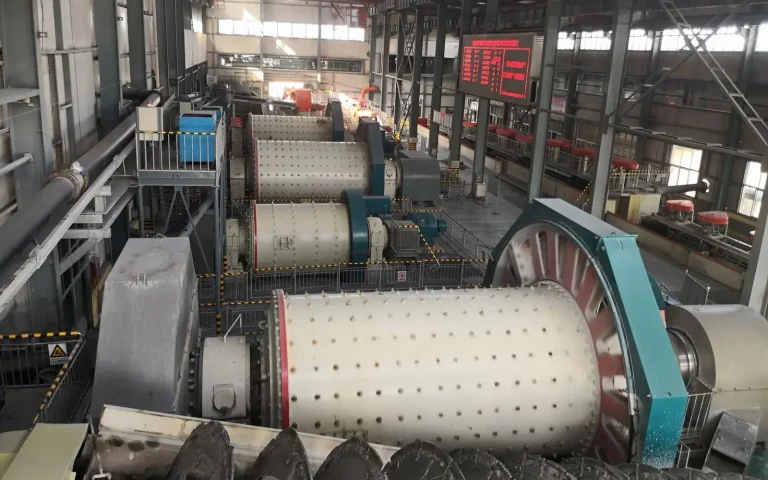
Spodümen ve lepidolit, çok önemli lityum içeren minerallerdir ve geri kazanımları oldukça kolaydır.
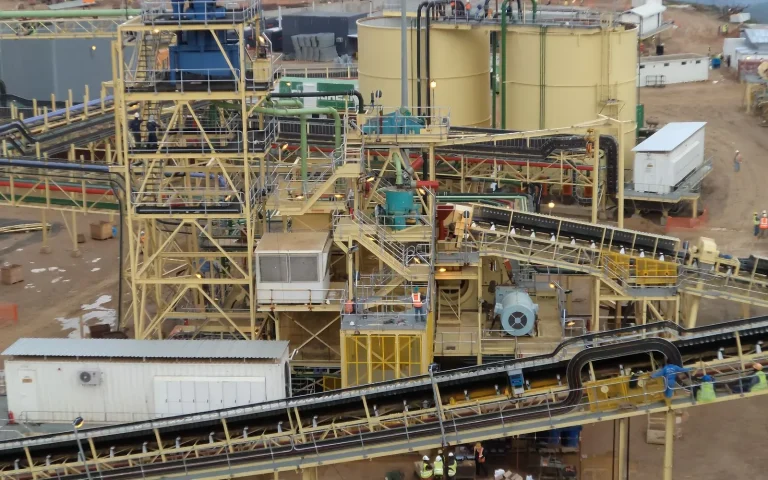
Flotasyon, altın cevheri işleme projesinde en popüler işleme yoludur. Çünkü flotasyon süreci…
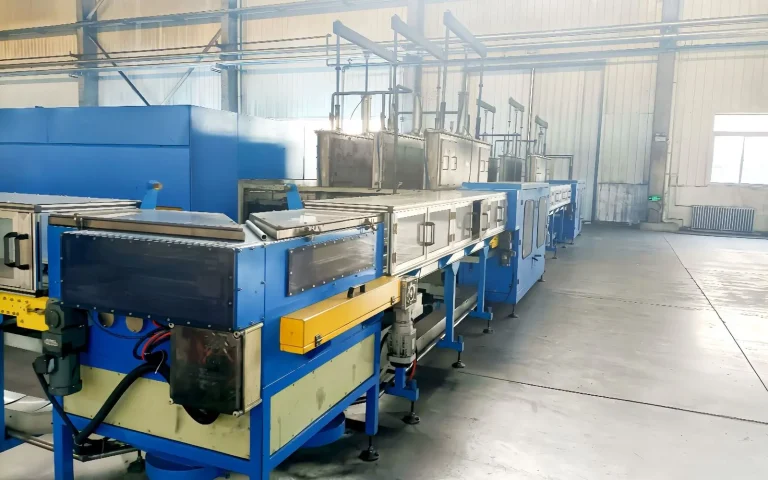
Sert karbon anot malzemesi, sodyum iyon bataryasının ticarileşmesi için en çok tercih edilen malzemelerdir

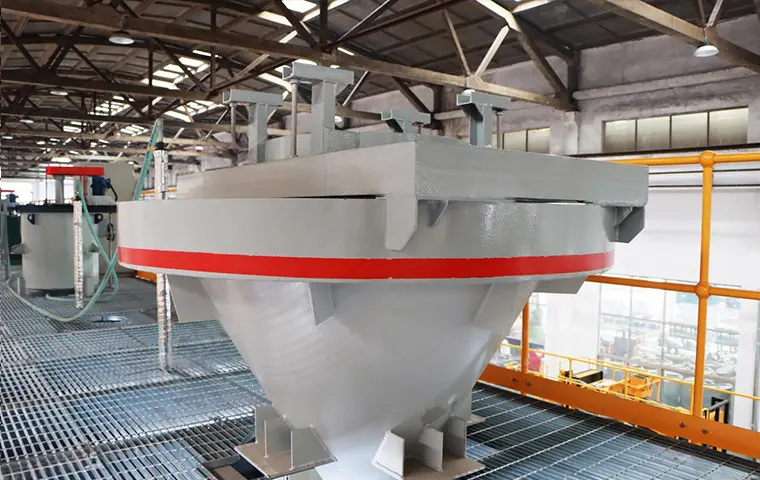
Ham Maden: Sülfür tipi Altın Maden Altın Derecesi: 3,5 g/t Nihai Ürün: Altın Külçe Altın Geri Kazanım Oranı: %96

Ham Maden: Lityum Zengin Hektorit Kil (Li₂O: %0.6-1.0) Son Ürün: Pil Derece Lityum Karbonat
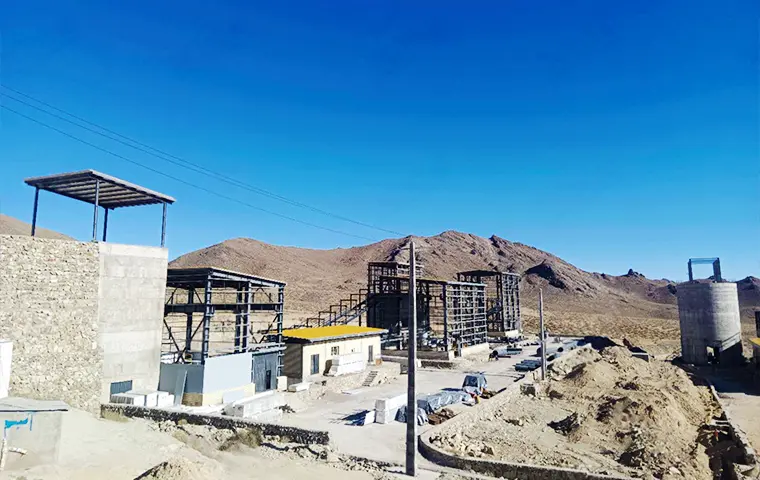
Ham Cevher: Sülfür Tipi Bakır Cevheri Bakır Derecesi: %0,8 Nihai Ürün: Bakır Konsantresi

Ham Maden: Oksit Tipi Altın Oyuğu Altın Derecesi: 3.5 g/t Altın Kurtarma Oranı: %92 Altın Külçe Saflığı: %96
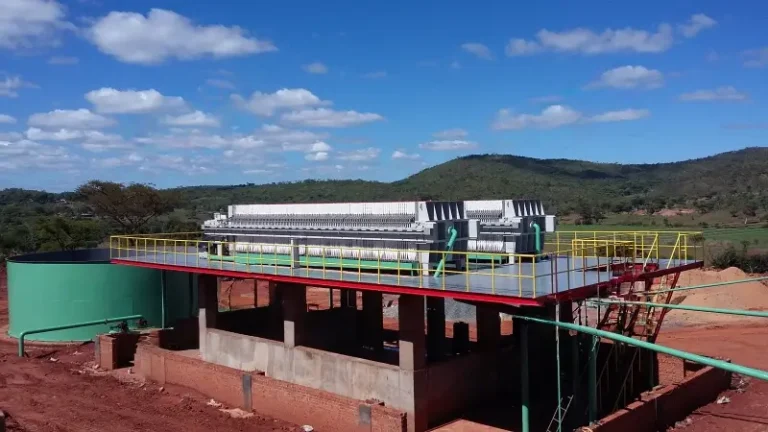
Ham Cevher: Sülfür İçeren Altın Cevheri (30% Sülfür) Altın Gradyanı: 3.2 g/t Nihai Ürün: %98.99 Altın Külçe
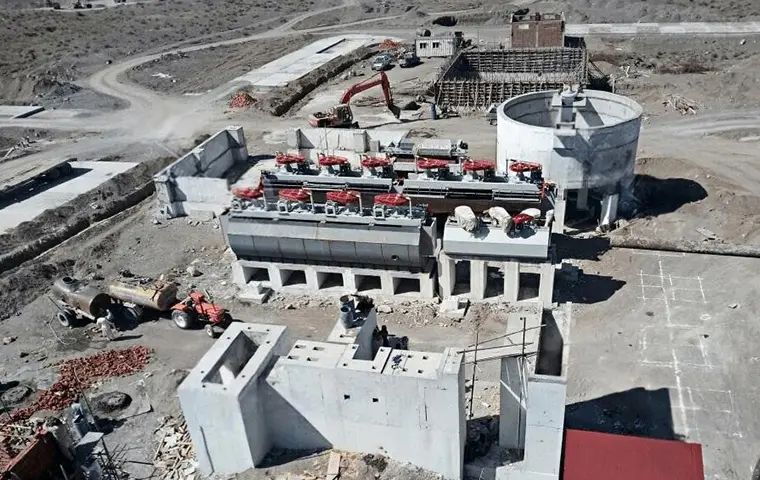
Ham Cevher: Nikel-Kobalt Laterit Cevheri (Limonit ve Saprolit Katmanları) Ortalama Besleme Derecesi: Ni: %1.2, Co: %0.15
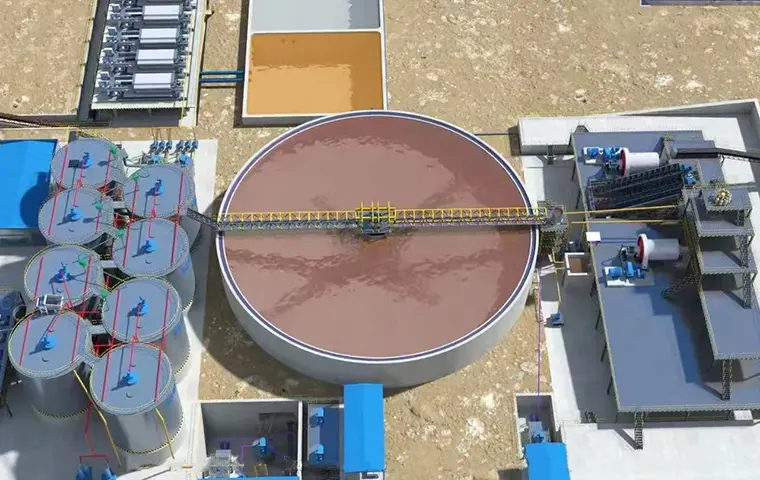
Ham Maden: Sülfürlü Tip Bakır Maden Özü (Ağırlıklı Olarak Kalkopirit) Bakır Oranı: %0,8 Nihai Ürün: Bakır Konsantresi
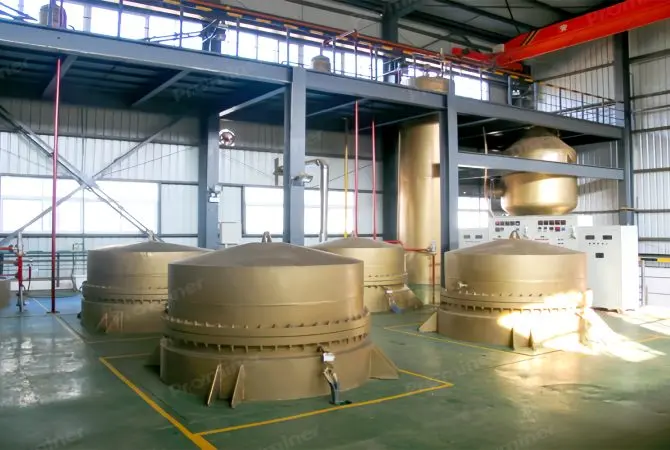
Prominer, altın CIL projesi için tamamlayıcı rafineriyi ve eritme sistemini tasarlayıp sağlayabilir
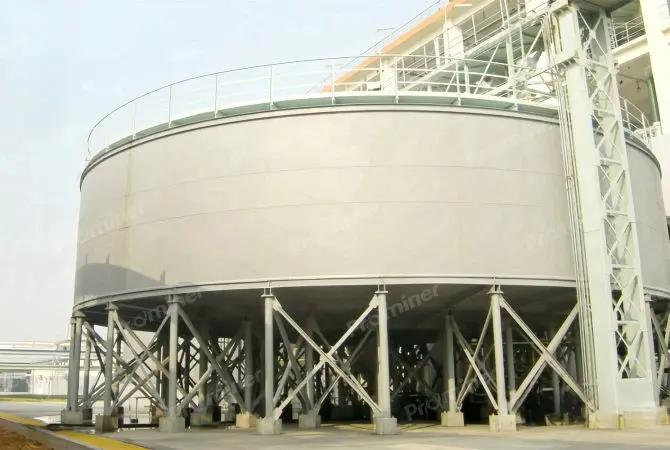
Prominer, merkezi tahrikli yoğunlaştırıcı ve çevresel çekişli yoğunlaştırıcı dahil olmak üzere farklı türde yoğunlaştırıcılar temin edebilir
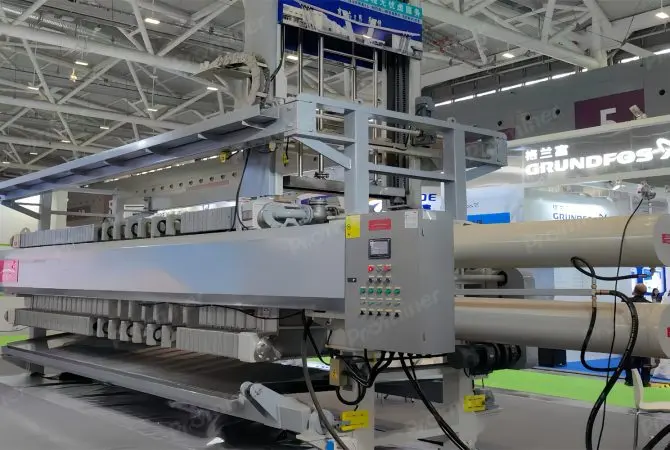
Prominer basınç filtresi, bant vakum filtresi, disk vakum filtresi ve seramik filtre sağlayabilir
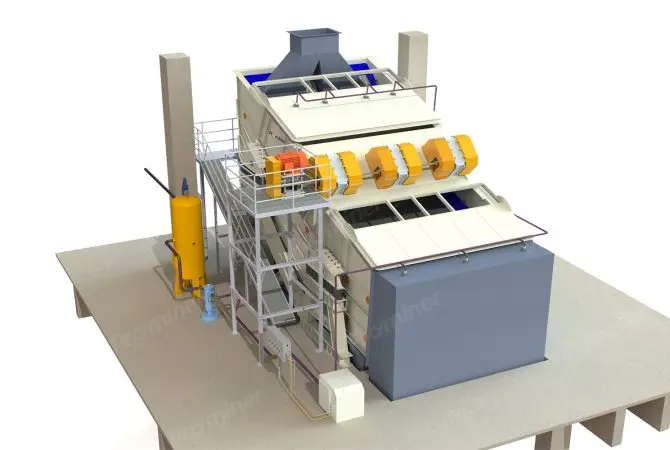
Flip-flow elek panelinin genişleyip daralmasını sağlayarak yüksek ivme oranlarına ulaşma yeteneğine sahiptir
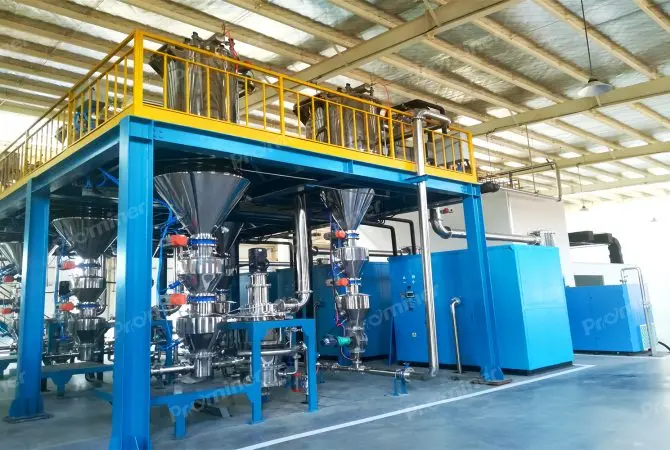
Jet mil, çoklu nozul kullanarak ses hızı hava akışı oluşturan sıvılaşmış yatak jet milidir.
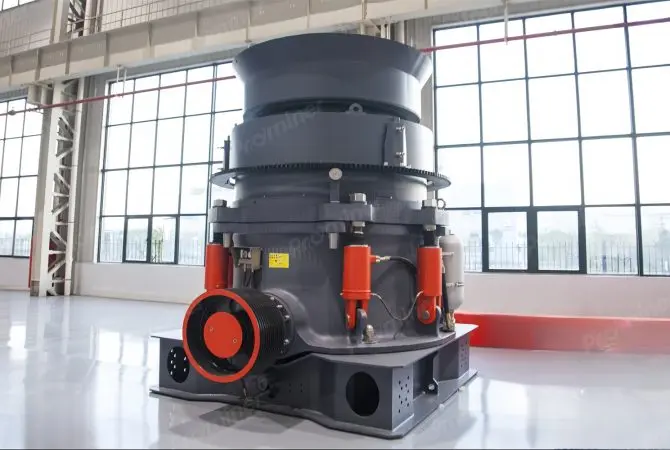
Çok silindişli hidrolik konik kırıcı, kırıcı hızını, eksantrikliği ve boşluk profilini birleştirir
Ürünlerimiz ve çözümlerimiz hakkında daha fazla bilgi almak için lütfen aşağıdaki formu doldurun ve uzmanlarımızdan biri kısa süre içinde sizinle iletişime geçecektir.
Shandong Eyaletindeki 3000 TPD Altın Flotasyon Projesi
2500TPD Lityum Cevheri Flotasyonu Sichuan'da.
Faks: (+86) 021-60870195
Adres:No.2555,Xiupu Yolu, Pudong, Şanghay
Telif Hakkı © 2023.Prominer (Şanghay) Madencilik Teknolojisi A.Ş.