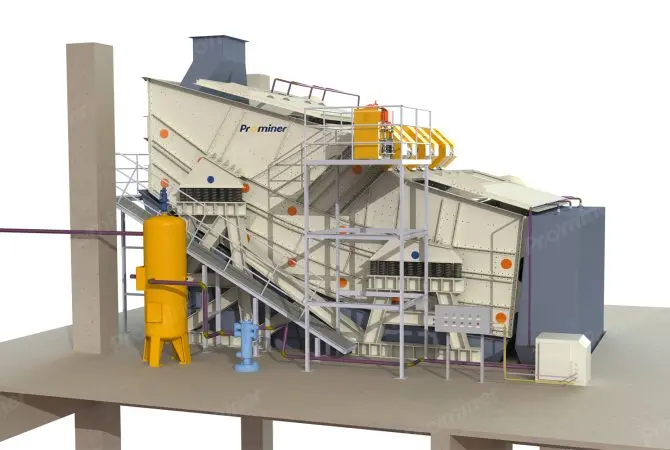
Dışsal cevherlerin en iyi bilinenlerinden biri, yeraltı altın olarak da adlandırılan allüvyal altındır. Allüvyal altın, …


/
/
Sülfürlü Cevherlerde Altın Flotasyon Verimini Nasıl Optimize Edebilirsiniz?

Sülfürlü cevherlerde altın flotasyon verimini optimize etmek, mineralojiyi anlamak, uygun reaktifleri seçmek, işlem parametrelerini ayarlamak ve doğru işletme koşullarını sağlamak gibi bir kombinasyonu içerir. İşte altın flotasyon verimini artırmak için adım adım bir kılavuz:
Ses mineralojik analizinin entegrasyonu, flotasyon parametrelerinin ince ayarı ve süreç disiplininin korunması ile, genellikle sülfürlü cevherlerden altın geri kazanımında önemli iyileştirmeler sağlanabilir.
Prominer (Shanghai) Maden Teknolojisi Ltd. Şti., küresel çapta tam mineral işleme ve gelişmiş malzeme çözümleri sunmaktadır. Çekirdek odak alanlarımız şunları içerir: altın işleme, lityum cevheri zenginleştirme, endüstriyel mineraller. Anot malzemesi üretimi ve grafit işleme konusunda uzmanlaşmıştır.
Ürünler şunları içerir: Uğrama ve Sınıflandırma, Ayrıştırma ve Kurutma, Altın Rafinasyon, Karbon/Grafit İşleme ve Çözünme Sistemleri.
Mühendislik tasarımı, ekipman üretimi, kurulum ve operasyonel destek dahil olmak üzere uçtan uca hizmetler sunuyoruz, 7/24 uzman danışmanlık desteğiyle.
Web Sitemizin URL'si:Üzgünüm, ancak belirttiğiniz URL'yi ziyaret edip içeriğini çeviremiyorum. Ancak, içeriği buraya yapıştırırsanız, size çeviride yardımcı olabilirim.
E-Posta Adresimiz:
[email protected]
Satışlarımız:+8613918045927(Richard),+8617887940518(Jessica)+8613402000314(Bruno)
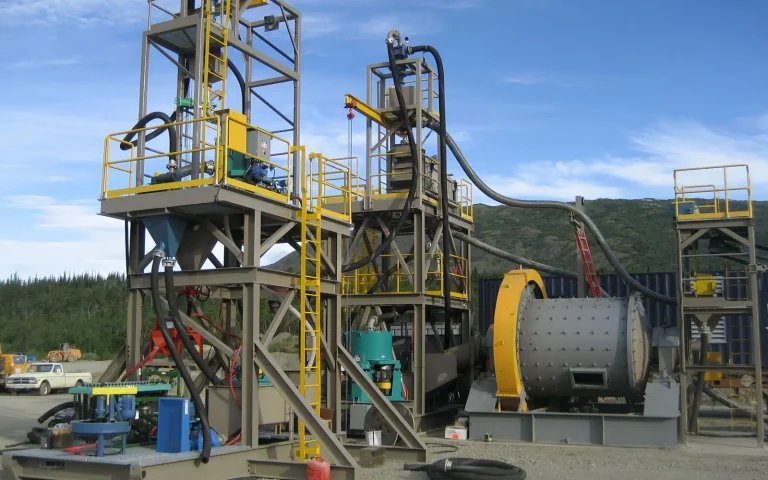
Dışsal cevherlerin en iyi bilinenlerinden biri, yeraltı altın olarak da adlandırılan allüvyal altındır. Allüvyal altın, …
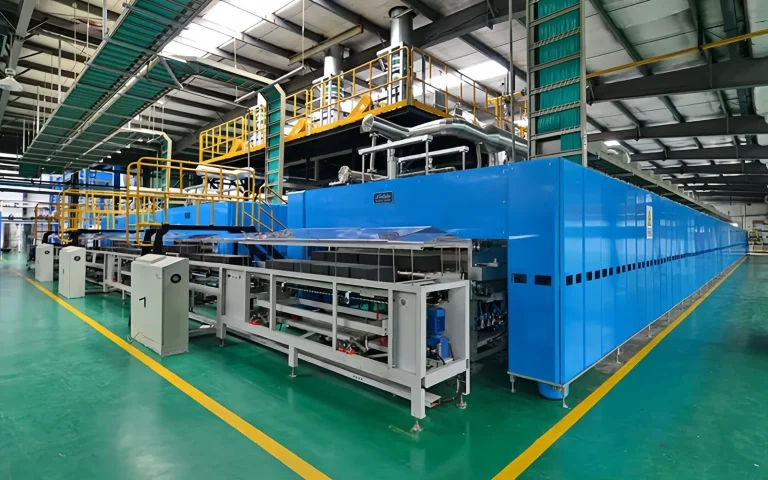
Yapay grafit anodu malzemeleri esas olarak yüksek kaliteli düşük kükürt içeriğine sahip petrol kokundan yapılmıştır.
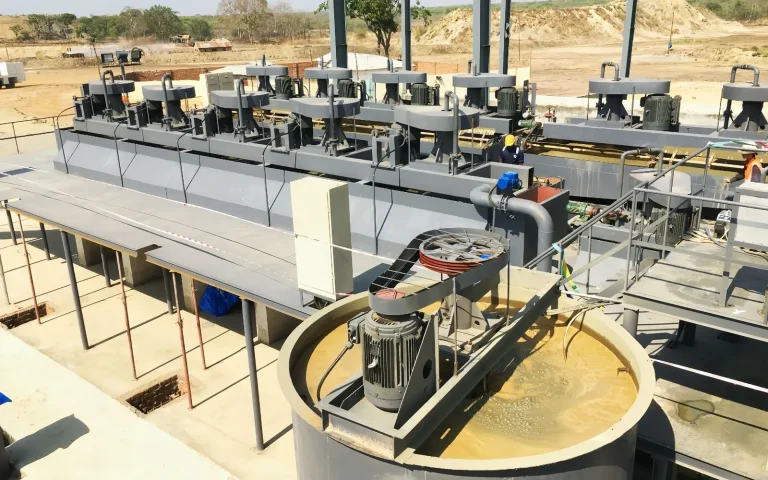
Doğal grafit cevheri iki türe ayrılmaktadır: kristalin grafit ve amorf grafit

Ham Maden: Sülfür/oksit altın, bakır, lityum, çinko, kurşun ve diğer demir dışı metaller için uygundur.
Ham Cevher: Lityum Spodumeni Cevheri Li₂O Derecesi: %1.45 Konsantre Derecesi: %6.20
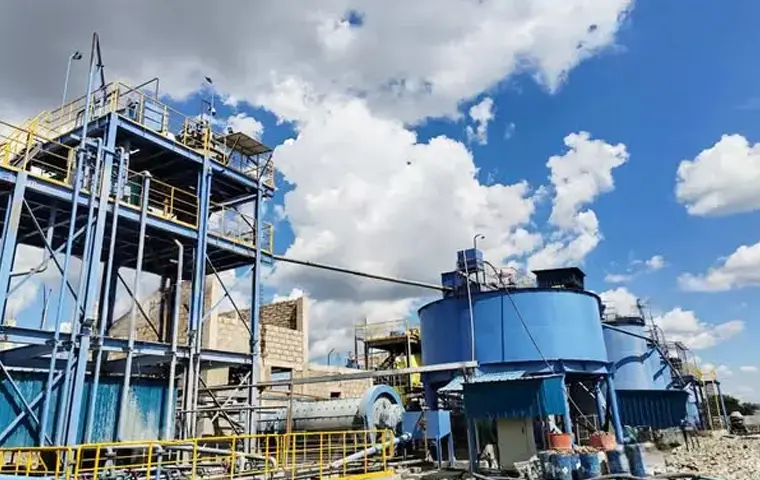
Ham Maden: Bakır-Altın Kumu Bakır Derecesi: %1,2 Altın Derecesi: 1,5 g/t Geri Kazanım Oranı: Bakır %89, Altın %88
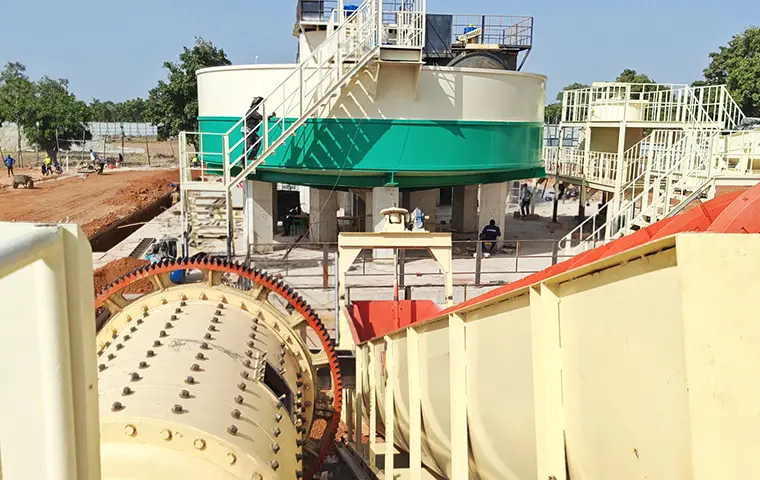
Ham Maden: Oksit ve Sülfid Tipi Altın Madenleri Altın Derecesi: 2.5 g/t Nihai Ürün: Altın Külçe
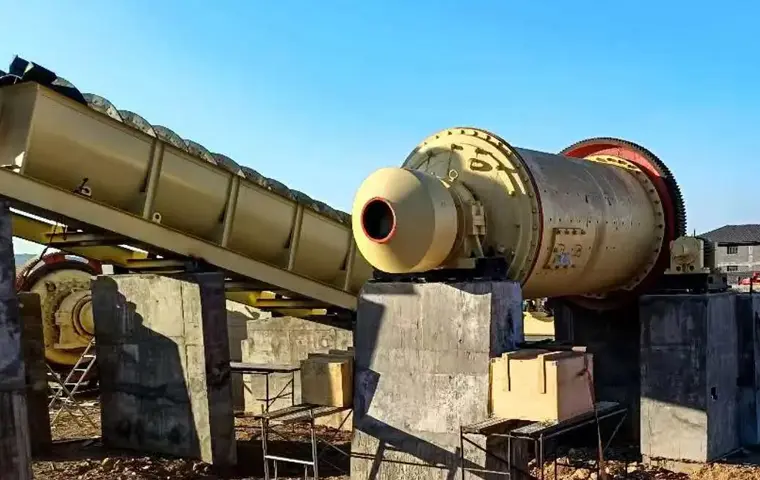
Ham Maden: Oksit Tipi Altın Maden Altın Derecesi: 2.5 g/t Altın Külçe Saflığı: %96
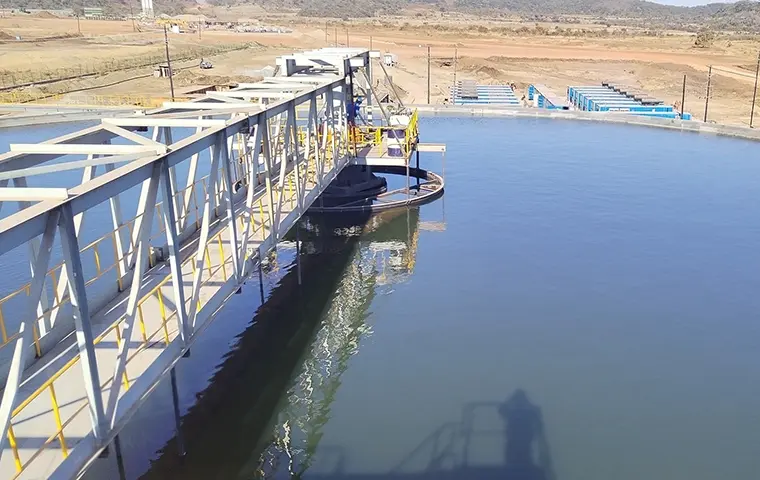
Ham Maden: Kalsit Maden CaCO3 Derece: %85 Nihai Ürün: Kaplamalı ve Kaplamasız Kalsit Tozu (325 – 2500 mesh)
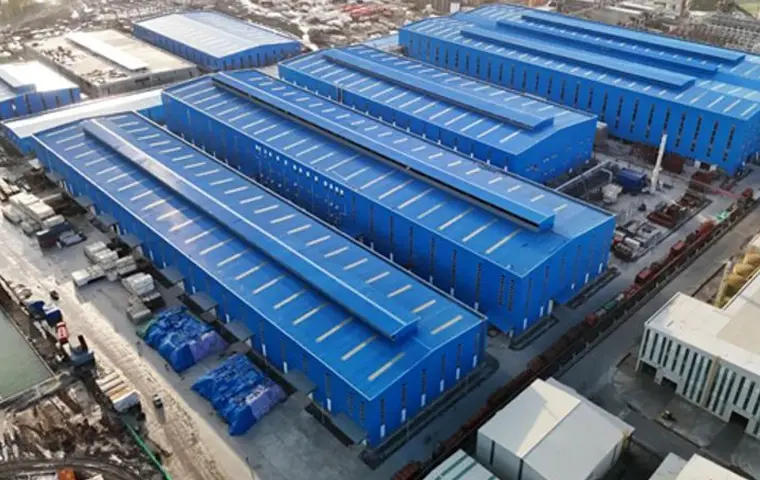
Hammadde: Petroleum Koku, İğne Koku, Pitch Bağlayıcı Proje Kapasitesi: Yılda 50.000 Ton
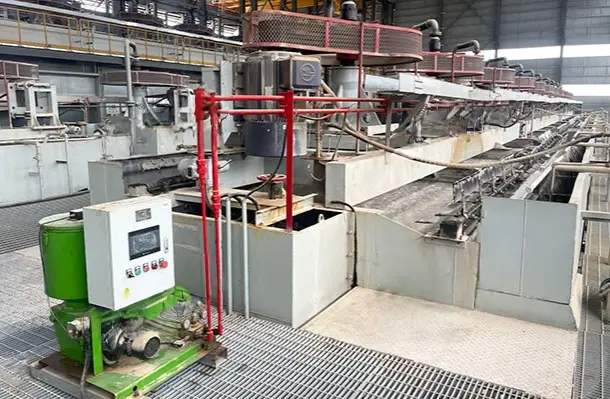
Ham Maden: Porfir Altın-Bakır Kaba Maden Altın Derecesi: 0.8-1.5 g/t Bakır Derecesi: 0.6-0.9%
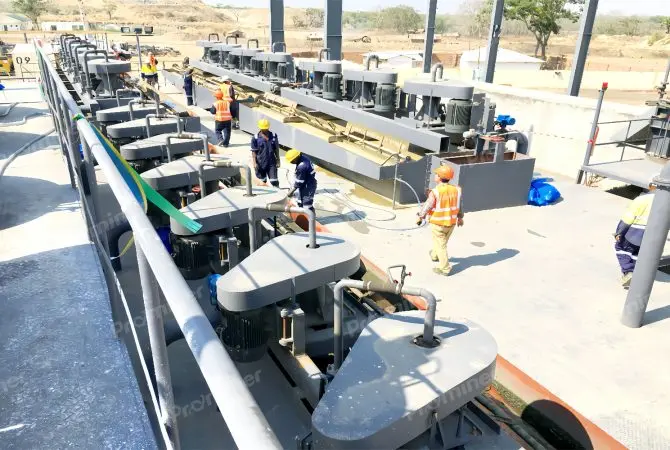
Prominer, SF serisi kendi kendine emişli flotasyon makinesi ve XCF/KYF serisi pnömatik flotasyon haznesi sağlayabilir
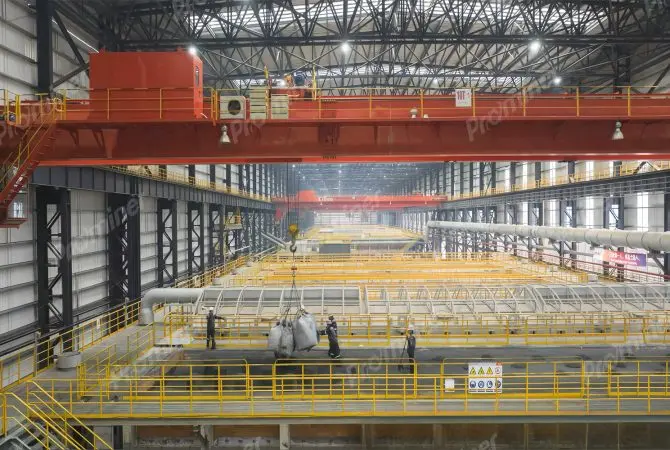
Karbon malzemesini değiştirmek için farklı tipte grafitizasyon fırını sağlayabiliriz
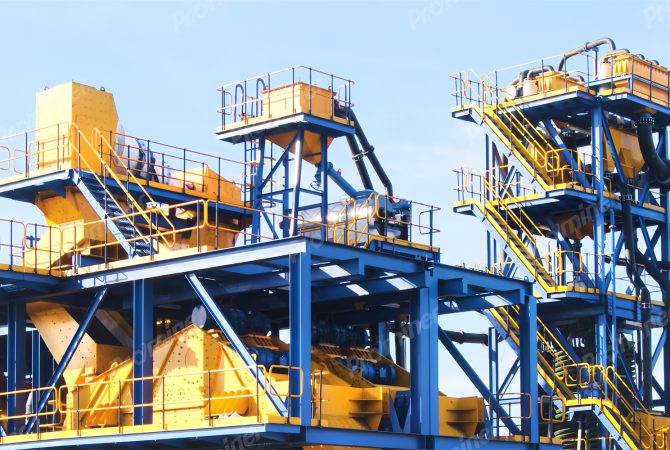
Prominer, çeşitli LIMS (Düşük Yoğunlukta Manyetik Ayırıcı) manyetik ayırıcılar temin edebilir
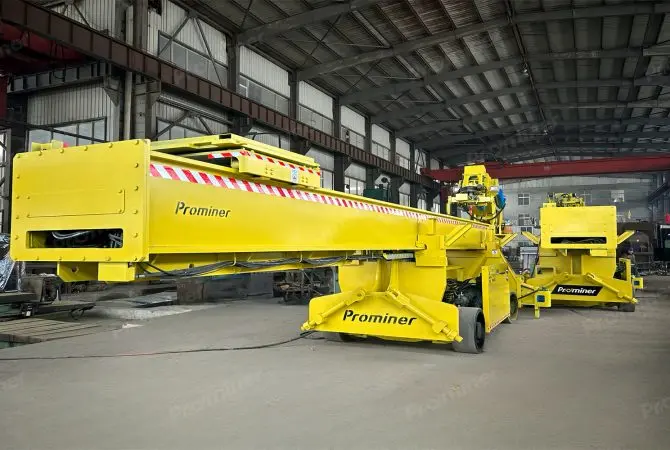
Değirmen yenileme makinesi (veya değirmen yenileme manipülatörü olarak adlandırılır) tasarlayıp üretebiliriz
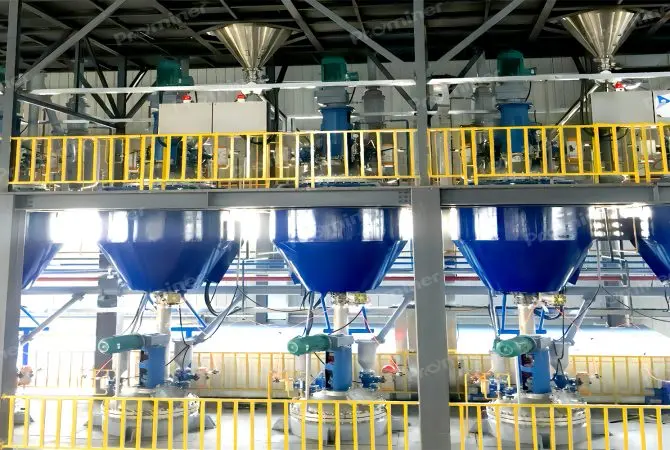
Granülasyon reaktörümüz, kaplama ve granülasyon işleme fonksiyonlarını bir araya getirir
Ürünlerimiz ve çözümlerimiz hakkında daha fazla bilgi almak için lütfen aşağıdaki formu doldurun ve uzmanlarımızdan biri kısa süre içinde sizinle iletişime geçecektir.
Shandong Eyaletindeki 3000 TPD Altın Flotasyon Projesi
2500TPD Lityum Cevheri Flotasyonu Sichuan'da.
Faks: (+86) 021-60870195
Adres:No.2555,Xiupu Yolu, Pudong, Şanghay
Telif Hakkı © 2023.Prominer (Şanghay) Madencilik Teknolojisi A.Ş.