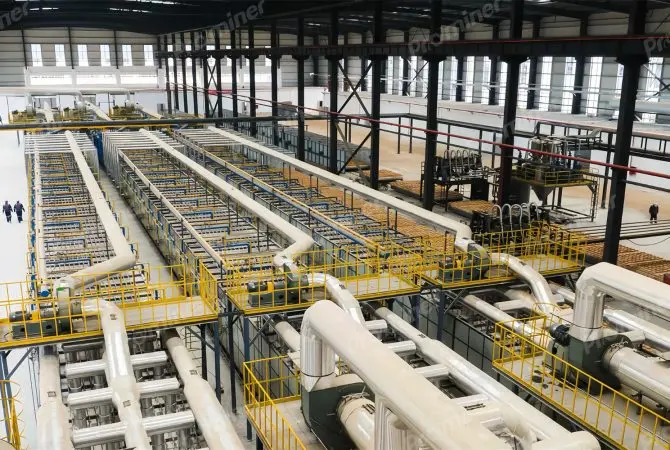
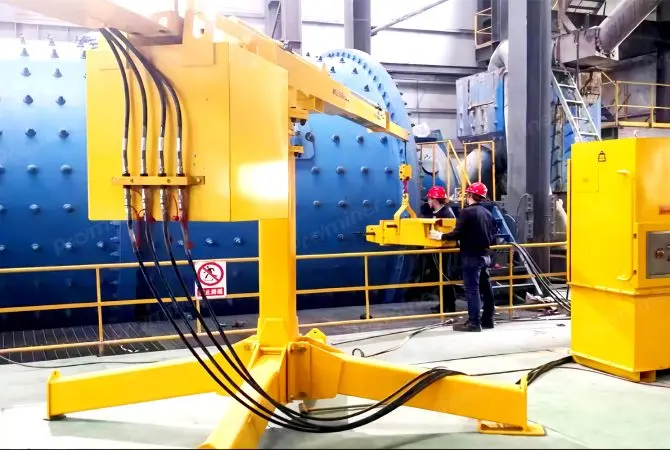
Kathot malzeme, lityum iyon pillerinin performansını belirleyen ana malzemelerden biridir.



Karmaşık cevherlerden ince hematit elde etmek, hematitin ince taneli doğası ve safsızlıklar veya gang mineral varlığı nedeniyle zorlayıcı olabilir. Geri kazanım sürecini optimize etmek, uygun fiziksel, kimyasal ve teknolojik yöntemlerin seçilip birleştirilmesini gerektirir. Aşağıda yaygın stratejiler bulunmaktadır:
En iyi yaklaşım, cevherinizin mineralojisine, parçacık boyutu dağılımına ve mevcut kaynaklara bağlıdır. Geleneksel ve ileri tekniklerin birleştirilmesi, hematit geri kazanımını maksimize edebilir. Özel cevheriniz için çözümü özelleştirmek amacıyla deneysel test yapmak önemlidir.
Prominer (Shanghai) Maden Teknolojisi Ltd. Şti., küresel çapta tam mineral işleme ve gelişmiş malzeme çözümleri sunmaktadır. Çekirdek odak alanlarımız şunları içerir: altın işleme, lityum cevheri zenginleştirme, endüstriyel mineraller. Anot malzemesi üretimi ve grafit işleme konusunda uzmanlaşmıştır.
Ürünler şunları içerir: Uğrama ve Sınıflandırma, Ayrıştırma ve Kurutma, Altın Rafinasyon, Karbon/Grafit İşleme ve Çözünme Sistemleri.
Mühendislik tasarımı, ekipman üretimi, kurulum ve operasyonel destek dahil olmak üzere uçtan uca hizmetler sunuyoruz, 7/24 uzman danışmanlık desteğiyle.
Web Sitemizin URL'si:Üzgünüm, ancak belirttiğiniz URL'yi ziyaret edip içeriğini çeviremiyorum. Ancak, içeriği buraya yapıştırırsanız, size çeviride yardımcı olabilirim.
E-Posta Adresimiz:
[email protected]
Satışlarımız:+8613918045927(Richard),+8617887940518(Jessica)+8613402000314(Bruno)
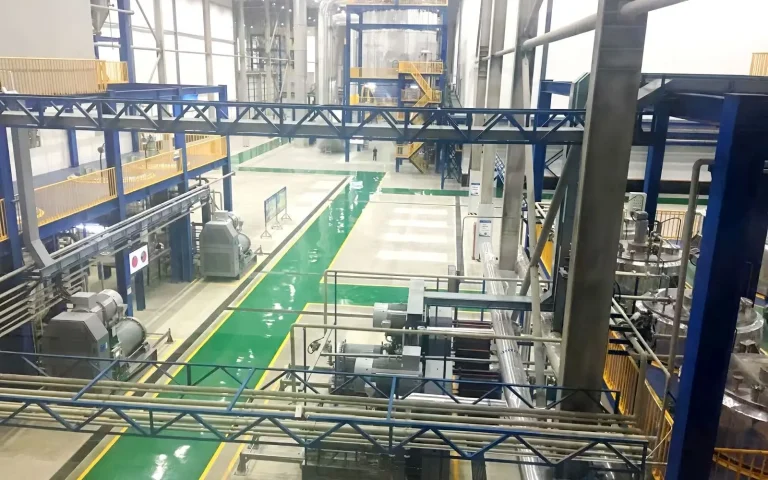
Kathot malzeme, lityum iyon pillerinin performansını belirleyen ana malzemelerden biridir.
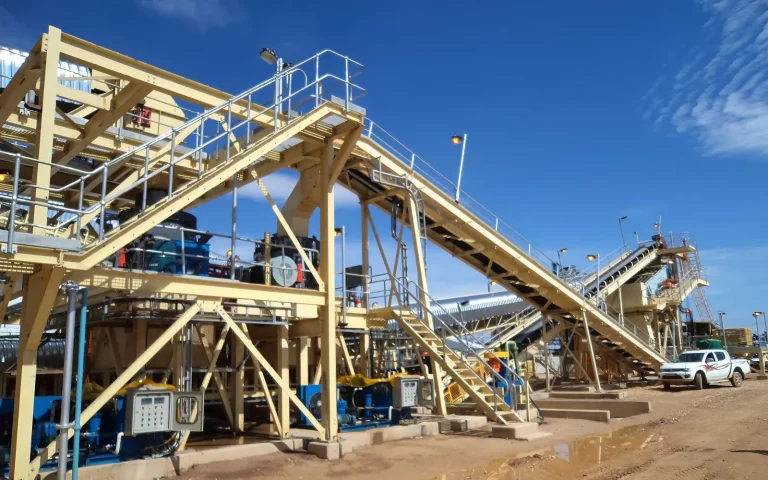
Havuz siyanürleme, proje sahiplerinin başlangıç aşamasında yatırımı tasarruf etmek için iyi bir seçenektir.
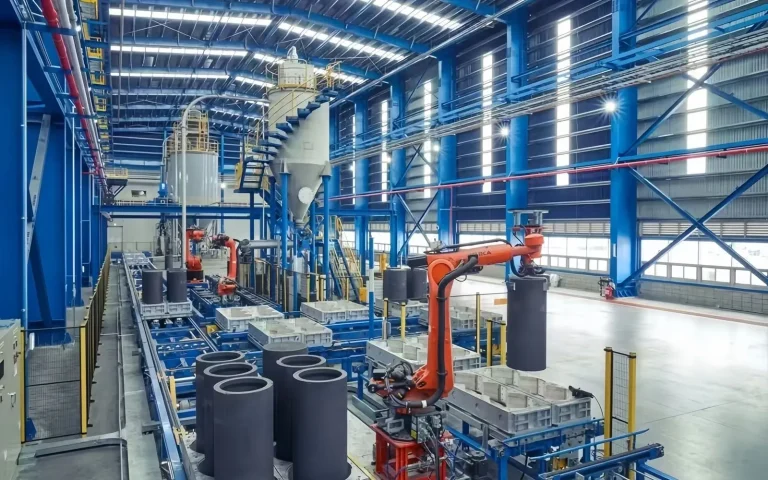
Prominer, doğal grafit anodu malzemeleri üretimi için tam bir çözüm sağlayabilir, bunun içinde öğütme de vardır.

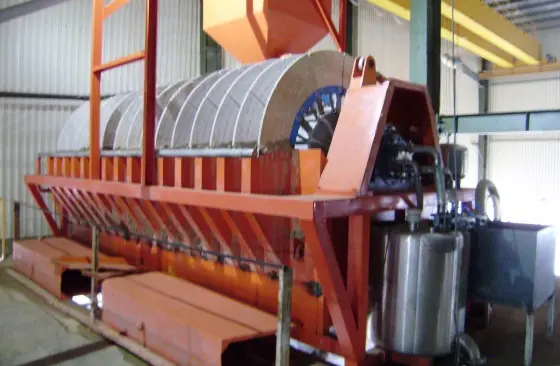
Müşteri: Ağır Mineral Kum Üreticisi Hammadde: İlymenit Konsantresi (TiO₂ %52-55) Son Ürün: Rutil Kalite TiO₂ (≥%94 saflık)
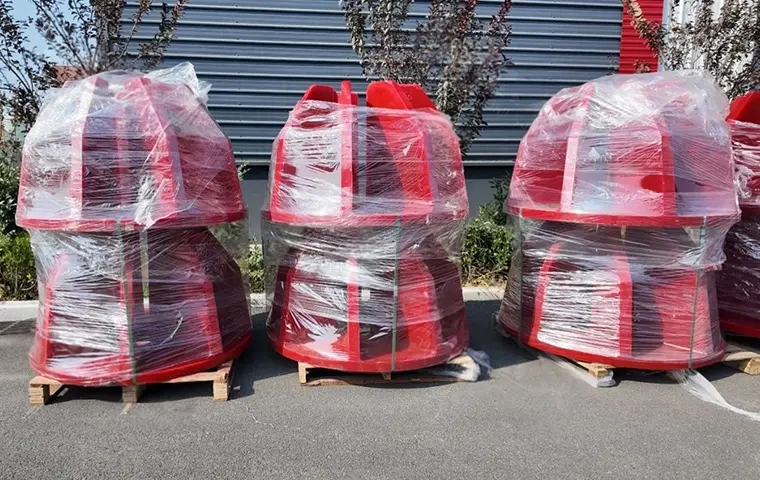
Ham Maden: Sülfür Bakır Maden Bakır Derecesi: %1,2 Hedef Flotasyon Kurtarma Oranı: %92
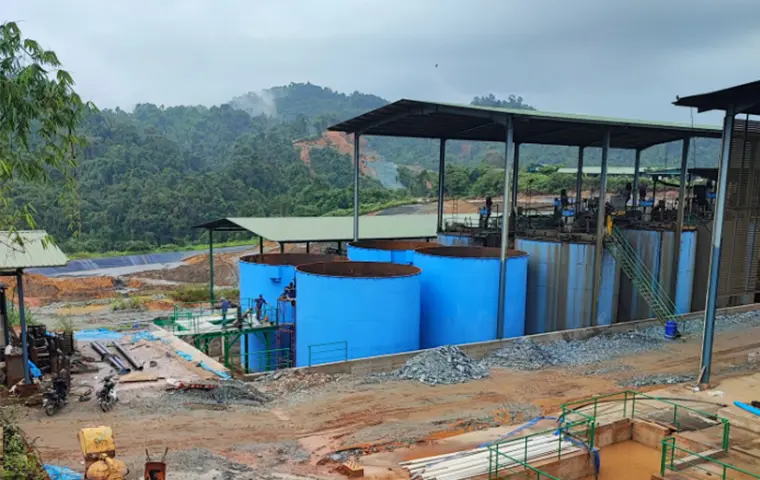
Ham Cevher: Refraktör ve Yarı Refraktör Sülfid Altın Cevheri Altın Gradyanı: 2.65 g/t Altın Külçe Saflığı: ≥%95.5
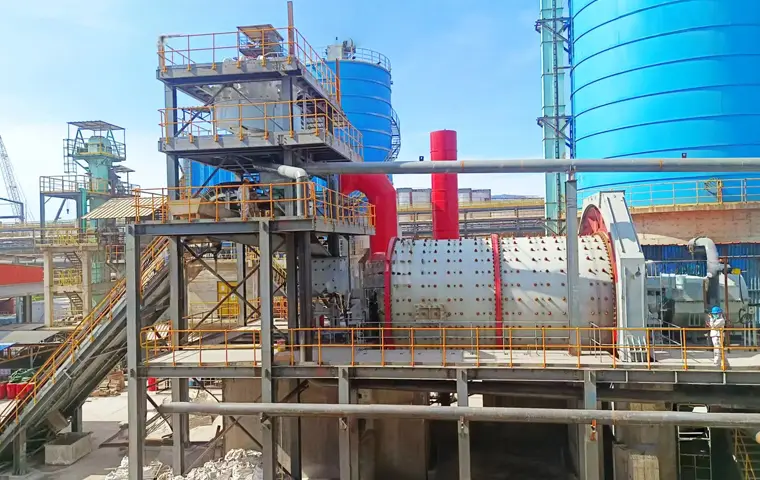
Ham Madde: Yüksek Kalsiyumlu Kireçtaşı Son Ürün: Çimento Ham Madde Tozu (200 elek) ve İnşaat Agrega
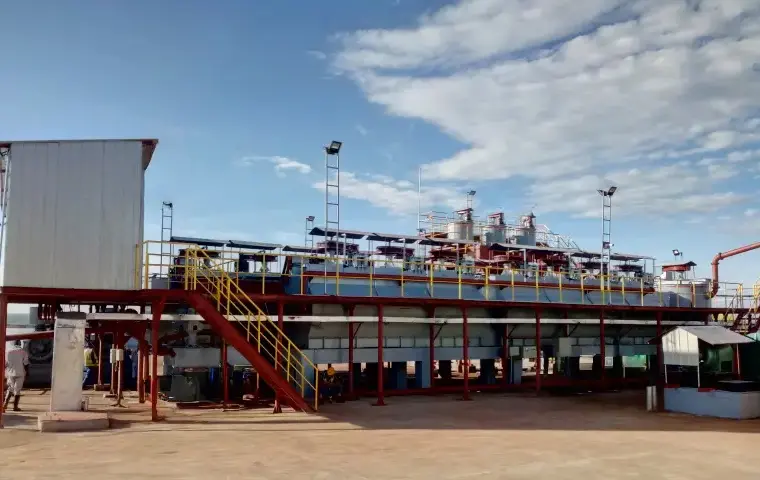
Ham Madde: Silisyum ve karbonatlar içeren karma fosfat cevheri P2O5 Derecesi: %18,5 Konsantre Derecesi: %32 P2O5
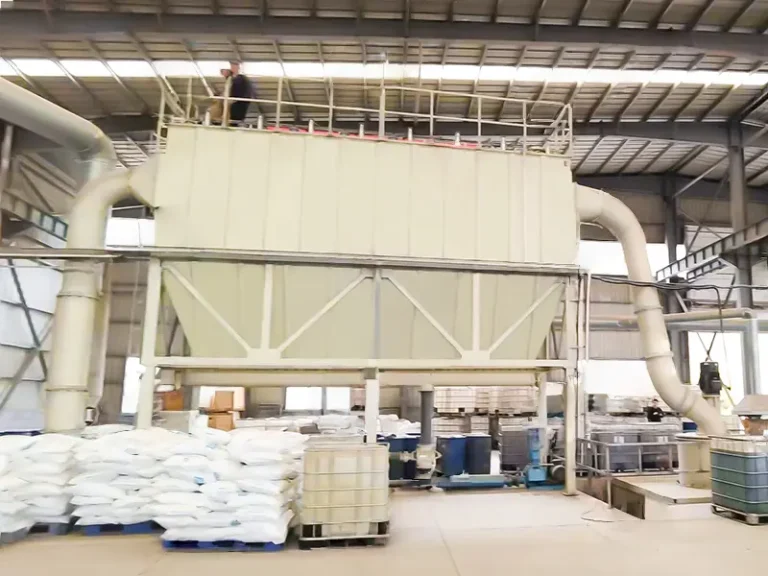
Ham Maden: Dolomit Taşı (CaMg(CO₃)₂) Besleme Boyutu: ≤10 mm Nihai Ürün: Ultra İnce Dolomit Tozu
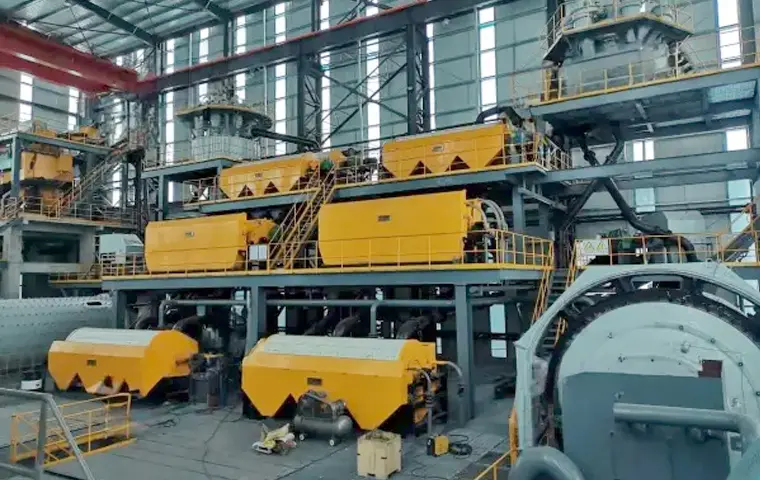
Ham Madde: Hematit Bantlı Magnetit Demir Kumu Demir Derecesi: %28-32 Son Ürün: Yüksek Dereceli Demir Konsantresi
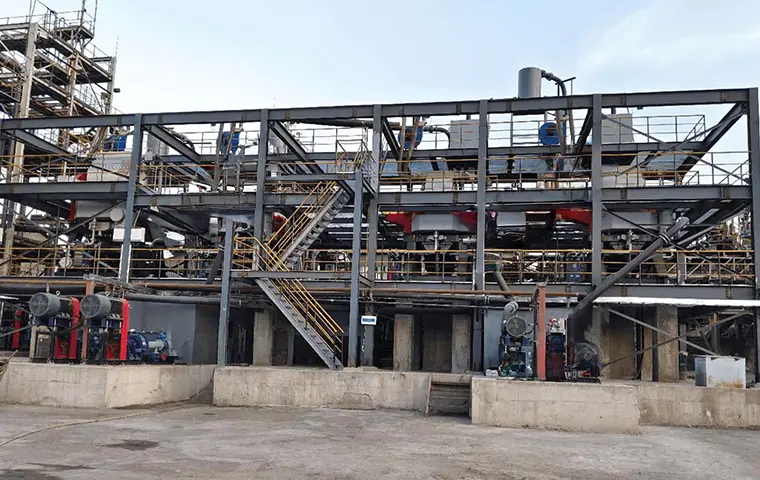
Ham Cevher: Güney Afrika Krom Cevheri Orijinal Cr₂O₃ Derecesi: %38 Yükseltilmiş Konsantre Derecesi: %46
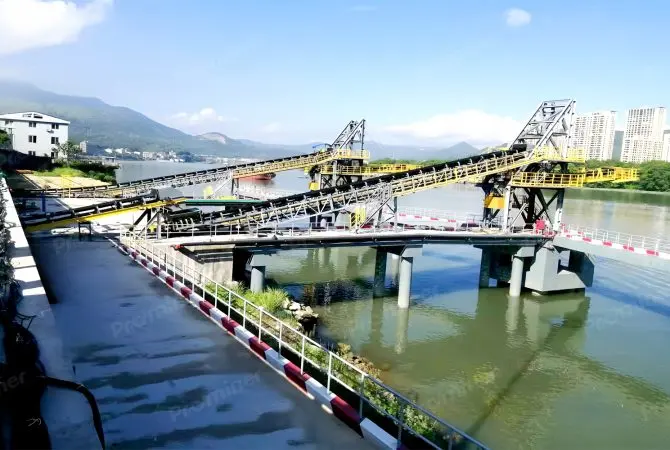
Farklı amaçlar için yanal eğimli bantlı konveyörler de dâhil olmak üzere konveyör çözümlerini sağlayabiliriz
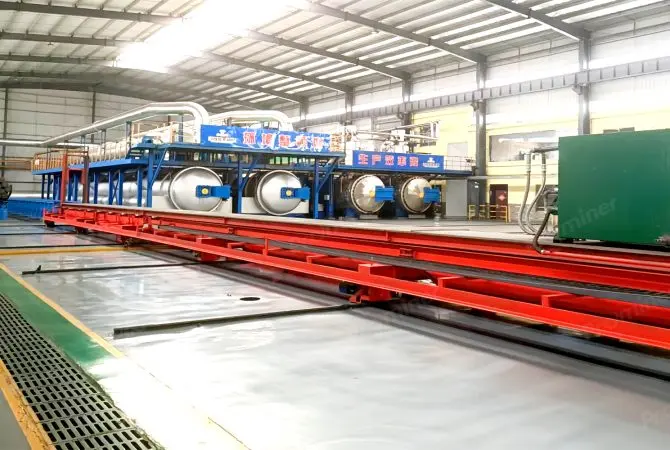
Bir kere pişirilmiş grafitin sıcak-havale ve soğuk-havale yüksek basınçta imuşturulması hizmetini sunabiliriz
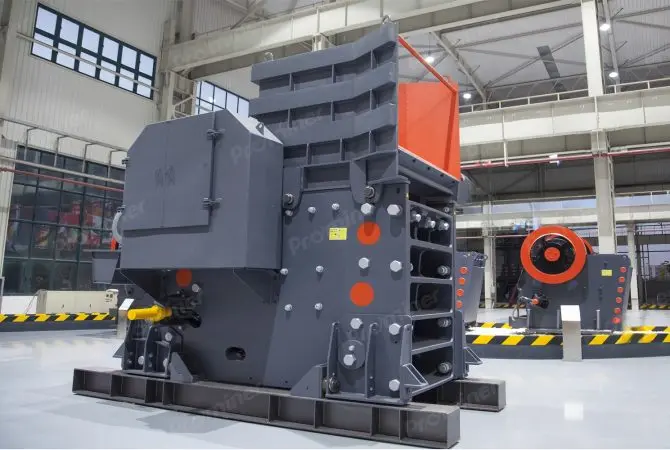
Çene Kırıcı, açıklık boyutu maksimum besleme boyutunu belirler. Bir çene kırıcının kırma odası
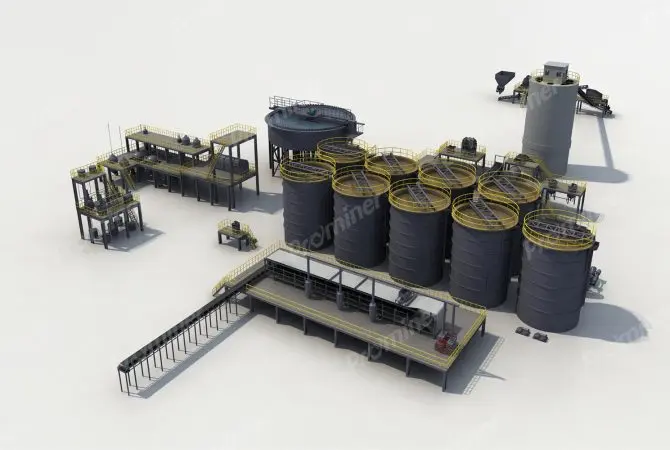
Prominer CIL (karbon çözümde) sistemi için tam çözümü sağlayabilir
Ürünlerimiz ve çözümlerimiz hakkında daha fazla bilgi almak için lütfen aşağıdaki formu doldurun ve uzmanlarımızdan biri kısa süre içinde sizinle iletişime geçecektir.
Shandong Eyaletindeki 3000 TPD Altın Flotasyon Projesi
2500TPD Lityum Cevheri Flotasyonu Sichuan'da.
Faks: (+86) 021-60870195
Adres:No.2555,Xiupu Yolu, Pudong, Şanghay
Telif Hakkı © 2023.Prominer (Şanghay) Madencilik Teknolojisi A.Ş.