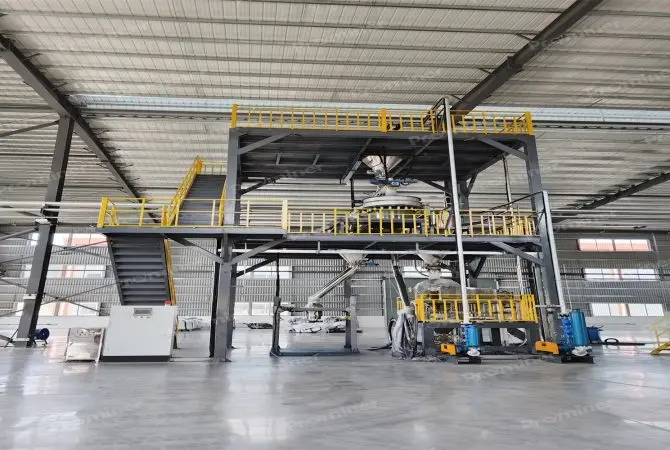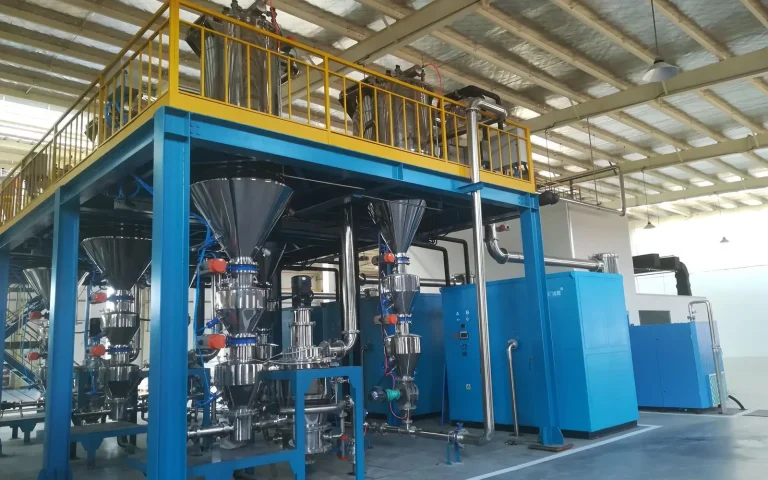
Silisyum bazlı anot, silisyumu bileştiren bir kompozit anot malzemesi türüdür



Fosfat cevheri yükseltimi için flotasyon ajanları seçmek, cevherin mineralojik özellikleri ve işleme gereksinimleri hakkında derinlemesine bir anlayış gerektiren kritik bir adımdır. Flotasyon ajanları seçerken dikkate alınması gereken ana noktalar ve adımlar aşağıda verilmiştir:
Flotasyon ajanları, toplayıcılar, bastırıcılar, aktive ediciler, köpürtücüler ve pH modifikasyonlarını içerir. Doğru kombinasyonu seçmek, cevherin özelliklerine ve ayrım hedeflerine bağlıdır.
Flotasyon maddelerinin konsantrasyonunu en iyi geri kazanımı sağlarken maliyetleri ve reaktanın tüketimini minimize edecek şekilde hassas ayar yapın. Optimal dozajları belirlemek için laboratuvar testleri veya modelleme simülasyonları gerçekleştirin.
Doğru test ve optimizasyon ile, flotasyon ajanları yüksek kaliteli fosfat konsantreleri elde etmek için etkili bir şekilde seçilebilir.
Prominer (Shanghai) Maden Teknolojisi Ltd. Şti., küresel çapta tam mineral işleme ve gelişmiş malzeme çözümleri sunmaktadır. Çekirdek odak alanlarımız şunları içerir: altın işleme, lityum cevheri zenginleştirme, endüstriyel mineraller. Anot malzemesi üretimi ve grafit işleme konusunda uzmanlaşmıştır.
Ürünler şunları içerir: Uğrama ve Sınıflandırma, Ayrıştırma ve Kurutma, Altın Rafinasyon, Karbon/Grafit İşleme ve Çözünme Sistemleri.
Mühendislik tasarımı, ekipman üretimi, kurulum ve operasyonel destek dahil olmak üzere uçtan uca hizmetler sunuyoruz, 7/24 uzman danışmanlık desteğiyle.
Web Sitemizin URL'si:Üzgünüm, ancak belirttiğiniz URL'yi ziyaret edip içeriğini çeviremiyorum. Ancak, içeriği buraya yapıştırırsanız, size çeviride yardımcı olabilirim.
E-Posta Adresimiz:
[email protected]
Satışlarımız:+8613918045927(Richard),+8617887940518(Jessica)+8613402000314(Bruno)
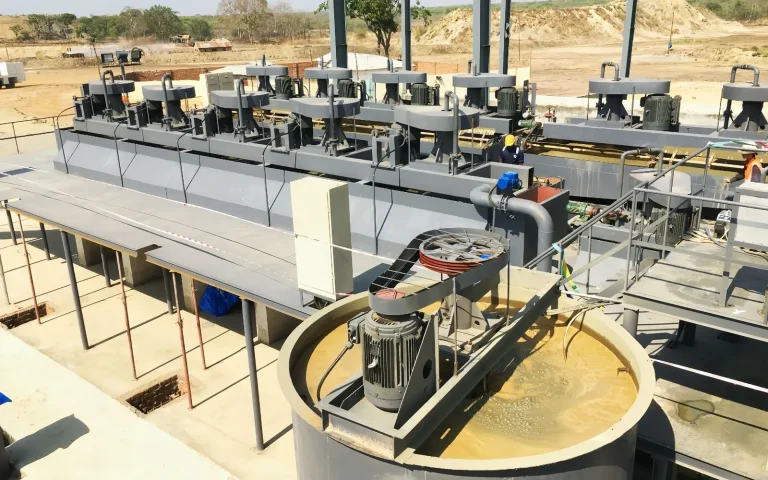
Doğal grafit cevheri iki türe ayrılmaktadır: kristalin grafit ve amorf grafit
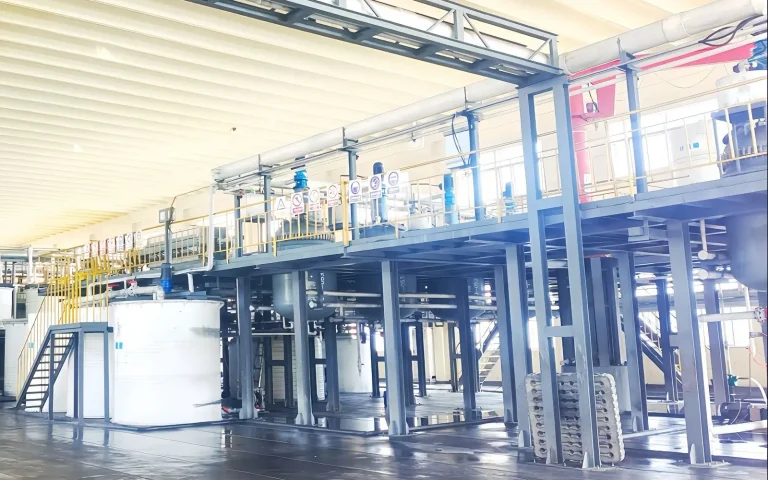
Pul grafit, yüksek karbon grafit, yüksek saflıkta grafit, genişletilebilir grafit üretiminde kullanılabilir.

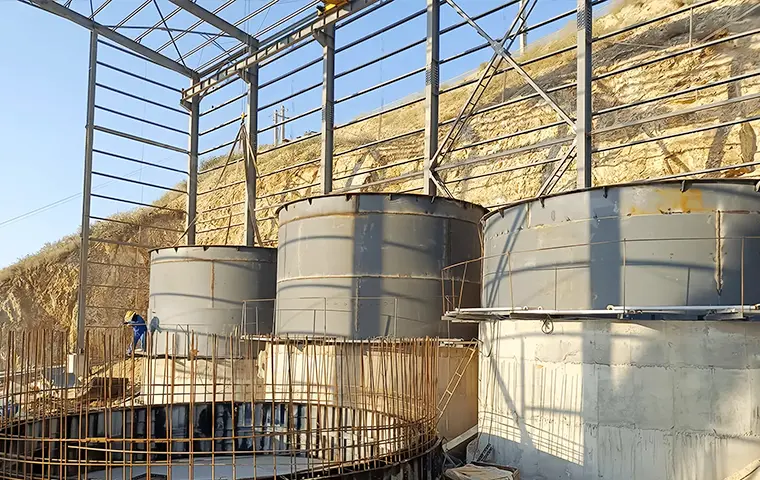
Ham Cevher: Havanın Aşındırdığı Oksit Altın Cevheri Altın Gradyanı: 1.8 g/t Altın Kurtarma Oranı: %90.5
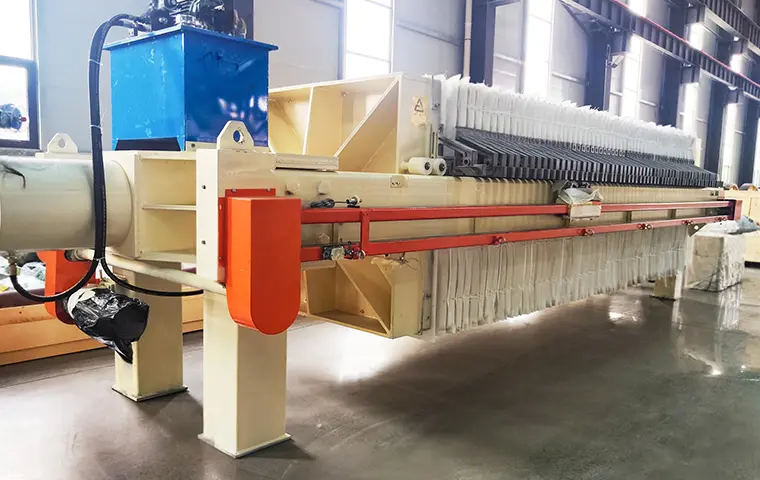
Proje Arka Planı: Nem içeriğini azaltmak ve kuru yığın bertarafına olanak sağlamak için flotasyon konsantresi ve tesis atıkları için suyun boşaltılması devresinin yükseltilmesi.
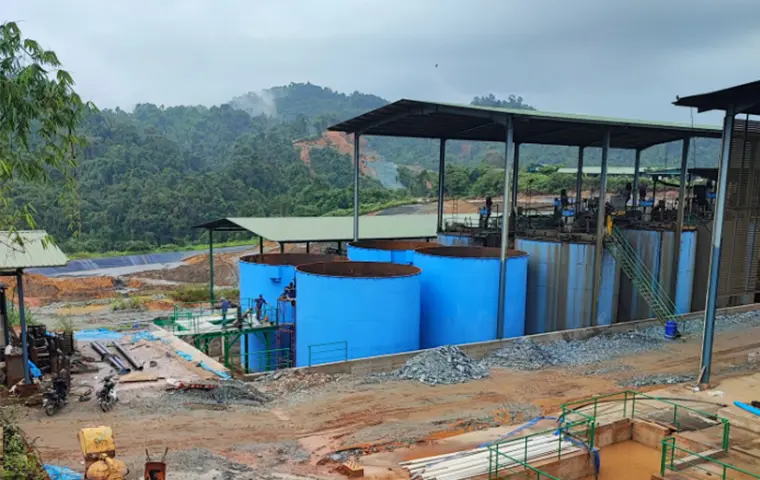
Ham Cevher: Refraktör ve Yarı Refraktör Sülfid Altın Cevheri Altın Gradyanı: 2.65 g/t Altın Külçe Saflığı: ≥%95.5
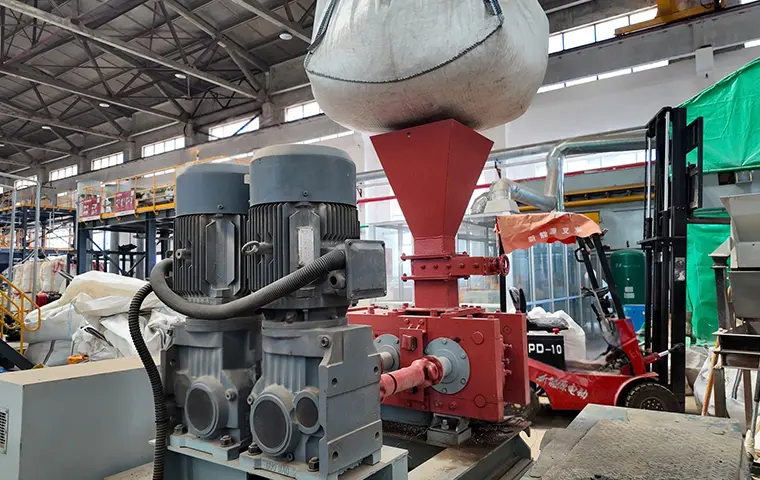
Proje Amacı: Optimal işleme akış şemasını belirlemek ve tam ölçekli bir tesis için ölçek büyütme verileri sağlamaktır.
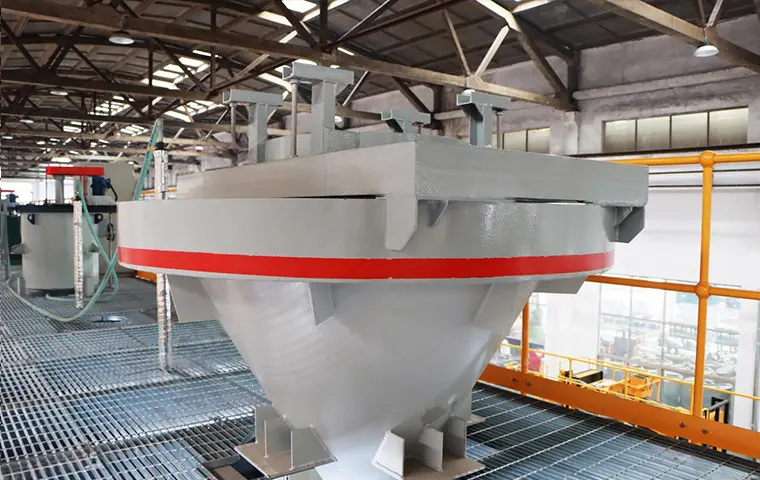
Ham Maden: Sülfür tipi Altın Maden Altın Derecesi: 3,5 g/t Nihai Ürün: Altın Külçe Altın Geri Kazanım Oranı: %96
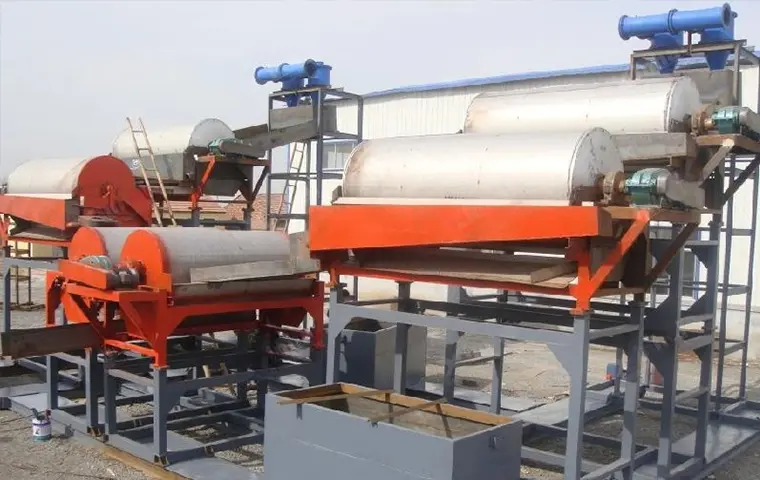
Ham Cevher: Hausmannit Cevheri (Mn₃O₄) Mn Gradyanı: %35 Nihai Ürün: Hausmannit Konsantresi Mn Gerçekleştirme Oranı: %88
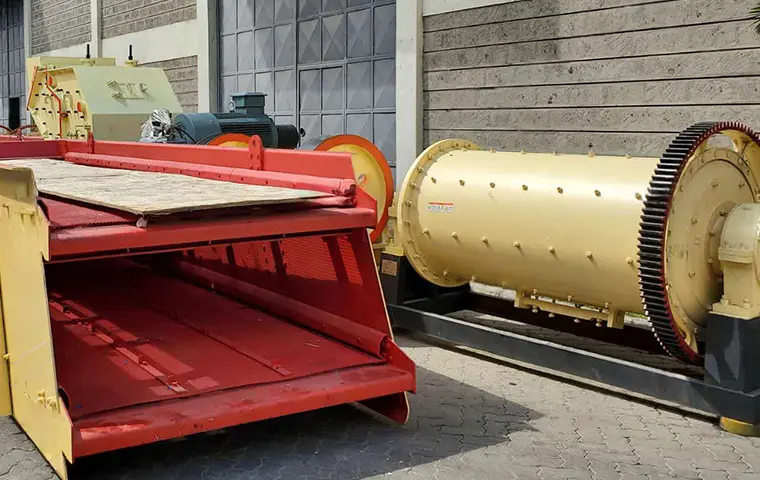
Ham Maden: Karışık Oksit ve Sülfid Altın Maden Altın Derecesi: 3.5 g/t Altın Kurtarma Oranı: %92
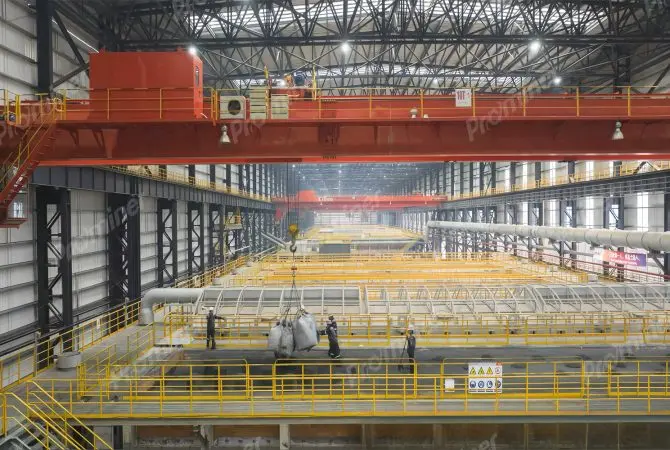
Karbon malzemesini değiştirmek için farklı tipte grafitizasyon fırını sağlayabiliriz
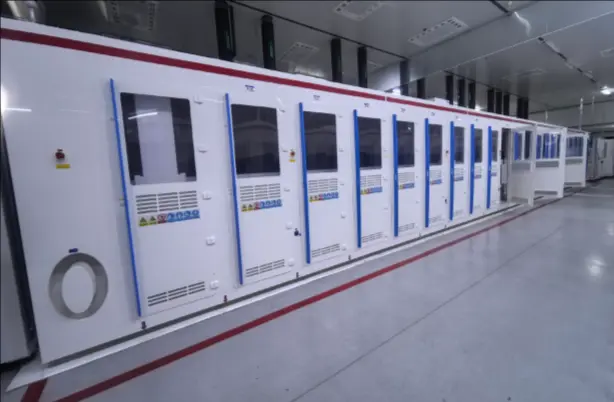
Dahil: Tek kristal partiler için tekstürleme ekipmanı, parti tekstürleme yükleme/boşaltma ünitesi, düşük basınçlı…
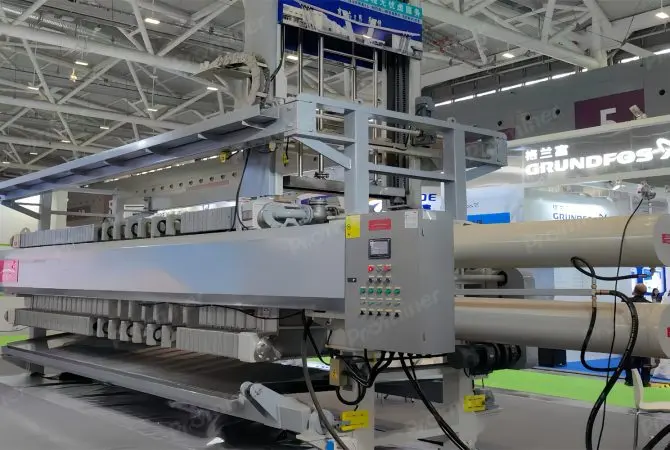
Prominer basınç filtresi, bant vakum filtresi, disk vakum filtresi ve seramik filtre sağlayabilir
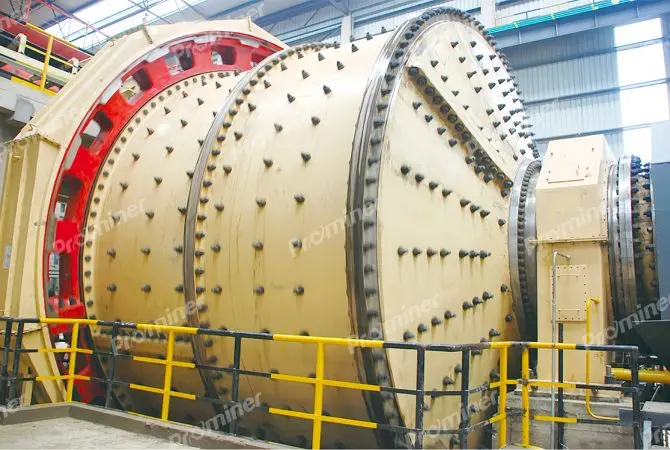
AG/SAG, otojen değirmen ve yarı-otojen değirmen için kısaltmadır, iki fonksiyonu birleştirir: kırma
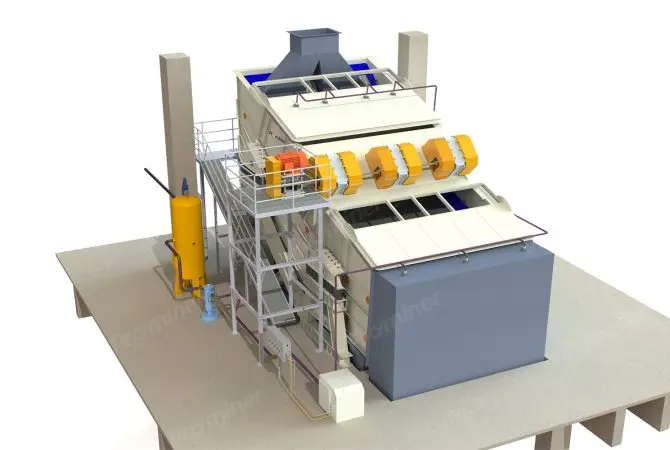
Flip-flow elek panelinin genişleyip daralmasını sağlayarak yüksek ivme oranlarına ulaşma yeteneğine sahiptir
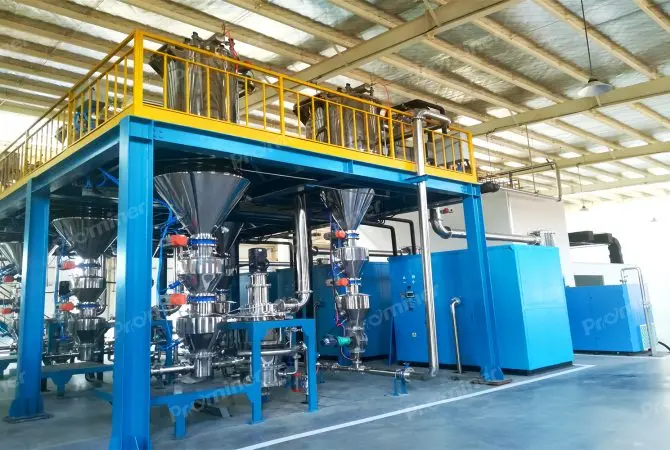
Jet mil, çoklu nozul kullanarak ses hızı hava akışı oluşturan sıvılaşmış yatak jet milidir.
Ürünlerimiz ve çözümlerimiz hakkında daha fazla bilgi almak için lütfen aşağıdaki formu doldurun ve uzmanlarımızdan biri kısa süre içinde sizinle iletişime geçecektir.
Shandong Eyaletindeki 3000 TPD Altın Flotasyon Projesi
2500TPD Lityum Cevheri Flotasyonu Sichuan'da.
Faks: (+86) 021-60870195
Adres:No.2555,Xiupu Yolu, Pudong, Şanghay
Telif Hakkı © 2023.Prominer (Şanghay) Madencilik Teknolojisi A.Ş.