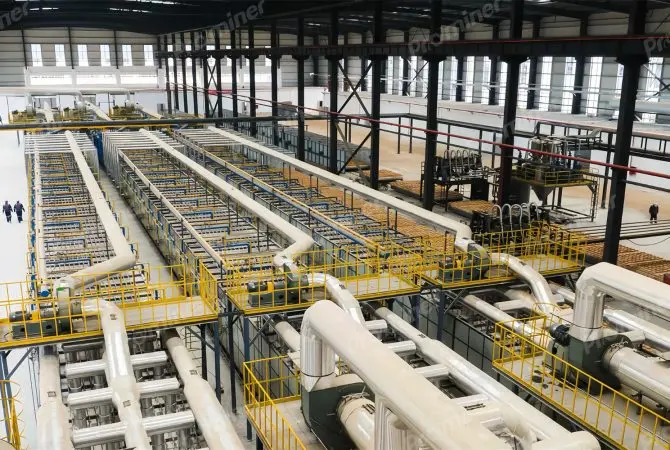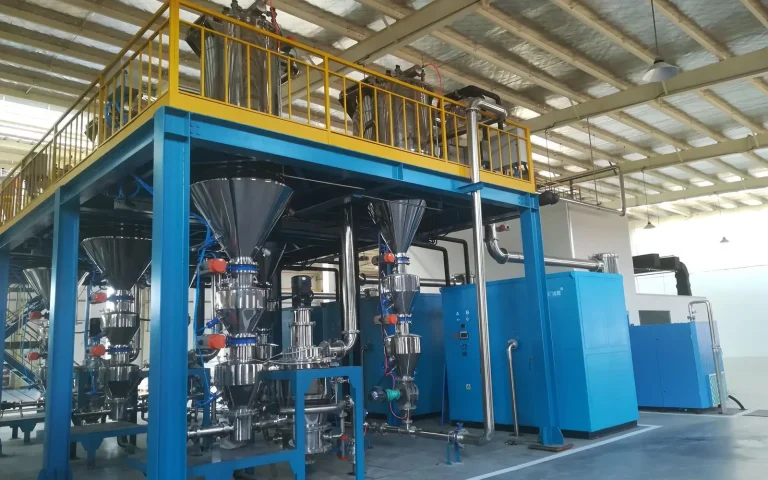
Silisyum bazlı anot, silisyumu bileştiren bir kompozit anot malzemesi türüdür



Bakır flotasyonu, geri kazanım oranlarını, saflığı (temizlik) ve genel başarıyı önemli ölçüde etkileyebilen birkaç kritik faktörden etkilenen karmaşık bir süreçtir. Bakır flotasyonunun başarısını belirleyen temel faktörler şunlardır:
Bakır flotasyon başarısını optimize etmek için, süreç değişkenlerini dikkatlice kontrol etmek, cevherin mineralojik özelliklerine uyum sağlamak ve işletme koşullarını sürekli izlemek ve ayarlamak önemlidir. Laboratuvar testleri, pilot ölçekli deneyler ve gerçek zamanlı çevrimiçi izleme kombinasyonu, yüksek geri kazanım ve kalite sağlarken işletme maliyetlerini azaltabilir.
Prominer (Shanghai) Maden Teknolojisi Ltd. Şti., küresel çapta tam mineral işleme ve gelişmiş malzeme çözümleri sunmaktadır. Çekirdek odak alanlarımız şunları içerir: altın işleme, lityum cevheri zenginleştirme, endüstriyel mineraller. Anot malzemesi üretimi ve grafit işleme konusunda uzmanlaşmıştır.
Ürünler şunları içerir: Uğrama ve Sınıflandırma, Ayrıştırma ve Kurutma, Altın Rafinasyon, Karbon/Grafit İşleme ve Çözünme Sistemleri.
Mühendislik tasarımı, ekipman üretimi, kurulum ve operasyonel destek dahil olmak üzere uçtan uca hizmetler sunuyoruz, 7/24 uzman danışmanlık desteğiyle.
Web Sitemizin URL'si:Üzgünüm, ancak belirttiğiniz URL'yi ziyaret edip içeriğini çeviremiyorum. Ancak, içeriği buraya yapıştırırsanız, size çeviride yardımcı olabilirim.
E-Posta Adresimiz:
[email protected]
Satışlarımız:+8613918045927(Richard),+8617887940518(Jessica)+8613402000314(Bruno)
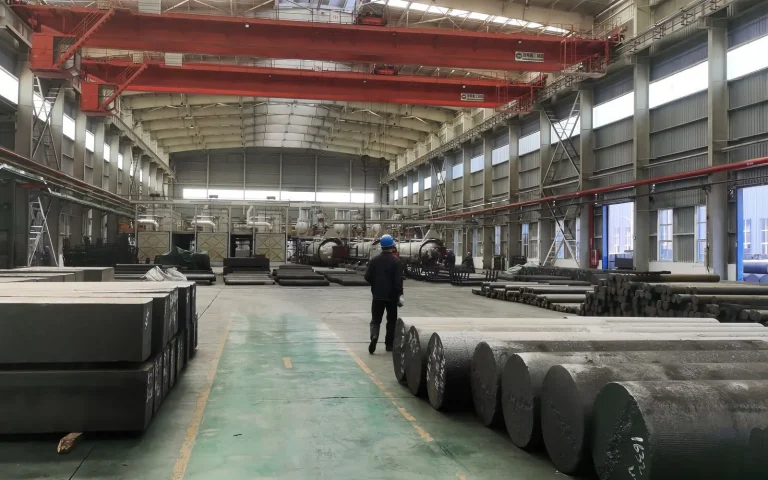
UHP grafit elektrotu, çelik eritme endüstrisinde ultra yüksek güçlü elektrik ark ocakları için kullanılır.
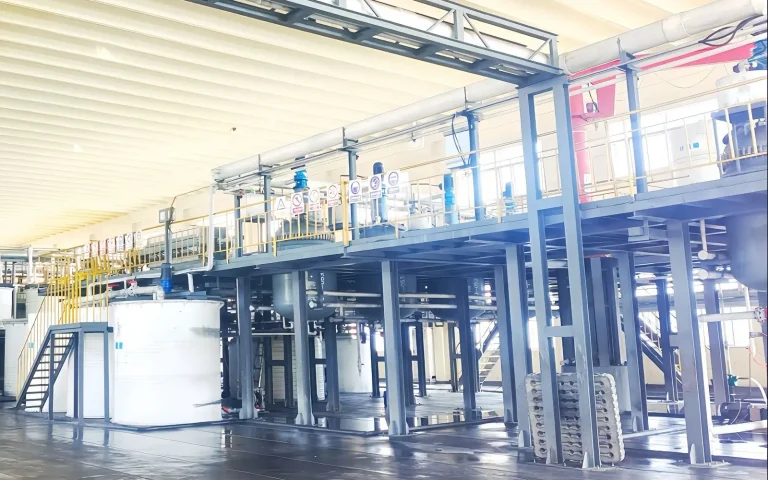
Pul grafit, yüksek karbon grafit, yüksek saflıkta grafit, genişletilebilir grafit üretiminde kullanılabilir.

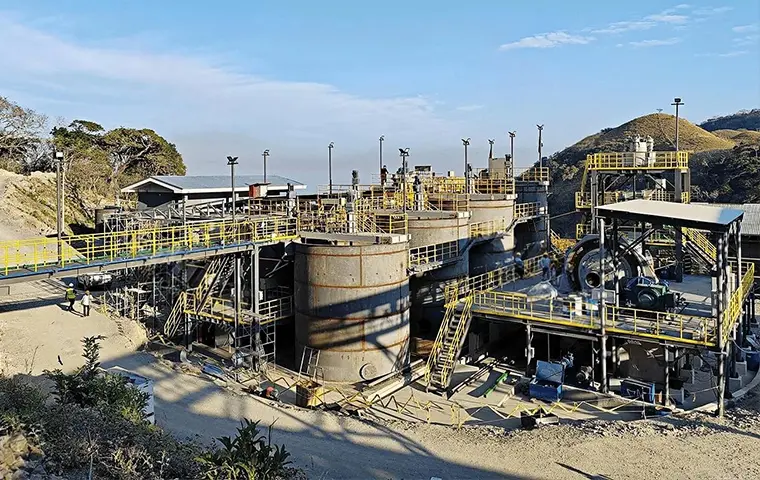
Ham Maden: Sülfürlü Tip Bakır Maden (Düşük kaliteli, heterojen) Yem Bakır Oranı: %0,45 Konsantre Bakır Oranı: %25
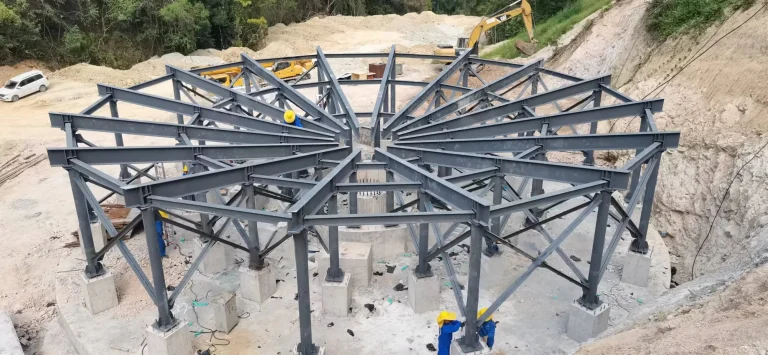
Hammadde: Florit Cevheri (CaF₂) Florit Derecesi: %35-40 Konsantre Derecesi: ≥%97 CaF₂

Raw Material: Existing gold plant tailings (All-slime) Gold Grade in Tailings: 1.2 g/t Final Product: Gold Ingot
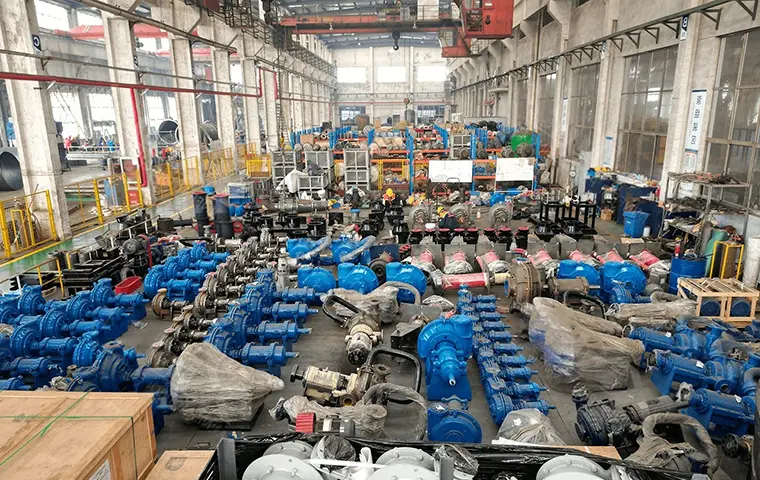
Ham Maden: Kristal Pul Grafit Maden Besleme Karbon Gradı: %8–12 (Değişken) Nihai Ürün: Yüksek Saflıkta Pul Grafit Konsantresi
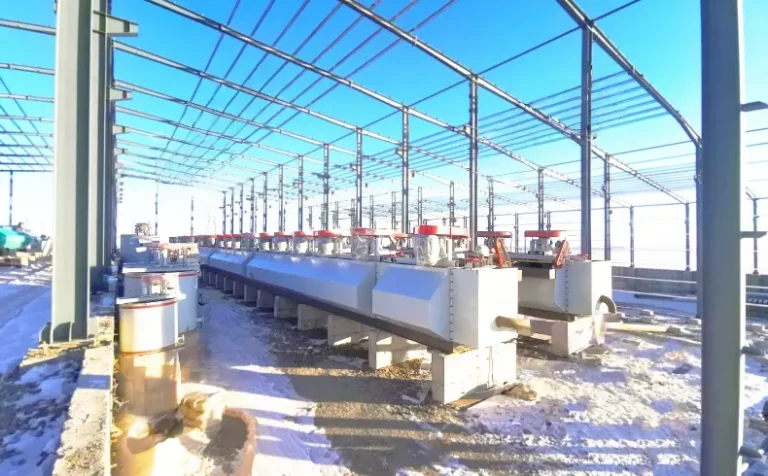
Ham Madde: Bakır Sülfür Madeni Bakır Derecesi: %0,85 Son Ürün: Bakır Konsantresi
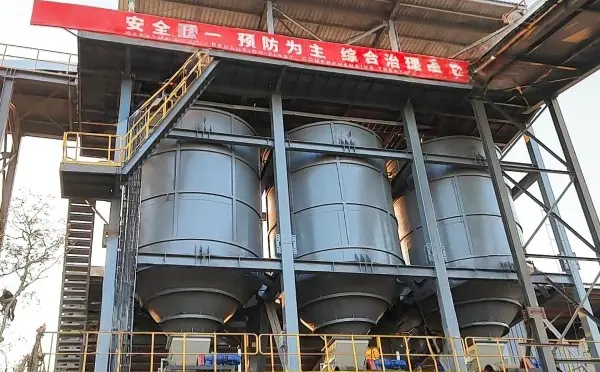
Ham Maden: Lepidolit, Spodumene, Gang Madenler: Kuvars, Feldspat, Mika Li₂O Derecesi: %0.8
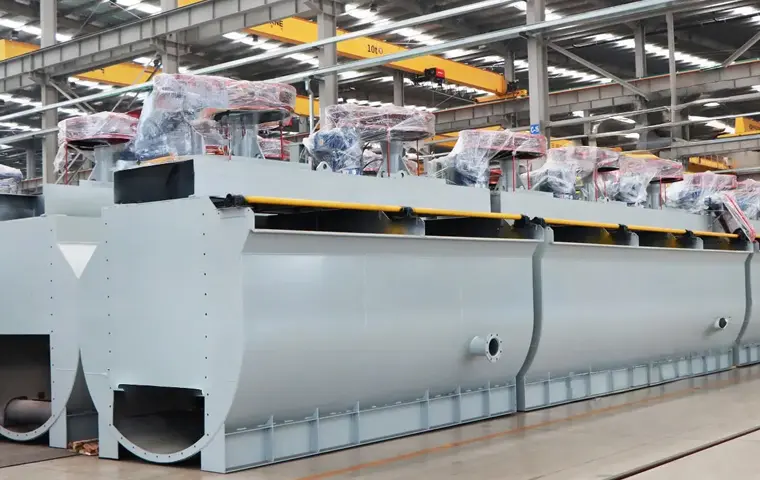
Ham Maden: Piritli Altınlı Sülfürlü Maden Altın Derişimi: 3.8 g/t Konsantre Derişimi: 42 g/t Au
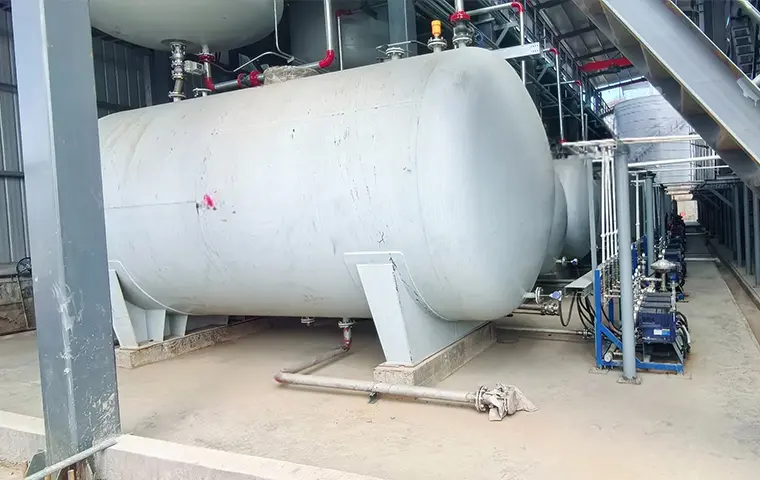
Ham Maden: Spodumene Lityum Maden Li2O Derecesi: %1.5 Konsantre Derecesi: %6.0
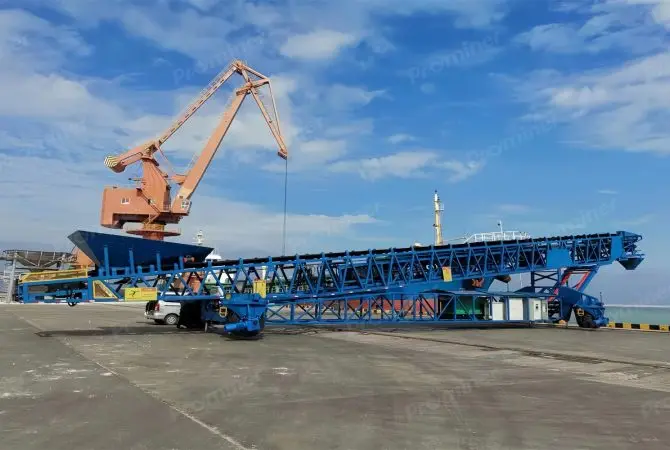
Mühendis ekibimiz mobil tip radyal yığıncı, yükleyici tasarlayıp üretebilir
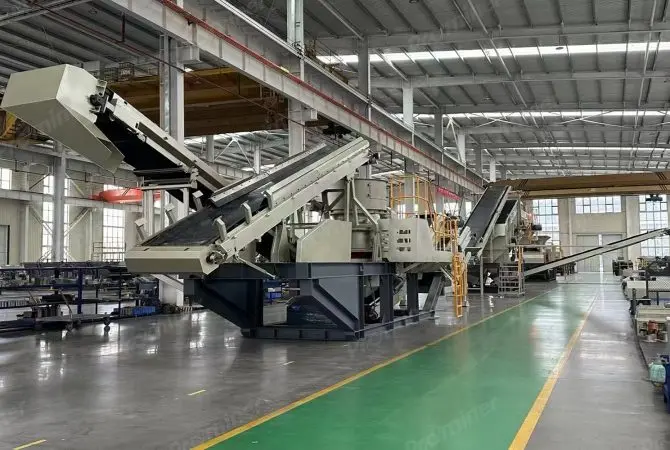
Skid monteli taşınabilir kırıcı, piyasa gereksinimlerine dayalı olarak bir yerden diğerine daha kolay hareket etme imkanı sunar
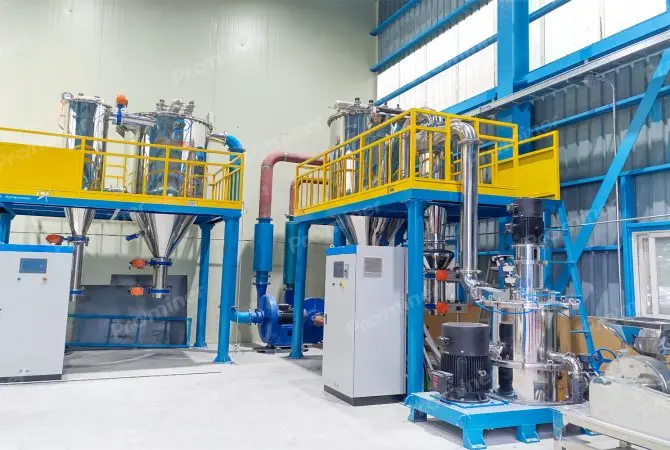
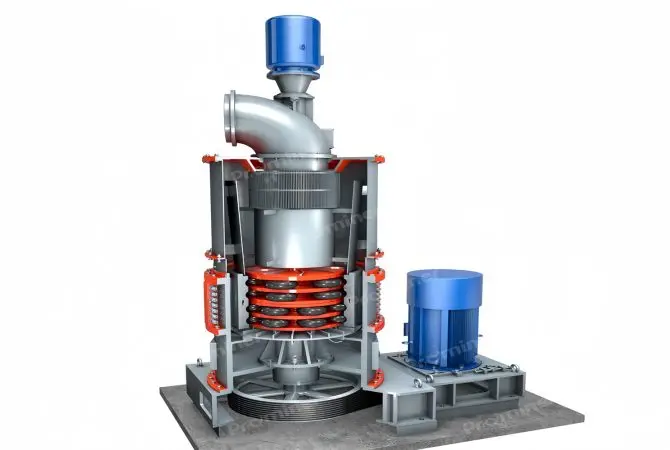
Darbe değirmenimiz, ultrafin öğütme gerçekleştirmek için yüksek hızlı mekanik bir değirmendir ve esasen
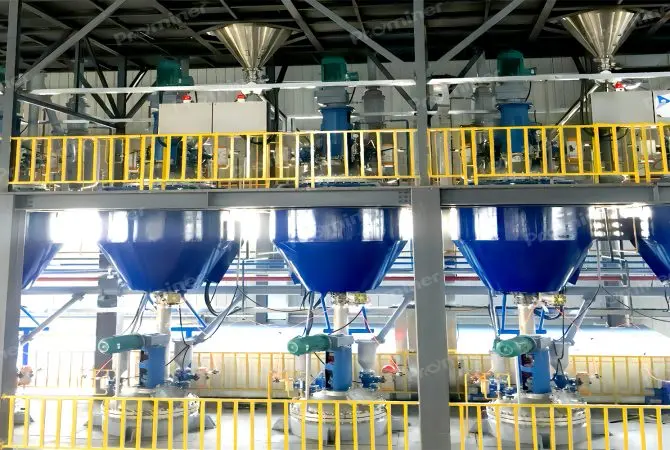
Granülasyon reaktörümüz, kaplama ve granülasyon işleme fonksiyonlarını bir araya getirir
Ürünlerimiz ve çözümlerimiz hakkında daha fazla bilgi almak için lütfen aşağıdaki formu doldurun ve uzmanlarımızdan biri kısa süre içinde sizinle iletişime geçecektir.
Shandong Eyaletindeki 3000 TPD Altın Flotasyon Projesi
2500TPD Lityum Cevheri Flotasyonu Sichuan'da.
Faks: (+86) 021-60870195
Adres:No.2555,Xiupu Yolu, Pudong, Şanghay
Telif Hakkı © 2023.Prominer (Şanghay) Madencilik Teknolojisi A.Ş.