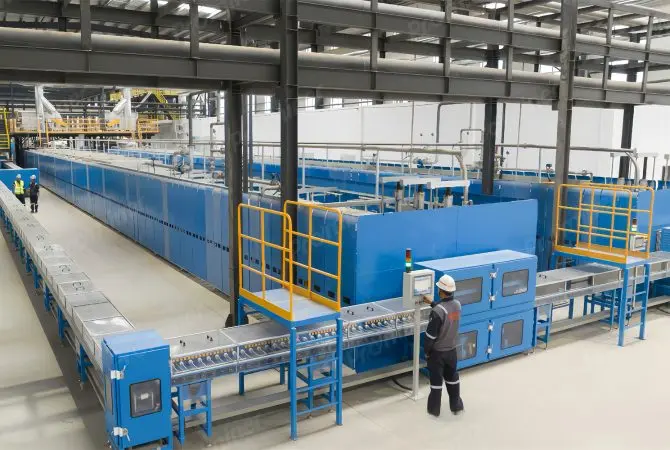
Altın cevheri işleme sürecinde, örneğin CIL/CIP Sistemi, Yüzdürme Hücresi gibi önemli ekipmanlar sağlama.


/
/
Hangi Fosfat İşleme Yöntemleri Kaliteyi ve Geri Kazanımı Maksimize Eder?

Fosfat işleme yöntemi, kaliteli ve geri kazanımın maksimize edilmesi için mineralojik bileşim, safsızlıklar ve cevherin parçacık boyutuna bağlıdır. Aşağıda, kaliteyi ve geri kazanımı optimize eden fosfat cevheri işleme için etkili ve yaygın olarak kullanılan bazı yöntemler yer almaktadır:
Köpük flotasyonu, fosfat kalitesini ve geri kazanımını maksimize etmek için en yaygın ve etkili yöntemdir, özellikle ince taneli cevherler için. Kalın taneli veya yüksek karbonatlı cevherlerde ise gravite ayrımı, kalsinasyon veya kimyasal işlem uygulanabilir. Cevherin mineralojik özelliklerinin detaylı bir şekilde anlaşılması ve birden fazla yönteminin doğru entegrasyonu genellikle en iyi sonuçları verir.
Prominer (Shanghai) Maden Teknolojisi Ltd. Şti., küresel çapta tam mineral işleme ve gelişmiş malzeme çözümleri sunmaktadır. Çekirdek odak alanlarımız şunları içerir: altın işleme, lityum cevheri zenginleştirme, endüstriyel mineraller. Anot malzemesi üretimi ve grafit işleme konusunda uzmanlaşmıştır.
Ürünler şunları içerir: Uğrama ve Sınıflandırma, Ayrıştırma ve Kurutma, Altın Rafinasyon, Karbon/Grafit İşleme ve Çözünme Sistemleri.
Mühendislik tasarımı, ekipman üretimi, kurulum ve operasyonel destek dahil olmak üzere uçtan uca hizmetler sunuyoruz, 7/24 uzman danışmanlık desteğiyle.
Web Sitemizin URL'si:Üzgünüm, ancak belirttiğiniz URL'yi ziyaret edip içeriğini çeviremiyorum. Ancak, içeriği buraya yapıştırırsanız, size çeviride yardımcı olabilirim.
E-Posta Adresimiz:
[email protected]
Satışlarımız:+8613918045927(Richard),+8617887940518(Jessica)+8613402000314(Bruno)
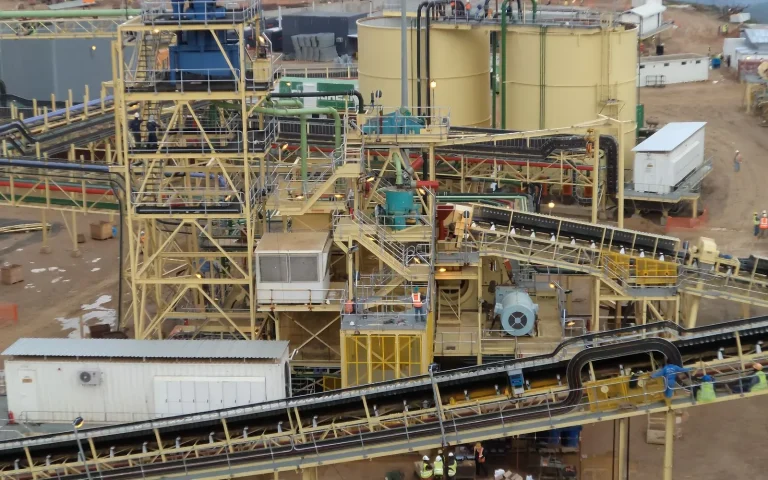
Altın cevheri işleme sürecinde, örneğin CIL/CIP Sistemi, Yüzdürme Hücresi gibi önemli ekipmanlar sağlama.
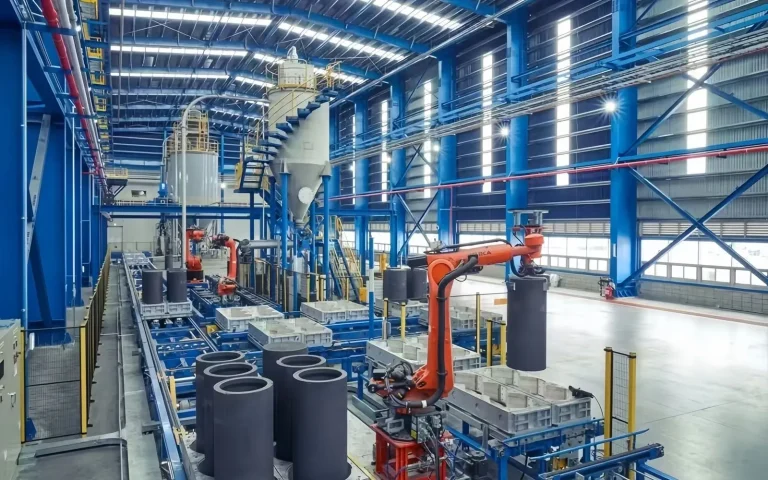
Grafit anot malzemesi üretiminin tamamını kapsayan çözümü, öğütme, şekillendirme, arıtma... gibi adımları içerir.
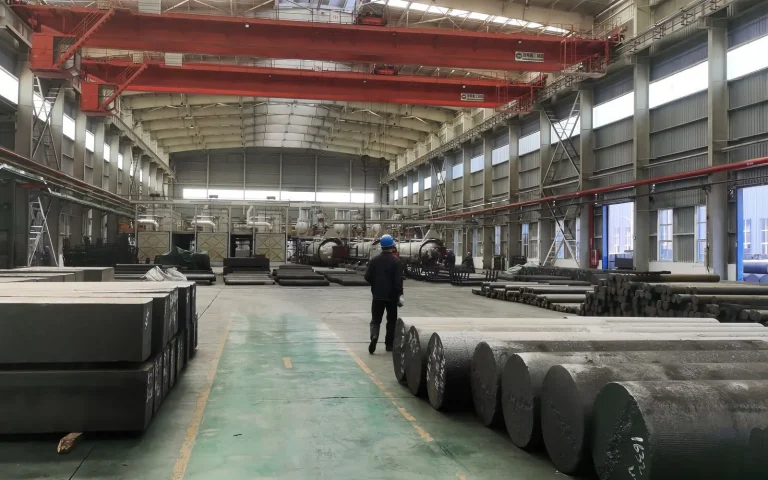
UHP grafit elektrotu, çelik eritme endüstrisinde ultra yüksek güçlü elektrik ark ocakları için kullanılır.

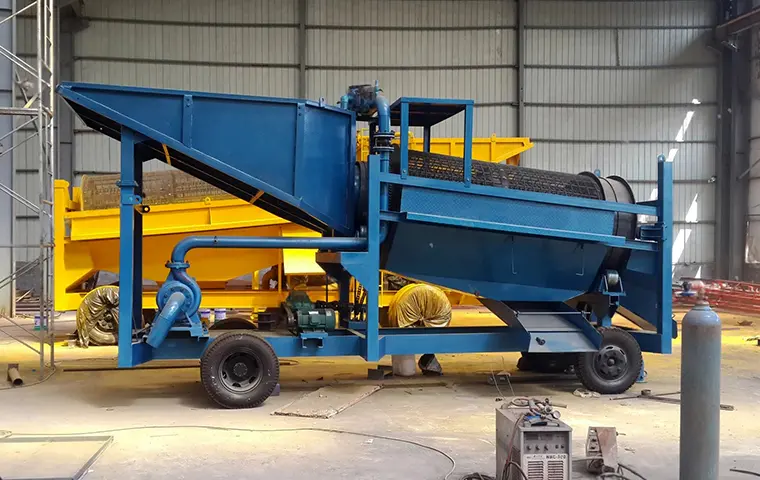
Ham Maden: Nehir yatağı ve teras tortularından elde edilen alüvyal altın oyuğu Altın Derecesi: 1,5 g/t Altın Kurtarma Oranı: %92
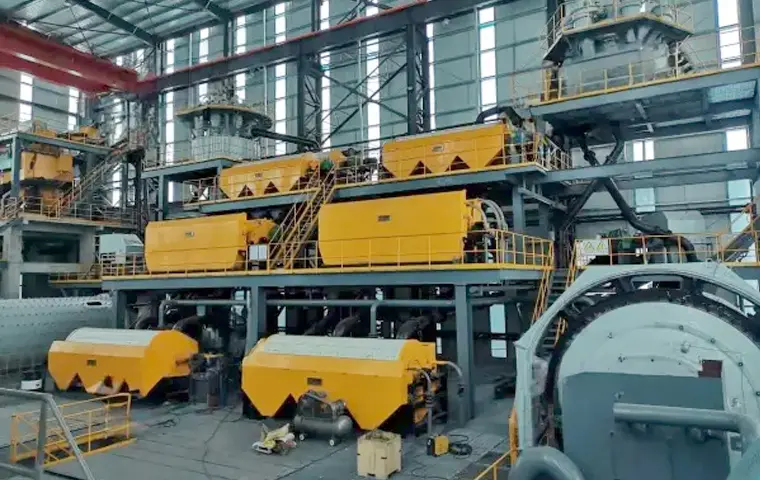
Ham Madde: Hematit Bantlı Magnetit Demir Kumu Demir Derecesi: %28-32 Son Ürün: Yüksek Dereceli Demir Konsantresi
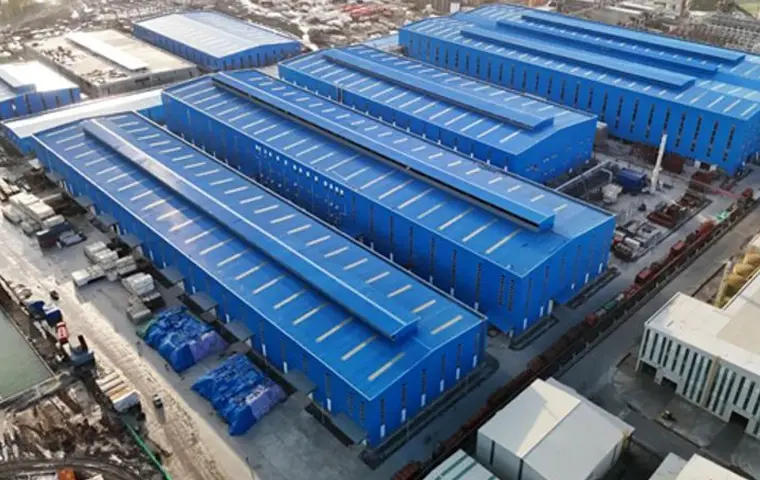
Hammadde: Petroleum Koku, İğne Koku, Pitch Bağlayıcı Proje Kapasitesi: Yılda 50.000 Ton
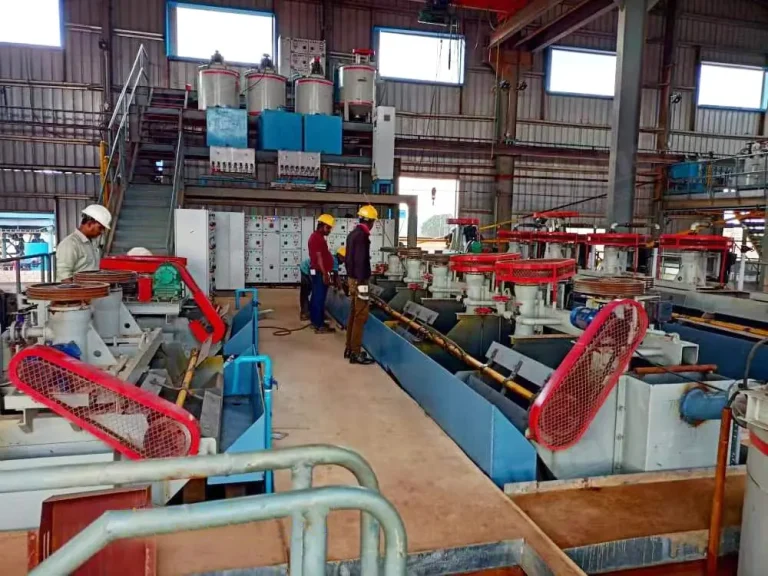
Ham Maden: Primer Sülfürlü Maden (Kalkopirit-Bornit) Bakır Derecesi: %0,72 Konsantre Derecesi: %28,3
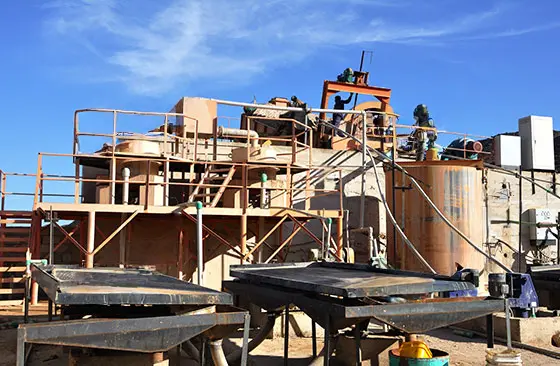
Ham Maden: Sülfürlü Altın-Bakır Madeni (Altın-Bakır oranı: 1:1.2) Altın Derecesi: 2.8 g/t Bakır Derecesi: %0.85
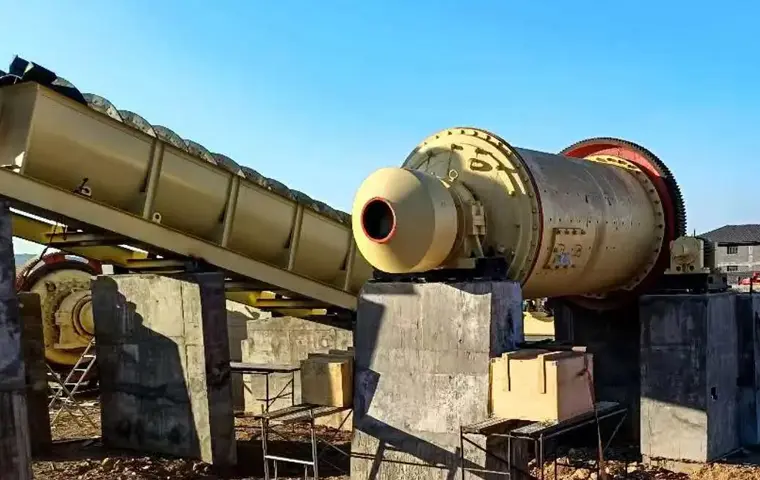
Ham Maden: Oksit Tipi Altın Maden Altın Derecesi: 2.5 g/t Altın Külçe Saflığı: %96
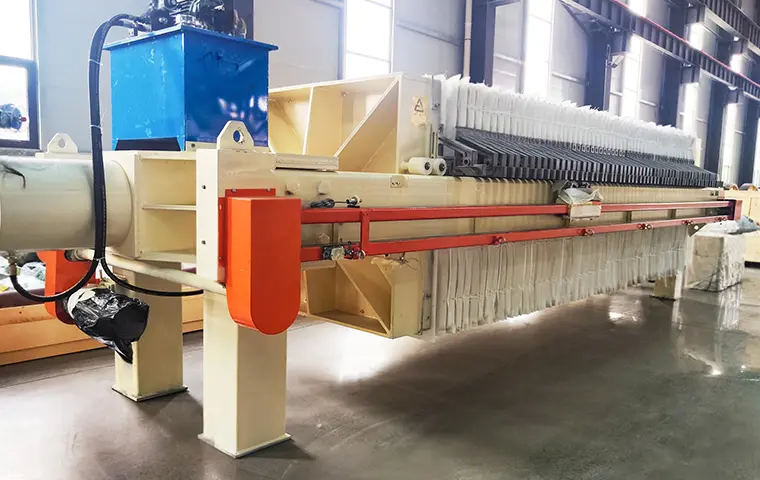
Proje Arka Planı: Nem içeriğini azaltmak ve kuru yığın bertarafına olanak sağlamak için flotasyon konsantresi ve tesis atıkları için suyun boşaltılması devresinin yükseltilmesi.
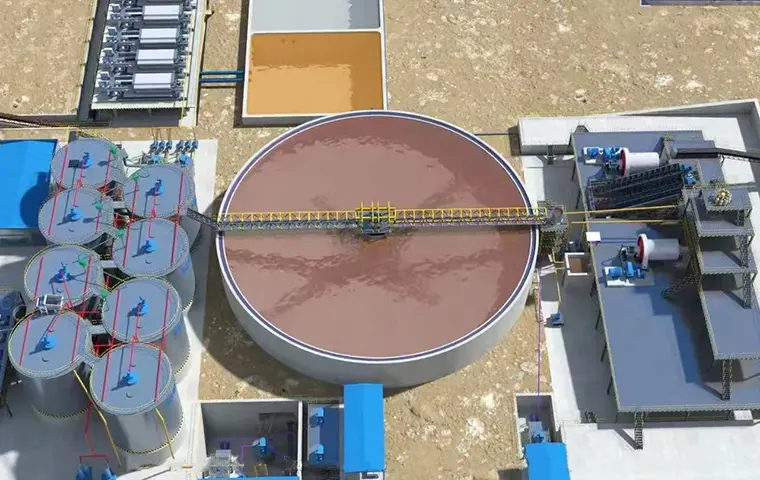
Ham Maden: Sülfürlü Tip Bakır Maden Özü (Ağırlıklı Olarak Kalkopirit) Bakır Oranı: %0,8 Nihai Ürün: Bakır Konsantresi
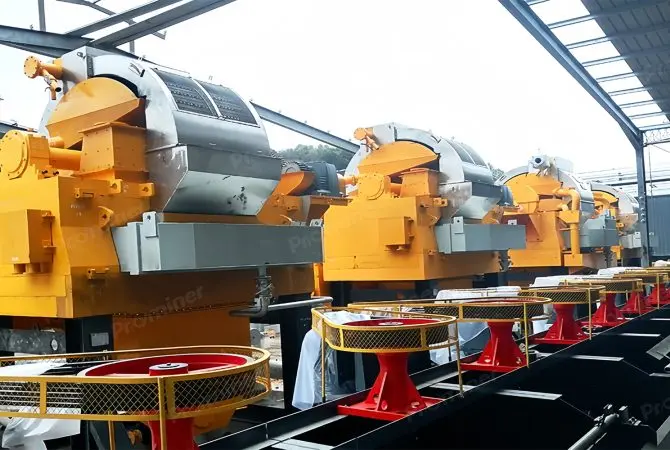
Prominer, farklı HIMS (Yüksek Yoğunluklu Manyetik Ayırıcı) manyetik ayırıcılar sağlayabilir
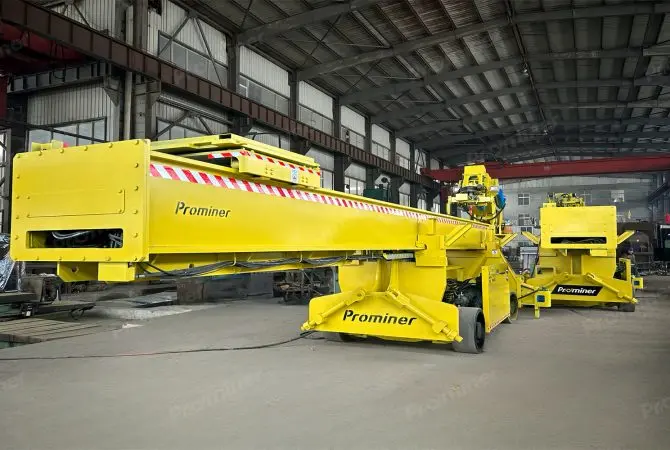
Değirmen yenileme makinesi (veya değirmen yenileme manipülatörü olarak adlandırılır) tasarlayıp üretebiliriz
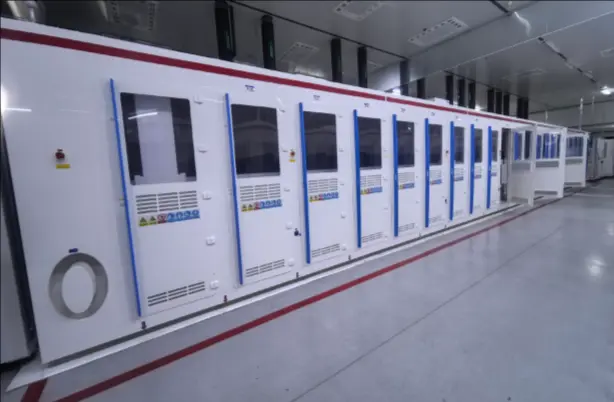
Dahil: Tek kristal partiler için tekstürleme ekipmanı, parti tekstürleme yükleme/boşaltma ünitesi, düşük basınçlı…
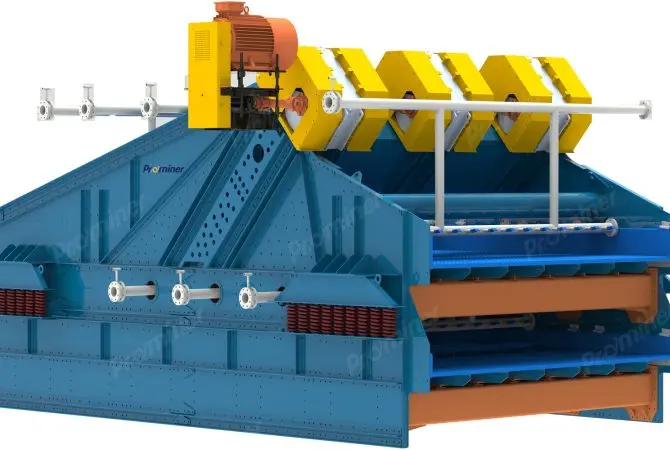
Prominer, mineral sınıflandırması, malzeme boyutlama, su giderme için her türlü lineer eleği sağlayabilir.
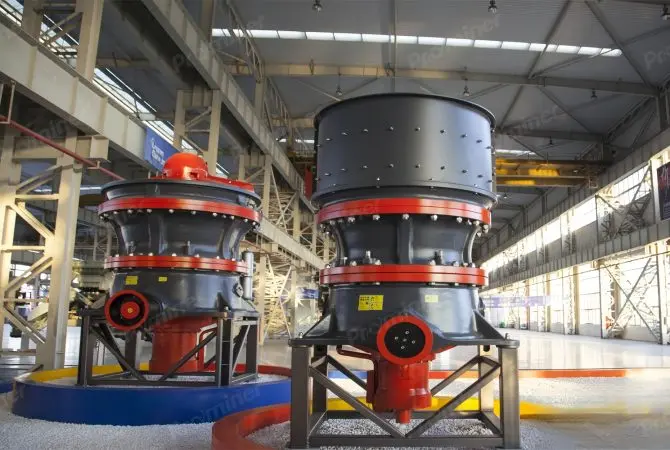
Tek silindişli hidrolik konik kırıcı, farklı boşluklara dayalı olarak iki seriye sahiptir, S-boşluğu tasarlanmıştır
Ürünlerimiz ve çözümlerimiz hakkında daha fazla bilgi almak için lütfen aşağıdaki formu doldurun ve uzmanlarımızdan biri kısa süre içinde sizinle iletişime geçecektir.
Shandong Eyaletindeki 3000 TPD Altın Flotasyon Projesi
2500TPD Lityum Cevheri Flotasyonu Sichuan'da.
Faks: (+86) 021-60870195
Adres:No.2555,Xiupu Yolu, Pudong, Şanghay
Telif Hakkı © 2023.Prominer (Şanghay) Madencilik Teknolojisi A.Ş.