

Матеріал анода з штучного графіту в основному виготовляється з високоякісного нафтококсу з низьким вмістом сірки



Оптимізація видобутку сфалериту з руд, багатих на залізо, може бути challenging через складні взаємодії між сфалеритом (ZnS) та залізо місткими мінералами, такими як пірит (FeS(_2)) або магнетит (Fe(_3)O(_4)). Проте, існує безліч стратегій, які можна застосувати для покращення видобутку сфалериту, особливо у процесах флотації, оскільки вони є найпоширенішим методом для його видобутку. Нижче наведено кілька ключових підходів для оптимізації видобутку сфалериту з руд, багатих на залізо:
Для максимізації вилучення сфалеріту умови флотації повинні вибірково відокремлювати сфалерит від мінералів, багатих на залізо.
Ефективне видобування сфалериту з залізорудних сировин залежить від детального розуміння складу руди, комплексної оптимізації процесу та спеціально розроблених схем реагентів, які вибірково відокремлюють сфалерит від залізних мінералів. Важливо проводити лабораторні випробування, щоб визначити найкращі параметри і технологічну схему для конкретного типу руди, що обробляється.
ТОВ «Промінер (Шанхай) Машинобудівна компанія з гірничодобувної техніки» спеціалізується на наданні комплексного рішення для збагачення мінеральної сировини та розробці передових матеріалів у всьому світі. Наші основні напрямки діяльності включають: збагачення золота, збагачення літієвих руд.
Продукція включає: подрібнення та класифікацію, сепарацію та осушення, рафінування золота, обробку вугілля/графіту та системи вилучення.
Ми пропонуємо комплексні послуги, включаючи інженерний дизайн, виробництво обладнання, монтаж та операційну підтримку, що підкріплюються 24/7 експертною консультацією.
Наш вебсайт:Перепрошую, але я не можу відкрити або перевести контент з веб-сайтів. Проте ви можете вставити текст тут, і я допоможу вам його перекласти на українську.
Наша електронна пошта: [email protected]
Наші продажі:+8613918045927(Річард)+8617887940518(Джессіка),+8613402000314(Бруно)
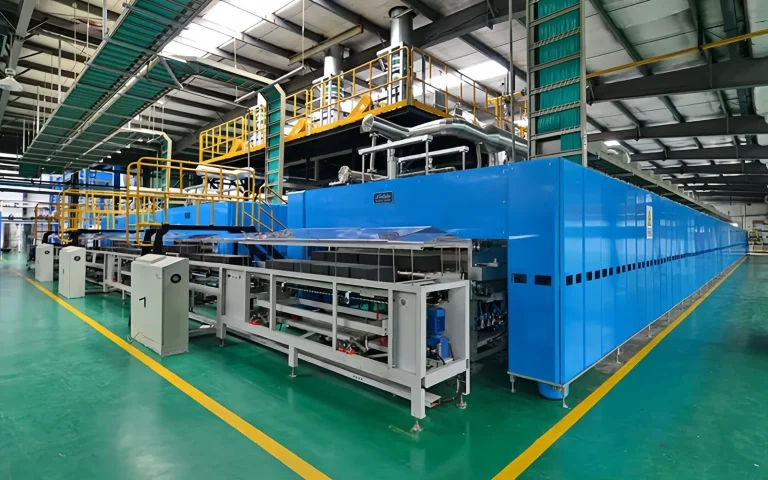
Матеріал анода з штучного графіту в основному виготовляється з високоякісного нафтококсу з низьким вмістом сірки
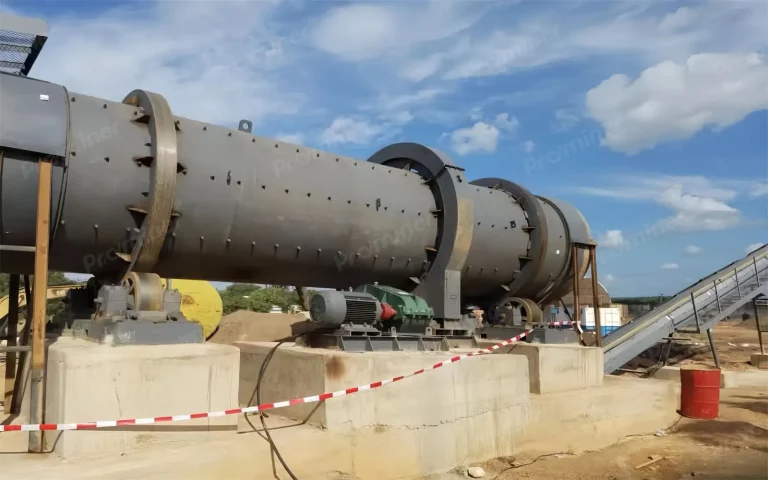
Вилуговування в купах є традиційним способом вилуговування ціаніду, який є гнучким і економічним для видобутку золота
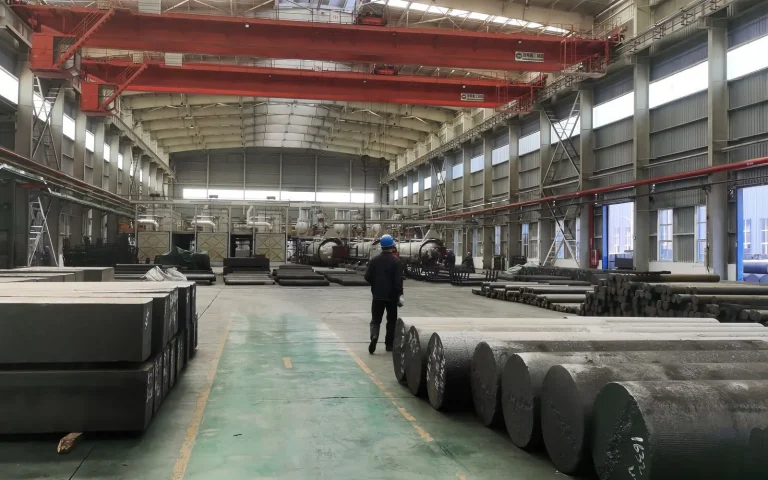
Електрод UHP графіту в основному використовується для ультрависоких електричних дугових печей у сталеливарній промисловості

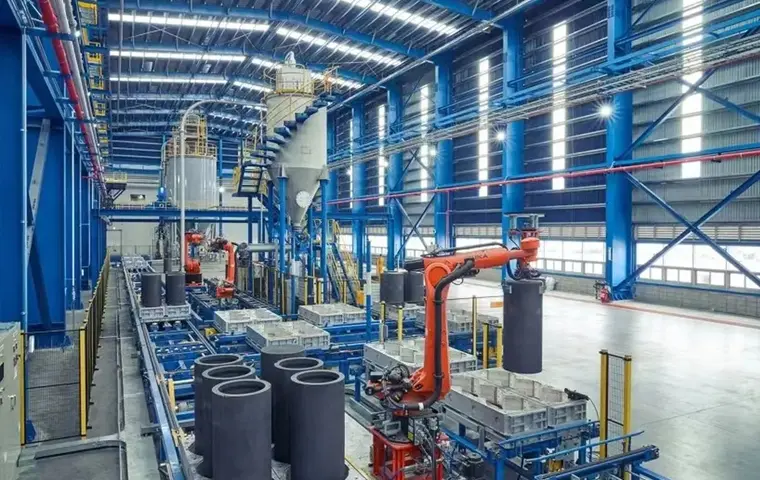
Сировина: Зелений нафтококс, Зелений голчастий кокс та високоплавкий пітч
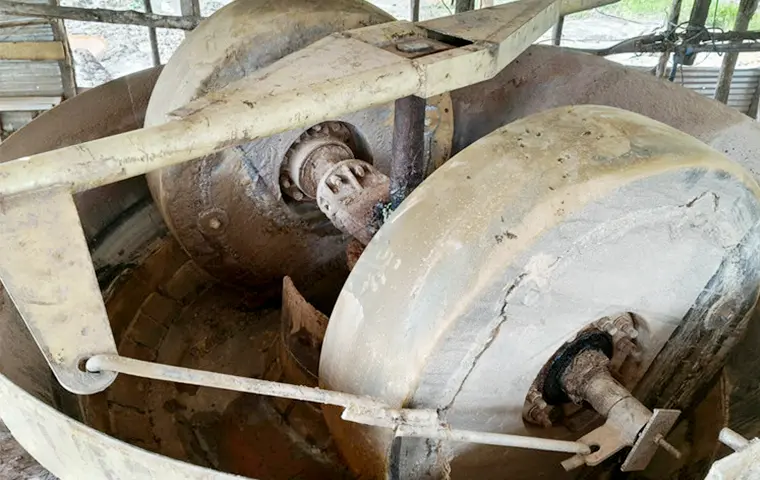
Сира руда: алювіальне золото / жилове золото після розподілу Золотий вміст: 1.5 – 2.5 г/t Чистота злитків золота: ≥ 90%
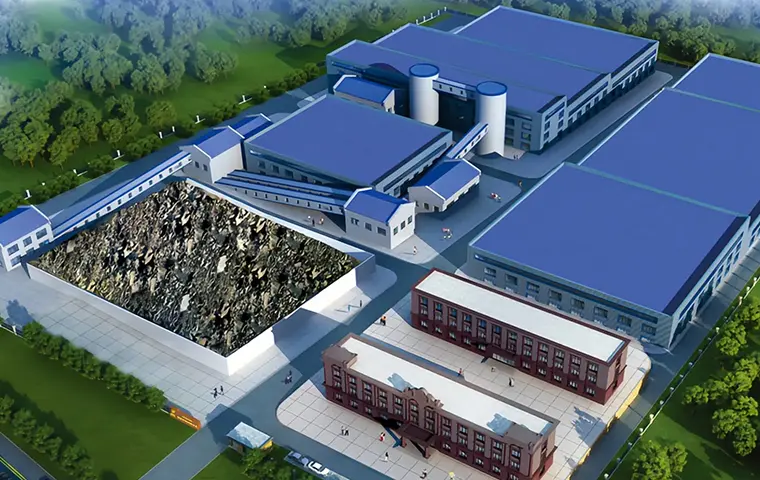
Сира сировина: природний графітовий рудний концентрат Градус: 95% C TGC Остаточний продукт: графітовий флотаційний концентрат

Сировина: Існуючі хвости золотого заводу (повний шлам) Град золотого в хвостах: 1,2 г/т Остаточний продукт: Золота зливка
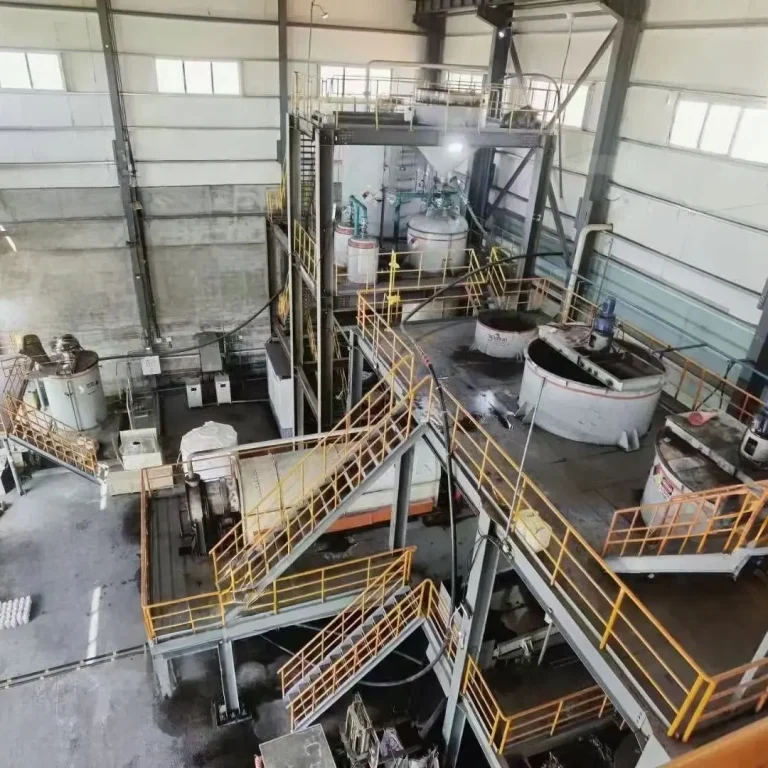
Вихідна руда: Змішана руда золото-оксиди/сульфіди Золото: 3,5 г/т Чистота золотого зливка: 99,5%
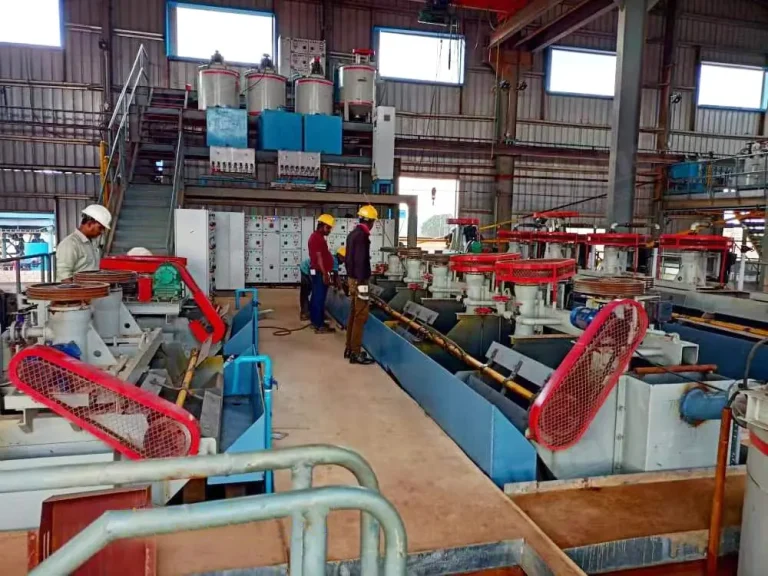
Вихідна руда: первинна сульфідна руда (халькопірит-борніт) Клас міді: 0,72% Клас концентрату: 28,3%
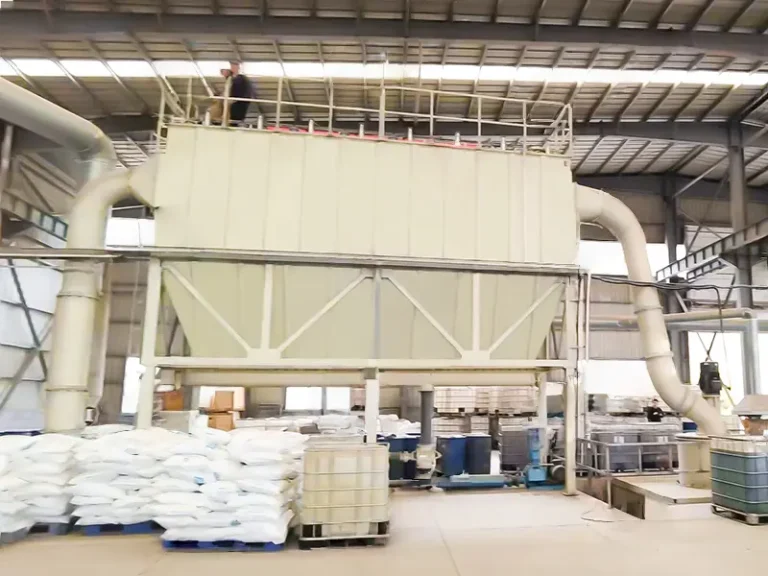
Сира руда: Доломітова порода (CaMg(CO₃)₂) Розмір часток: ≤10 мм Остаточний продукт: Ультратонкий доломітовий порошок
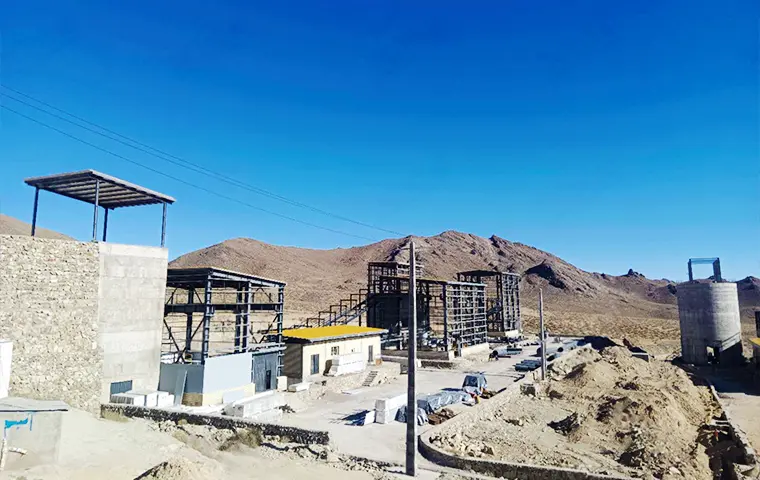
Сирий рудник: Сульфідний мідний рудник Градус міді: 0,8% Кінцевий продукт: Мідний концентрат
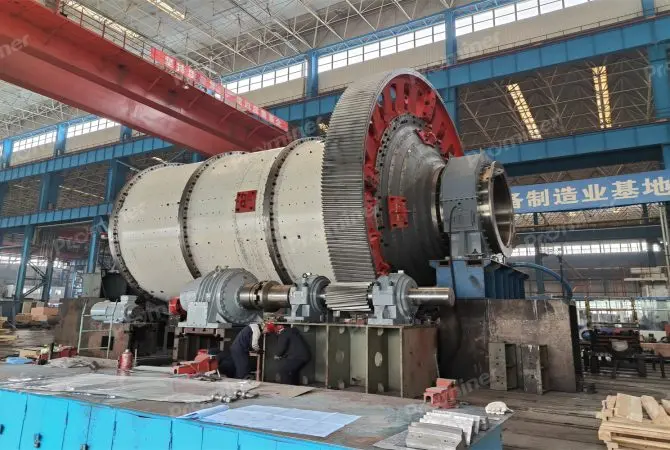
Ми можемо спроектувати та виготовити кульовий млин типу решітки для первинного подрібнення мінералів
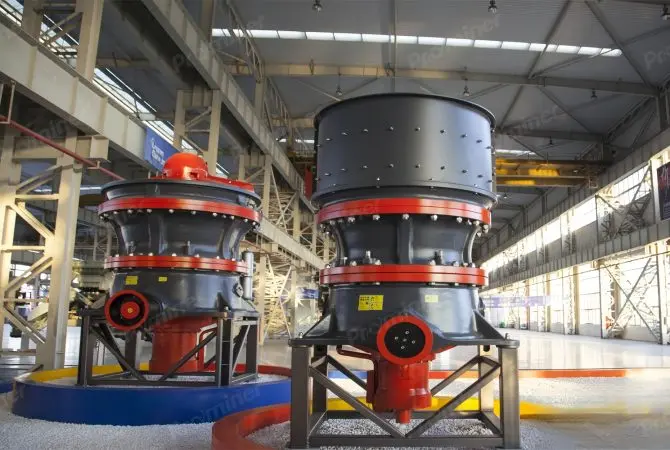
Одноциліндровий гідравлічний конусний дробар має дві серії, що базуються на різних камерах, S-камера спроектована.
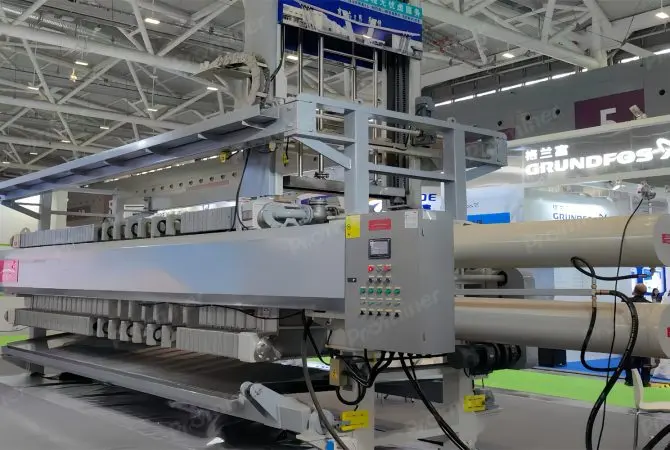
Промайнер може надати прес-фільтр, вакуумний стрічковий фільтр, дисковий вакуумний фільтр та керамічний фільтр
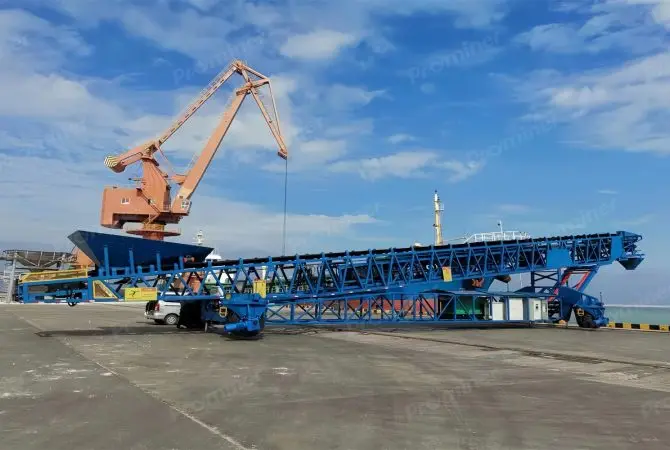
Наша інженерна команда може спроектувати та виготовити мобільний радіальний штабелер, навантажувач
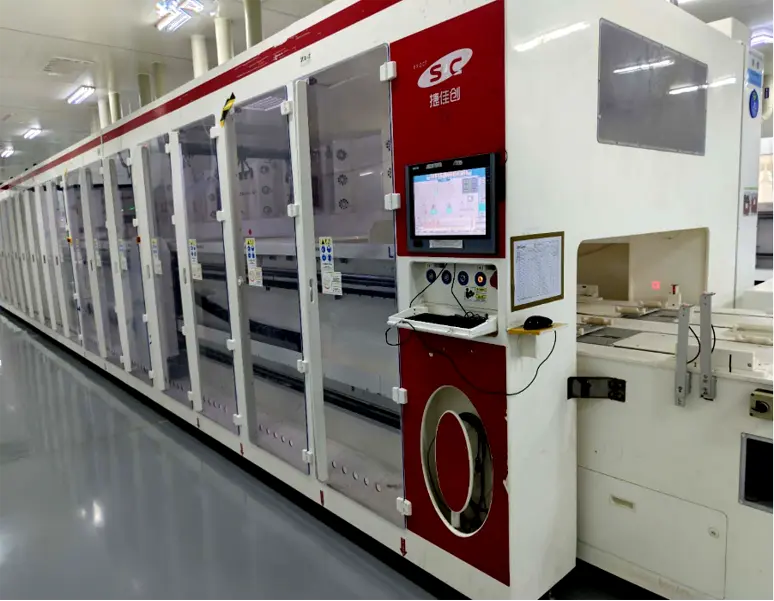
Наприклад: печі для дифузії бору, видалення BSG, полірувальна машина з лугами, PE-ПОЛІ…
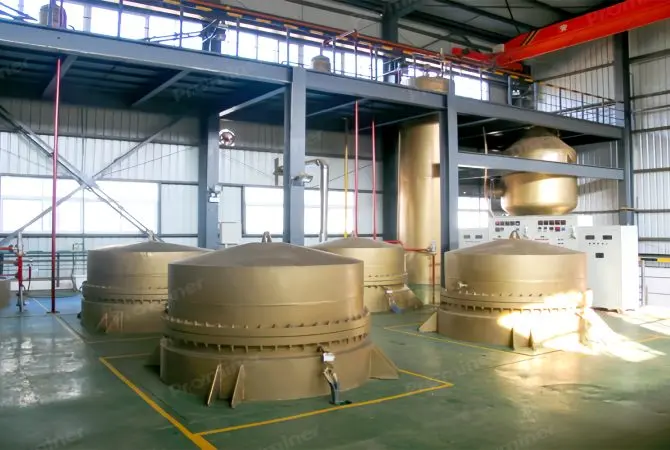
Prominer може спроектувати та надати повну систему рафінування та плавлення для проекту золота CIL
Щоб дізнатися більше про наші продукти та рішення, будь ласка, заповніть форму нижче, і один з наших експертів зв'яжеться з вами найближчим часом
3000 TPD проект флотації золота в провінції Шаньдун
2500 TPD флотація руди літію в Сичуані
Факс: (+86) 021-60870195
Адреса:Номер 2555, дорога Сюпу, Пудун, Шанхай
Авторські права © 2023.Промайнер (Шанхай) Гірничі Технології ТОВ.


