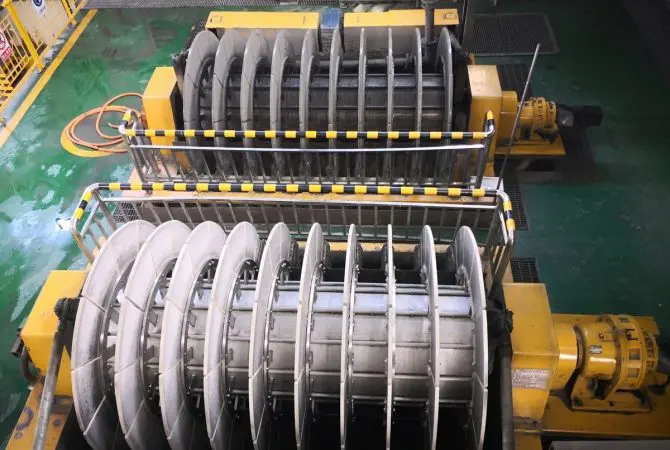
Попит з боку промисловості протягом років був на спеціальний графіт і вуглець з дедалі суворішими


/
/
Чому гідравлічні класифікатори перемагають сита у розділенні тонких частинок?


Fine particle separation is a critical process in industries such as mining, mineral processing, sand production, and recycling. While traditional screening methods are widely used, they often struggle when handling ultra-fine or closely sized particles. Hydraulic classifiers, on the other hand, offer a more precise and efficient alternative. Below, we explore why hydraulic classifiers consistently outperform screens in fine particle separation applications.
Screens rely on physical apertures to separate material by size. As particle sizes become finer, especially below 150 microns, screening efficiency drops significantly due to blinding, pegging, and particle agglomeration.
Hydraulic classifiers use water flow and gravity to separate particles based on size, shape, and density. This fluid-based separation allows for:
Because separation is based on settling velocity rather than mesh size, hydraulic classifiers maintain consistent accuracy even at very fine particle ranges.
Fine particles tend to clog or blind screen openings, especially in wet or clay-rich materials. This leads to:
Hydraulic classifiers eliminate the need for physical screening media, significantly reducing wear and eliminating blinding issues. With fewer mechanical components in direct contact with material, maintenance requirements are typically lower and operational reliability improves.
Screens struggle with wet, sticky, or clay-heavy feeds. These materials can agglomerate and prevent proper stratification on the screen surface.
Hydraulic classifiers excel in wet processing environments because they operate using water as the primary separation medium. This makes them ideal for:
The water flow helps disperse fine particles, improving separation performance even when dealing with challenging feed materials.
With screening systems, the cut size is determined by the mesh opening. Changing the separation size often requires physically replacing screen panels.
Hydraulic classifiers allow operators to adjust separation parameters by modifying:
This flexibility enables real-time process optimization without major mechanical changes, resulting in improved product consistency and adaptability.
In mineral processing, recovering fine valuable particles is essential for maximizing profitability. Traditional screens often allow fine valuable particles to pass into waste streams due to inefficiencies in fine separation.
Hydraulic classifiers create a controlled settling environment that enhances the recovery of fine, high-value materials while minimizing losses. This leads to:
Fine screening typically requires high-frequency vibrating screens, which consume significant energy and experience accelerated wear.
Hydraulic classifiers rely primarily on controlled water flow and gravity rather than intense mechanical vibration. As a result, they can offer:
This contributes to lower total operating costs over time.
Hydraulic classification produces a more uniform particle size distribution because separation occurs gradually within a fluid column. This minimizes short-circuiting and particle bypassing common in screens.
The result is:
For industries requiring high-specification materials, this consistency is a significant advantage.
While screens remain effective for coarse and medium particle separation, they face limitations when dealing with fine materials. Hydraulic classifiers outperform screens in fine particle separation by offering superior accuracy, reduced maintenance, better handling of wet materials, adjustable cut sizes, improved recovery rates, and lower energy demands.
For operations focused on fine particle efficiency, product quality, and long-term cost savings, hydraulic classifiers present a smarter and more reliable solution.
А: МінERALьні характеристики суттєво відрізняються навіть в межах одного родовища руди. Професійний аналіз (такий як хімічний аналіз, РСА і СЕМ) забезпечує оптимізацію технологічної схеми для вашого конкретного градацію руди та розміру вивільнення. Це запобігає дорогим невідповідностям обладнання і гарантує максимально можливі показники вилучення для вашого проекту.
A: Ми підтримуємо постійний запас основних зношуваних частин (таких як накладки дробарки, сітки екранів та подрібнювальні засоби). Для міжнародних клієнтів ми надаємо рекомендований "список запасних частин на 2 роки" при початковій покупці. Технічна підтримка доступна 24/7 через дистанційне відео, а виїзди на місце можуть бути організовані для складних потреб у обслуговуванні.
A: Так. Ми відправляємо команду старших механічних та електричних інженерів на місце для контролю за монтажем, налагодженням і навантажувальними випробуваннями обладнання. Ми також надаємо всебічне навчання на місці для ваших місцевих операторів, щоб забезпечити безперебійну довгострокову експлуатацію.
А: Абсолютно. Ми спеціалізуємося на наданні послуг EPCM (інженерні рішення, закупівлі, управління будівництвом). Це включає все, починаючи з початкових випробувань руди та проектування шахт до виробництва обладнання, логістики та інтеграції повномасштабних заводів, забезпечуючи безперебійну переорієнтацію з "зеленого поля" на виробництво.
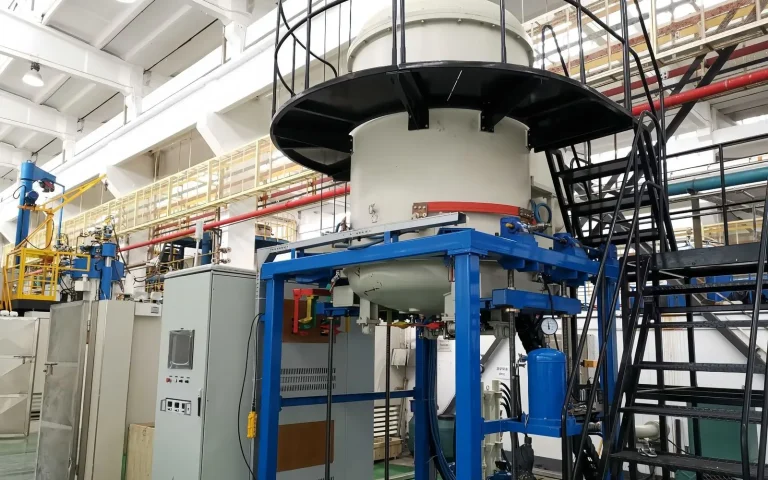
Попит з боку промисловості протягом років був на спеціальний графіт і вуглець з дедалі суворішими
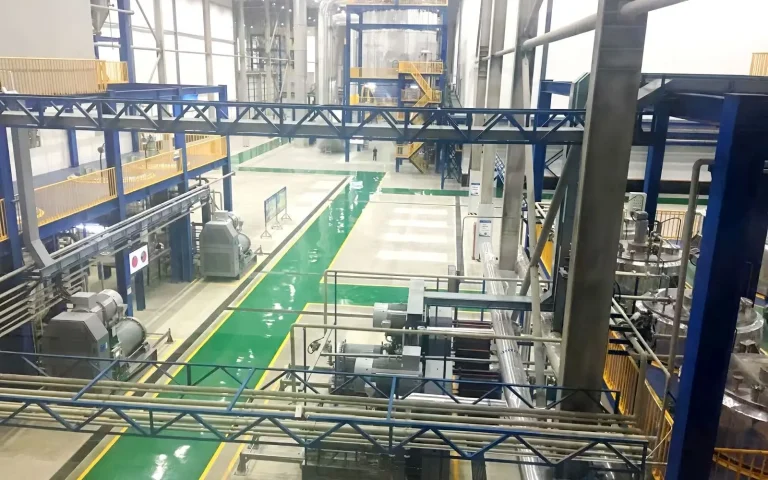
Катодний матеріал є одним з ключових матеріалів, що визначають продуктивність літій-іонних акумуляторів
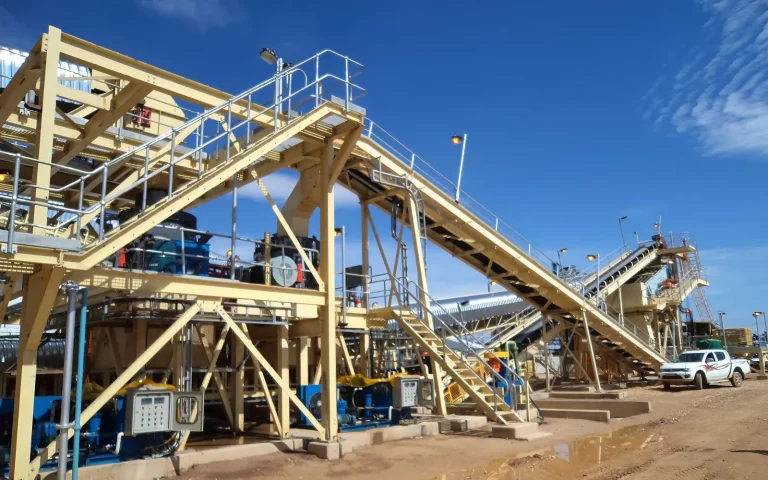
Вилуговування в чанах є хорошим варіантом для власника проекту, щоб почати на початковому етапі для економії інвестицій

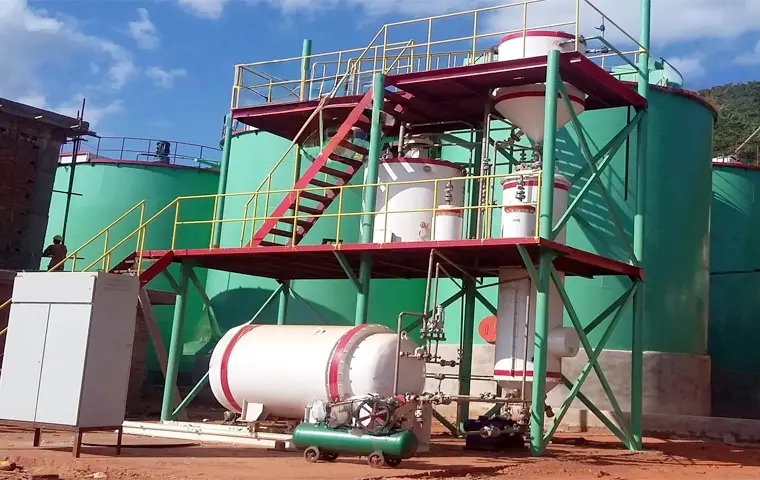
Вихідна руда: Золото із родовищ гравію з магнетитом та гематитом (Типове родовище Сьєрра-Мадре)
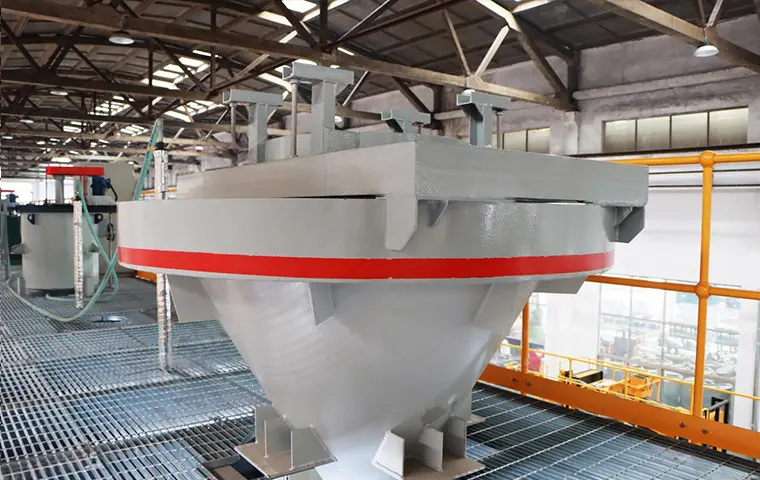
Сира руда: сульфідна золота руда Густина золота: 3,5 г/т Фінальний продукт: золотий злиток Коефіцієнт вилучення золота: 96%
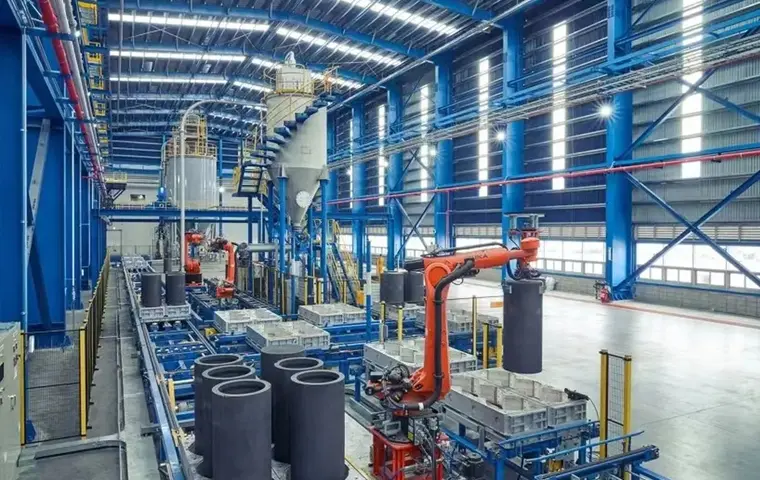
Сировина: Зелений нафтококс, Зелений голчастий кокс та високоплавкий пітч
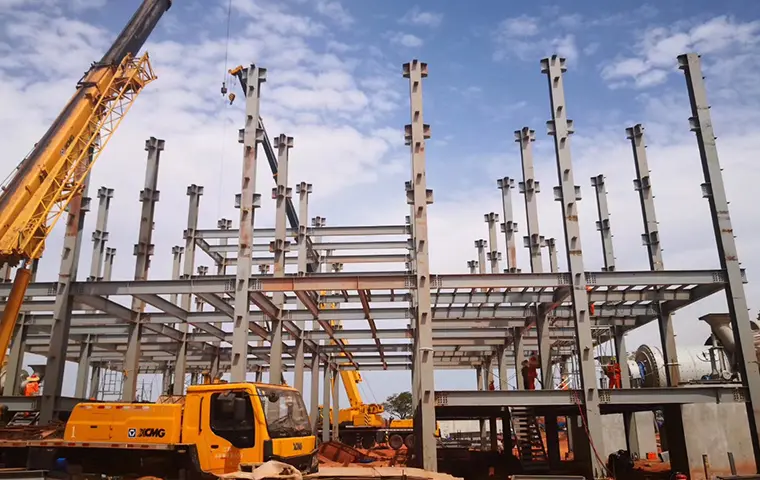
Розташований у Гвінеї, цей масштабний проект має потужність обробки 15 000 тонн на добу (ТДО).
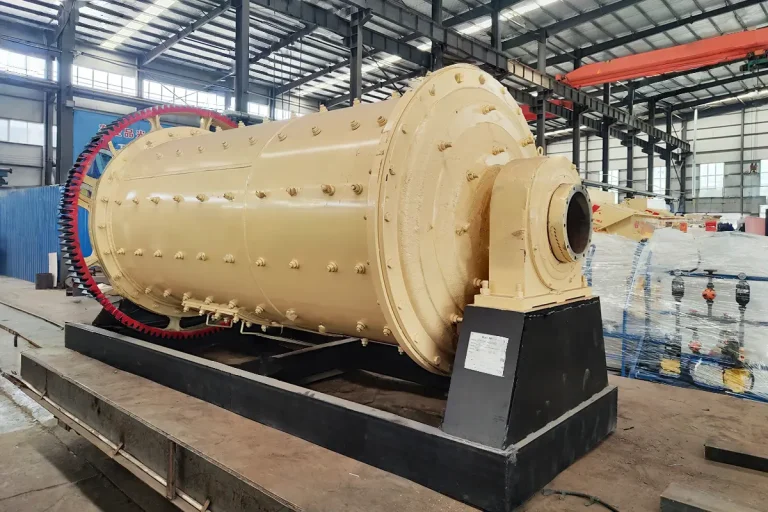
Сировина: Мідна руда (Халкопірит) Вміст міді: 0,85% Остаточні продукти: Подрібнена рудна слід для флотації
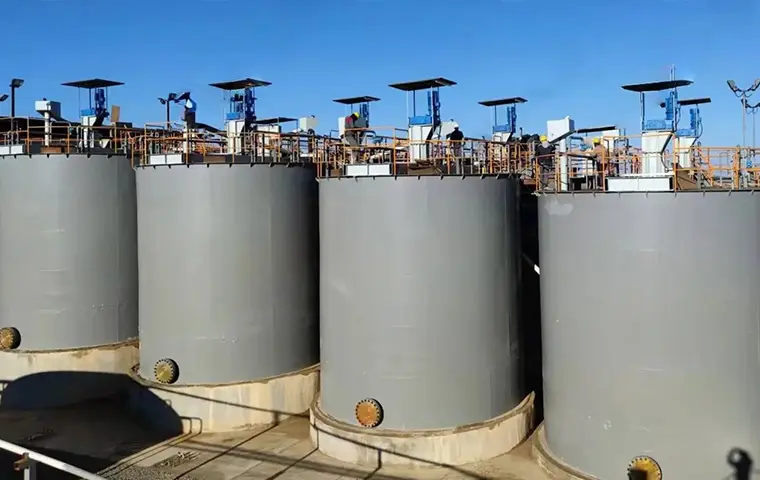
Сира руда: Золота руда сульфідного типу (з піроїтом та арсенопіритом) Вміст золота: 4,2 г/т Остаточний продукт: Золота зливка
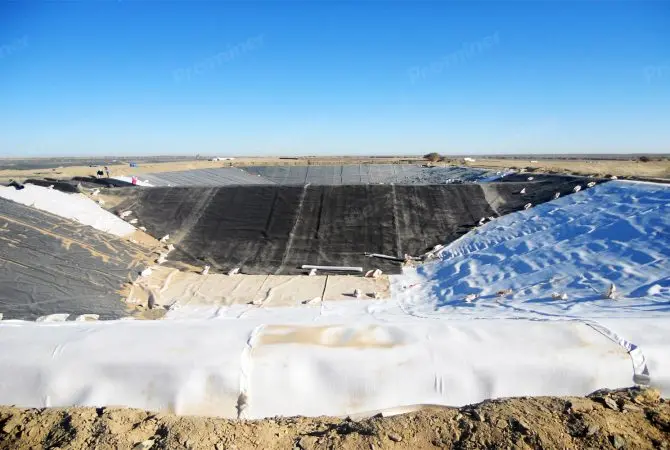
Сира руда: оксидний тип золотої руди Золота градація: 1,8 г/т
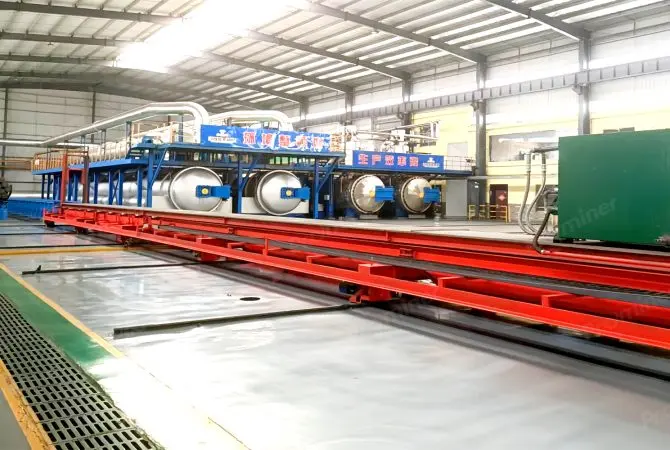
Ми можемо забезпечити гарячу імпрегнацію під високим тиском з виходом холодного графіту
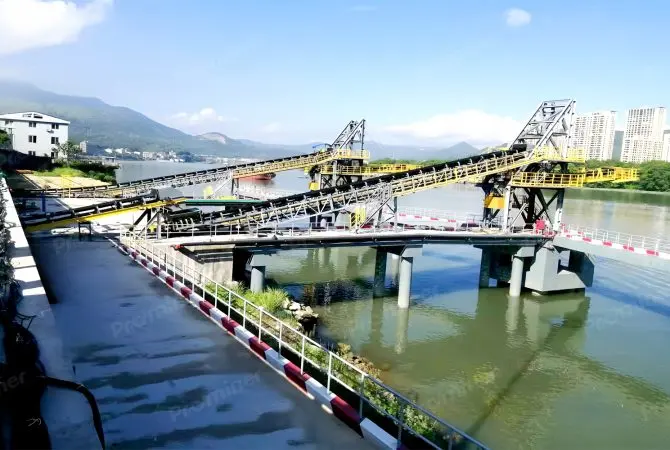
Ми можемо надати рішення стрічкових конвеєрів для різних цілей, включаючи круто нахилений стрічковий конвеєр
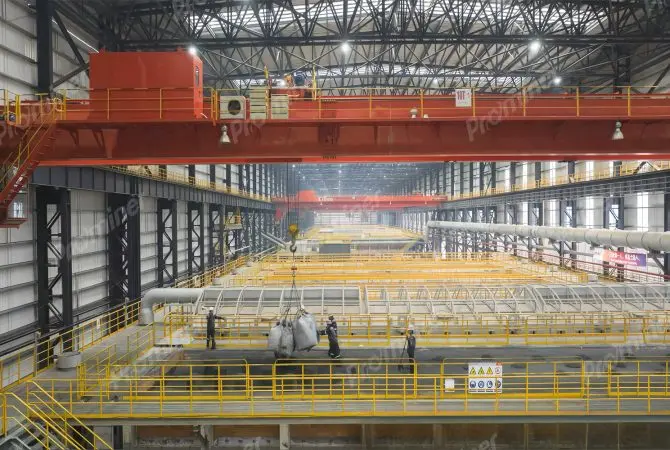
Ми можемо надати різні типи печей для графітизації для зміни вуглецевих матеріалів
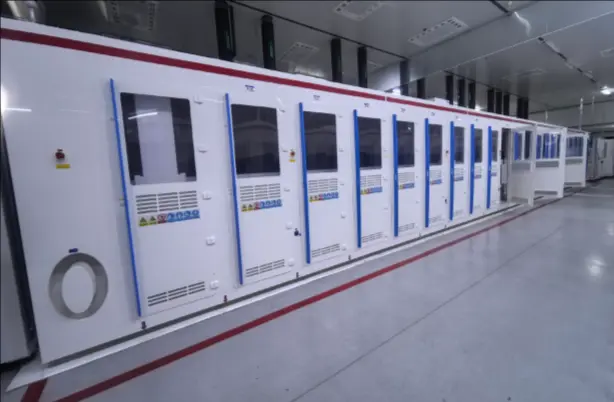
Включає: обладнання для текстурування монокристалічних партій, завантажувач/вивантажувач для текстурування партій, низькотемпературне…
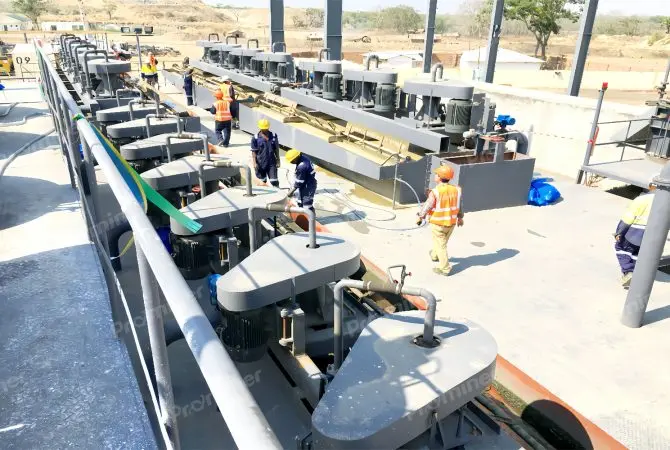
Prominer може надати флотаційну машину серії SF з самозабезпеченням та пневматичну флотаційну клітину серії XCF/KYF
Prominer може надати різні магнітні сепаратори LIMS (сепаратор з низькою інтенсивністю магнітного поля)
Щоб дізнатися більше про наші продукти та рішення, будь ласка, заповніть форму нижче, і один з наших експертів зв'яжеться з вами найближчим часом
3000 TPD проект флотації золота в провінції Шаньдун
2500 TPD флотація руди літію в Сичуані
Факс: (+86) 021-60870195
Адреса:Номер 2555, дорога Сюпу, Пудун, Шанхай
Авторські права © 2023.Промайнер (Шанхай) Гірничі Технології ТОВ.