How to Cut Fluorite Flotation Reagent Costs 40% Without Sacrificing Grade?
Reducing fluorite flotation reagent costs by 40% without sacrificing the grade requires a strategic balance of process optimization, alternative reagent selection, and efficiency improvements. Below are specific strategies to achieve this goal:
1. Optimize Reagent Dosage
- Action: Conduct controlled flotation tests to determine the optimal dosage of reagents required for achieving the desired grade and recovery. Reducing excess usage can lower costs without compromising performance.
- Tools: Use advanced simulation software or conduct laboratory trials to precisely evaluate reagent consumption.
2. Switch to Cost-Effective Alternatives
- Action: Replace expensive reagents with more cost-effective substitutes or blends that have similar chemical functionality. For example:
- Replace fatty acid collectors with modified or mixed collectors that have lower costs while maintaining efficiency.
- Use cheaper pH modifiers or dispersants (e.g., lime or soda ash) instead of higher-cost options.
- Evaluation: Test alternative reagents thoroughly to ensure compatibility with your specific ore composition.
3. Recycle and Reuse Reagents
- Action: Implement a recycling system to recover and reuse unused reagents from flotation tailings or process water.
- 好处: Reduce the need for fresh reagent input and minimize waste.
- 技术: Invest in filtration and decay-resistant technologies to maximize the effectiveness of recycled reagents.
4. Improve Ore Pre-Treatment
- Action: Pre-treat the ore to remove impurities (e.g., slimes or fine particles) that consume reagents unnecessarily.
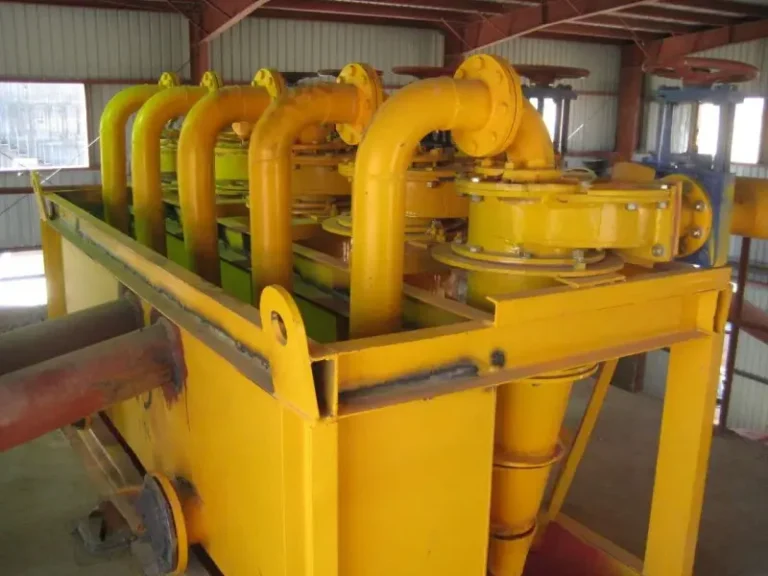
- Use desliming and pre-conditioning steps before flotation to enhance the efficacy of reagents on your target fluorite material.
- Effect: Lower reagent usage while improving the selectivity and grade.
5. Optimize Flotation Parameters
- Action: Fine-tune flotation conditions such as pH, air flow, rotation speeds, and residence time to maximize reagent efficacy.
- 技术: Use advanced process control systems to monitor and adjust flotation operating parameters in real time.
- 产出: Greater reagents efficiency leads to cost savings without affecting recovery or grade.
6. Adopt Selective Depressants
- Action: Use selective and efficient depressants to reduce the flotation of gangue minerals like calcite, quartz, or barite.
- For instance, sodium silicate or organic depressants may replace more expensive alternatives.
- 优势: Lower consumption of collector reagents, as gangue material is more effectively suppressed.
7. Bulk Purchases and Supplier Negotiations
- Action: Negotiate with suppliers to secure bulk discounts or long-term contracts for reagents, reducing per-unit cost.
- 好处: Leverage economies of scale to minimize procurement costs.
8. Switch to Mixed or Composite Collectors
- Action: Blend high-performance collectors with low-cost alternatives for optimized performance at reduced costs.
- 示例: Instead of pure oleic acid, use a mixture of oleic acid with other fatty acids or multiple surfactants.
9. Continuous Training and Monitoring
- Action: Train operators to handle reagents more efficiently and avoid over-dosing. Additionally, monitor reagent consumption periodically to detect inefficiencies early on.
- 结果: Better operational control to avoid wastage and unnecessary expenditures.
10. Use Froth Optimization Techniques
- Action: Improve froth stability by selecting additives or frothers that reduce overuse of other reagents.
- For instance, low-cost frothers like MIBC (methyl isobutyl carbinol) or F-110 can maintain froth quality at reduced costs.
- Result: Higher recovery and grade without excessive foaming or losses.
11. Conduct Regular Ore Variability Assessments
- Action: Evaluate changes in feed ore characteristics and adjust reagent strategies accordingly.
- Test for changes in mineralogy, gangue content, or liberation size, and re-optimize formulations.
- 产出: Ensure reagents are used precisely without overcompensating for varying ore conditions.
Case Study Example:
For a hypothetical fluorite flotation plant:
- Reducing fatty acid collector dosage by 25% by implementing mixed collector systems.
- Switching to cheaper sodium carbonate as a pH regulator instead of caustic soda.
- Incorporating a depressant recycling system, lowering associated costs by 20%.
- Result: Overall reagent costs decreased by 40%, while maintaining consistent fluorite recovery rates of 90%+ and grade >97%.
By methodically optimizing flotation processes, adopting cost-effective reagents, and improving operational practices, it is feasible to achieve substantial cost reductions without sacrificing product quality.
常见问题解答
A: 矿物特性即使在同一矿体内也会有显著差异。专业测试(如化学分析、XRD和SEM)可以确保流程图针对您的特定矿石品位和解离粒度进行优化。这可以防止昂贵的设备不匹配,并保证您的项目获得尽可能最高的回收率。
A: 我们保持核心易损件(如破碎机衬板、筛网和磨球)的永久库存。对于国际客户,我们在初次购买时提供建议的“2年备件清单”。技术支持通过远程视频提供24/7服务,对于复杂的维护需求可以安排现场访问。
A: 是的。我们派遣一支由高级机械和电气工程师组成的团队到现场,监督设备的安装、调试和负载测试。我们还为您的当地操作员提供全面的现场培训,以确保长期顺利运行。
A: 当然。我们专注于提供EPCM(工程、采购、施工管理)服务。这包括从初步矿石测试和矿山设计到设备制造、物流以及全面的工厂集成,确保从绿地项目到生产的无缝过渡。