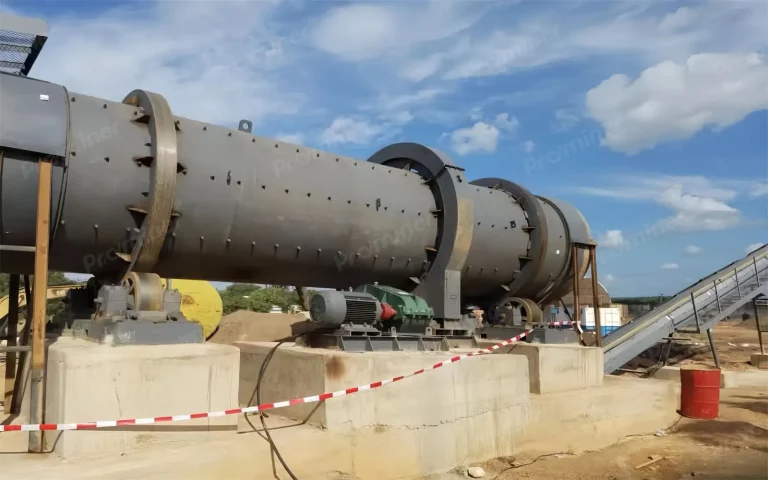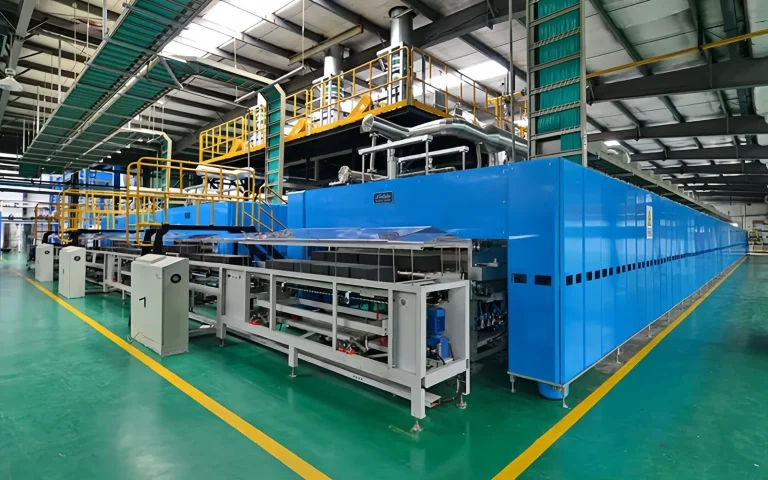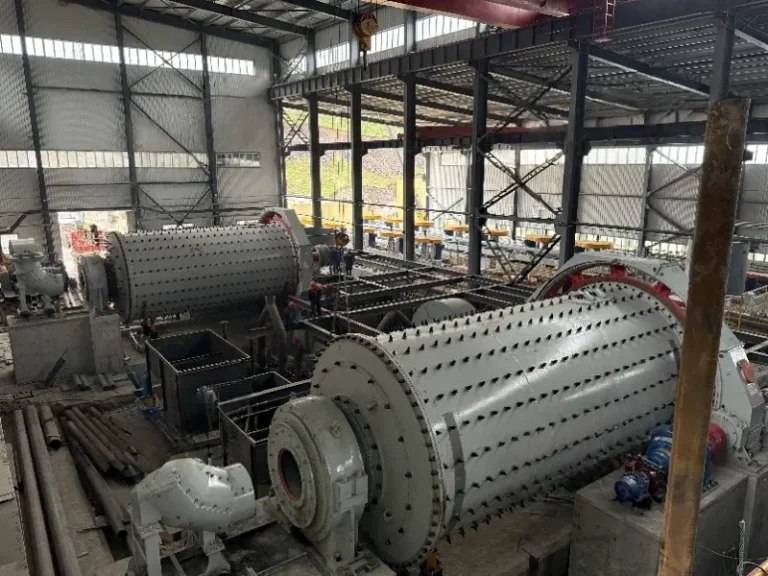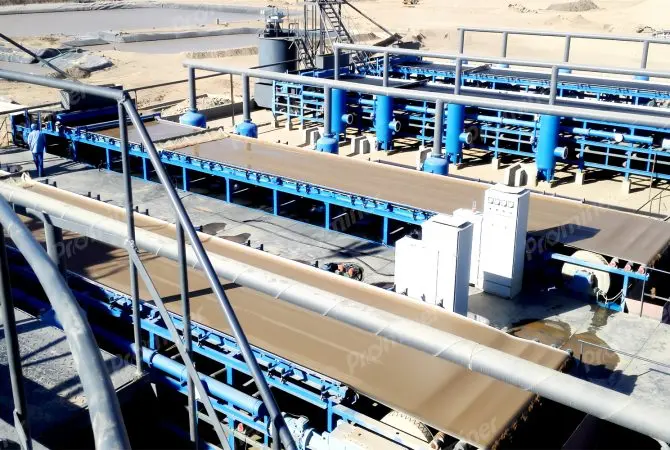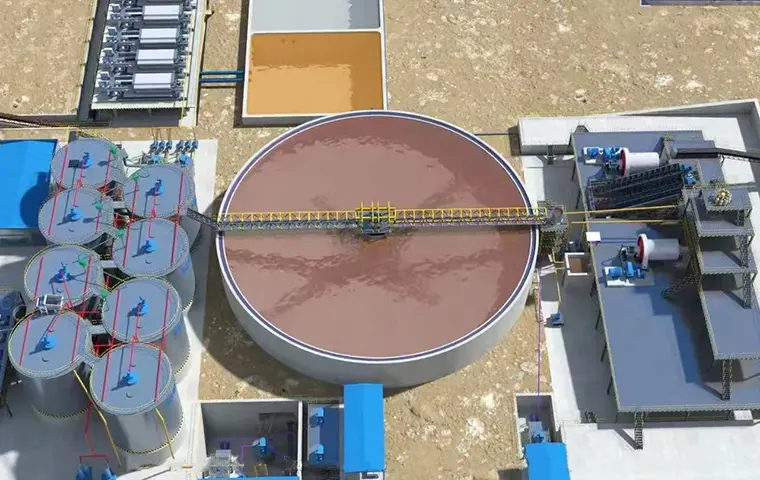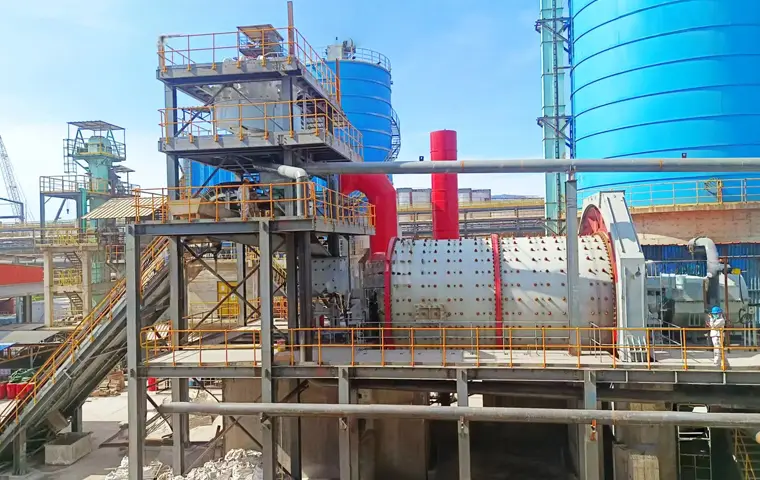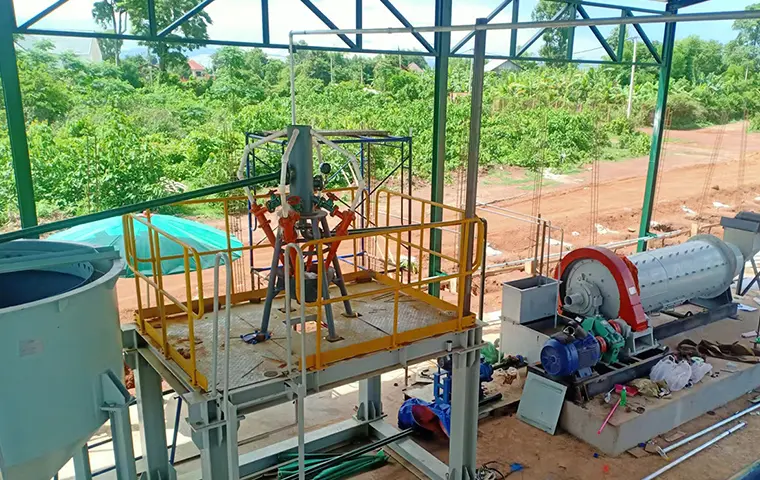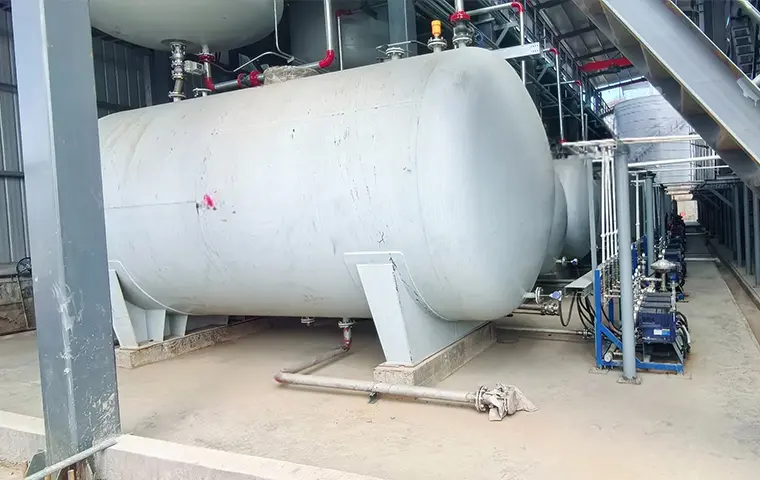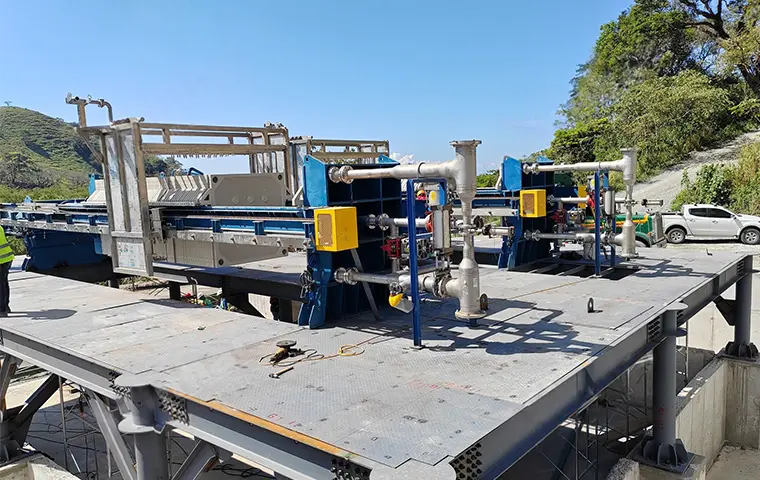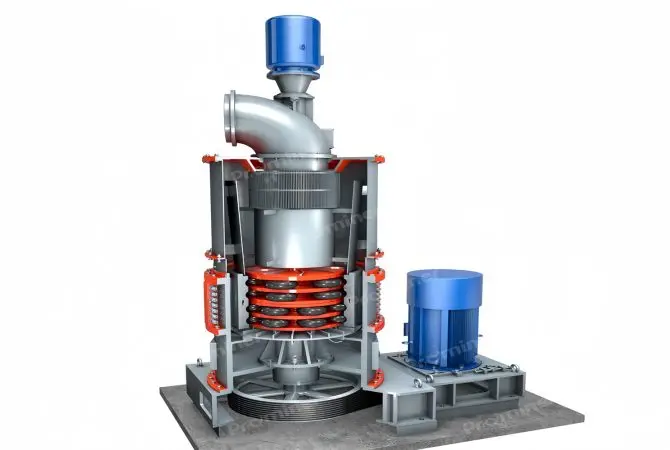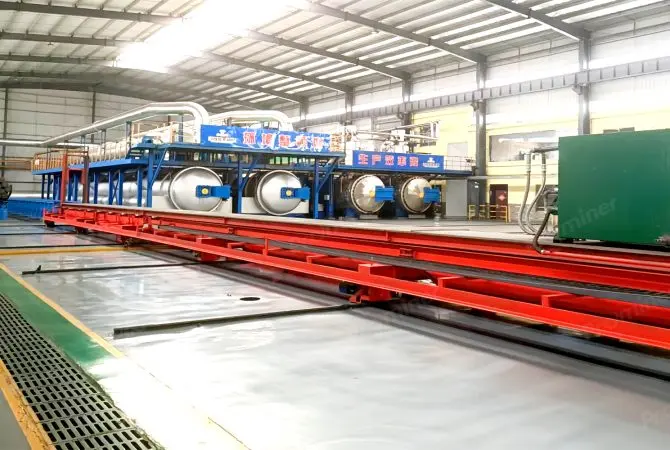
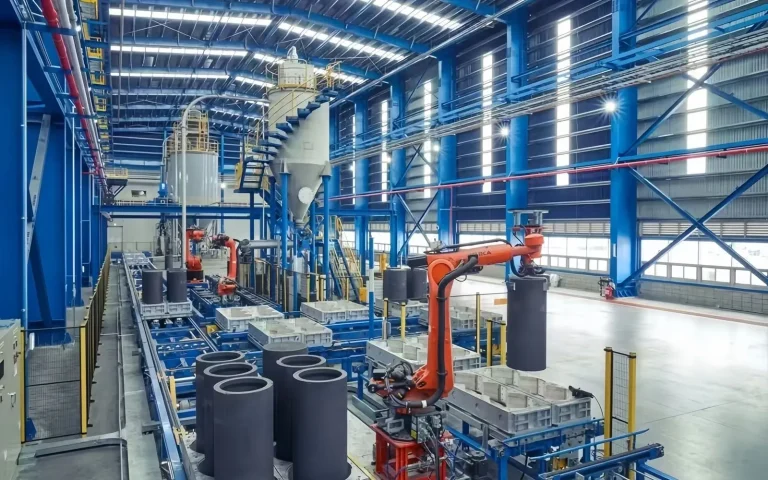
与石矿业可以提供制造天然石墨阳极材料的完整解决方案,包括磨粉



Designing an effective flotation process flow is essential for maximizing mineral recovery, improving concentrate grade, and ensuring cost-efficient plant operation. The principle process flow is determined through a systematic evaluation of ore characteristics, metallurgical performance, and economic considerations. Below are the key steps and factors involved in determining the appropriate flotation process flow.
The foundation of any flotation process design is a thorough understanding of the ore properties. This includes:
Mineralogical analysis, such as microscopic examination and X-ray diffraction, provides critical information for selecting the appropriate flotation strategy.
Laboratory-scale flotation tests are essential to establish the basic process parameters. These tests help determine:
Batch flotation tests are typically performed first, followed by locked-cycle tests to simulate continuous operation. The results guide the development of a preliminary process flow.
Based on test results, the flotation circuit structure is designed. Common flotation circuit configurations include:
The number of cleaning stages depends on the desired concentrate quality and impurity removal requirements.
Grinding plays a crucial role in flotation performance. The grinding process must achieve sufficient mineral liberation without excessive overgrinding.
关键注意事项包括:
Proper grinding ensures that valuable minerals are exposed for flotation while minimizing slimes that may negatively affect recovery.
The reagent scheme directly influences separation efficiency. Selection involves:
Reagent selection is optimized based on laboratory tests and cost-effectiveness. In complex ores, reagent combinations may require extensive testing to achieve selective separation.
The flotation process flow must also incorporate downstream handling systems, such as:
Environmental regulations and water availability often influence the design of these systems.
Before finalizing the principle process flow, pilot-scale tests are often conducted to verify laboratory results under continuous operating conditions. These tests provide data on:
An economic evaluation is then carried out to balance capital investment, operating costs, and expected revenue from concentrate production.
After integrating all technical and economic data, the principle process flow is finalized. However, optimization continues during plant operation through:
Continuous monitoring ensures that the flotation system adapts to variations in ore characteristics.
Determining the principle process flow for flotation is a comprehensive process that combines mineralogical analysis, laboratory testing, circuit design, and economic assessment. A well-designed flotation flow not only improves recovery and concentrate quality but also enhances long-term operational efficiency and profitability.
A:对于石墨资源,完整的解决方案应涵盖天然石墨浮选和深加工。球磨机和水力旋流器系统作为基础研磨阶段。对于高端负极材料的生产,成型机是必不可少的,以提高悬滴密度并降低比表面积。此外,Prominer涂层系统结合了涂层和颗粒成型功能,是加工高利润负极材料的关键步骤。
A:工艺选择完全取决于矿石的特性。金CIL/CIP工艺是一种非常流行且有效的高品位氧化型金矿石处理方法。对于许多其他金矿项目,浮选仍然是最受欢迎的处理方法。为了节省初期投资,缸浸或堆浸是灵活且经济的选择。我们建议首先进行实验室和试验检测,以确定最有效和科学的工艺流程。
A:磁选在矿物提品中至关重要。我们提供高强度磁选(HIMS)和低强度磁选(LIMS)两种磁选设备,以应对不同矿物的磁性特性。在优化的矿厂设计中,该技术与高性能破碎系统相结合——采用单缸或多缸液压圆锥破碎机——以及研磨系统。这确保在早期就能剔除废石,大大提高生产效率并节省能源。
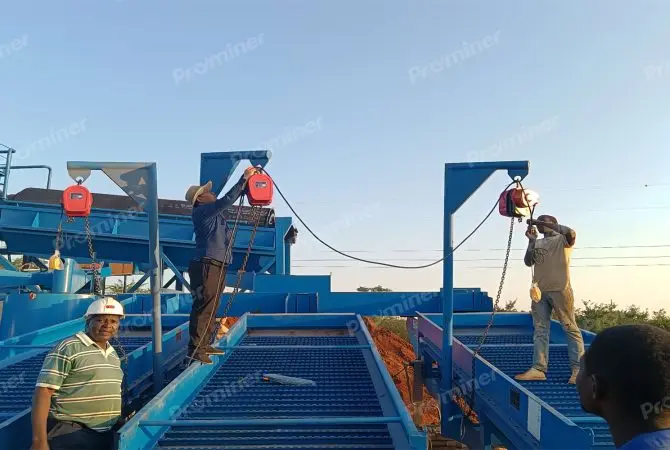
A:设计成功的矿厂需要全面的EPC(工程、采购、施工)服务。关键考虑因素包括工程设计(现场勘测、取样指导和流程图(PFD)图纸)以及设备定制,以确保机械符合特定矿石特性。例如,普睿玛可以定制宽度达5.1米的直线筛,用于大规模分级和脱水。最后,专业的现场服务,包括土建监督和调试,对于长期稳定运行至关重要。

如需了解更多关于我们产品和解决方案的信息,请填写以下表格,我们的一位专家将尽快与您联系
传真:(+86) 021-58779592
地址:上海市浦东新区苗川路777号川沙商务中心D3栋二期606室
版权 © 2023.与石(上海)矿业科技有限公司