تعتبر مادة الكاثود واحدة من المواد الرئيسية التي تحدد أداء بطاريات الليثيوم أيون




تعد خامات الذهب الكبريتيدية من بين أهم مصادر الذهب في العالم. ومع ذلك، فإن الذهب في خامات الكبريتيد غالبًا ما يكون موزعًا بشكل دقيق داخل معادن الكبريتيد مثل البيريت، والآرزنوبيريت، والكالكوبيريت، مما يجعل الاستخراج أكثر تعقيدًا مقارنة بالخام ذات القدرة على الطحن الحر. إن تطوير عملية معالجة علمية وفعالة هو أمر ضروري لتعظيم استعادة الذهب، وتقليل التكاليف، وتقليل الأثر البيئي.
إليك دليل منهجي لتطوير عملية علمية لمعالجة خام الذهب الكبريتي.
أساس أي عملية إثراء علمية هو فهم شامل للخامة.
التحليلات الرئيسية تتضمن:
تقنيات مثل حيود الأشعة السينية (XRD)، الميكروسكوب الإلكتروني الماسح (SEM)، اختبار الحريق، وأنظمة الكروماتوغرافيا المعدنية الآلية (مثل MLA) تساعد في تحديد كيفية احتجاز الذهب داخل الكبريتيدات. تؤثر هذه البيانات بشكل مباشر على اختيار العمليات.
استنادًا إلى خصائص الخامة، اختر مسار تجهيز مناسب. عادةً ما تتطلب خامات الذهب الكبريتي متعددة العمليات مزيجًا من العمليات بدلاً من طريقة واحدة فقط.
تشمل الاستراتيجيات الشائعة:
بالنسبة لخام الكبريتيدات المقاوم، غالبًا ما تكون الطرق المسبقة مثل التحميص، والأكسدة بالضغط (POX)، أو التحمض الحيوي ضرورية لتحرير الذهب المحتجز قبل عملية التعدين باستخدام السيانيد.
التكسير الصحيح ضروري لتحرير المعادن الكبريتيدية التي تحتوي على الذهب.
الاعتبارات الرئيسية:
يجب النظر في كفاءة الطاقة والسيطرة على التكاليف عند اختيار الكسارات، طواحين الكرات، أو طواحين SAG.
الطفو هو الطريقة الأكثر استخدامًا لاستعادة المعادن الكبريتيدية التي تحتوي على الذهب.
المعلمات المهمة التي ينبغي تحسينها:
يجب أن يشمل العمل التجريبي مراحل المعالجة الأولية، والتخلص من الرمل، والتنظيف لتحديد التوازن الأفضل بين درجة الاسترجاع. يجب تخصيص مخططات المواد المساعدة حسب المعادن الكبريتيدية الموجودة.
عندما يكون الذهب محبوسًا بشكل دقيق داخل معادن الكبريتيد، فإن المعالجة المسبقة ضرورية لكسر مصفوفة الكبريتيد.
طرق المعالجة المسبقة الشائعة:
يعتمد الاختيار على نوع الخام، والاستثمار الرأسمالي، واللوائح البيئية، واعتبارات تكاليف التشغيل.
بعد التركيز أو المعالجة المسبقة، يتم عادة استرجاع الذهب عن طريق:
تشمل المتغيرات الرئيسية تركيز السيانيد، مستويات الأكسجين المذاب، درجة حموضة الخميرة، ووقت التحميص. تساعد اختبارات التحليل المختبري على تحديد الظروف المثلى.
يجب أن يتم التحقق من عملية علمية من خلال الاختبار المنهجي.
اختبار الطيران يقلل من المخاطر الفنية ويضمن أداء العملية بشكل مستمر تحت التشغيل المستمر.
يجب أن يوازن عملية الاستفادة المستدامة بين الاسترداد والمسؤولية البيئية.
العوامل الرئيسية:
يجب أن يشمل التقييم الاقتصادي الإنفاق الرأسمالي (CAPEX)، والإنفاق التشغيلي (OPEX)، والتحسينات المتوقعة في استرداد الذهب.
بمجرد تشغيل المصنع، فإن المراقبة المستمرة والتحسين ضروريان.
التحسين المستمر يضمن إنتاجية مستقرة وأعلى قدر من الربحية.
تطوير عملية علمية لتحسين استخلاص خام الذهب الكبريتي يتطلب نهجًا منظمًا قائمًا على البيانات. من التوصيف التفصيلي للخامة إلى الاختبارات التجريبية وتحسين العملية، يجب تصميم كل مرحلة بعناية والتحقق من صحتها. من خلال دمج طرق التكسير والطلاء المعلق والمعالجة المسبقة واستخلاص الذهب المناسبة، يمكن لعمليات التعدين تحقيق معدلات استرجاع عالية مع الحفاظ على الجدوى الاقتصادية والامتثال البيئي.
عملية تحسين ذات تصميم جيد ليست مجرد حل تقني فحسب، بل هي أساس إنتاج الذهب المستدام والمربح.
A: بالنسبة لموارد الجرافيت، ينبغي أن تغطي الحلول الكاملة كل من تعويم الجرافيت الطبيعي والمعالجة العميقة. يُعد نظام الطاحونة الكرة والهايدرو سيكلون مرحلة الطحن الأساسية. لإنتاج مادة الأنود المتقدمة، فإن مطحنة التشكيل ضرورية لتحسين كثافة التدفق وتقليل المساحة السطحية المحددة. بالإضافة إلى ذلك، فإن نظام طلاء Prominer، الذي يجمع بين وظيفة الطلاء والتجفيف، هو خطوة رئيسية في معالجة مواد الأنود ذات الأرباح العالية.
أ: يعتمد اختيار العملية بشكل كامل على خصائص الخام. تعتبر عملية الذهب CIL/CIP طريقة شهيرة وفعالة لمعالجة خام الذهب الأكسيدي عالي الدرجة. بالنسبة للكثير من مشاريع الذهب الأخرى، تظل عملية التحبيب (الفصل بواسطة الطفو) الطريقة الأكثر شعبية في المعالجة. بالنسبة للمالكين الذين يرغبون في توفير الاستثمار في المرحلة الأولى، تعتبر عمليات التسييل في الأحواض أو التسييل بواسطة الكومة خيارات مرنة وذات اقتصاد جيد. نوصي بالبدء بإجراء اختبار مخبري وتجريبي لتحديد أكثر تدفق عملية كفاءة وعلمية.
أ: الفصل المغناطيسي ضروري لترقية المعادن. نحن نوفر فواصل مغناطيسية ذات كثافة عالية (HIMS) وكثافة منخفضة (LIMS) للتعامل مع خصائص المغناطيسية المختلفة للمعادن. في تصميم منشأة محسن، يتم دمج هذه التقنية مع نظام تكسير عالي الأداء—باستخدام كسارات مخروطية هيدروليكية ذات أسطوانة واحدة أو متعددة الأسطوانات—ونظام طحن. يضمن ذلك رفض الصخور النفاية مبكرًا، مما يحسن بشكل كبير الإنتاجية ويوفر الطاقة.
تصميم مصنع ناجح يتطلب خدمة متكاملة من الهندسة والمشتريات والبناء (EPC). وتشمل الاعتبارات الرئيسية التصميم الهندسي (مسح الموقع، إرشادات العينات، ورسم مخططات تدفق العمليات) وتخصيص المعدات لضمان توافق الآلات مع خصائص الخام المحددة. على سبيل المثال، يمكن لشركة Prominer تخصيص شاشات خطية بعرض يصل إلى 5.1 متر للتصنيف الضخم وإزالة المياه. أخيرًا، تعتبر الخدمات الاحترافية في الموقع، بما في ذلك الإشراف على الأعمال المدنية وتشغيل الأجهزة، ضرورية لضمان التشغيل المستقر على المدى الطويل.
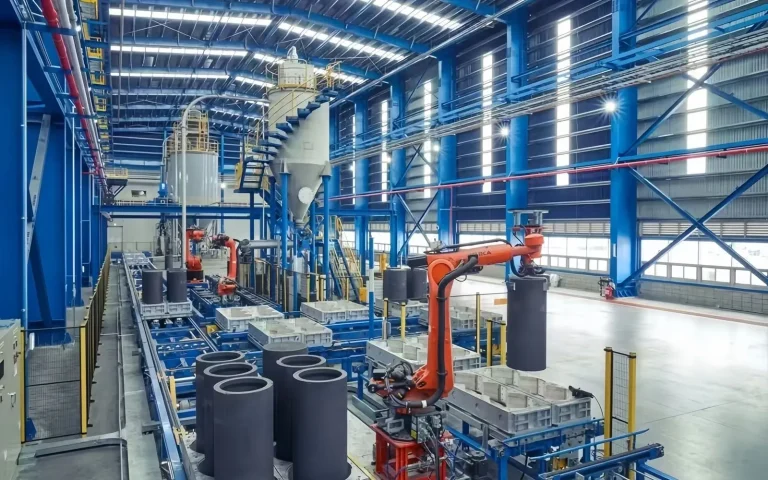
توفير الحل الكامل لصنع مواد الأُنود الجرافيتي، بما في ذلك الطحن، والتشكيل، والتنقية…
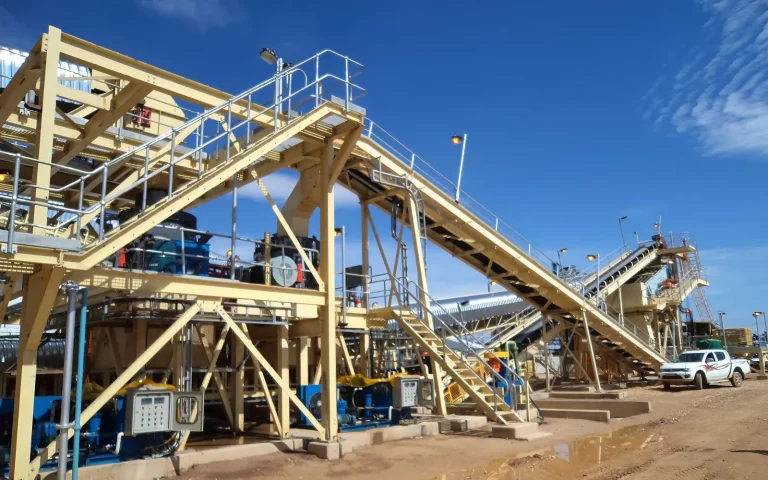
يعتبر تسريب الأحواض خيارًا جيدًا لصاحب المشروع لبدء المرحلة الأولية لتوفير الاستثمار

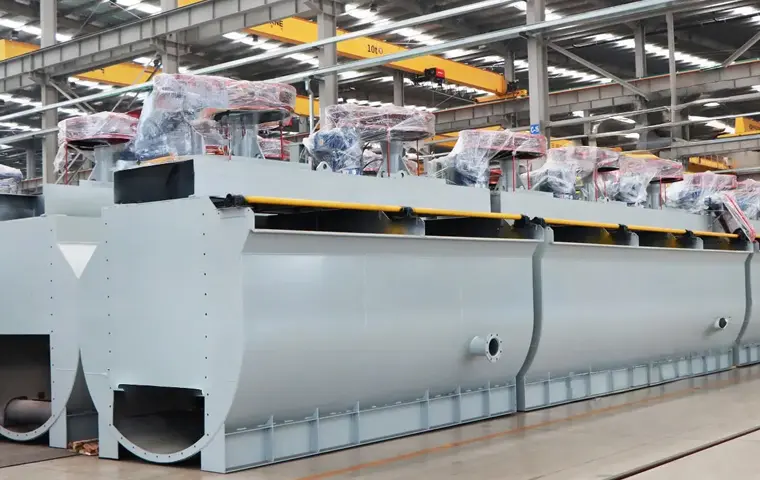
الخام: خام ذهبي من نوع كبريتيد مع خام البيريت، درجة الذهب: 3.8 جم/طن، درجة التركيز: 42 جم/طن ذهباً
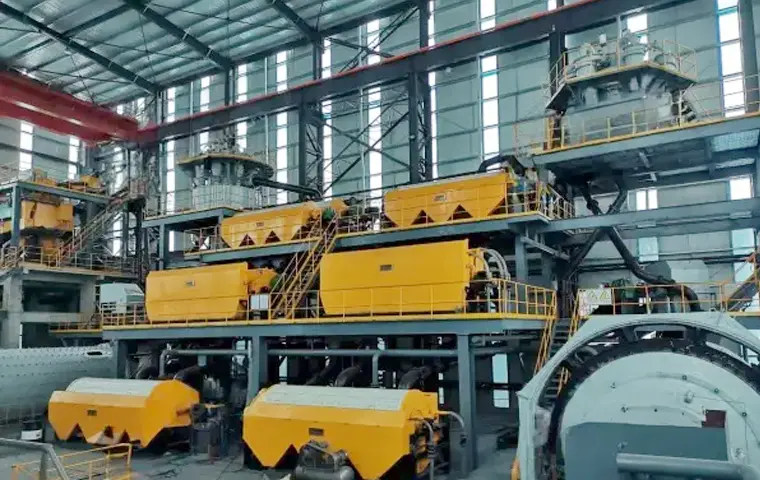
خام خام: خام حديد مغناطيسي مع حزام هيماتيت درجة الحديد: ٢٨-٣٢٪ المنتج النهائي: تركيز حديد عالي الجودة
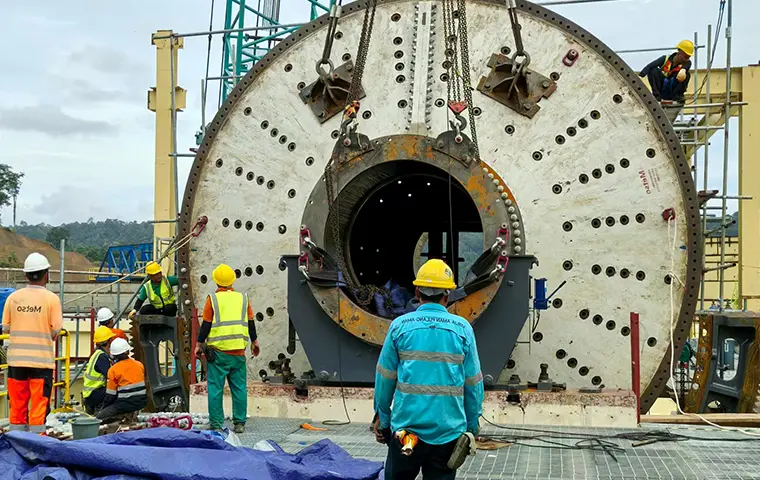
خام: خام الذهب من نوع السطحي/ الكبريتيد (حسب الرواسب المحددة) درجة الذهب: 3.5 غرام/طن معدل استرداد الذهب: 92%
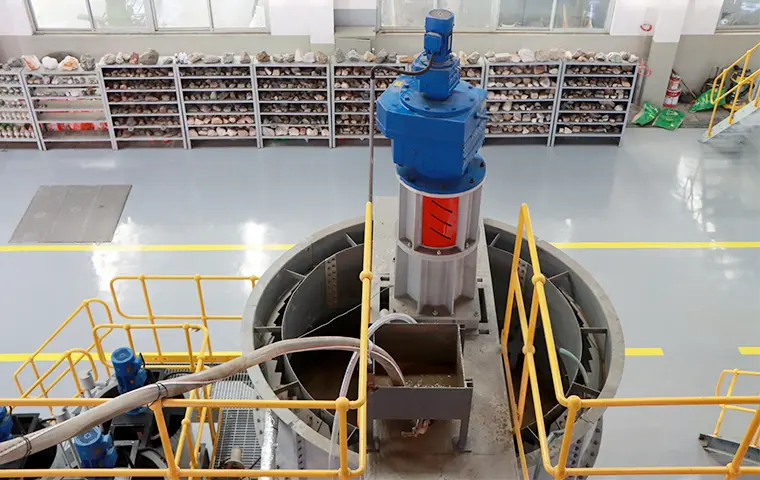
خام خام: خام الفوسفات عالي السليكا درجة P2O5: 22% محتوى SiO2: 35%
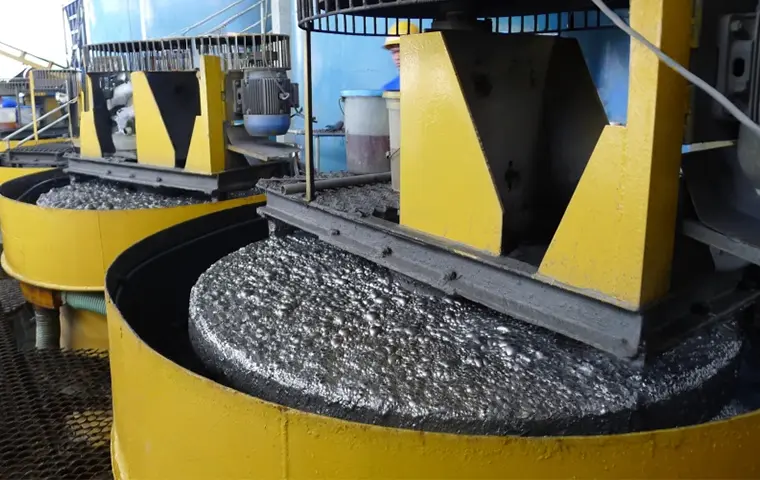
خام ore: خام الذهب والنحاس من نوع أكسيد مختلط. درجة الذهب: 1.5 غم/طن. درجة النحاس: 0.8%.
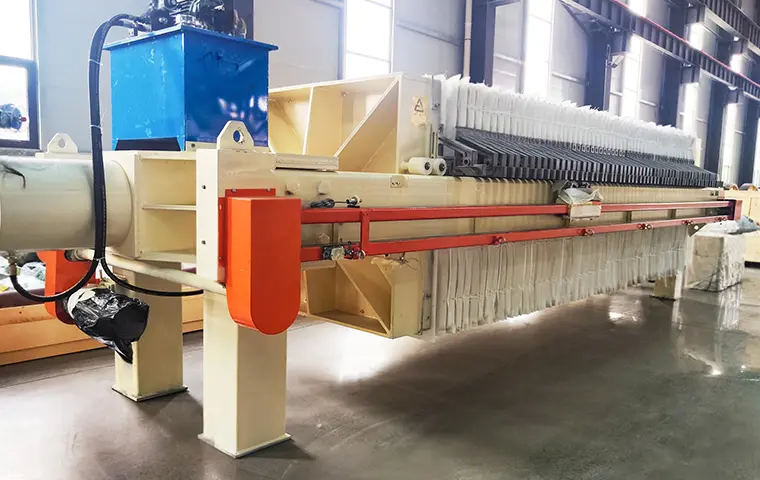
خلفية المشروع: ترقية دائرة إزالة المياه لتركّز الطفو ومخلفات المصنع لتقليل محتوى الرطوبة وتمكين التخلص الجاف من المخلفات.

خام الخام: خام النحاس من نوع كبريتيد (مع الذهب المرتبط) درجة الذهب: 0.6 جرام/طن درجة النحاس: 1.2%
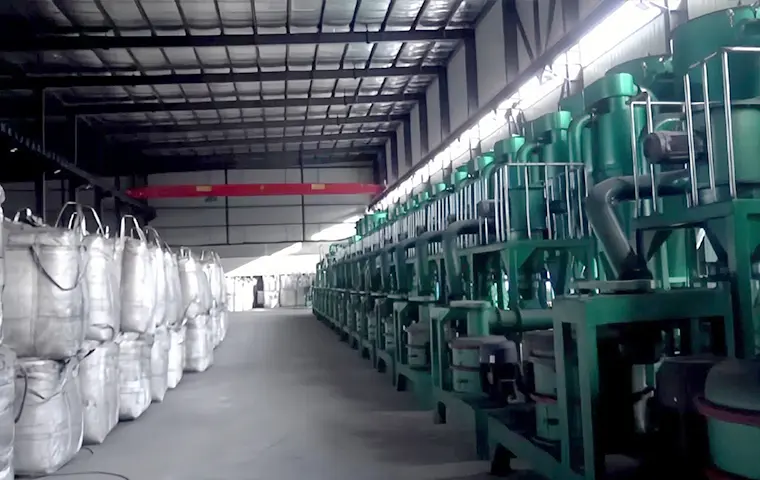
المادة الخام: جرافيت عالي النقاء (99.95% كربون) قدرة المشروع: 10,000 طن سنويًا
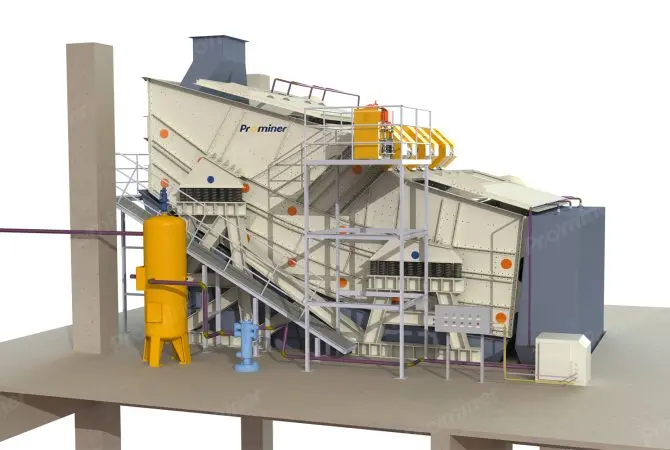
شاشة الموز معروفة أيضًا باسم شاشة سمك السرير الثابت. تتمتع شركة بروماينر بالقدرة على تزويد شاشة جافة
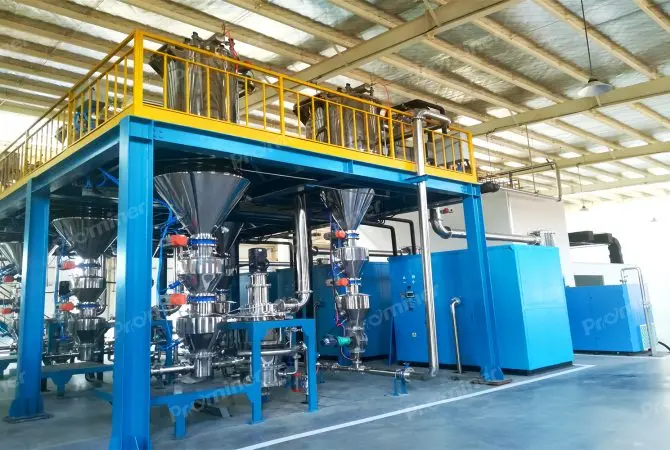
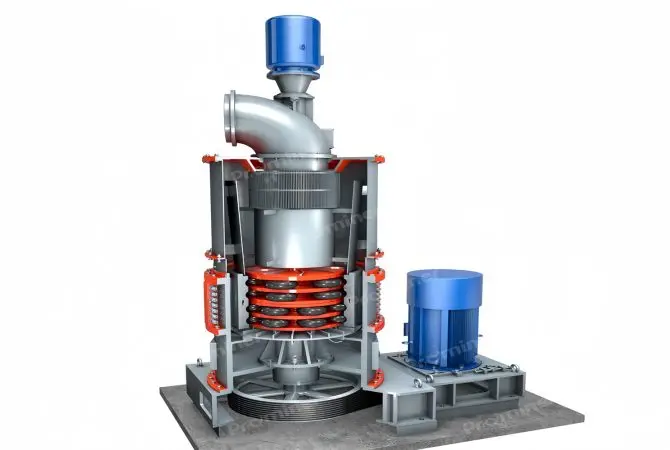
تسمى طاحونة النفاثة أيضًا طاحونة سرير مميع باستخدام عدة فوهات لتشكيل تدفق هواء بسرعة صوتية
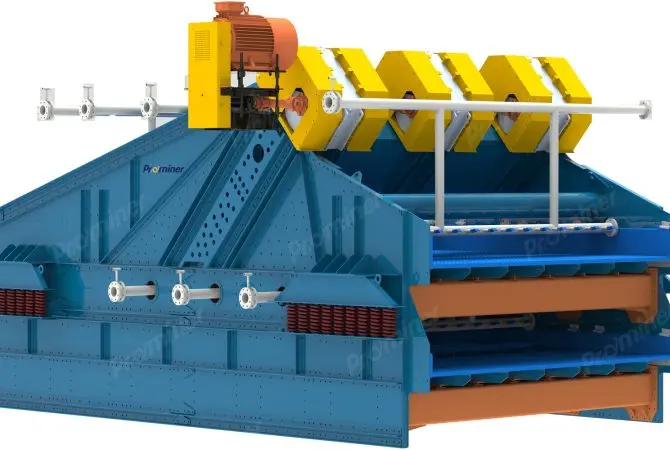
يمكن لشركة بروماينر توفير جميع أنواع الشاشات الخطية لتصنيف المعادن، وتقسيم المواد، وإزالة المياه
لمعرفة المزيد عن منتجاتنا وحلولنا، يرجى ملء النموذج أدناه وسيتواصل معك أحد خبرائنا قريبًا
مشروع فحص الذهب بقدرة 3000 طن يوميًا في مقاطعة شاندونغ
2500 طن يوميًا من فحص خام الليثيوم في سيتشوان
Fax: (+86) 021-58779592
العنوان: الغرفة 606، مبنى D3، المرحلة الثانية، مركز أعمال تشوانشا، 777 لونغ، طريق ميواوشوان، المنطقة الجديدة باودونغ، شنغهاي، الصين
حقوق الطبع والنشر © 2023. بروماينر (شنغهاي) لتكنولوجيا التعدين المحدودة.