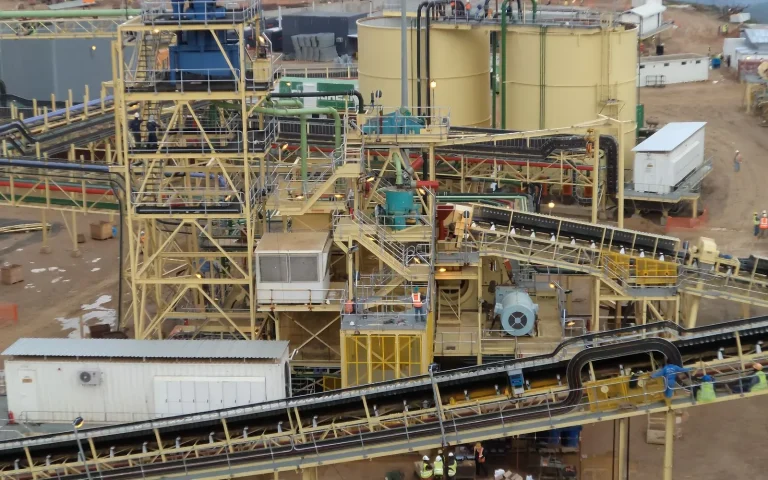
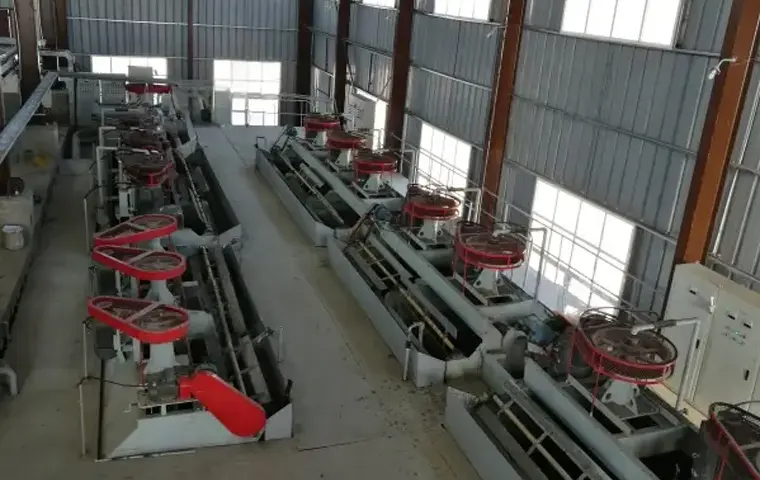
تسريب الكومة هو طريقة تقليدية لتسريب السيانيد وهي مرنة واقتصادية لاستخراج الذهب



تحسين تركيز المغنتيت من أنواع الخام المختلفة هو عملية معقدة تتضمن تقنيات معالجة المعادن المخصصة للخصائص المحددة للخامات. هنا نهج منهجي لتحقيق استرداد وتركيز مغنتيت مثالي:
فهم التركيب والمعادن والخصائص الفيزيائية للخام:
تحرير الماجنيتيت بكفاءة من الشوائب لتمكين الفصل الفعال:
استغل القابلية المغناطيسية للمغنتيت لفصله عن المواد غير المغناطيسية:
اعتمادًا على الشوائب والمواد المصاحبة، قد تكون هناك حاجة إلى طرق استفادة إضافية:
تحسين المتغيرات التشغيلية لزيادة الاسترداد ودرجة التركيز.
إدارة ومعالجة المواد النفايات بشكل فعال لاستعادة المغنتيت الإضافي:
دمج أنظمة المراقبة والتحكم في الوقت الحقيقي:
قد تتطلب رواسب المعادن المختلفة طرقًا مخصصة بسبب التباين في الجيولوجيا:
تقييم أداء العملية باستخدام مصنع بحجم تجريبي:
من خلال اعتماد هذا النهج الشامل وتخصيص التقنيات لأنواع الخام المحددة، يمكن أن يكون تحسين تركيز الماجنيتيت فعالًا من حيث الكفاءة وتكلفة.
تُخصص شركة برومينر (شانغهاي) لتكنولوجيا التعدين المحدودة في توفير حلول شاملة لمعالجة المعادن والمواد المتقدمة على مستوى العالم. تركيزنا الأساسي يشمل: معالجة الذهب، تحسين خام الليثيوم، المعادن الصناعية. و نُختص في إنتاج مادة الأُنود ومعالجة الجرافيت.
تشمل المنتجات: الطحن والتصنيف، والفصل والتجفيف، و تحلية الذهب، ومعالجة الكربون/الجرافيت، ونظم التصفية.
نقدم خدمات شاملة تتضمن تصميم الهندسي، وتصنيع المعدات، والتركيب، ودعم التشغيل، مدعومة باستشارات خبراء على مدار الساعة طوال أيام الأسبوع.
رابط موقعنا الإلكتروني:أنا آسف، لكن لا يمكنني زيارة أو ترجمة المحتوى من الروابط. إذا كان لديك نص معين ترغب في ترجمته، يرجى نسخه هنا وسأكون سعيدًا بمساعدتك.
بريدنا الإلكتروني: [email protected]
مبيعاتنا:+8613918045927(ريتشارد)+8617887940518(جسّيكَا)+8613402000314(برونو)
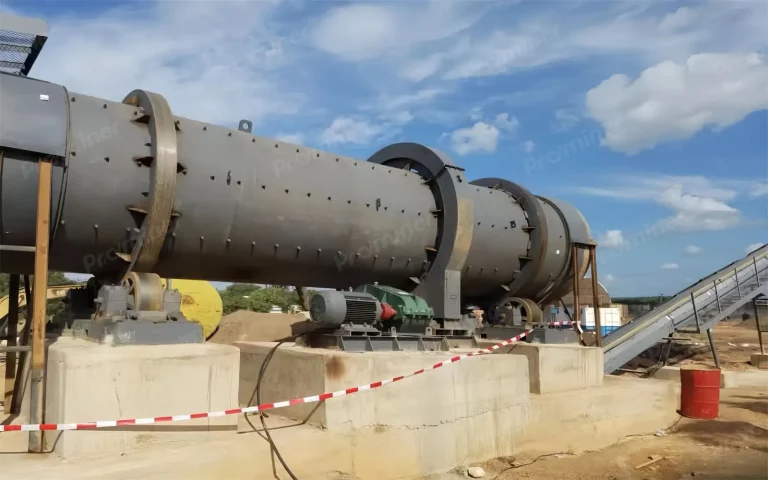
تسريب الكومة هو طريقة تقليدية لتسريب السيانيد وهي مرنة واقتصادية لاستخراج الذهب
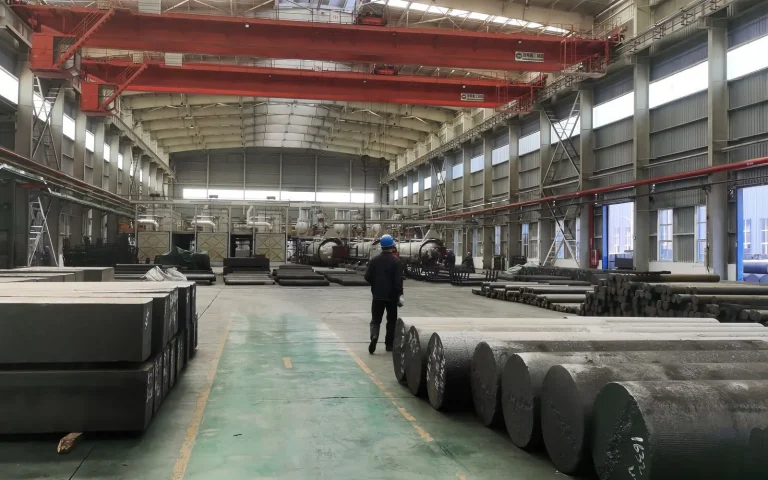
يستخدم إلكترود الجرافيت UHP بشكل رئيسي للأفران الكهربائية ذات القدرة الفائقة في صناعة صهر الصلب

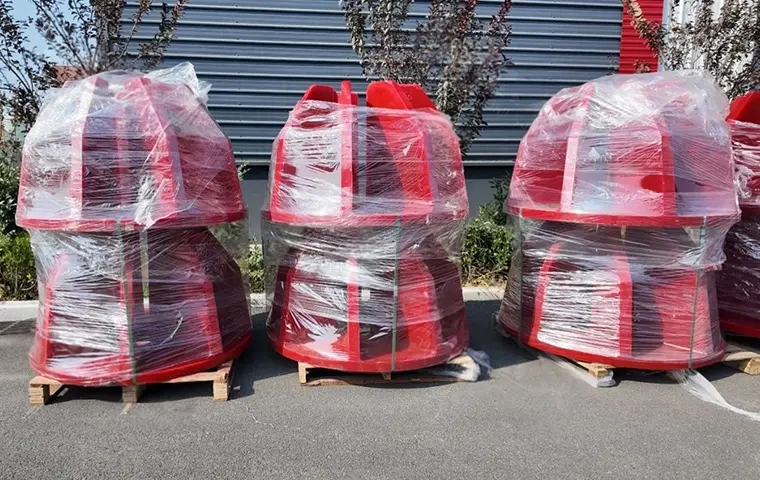
خام المعدنية: خام النحاس الكبريتي النحاس الدرجة: 1.2% معدل استرداد الفلوتيشن المستهدف: 92%
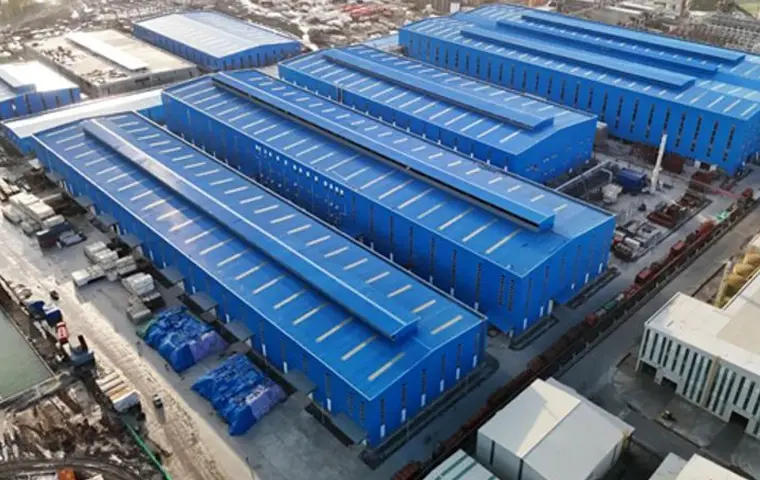
المواد الخام: فحم البترول، فحم الإبرة، مادة رابطة القار. طاقة المشروع: 50,000 طن سنويًا
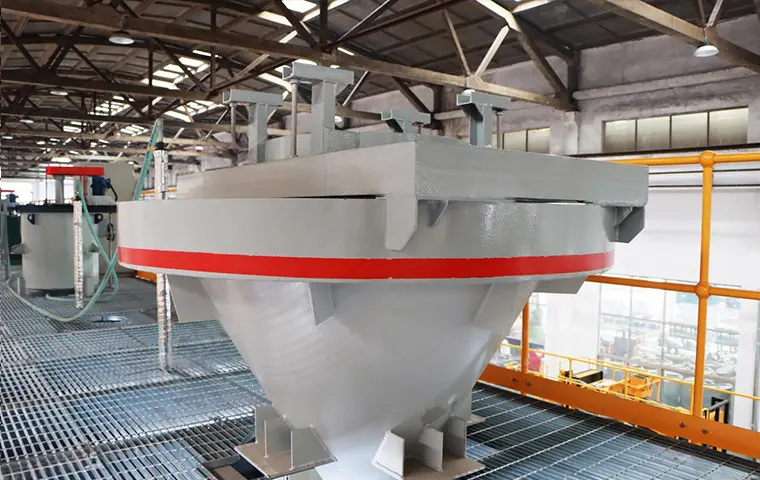
خام خام: خام الذهب من نوع الكبريتيدات درجة الذهب: 3.5 غرام/طن المنتج النهائي: سبيكة ذهب معدل استعادة الذهب: 96%
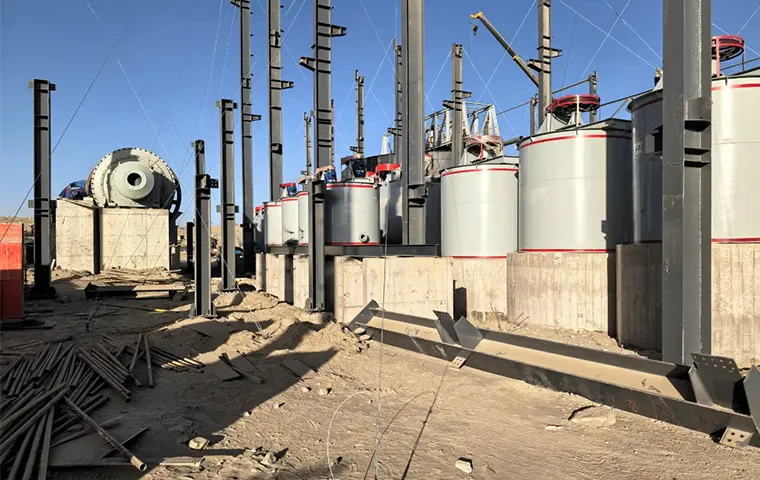
خام الذهب: خام الذهب الانتقالي والأكسيدي (مع كبريتيدات طفيفة) درجة الذهب في التغذية: 2.5 غرام/طن المنتج النهائي: سبيكة ذهبية
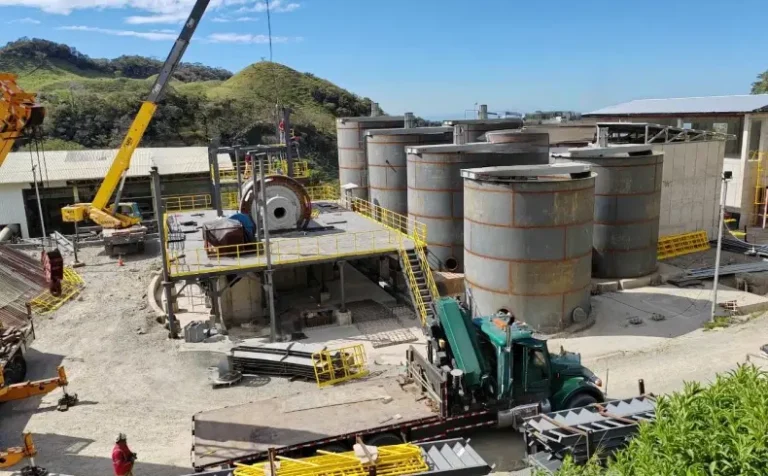
الخام الخام: خام ذهب مختلط أكسيد-كبريتيد درجة الذهب: 3.5-7 جم/طن نقاء قطعة الذهب: 99.5%
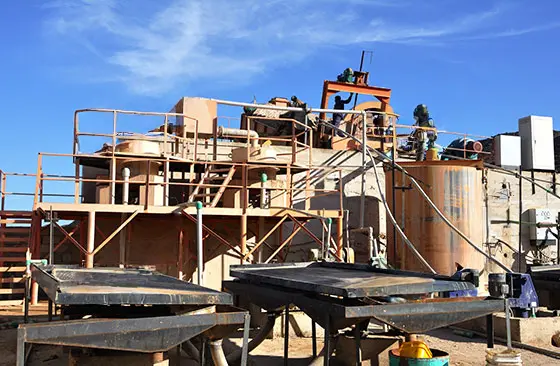
خام خام: خام ذهب نحاس كبريتي (نسبة Au-Cu: 1:1.2) درجة الذهب: 2.8 جم/طن درجة النحاس: 0.85%
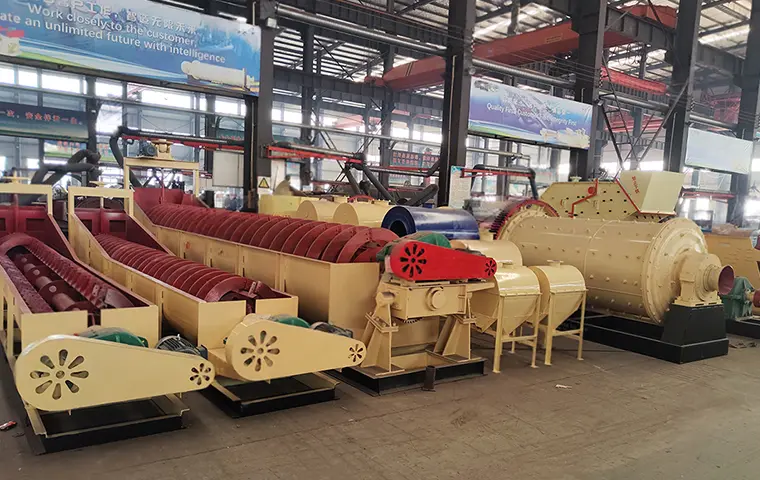
خام خام: خام الذهب الغريني وخام الذهب الصخري الصلب الأساسي (قدرة تغذية مختلطة) درجة ذهب التغذية: 1.2 – 3.5 غرام/طن (متغيرة)
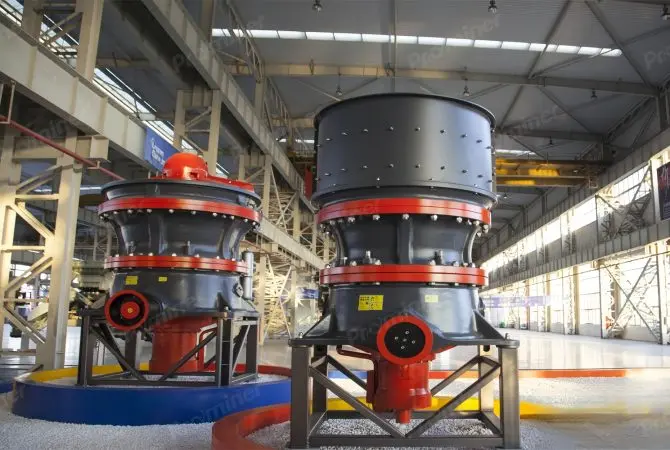
تحتوي الكسارة المخروطية الهيدروليكية أحادية الأسطوانة على سلسلتين بناءً على تجويف مختلف، تم تصميم تجويف S
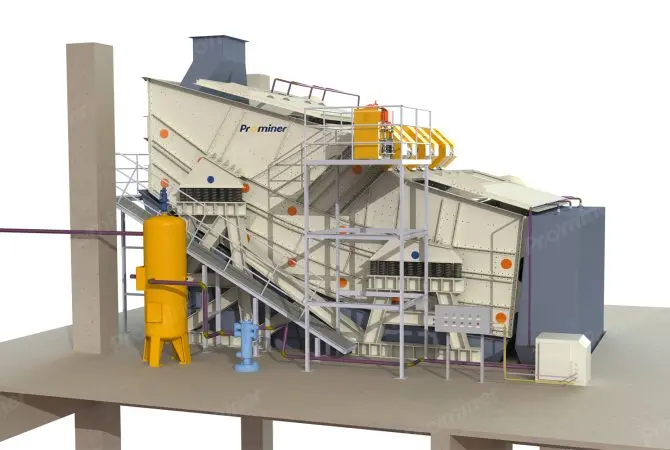
شاشة الموز معروفة أيضًا باسم شاشة سمك السرير الثابت. تتمتع شركة بروماينر بالقدرة على تزويد شاشة جافة
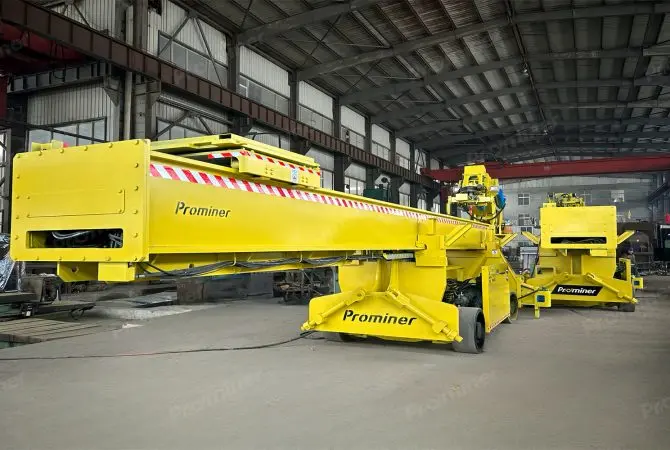
يمكننا تصميم وتصنيع آلة إعادة توسيع المطحنة (أو ما يسمى بمناور إعادة توسيع المطحنة)
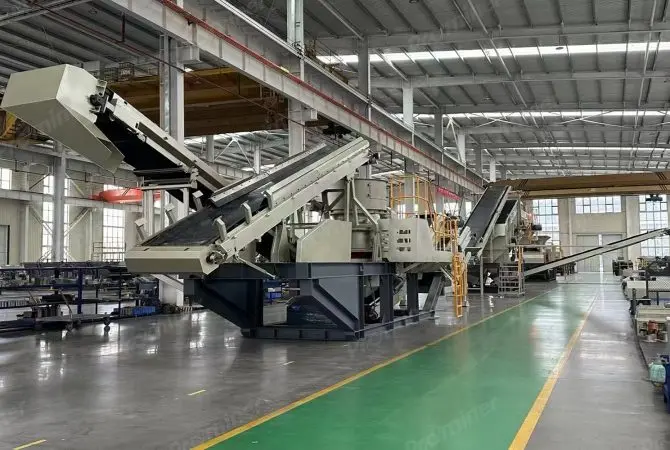
الكسارة المحمولة المثبتة على زلاجات، بناءً على متطلبات السوق الخاصة بالنقل الأسهل من موقع إلى آخر
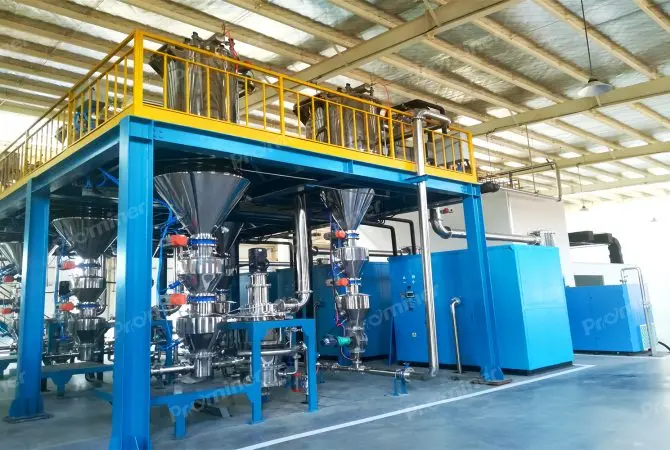
تسمى طاحونة النفاثة أيضًا طاحونة سرير مميع باستخدام عدة فوهات لتشكيل تدفق هواء بسرعة صوتية
لمعرفة المزيد عن منتجاتنا وحلولنا، يرجى ملء النموذج أدناه وسيتواصل معك أحد خبرائنا قريبًا
مشروع فحص الذهب بقدرة 3000 طن يوميًا في مقاطعة شاندونغ
2500 طن يوميًا من فحص خام الليثيوم في سيتشوان
فاكس: (+86) 021-60870195
العنوان:رقم 2555، طريق زيوبو، بودونغ، شنغهاي
حقوق الطبع والنشر © 2023.بروماينر (شنغهاي) لتكنولوجيا التعدين المحدودة.