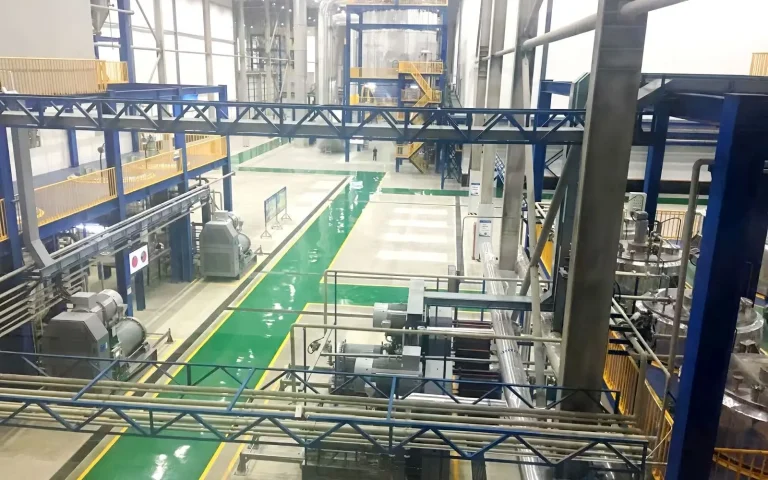
تعتبر مادة الكاثود واحدة من المواد الرئيسية التي تحدد أداء بطاريات الليثيوم أيون



يعد استعادة الهيماتيت الناعم من الخام المعقد تحديًا بسبب الطبيعة الدقيقة للهيماتيت ووجود الشوائب أو معادن النفايات. يتطلب تحسين عملية الاسترداد اختيار ودمج الطرق الفيزيائية والكيميائية والتكنولوجية المناسبة. وفيما يلي الاستراتيجيات الشائعة:
يعتمد أفضل نهج على معادن خامك، توزيع حجم الجسيمات، والموارد المتاحة. يمكن أن يؤدي الجمع بين التقنيات التقليدية والمتقدمة إلى زيادة استعادة الهيماتيت. تعتبر الاختبارات التجريبية ضرورية لتخصيص الحل لخامتك المحددة.
تُخصص شركة برومينر (شانغهاي) لتكنولوجيا التعدين المحدودة في توفير حلول شاملة لمعالجة المعادن والمواد المتقدمة على مستوى العالم. تركيزنا الأساسي يشمل: معالجة الذهب، تحسين خام الليثيوم، المعادن الصناعية. و نُختص في إنتاج مادة الأُنود ومعالجة الجرافيت.
تشمل المنتجات: الطحن والتصنيف، والفصل والتجفيف، و تحلية الذهب، ومعالجة الكربون/الجرافيت، ونظم التصفية.
نقدم خدمات شاملة تتضمن تصميم الهندسي، وتصنيع المعدات، والتركيب، ودعم التشغيل، مدعومة باستشارات خبراء على مدار الساعة طوال أيام الأسبوع.
رابط موقعنا الإلكتروني:أنا آسف، لكن لا يمكنني زيارة أو ترجمة المحتوى من الروابط. إذا كان لديك نص معين ترغب في ترجمته، يرجى نسخه هنا وسأكون سعيدًا بمساعدتك.
بريدنا الإلكتروني: [email protected]
مبيعاتنا:+8613918045927(ريتشارد)+8617887940518(جسّيكَا)+8613402000314(برونو)
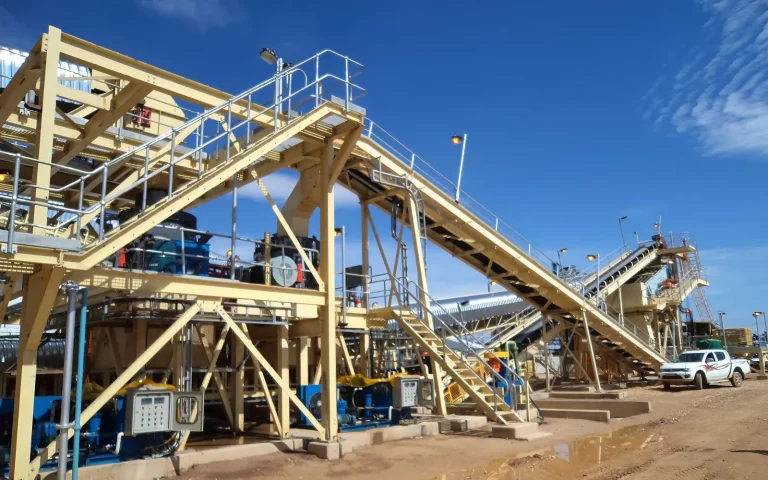
يعتبر تسريب الأحواض خيارًا جيدًا لصاحب المشروع لبدء المرحلة الأولية لتوفير الاستثمار
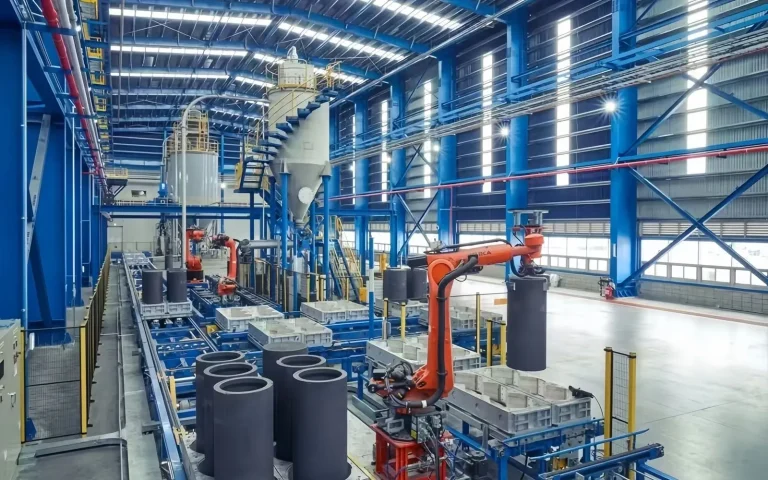
يمكن أن توفر كرومانر الحل الكامل لصنع مواد أنود الجرافيت الطبيعي بما في ذلك الطحن

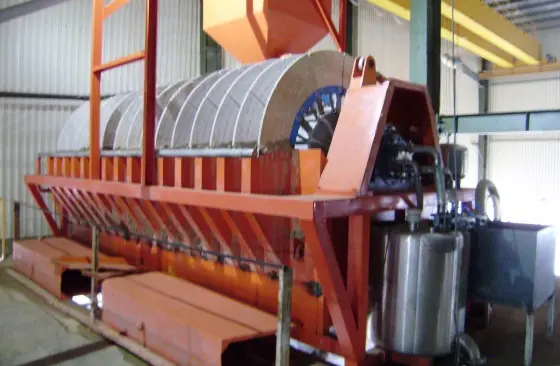
العميل: منتج رمال المعادن الثقيلة المواد الخام: تركيز الإلمينيت (ثاني أكسيد التيتانيوم 52-55%) المنتج النهائي: ثاني أكسيد التيتانيوم من نوع الرُتيل (نقاء ≥94%)
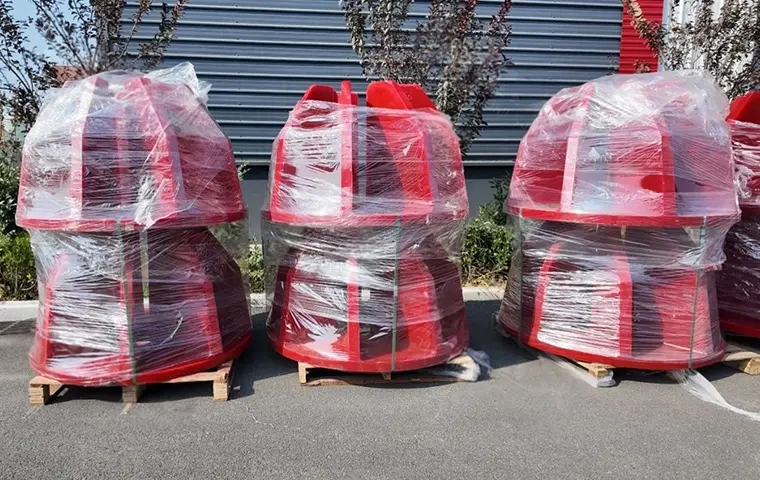
خام المعدنية: خام النحاس الكبريتي النحاس الدرجة: 1.2% معدل استرداد الفلوتيشن المستهدف: 92%
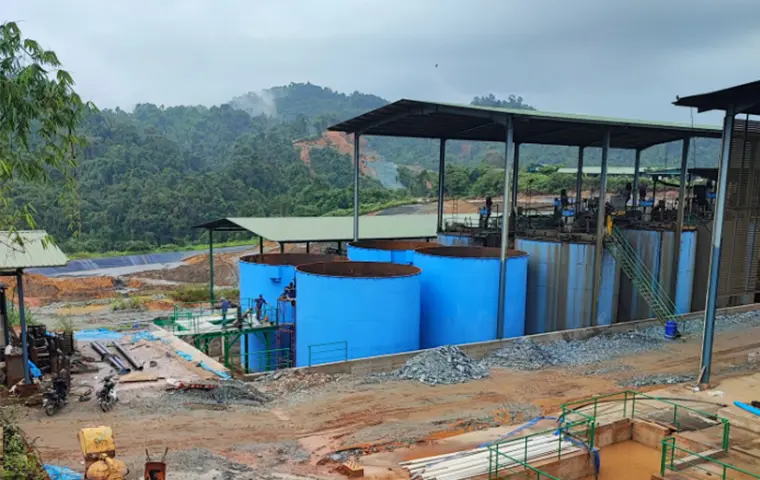
خام: خام الذهب الكبريتي غير القابل للصهر ونصف القابل للصهر درجة الذهب: 2.65 غرام/طن نقاء سبيكة الذهب: ≥95.5%
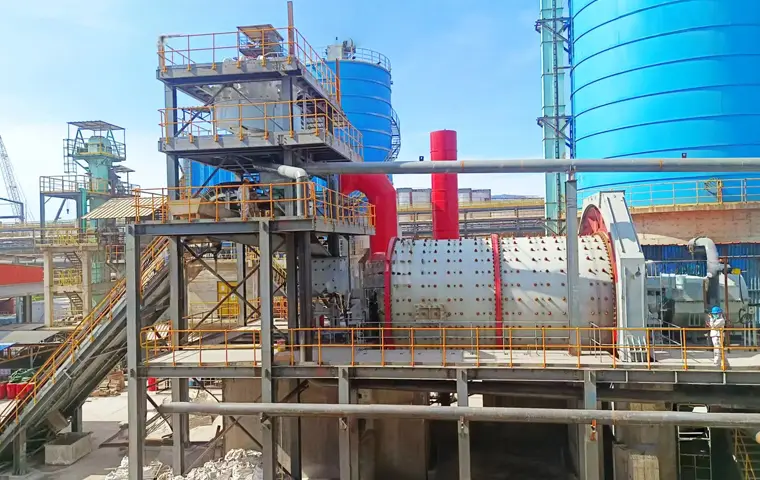
مادة خام: كلسيت عالي الكالسيوم الناتج النهائي: مسحوق مادة خام الأسمنت (شباك 200) و ركام بناء
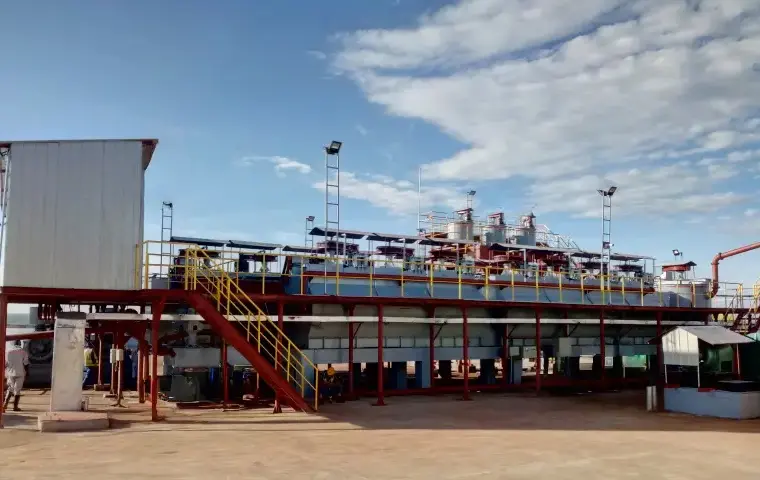
خام خام: خام فوسفات معقد يحتوي على السيليكا والكربونات. درجة P2O5: 18.5% درجة التركيز: 32% P2O5
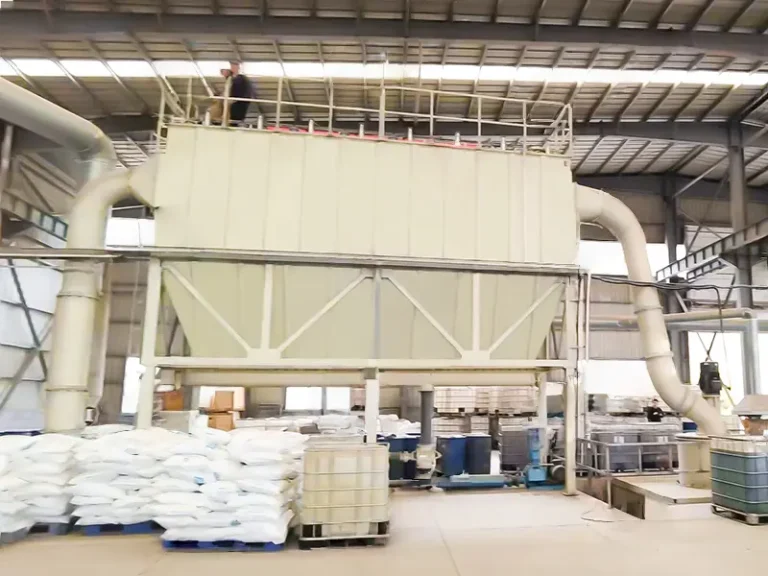
خام المعدن: صخور الدولوميت (CaMg(CO₃)₂) حجم المدخلات: ≤10 مم المنتج النهائي: مسحوق الدولوميت الفائق النعومة
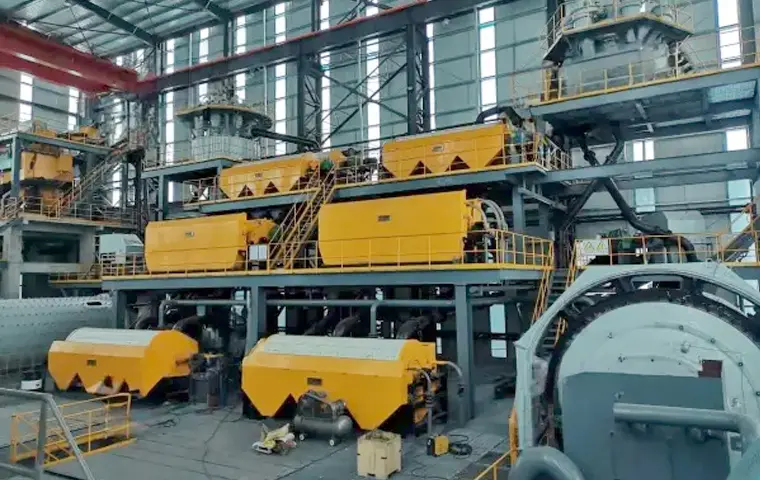
خام خام: خام حديد مغناطيسي مع حزام هيماتيت درجة الحديد: ٢٨-٣٢٪ المنتج النهائي: تركيز حديد عالي الجودة
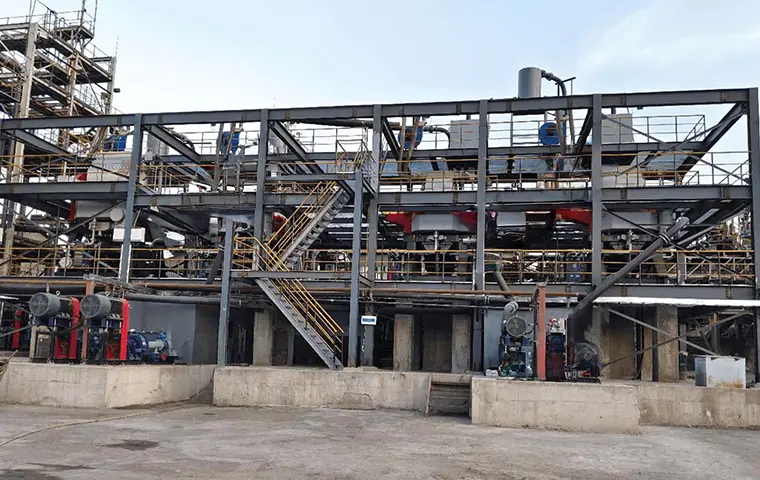
خام الحديد: خام الكروم الجنوب أفريقي، درجة Cr₂O₃ الأصلية: 38%، درجة المركزات المحسنة: 46%
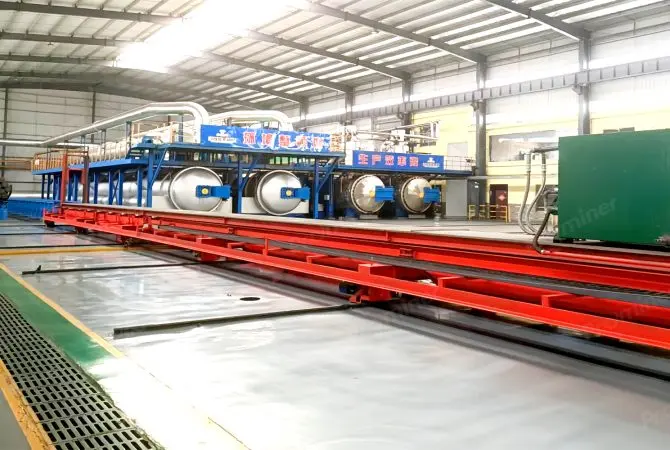
يمكننا توفير نوع الضغط العالي من الإشباع الساخن والدافئ للجرافيت الذي تم خبزه مرة واحدة.
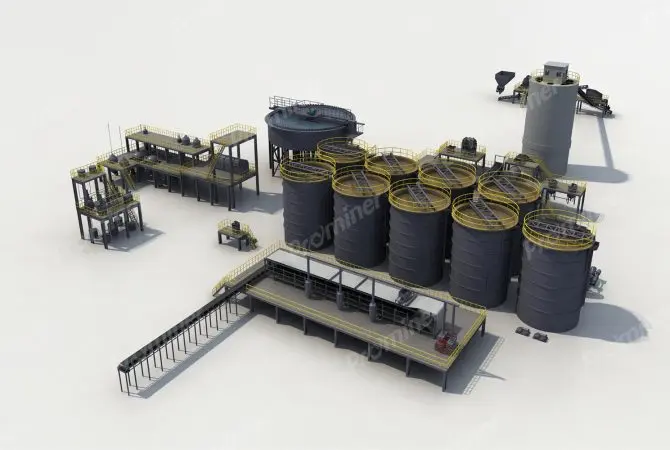
يمكن أن تقدم بروماينر الحل الكامل لنظام CIL (الكربون في الليشير)
لمعرفة المزيد عن منتجاتنا وحلولنا، يرجى ملء النموذج أدناه وسيتواصل معك أحد خبرائنا قريبًا
مشروع فحص الذهب بقدرة 3000 طن يوميًا في مقاطعة شاندونغ
2500 طن يوميًا من فحص خام الليثيوم في سيتشوان
فاكس: (+86) 021-60870195
العنوان:رقم 2555، طريق زيوبو، بودونغ، شنغهاي
حقوق الطبع والنشر © 2023.بروماينر (شنغهاي) لتكنولوجيا التعدين المحدودة.