أشهر الأنواع الخارجية من المعادن هو الذهب الطيني والذي يُعرف أيضًا باسم الذهب الثانوي. يشير الذهب الطيني إلى


/
/
How to Select the Most Profitable Technology for Different Gold Ore Types?


Selecting the most profitable technology for processing different types of gold ores is a complex decision that requires thorough evaluation of geological, metallurgical, environmental, and economic factors. The profitability of gold extraction and processing technologies depends on the ore type, mineralogy, grade, infrastructure, and market dynamics. Here are some steps to guide this selection process:
The most profitable technology for gold ore processing depends on an integrated assessment of ore type, recovery rates, costs, and market conditions. Collaborate with experienced metallurgists, geologists, engineers, and environmental experts to make an informed decision. Ultimately, piloting and testing are essential before committing to full-scale implementation.
A: تختلف خصائص المعادن بشكل كبير حتى ضمن نفس جسم الخام. يضمن الاختبار المهني (مثل التحليل الكيميائي، تحليل حيود الأشعة السينية، والتصوير المجهري الإلكتروني) أن تكون خريطة التدفق محسّنة لدرجة خامك وحجم التحرير المحددين. يمنع ذلك عدم التوافق المكلف في المعدات ويضمن أعلى معدلات استرداد ممكنة لمشروعك.
A: نحن نحتفظ بمخزون دائم من قطع الغيار الأساسية (مثل بطانات الكسارات، وشبكات الشاشة، ومواد طحن). للعملاء الدوليين، نقدم قائمة "قطع الغيار الموصى بها لمدة عامين" مع عملية الشراء الأولية. الدعم الفني متاح على مدار الساعة طوال أيام الأسبوع عبر الفيديو عن بُعد، ويمكن ترتيب زيارات ميدانية لاحتياجات الصيانة المعقدة.
أ: نعم. نحن نرسل فريقاً من المهندسين الميكانيكيين والكهربائيين ذوي الخبرة إلى الموقع للإشراف على التركيب والتشغيل واختبار الحمولة للمعدات. كما نقدم تدريباً شاملاً في الموقع لمشغليكم المحليين لضمان تشغيل سلس على المدى الطويل.
A: بالتأكيد. نحن متخصصون في تقديم خدمات EPCM (الهندسة، الشراء، إدارة البناء). يشمل ذلك كل شيء من الفحوصات الأولية للخامات وتصميم المناجم إلى تصنيع المعدات واللوجستيات وتكامل المصانع على نطاق كامل، مما يضمن انتقالاً سلساً من المرحلة الخضراء إلى مرحلة الإنتاج.
أشهر الأنواع الخارجية من المعادن هو الذهب الطيني والذي يُعرف أيضًا باسم الذهب الثانوي. يشير الذهب الطيني إلى
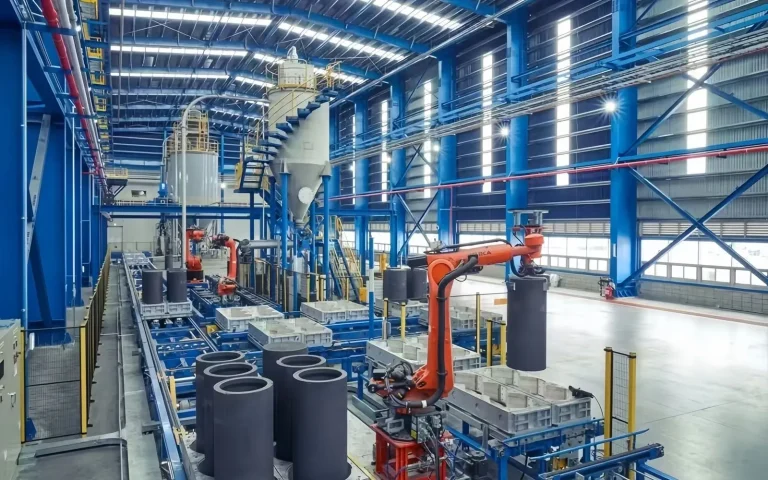
توفير الحل الكامل لصنع مواد الأُنود الجرافيتي، بما في ذلك الطحن، والتشكيل، والتنقية…
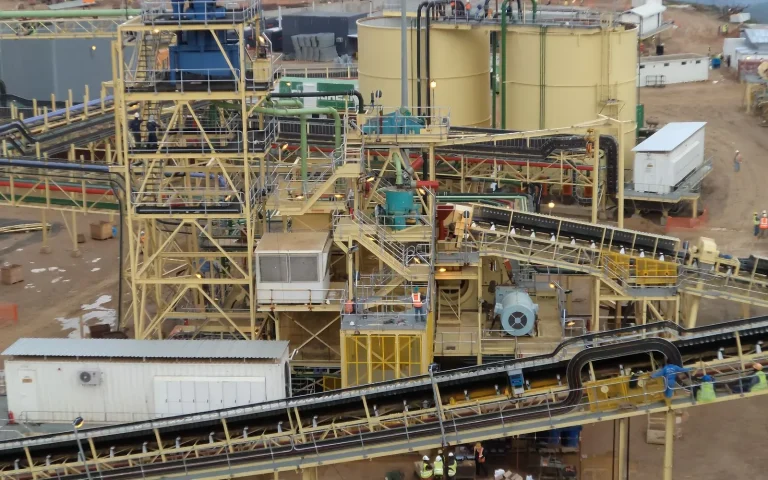
توفير معدات مهمة في عملية معالجة خام الذهب، مثل نظام CIL/CIP، وخلايا التذرية…

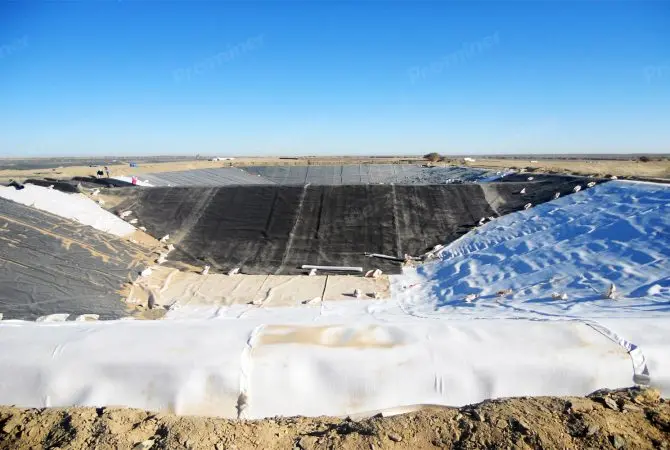
خام الخام: خام الذهب من نوع الأكسيد درجة الذهب: 1.8 غرام/طن
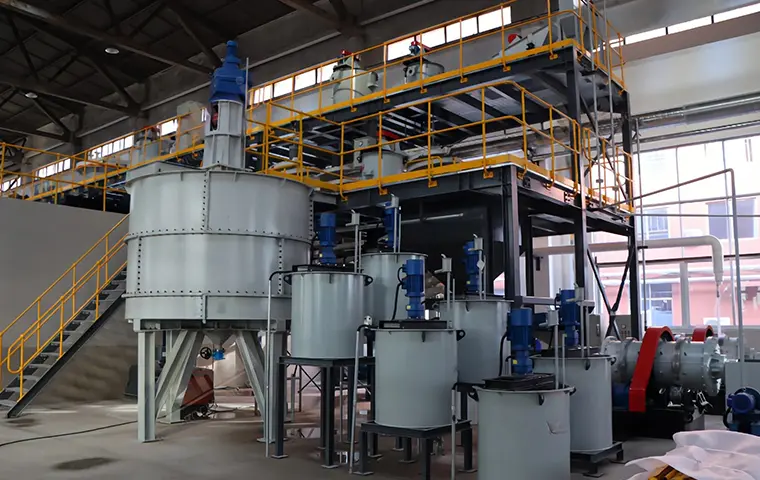
خلفية المشروع: توسيع وترقية تكنولوجية لمحطة التعويم الحالية
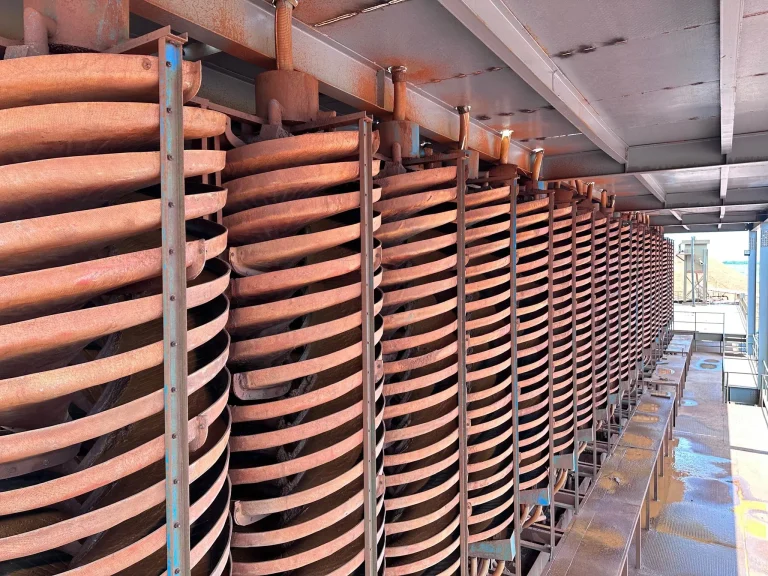
خام معادن: خام رمال الشاطئ من التيتانيوم والزركونيوم درجة TiO₂: 4.5% درجة ZrO₂: 3.2%
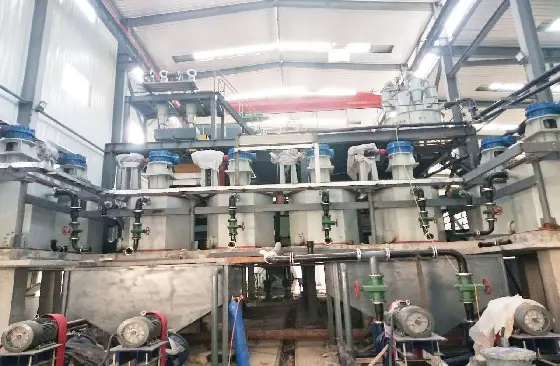
مادة خام: صخر الكوارتزيت (سيليكا SiO₂: 97.8%) درجة فوتوفولتية: سيليكا SiO₂ ≥ 99.99%، أكسيد الحديد Fe₂O₃ ≤ 10 جزء في المليون
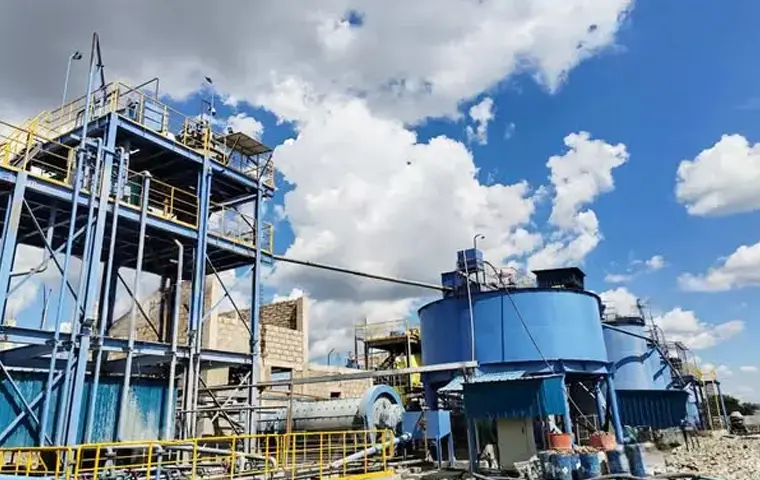
خام خام: خام نحاس-ذهب درجة النحاس: 1.2% درجة الذهب: 1.5 جرام/طن معدل الاسترداد: النحاس 89%، الذهب 88%
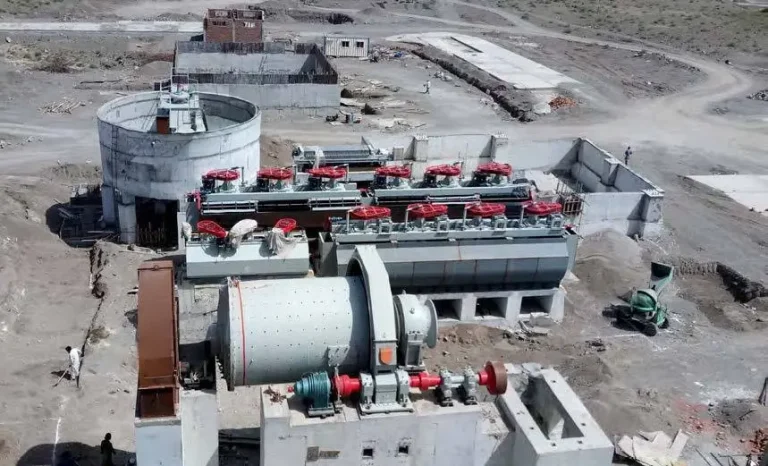
خام خام: خام مختلط أكسيد-كبريتيد نحاس (شالكوسيت/مالاكيت) درجة النحاس: 1.2% | الفضة: 15 جم/طن
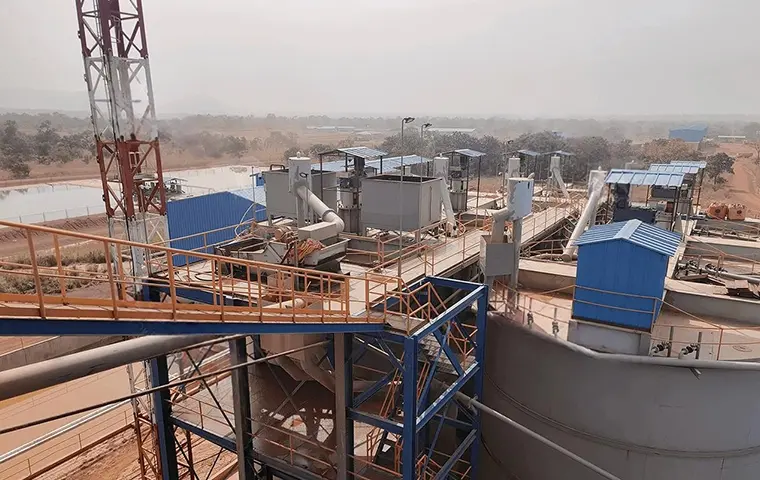
خام خام: خام النحاس الكبريتي (مع محتوى طفيف من البيريت) درجة النحاس: 1.2% درجة التركيز: 25% نحاس

المادة الخام: مخلفات مصنع الذهب الحالي (جيوب الكل) درجة الذهب في المخلفات: 1.2 غم/طن المنتج النهائي: قضيب ذهب
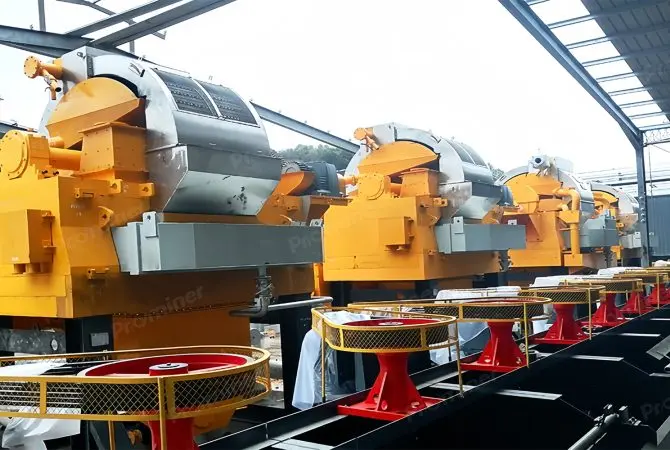
يمكن أن توفر بروماينر أنواعًا مختلفة من الفواصل المغناطيسية HIMS (فاصل مغناطيسي عالي الكثافة)
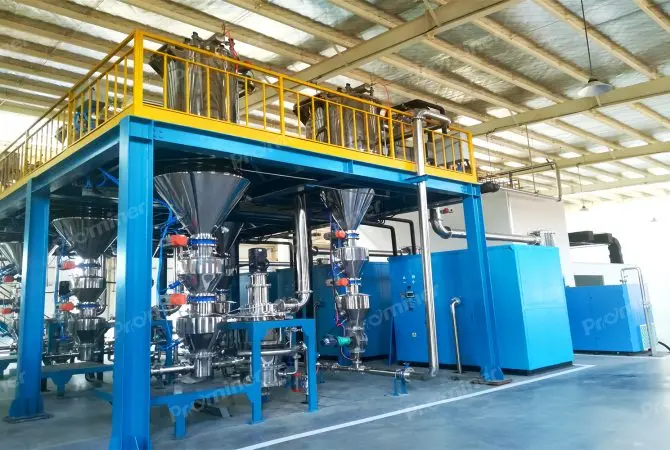
تسمى طاحونة النفاثة أيضًا طاحونة سرير مميع باستخدام عدة فوهات لتشكيل تدفق هواء بسرعة صوتية
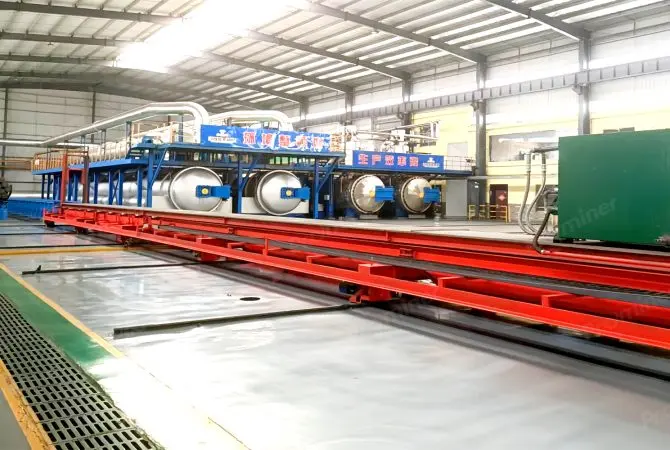
يمكننا توفير نوع الضغط العالي من الإشباع الساخن والدافئ للجرافيت الذي تم خبزه مرة واحدة.
لمعرفة المزيد عن منتجاتنا وحلولنا، يرجى ملء النموذج أدناه وسيتواصل معك أحد خبرائنا قريبًا
مشروع فحص الذهب بقدرة 3000 طن يوميًا في مقاطعة شاندونغ
2500 طن يوميًا من فحص خام الليثيوم في سيتشوان
فاكس: (+86) 021-60870195
العنوان:رقم 2555، طريق زيوبو، بودونغ، شنغهاي
حقوق الطبع والنشر © 2023.بروماينر (شنغهاي) لتكنولوجيا التعدين المحدودة.