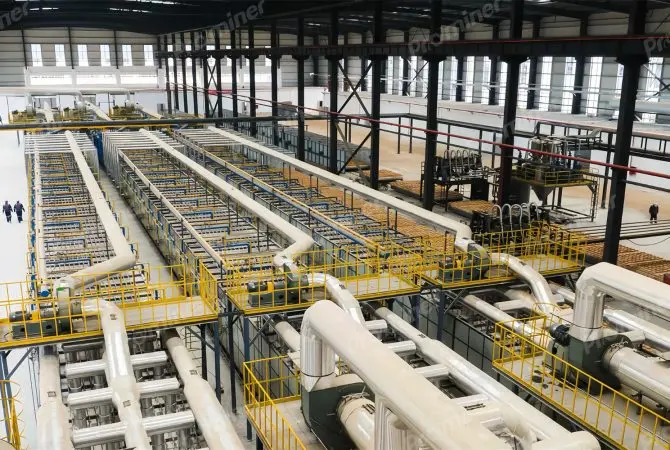
يعتبر تسريب الأحواض خيارًا جيدًا لصاحب المشروع لبدء المرحلة الأولية لتوفير الاستثمار


/
/
ما هي الطرق الفعالة لمعالجة الكوارتز بواسطة التفلور والمعالجة الكيميائية؟


الكوانت واحد من أكثر المعادن وفرة في قشرة الأرض ويستخدم على نطاق واسع في صناعة الزجاج والسيراميك والإلكترونيات وتطبيقات السيليكون عالي النقاء. ومع ذلك، غالبًا ما يحتوي الكوانت الخام على شوائب مثل أكاسيد الحديد، الفلسبار، الميكا، معادن الطين، والمعادن الثقيلة. لتلبية معايير الجودة الصناعية—وبشكل خاص للكوانت عالي النقاء—تُستخدم تقنيات معالجة متقدمة مثل التعويم والمعالجة الكيميائية.
فيما يلي نظرة عامة على الطرق الفعالة المستخدمة في تنقية الكوارتز.
تعتمد فعالية تحسين جودة الكوارتز على نوع وتوزيع الشوائب. وتشمل الشوائب الشائعة:
الهدف الرئيسي من المعالجة هو زيادة محتوى SiO₂ مع تقليل الشوائب المعدنية وغير المعدنية. قد تتطلب الصناعات عالية الجودة، مثل تصنيع أشباه الموصلات والخلايا الشمسية، مستويات نقاء من السيليكا تتجاوز 99.9%.
الطفو هو أحد أكثر التقنيات كفاءة لفصل الكوارتز عن المعادن المصاحبة استنادًا إلى الاختلافات في خصائص السطح.
في هذه الطريقة، يُعلَّق الكوارتز على السطح بينما تُخفض الشوائب. يُستخدم عادةً جامعو الكاتيونات مثل الأمينات تحت ظروف حموضة أو محايدة.
الخطوات الرئيسية تشمل:
هذه الطريقة فعالة بشكل خاص عندما يكون الكوارتز هو المعدن الثمين الرئيسي.
الطفو العكسي يُستخدم على نطاق واسع في تحسين جودة الكوارتز. بدلاً من عزله عن طريق الطفو، تُطفى الشوائب مثل الفلسبار والمعادن المحتوية على الحديد بعيدًا.
الطفو العكسي يُفضل غالبًا لإنتاج الكوارتز عالي النقاء لأنه يُحسن الاختيارية ويقلل من فقدان السيليكا.
الشوائب الحديدية تؤثر بشكل كبير على جودة الكوارتز. يمكن للتعويم المستهدف إزالة المعادن المحتوية على الحديد باستخدام:
هذه التركيبة تحسن النتائج العامة للتنقية.
عندما تكون الطرق الفيزيائية وطرق الطفو غير كافية لتحقيق معايير النقاء، يتم تطبيق المعالجة الكيميائية لتحسين الجودة لإزالة الشوائب الدقيقة.
الترشيح الحمضي هو أحد أكثر تقنيات التنقية الكيميائية فعالية. فهو يزيل أكاسيد الحديد وغيره من الشوائب المعدنية من أسطح الكوارتز وحدود الحبوب.
الأحماض الشائعة الاستخدام:
يتم عادةً إجراء الترشيح في ظل درجة حرارة متحكم بها وتحريك لزيادة كفاءة التفاعل.
للكوارتز عالي النقاء للغاية، تُستخدم أنظمة الأحماض المختلطة (مثل HCl + HF). هذه الطريقة:
تُعتبر بروتوكولات السلامة والبيئة الصارمة ضرورية بسبب الطبيعة المسببة للتآكل والسمية لهذه المواد الكيميائية.
في بعض الحالات، يساعد المعالجة القلوية تليها الحرق على تفكيك مراحل الشوائب قبل الترشيح الحمضي. كما يمكن أن تساعد المعالجة الحرارية:
هذه الخطوة السابقة للعلاج تزيد من فعالية التنقية الكيميائية التالية.
تجمع أكثر مصانع معالجة الكوارتز فعالية بين تقنيات متعددة في نهج تدريجي:
يعظم هذا العملية المتكاملة استرداد السيليكا مع تحقيق مستويات عالية من النقاء مناسبة للتطبيقات الصناعية المتطلبة.
تؤثر عدة عوامل على أداء التعويم والمعالجة الكيميائية:
يعد التحسين الدقيق لهذه المعلمات أمراً ضرورياً لتحقيق معدلات استرداد عالية وجودة منتج فائقة.
يتطلب معالجة الكوارتز الفعالة مزيجًا من الفصل الفيزيائي وتقنيات التفجيج والتعويم والمعالجة الكيميائية. يعتبر التفجيج فعالًا جدًا في إزالة الفلسبار والميكا والمعادن الحاملة للحديد، في حين يضمن الترشيح الحمضي إزالة الملوثات الدقيقة للتطبيقات عالية النقاء.
من خلال دمج هذه الأساليب في تدفق عملية مصمم بشكل جيد، يمكن للمنتجين تحقيق معايير النقاء الصارمة المطلوبة في الصناعات الحديثة مثل صناعة الزجاج والإلكترونيات وإنتاج الطاقة الشمسية.
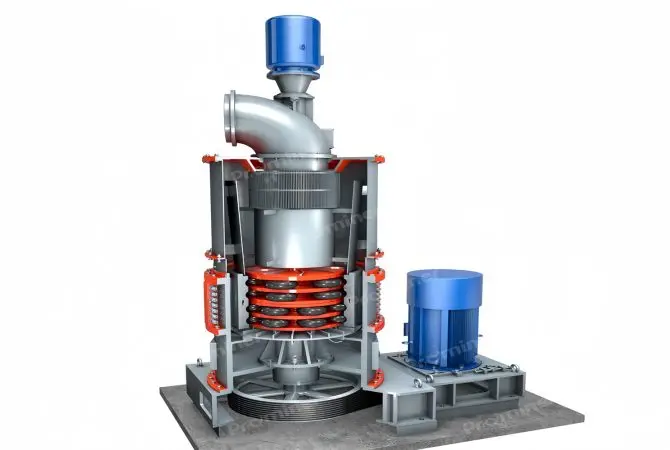
A: بالنسبة لموارد الجرافيت، ينبغي أن تغطي الحلول الكاملة كل من تعويم الجرافيت الطبيعي والمعالجة العميقة. يُعد نظام الطاحونة الكرة والهايدرو سيكلون مرحلة الطحن الأساسية. لإنتاج مادة الأنود المتقدمة، فإن مطحنة التشكيل ضرورية لتحسين كثافة التدفق وتقليل المساحة السطحية المحددة. بالإضافة إلى ذلك، فإن نظام طلاء Prominer، الذي يجمع بين وظيفة الطلاء والتجفيف، هو خطوة رئيسية في معالجة مواد الأنود ذات الأرباح العالية.
أ: يعتمد اختيار العملية بشكل كامل على خصائص الخام. تعتبر عملية الذهب CIL/CIP طريقة شهيرة وفعالة لمعالجة خام الذهب الأكسيدي عالي الدرجة. بالنسبة للكثير من مشاريع الذهب الأخرى، تظل عملية التحبيب (الفصل بواسطة الطفو) الطريقة الأكثر شعبية في المعالجة. بالنسبة للمالكين الذين يرغبون في توفير الاستثمار في المرحلة الأولى، تعتبر عمليات التسييل في الأحواض أو التسييل بواسطة الكومة خيارات مرنة وذات اقتصاد جيد. نوصي بالبدء بإجراء اختبار مخبري وتجريبي لتحديد أكثر تدفق عملية كفاءة وعلمية.
أ: الفصل المغناطيسي ضروري لترقية المعادن. نحن نوفر فواصل مغناطيسية ذات كثافة عالية (HIMS) وكثافة منخفضة (LIMS) للتعامل مع خصائص المغناطيسية المختلفة للمعادن. في تصميم منشأة محسن، يتم دمج هذه التقنية مع نظام تكسير عالي الأداء—باستخدام كسارات مخروطية هيدروليكية ذات أسطوانة واحدة أو متعددة الأسطوانات—ونظام طحن. يضمن ذلك رفض الصخور النفاية مبكرًا، مما يحسن بشكل كبير الإنتاجية ويوفر الطاقة.
تصميم مصنع ناجح يتطلب خدمة متكاملة من الهندسة والمشتريات والبناء (EPC). وتشمل الاعتبارات الرئيسية التصميم الهندسي (مسح الموقع، إرشادات العينات، ورسم مخططات تدفق العمليات) وتخصيص المعدات لضمان توافق الآلات مع خصائص الخام المحددة. على سبيل المثال، يمكن لشركة Prominer تخصيص شاشات خطية بعرض يصل إلى 5.1 متر للتصنيف الضخم وإزالة المياه. أخيرًا، تعتبر الخدمات الاحترافية في الموقع، بما في ذلك الإشراف على الأعمال المدنية وتشغيل الأجهزة، ضرورية لضمان التشغيل المستقر على المدى الطويل.
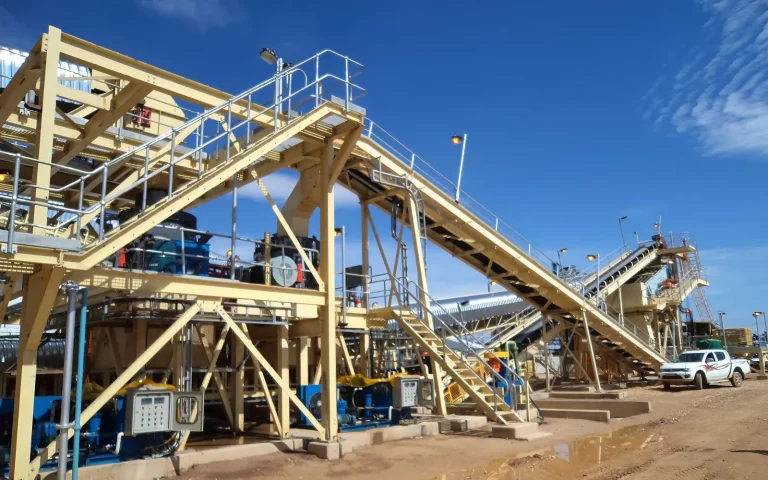
يعتبر تسريب الأحواض خيارًا جيدًا لصاحب المشروع لبدء المرحلة الأولية لتوفير الاستثمار
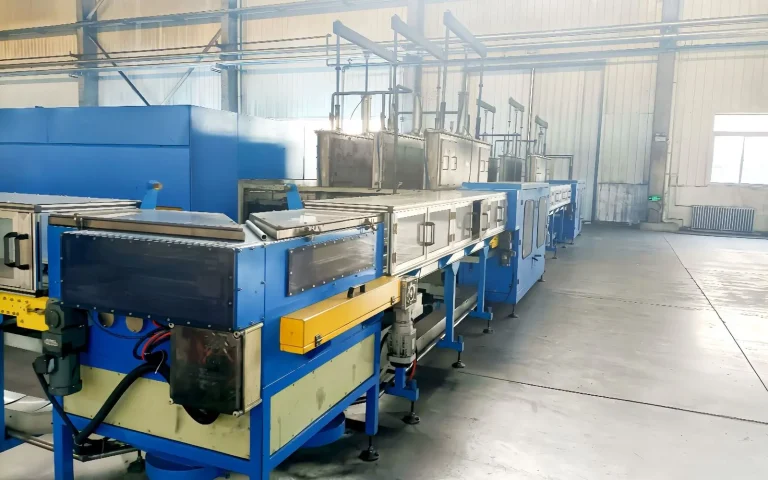
مادة الأنود المصنوعة من الكربون الصلب هي المادة الأكثر تفضيلاً لتسويق بطارية أيون الصوديوم
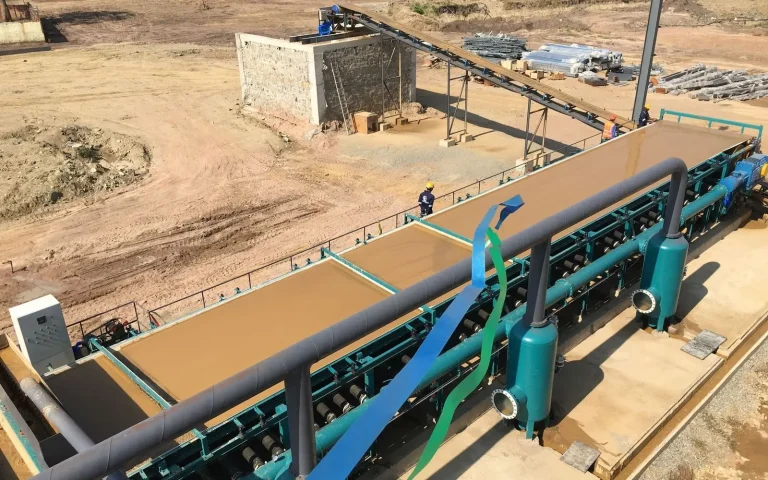
تعد عملية الذهب CIL (الكربون في عملية التشفير) طريقة شائعة جدًا لمعالجة خام الذهب من نوع الأكسيد عالي الدرجة

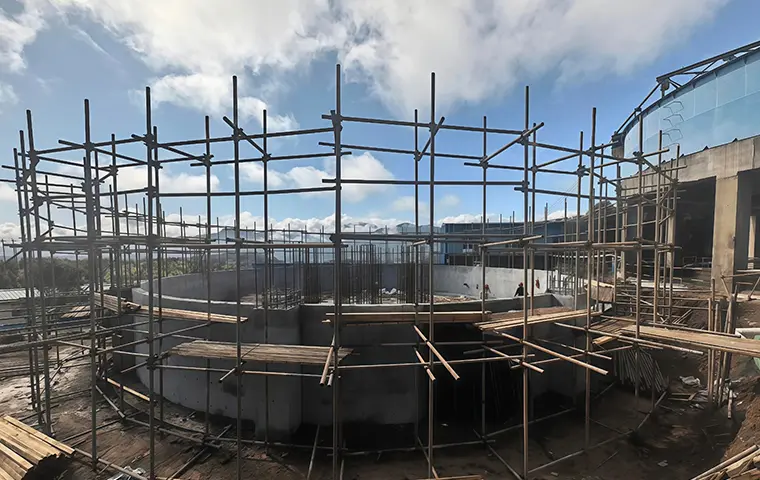
خام الذهب: خام من نوع الكبريتيدات درجة الذهب: 3.5 غم/طن معدل استرداد الذهب: 92%
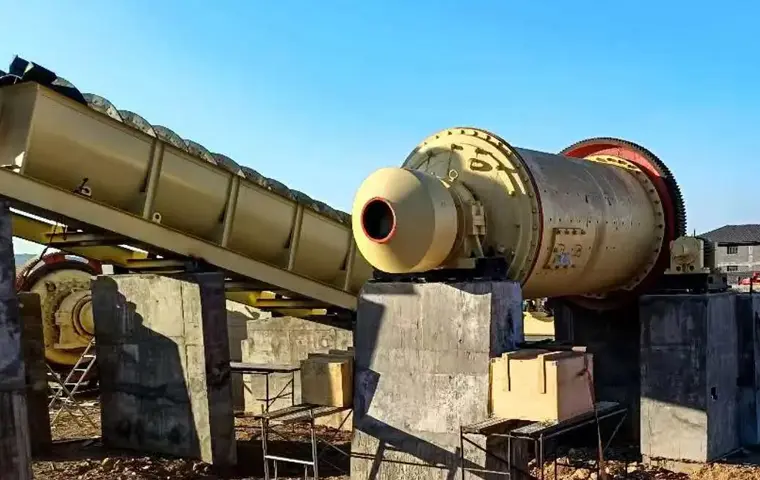
خام معدني: خام الذهب من نوع أكسيد درجة الذهب: 2.5 غم/طن نقاء سبيكة الذهب: 96%
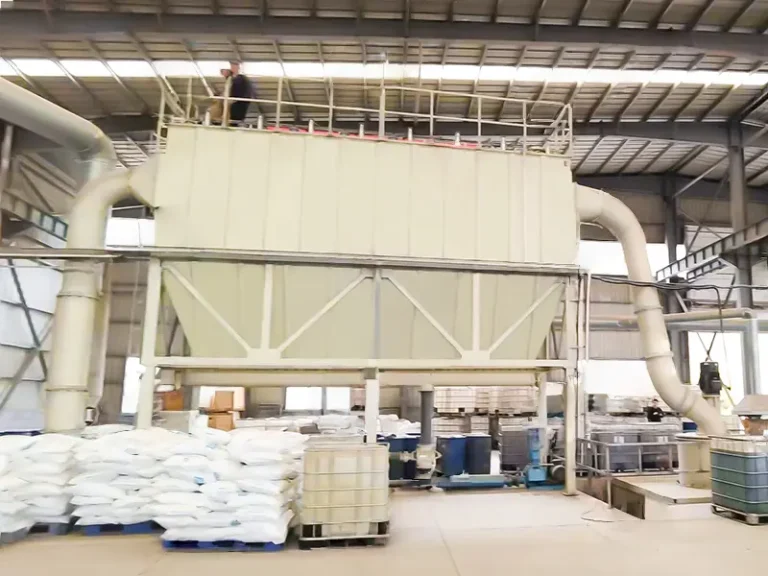
خام المعدن: صخور الدولوميت (CaMg(CO₃)₂) حجم المدخلات: ≤10 مم المنتج النهائي: مسحوق الدولوميت الفائق النعومة
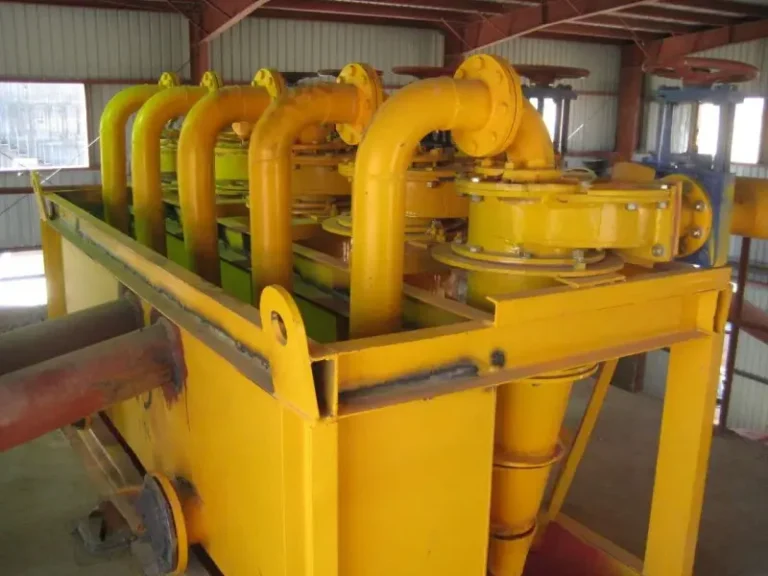
خام خام: رُمال قلع (كاسيتيريت) درجة الخام: 0.8% درجة التركيز: 65%
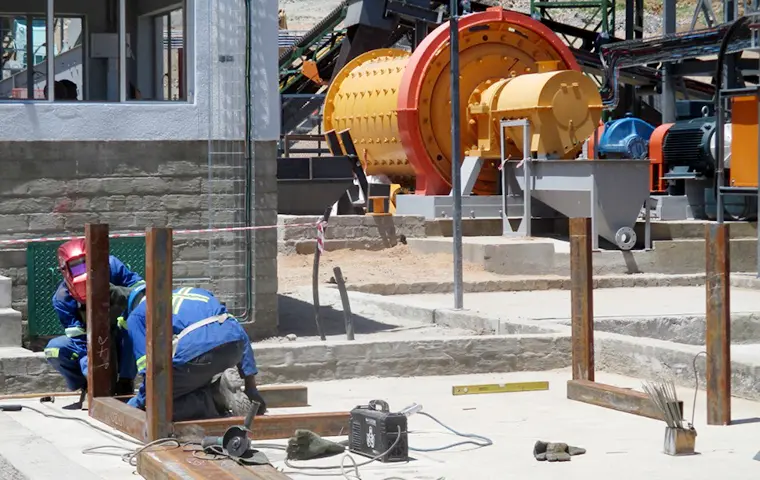
خام خام: خام الجرافيت البلوري عالي الدرجة نسبة التغذية: 18% كربون نسبة التركيز: 95% كربون (TGC)
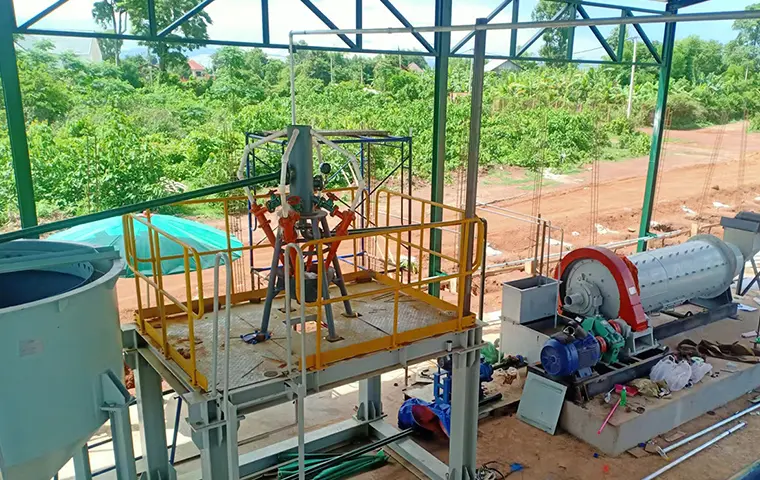
الميزات: تصميم مدمج، تغطية كاملة للعملية، تكلفة استثمار منخفضة، ونشر سريع. مصمم للشركات الناشئة والمناجم الصغيرة - حل الذهب المرن والفعال الخاص بك!
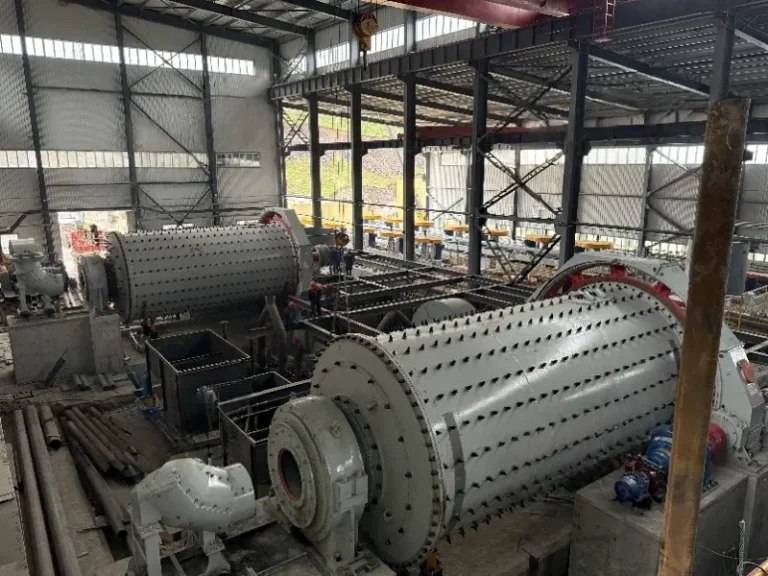
خام خام: خام نيكل من نوع الليمونيت درجة النيكل: 1.2% درجة الكوبالت: 0.12%
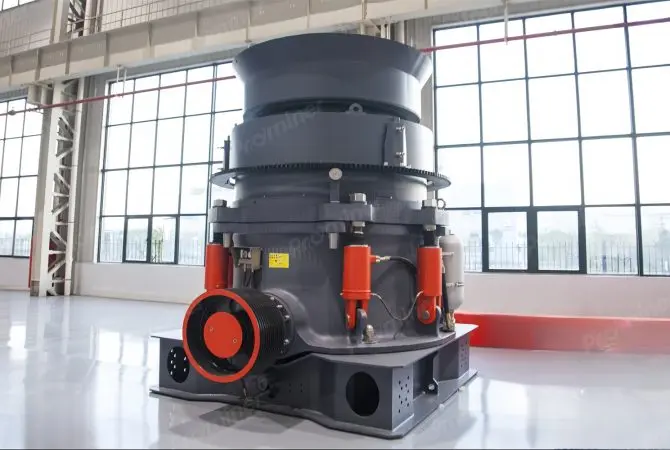
تجمع الكسارة المخروطية الهيدروليكية متعددة الأسطوانات بين سرعة الكسارة، وعدم التماثل وملف التجويف
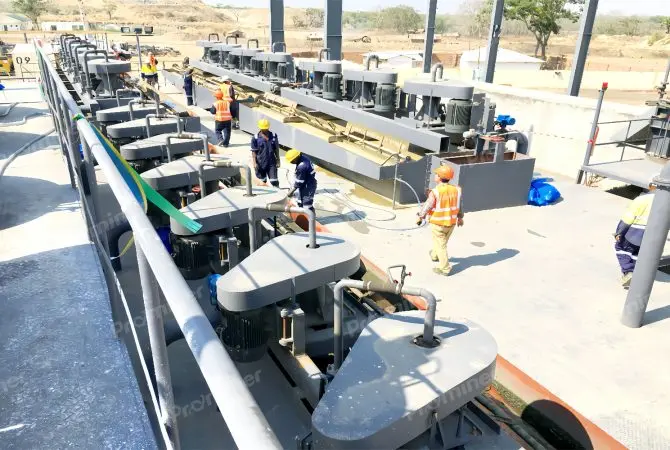
يمكن لشركة بروماينر توفير آلة الطفو ذاتية الشفط من سلسلة SF وخلايا الطفو الهوائية من سلسلة XCF/KYF
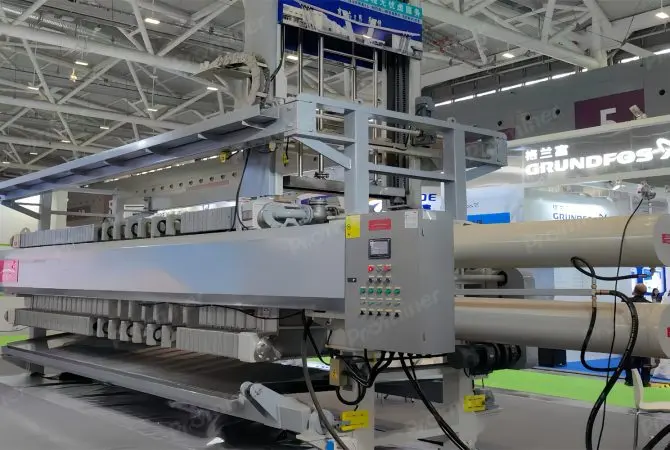
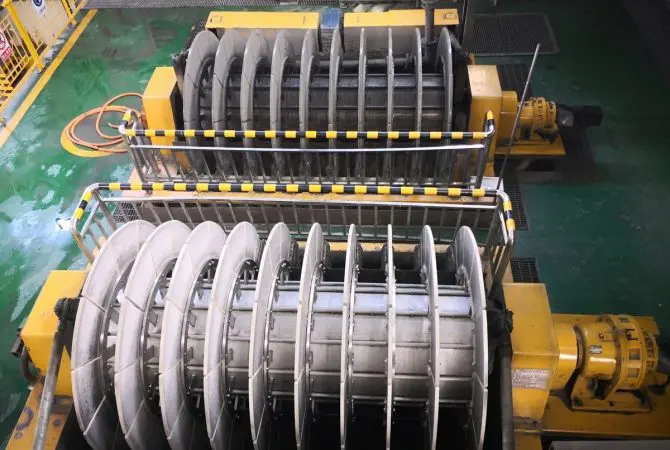
يمكن أن توفر بروماينر مرشحات الضغط، ومرشحات الفراغ الحزامية، ومرشحات الفراغ القرصي، ومرشحات السيراميك
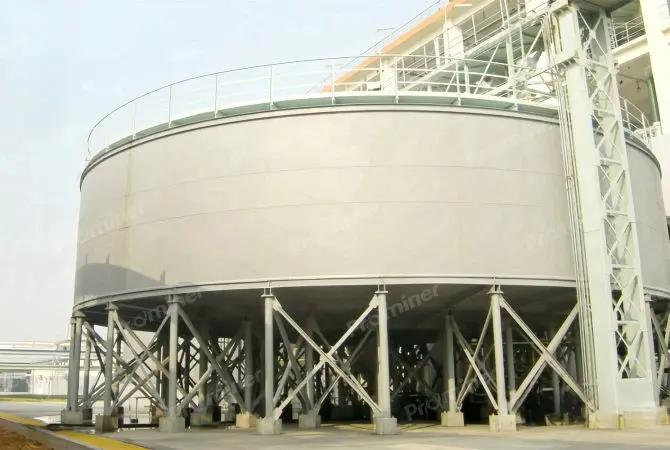
يمكن لشركة بروماينر توفير أنواع مختلفة من المُكثّفات تشمل المُكثّف المركزي المدفوع ونظام المُكثّف ذو الجر المحيطي
لمعرفة المزيد عن منتجاتنا وحلولنا، يرجى ملء النموذج أدناه وسيتواصل معك أحد خبرائنا قريبًا
مشروع فحص الذهب بقدرة 3000 طن يوميًا في مقاطعة شاندونغ
2500 طن يوميًا من فحص خام الليثيوم في سيتشوان
Fax: (+86) 021-58779592
العنوان: الغرفة 606، مبنى D3، المرحلة الثانية، مركز أعمال تشوانشا، 777 لونغ، طريق ميواوشوان، المنطقة الجديدة باودونغ، شنغهاي، الصين
حقوق الطبع والنشر © 2023. بروماينر (شنغهاي) لتكنولوجيا التعدين المحدودة.