الأنود المعتمد على السيليكون هو نوع من مواد الأنود المركب عن طريق دمج السيليكون




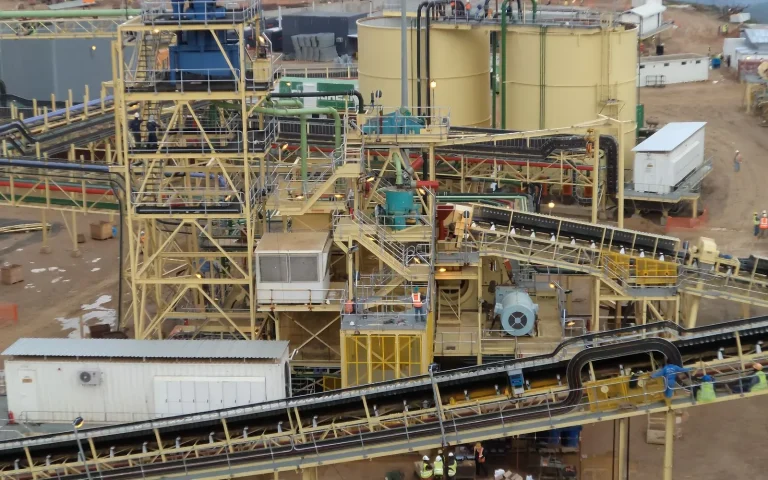
تصميم مصنع لمعالجة المعادن مهمة معقدة تتطلب تحقيق توازن بين الأداء الفني والجدوى الاقتصادية والسلامة والمسؤولية البيئية. يجب تخصيص كل مصنع وفقًا لنوعية الخام المحددة، والموقع، وأهداف الإنتاج. فيما يلي الاعتبارات الرئيسية التي توجه تصميم مصنع معالجة المعادن الناجح.
فهم جسم الخام هو أساس تصميم المصنع. الدراسات المعدنية والمعدنية التفصيلية تحدد:
تؤثر هذه العوامل على اختيار معدات التكسير والطحن والفصل وإزالة الماء. كما يجب أخذ التغير في تركيب الخام في الاعتبار لضمان قدرة المصنع على التعامل مع التغيرات دون خسائر كبيرة في الأداء.
يتعرف ورقة تدفق العمليات على كيفية تحويل الخام الطبيعي إلى منتج قابل للتسويق. ويشمل:
عادةً ما يتطلب الأمر اختبارات مكثفة في المختبر وعلى نطاق تجريبي للتحقق من صحة العملية المختارة. والهدف هو زيادة الاسترجاع وجودة المنتج مع تقليل استهلاك الطاقة والمواد الكاشفة والمياه.
يجب أن يتوافق سعة المصنع مع أهداف الإنتاج وعمر المنجم. يجب على المصممين أن يأخذوا بعين الاعتبار:
إضافة المرونة إلى التصميم يسمح بالتحديثات أو زيادة السعة مع تغير ظروف السوق أو احتياطيات الخام.
يجب اختيار المعدات بناءً على الاعتمادية والكفاءة وط compatibility مع تدفق العملية. تشمل الاعتبارات المهمة ما يلي:
يجب أن يهدف تصميم المصنع إلى تحسين تدفق المواد، وتقليل مناولة المواد، وضمان وصول آمن للتشغيل والصيانة. كما يقلل التخطيط الصحيح من الاختناقات وفترات توقف التشغيل.
مصانع معالجة المعادن تستهلك الكثير من الموارد. إدارة فعالة للمياه والطاقة ضرورية للتحكم في التكاليف والامتثال للبيئة.
في المناطق النائية، يجب أيضًا تقييم موثوقية إمدادات الطاقة وخيارات الطاقة البديلة.
اللوائح البيئية تؤثر بشكل كبير على تصميم المنشأة. المجالات الرئيسية تشمل:
الدمج المبكر لضوابط البيئة يضمن عمليات ترخيص أكثر سلاسة ويقلل من الالتزامات طويلة الأمد.
تعتمد مصانع معالجة المعادن الحديثة بشكل كبير على الأتمتة لتحسين الكفاءة والثبات. يمكن لأنظمة التحكم المتقدمة أن:
الأتمتة تعزز الإنتاجية، وتقلل من الأخطاء البشرية، وتدعم اتخاذ القرارات المبنية على البيانات.
يجب دمج السلامة في كل مرحلة من مراحل التصميم. ويشمل ذلك:
تصميم السلامة لا يحمِ العمال فقط بل يقلل أيضًا من فترات التوقف والأخطار القانونية.
يجب تقييم النفقات الرأسمالية (CAPEX) والنفقات التشغيلية (OPEX) بعناية. ينبغي للمصممين أن يأخذوا في الاعتبار:
يوازن المصنع المصمم جيدا بين الاستثمار المسبق والكفاءة التشغيلية والربحية على المدى الطويل.
تصميم مصنع لمعالجة المعادن يتطلب نهجًا متعدد التخصصات يدمج علم الجيولوجيا، والتعدين، والهندسة، والعلوم البيئية، والاقتصاد. من خلال考虑 خصائص الخام، وتصميم العمليات، واختيار المعدات، والاستدامة، والسلامة، يمكن للشركات تطوير عمليات فعالة ومتوافقة وذات تكاليف معقولة تظل قابلة للتطبيق على مدار عمر المنجم.
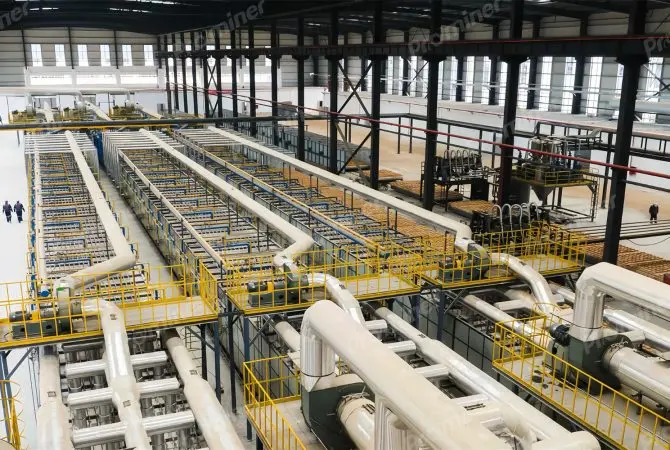
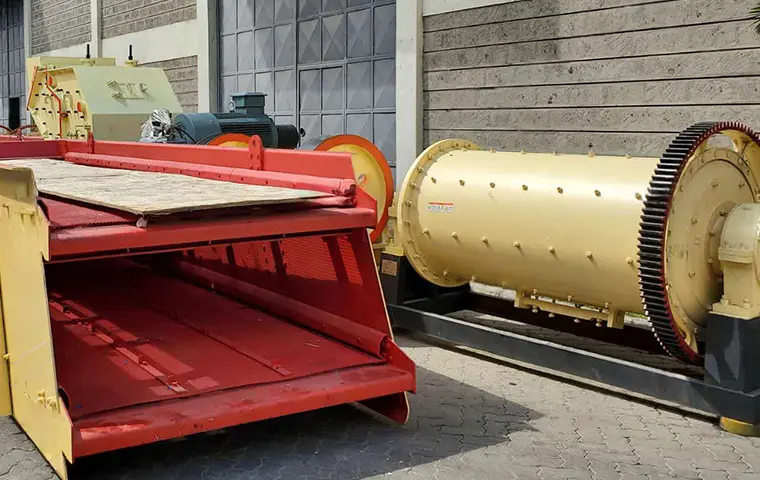
A: بالنسبة لموارد الجرافيت، ينبغي أن تغطي الحلول الكاملة كل من تعويم الجرافيت الطبيعي والمعالجة العميقة. يُعد نظام الطاحونة الكرة والهايدرو سيكلون مرحلة الطحن الأساسية. لإنتاج مادة الأنود المتقدمة، فإن مطحنة التشكيل ضرورية لتحسين كثافة التدفق وتقليل المساحة السطحية المحددة. بالإضافة إلى ذلك، فإن نظام طلاء Prominer، الذي يجمع بين وظيفة الطلاء والتجفيف، هو خطوة رئيسية في معالجة مواد الأنود ذات الأرباح العالية.
أ: يعتمد اختيار العملية بشكل كامل على خصائص الخام. تعتبر عملية الذهب CIL/CIP طريقة شهيرة وفعالة لمعالجة خام الذهب الأكسيدي عالي الدرجة. بالنسبة للكثير من مشاريع الذهب الأخرى، تظل عملية التحبيب (الفصل بواسطة الطفو) الطريقة الأكثر شعبية في المعالجة. بالنسبة للمالكين الذين يرغبون في توفير الاستثمار في المرحلة الأولى، تعتبر عمليات التسييل في الأحواض أو التسييل بواسطة الكومة خيارات مرنة وذات اقتصاد جيد. نوصي بالبدء بإجراء اختبار مخبري وتجريبي لتحديد أكثر تدفق عملية كفاءة وعلمية.
أ: الفصل المغناطيسي ضروري لترقية المعادن. نحن نوفر فواصل مغناطيسية ذات كثافة عالية (HIMS) وكثافة منخفضة (LIMS) للتعامل مع خصائص المغناطيسية المختلفة للمعادن. في تصميم منشأة محسن، يتم دمج هذه التقنية مع نظام تكسير عالي الأداء—باستخدام كسارات مخروطية هيدروليكية ذات أسطوانة واحدة أو متعددة الأسطوانات—ونظام طحن. يضمن ذلك رفض الصخور النفاية مبكرًا، مما يحسن بشكل كبير الإنتاجية ويوفر الطاقة.
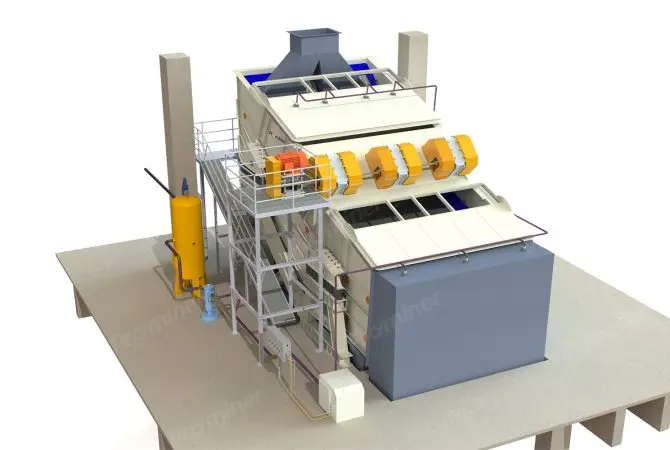
تصميم مصنع ناجح يتطلب خدمة متكاملة من الهندسة والمشتريات والبناء (EPC). وتشمل الاعتبارات الرئيسية التصميم الهندسي (مسح الموقع، إرشادات العينات، ورسم مخططات تدفق العمليات) وتخصيص المعدات لضمان توافق الآلات مع خصائص الخام المحددة. على سبيل المثال، يمكن لشركة Prominer تخصيص شاشات خطية بعرض يصل إلى 5.1 متر للتصنيف الضخم وإزالة المياه. أخيرًا، تعتبر الخدمات الاحترافية في الموقع، بما في ذلك الإشراف على الأعمال المدنية وتشغيل الأجهزة، ضرورية لضمان التشغيل المستقر على المدى الطويل.
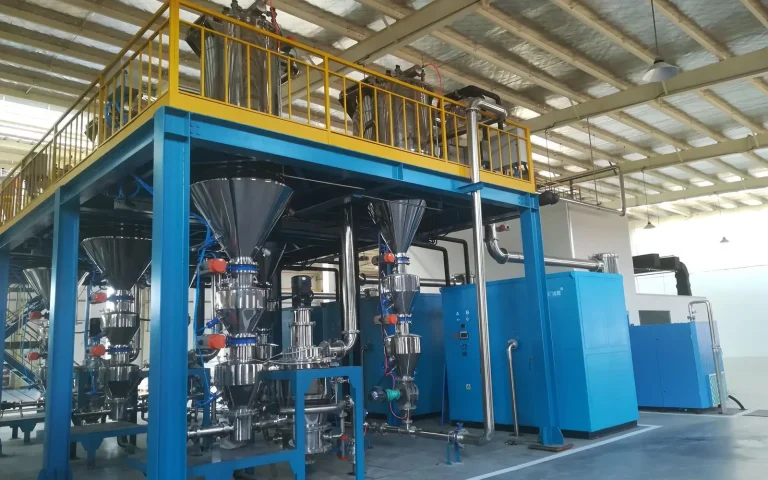
الأنود المعتمد على السيليكون هو نوع من مواد الأنود المركب عن طريق دمج السيليكون
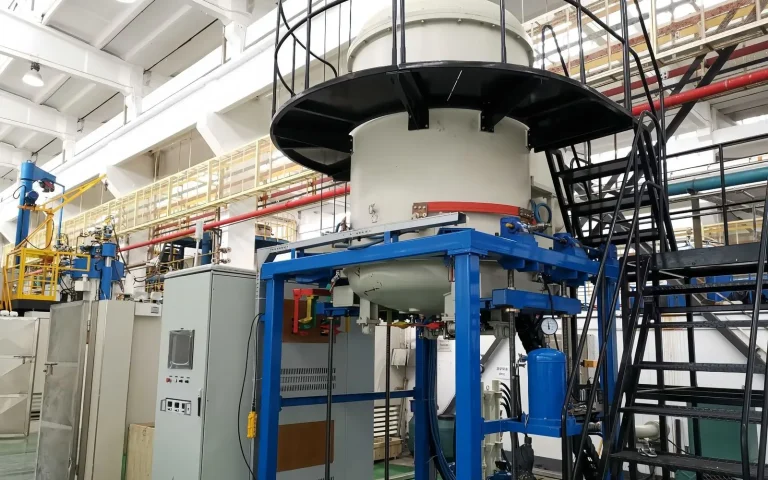
كان الطلب من الصناعة على مر السنين لجرافيت وكربون خاصين مع متطلبات متزايدة من حيث الشدة

خام الخام: أكسيد مختلط وخام ذهب كبريتي الذهب العيار: 3.5 غرام/طن معدل استرداد الذهب: 92%
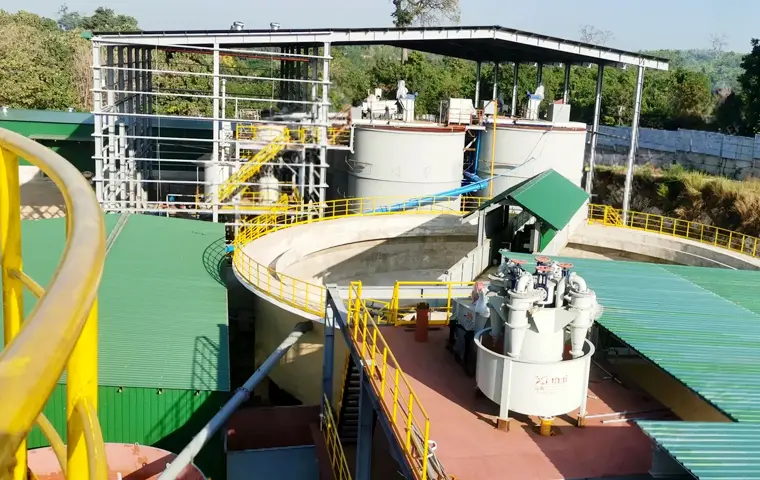
خام: خام الذهب مزدوج الأكسيد والكبريتيد (مقاوم في بعض الأجزاء) درجة الذهب: 3.5-4.2 غرام/طن المنتج النهائي: ذهب دوريه (ذهب ≥96.5%)
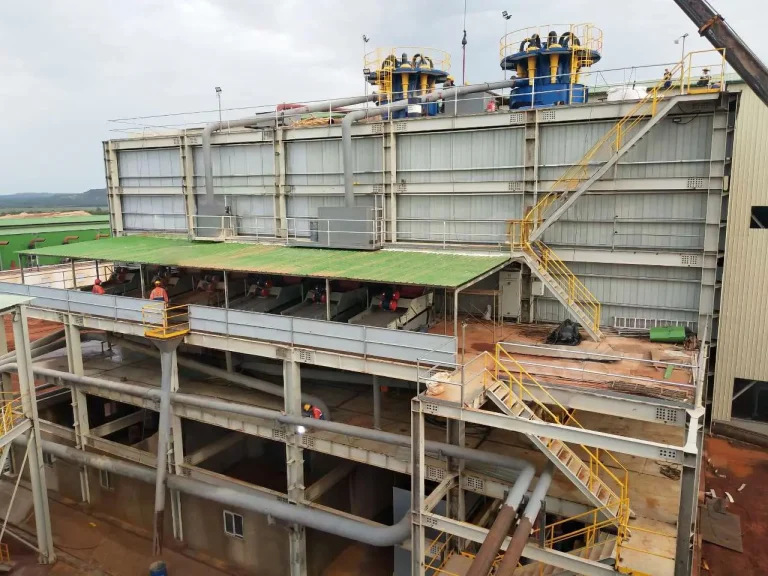
خام خام: خام ذهب نهرى من رواسب الأنهار درجة الذهب: 0.7 جم/طن (متوسط) معدل الاسترداد: 90%
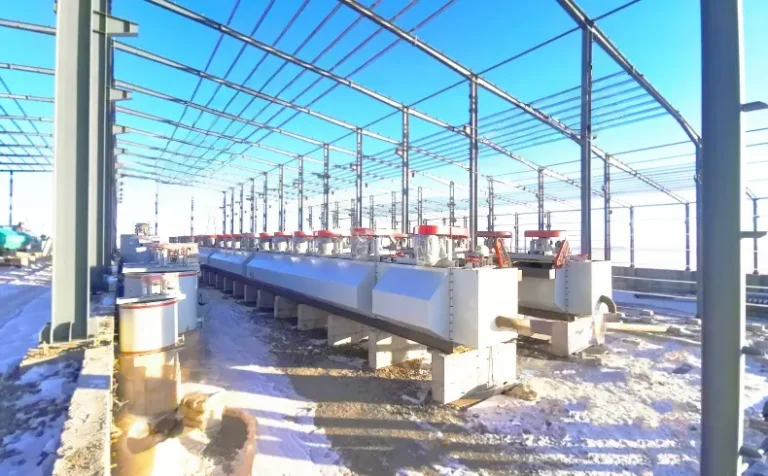
خام خام: خام كبريتيد النحاس، نسبة النحاس: 0.85%، المنتج النهائي: مركز النحاس
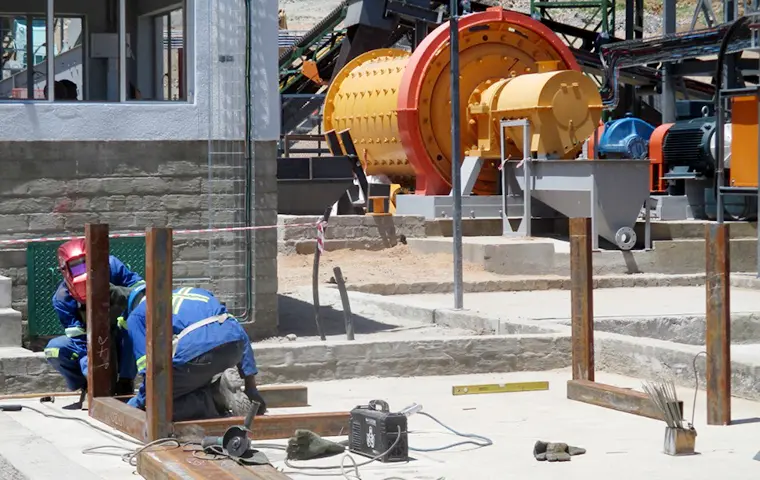
خام خام: خام الجرافيت البلوري عالي الدرجة نسبة التغذية: 18% كربون نسبة التركيز: 95% كربون (TGC)

خام الخام: خام النحاس من نوع كبريتيد (مع الذهب المرتبط) درجة الذهب: 0.6 جرام/طن درجة النحاس: 1.2%
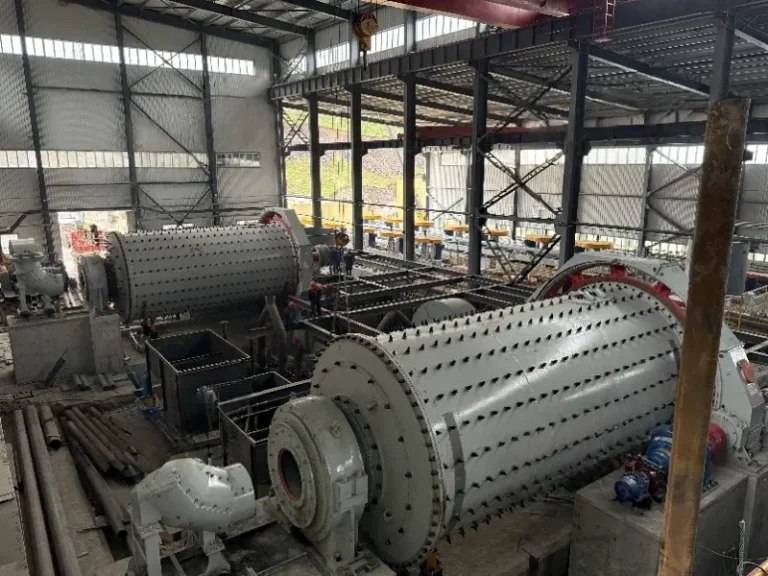
خام خام: خام نيكل من نوع الليمونيت درجة النيكل: 1.2% درجة الكوبالت: 0.12%
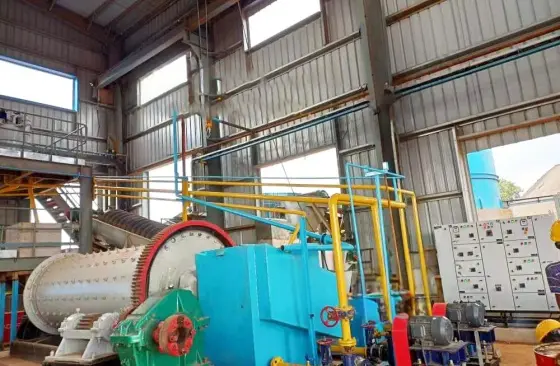
المواد الخام: رواسب النحاس الترابية، مركز المعادن: النحاس: 0.8%، الذهب: 0.3 جم/طن، الفضة: 5 جم/طن، الحديد: 25%
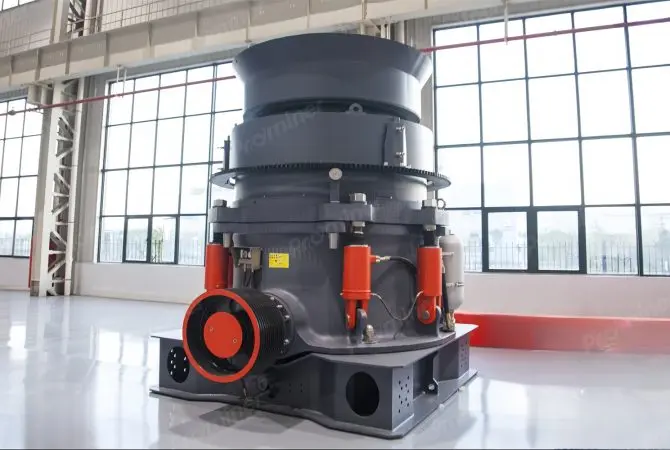
تجمع الكسارة المخروطية الهيدروليكية متعددة الأسطوانات بين سرعة الكسارة، وعدم التماثل وملف التجويف
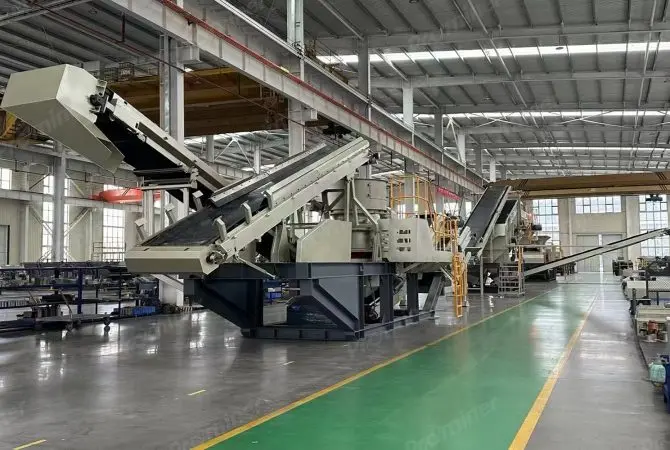
الكسارة المحمولة المثبتة على زلاجات، بناءً على متطلبات السوق الخاصة بالنقل الأسهل من موقع إلى آخر
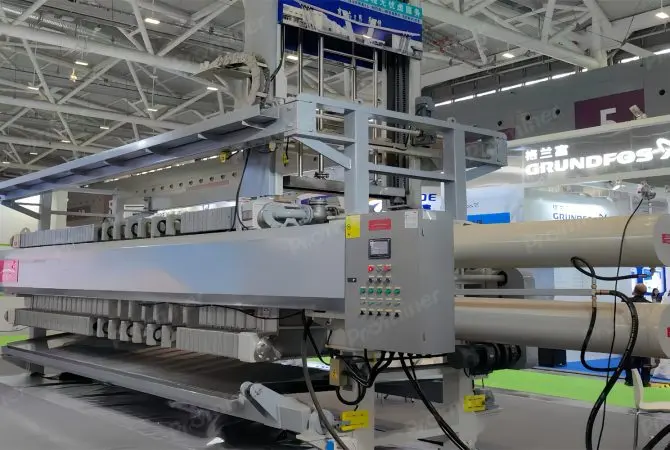
يمكن أن توفر بروماينر مرشحات الضغط، ومرشحات الفراغ الحزامية، ومرشحات الفراغ القرصي، ومرشحات السيراميك
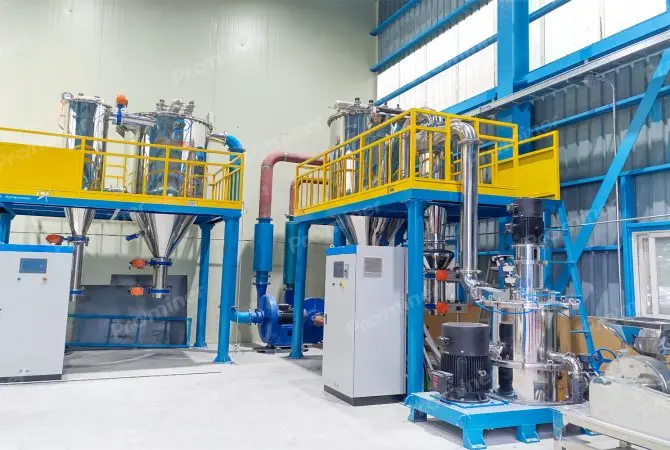
مطحنة التأثير لدينا هي مطحنة ميكانيكية ذات سرعة عالية لأداء الطحن الفائق الدقة و بشكل رئيسي
لمعرفة المزيد عن منتجاتنا وحلولنا، يرجى ملء النموذج أدناه وسيتواصل معك أحد خبرائنا قريبًا
مشروع فحص الذهب بقدرة 3000 طن يوميًا في مقاطعة شاندونغ
2500 طن يوميًا من فحص خام الليثيوم في سيتشوان
Fax: (+86) 021-58779592
العنوان: الغرفة 606، مبنى D3، المرحلة الثانية، مركز أعمال تشوانشا، 777 لونغ، طريق ميواوشوان، المنطقة الجديدة باودونغ، شنغهاي، الصين
حقوق الطبع والنشر © 2023. بروماينر (شنغهاي) لتكنولوجيا التعدين المحدودة.