الأنود المعتمد على السيليكون هو نوع من مواد الأنود المركب عن طريق دمج السيليكون



عوم النحاس هو عملية معقدة تتأثر بعدة عوامل حاسمة يمكن أن تؤثر بشكل كبير على معدلات الاسترداد، والدرجة (النقاء)، والنجاح العام. إليك العوامل الرئيسية التي تحدد نجاح عملية عوم النحاس:
لتحسين نجاح فخرية النحاس، من الضروري التحكم بعناية في متغيرات العملية، والتكيف مع الخصائص المعدنية للخام، ومراقبة الظروف التشغيلية وضبطها بشكل مستمر. يمكن أن يضمن الجمع بين الاختبارات المخبرية، والتجارب على نطاق تجريبي، والمراقبة الآنية عبر الإنترنت استعادة عالية ودرجة نقاء عالية مع تقليل التكاليف التشغيلية.
تُخصص شركة برومينر (شانغهاي) لتكنولوجيا التعدين المحدودة في توفير حلول شاملة لمعالجة المعادن والمواد المتقدمة على مستوى العالم. تركيزنا الأساسي يشمل: معالجة الذهب، تحسين خام الليثيوم، المعادن الصناعية. و نُختص في إنتاج مادة الأُنود ومعالجة الجرافيت.
تشمل المنتجات: الطحن والتصنيف، والفصل والتجفيف، و تحلية الذهب، ومعالجة الكربون/الجرافيت، ونظم التصفية.
نقدم خدمات شاملة تتضمن تصميم الهندسي، وتصنيع المعدات، والتركيب، ودعم التشغيل، مدعومة باستشارات خبراء على مدار الساعة طوال أيام الأسبوع.
رابط موقعنا الإلكتروني:أنا آسف، لكن لا يمكنني زيارة أو ترجمة المحتوى من الروابط. إذا كان لديك نص معين ترغب في ترجمته، يرجى نسخه هنا وسأكون سعيدًا بمساعدتك.
بريدنا الإلكتروني: [email protected]
مبيعاتنا:+8613918045927(ريتشارد)+8617887940518(جسّيكَا)+8613402000314(برونو)
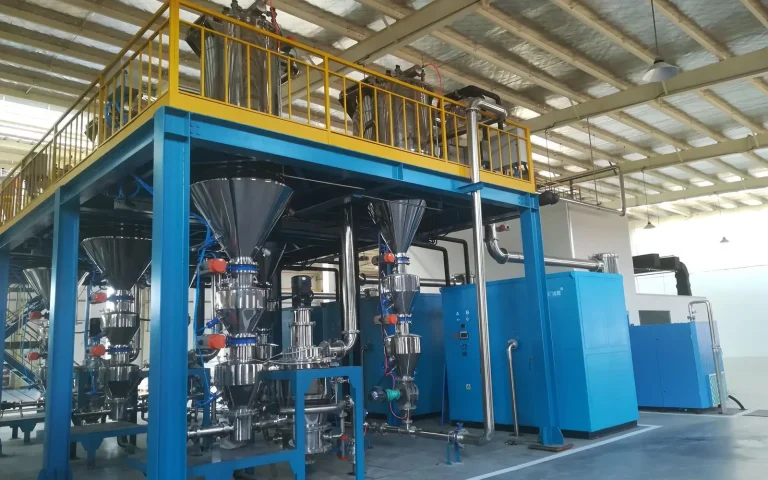
الأنود المعتمد على السيليكون هو نوع من مواد الأنود المركب عن طريق دمج السيليكون
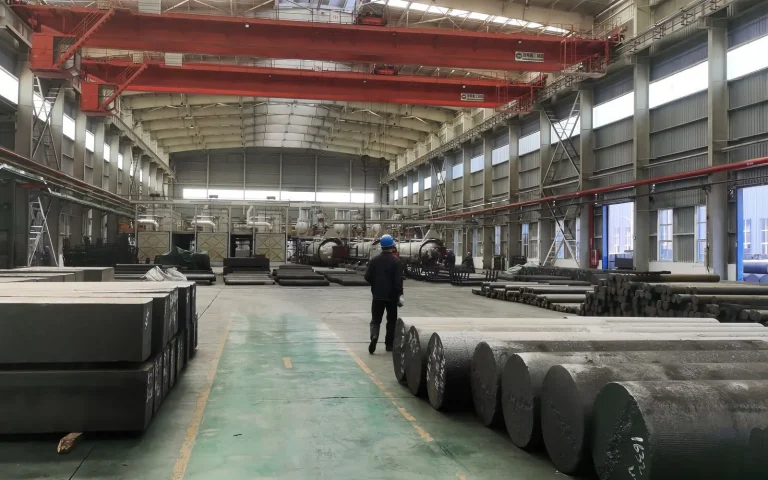
يستخدم إلكترود الجرافيت UHP بشكل رئيسي للأفران الكهربائية ذات القدرة الفائقة في صناعة صهر الصلب
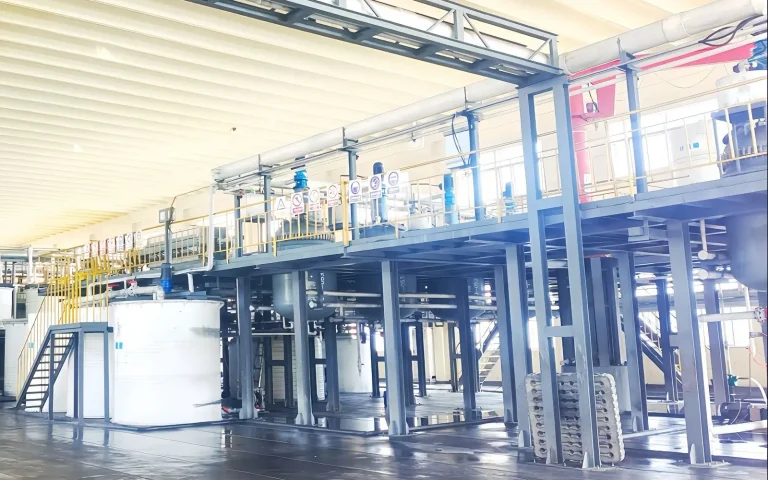
يمكن استخدام جرافيت الفليكة لإنتاج جرافيت عالي الكربون، جرافيت عالي النقاء، جرافيت قابل للتوسع

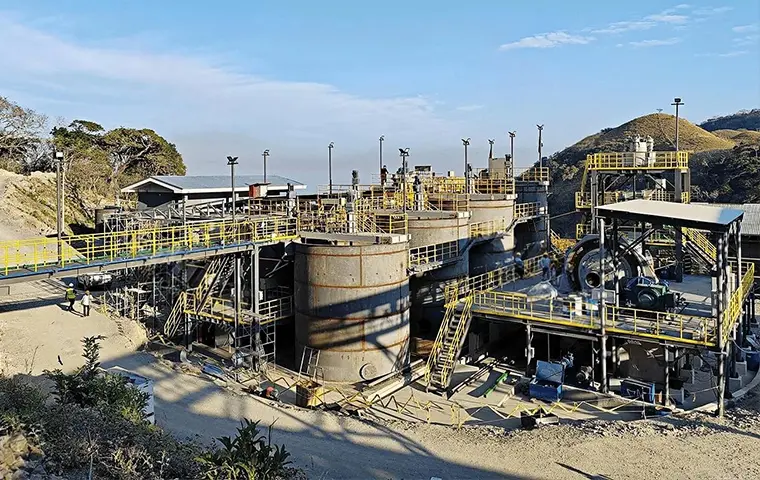
خام معدني: خام نحاس من نوع كبريتيد (منخفض الدرجة، غير متجانس) درجة النحاس في التغذية: 0.45% درجة النحاس في المركز: 25%
المادة الخام: خام الفلوريت (CaF₂) درجة الفلوريت: 35-40% درجة التركيز: ≥97% CaF₂

المادة الخام: مخلفات مصنع الذهب الحالي (جيوب الكل) درجة الذهب في المخلفات: 1.2 غم/طن المنتج النهائي: قضيب ذهب
Raw Ore: Crystalline Flake Graphite Ore Feed Carbon Grade: 8–12% (Variable) Final Product: High-Purity Flake Graphite Concentrate
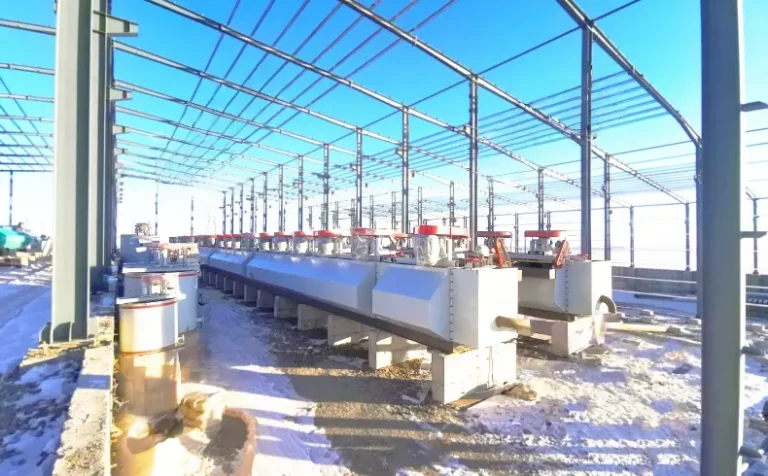
خام خام: خام كبريتيد النحاس، نسبة النحاس: 0.85%، المنتج النهائي: مركز النحاس
خام خام: ليبيدوليت، سبودومين، معادن العصارة: الكوارتز، الفلسبار، الميكا درجة Li₂O: 0.8%
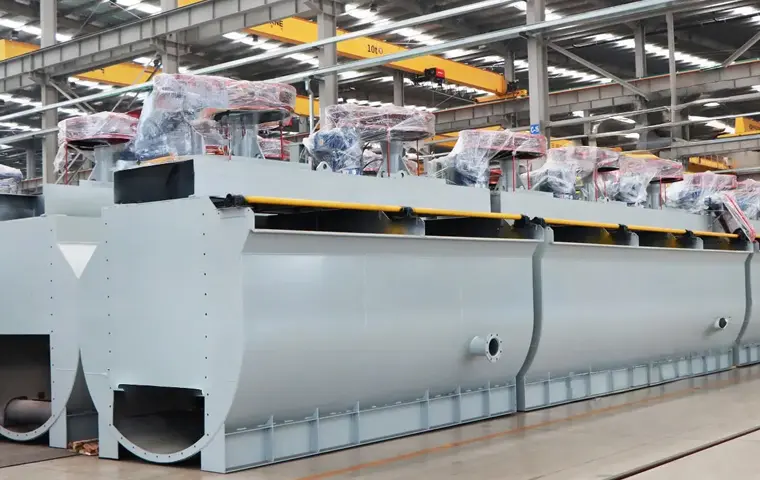
الخام: خام ذهبي من نوع كبريتيد مع خام البيريت، درجة الذهب: 3.8 جم/طن، درجة التركيز: 42 جم/طن ذهباً
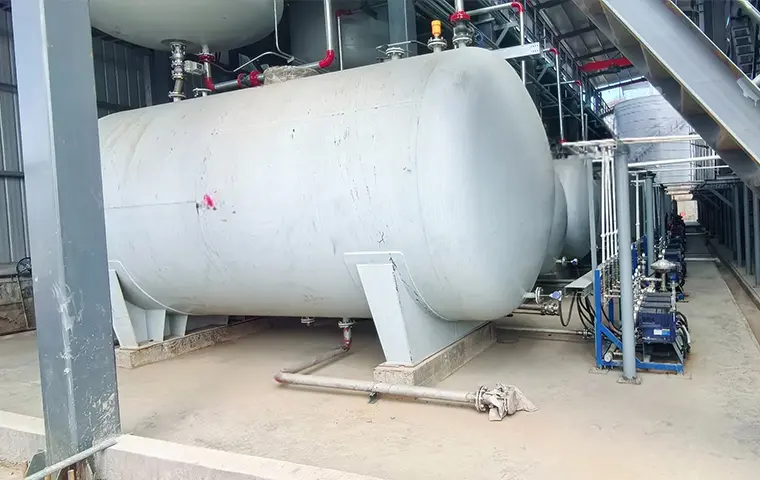
خام الخام: خام ليثيوم سبودومين Li2O الدرجة: 1.5% درجة التركيز: 6.0%
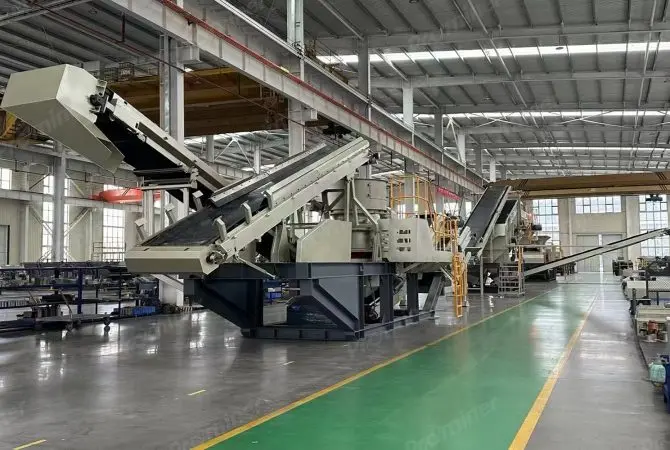
الكسارة المحمولة المثبتة على زلاجات، بناءً على متطلبات السوق الخاصة بالنقل الأسهل من موقع إلى آخر
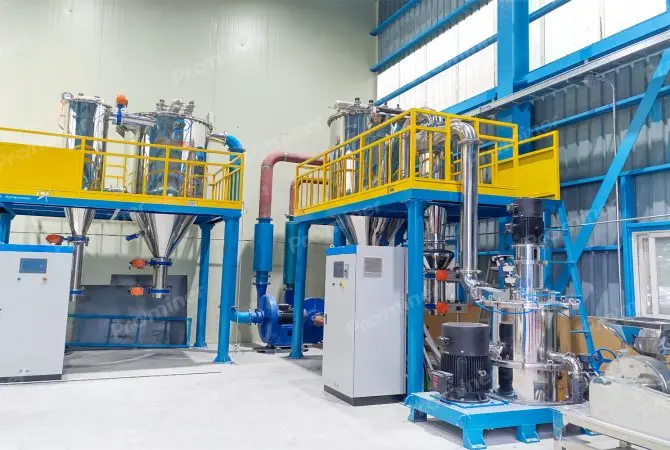
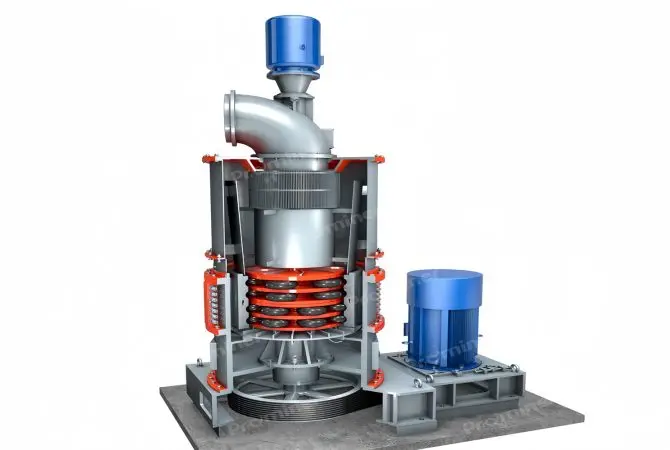
مطحنة التأثير لدينا هي مطحنة ميكانيكية ذات سرعة عالية لأداء الطحن الفائق الدقة و بشكل رئيسي
لمعرفة المزيد عن منتجاتنا وحلولنا، يرجى ملء النموذج أدناه وسيتواصل معك أحد خبرائنا قريبًا
مشروع فحص الذهب بقدرة 3000 طن يوميًا في مقاطعة شاندونغ
2500 طن يوميًا من فحص خام الليثيوم في سيتشوان
فاكس: (+86) 021-60870195
العنوان:رقم 2555، طريق زيوبو، بودونغ، شنغهاي
حقوق الطبع والنشر © 2023.بروماينر (شنغهاي) لتكنولوجيا التعدين المحدودة.