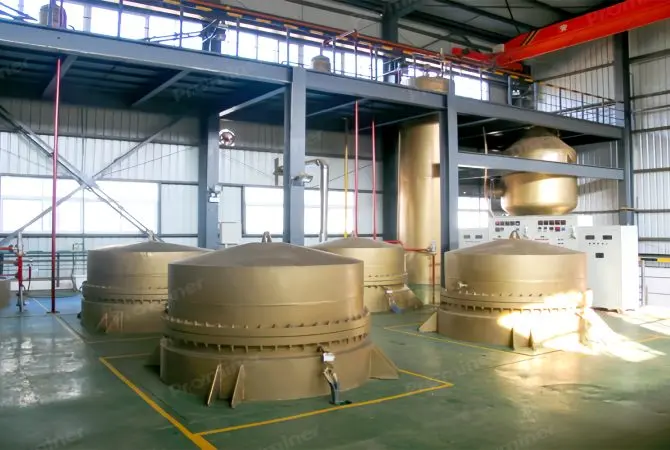
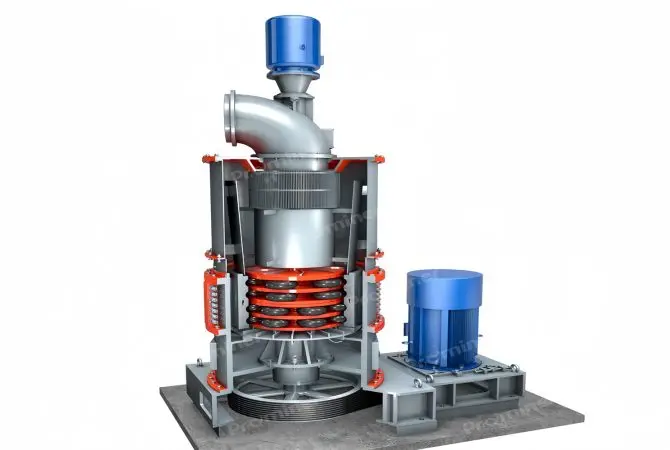
مادة الأنود المصنوعة من الكربون الصلب هي المادة الأكثر تفضيلاً لتسويق بطارية أيون الصوديوم




عملية تنقية رمل الكوارتز هي عملية حاسمة في صناعات مثل صناعة الزجاج والإلكترونيات والخزف وإنتاج السيليكون عالي النقاء. تؤثر فعالية التنقية بشكل مباشر على جودة المنتج وأدائه وكفاءته من حيث التكلفة. يجب النظر بعناية في عدة عوامل رئيسية لتحقيق نتائج تنقية مثلى.
تحدد جودة رمل السيليكا الأولية مدى تعقيد وتكلفة التنقية. قد يحتوي كواتز الخام على شوائب مثل الحديد والألمنيوم والميكا والفلدسبار والمعادن الطينية والمادة العضوية. فهم نوع هذه الشوائب وتوزيعها وتركيزها أمر ضروري قبل اختيار طرق التنقية.
تحليل كيميائي ودراسات معدنية تساعد في تحديد ما إذا كانت الشوائب موجودة كملوثات سطحية، أو شوائب مدمجة، أو عناصر مرتبطة هيكليًا. يوجه هذا التقييم اختيار عمليات المعالجة الميكانيكية أو الكيميائية أو الحرارية المناسبة.
حجم الجسيمات يؤثر بشكل كبير على كفاءة التنقية. قد تؤدي الجسيمات الدقيقة إلى زيادة المساحة السطحية، مما يجعل إزالة الشوائب أكثر فعالية أثناء التفاعل الكيميائي. ومع ذلك، فإن الجسيمات الدقيقة جدًا يمكن أن تعقد عمليات الترشيح والفصل.
الحفاظ على توزيع حجم جزيئات محكم وموحد يضمن أداءً أفضل خلال عمليات الغسيل والفصل المغناطيسي والتنشيط والطحن والحماية الحمضية. تعتبر عمليات التكسير والطحن والتصنيف المناسبة ضرورية لتحسين هذه المعلمة.
الحديد هو واحد من أكثر الشوائب شيوعًا وغير المرغوب فيها في رمل الكوارتز، خاصة في التطبيقات ذات النقاء العالي مثل الزجاج البصري وتصنيع أشباه الموصلات. حتى الكميات الضئيلة يمكن أن تؤثر على الشفافية والخصائص الكهربائية.
تشمل طرق إزالة الحديد الفصل المغناطيسي، التعويم، والمعالجة الحمضية. يعتمد الاختيار على ما إذا كان الحديد موجودًا كجسيمات حرة، أو كطبقات، أو داخل شبكة البلورة. غالبًا ما يتطلب الأمر فواصل مغناطيسية ذات تدرجات عالية ومعالجات حمضية قوية لتحقيق معايير نقاء عالية جدًا.
يُستخدم تطهير الحمض على نطاق واسع لإزالة أكاسيد المعادن والشوائب الأخرى. يجب التحكم بعناية في نوع الحمض (مثل حمض الهيدروكلوريك، أو حمض الكبريتيك، أو حمض الفلوريد)، والتركيز، ودرجة الحرارة، ووقت التفاعل.
يمكن أن تؤدي الظروف الكيميائية غير الملائمة إلى إزالة غير كافية للشوائب أو خسارة غير ضرورية للكوارتز. بالإضافة إلى ذلك، فإن الاستخدام المفرط للأحماض يزيد من المخاطر البيئية وتكاليف التشغيل. يضمن تحسين العمليات أقصى كفاءة في التنقية مع تقليل الفاقد إلى أدنى حد.
يلعب الماء دورًا هامًا في مراحل الغسيل والتصنيف والطفو. يمكن أن تعيد الشوائب الموجودة في ماء المعالجة إدخال الملوثات إلى الرمل الكوارتز المنقى.
استخدام الماء النظيف أو المعالج يمنع التلوث الثانوي. كما أن أنظمة الغسيل الفعالة تزيل طبقات الطلاء السطحية مثل الطين والجسيمات الدقيقة، مما يحسن النقاء العام وتناسق المنتج.
اختيار المعدات المناسبة أمر بالغ الأهمية لتحقيق مستويات النقاء المطلوبة. يجب أن تتطابق أجهزة الفصل المغناطيسي، وآلات الطفو، والمنظفات، وأجهزة التحليل الحمضي مع خصائص مادة الكوارتز.
تقلل تدفقات العمليات المصممة جيدًا من فقدان المادة، استهلاك الطاقة، ووقت التوقف. يمكن للأنظمة الآلية وأنظمة المراقبة في الوقت الحقيقي أن تعزز أكثر استقرار العملية وجودة المنتج.
تصفية رمل الكوارتز غالبًا ما تتطلب مواد كيميائية وأتربة دقيقة، وكلاهما يشكل مخاطر بيئية وصحية. المعالجة السليمة للنفايات وأنظمة التحكم في الغبار وإجراءات التعامل مع المواد الكيميائية ضرورية.
الامتثال للوائح البيئية وتنفيذ بروتوكولات السلامة لا يحمي العاملين والمجتمعات المحيطة فقط، بل يُحسن أيضًا الاستدامة التشغيلية على المدى الطويل.
تحتاج صناعات مختلفة إلى مستويات نقاء مختلفة. على سبيل المثال، الكوارتز المستخدم في البناء لديه متطلبات نقاء أقل مقارنة بالكوارتز المستخدم في صناعة أشباه الموصلات.
فهم السوق المستهدف والمتطلبات المحددة—مثل محتوى ثاني أكسيد السيليكون، تركيز الحديد، وحجم الجسيمات—يساعد في تخصيص عملية التجريد وفقًا لذلك. الاختبار المستمر للجودة يضمن أن المنتج النهائي يلبي معايير الصناعة.
من خلال إدارة خصائص المواد الخام، ومعايير العمليات، واختيار المعدات، والاعتبارات البيئية بعناية، يمكن للمنتجين تحقيق تنقية فعالة وبتكلفة منخفضة للرمل الكوارتز. إن الانتباه إلى هذه العوامل يضمن إنتاجًا عالي الجودة مناسبًا لتطبيقات صناعية متنوعة.
A: بالنسبة لموارد الجرافيت، ينبغي أن تغطي الحلول الكاملة كل من تعويم الجرافيت الطبيعي والمعالجة العميقة. يُعد نظام الطاحونة الكرة والهايدرو سيكلون مرحلة الطحن الأساسية. لإنتاج مادة الأنود المتقدمة، فإن مطحنة التشكيل ضرورية لتحسين كثافة التدفق وتقليل المساحة السطحية المحددة. بالإضافة إلى ذلك، فإن نظام طلاء Prominer، الذي يجمع بين وظيفة الطلاء والتجفيف، هو خطوة رئيسية في معالجة مواد الأنود ذات الأرباح العالية.
أ: يعتمد اختيار العملية بشكل كامل على خصائص الخام. تعتبر عملية الذهب CIL/CIP طريقة شهيرة وفعالة لمعالجة خام الذهب الأكسيدي عالي الدرجة. بالنسبة للكثير من مشاريع الذهب الأخرى، تظل عملية التحبيب (الفصل بواسطة الطفو) الطريقة الأكثر شعبية في المعالجة. بالنسبة للمالكين الذين يرغبون في توفير الاستثمار في المرحلة الأولى، تعتبر عمليات التسييل في الأحواض أو التسييل بواسطة الكومة خيارات مرنة وذات اقتصاد جيد. نوصي بالبدء بإجراء اختبار مخبري وتجريبي لتحديد أكثر تدفق عملية كفاءة وعلمية.
أ: الفصل المغناطيسي ضروري لترقية المعادن. نحن نوفر فواصل مغناطيسية ذات كثافة عالية (HIMS) وكثافة منخفضة (LIMS) للتعامل مع خصائص المغناطيسية المختلفة للمعادن. في تصميم منشأة محسن، يتم دمج هذه التقنية مع نظام تكسير عالي الأداء—باستخدام كسارات مخروطية هيدروليكية ذات أسطوانة واحدة أو متعددة الأسطوانات—ونظام طحن. يضمن ذلك رفض الصخور النفاية مبكرًا، مما يحسن بشكل كبير الإنتاجية ويوفر الطاقة.
تصميم مصنع ناجح يتطلب خدمة متكاملة من الهندسة والمشتريات والبناء (EPC). وتشمل الاعتبارات الرئيسية التصميم الهندسي (مسح الموقع، إرشادات العينات، ورسم مخططات تدفق العمليات) وتخصيص المعدات لضمان توافق الآلات مع خصائص الخام المحددة. على سبيل المثال، يمكن لشركة Prominer تخصيص شاشات خطية بعرض يصل إلى 5.1 متر للتصنيف الضخم وإزالة المياه. أخيرًا، تعتبر الخدمات الاحترافية في الموقع، بما في ذلك الإشراف على الأعمال المدنية وتشغيل الأجهزة، ضرورية لضمان التشغيل المستقر على المدى الطويل.
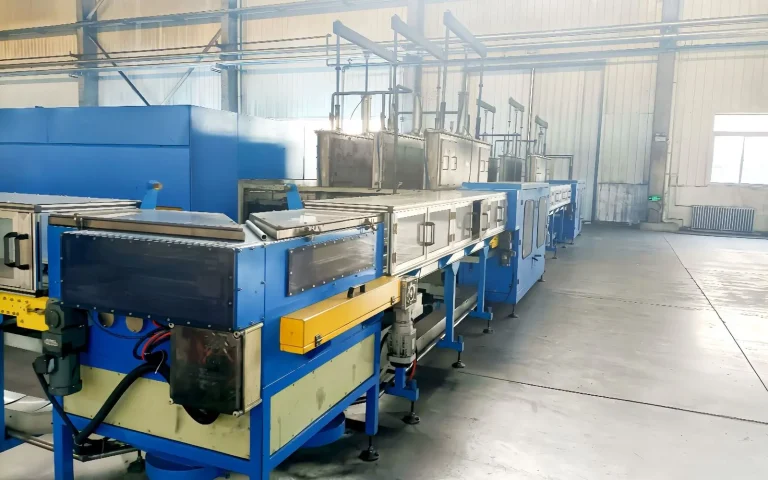
مادة الأنود المصنوعة من الكربون الصلب هي المادة الأكثر تفضيلاً لتسويق بطارية أيون الصوديوم
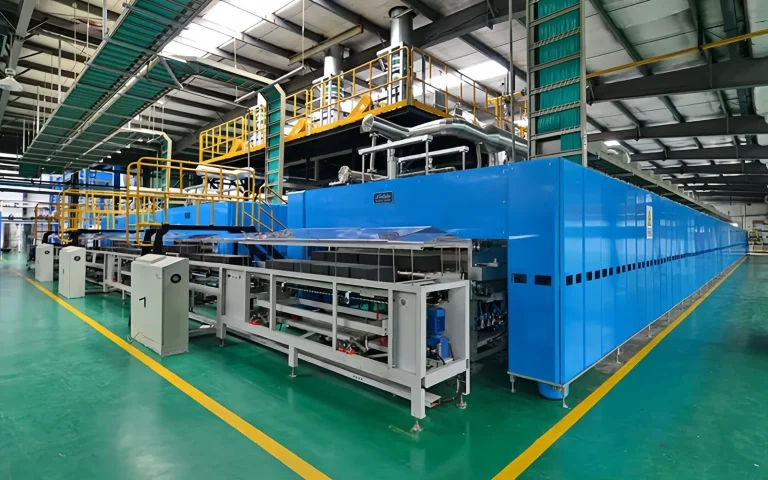
تتكون مادة أنود الجرافيت الصناعي بشكل رئيسي من فحم بترولي منخفض الكبريت عالي الجودة
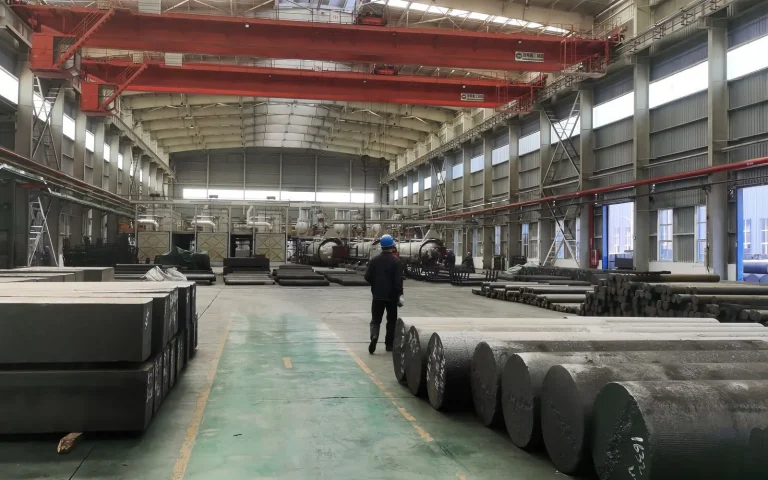
يستخدم إلكترود الجرافيت UHP بشكل رئيسي للأفران الكهربائية ذات القدرة الفائقة في صناعة صهر الصلب

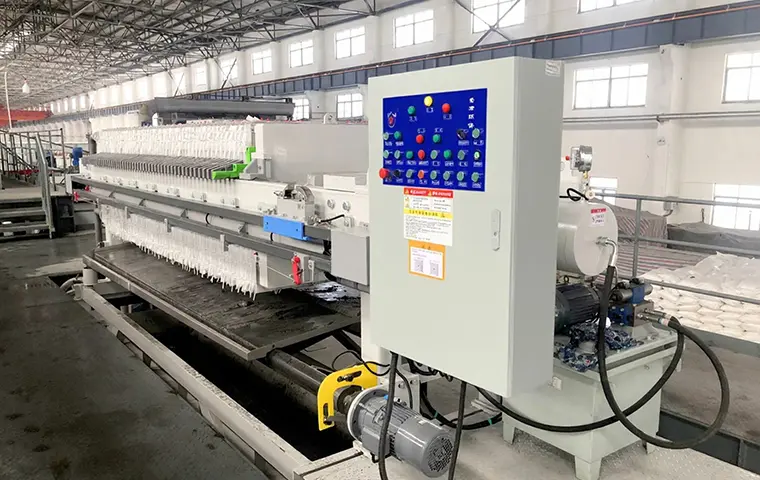
المواد الخام: رماد الكربون من عملية التحليل الكهربائي للألمنيوم نوعية الإدخال: 15-20% محتوى الكريولايت المنتج النهائي: كريولايت معاد تدويره (نقاء ≥ 92%)
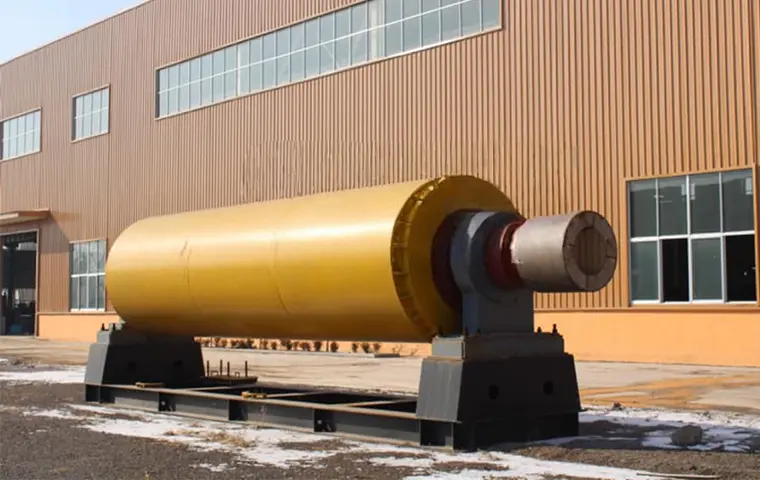
خام الخام: خام أكسيد يحتوي على الذهب / عينات خام مخصصة حجم التغذية: 12 مم تحت الهدف نعومة الطحن: 200 شبكة (74 ميكرومتر) D80
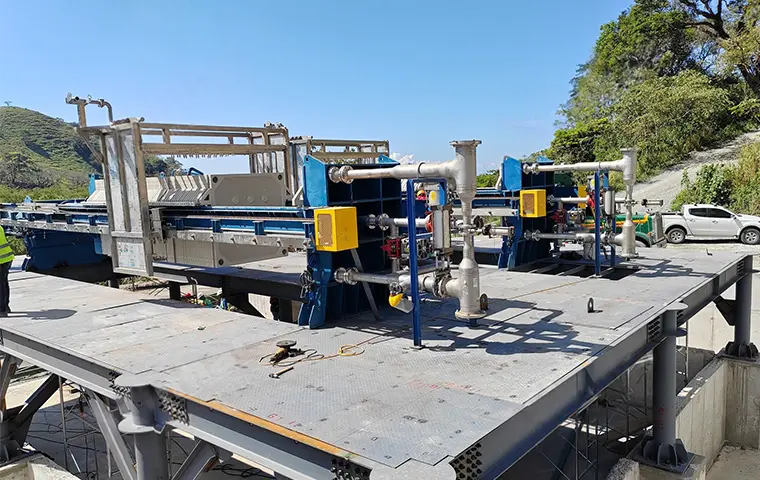
خام المعادن: خام الذهب أكسيد والانتقال درجة الذهب: 3.5 جرام/طن معدل استرداد الذهب: 93%
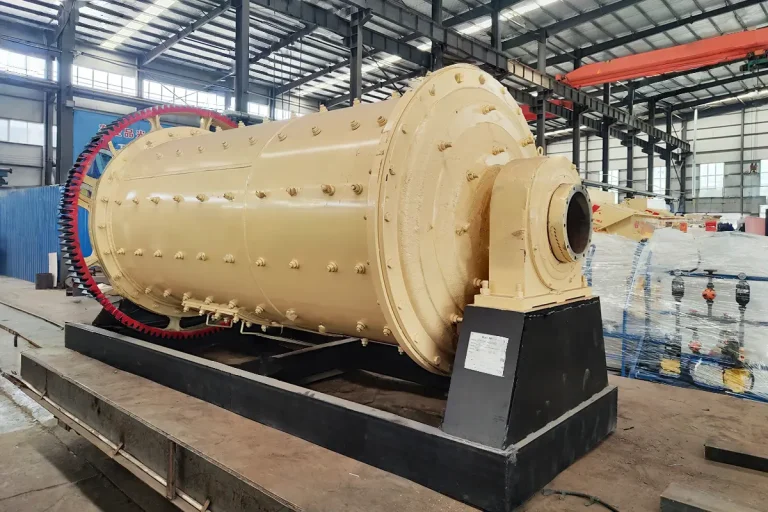
الخام الخام: خام النحاس (الكالكوبيريت) درجة النحاس: 0.85% المنتجات النهائية: ملاط خام مطحون للتعويم
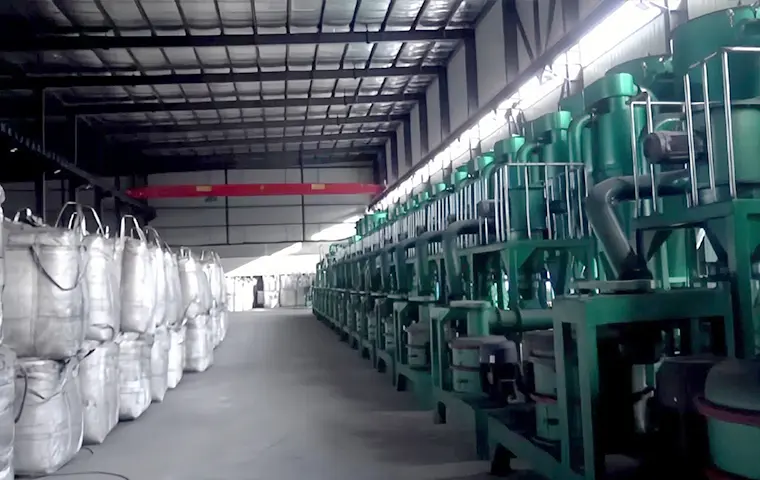
المادة الخام: جرافيت عالي النقاء (99.95% كربون) قدرة المشروع: 10,000 طن سنويًا
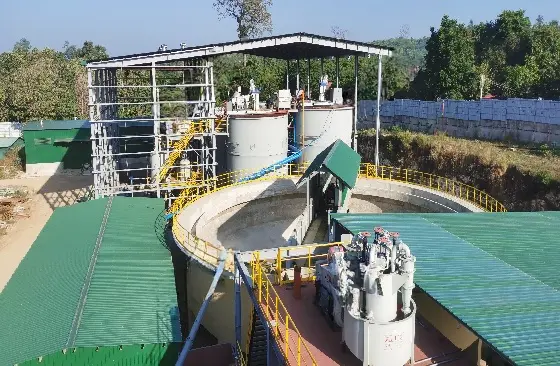
موقع: تنزانيا، أفريقيا وكاليمانتان الوسطى، إندونيسيا نوع الخام: خام كبريتيد منخفض الجودة (1.2-1.8 جم/طن ذهب)
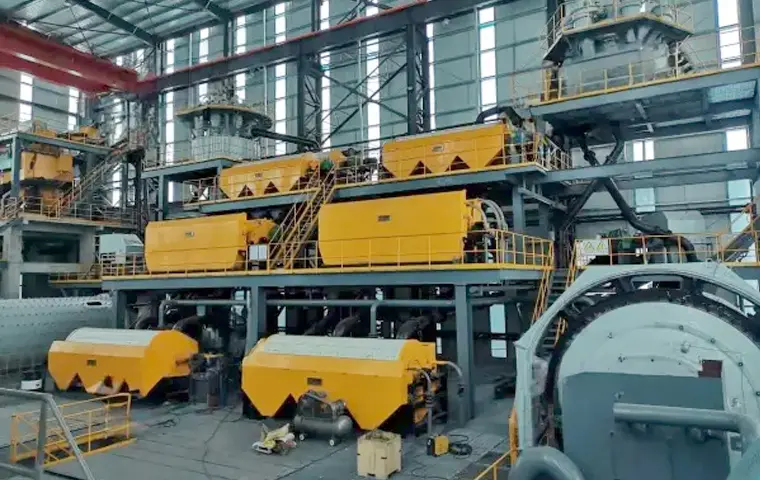
خام خام: خام حديد مغناطيسي مع حزام هيماتيت درجة الحديد: ٢٨-٣٢٪ المنتج النهائي: تركيز حديد عالي الجودة
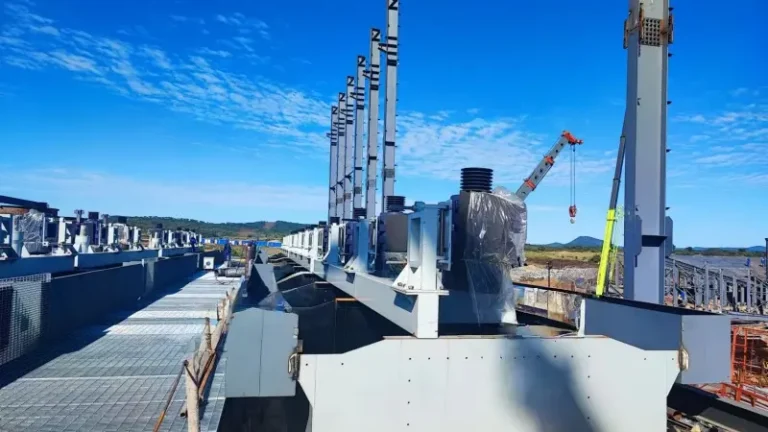
مادة خام: ماء ملحي ليثيوم (من مثلث الليثيوم: تشيلي/الأرجنتين/بوليفيا)؛ خام سبودومين (من أستراليا والصين)
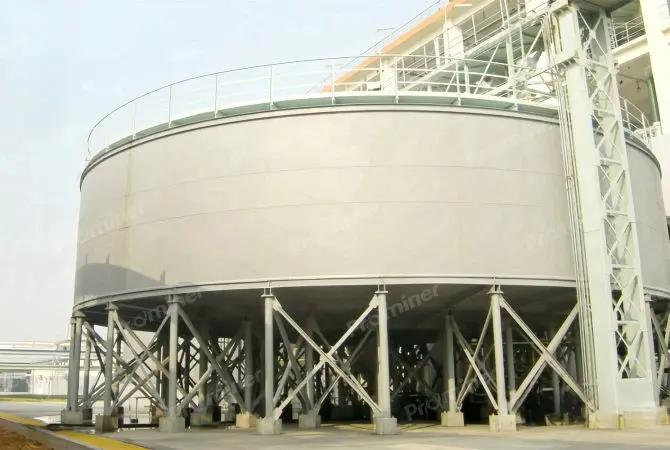
يمكن لشركة بروماينر توفير أنواع مختلفة من المُكثّفات تشمل المُكثّف المركزي المدفوع ونظام المُكثّف ذو الجر المحيطي
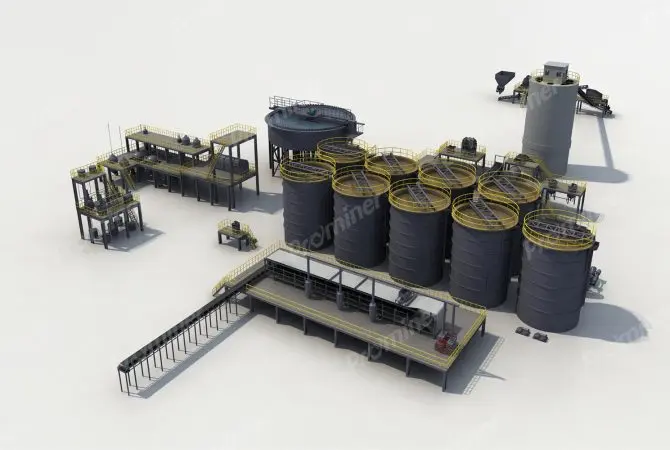
يمكن أن تقدم بروماينر الحل الكامل لنظام CIL (الكربون في الليشير)
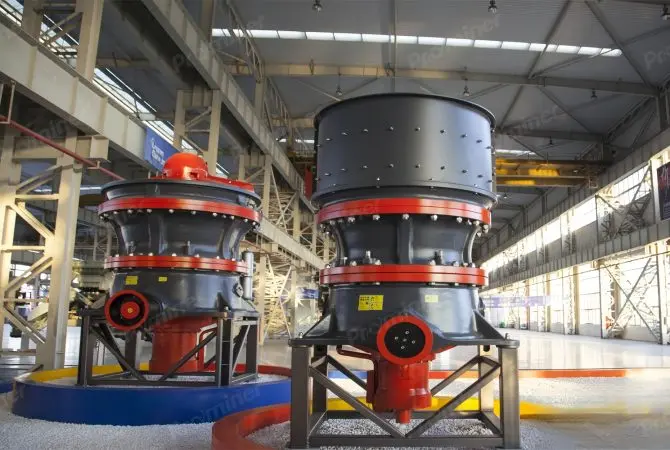
تحتوي الكسارة المخروطية الهيدروليكية أحادية الأسطوانة على سلسلتين بناءً على تجويف مختلف، تم تصميم تجويف S
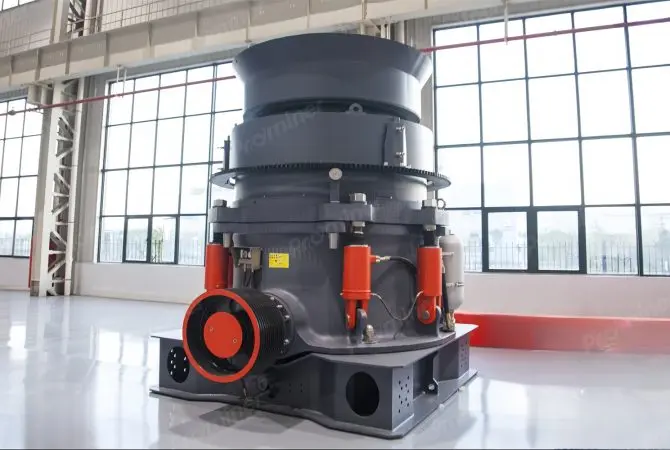
تجمع الكسارة المخروطية الهيدروليكية متعددة الأسطوانات بين سرعة الكسارة، وعدم التماثل وملف التجويف
لمعرفة المزيد عن منتجاتنا وحلولنا، يرجى ملء النموذج أدناه وسيتواصل معك أحد خبرائنا قريبًا
مشروع فحص الذهب بقدرة 3000 طن يوميًا في مقاطعة شاندونغ
2500 طن يوميًا من فحص خام الليثيوم في سيتشوان
Fax: (+86) 021-58779592
العنوان: الغرفة 606، مبنى D3، المرحلة الثانية، مركز أعمال تشوانشا، 777 لونغ، طريق ميواوشوان، المنطقة الجديدة باودونغ، شنغهاي، الصين
حقوق الطبع والنشر © 2023. بروماينر (شنغهاي) لتكنولوجيا التعدين المحدودة.