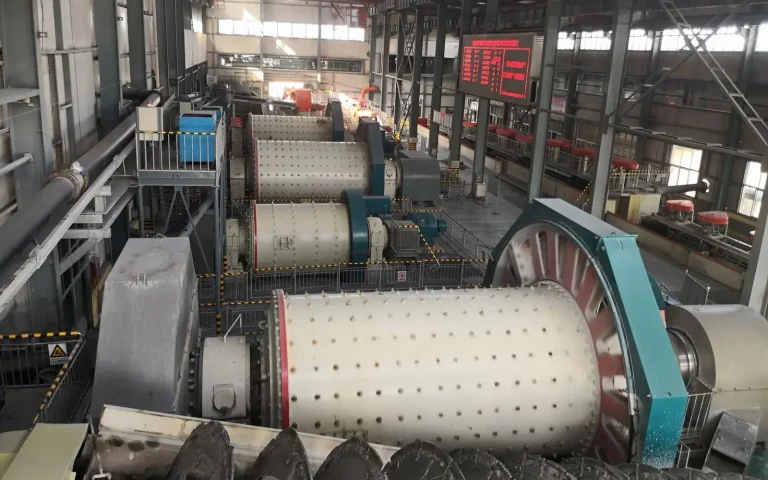
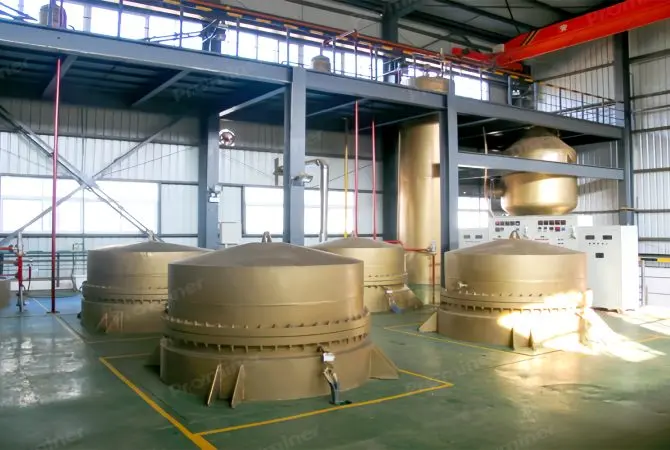
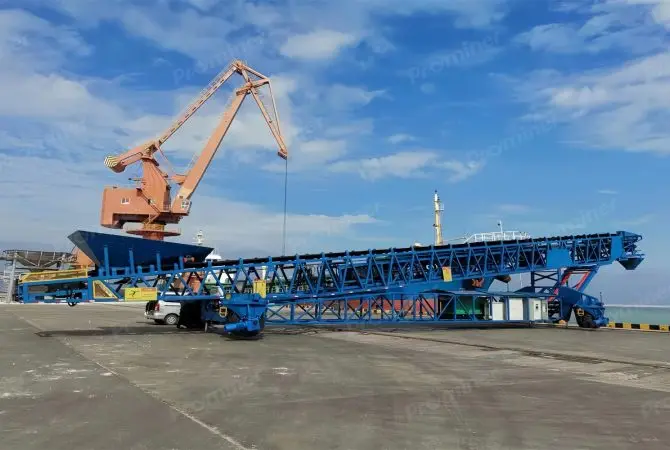
يمكن أن توفر كرومانر الحل الكامل لصنع مواد أنود الجرافيت الطبيعي بما في ذلك الطحن



تتضمن تقنيات الطفو المستخدمة لفصل الكالكوبيرايت (معدن كبريتيد النحاس والحديد) عن البيريت (معدن كبريتيد الحديد) عادةً اختلافات في خصائصهما السطحية وتفاعلهما مع كواشف الطفو. لتحقيق فصل فعال، يتم استخدام الطفو الرغوي مع الكواشف والظروف المناسبة. فيما يلي التقنيات الرئيسية المستخدمة لفصلهما:
عمليًا، يتم تصميم مجموعة من هذه التقنيات وفقًا للخام المحدد الذي يتم معالجته لتحقيق فصل ناجح للكلكوبيريت عن البيريت.
تُخصص شركة برومينر (شانغهاي) لتكنولوجيا التعدين المحدودة في توفير حلول شاملة لمعالجة المعادن والمواد المتقدمة على مستوى العالم. تركيزنا الأساسي يشمل: معالجة الذهب، تحسين خام الليثيوم، المعادن الصناعية. و نُختص في إنتاج مادة الأُنود ومعالجة الجرافيت.
تشمل المنتجات: الطحن والتصنيف، والفصل والتجفيف، و تحلية الذهب، ومعالجة الكربون/الجرافيت، ونظم التصفية.
نقدم خدمات شاملة تتضمن تصميم الهندسي، وتصنيع المعدات، والتركيب، ودعم التشغيل، مدعومة باستشارات خبراء على مدار الساعة طوال أيام الأسبوع.
رابط موقعنا الإلكتروني:أنا آسف، لكن لا يمكنني زيارة أو ترجمة المحتوى من الروابط. إذا كان لديك نص معين ترغب في ترجمته، يرجى نسخه هنا وسأكون سعيدًا بمساعدتك.
بريدنا الإلكتروني: [email protected]
مبيعاتنا:+8613918045927(ريتشارد)+8617887940518(جسّيكَا)+8613402000314(برونو)
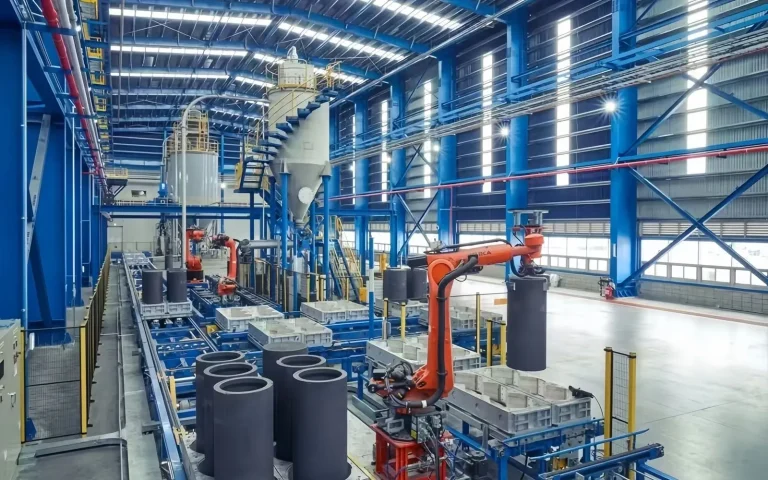
يمكن أن توفر كرومانر الحل الكامل لصنع مواد أنود الجرافيت الطبيعي بما في ذلك الطحن
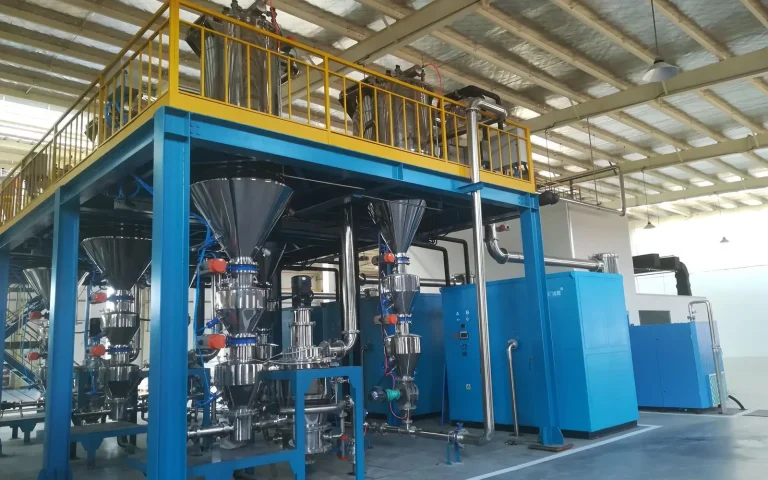
الأنود المعتمد على السيليكون هو نوع من مواد الأنود المركب عن طريق دمج السيليكون

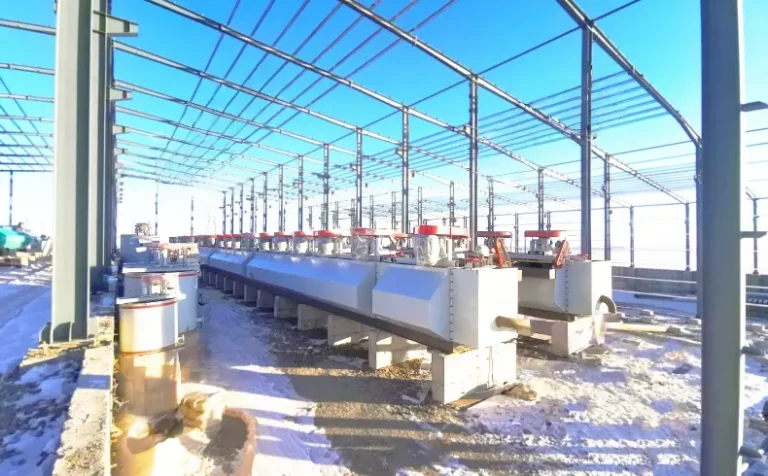
خام خام: خام كبريتيد النحاس، نسبة النحاس: 0.85%، المنتج النهائي: مركز النحاس
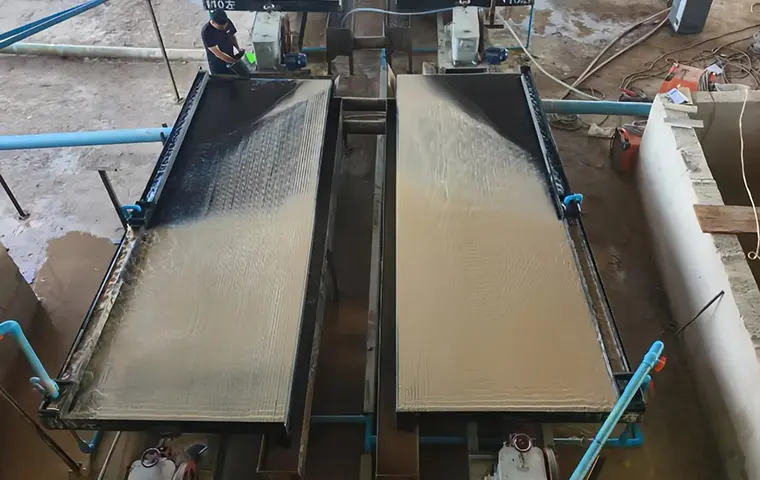
خام خام: خام كبريتيد الأنتيمون مع عروق الكوارتز درجة الأنتيمون: 3.5% درجة التركيز: 55%
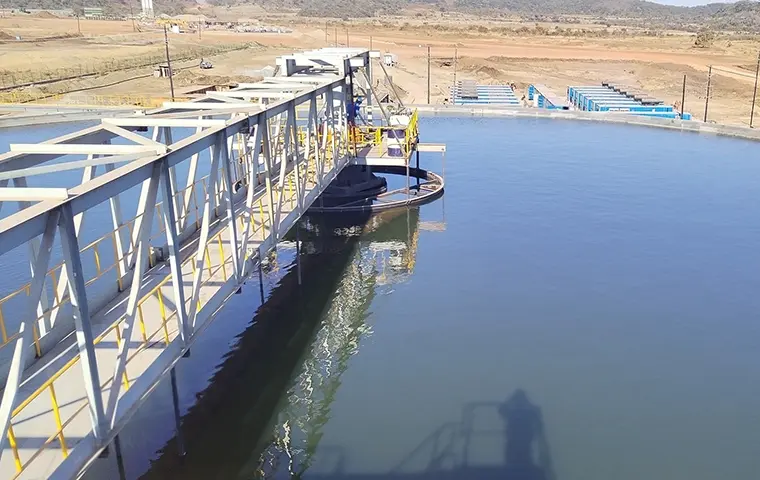
خام المعادن: خام الكالسيت CaCO3 الدرجة: 85% المنتج النهائي: مسحوق الكالسيت المغلف وغير المغلف (325 – 2500 شبكة)
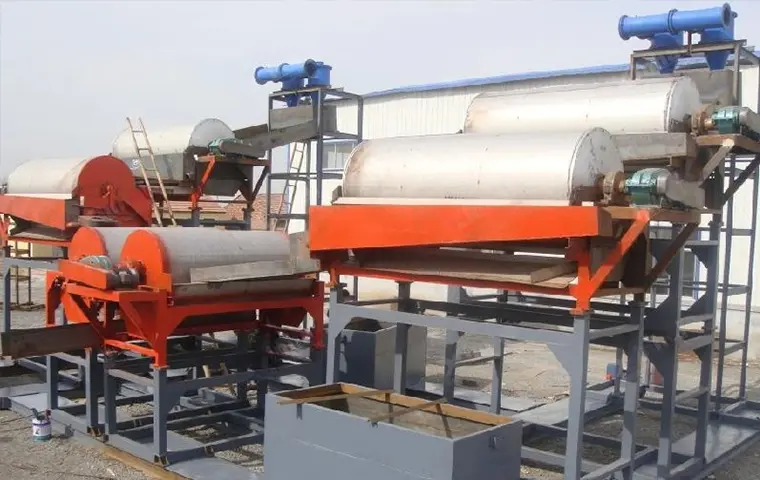
خام الخام: خام هاوسمانيت (Mn₃O₄) درجة المنغنيز: 35% المنتج النهائي: تركيز هاوسمانيت معدل استرداد المنغنيز: 88%
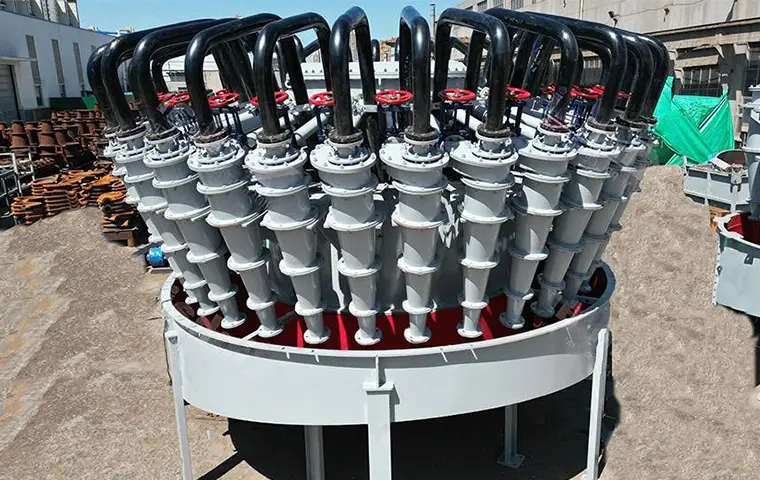
خام المعادن: خام الليثيوم سبودومين Li₂O الدرجة: 1.45% درجة التركيز: 6.20%
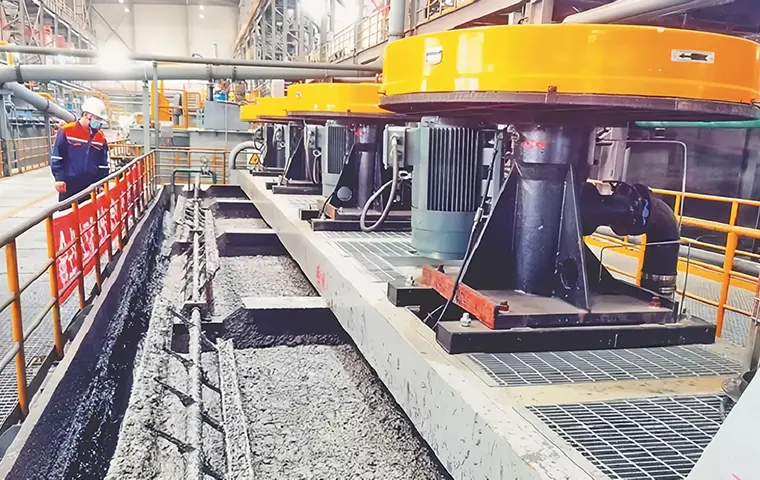
نوع المشروع: منتزه صناعي متكامل لعالمية تعدين الجرافيت والمواد المتقدمة المادة الخام: خام الجرافيت الطبيعي المقشور
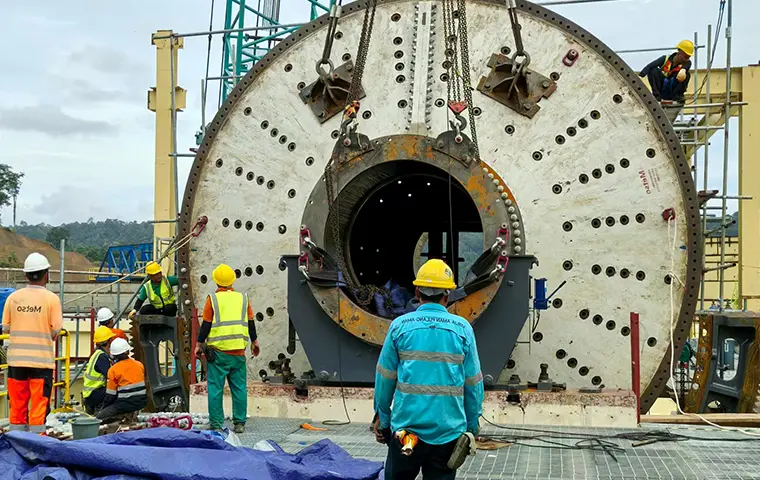
خام: خام الذهب من نوع السطحي/ الكبريتيد (حسب الرواسب المحددة) درجة الذهب: 3.5 غرام/طن معدل استرداد الذهب: 92%
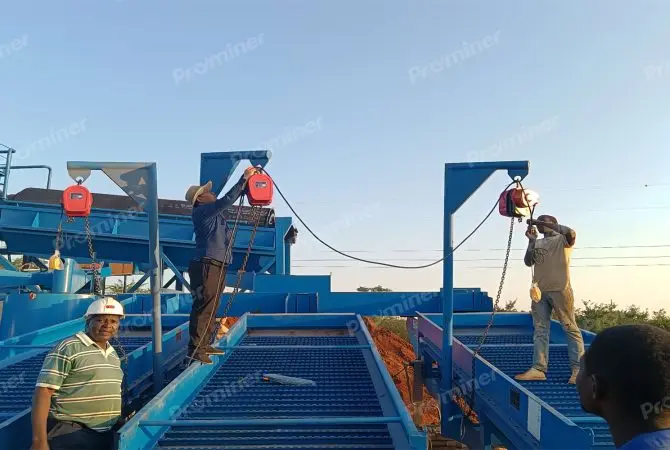
خام خام: خام الذهب الغريني من قاع النهر درجة الذهب: 0.8 غرام/طن
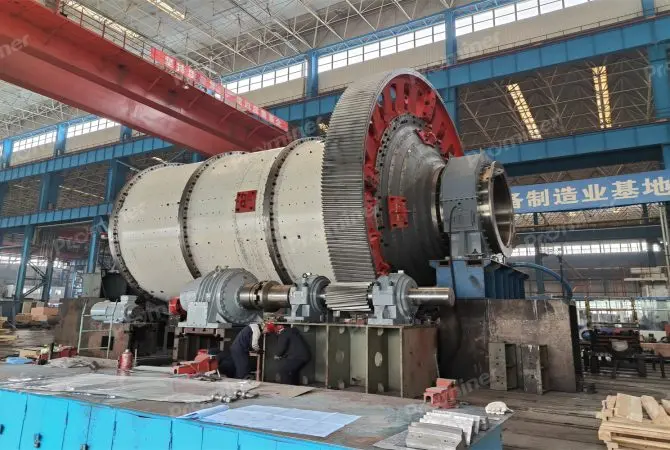
يمكننا تصميم وتصنيع مطحنة كرات من نوع الشبكة لطحن المعادن الأولي.
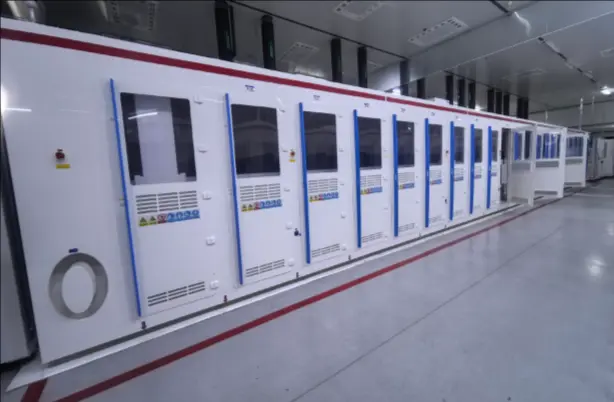
بما في ذلك: معدات تشكيل الحزب أحادي البلورية، وتحميل/تفريغ تشكيل الحزب، والضغط المنخفض…
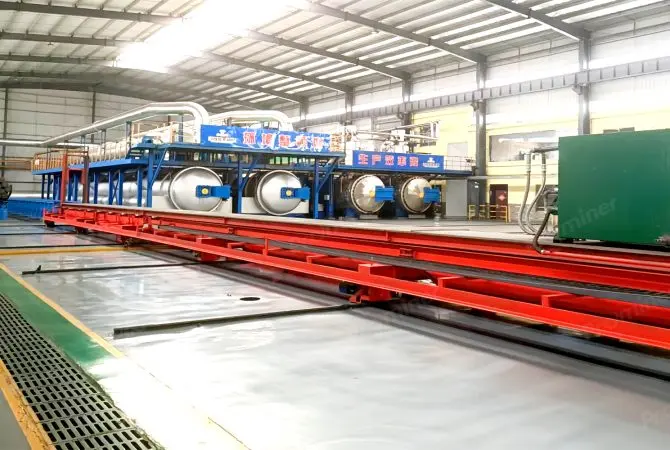
يمكننا توفير نوع الضغط العالي من الإشباع الساخن والدافئ للجرافيت الذي تم خبزه مرة واحدة.
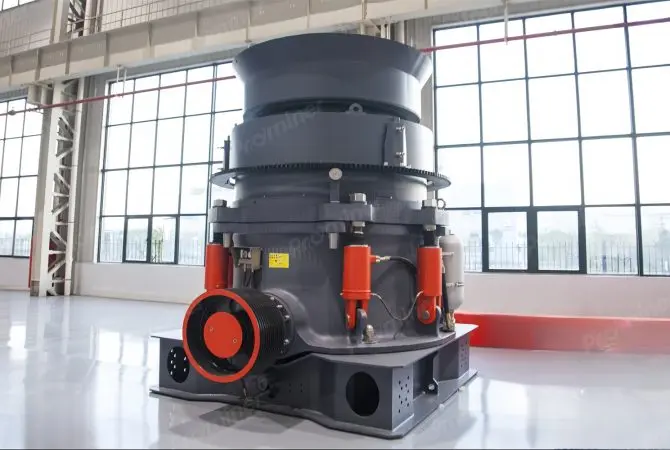
تجمع الكسارة المخروطية الهيدروليكية متعددة الأسطوانات بين سرعة الكسارة، وعدم التماثل وملف التجويف
لمعرفة المزيد عن منتجاتنا وحلولنا، يرجى ملء النموذج أدناه وسيتواصل معك أحد خبرائنا قريبًا
مشروع فحص الذهب بقدرة 3000 طن يوميًا في مقاطعة شاندونغ
2500 طن يوميًا من فحص خام الليثيوم في سيتشوان
فاكس: (+86) 021-60870195
العنوان:رقم 2555، طريق زيوبو، بودونغ، شنغهاي
حقوق الطبع والنشر © 2023.بروماينر (شنغهاي) لتكنولوجيا التعدين المحدودة.