تسريب الكومة هو طريقة تقليدية لتسريب السيانيد وهي مرنة واقتصادية لاستخراج الذهب




تتطلب تحديد أفضل تقنية لتركيز خام أكسيد الزنك في منجمك فهماً دقيقاً لخصائص رواسب الخام المحددة، بما في ذلك التركيب المعدني، توزيع حجم الجسيمات، الخصائص الكيميائية، والشوائب المرتبطة. إن خامات أكسيد الزنك تمثل تحدياً خاصاً في المعالجة، حيث إنها أقل تكيفاً مع طرق التركيز التقليدية باستخدام الكبريتيدات. هناك العديد من التقنيات والنهج المتاحة لتركيز خام أكسيد الزنك، ويعتمد الاختيار على طبيعة الخام والاعتبارات الاقتصادية. فيما يلي بعض طرق التركيز الشائعة المستخدمة لخامات أكسيد الزنك:
قم بإجراء اختبارات معدنية ومعدنية شاملة على خامك لتحديد استجابته لأساليب الطفو المختلفة. من الضروري إجراء اختبارات على نطاق تجريبي باستخدام تقنيات الطفو المختلفة لتحسين النتائج. إذا لم يكن خامك ملائمًا للطوفان بمفرده، فكر في دمج تقنيات أخرى مثل التصفية أو الفصل بالجاذبية لتعزيز الاسترداد.
أخبرني إذا كنت بحاجة إلى مساعدة بشأن تقنيات الاختبار المحددة أو نصائح إضافية!
A: تختلف خصائص المعادن بشكل كبير حتى ضمن نفس جسم الخام. يضمن الاختبار المهني (مثل التحليل الكيميائي، تحليل حيود الأشعة السينية، والتصوير المجهري الإلكتروني) أن تكون خريطة التدفق محسّنة لدرجة خامك وحجم التحرير المحددين. يمنع ذلك عدم التوافق المكلف في المعدات ويضمن أعلى معدلات استرداد ممكنة لمشروعك.
A: We maintain a permanent stock of core wear parts (such as crusher liners, screen meshes, and grinding media). For international clients, we provide a recommended “2-year spare parts list” with the initial purchase. Technical support is available 24/7 via remote video, and site visits can be arranged for complex maintenance needs.
أ: نعم. نحن نرسل فريقاً من المهندسين الميكانيكيين والكهربائيين ذوي الخبرة إلى الموقع للإشراف على التركيب والتشغيل واختبار الحمولة للمعدات. كما نقدم تدريباً شاملاً في الموقع لمشغليكم المحليين لضمان تشغيل سلس على المدى الطويل.
A: بالتأكيد. نحن متخصصون في تقديم خدمات EPCM (الهندسة، الشراء، إدارة البناء). يشمل ذلك كل شيء من الفحوصات الأولية للخامات وتصميم المناجم إلى تصنيع المعدات واللوجستيات وتكامل المصانع على نطاق كامل، مما يضمن انتقالاً سلساً من المرحلة الخضراء إلى مرحلة الإنتاج.
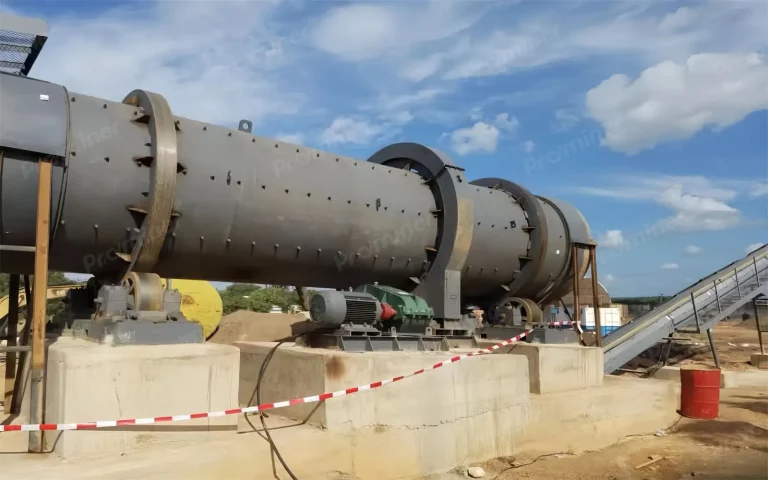
تسريب الكومة هو طريقة تقليدية لتسريب السيانيد وهي مرنة واقتصادية لاستخراج الذهب
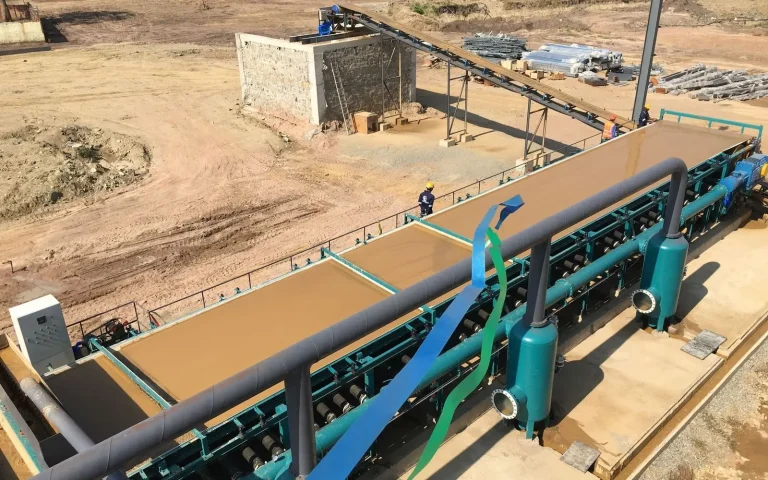
تعد عملية الذهب CIL (الكربون في عملية التشفير) طريقة شائعة جدًا لمعالجة خام الذهب من نوع الأكسيد عالي الدرجة
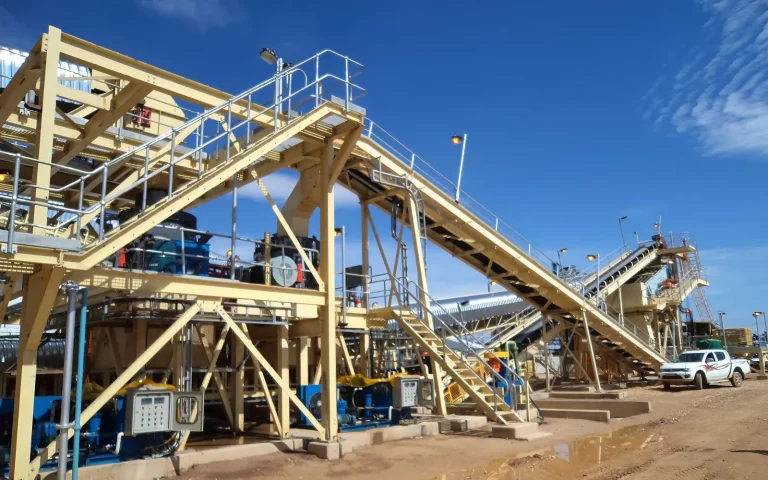
يعتبر تسريب الأحواض خيارًا جيدًا لصاحب المشروع لبدء المرحلة الأولية لتوفير الاستثمار

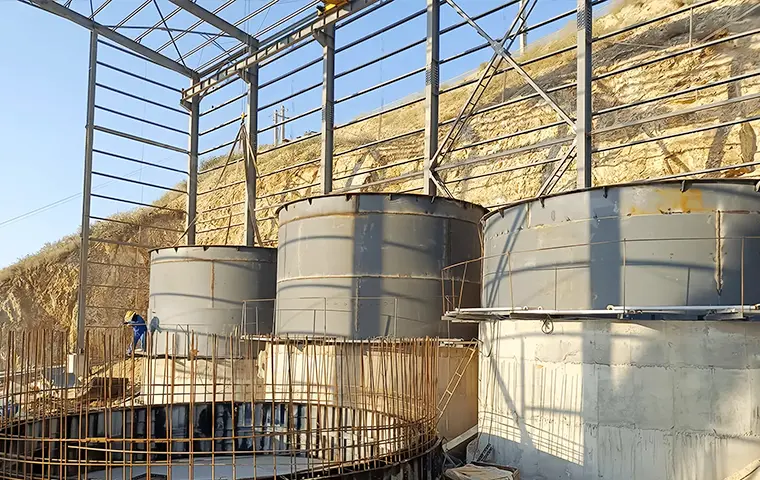
خام خام: خام الذهب المؤكسد المتآكل درجة الذهب: 1.8 غرام/طن معدل استرداد الذهب: 90.5%
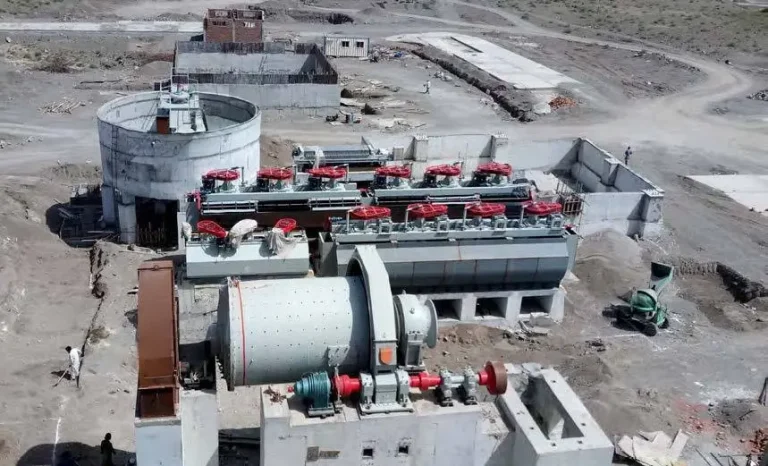
خام خام: خام مختلط أكسيد-كبريتيد نحاس (شالكوسيت/مالاكيت) درجة النحاس: 1.2% | الفضة: 15 جم/طن
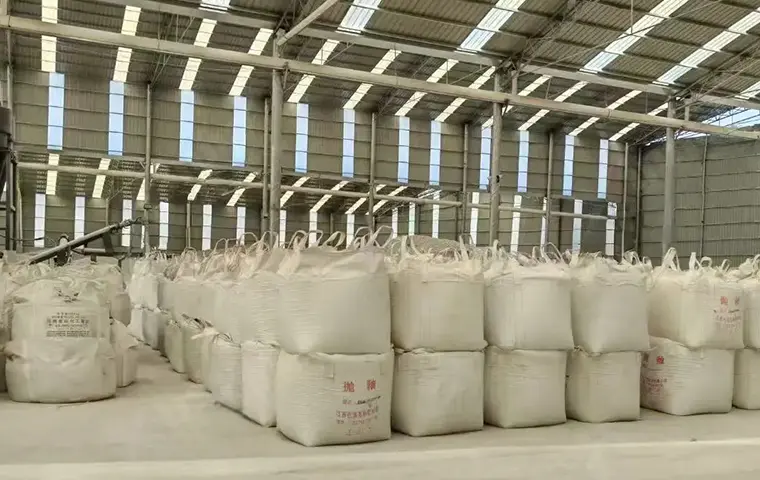
خام المعدن: خام وولاستونيت عالي الجودة مع وجود غرنيت وديوبسيد. درجة التغذية: 65-70% وولاستونيت.
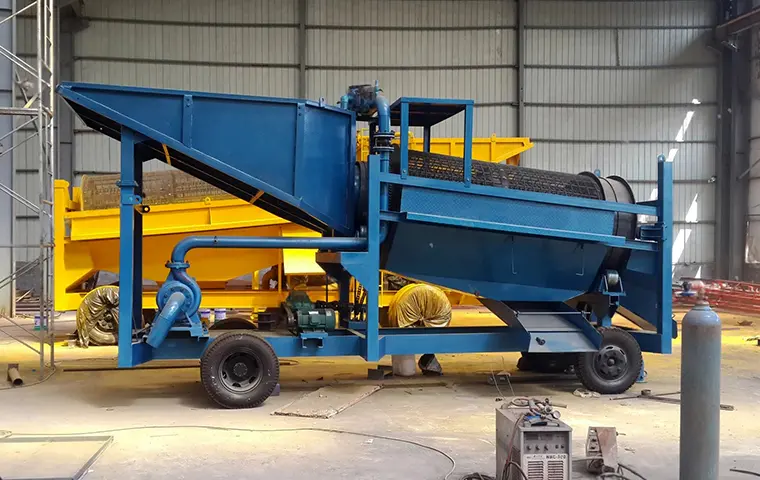
الخام: خام الذهب الرسوبي من رواسب قاع النهر والمدرجات درجة الذهب: 1.5 جرام/طن معدل استرداد الذهب: 92%
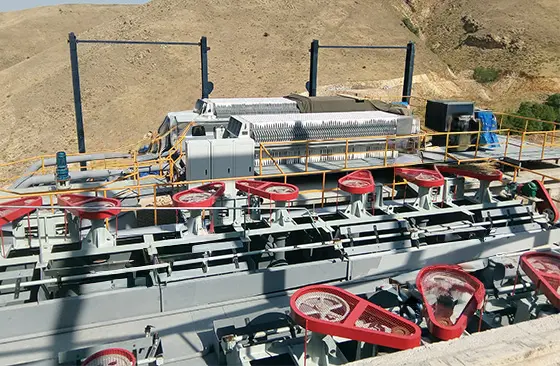
خام خام: سيليكاتي-فوسفات مع شوائب من المغنتيت تركيبة التغذية: P₂O₅: 19-23% ؛ Fe₂O₃: 8-12% ؛ SiO₂: 25-35% ؛ CaO: 32-38%
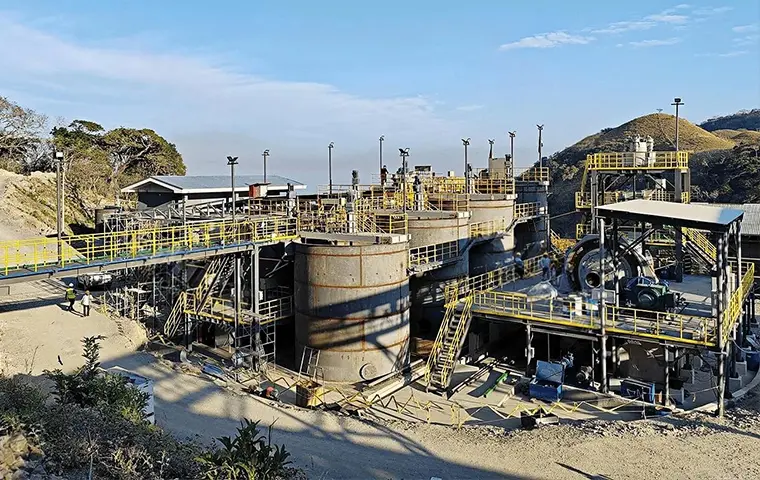
خام معدني: خام نحاس من نوع كبريتيد (منخفض الدرجة، غير متجانس) درجة النحاس في التغذية: 0.45% درجة النحاس في المركز: 25%
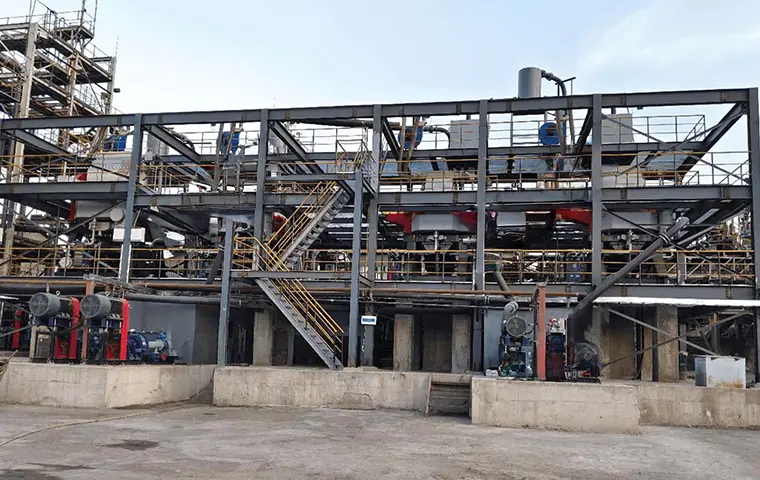
خام الحديد: خام الكروم الجنوب أفريقي، درجة Cr₂O₃ الأصلية: 38%، درجة المركزات المحسنة: 46%
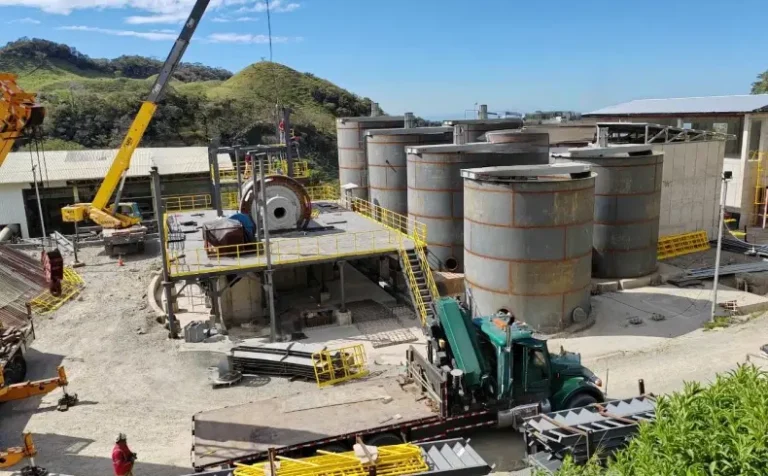
الخام الخام: خام ذهب مختلط أكسيد-كبريتيد درجة الذهب: 3.5-7 جم/طن نقاء قطعة الذهب: 99.5%
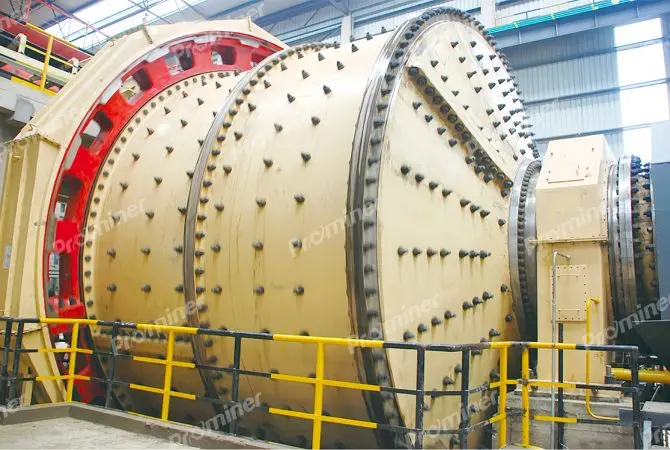
AG/SAG هو اختصار لمطحنة ذاتية الطحن والمطحنة شبه ذاتية الطحن، ويجمع بين وظيفتين من وظائف التكسير.
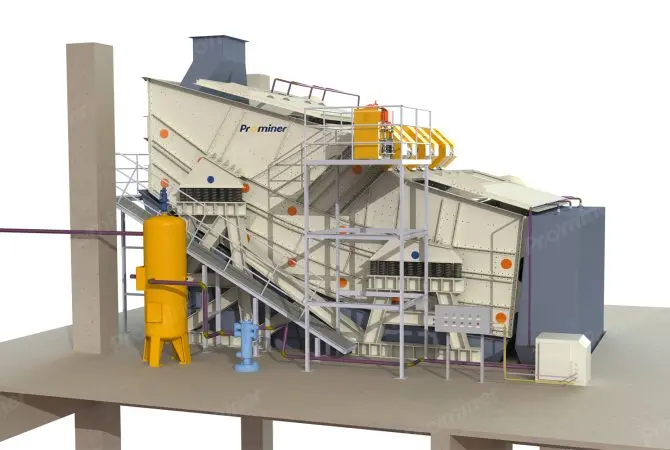
شاشة الموز معروفة أيضًا باسم شاشة سمك السرير الثابت. تتمتع شركة بروماينر بالقدرة على تزويد شاشة جافة
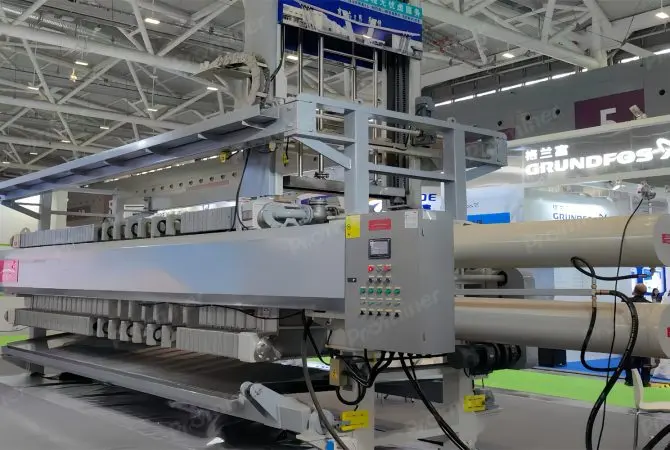
يمكن أن توفر بروماينر مرشحات الضغط، ومرشحات الفراغ الحزامية، ومرشحات الفراغ القرصي، ومرشحات السيراميك
لمعرفة المزيد عن منتجاتنا وحلولنا، يرجى ملء النموذج أدناه وسيتواصل معك أحد خبرائنا قريبًا
مشروع فحص الذهب بقدرة 3000 طن يوميًا في مقاطعة شاندونغ
2500 طن يوميًا من فحص خام الليثيوم في سيتشوان
Fax: (+86) 021-58779592
العنوان: الغرفة 606، مبنى D3، المرحلة الثانية، مركز أعمال تشوانشا، 777 لونغ، طريق ميواوشوان، المنطقة الجديدة باودونغ، شنغهاي، الصين
حقوق الطبع والنشر © 2023. بروماينر (شنغهاي) لتكنولوجيا التعدين المحدودة.