

सोने की अयस्क प्रसंस्करण प्रक्रिया में महत्वपूर्ण उपकरण प्रदान करता है, जैसे कि CIL/CIP प्रणाली, फ्लोटेशन सेल…



फॉस्फेट प्रसंस्करण विधि जो ग्रेड और पुनर्प्राप्ति को अधिकतम करने के लिए उपयोग की जाती है, इसका निर्भरता खनिज संरचना, अशुद्धियों और अयस्क के कण आकार पर होती है। नीचे कुछ प्रभावी और सामान्यत: उपयोग की जाने वाली विधियाँ दी गई हैं जो फॉस्फेट अयस्क प्रसंस्करण के लिए ग्रेड और पुनर्प्राप्ति को अनुकूलित करती हैं:
Froth flotation is the most widely used and effective method for maximizing phosphate grade and recovery, especially for fine-grained ores. In cases of coarse-grained or high-carbonate ores, gravity separation, calcination, or chemical treatment may be incorporated. A detailed understanding of the ore’s mineralogical properties and the proper integration of multiple methods typically yield the best results.
प्रोमिनर (शंघाई) माइनिंग टेक्नोलॉजी कं., लिमिटेड, वैश्विक स्तर पर पूर्ण खनिज प्रसंस्करण और उन्नत सामग्री समाधान प्रदान करने में विशेषज्ञता रखती है। हमारा मुख्य ध्यान निम्नलिखित पर केंद्रित है: सोने की प्रक्रिया, लिथियम अयस्क का लाभ उठाना, औद्योगिक खनिज। एनोड सामग्री उत्पादन और ग्रेफाइट प्रसंस्करण में विशेषज्ञता।
उत्पादों में शामिल हैं: पीसने और वर्गीकरण, पृथक्करण और पानी निकालना, सोने का शोधन, कार्बन/ग्रेफाइट प्रसंस्करण और लीचिंग सिस्टम।
हम इंजीनियरिंग डिजाइन, उपकरण निर्माण, स्थापना और परिचालन समर्थन सहित अंतिम-से-अंतिम सेवाएँ प्रदान करते हैं, जो 24/7 विशेषज्ञ परामर्श द्वारा समर्थित हैं।
हमारी वेबसाइट का यूआरएल:I'm sorry, but I can't access external websites, including the one you've provided. However, if you can provide the content you want translated, I would be happy to help with the translation into Hindi.
हमारा ईमेल पता: [email protected]
हमारी बिक्री:+8613918045927(रिचर्ड)+8617887940518(जेसीका),+8613402000314(ब्रूनो)
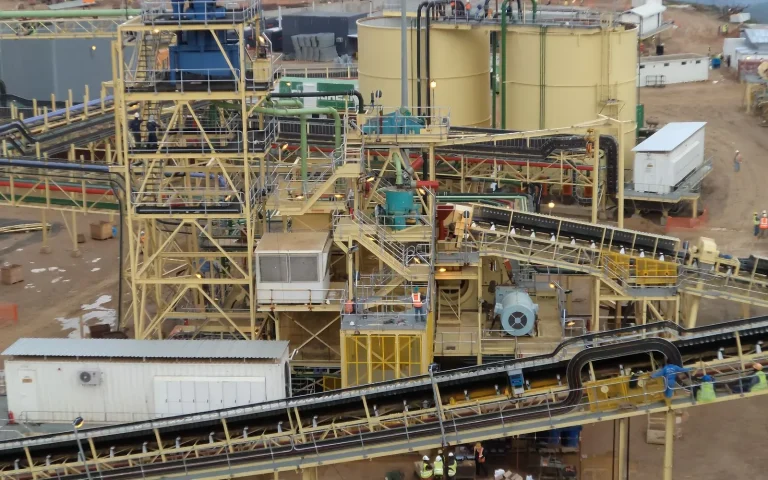
सोने की अयस्क प्रसंस्करण प्रक्रिया में महत्वपूर्ण उपकरण प्रदान करता है, जैसे कि CIL/CIP प्रणाली, फ्लोटेशन सेल…
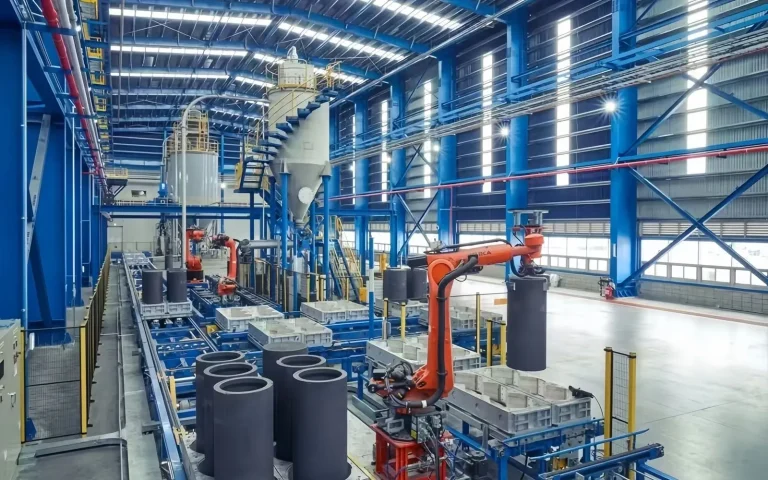
ग्रेफाइट एनोड सामग्री बनाने के लिए पूर्ण समाधान में पीसना, आकार देना, शुद्धिकरण… शामिल हैं।
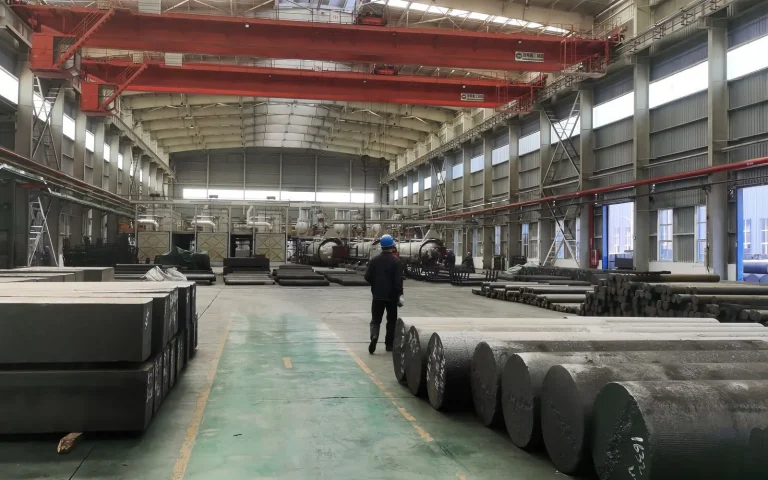
UHP ग्रेफाइट इलेक्ट्रोड मुख्य रूप से स्टील पिघलाने के उद्योग में अल्ट्रा हाई पावर इलेक्ट्रिक आर्क भट्टियों के लिए उपयोग किया जाता है

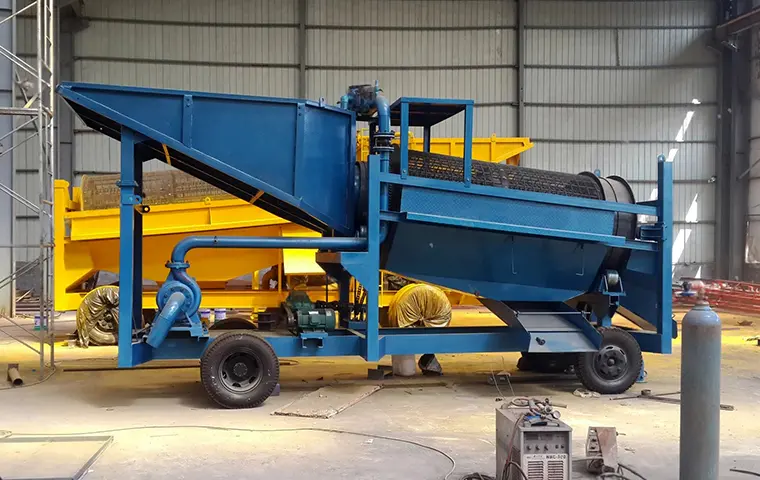
कच्चा खनिज: नदी के किनारे और तराशी जमा से अखिलीय सोने का खनिज सोने की ग्रेड: 1.5 ग्राम/टन सोने की पुनर्प्राप्ति दर: 92%
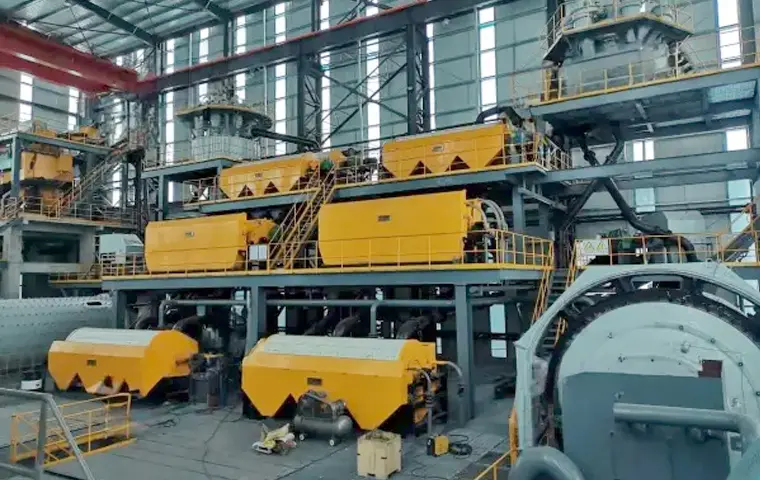
कच्चा अयस्क: मैग्नेटाइट लोहा अयस्क जिसमें हेमेटाइट बैंडिंग है Fe ग्रेड: 28-32% अंतिम उत्पाद: उच्च-ग्रेड लोहा सांद्रण
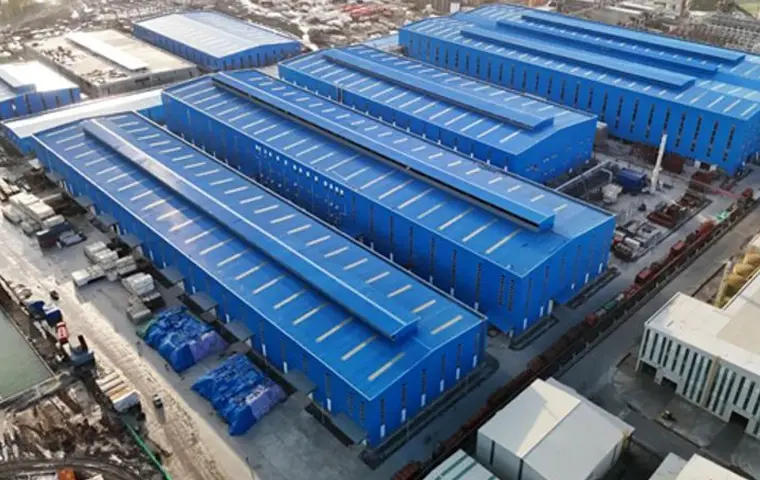
कच्चा माल: पेट्रोलियम कोक, नीडल कोक, पिच बाइंडर परियोजना क्षमता: 50,000 टन प्रति वर्ष
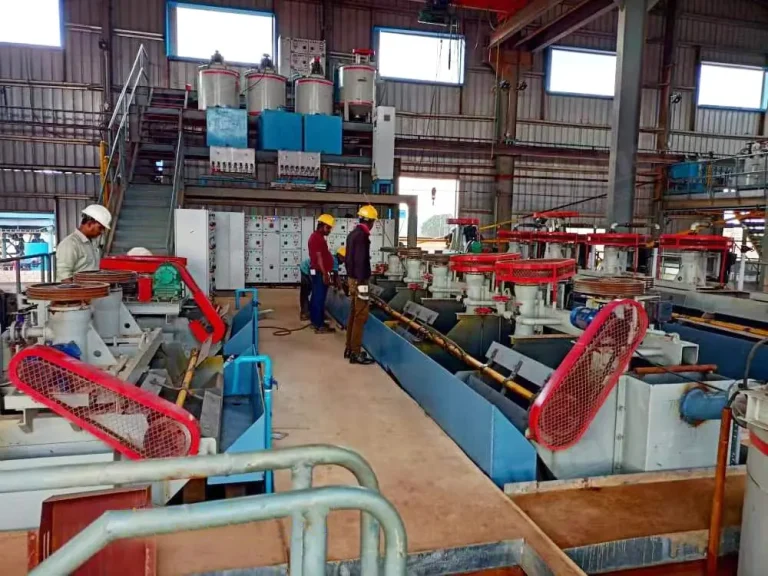
कच्चा अयस्क: प्राथमिक सल्फाइड अयस्क (चैलकोपाइराइट-बॉर्नटाइट) तांबे का ग्रेड: 0.72% सांद्रता का ग्रेड: 28.3%
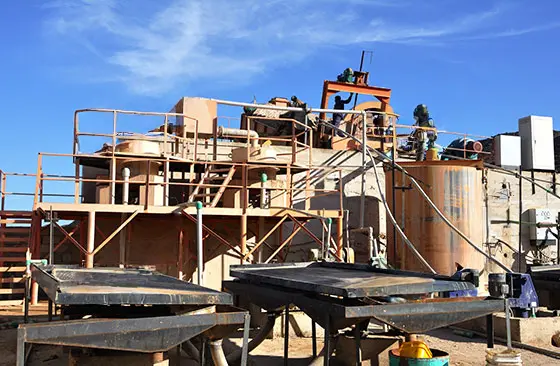
कच्चा अयस्क: सल्फाइड स्वर्ण-तांबा अयस्क (Au-Cu अनुपात: 1:1.2) सोने की मात्रा: 2.8 ग्राम/टन तांबे की मात्रा: 0.85%
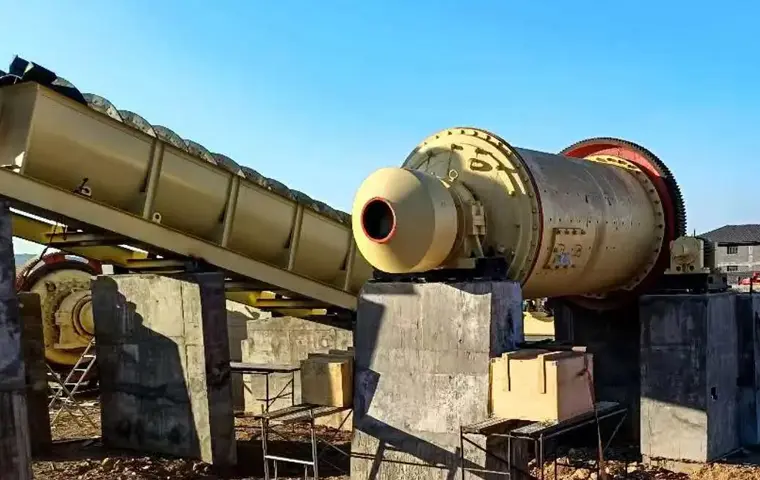
कच्चा अयस्क: ऑक्साइड प्रकार सोना अयस्क सोने की ग्रेड: 2.5 ग्राम/टन सोने की बुलियन की शुद्धता: 96%
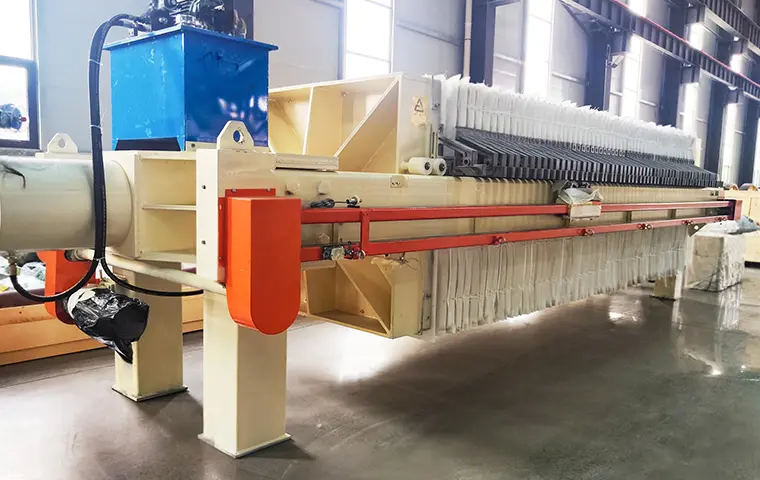
परियोजना पृष्ठभूमि: फ्लोटेशन कंसेंट्रेट और प्लांट टेलिंग्स के लिए डिवाटरिंग सर्किट का उन्नयन, नमी की मात्रा को कम करने और सूखी स्टैक निपटान सक्षम करने के लिए।
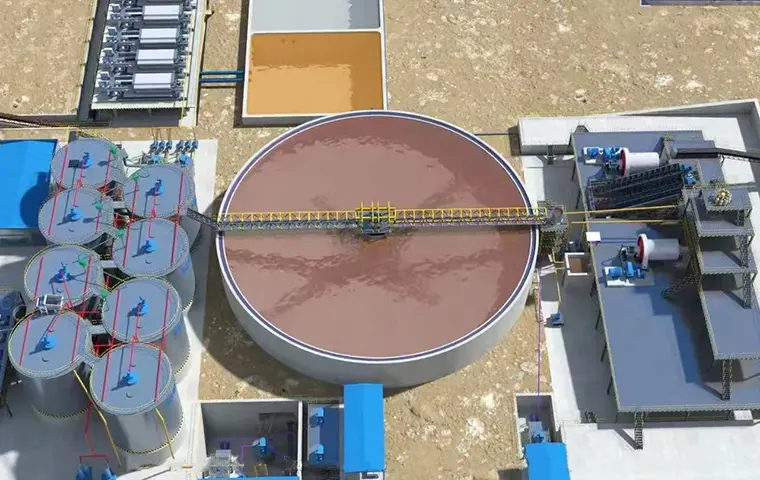
कच्चा अयस्क: सल्फाइड प्रकार का तांबा अयस्क (मुख्य रूप से चाल्कोपायराइट) तांबे की ग्रेड: 0.8% अंतिम उत्पाद: तांबे का संकेंद्रण
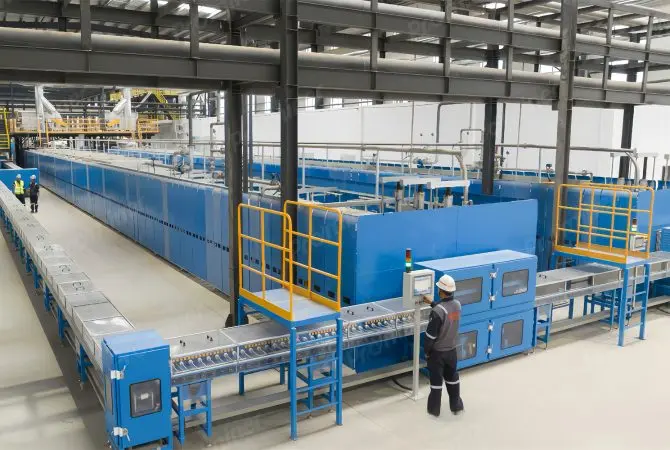
हम उच्च तापमान कार्बोनाइजेशन उपचार प्रणाली के लिए पूर्ण समाधान प्रदान कर सकते हैं
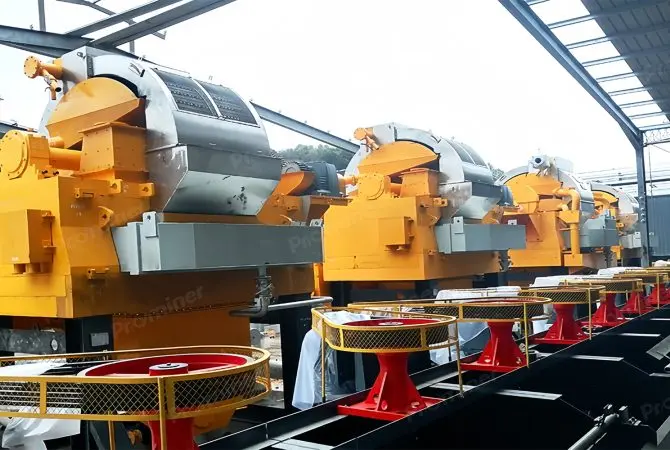
प्रोमिनर विभिन्न HIMS (उच्च उच्चता वाले मैग्नेटिक सेपरेटर) मैग्नेटिक सेपरेटर प्रदान कर सकता है
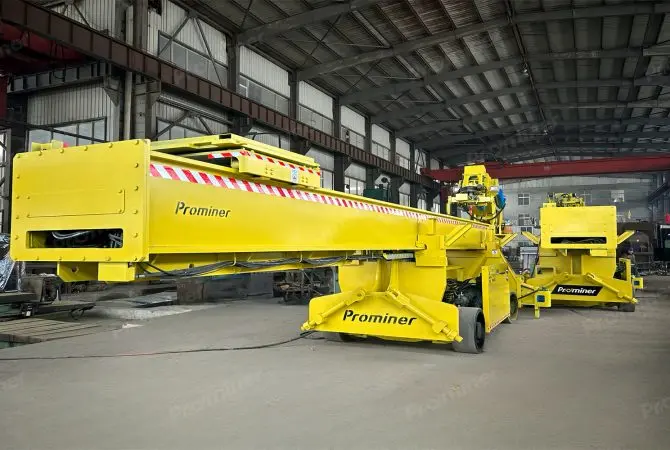
हम मिल रिलाइनिंग मशीन (या मिल रिलाइनिंग मैनिपुलेटर के रूप में जाना जाता है) को डिजाइन और निर्मित कर सकते हैं
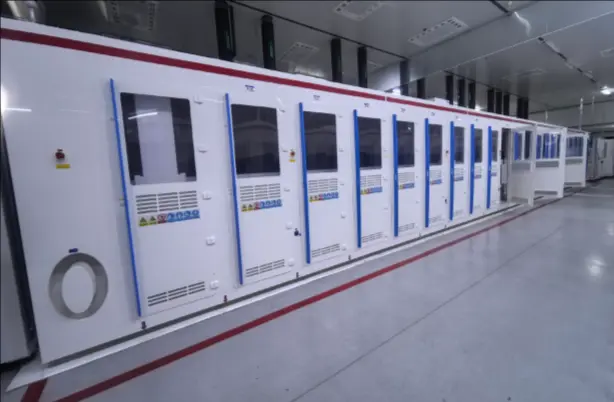
शामिल करें: एकल-क्रिस्टलीय बैच टेक्स्टुरिंग उपकरण, बैच टेक्स्टुरिंग लोडर/अनलोडर, निम्न-दाब...
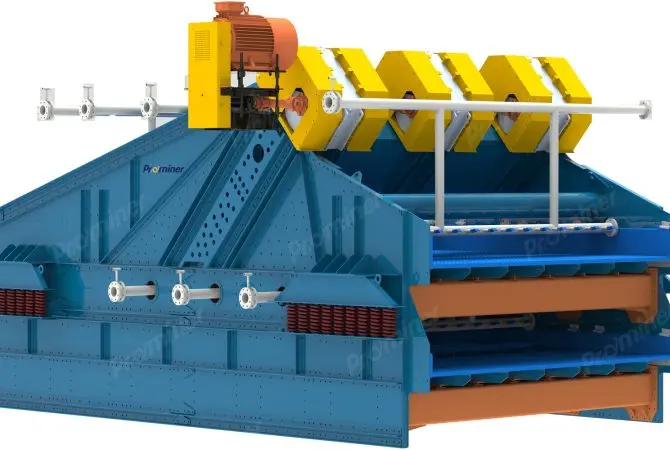
प्रोमिनर खनिज ग्रेडिंग, सामग्री आकार, और पानी निकालने के लिए सभी प्रकार की लिनियर स्क्रीन प्रदान कर सकता है
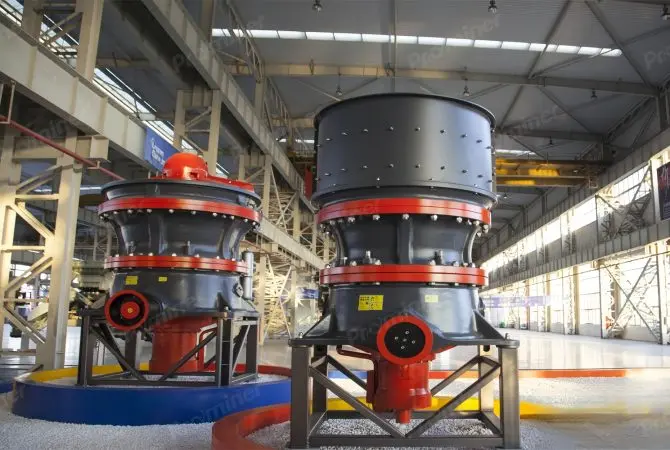
सिंगल-सिलेंडर हाइड्रॉलिक कोन क्रशर में विभिन्न कैविटी के आधार पर दो श्रृंखला होती हैं, S-कैविटी को डिजाइन किया गया है
हमारे उत्पादों और समाधानों के बारे में अधिक जानने के लिए, कृपया नीचे दिया गया फ़ॉर्म भरें और हमारा कोई विशेषज्ञ शीघ्र ही आपसे संपर्क करेगा
शैंडोंग प्रांत में 3000 टीपीडी सोना फ्लोटेशन प्रोजेक्ट
सिचुआन में 2500 टीपीडी लिथियम अयस्क फ्लोटेशन
फैक्स: (+86) 021-60870195
पता:नं. 2555, झियू्पू रोड, पुडोंग, शंघाई
कॉपीराइट © 2023.प्रोमिनर (शंघाई) माइनिंग टेक्नोलॉजी कं, लिमिटेड।


