

Memberikan peralatan penting dalam proses pengolahan bijih emas, seperti Sistem CIL/CIP, Sel Pengapungan...




Gold cyanidation remains one of the most widely used methods for extracting gold from ore due to its efficiency, scalability, and cost-effectiveness. However, increasing environmental regulations, rising operational costs, and declining ore grades have made optimization essential. Improving cyanidation performance involves enhancing recovery rates, reducing reagent consumption, minimizing environmental impact, and improving overall process efficiency.
Below are key strategies for optimizing gold cyanidation processes.
Effective cyanidation begins with proper ore preparation. Gold particles must be sufficiently liberated from surrounding minerals to allow cyanide solution access.
Optimizing crushing and grinding can:
Particle size distribution should be carefully controlled. Over-grinding increases energy costs and may create slimes that interfere with downstream processes, while under-grinding reduces gold recovery due to incomplete liberation.
Regular mineralogical analysis helps determine the ideal grind size for maximum recovery.
Cyanide concentration plays a crucial role in dissolution efficiency. Insufficient cyanide reduces gold recovery, while excessive cyanide increases costs and environmental risks.
Key optimization practices include:
pH control is equally important. Maintaining a pH between 10 and 11 prevents the formation of toxic hydrogen cyanide (HCN) gas and ensures stable leaching conditions. Lime is typically used to regulate pH levels.
Automated dosing systems can significantly improve both safety and reagent efficiency.
Gold dissolution in cyanide requires oxygen. Insufficient dissolved oxygen slows reaction rates and reduces overall recovery.
Metode optimisasi meliputi:
In some operations, pure oxygen injection significantly improves leach rates compared to air, reducing leach time and increasing throughput.
Maintaining proper slurry density also enhances mass transfer between gold particles and the leaching solution.
Some ores contain gold locked within sulfide minerals or associated with preg-robbing carbonaceous material. These refractory ores require pre-treatment before cyanidation.
Common pre-treatment methods include:
These processes break down sulfide matrices, exposing gold particles and significantly improving cyanide leaching efficiency.
For preg-robbing ores, adding activated carbon during leaching (CIL process) can prevent gold loss.
In Carbon-in-Pulp (CIP) and Carbon-in-Leach (CIL) systems, activated carbon adsorbs dissolved gold. Poor carbon management can result in gold losses and reduced efficiency.
Strategi optimalisasi meliputi:
Regular acid washing and thermal reactivation restore carbon adsorption capacity and improve overall gold recovery.
Cyanide consumption can increase due to reactions with base metals such as copper and zinc. Identifying and managing cyanide-consuming minerals is critical.
Strategies include:
The SART (Sulphidization, Acidification, Recycling, and Thickening) process is particularly effective in operations with high copper content, allowing cyanide recovery and copper by-product generation.
Modern gold plants increasingly rely on digital technologies and automation to enhance cyanidation performance.
Alat lanjutan meliputi:
Data-driven optimization enables faster response to process fluctuations, stabilizes recovery rates, and reduces operating costs.
Environmental compliance is a major driver of cyanidation optimization. Proper detoxification of tailings reduces environmental risks and improves sustainability.
Common detoxification methods include:
Optimizing detoxification ensures residual cyanide levels meet regulatory standards while minimizing reagent consumption.
Water recycling from tailings storage facilities also reduces freshwater usage and operating costs.
Optimizing gold cyanidation processes requires a comprehensive approach that integrates mineralogical understanding, process control, reagent management, and environmental stewardship. By improving ore preparation, managing cyanide and oxygen levels, implementing appropriate pre-treatment, and leveraging automation technologies, operations can achieve higher recovery rates, lower costs, and improved sustainability.
As ore grades decline and environmental expectations rise, continuous optimization is no longer optional—it is essential for maintaining profitability and long-term operational success.
A: Untuk sumber daya grafit, solusi lengkap harus mencakup baik flotasi grafit alamiah maupun pengolahan mendalam. Sistem ball mill dan hidroklon berfungsi sebagai tahap penggilingan dasar. Untuk produksi bahan anoda tingkat lanjut, mesin pembentuk sangat penting untuk meningkatkan kerapatan tetesan dan mengurangi luas permukaan spesifik. Selain itu, sistem pelapis Prominer, yang menggabungkan fungsi pelapisan dan granulasi, adalah langkah kunci dalam pengolahan bahan anoda yang menguntungkan.
A: Pemilihan proses sangat bergantung sepenuhnya pada karakteristik bijih. Proses Gold CIL/CIP adalah cara yang sangat populer dan efektif untuk mengolah bijih emas oksida berkadar tinggi. Untuk banyak proyek emas lainnya, proses flotasi tetap menjadi metode pengolahan yang paling umum. Bagi pemilik yang ingin menghemat investasi di tahap awal, pelindian dalam bak (vat leaching) atau heap leaching adalah opsi yang fleksibel dan ekonomi. Kami merekomendasikan memulai dengan pengujian laboratorium dan pilot untuk menentukan alur proses yang paling efisien dan ilmiah.
A: Pemisahan magnetik sangat penting untuk peningkatan mineral. Kami menyediakan pemisah magnetik HIMS (Kekuatan Tinggi) dan LIMS (Kekuatan Rendah) untuk menangani berbagai sifat magnetik mineral. Dalam desain pabrik yang dioptimalkan, teknologi ini diintegrasikan dengan sistem penghancuran berkinerja tinggi—menggunakan crusher kerucut hidraulik satu silinder atau multi-silinder—dan sistem penggilingan. Hal ini memastikan bahwa batu sisa ditolak sejak dini, secara signifikan meningkatkan produktivitas dan menghemat energi.
A: Merancang pabrik yang sukses membutuhkan layanan EPC (Konstruksi, Pengadaan, dan Engineering) yang komprehensif. Pertimbangan utama meliputi desain teknik (survei lokasi, panduan pengambilan sampel, dan gambar PFD) serta kustomisasi peralatan untuk memastikan mesin sesuai dengan karakteristik bijih yang spesifik. Contohnya, Prominer dapat menyesuaikan layar linier hingga lebar 5,1 meter untuk pengelompokan dan dewatering skala besar. Terakhir, layanan profesional di lokasi, termasuk pengawasan pekerjaan sipil dan commissioning, sangat penting untuk operasi yang stabil dalam jangka panjang.
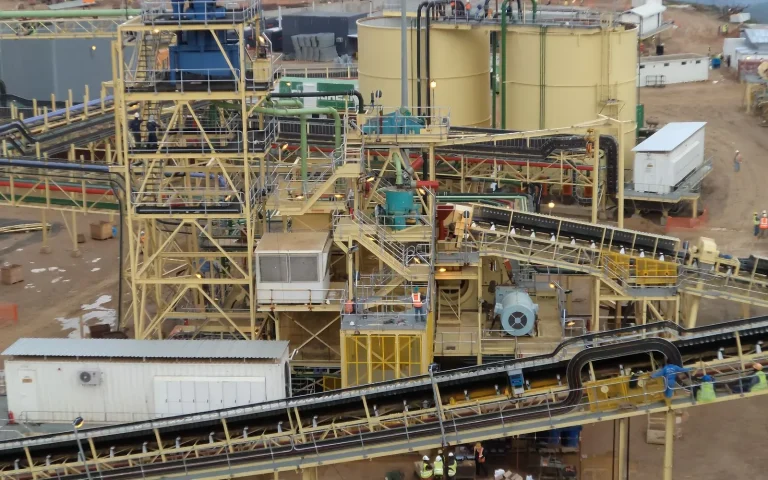
Memberikan peralatan penting dalam proses pengolahan bijih emas, seperti Sistem CIL/CIP, Sel Pengapungan...
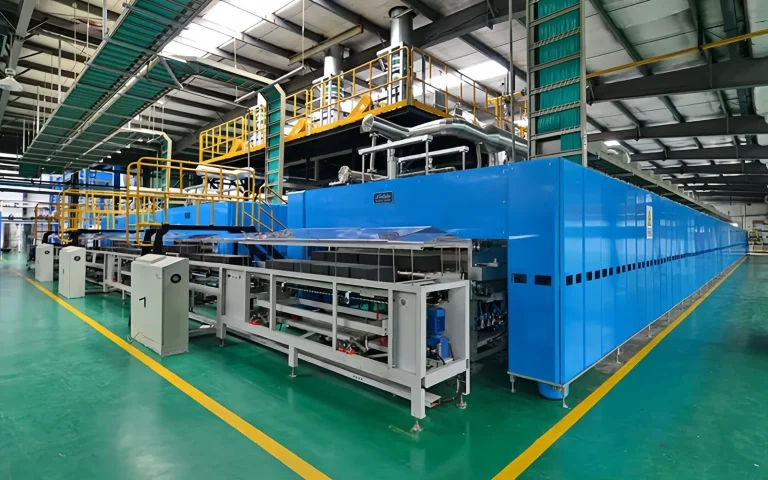
Bahan anoda grafit buatan terutama terbuat dari kock minyak bumi berkualitas tinggi dengan kandungan belerang rendah
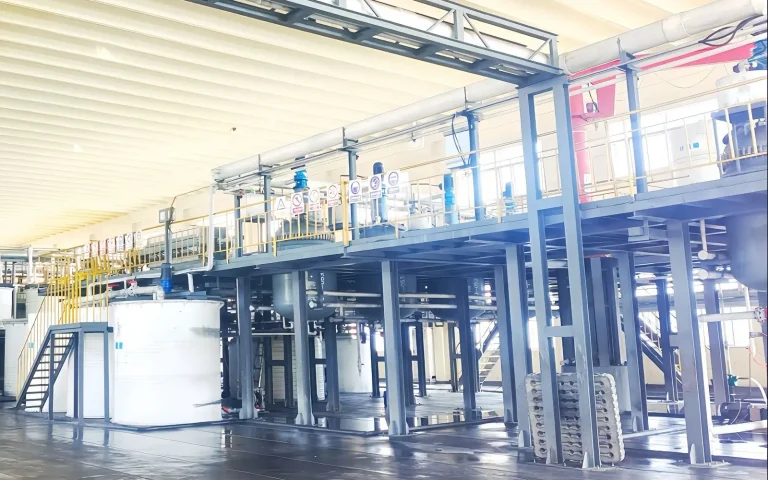
Grafit serpihan dapat digunakan untuk menghasilkan grafit karbon tinggi, grafit murni tinggi, grafit yang dapat mengembang

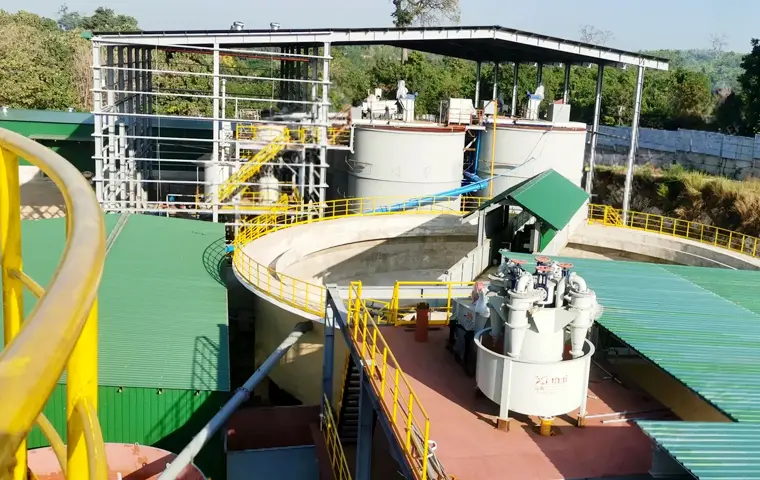
Bijih Mentah: Bijih Emas Dwi Oksida & Sulfida (Refraktori pada sebagian) Kadar Emas: 3,5-4,2 g/t Produk Akhir: Emas Doré (Au ≥96,5%)
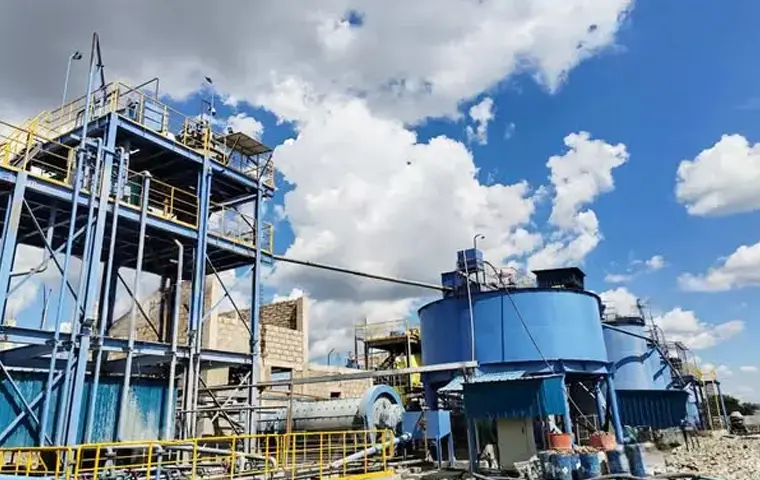
Bijih Baku: Bijih Tembaga-Emas Kadar Tembaga: 1,2% Kadar Emas: 1,5 g/t Tingkat Pemulihan: Tembaga 89%, Emas 88%
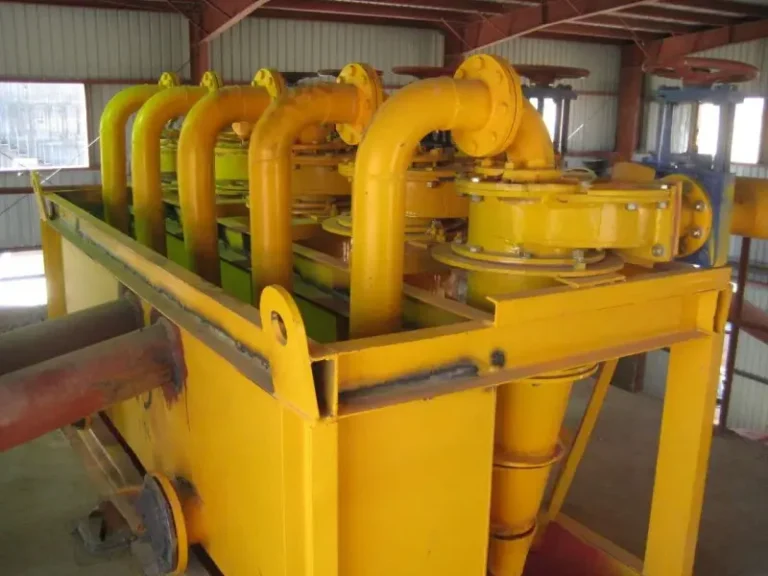
Bijih Mentah: Bijih Timah Aluvial (Kasiterit) Kadar Timah: 0,8% Kadar Konsentrat: 65%
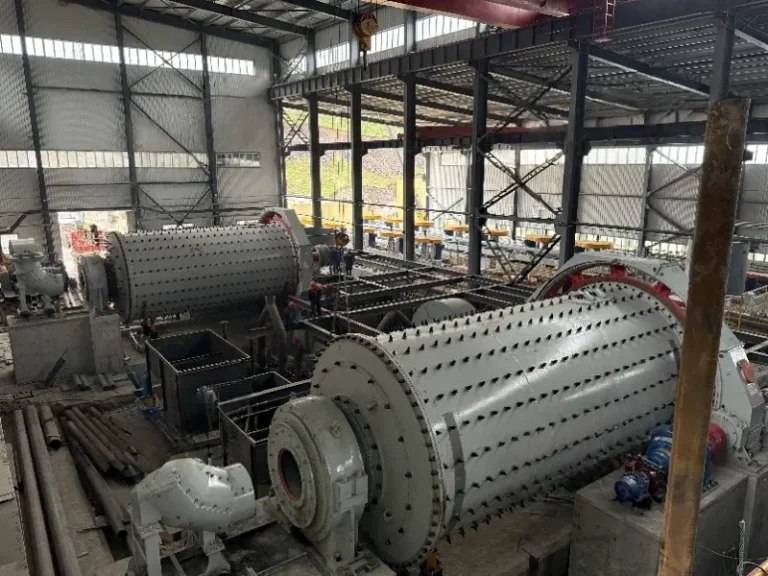
Bijih Baku: Limoni, Bijih Nikel Laterit, Kadar Ni: 1,2% Kadar Co: 0,12%
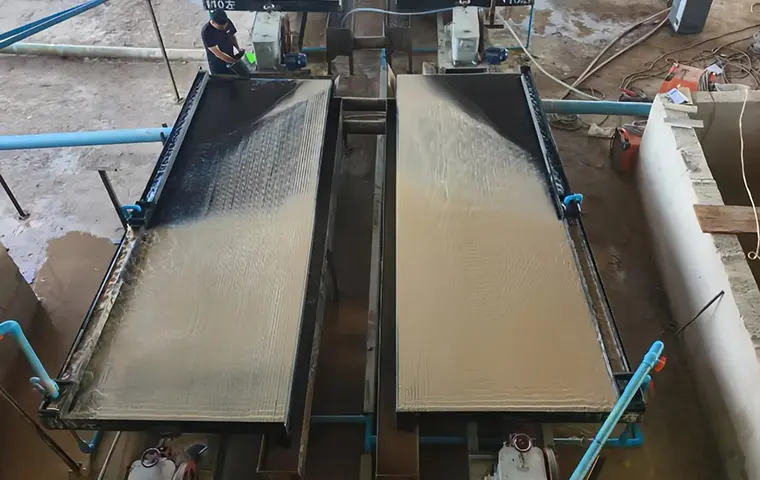
Bijih Mentah: Bijih sulfida antimon dengan urat kuarsa Tingkat Sb: 3,5% Tingkat Konsentrat: 55%
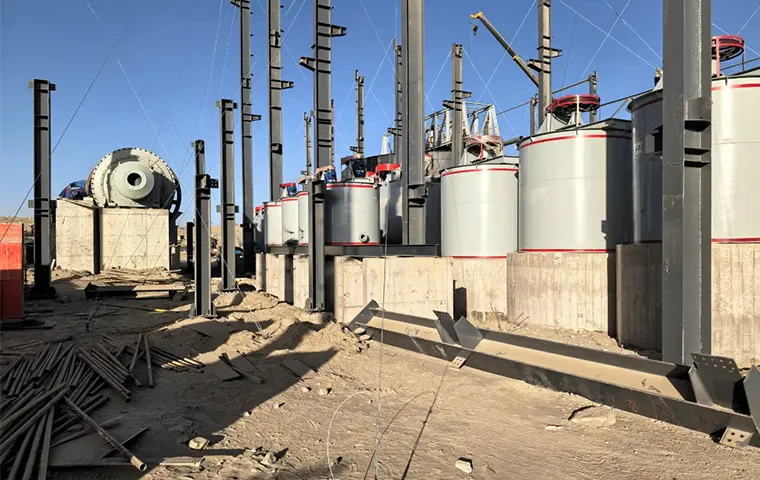
Bahan Mentah: Bijih Emas Transisi & Oksida (dengan sulfida minor) Umur Emas Feed: 2,5 g/t Produk Akhir: Batangan Emas Doré
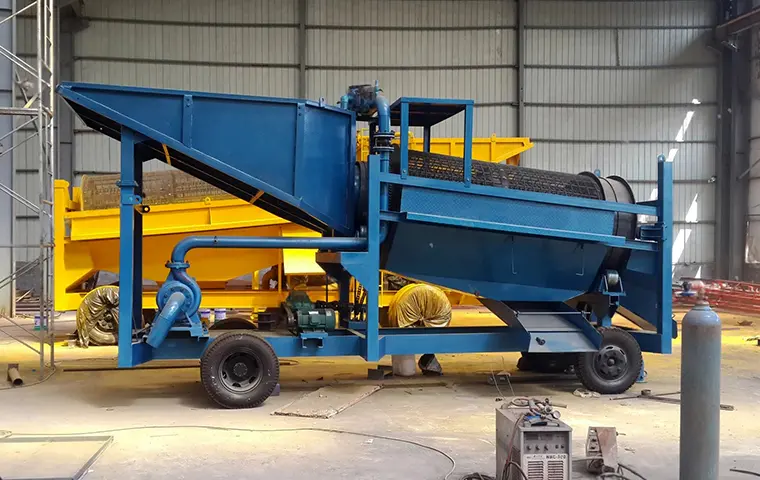
Bijih Mentah: Bijih emas aluvial dari endapan dasar sungai dan teras Kadar Emas: 1,5 g/t Tingkat Pemulihan Emas: 92%
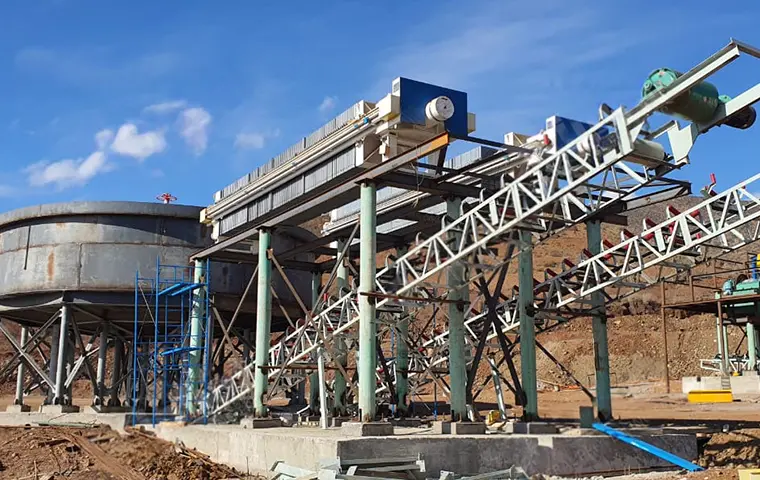
Dari pengujian laboratorium hingga commissioning akhir, Prominer memberikan solusi kustom 20 TPH.
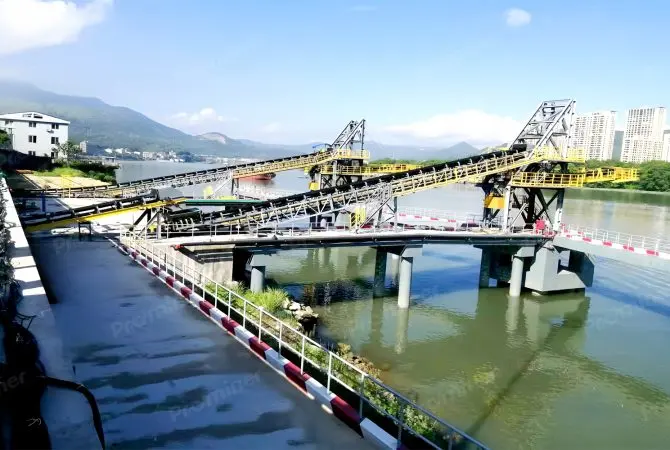
Kami dapat menyediakan solusi conveyor sabuk untuk berbagai tujuan termasuk conveyor sabuk yang sangat miring
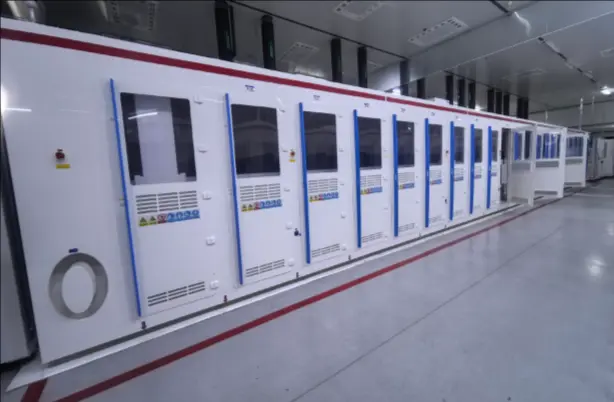
Termasuk: Peralatan Tekstur Batch Kristal Tunggal, Pengisi/Pengosong Tekstur Batch, Tekanan Rendah...
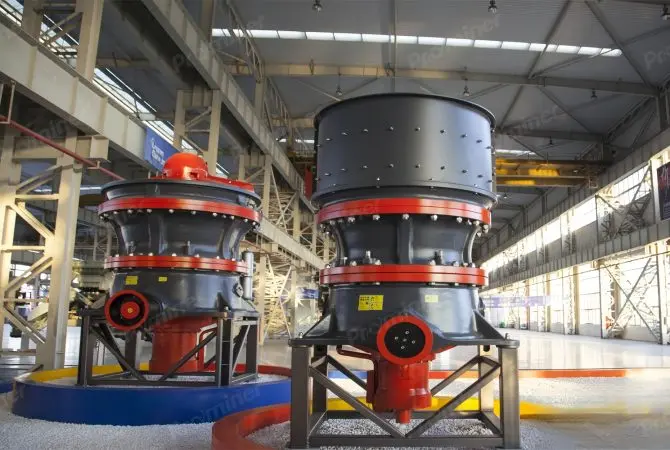
Crusher cone hidrolik tunggal memiliki dua seri berdasarkan rongga yang berbeda, rongga S dirancang.
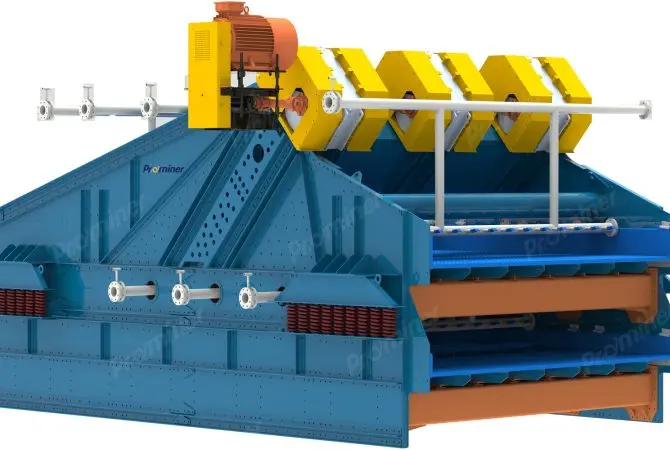
Prominer dapat menyediakan semua jenis layar linear untuk penggolongan mineral, pengukuran material, pengeringan.
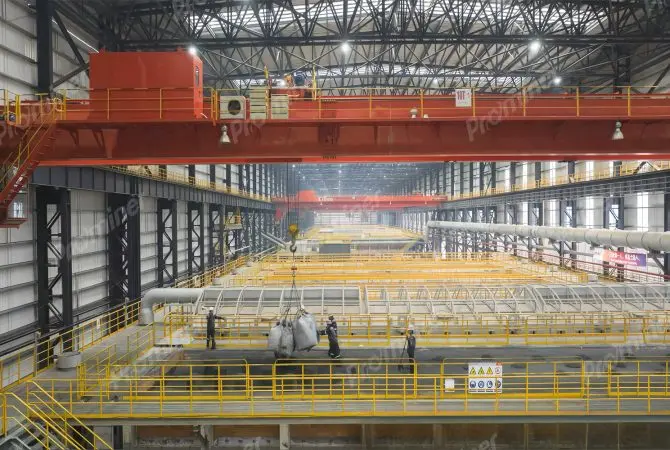
Kami dapat menyediakan berbagai jenis kilang grafitisasi untuk mengubah material karbon
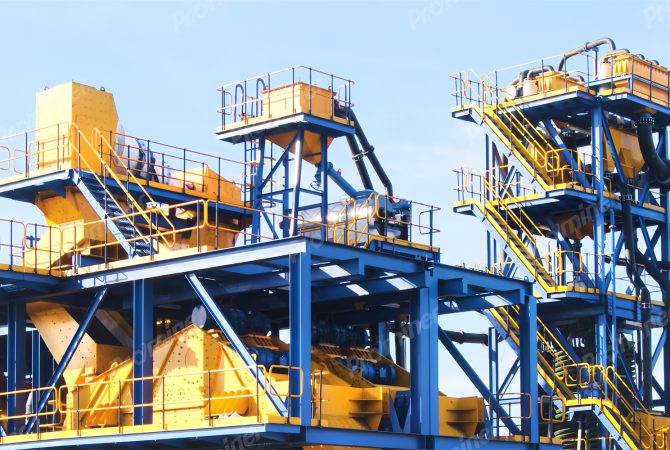
Prominer dapat menyediakan berbagai separator magnetik LIMS (Low Intensity Magnetic separator)
Untuk mengetahui lebih lanjut tentang produk dan solusi kami, silakan isi formulir di bawah ini dan salah satu ahli kami akan menghubungi Anda segera
Proyek Flotasi Emas 3000 TPD di Provinsi Shandong
2500TPD Flotasi Bijih Lithium di Sichuan
Fax: (+86) 021-58779592
Alamat:Kamar 606, Gedung D3, Fase II, Pusat Bisnis Chuansha, 777 Long, Jalan Miaochuan, Pudong Baru, Shanghai, Tiongkok
Hak Cipta © 2023.Prominer (Shanghai) Mining Technology Co.,Ltd.


