

Proses CIL emas (karbon dalam pelindian) adalah cara yang sangat populer untuk memproses bijih emas jenis oksida berkualitas tinggi




Sulfide gold ores are among the most important sources of gold worldwide. However, gold in sulfide ores is often finely disseminated within sulfide minerals such as pyrite, arsenopyrite, and chalcopyrite, making extraction more complex than for free-milling ores. Developing a scientific and efficient beneficiation process is essential to maximize gold recovery, reduce costs, and minimize environmental impact.
Below is a systematic guide to developing a scientific process for sulfide gold ore beneficiation.
The foundation of any scientific beneficiation process is a thorough understanding of the ore.
Key analyses include:
Techniques such as X-ray diffraction (XRD), scanning electron microscopy (SEM), fire assay, and automated mineralogy systems (e.g., MLA) help determine how gold is locked within sulfides. This data directly influences process selection.
Based on ore characteristics, select a suitable beneficiation route. Sulfide gold ores typically require a combination of processes rather than a single method.
Common strategies include:
For refractory sulfide ores, pre-treatment methods such as roasting, pressure oxidation (POX), or bio-oxidation are often necessary to liberate encapsulated gold before cyanide leaching.
Proper comminution is critical for liberating gold-bearing sulfide minerals.
Key considerations:
Energy efficiency and cost control should be considered when selecting crushers, ball mills, or SAG mills.
Flotation is the most commonly used method to recover sulfide minerals containing gold.
Important parameters to optimize:
Test work should include roughing, scavenging, and cleaning stages to determine the best recovery-grade balance. Reagent schemes must be tailored to the specific sulfide minerals present.
When gold is finely locked within sulfide minerals, pre-treatment is required to break down the sulfide matrix.
Common pre-treatment methods:
The choice depends on ore type, capital investment, environmental regulations, and operating cost considerations.
After concentration or pre-treatment, gold is typically recovered by:
Key variables include cyanide concentration, dissolved oxygen levels, pulp pH, and leaching time. Laboratory leaching tests help determine optimal conditions.
A scientific process must be validated through systematic testing:
Pilot testing reduces technical risk and ensures the process performs consistently under continuous operation.
A sustainable beneficiation process must balance recovery with environmental responsibility.
Key factors:
Economic evaluation should include capital expenditure (CAPEX), operating expenditure (OPEX), and projected gold recovery improvements.
Once the plant is operational, ongoing monitoring and optimization are essential.
Continuous improvement ensures stable production and maximized profitability.
Developing a scientific process for sulfide gold ore beneficiation requires a structured, data-driven approach. From detailed ore characterization to pilot testing and process optimization, each stage must be carefully designed and validated. By combining appropriate crushing, flotation, pre-treatment, and gold extraction methods, mining operations can achieve high recovery rates while maintaining economic viability and environmental compliance.
A well-designed beneficiation process is not only a technical solution—it is the foundation of sustainable and profitable gold production.
A: Untuk sumber daya grafit, solusi lengkap harus mencakup baik flotasi grafit alamiah maupun pengolahan mendalam. Sistem ball mill dan hidroklon berfungsi sebagai tahap penggilingan dasar. Untuk produksi bahan anoda tingkat lanjut, mesin pembentuk sangat penting untuk meningkatkan kerapatan tetesan dan mengurangi luas permukaan spesifik. Selain itu, sistem pelapis Prominer, yang menggabungkan fungsi pelapisan dan granulasi, adalah langkah kunci dalam pengolahan bahan anoda yang menguntungkan.
A: Pemilihan proses sangat bergantung sepenuhnya pada karakteristik bijih. Proses Gold CIL/CIP adalah cara yang sangat populer dan efektif untuk mengolah bijih emas oksida berkadar tinggi. Untuk banyak proyek emas lainnya, proses flotasi tetap menjadi metode pengolahan yang paling umum. Bagi pemilik yang ingin menghemat investasi di tahap awal, pelindian dalam bak (vat leaching) atau heap leaching adalah opsi yang fleksibel dan ekonomi. Kami merekomendasikan memulai dengan pengujian laboratorium dan pilot untuk menentukan alur proses yang paling efisien dan ilmiah.
A: Pemisahan magnetik sangat penting untuk peningkatan mineral. Kami menyediakan pemisah magnetik HIMS (Kekuatan Tinggi) dan LIMS (Kekuatan Rendah) untuk menangani berbagai sifat magnetik mineral. Dalam desain pabrik yang dioptimalkan, teknologi ini diintegrasikan dengan sistem penghancuran berkinerja tinggi—menggunakan crusher kerucut hidraulik satu silinder atau multi-silinder—dan sistem penggilingan. Hal ini memastikan bahwa batu sisa ditolak sejak dini, secara signifikan meningkatkan produktivitas dan menghemat energi.
A: Designing a successful plant requires a comprehensive EPC (Engineering, Procurement, and Construction) service. Key considerations include engineering design (site surveys, sampling guidance, and PFD drawings) and equipment customization to ensure machinery matches the specific ore characteristics. For example, Prominer can customize linear screens up to 5.1m in width for large-scale grading and dewatering. Finally, professional on-site services, including civil work supervision and commissioning, are vital for long-term stable operation.
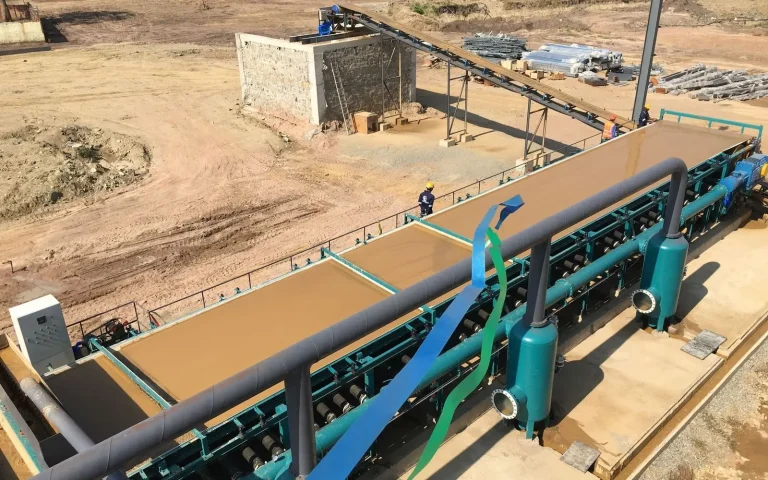
Proses CIL emas (karbon dalam pelindian) adalah cara yang sangat populer untuk memproses bijih emas jenis oksida berkualitas tinggi
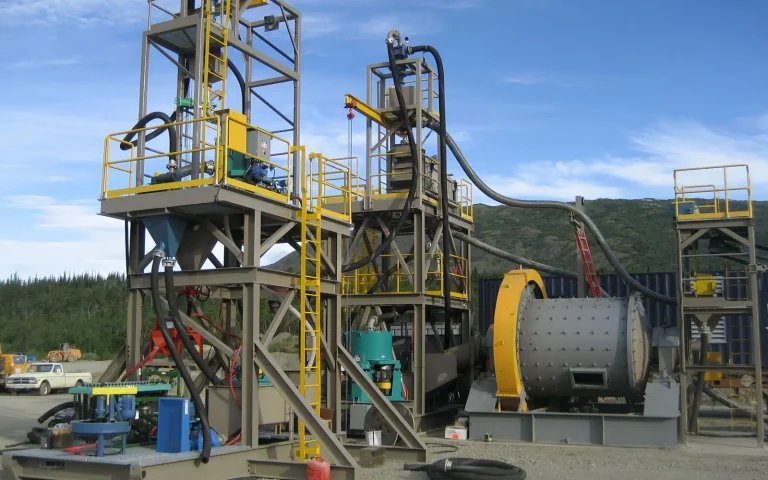
Bijih eksogenetik yang paling dikenal adalah emas aluvial yang juga disebut emas placer. Emas aluvial mengacu pada
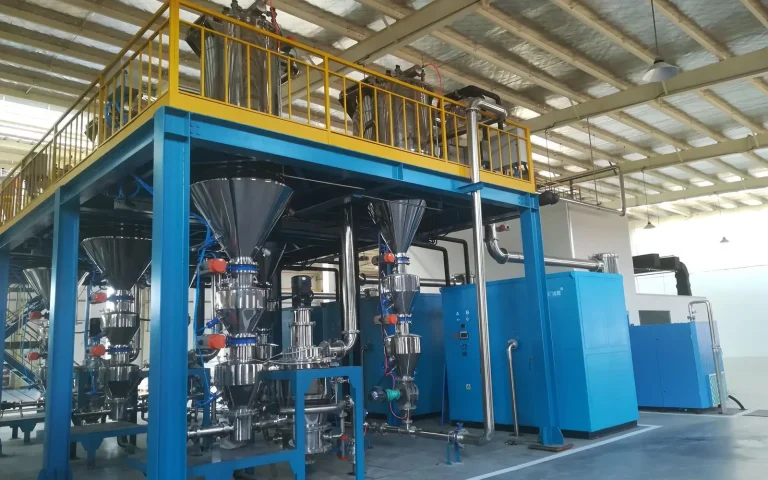
Anoda berbasis silikon adalah salah satu jenis bahan anoda komposit dengan menggabungkan silikon

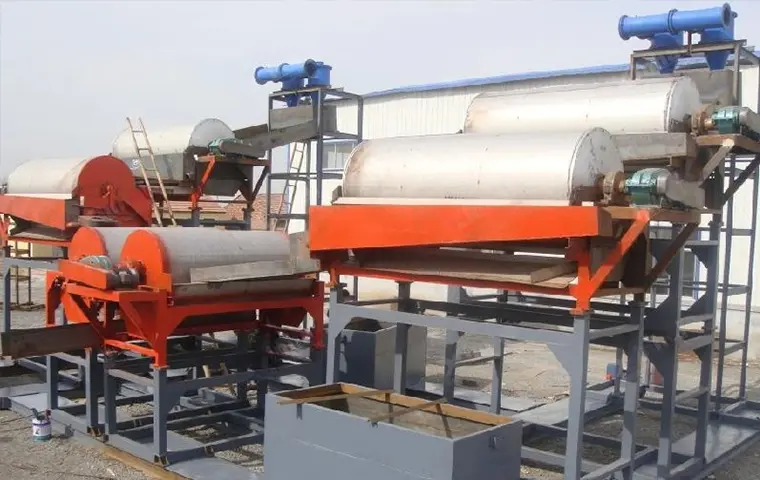
Bijih Mentah: Bijih Hausmannite (Mn₃O₄) Grade Mn: 35% Produk Akhir: Konsentrat Hausmannite Tingkat Pemulihan Mn: 88%
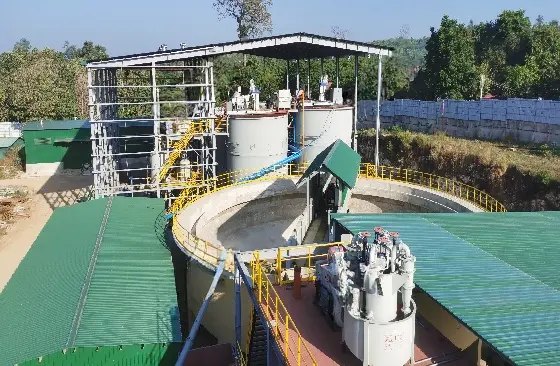
Lokasi: Tanzania, Afrika & Kalimantan Tengah, Indonesia Jenis Bijih: Bijih Sulfida Berkualitas Rendah (1,2–1,8 g/t Au)
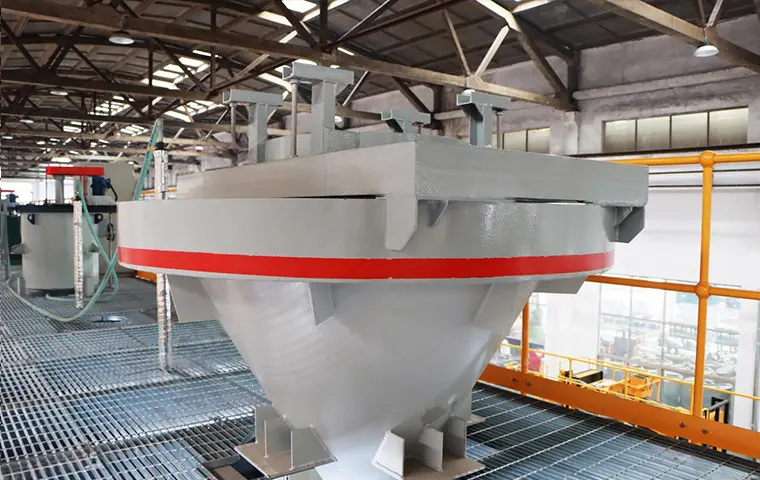
Bijih Mentah: Bijih Emas Tipe Sulfida Kadar Emas: 3.5 g/t Produk Akhir: Batangan Emas Tingkat Pemulihan Emas: 96%
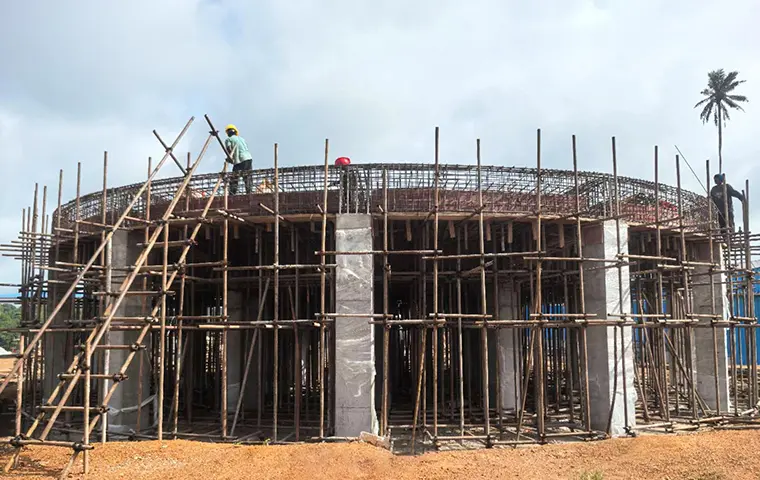
Bahan Pakan: Emas Tailings yang Disimpan Sejarah Tingkat Emas Tailings: 1,5 g/t Target Tingkat Pemulihan Emas: 88%
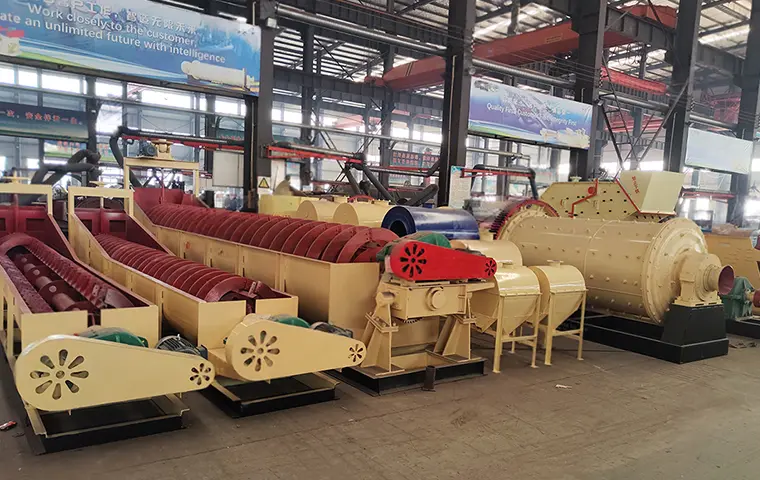
Bijih Mentah: Bijih Emas Aluvial & Bijih Emas Hard Rock Primer (Kemampuan Pakan Campuran) Kadar Emas Pakan: 1,2 – 3,5 g/t (variabel)
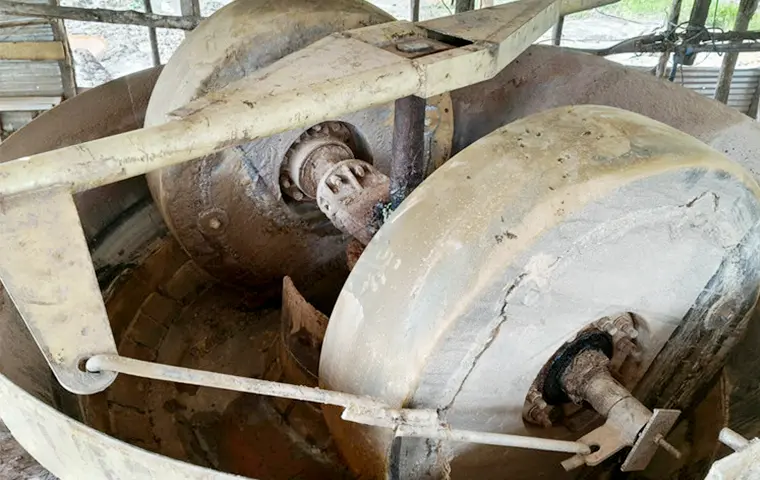
Bijih Mentah: Bijih emas alluvial / Bijih emas urat setelah penghancuran Grade Emas: 1,5 – 2,5 g/t Kemurnian Batang Emas: ≥ 90%
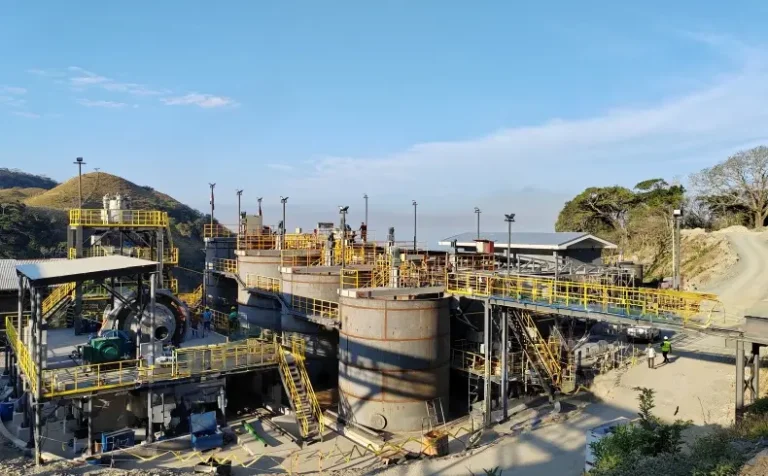
Bijih Baku: Bijih Emas Sulfida-Refrekter (25% Sulfida) Kadar Emas: 2,8-4,1 g/t Produk Akhir: Batangan Emas 99,99%
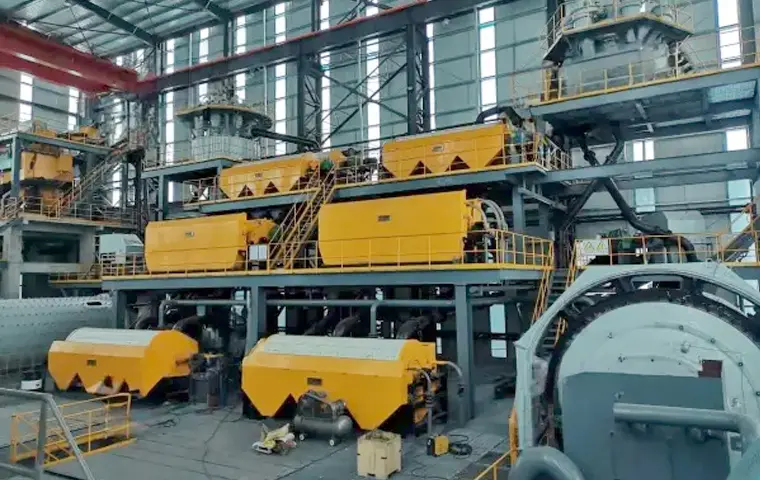
Bijih Baku: Bijih Besi Magnetit dengan Pencampuran Hematit Kadar Besi: 28-32% Produk Akhir: Konsentrat Besi Berkualitas Tinggi
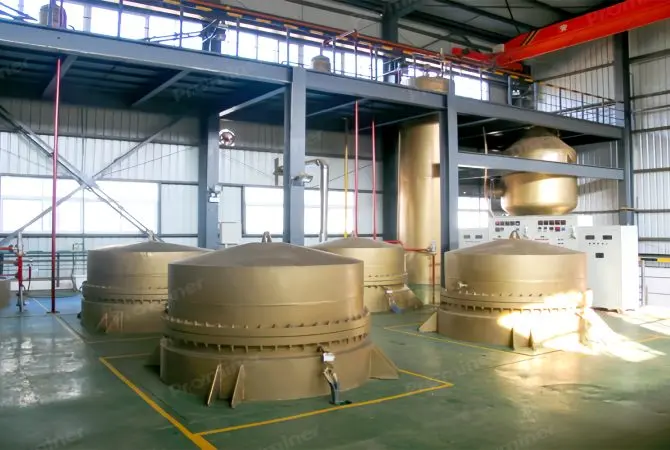
Prominer dapat merancang dan menyediakan sistem penyulingan dan peleburan lengkap untuk proyek CIL emas
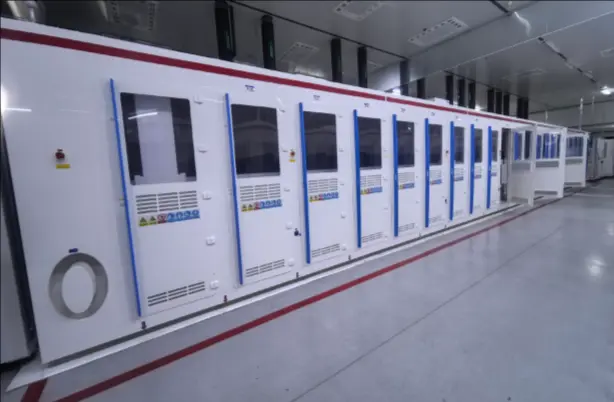
Termasuk: Peralatan Tekstur Batch Kristal Tunggal, Pengisi/Pengosong Tekstur Batch, Tekanan Rendah...
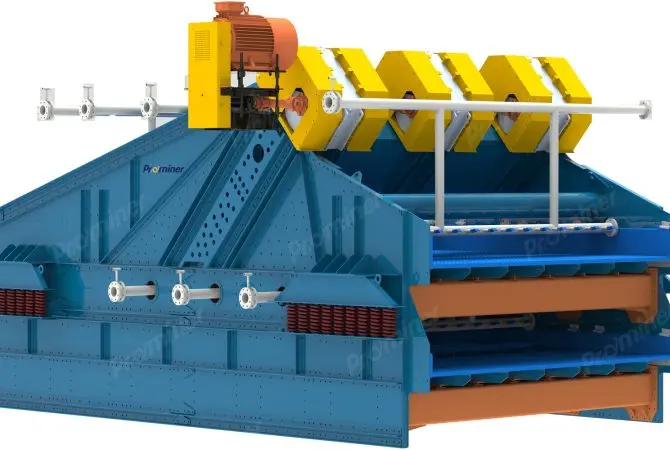
Prominer dapat menyediakan semua jenis layar linear untuk penggolongan mineral, pengukuran material, pengeringan.
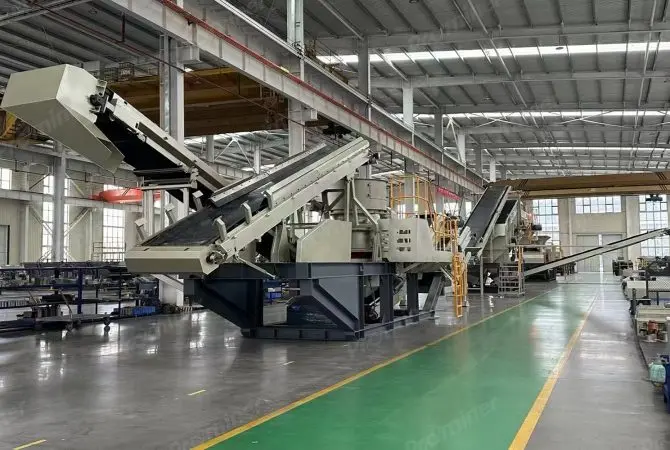
Crusher Portabel tertahan, berdasarkan kebutuhan pasar untuk perpindahan yang lebih mudah dari satu lokasi.
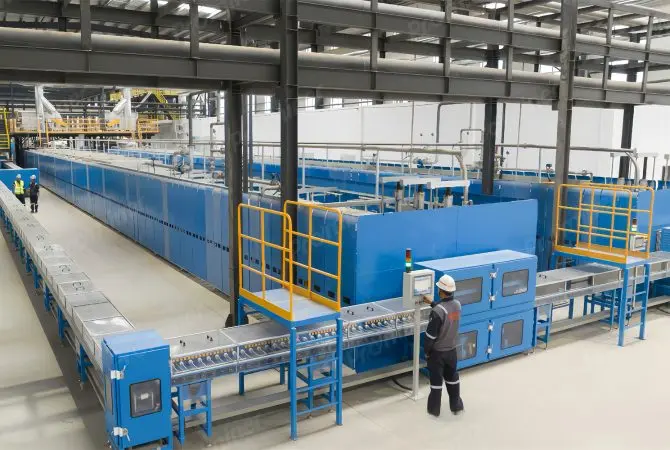
Kami dapat menyediakan solusi lengkap untuk sistem perlakuan karbonisasi suhu tinggi
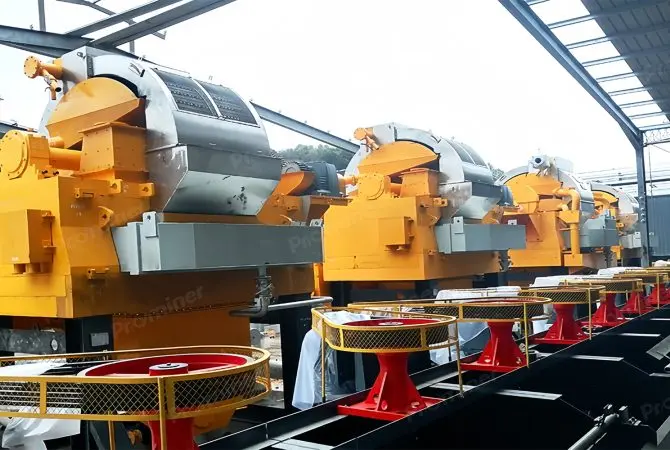
Prominer dapat menyediakan separator magnet HIMS (Separator Magnet Intensitas Tinggi) yang berbeda
Untuk mengetahui lebih lanjut tentang produk dan solusi kami, silakan isi formulir di bawah ini dan salah satu ahli kami akan menghubungi Anda segera
Proyek Flotasi Emas 3000 TPD di Provinsi Shandong
2500TPD Flotasi Bijih Lithium di Sichuan
Fax: (+86) 021-58779592
Alamat:Kamar 606, Gedung D3, Fase II, Pusat Bisnis Chuansha, 777 Long, Jalan Miaochuan, Pudong Baru, Shanghai, Tiongkok
Hak Cipta © 2023.Prominer (Shanghai) Mining Technology Co.,Ltd.


