

Bijih eksogenetik yang paling dikenal adalah emas aluvial yang juga disebut emas placer. Emas aluvial mengacu pada




Selecting the most profitable technology for processing different types of gold ores is a complex decision that requires thorough evaluation of geological, metallurgical, environmental, and economic factors. The profitability of gold extraction and processing technologies depends on the ore type, mineralogy, grade, infrastructure, and market dynamics. Here are some steps to guide this selection process:
The most profitable technology for gold ore processing depends on an integrated assessment of ore type, recovery rates, costs, and market conditions. Collaborate with experienced metallurgists, geologists, engineers, and environmental experts to make an informed decision. Ultimately, piloting and testing are essential before committing to full-scale implementation.
A: Karakteristik mineral bervariasi secara signifikan bahkan dalam tubuh bijih yang sama. Uji profesional (seperti analisis kimia, XRD, dan SEM) memastikan bahwa diagram alir dioptimalkan untuk grade bijih dan ukuran liberasi spesifik Anda. Ini mencegah ketidakcocokan peralatan yang mahal dan menjamin tingkat pemulihan tertinggi yang mungkin untuk proyek Anda.
A: Kami menjaga stok permanen suku cadang inti (seperti pelapis crusher, jaring saringan, dan media penggilingan). Untuk klien internasional, kami menyediakan “daftar suku cadang yang direkomendasikan selama 2 tahun” dengan pembelian awal. Dukungan teknis tersedia 24/7 melalui video jarak jauh, dan kunjungan lokasi dapat diatur untuk kebutuhan pemeliharaan yang kompleks.
A: Ya. Kami mengirim tim insinyur mekanik dan elektrik senior ke lokasi untuk mengawasi pemasangan, komisioning, dan pengujian beban peralatan. Kami juga menyediakan pelatihan lengkap di lokasi untuk operator lokal Anda untuk memastikan operasi jangka panjang yang lancar.
A: Tentu saja. Kami mengkhususkan diri dalam menyediakan layanan EPCM (Rekayasa, Pengadaan, Manajemen Konstruksi). Ini termasuk segala hal mulai dari pengujian bijih awal dan desain tambang hingga manufaktur peralatan, logistik, dan integrasi pabrik skala penuh, memastikan transisi yang lancar dari lahan hijau ke produksi.
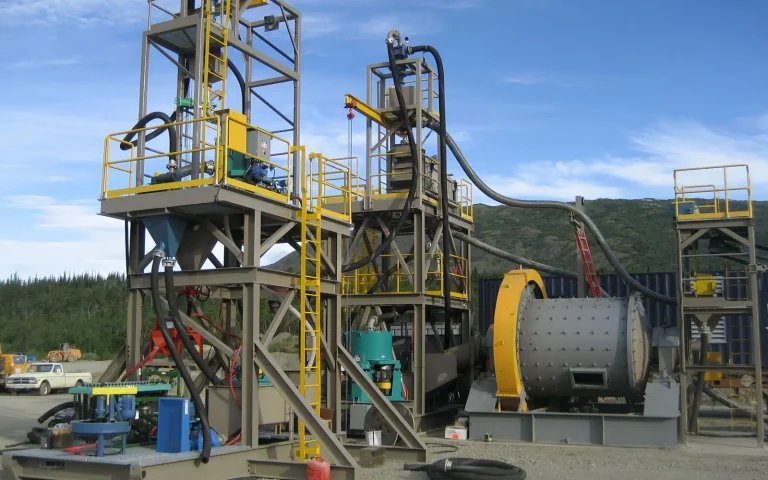
Bijih eksogenetik yang paling dikenal adalah emas aluvial yang juga disebut emas placer. Emas aluvial mengacu pada
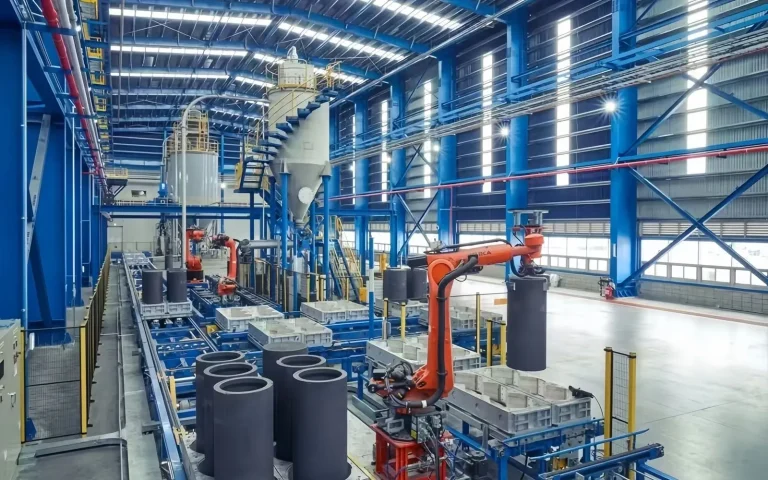
Berikut solusi lengkap pembuatan material anoda grafit, termasuk penggilingan, pembentukan, pemurnian...
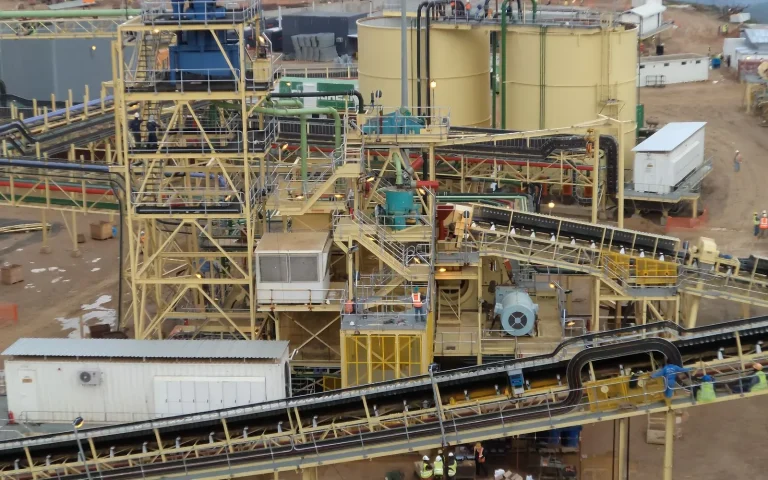
Memberikan peralatan penting dalam proses pengolahan bijih emas, seperti Sistem CIL/CIP, Sel Pengapungan...

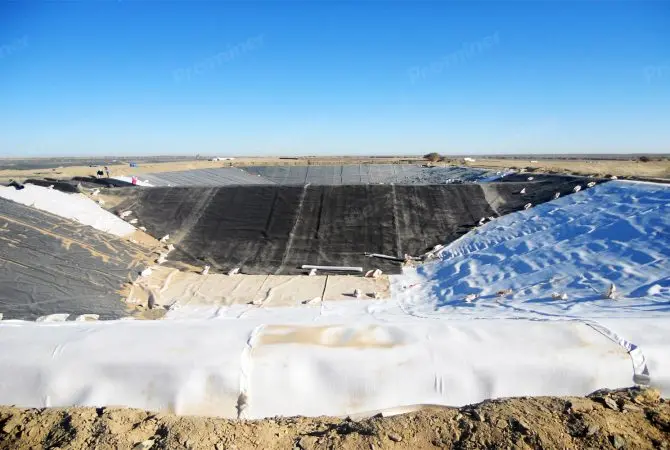
Bahan Mentah: Bijih Emas Tipe Oksida Gradasi Emas: 1,8 g/t
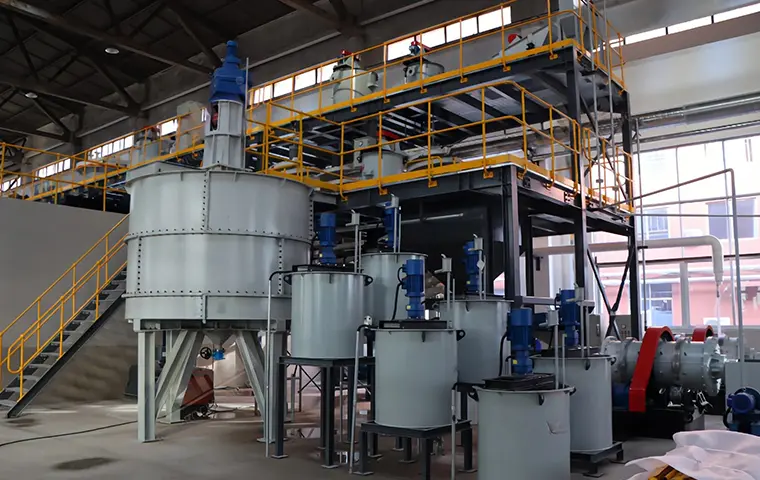
Latar Belakang Proyek: Ekspansi dan Peningkatan Teknologi Pabrik Flotasi yang Ada
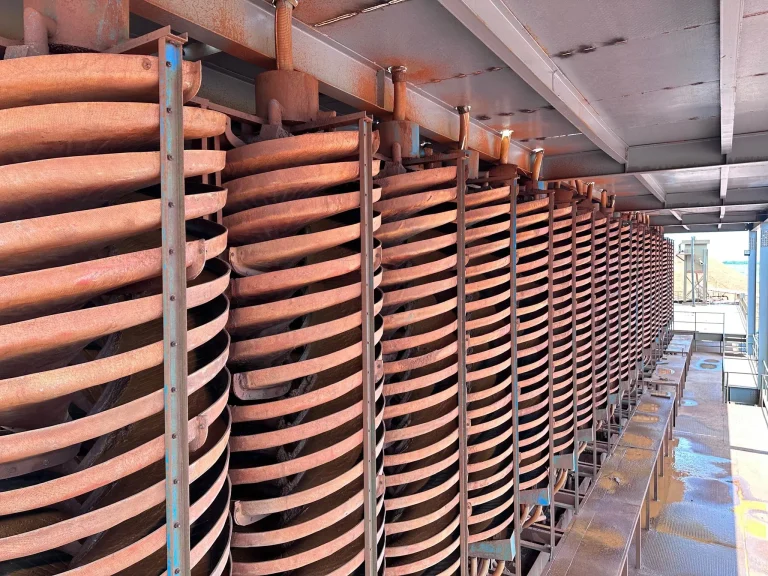
Bahan Mentah: Pasir Bijih Titanium Zirconium TiO₂ Kadar: 4,5% ZrO₂ Kadar: 3,2%
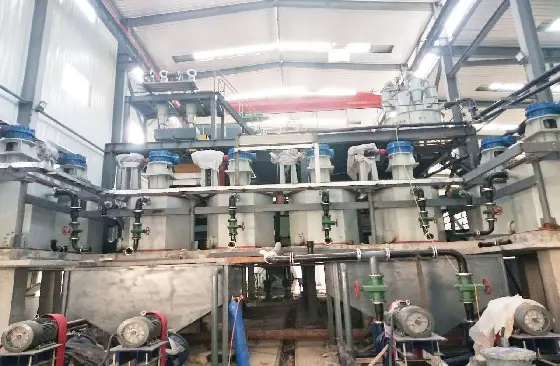
Bahan Baku: Batu Kuarsa (SiO₂: 97,8%) Kualitas Fotovoltaik: SiO₂≥99,99%, Fe₂O₃≤10ppm
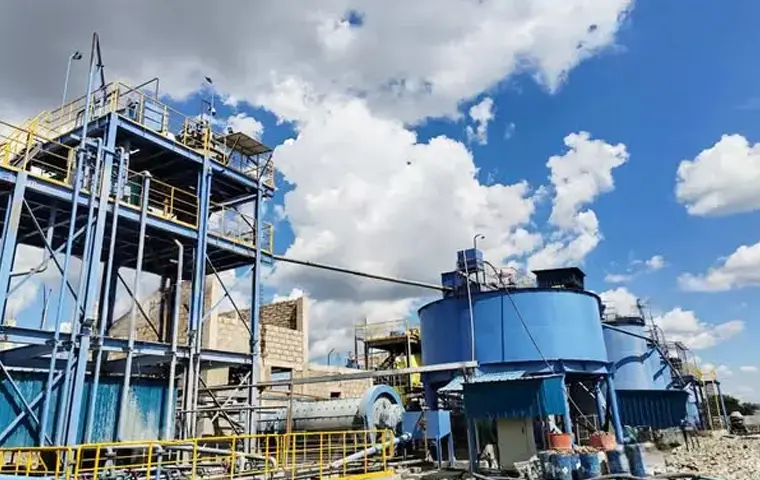
Bijih Baku: Bijih Tembaga-Emas Kadar Tembaga: 1,2% Kadar Emas: 1,5 g/t Tingkat Pemulihan: Tembaga 89%, Emas 88%
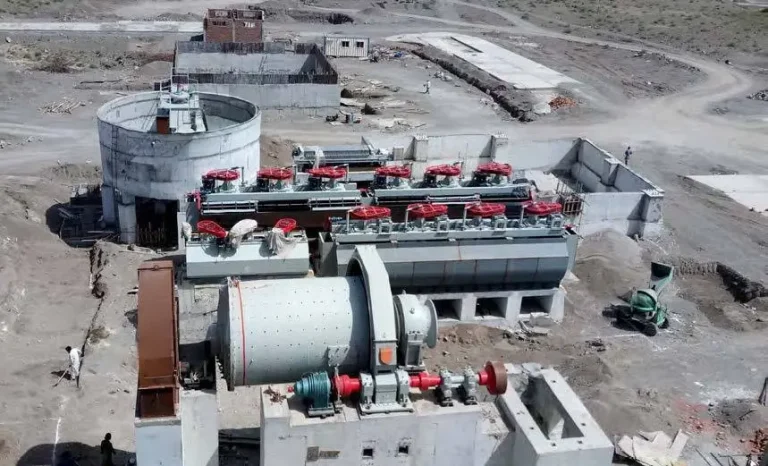
Bijih Baku: Bijih Tembaga Oksida-Sulfida Campuran (Chalkosit/Malakit) Kadar Tembaga: 1,2% | Perak: 15 g/t
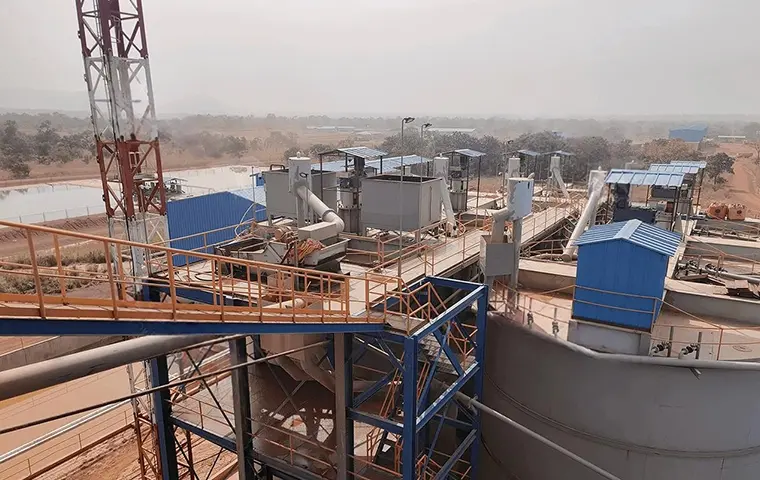
Bahan Mentah: Bijih Tembaga Sulfida (dengan kandungan pirit minor) Kualitas Tembaga: 1,2% Kualitas Konsentrat 25% Cu

Raw Material: Existing gold plant tailings (All-slime) Gold Grade in Tailings: 1.2 g/t Final Product: Gold Ingot
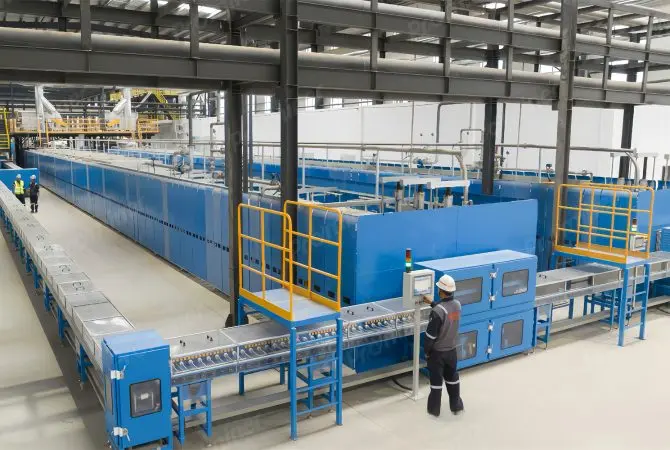
Kami dapat menyediakan solusi lengkap untuk sistem perlakuan karbonisasi suhu tinggi
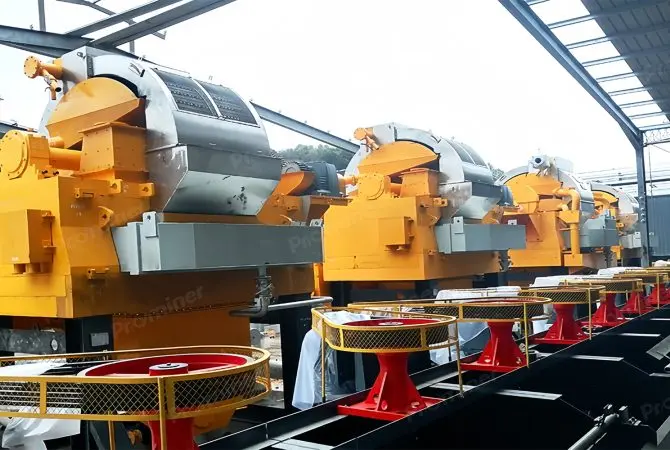
Prominer dapat menyediakan separator magnet HIMS (Separator Magnet Intensitas Tinggi) yang berbeda
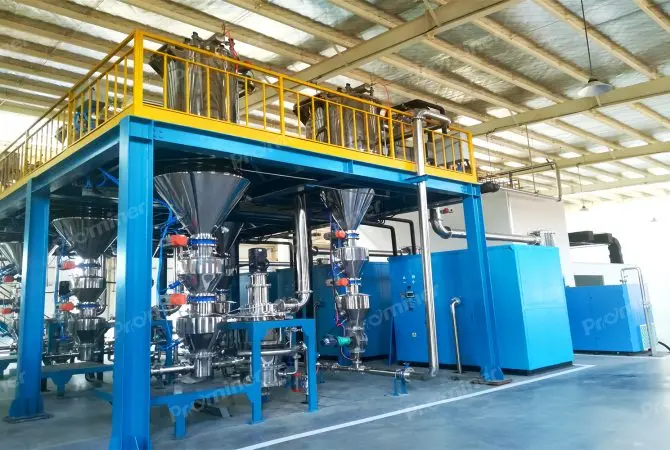
Jet mill juga disebut sebagai jet mill bed fluidisasi dengan menggunakan beberapa nosel untuk membentuk aliran udara kecepatan sonik
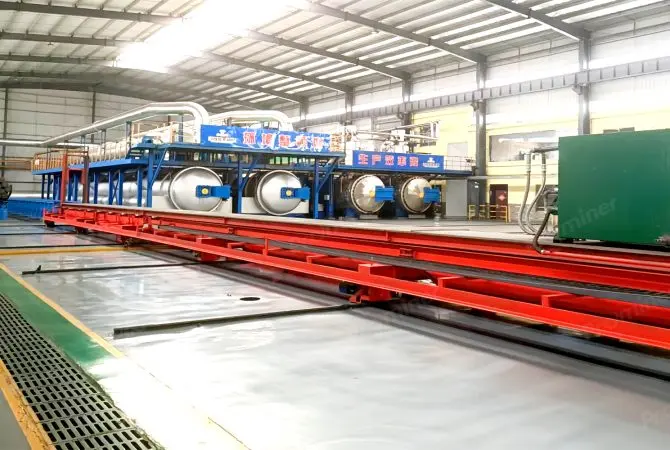
Kami dapat menyediakan impregnasi tekanan tinggi tipe hot-in dan cold-out dari grafit yang sudah dipanggang
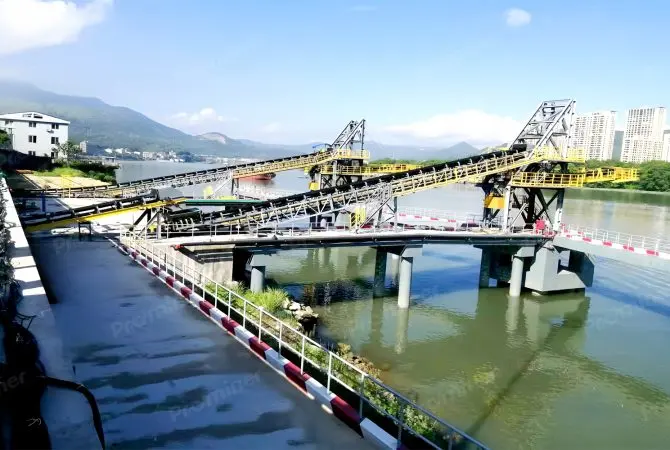
Kami dapat menyediakan solusi conveyor sabuk untuk berbagai tujuan termasuk conveyor sabuk yang sangat miring
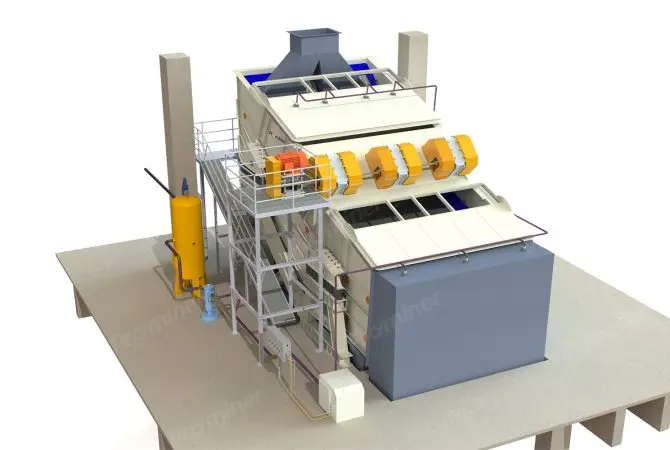
Panel layar flip-flow terus mengembang dan mengerut sehingga mencapai laju percepatan yang tinggi.
Untuk mengetahui lebih lanjut tentang produk dan solusi kami, silakan isi formulir di bawah ini dan salah satu ahli kami akan menghubungi Anda segera
Proyek Flotasi Emas 3000 TPD di Provinsi Shandong
2500TPD Flotasi Bijih Lithium di Sichuan
Fax: (+86) 021-60870195
Alamat:No.2555, Jalan Xiupu, Pudong, Shanghai
Hak Cipta © 2023.Prominer (Shanghai) Mining Technology Co.,Ltd.


