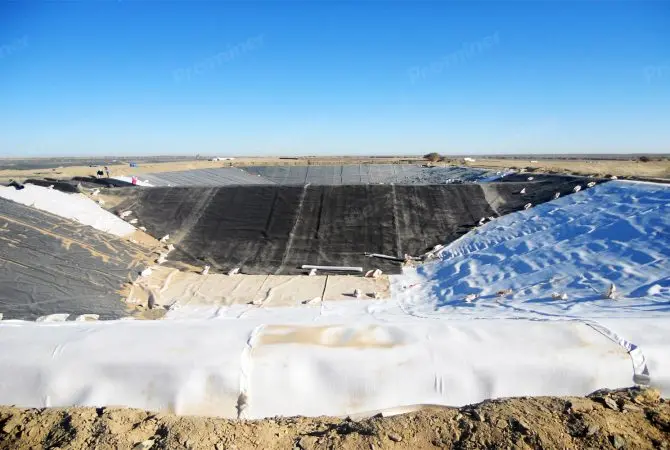
Het bekendste van de exogenetische ertsen is alluviaal goud, dat ook wel placer goud wordt genoemd. Alluviaal goud verwijst




Graphite mineral beneficiation is a crucial process for transforming raw graphite ore into high-quality concentrates suitable for industrial applications such as lithium-ion batteries, refractories, lubricants, and expandable graphite products. Because graphite is naturally hydrophobic and occurs in various forms—flake, amorphous, and vein—its beneficiation process requires carefully selected techniques and equipment to maximize recovery and purity.
Below are the essential processes and equipment involved in graphite mineral beneficiation.
The first step in graphite beneficiation is size reduction. The goal is to liberate graphite flakes from the surrounding gangue minerals while preserving flake size, which directly affects product value.
Key Equipment:
Grinding must be carefully controlled. Excessive grinding can damage graphite flakes and reduce their market value, especially for large-flake graphite.
After crushing and grinding, the material is screened and classified to separate appropriately sized particles and prepare them for flotation.
Key Equipment:
Proper classification ensures optimal flotation performance and minimizes over-grinding.
Flotation is the core process in graphite beneficiation. Because graphite is naturally hydrophobic, it responds well to froth flotation, allowing it to be separated from hydrophilic gangue minerals.
Procesoverzicht:
Key Equipment:
Multiple flotation stages—roughing, scavenging, and cleaning—are often required to achieve high-grade graphite concentrate.
To improve concentrate grade, intermediate graphite concentrates may undergo regrinding followed by additional flotation stages.
Key Equipment:
This step is especially important when producing high-purity flake graphite for battery applications.
After flotation, the graphite concentrate must be dewatered and dried before further processing or packaging.
Key Equipment:
Efficient dewatering improves handling, storage, and transportation of the final product.
For high-end applications such as lithium-ion battery anodes, graphite must reach purities of 99.9% or higher. Additional purification methods are used after flotation.
Common Purification Methods:
Key Equipment:
The choice of purification method depends on required purity levels, environmental considerations, and cost.
Graphite beneficiation also requires proper management of tailings and environmental protection systems.
Key Equipment and Systems:
Sustainable beneficiation practices reduce environmental impact and improve regulatory compliance.
Graphite mineral beneficiation involves a combination of crushing, grinding, flotation, regrinding, dewatering, and purification processes. The most critical stage is flotation, leveraging graphite’s natural hydrophobicity for efficient separation. Carefully selected equipment—such as crushers, mills, flotation cells, thickeners, and dryers—ensures optimal recovery, high product quality, and cost-effective operation.
As demand for high-purity graphite continues to grow, especially in battery and energy storage industries, advanced beneficiation technologies and efficient equipment selection play an increasingly vital role in maximizing resource value and meeting market specifications.
A: Voor grafietbronnen moet een volledige oplossing zowel de natuurlijke grafietflotatie als verwerking op diepte omvatten. Het balpkart- en hydrocyclonsysteem dienen als de basis voor het maalproces. Voor de productie van geavanceerde anodenmaterialen is de vormpers essentieel om de tapdichtheid te verbeteren en de specifieke oppervlakte te verminderen. Daarnaast is het Prominer-coatingsysteem, dat coating- en granulatiefuncties combineert, een belangrijke stap in de verwerking van winstgevende anodenmaterialen.
A: Processelectie hangt volledig af van de eigenschappen van het erts. Het Gold CIL/CIP-proces is een zeer populaire en effectieve manier om hoogwaardig oxidatiegouderts te verwerken. Voor veel andere goudprojecten blijft flotatie de meest populaire verwerkingsmethode. Voor eigenaren die bij de eerste fase willen besparen op investeringen, zijn vatstroom- of heap-stroombiolevering flexibele en economische opties. We raden aan te beginnen met een lab- en proefproces om de meest efficiënte en wetenschappelijke processtroom te bepalen.
A: Magnetische scheiding is cruciaal voor mijnverrijking. We bieden zowel HIMS (Hoge Intensiteit) als LIMS (Lage Intensiteit) magnetische scheiders om verschillende magneet eigenschappen van mineralen aan te kunnen. In een geoptimaliseerd plantontwerp wordt deze technologie geïntegreerd met een hoogrenderend breeksysteem—gebruikmakend van enkelcilinder- of meercilinder hydraulische kegelbrekers—en een maalproces. Dit zorgt ervoor dat afvalgesteente vroeg wordt afgewezen, wat de productiviteit aanzienlijk verbetert en energie bespaart.
A: Het ontwerpen van een succesvolle plant vereist een uitgebreide EPC (Engineering, Procurement, and Construction) dienstverlening. Belangrijke overwegingen zijn onder andere engineeringontwerp (site surveys, bemonsteringsgidsen en PFD-tekeningen) en maatwerk voor apparatuur om ervoor te zorgen dat de machines aansluiten bij de specifieke eigenschappen van het ertsmateriaal. Bijvoorbeeld, Prominer kan lineaire schermen aanpassen tot wel 5,1 meter breed voor grootschalige sortering en ontwatering. Tot slot zijn professionele on-site diensten, inclusief toezicht op civiele werken en ingebruikname, essentieel voor een langdurige stabiele werking.
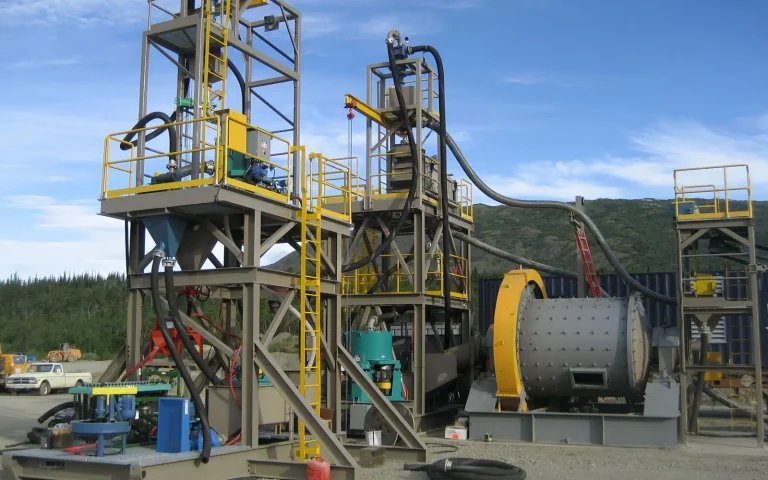
Het bekendste van de exogenetische ertsen is alluviaal goud, dat ook wel placer goud wordt genoemd. Alluviaal goud verwijst
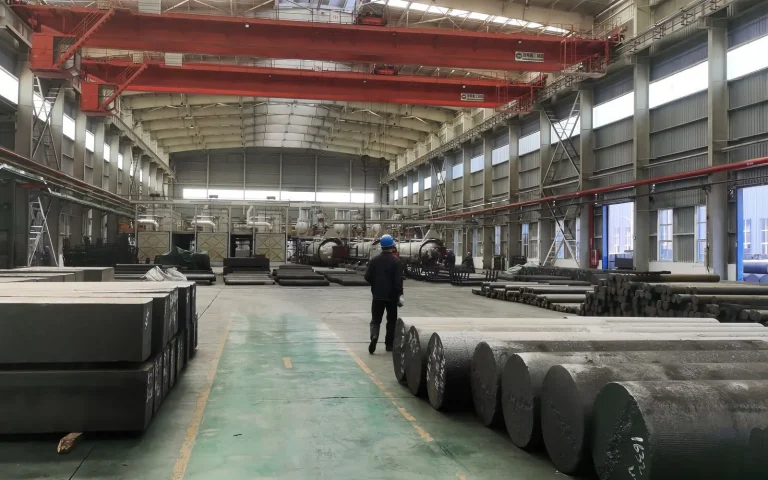
UHP grafietelektrode wordt voornamelijk gebruikt voor ultra hoge vermogen elektrische boogovens in de staalsmeltindustrie
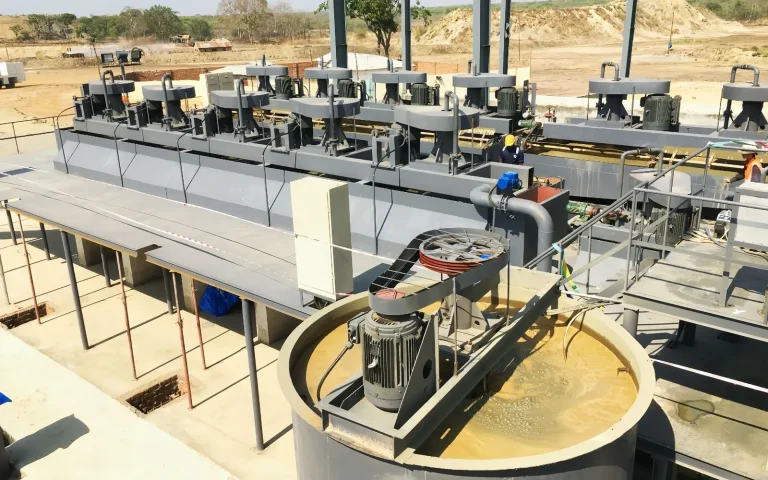
Er zijn twee soorten natuurlijke grafieterts: kristallijne grafiet en amorfe grafiet

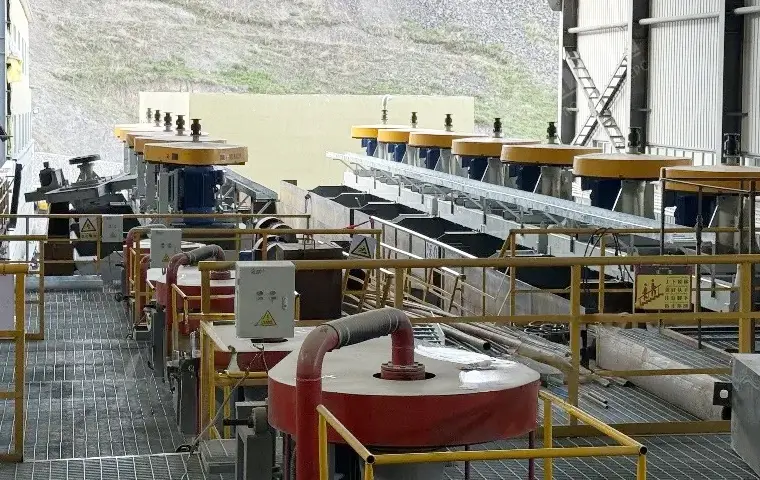
Ruweerts: Sulfide Type Gouderts (met bijbehorende Pyriet en Arsenopyriet) Goudgraad: 4,2 g/t
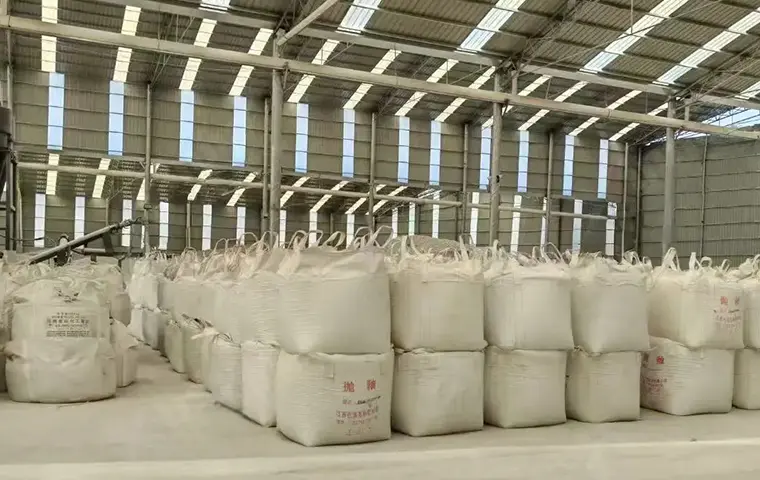
Ruwe Erts: Hoogwaardige Wollastonieterts met bijbehorende Granaat en Diopsiet Voederkwaliteit: 65-70% Wollastoniet
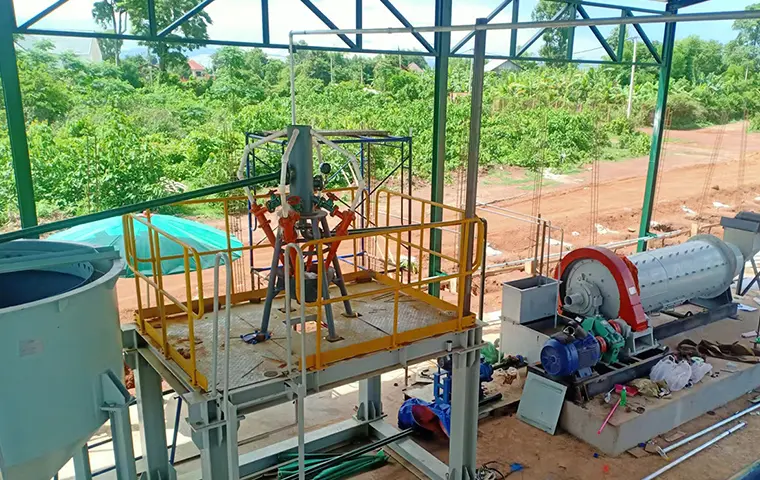
Kenmerken: Compacte indeling, volledige procesdekking, lage investeringskosten en snelle implementatie. Ontworpen voor Startups & Kleine Mijnen — Uw flexibele en efficiënte goudoplossing!
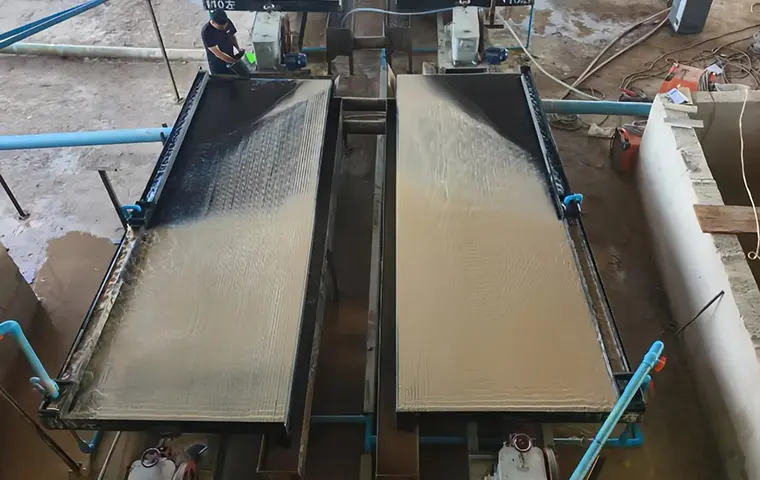
Ruwe Erts: Antimoon sulfide erts met kwartsader Sb Gehalte: 3,5% Concentrate Gehalte: 55%
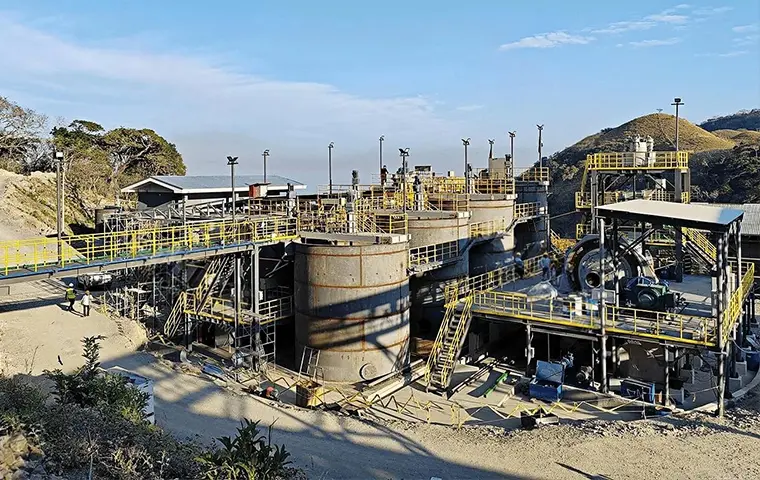
Ruwe Erts: Sulfide Type Kopererts (Laagwaardige, heterogene) Ingang Kopergehalte: 0,45% Concentratie Kopergehalte: 25%
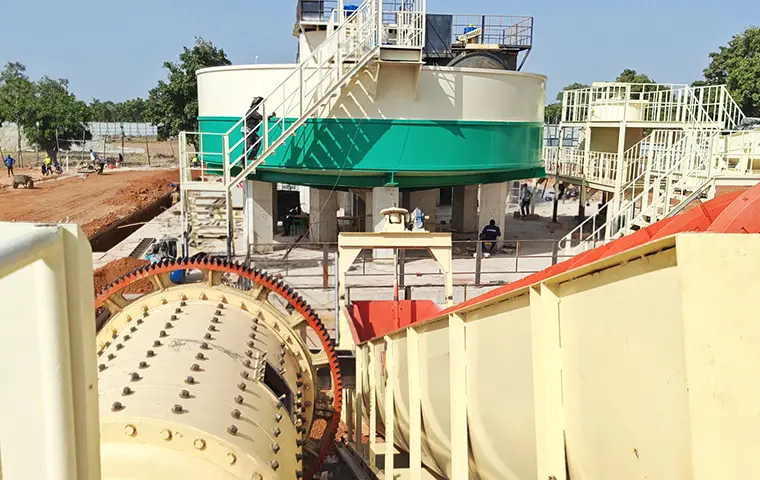
Ruweerts: Oxide- en Sulfide-type gouderts Goudgraad: 2,5 g/t Eindproduct: Goudstaven
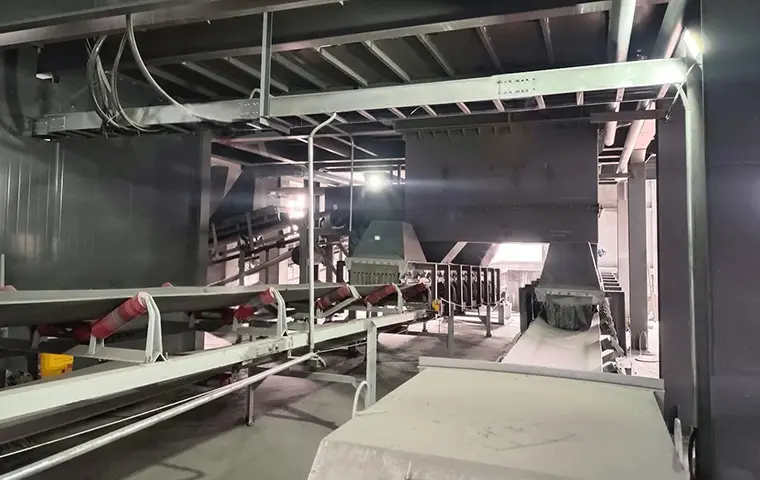
Het verhogen van de kopterugwinning en het verlagen van het energieverbruik door middel van geavanceerde voorconcentratie en Prominer's meer dan 15 jaar ervaring in EPC.
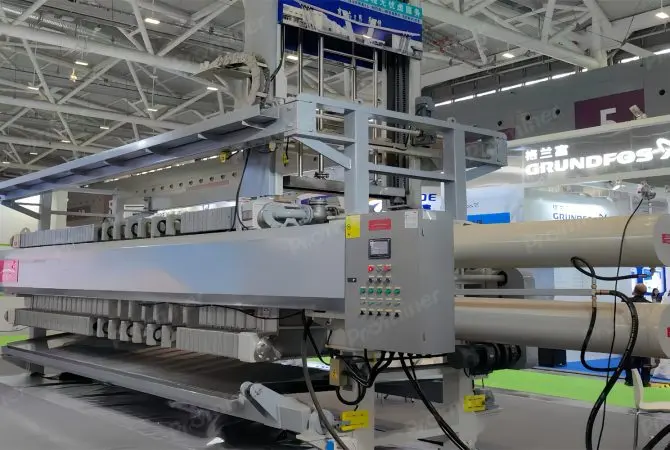
Prominer kan persfilter, bandvacuümfilter, schijfvacuümfilter en keramisch filter leveren
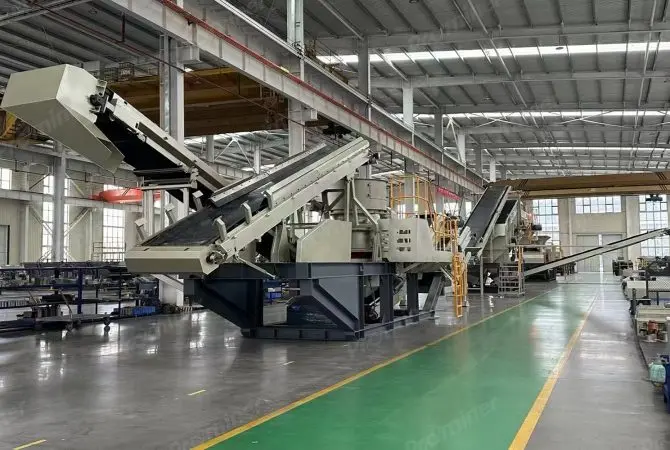
Skid gemonteerde draagbare crusher, gebaseerd op de markteisen voor gemakkelijker verplaatsen van de ene locatie naar de andere
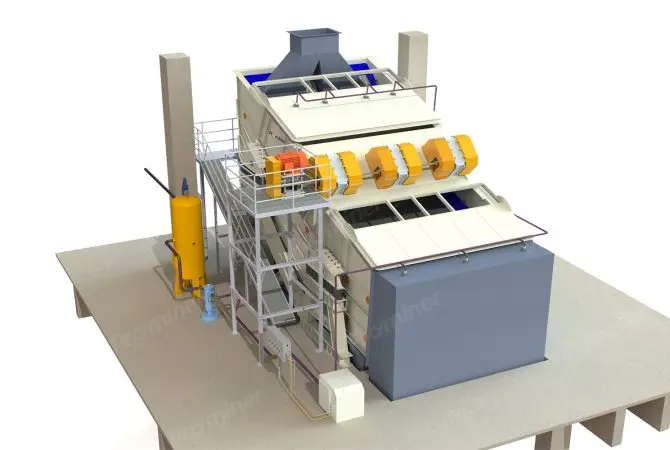
Flip-flow schermpaneel blijft zich uitbreiden en samentrekken om hoge versnellingstarieven te bereiken.
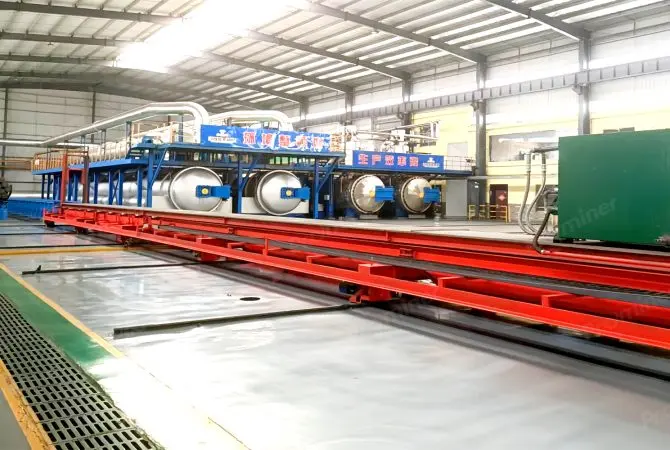
We kunnen hete-in en koude-uit type hogedrukimpregnatie van eenmaal gebakken grafiet bieden
Om meer te weten te komen over onze producten en oplossingen, vul alstublieft het onderstaande formulier in en een van onze experts zal u binnenkort terugbellen
3000 TPD goud flotatieproject in de provincie Shandong
2500 TPD lithiumerts flotatie in Sichuan
Fax: (+86) 021-58779592
Adres:No.2555, Xiupu Road, Pudong, Shanghai
Auteursrecht © 2023.Prominer (Shanghai) Mining Technology Co., Ltd.