

La flottazione è il metodo di lavorazione più popolare nel progetto di lavorazione del minerale d'oro. Perché il processo di flottazione


/
/
Quali processi e attrezzature sono essenziali per la beneficazione del minerale di grafite?


La beneficenza del minerale di grafite è un processo fondamentale per trasformare la minerale di grafite grezza in concentrati di alta qualità adatti per applicazioni industriali come le batterie agli ioni di litio, i refrattari, i lubrificanti e i prodotti di grafite espandibile. Poiché il grafite è naturalmente idrofobo e si presenta in diverse forme—scaglie, amorfo e a vena—il suo processo di beneficenza richiede tecniche e attrezzature accuratamente selezionate per massimizzare il recupero e la purezza.
Di seguito sono riportati i processi essenziali e le attrezzature coinvolte nella beneficiamento del minerale di grafite.
Il primo passo nella beneficiamento del grafite è la riduzione delle dimensioni. L'obiettivo è liberare le scaglie di grafite dai minerali gangue circostanti preservando le dimensioni delle scaglie, poiché questa influirà direttamente sul valore del prodotto.
Apparecchiature Chiave:
L'affinatura deve essere controllata con attenzione. Un'eccessiva frantumazione può danneggiare le scaglie di grafite e ridurne il valore di mercato, specialmente nel caso della grafite a grandi scaglie.
Dopo la frantumazione e la macinazione, il materiale viene setacciato e classificato per separare le particelle di dimensioni appropriate e prepararle per la flottazione.
Apparecchiature Chiave:
Una classificazione accurata garantisce prestazioni ottimali della flottazione e riduce al minimo la sovra-triturazione.
La flottazione è il processo principale nella metallurgica del grafite. Poiché il grafite è naturalmente idrofobo, risponde bene alla flottazione a schiuma, permettendo di separarlo dai minerali gangue idrofili.
Panoramica del Processo:
Apparecchiature Chiave:
Spesso sono necessari più stadi di flottazione—prima di flottazione, recupero e pulizia—per ottenere un concentrato di grafite di alta qualità.
Per migliorare la qualità del concentrato, i concentrati intermedi di grafite possono essere sottoposti a riclassificazione seguita da ulteriori fasi di flottazione.
Apparecchiature Chiave:
Questo passaggio è particolarmente importante quando si produce grafite a scaglie di alta purezza per applicazioni nelle batterie.
Dopo la flottazione, il concentrato di grafite deve essere dewaterato e essiccato prima di ulteriori lavorazioni o confezionamento.
Apparecchiature Chiave:
La disidratazione efficiente migliora la gestione, lo stoccaggio e il trasporto del prodotto finale.
Per applicazioni di fascia alta come gli anodi delle batterie agli ioni di litio, il grafite deve raggiungere purezze del 99,9% o superiori. Metodi di purificazione aggiuntivi vengono utilizzati dopo la flottazione.
Metodi Comuni di Purificazione:
Apparecchiature Chiave:
La scelta del metodo di purificazione dipende dai livelli di purezza richiesti, dalle considerazioni ambientali e dai costi.
Anche la preparazione del graphite richiede una corretta gestione delle scorie e dei sistemi di protezione ambientale.
Attrezzature e sistemi chiave:
Le pratiche di beneficiamento sostenibile riducono l'impatto ambientale e migliorano la conformità normativa.
La beneficiamento del minerale di grafite comprende una combinazione di processi di frantumazione, macinazione, flottazione, ricristallizzazione, disidratazione e purificazione. La fase più critica è la flottazione, che sfrutta l'idrofobicità naturale del grafite per una separazione efficiente. Apparecchiature accuratamente selezionate—come frantoi, mulini, celle di flottazione, spessori e essiccatori—garantiscono un recupero ottimale, un'elevata qualità del prodotto e un'operazione economicamente sostenibile.
Man mano che la domanda di grafite ad alta purezza continua a crescere, in particolare nei settori delle batterie e dell'accumulo di energia, le tecnologie avanzate di valorizzazione e la scelta di attrezzature efficienti svolgono un ruolo sempre più fondamentale nel massimizzare il valore delle risorse e nel soddisfare le specifiche di mercato.
A: Per le risorse di grafite, una soluzione completa dovrebbe coprire sia la flottazione della grafite naturale che la lavorazione profonda. Il molino a sfere e il sistema di cicloni sono la fase di macinazione di base. Per la produzione di materiali anodici avanzati, il moinho di modellatura è essenziale per migliorare la densità di carico e ridurre l'area superficiale specifica. Inoltre, il sistema di rivestimento Prominer, che combina funzioni di rivestimento e granulazione, è un passaggio chiave nella lavorazione di materiali anodici ad alto profitto.
A: La selezione del processo dipende completamente dalle caratteristiche del minerale. Il processo Gold CIL/CIP è un metodo molto popolare ed efficace per trattare minerali di oro ossidati ad alta gradazione. Per molti altri progetti auriferi, la flottazione rimane il metodo di lavorazione più diffuso. Per i proprietari che desiderano risparmiare sugli investimenti iniziali, il tusso in barile o l'estrazione a pila sono opzioni flessibili ed economiche. Si consiglia di iniziare con un test di laboratorio e pilota per determinare il flusso di processo più efficiente e scientifico.
A: La separazione magnetica è fondamentale per il miglioramento dei minerali. Forniamo separatori magnetici sia HIMS (Alta Intensità) sia LIMS (Bassa Intensità) per gestire diverse proprietà magnetiche dei minerali. In un progetto di impianto ottimizzato, questa tecnologia viene integrata con un sistema di frantumazione ad alte prestazioni—utilizzando frantoi a cilindro singolo o multi-cilindro a cono idraulici—e con un sistema di macinazione. Ciò garantisce che la roccia di scarto sia eliminata tempestivamente, migliorando significativamente la produttività e risparmiando energia.
A: La progettazione di un impianto di successo richiede un servizio EPC (Ingegneria, Approvvigionamento e Costruzione) completo. Le considerazioni chiave includono la progettazione ingegneristica (sondaggi del sito, linee guida per il campionamento e disegni PFD) e la personalizzazione delle attrezzature per garantire che le macchine siano adatte alle caratteristiche specifiche del minerale. Ad esempio, Prominer può personalizzare schermi lineari fino a 5,1 m di larghezza per la calibrazione e la disidratazione su larga scala. Infine, i servizi professionali in loco, tra cui la supervisione dei lavori civili e la messa in funzione, sono fondamentali per un funzionamento stabile a lungo termine.
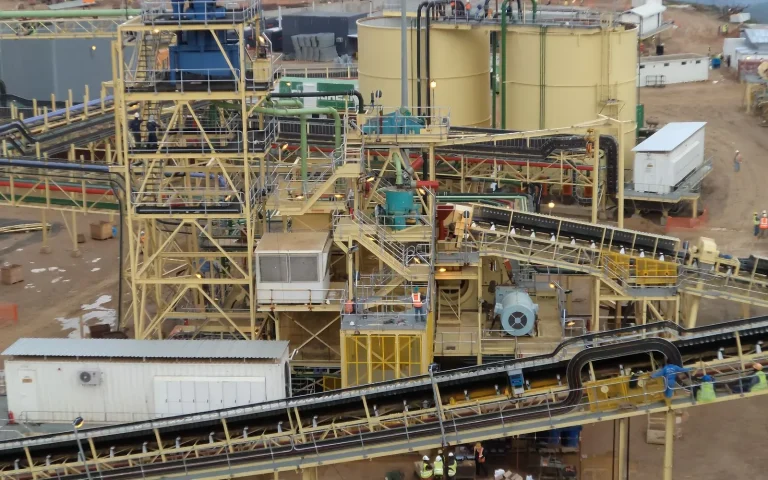
La flottazione è il metodo di lavorazione più popolare nel progetto di lavorazione del minerale d'oro. Perché il processo di flottazione
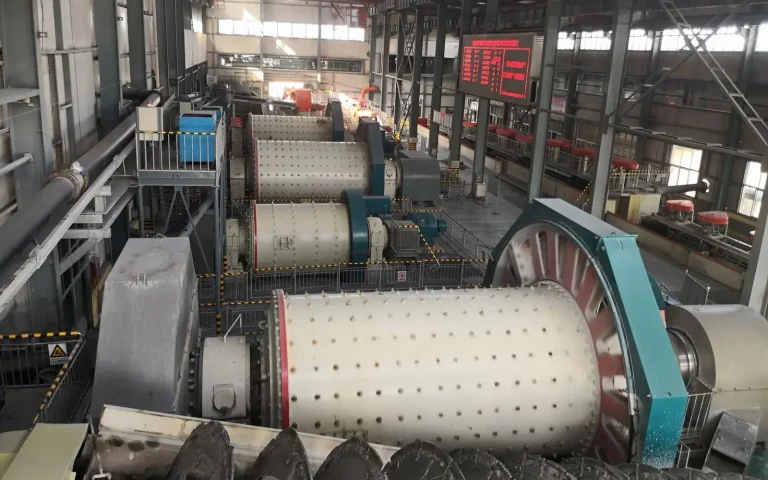
Lo spodumene e la lepidolite sono minerali portatori di litio molto importanti e sono molto facili da recuperare
Fornire attrezzature importanti nel processo di lavorazione dell'oro, come il sistema CIL/CIP, la cella di flottazione...

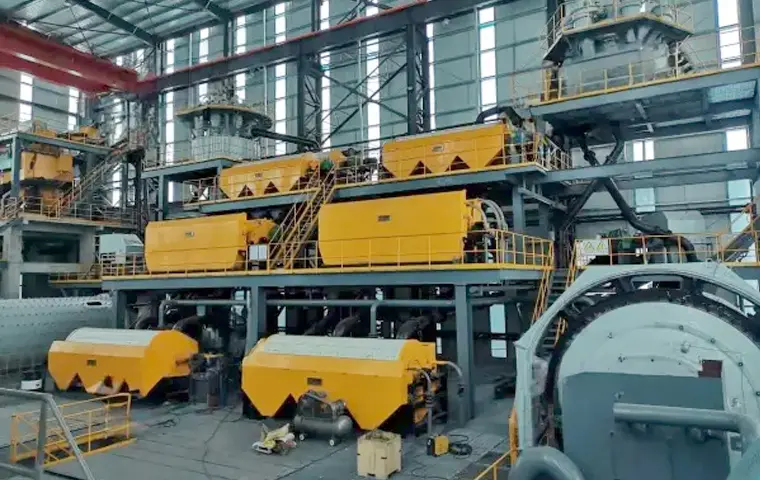
Minerale grezzo: minerale di ferro magnetitico con bande di ematite Grado di Fe: 28-32% Prodotto finale: concentrato di ferro ad alto grado
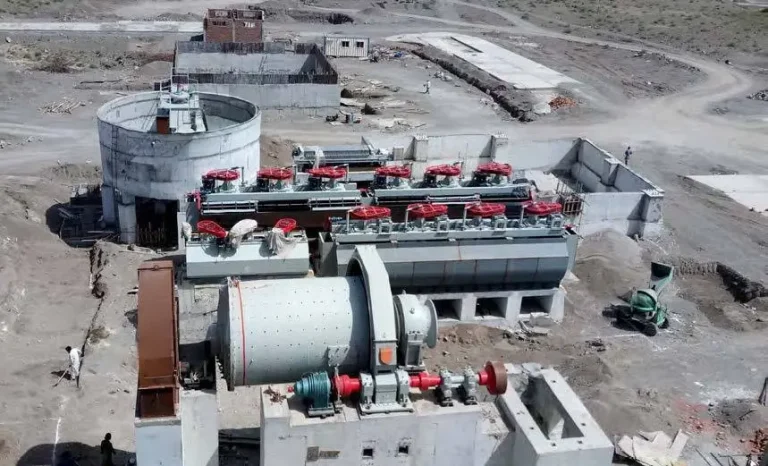
Minerale grezzo: Minerale di rame ossido-solfuro misto (calcocita/malachite) Grado di rame: 1,2% | Argento: 15 g/t
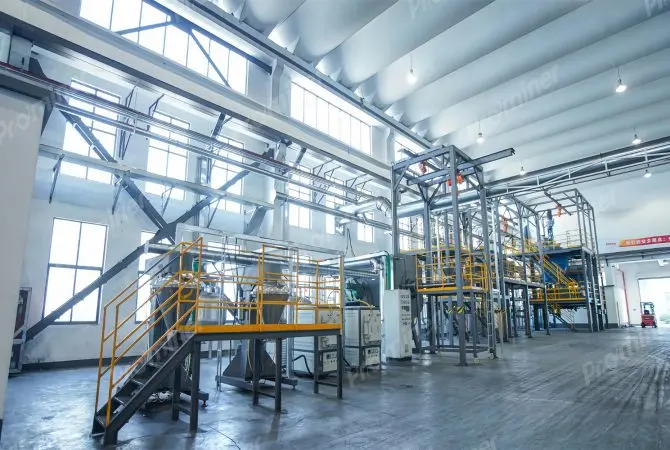
Materie prime: coke da ago e coke di petrolio Capacità del progetto: 50 kg all'ora
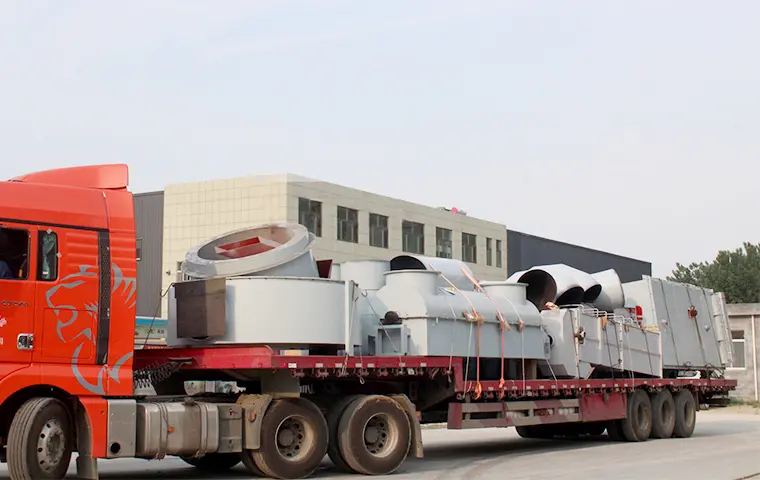
Materia Prima: Minerale di Quarzo Tipo di Progetto: Fornitura e Installazione di Attrezzature
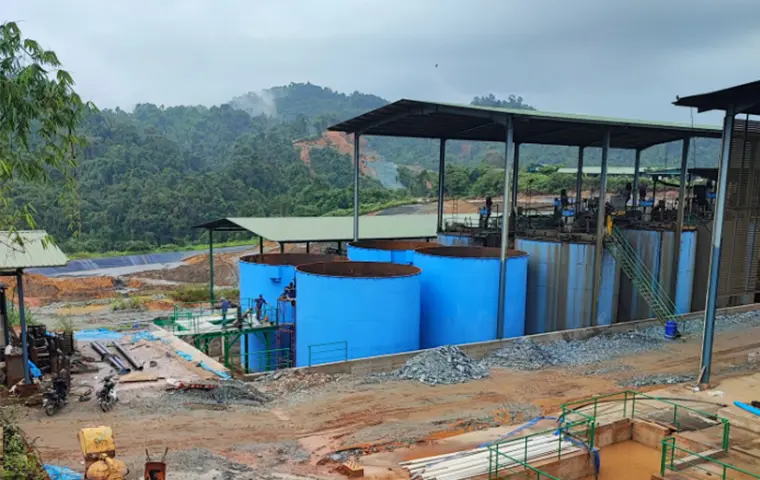
Minerale Grezzo: Minerale Aurifero Refrattario e Semi-Refrattario a Solfuri Grado di Oro: 2,65 g/t Purezza del Lingotto d'Oro: ≥95,5%
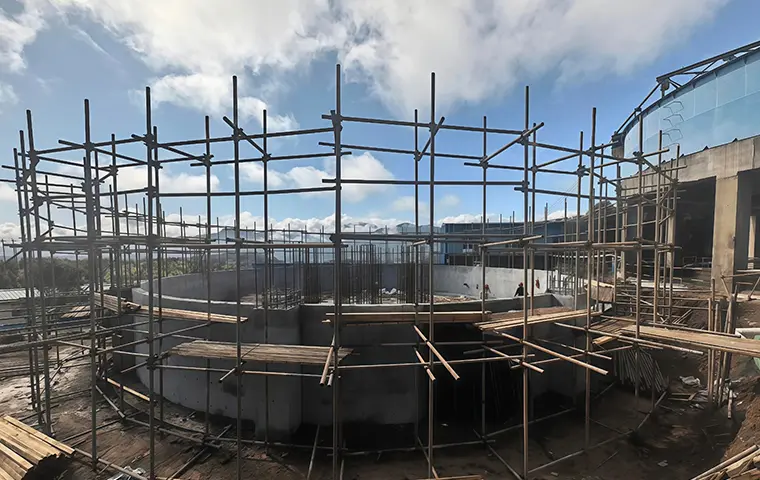
Minerale greggio: Minerale d'oro tipo solfuro Grado d'oro: 3,5 g/t Tasso di recupero dell'oro: 92%
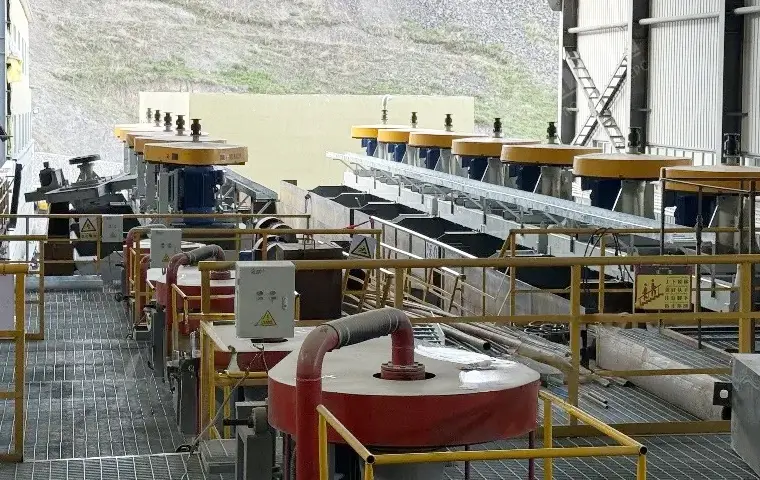
Minerale Grezzo: Minerale d'Oro di Tipo Solfureo (con Pirite e Arsenopirite associate) Grado d'Oro: 4,2 g/t
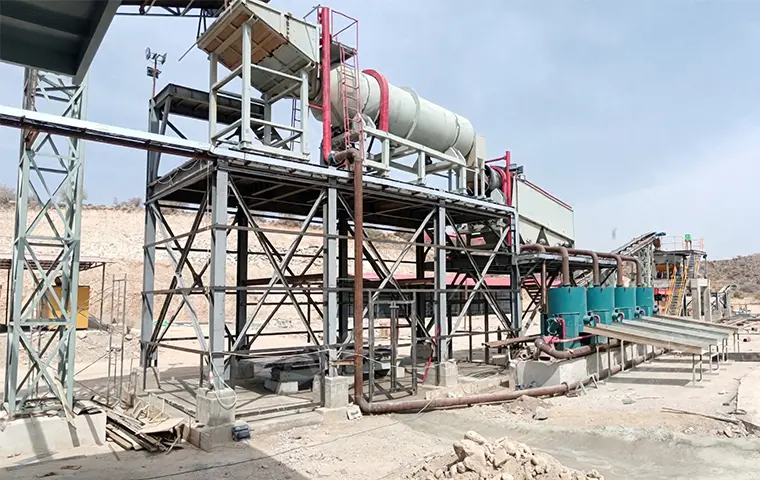
Minerale grezzo: Minerale d'oro alluvionale da letto di fiume asciutto (Wadi) Grado dell'oro: 1,2 g/t Tasso di recupero dell'oro: >92%
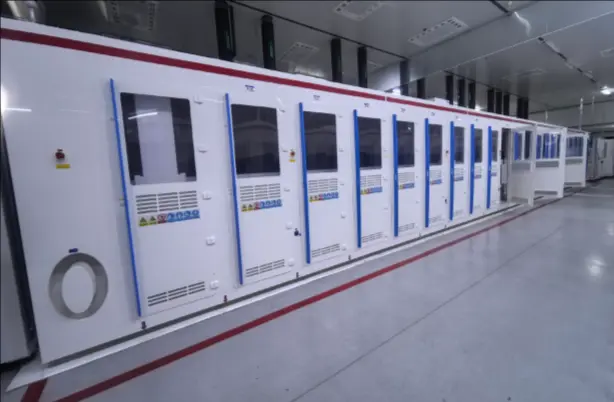
Includi: Impianto di texturizzazione monocristallino a lotto, Caricatore/scaricatore per texturizzazione a lotto, Sistema di diffusione a bassa pressione a tubo chiuso con soft landing...
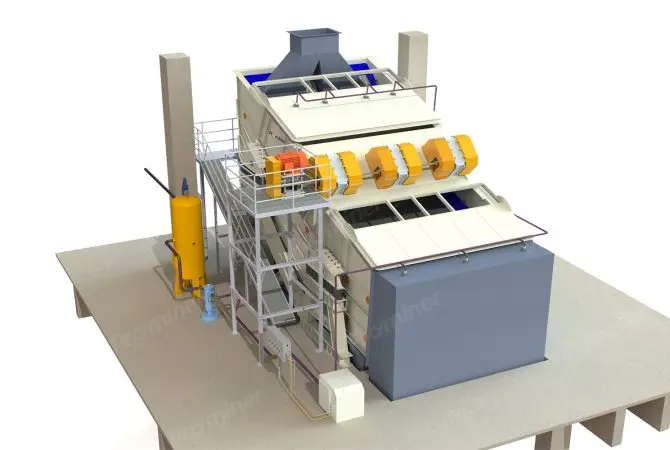
Il pannello del setaccio a flip-flow continua a espandersi e contrarsi per raggiungere tassi di accelerazione elevati
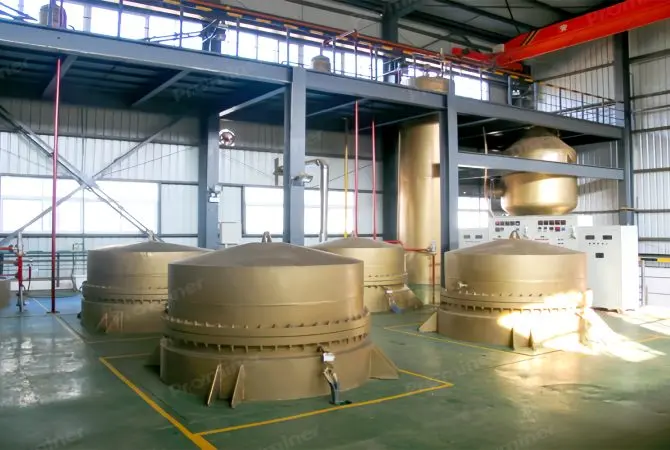
Prominer può progettare e fornire il sistema completo di raffinazione e fusione per il progetto CIL dell'oro
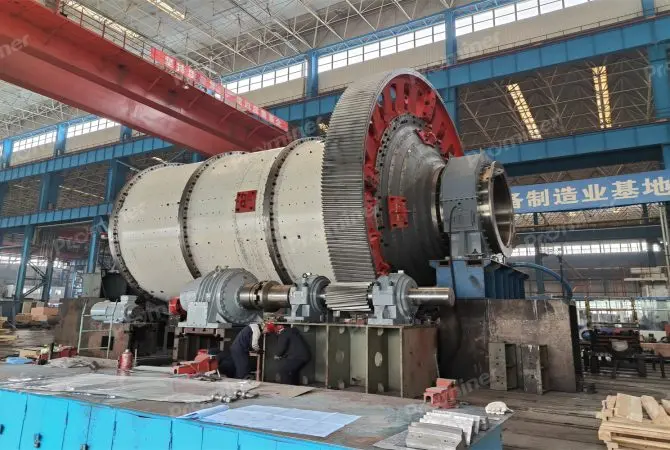
Possiamo progettare e produrre un mulino a sfere di tipo grate per la macinazione primaria dei minerali
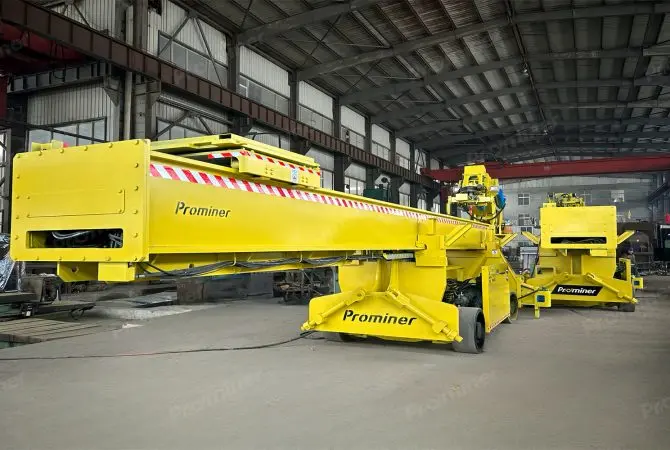
Possiamo progettare e fabbricare la macchina di rinnovo del mulino (o chiamata manipolatore di rinnovo del mulino)
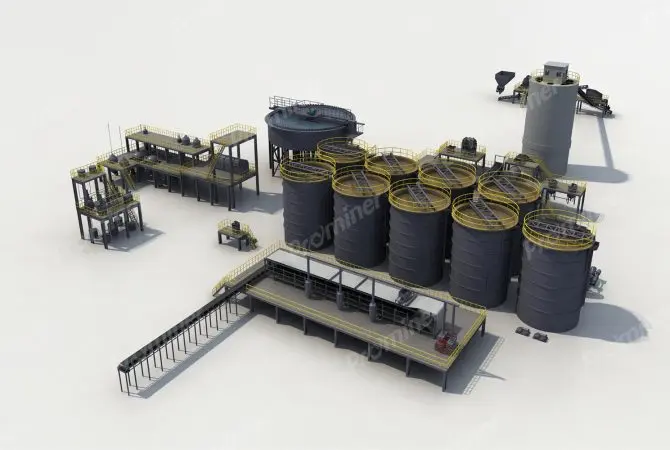
Prominer può fornire la soluzione completa per il sistema CIL (carbon in leaching)
Per saperne di più sui nostri prodotti e soluzioni, si prega di compilare il modulo qui sotto e uno dei nostri esperti ti ricontatterà a breve
Progetto di flottazione d'oro da 3000 TPD nella provincia di Shandong
Flottazione di minerale di litio da 2500TPD in Sichuan
Fax: (+86) 021-58779592
Indirizzo: Stanza 606, Edificio D3, Fase II, Centro Commerciale Chuansha, 777 Long, Miaochuan Road, Distretto di Pudong Nuova Area, Shanghai, Cina
Copyright © 2023. Prominer (Shanghai) Mining Technology Co., Ltd.


