

Heap leaching is een traditionele cyanide leaching verwerkingswijze die flexibel en economisch is om goud te extraheren


/
/
Welke goudflotatie-reagentia zorgen voor meer dan 95% herstel en minimaliseren het gebruik van cyanide?


Het behalen van meer dan 95% goudopbrengst terwijl het cynideverbruik wordt verminderd, is een topprioriteit voor moderne winningstechnieken. Met toenemende milieuregels en stijgende reagentenkosten is flotatie een kritieke voorconcentratiestap geworden die de vraag naar cynide in de verdere verwerking aanzienlijk verlaagt. De sleutel ligt in het kiezen van de juiste combinatie van flotatie-reagentia die de goudopbrengst maximaliseren—vooral bij complexe en moeilijk verwerkbare ertsen—terwijl de selectiviteit wordt behouden en het chemisch gebruik wordt geminimaliseerd.
Hieronder staan de meest effectieve reagentencategorieën en specifieke chemie die operaties helpen een rendement van meer dan 95% te behalen, terwijl de afhankelijkheid van cyanide wordt verminderd.
Verzamelaars zijn de meest cruciale reagens in goudflotatie. Hun rol is om goudhoudende mineralen selectief hydrofoob te maken, zodat ze zich aan luchtbellen kunnen hechten en naar het concentraat worden gebracht.
Belangrijke verzamelaren die zorgen voor een hoge opbrengst zijn:
Xanthaten (PAX, SIBX, SEX):
Veelgebruikt en zeer effectief voor vrij-mijn goud gekoppeld aan sulfiden. Potassium amyl xanthate (PAX) is bijzonder sterk en levert vaak een hoge recuperatie op in pyrietrijke mijnen.
Dithiofosfaten (DTP's):
Uitstekend voor het terugwinnen van goud dat geassocieerd is met koper en complexe sulfiden. Ze bieden een betere selectiviteit en stabiliteit bij verschillende pH-waarden.
Thionocarbamaten:
Zeer effectief in koper-goud systemen. Ze verbeteren de selectiviteit en verminderen vaak de ongewenste pyrietontpping, waardoor het verbruik van cyanide achteraf wordt verminderd.
Gecombineerde collectorsystemen:
Een combinatie van xanthaten en dithiophosphaten zorgt vaak voor synergistische effecten, waardoor zowel de herovering als de graad worden verbeterd.
Door het maximaliseren van de floatatieopbrengst in het begin, blijft er minder goud in de tailings achter—waardoor de behoefte aan overmatige cyanide tijdens het spoelen wordt verminderd.
In veel ertsen is goud fijn verdeeld binnen sulfidemineralen zoals pyriet of arsenopyriet. Juiste activatie zorgt ervoor dat deze mineralen efficiënt zweven.
Geoptimaliseerde activering zorgt ervoor dat goudhoudende sulfiden worden gewonnen in het flotationconcentraat in plaats van verloren te gaan in de tails, waardoor de cyanidevraag in hele-ore-leachcircuits wordt verminderd.
Een hoge opbrengst moet worden gebalanceerd met selectiviteit. Het drijven van overtollig ganget verhoogt de kosten voor verwerking en cyanideverbruik aan het eind van het proces.
Effectieve verdovende middelen zijn onder andere:
Natriummetabisulfiet (SMBS):
Wordt vaak gebruikt om pyriet te onderdrukken in bepaalde systemen, waardoor de kwaliteit van het concentraat wordt verbeterd.
Carboxymethylcellulose (CMC) en gemodificeerde zetmeelsoorten:
Onderdruk gangue-mineralen zoals talc of klei, waardoor verdunning van goudconcentraat wordt voorkomen.
Limoen (pH-regulatie):
Onderhoudt alkalische omstandigheden die ongewenste zwaves voorkomen en het verbruik van reagentia verminderen.
Schoonmakersconcentraat betekent een lagere massa-uitname, wat het gebruik van cyanide tijdens het ertsverwerking aanzienlijk vermindert.
Hoewel ze vaak over het hoofd worden gezien, spelen schuimers een cruciale rol in het stabiliseren van bellen en het verbeteren van deeltjesbinding.
Veel voorkomende opties zijn:
MIBC (Methyl Isobutyl Carbinol):
Biedt een matige schuimstabiliteit en goede selectiviteit.
Polypropyleenglycol (PPG)-gebaseerde schuimmiddelen:
Bied betere controle over de grootte van de bellen en de stabiliteit van het schuim, waardoor de opbrengst van fijn goud wordt verbeterd.
Geoptimaliseerde schuimkwaliteiten verbeteren de terugwinning van fijne deeltjes, die doorgaans het moeilijkst te vangen zijn.
De meest effectieve strategie om cyanidegebruik te minimaliseren is niet door het te vervangen, maar door de hoeveelheid die moet worden geëlooid te verminderen.
Door het implementeren van hoog-efficiënte flottatie:
In vele operaties worden floatoconcentraten behandeld door middel van intensieve cyanidering, drukoxidatie of roostering—waardoor de opbrengst verder wordt verbeterd tot boven de 95%.
Het bereiken van meer dan 95% herstel vereist doorgaans:
Laboratoriumtesten en proefvlotterijen zijn essentieel om het ideale reagenschema voor een specifieke orebod te bepalen.
Goudwinning-operaties die consequent een rendement van meer dan 95% behalen en tegelijkertijd het gebruik van cyanide minimaliseren, vertrouwen op een zorgvuldig ontwikkeld flottage reagentprogramma. Efficiënte collectoren, gerichte activatoren, selectieve depressoren en geoptimaliseerde schuimers werken samen om de sulfide-opbrengst te maximaliseren en hoogwaardige concentraten te produceren.
Door te focussen op de efficiëntie van de flottatie als een voor-concentratiestrategie kunnen mijnbouwbedrijven het zuurstofverbruik aanzienlijk verminderen, de milieu-impact verlagen en de algehele project-economie verbeteren.
De juiste reagentcombinatie verbetert niet alleen de opbrengst, maar transformeert ook de duurzaamheid en winstgevendheid van de hele goudverwerkingscyclus.
A: Minerale kenmerken variëren aanzienlijk, zelfs binnen hetzelfde ertslichaam. Een professionele test (zoals chemische analyse, XRD en SEM) zorgt ervoor dat het stroomdiagram geoptimaliseerd is voor jouw specifieke ertskwaliteit en liberatiegrootte. Dit voorkomt kostbare apparatuur mismatchen en garandeert de hoogste mogelijke terugwinningspercentages voor jouw project.
A: We houden een permanente voorraad van kernslijtagedelen aan (zoals breker-liners, zeefgaas en slijpmiddelen). Voor internationale klanten bieden we een aanbevolen “2-jaar reserveonderdelenlijst” bij de initiële aankoop. Technische ondersteuning is 24/7 beschikbaar via video op afstand, en bedrijfsbezoeken kunnen worden geregeld voor complexe onderhoudsbehoeften.
A: Ja. We sturen een team van senior mechanische en elektrische ingenieurs naar de locatie om de installatie, inbedrijfstelling en belastingtesting van de apparatuur te superviseren. We bieden ook uitgebreide on-site training voor uw lokale operators om een soepele werking op lange termijn te waarborgen.
A: Absoluut. Wij zijn gespecialiseerd in het aanbieden van EPCM (Engineering, Procurement, Construction Management) diensten. Dit omvat alles van initiële ertsbeproeving en mijnontwerp tot apparatuurfabricage, logistiek en volledige plantintegratie, wat een naadloze overgang van greenfield naar productie waarborgt.
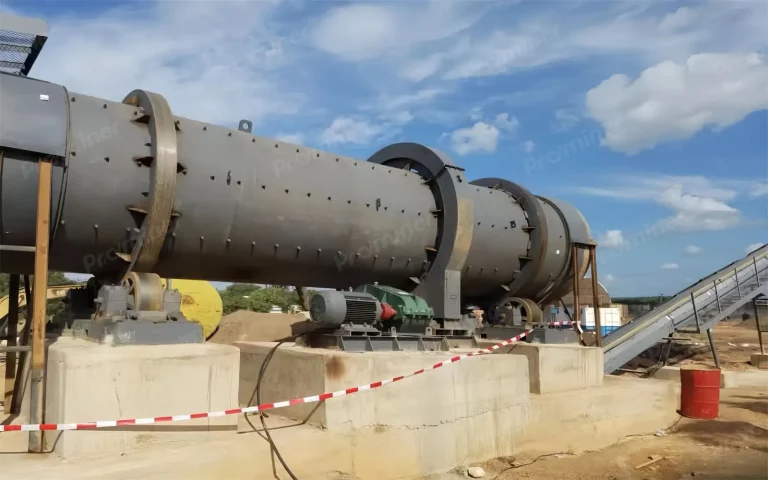
Heap leaching is een traditionele cyanide leaching verwerkingswijze die flexibel en economisch is om goud te extraheren
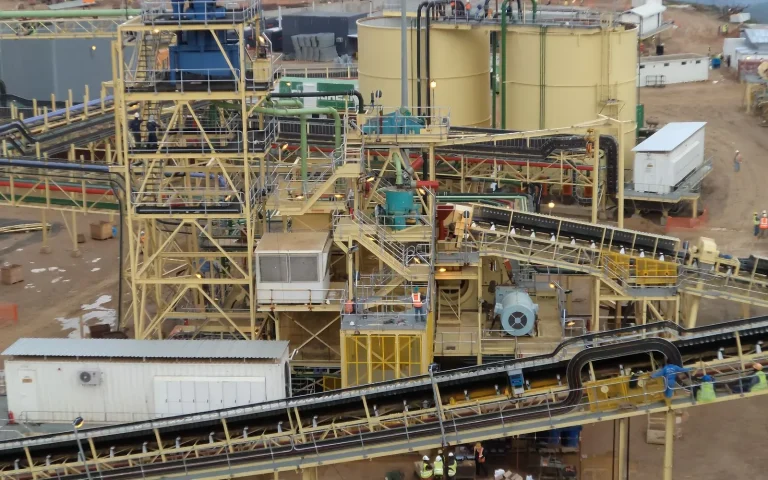
Lever belangrijke apparatuur in het goudertsverwerkingsproces, zoals het CIL/CIP-systeem, de flotatiecel…
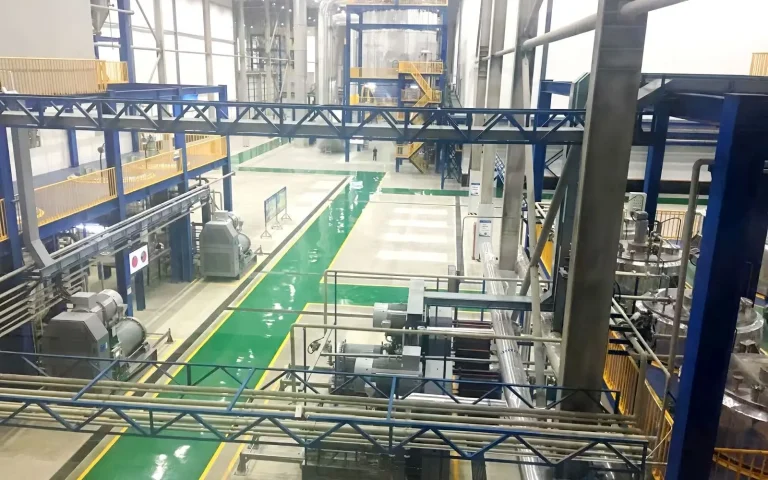
Kathodemateriaal is een van de belangrijkste materialen die de prestaties van lithium-ionbatterijen bepalen

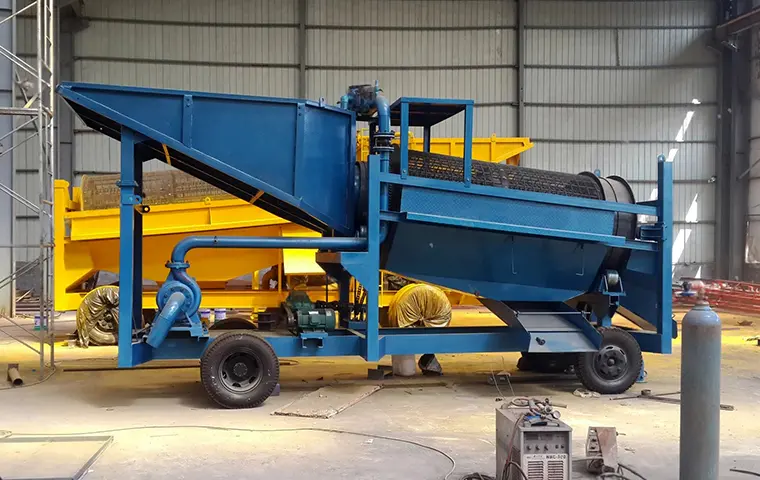
Ruw Erts: Alluviaal gouderts van rivierbed en terrasafzettingen Goudgehalte: 1,5 g/t Goudherstelpercentage: 92%
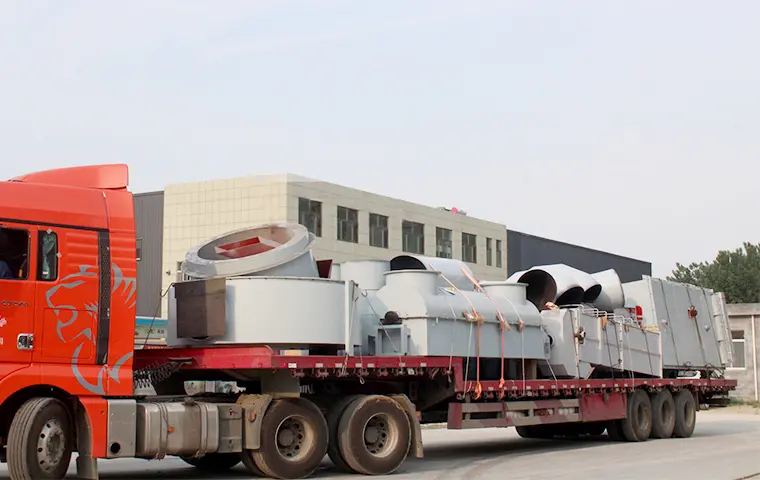
Grondstof: Kwartsoer Projecttype: Apparatuurlevering en installatiesupport
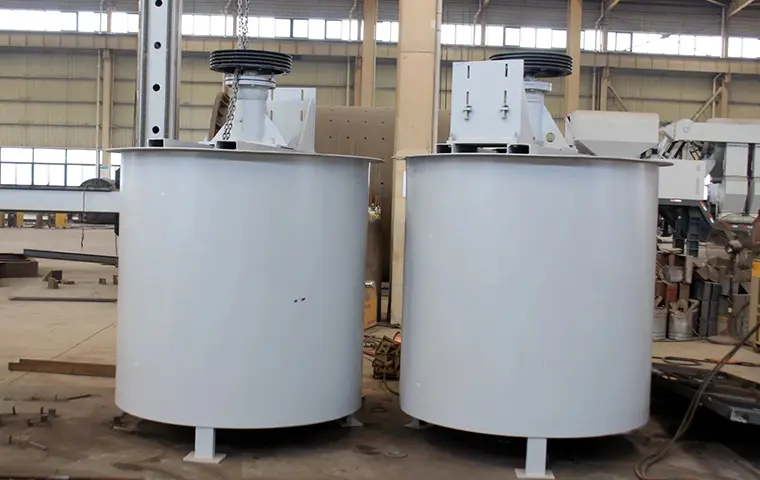
Ruweerts: Oxide Type Gouderts Goudgrade: 2,5 g/t Goudstaaf Zuiverheid: 92%
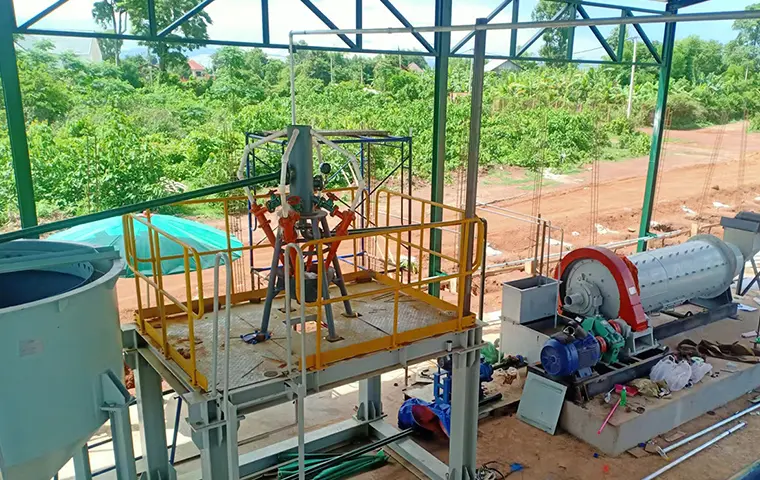
Kenmerken: Compacte indeling, volledige procesdekking, lage investeringskosten en snelle implementatie. Ontworpen voor Startups & Kleine Mijnen — Uw flexibele en efficiënte goudoplossing!
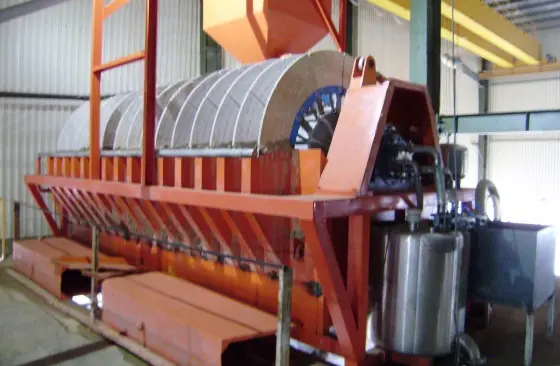
Klant: Producent van zware mineralenzanden Voedermateriaal: Ilmeniet concentraat (TiO₂ 52-55%) Eindproduct: Rutiel-grade TiO₂ (≥94% zuiverheid)
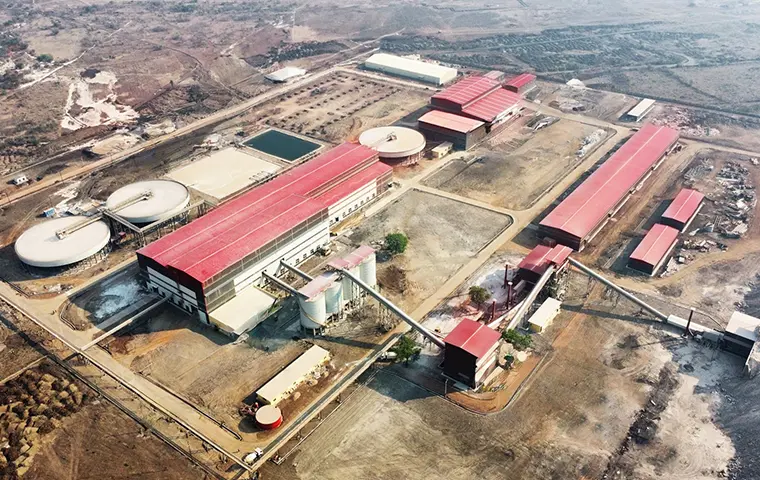
Ruw Erts: Meerdere metalen sulfide-erts (Cu, Zn, Au) Ertsgraad: Cu 1,2%, Zn 2,5%, Au 1,5 g/t
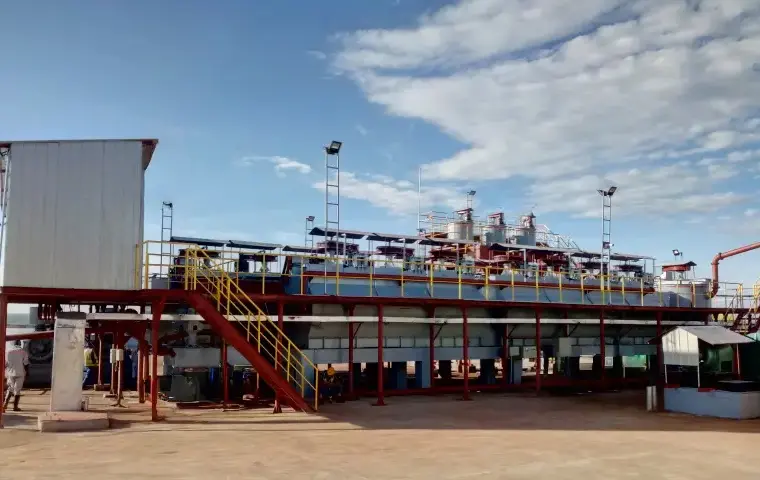
Ruwe Erts: Complexe fosfaat-erts met silica en carbonaten P2O5 Gehalte: 18,5% Concentratie Gehalte: 32% P2O5
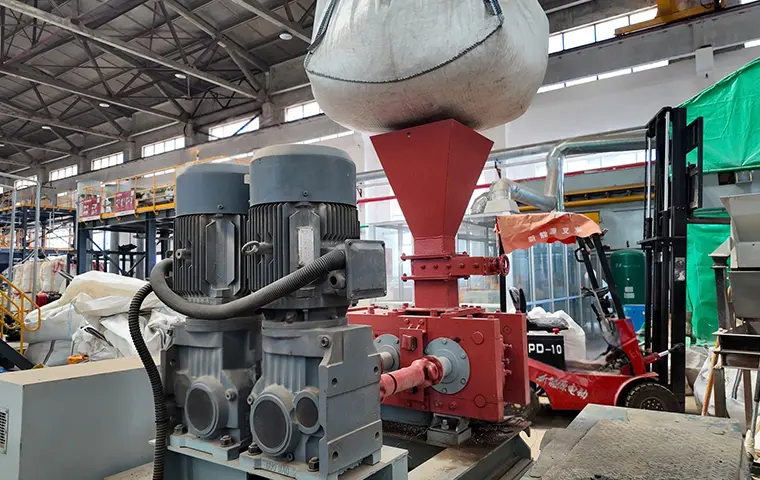
Projectdoelstelling: Het bepalen van de optimale verwerkingsstroom en het bieden van opschalingsgegevens voor een volledige installatie.
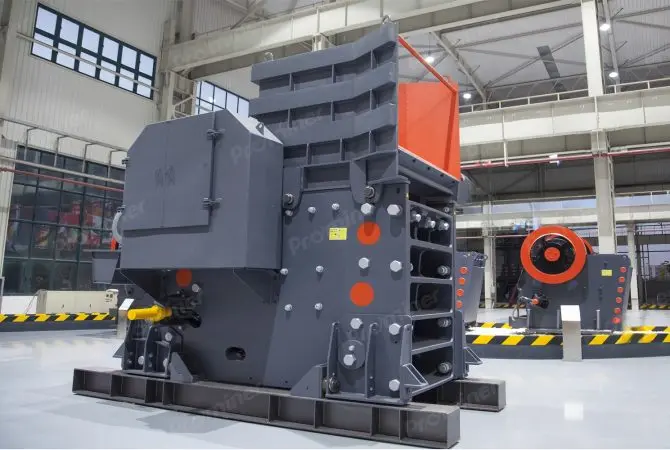
Kegelbreker, de opening bepaalt de maximale invoergrootte. De vergruizingskamer van een kegelbreker
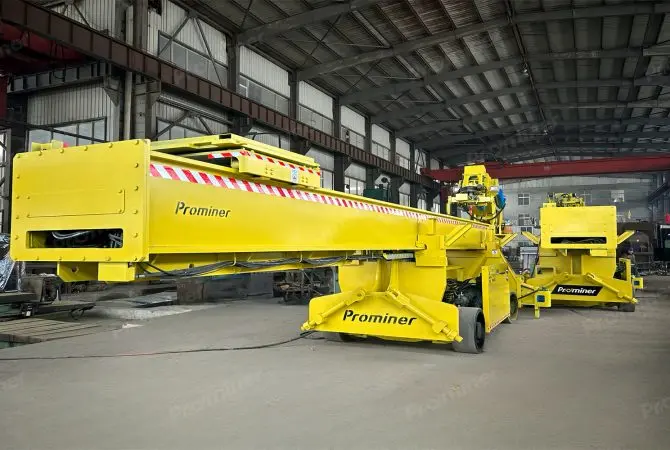
Wij kunnen de maalherstelmachine (ook wel maalherstelmanipulator genoemd) ontwerpen en vervaardigen
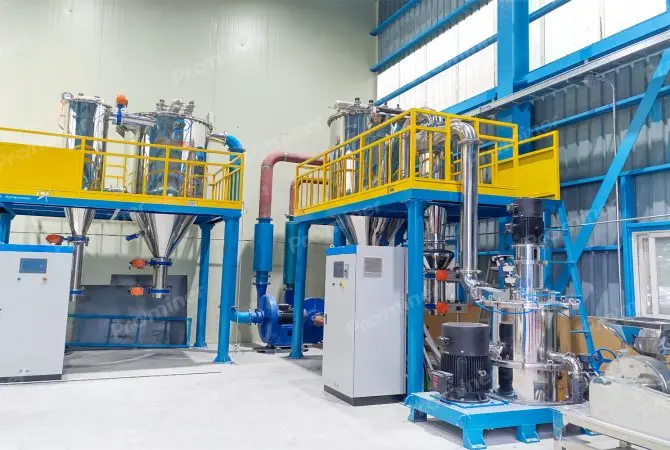
Onze impactmolen is een hogesnelheidsmechanische molen voor ultrafijne maling en voornamelijk
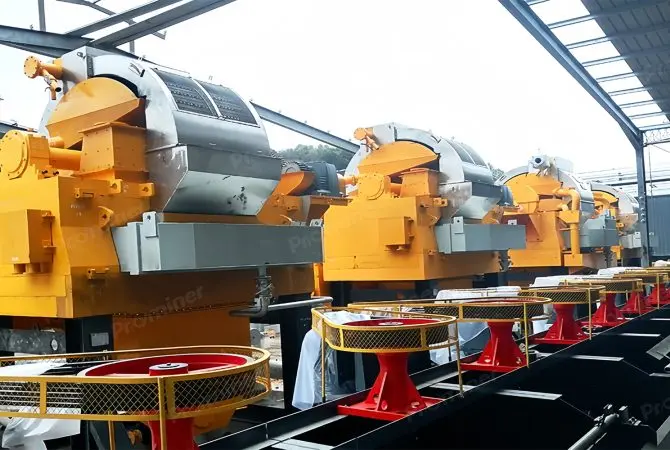
Prominer kan verschillende HIMS (High Intensity Magnetic Separator) magnetische scheiders leveren
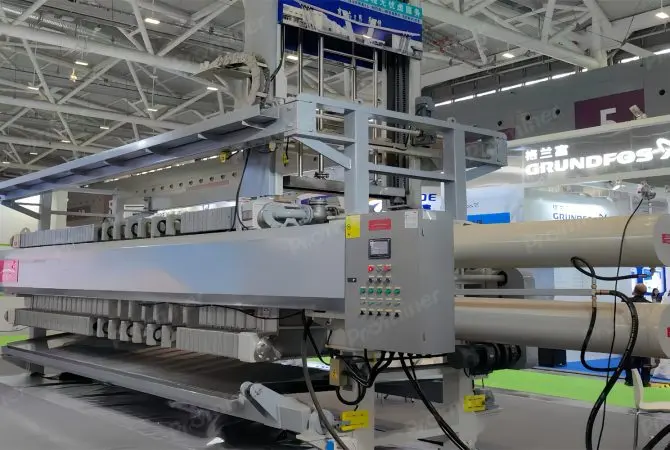
Prominer kan persfilter, bandvacuümfilter, schijfvacuümfilter en keramisch filter leveren
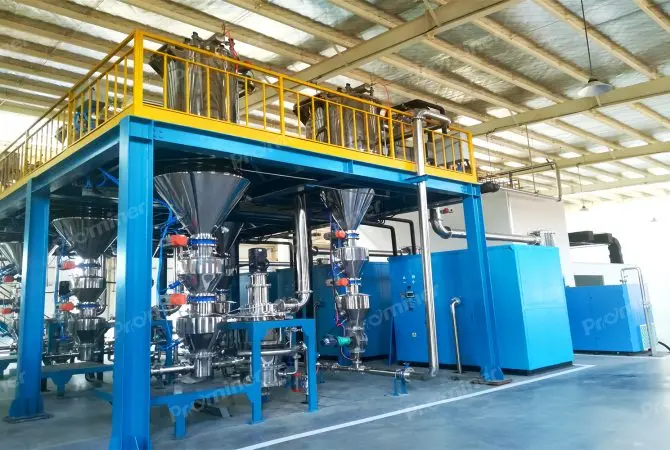
Jetmolen wordt ook wel fluidized bed jetmolen genoemd, waarbij meerdere spuitmonden worden gebruikt om een luchtstroom met geluidssnelheid te vormen
Om meer te weten te komen over onze producten en oplossingen, vul alstublieft het onderstaande formulier in en een van onze experts zal u binnenkort terugbellen
3000 TPD goud flotatieproject in de provincie Shandong
2500 TPD lithiumerts flotatie in Sichuan
Fax: (+86) 021-58779592
Adres:Kamer 606, Gebouw D3, Fase II, Chuansha Business Center, Long 777, Miaochuan Road, Pudong Nieuwgebied, Shanghai, China
Auteursrecht © 2023.Prominer (Shanghai) Mining Technology Co., Ltd.


