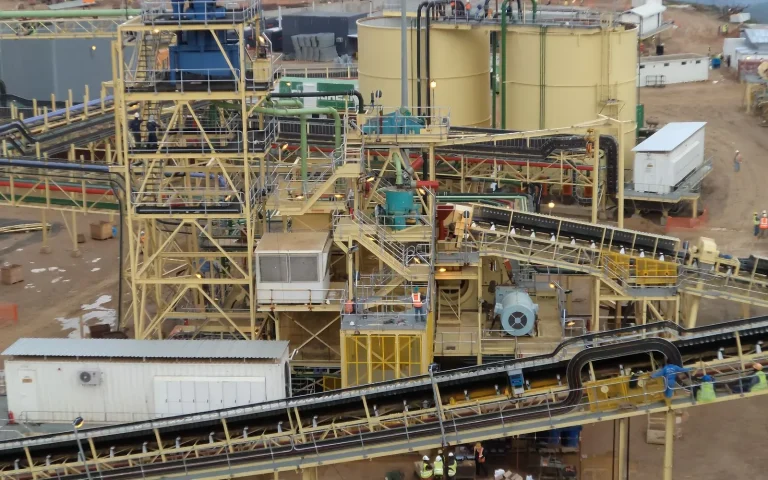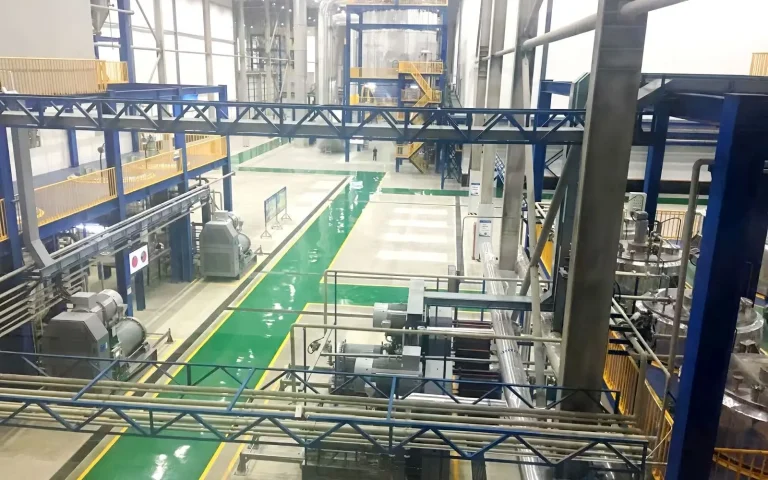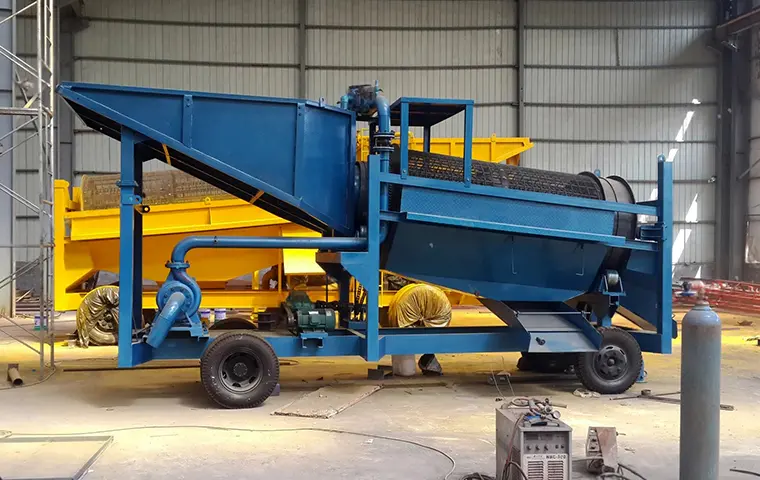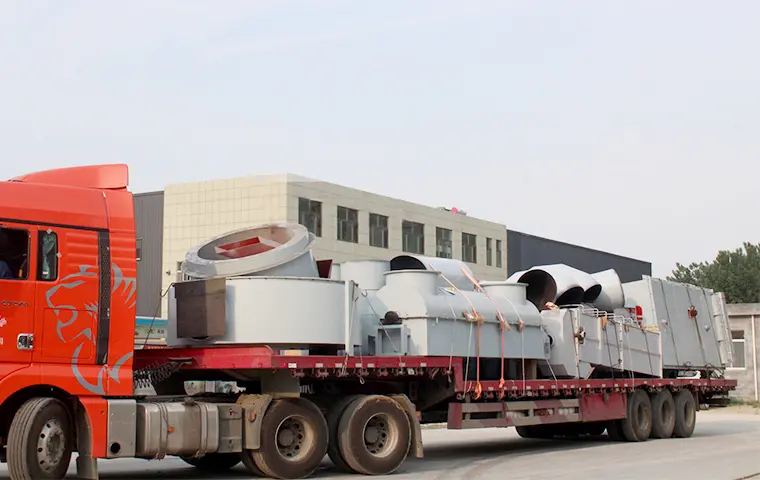
堆浸出は、金を抽出するための柔軟で経済的な伝統的なシアン化浸出処理方法です




金の回収率を95%超にすることとシアン化物の消費を削減することは、現代の鉱物処理における最優先事項です。環境規制の強化と薬品コストの上昇に伴い、フローテーションは下流のシアン化物使用量を大幅に削減する重要な濃縮前処理工程となっています。重要なポイントは、複雑で難処理な鉱石に対しても最大の金回収率を実現できる適切なフローテーション薬品の組み合わせを選定しながら、選択性を維持し、化学薬品の使用量を最小限に抑えることです。
以下は、操作のリカバリー率を+95%に達成しながらシアン依存度を低減するのに効果的な試薬カテゴリーと特定の化学物質です。
コレクターは金のフローティングにおいて最も重要な試薬です。その役割は、金を含む鉱物を選択的に疎水性にし、気泡に付着させて濃縮物に運ぶことです。
高い回収率を促す主要なコレクターは次のとおりです:
キサントゲート(PAX、SIBX、SEX):
硫化物に関連するフリー・マイリング金に広く使われており、非常に効果的です。アミルカニン酸カリウム(PAX)は特に強力で、黄鉄鉱が多い鉱石で高い回収率をもたらすことがよくあります。
ジチオホスフェート(DTP):
銅や複雑な硫化物に関連した金の回収に優れています。異なるpH条件下でもより優れた選択性と安定性を発揮します。
チオノカルバメート
特に銅-金系のシステムで効果的です。選択性を高め、しばしば不純物である黄鉄鉱の浮遊を抑制し、下流のシアン化物消費を削減します。
ブレンド型収集システム:
ヤニトールとジチオホスフェートの併用は、しばしば相乗効果を生み出し、回収率と品位の両方を向上させます。
泡浮選回収率を最初に最大化することで、尾鉱に残る金の量が減り、抽出時のシアン化物使用量を抑えることができます。
多くの鉱石では、金は黄鉄鉱や arsenopyrite(ヒ素黄鉄鉱)などの硫化物鉱物中に微細に分散しています。適切な活性化により、これらの鉱物が効率よく浮遊するようになります。
最適化された活性化により、金を含む硫化物が浮遊選別濃縮物として回収され、残滓に失われることがなくなり、全鉱石浸出回路における青酸メタンの需要を削減します。
高い回収率は選択性とバランスを取る必要があります。余分な脈石の浮遊は下流の処理コストやシアン化物の消費を増加させます。
効果的な鎮静剤には:
亜硫酸ナトリウムメタビスルファイト (SMBS):
特定のシステムで黄鉄鉱を抑制し、濃縮物の品質を向上させるためによく使用されます。
カルボキシメチルセルロース(CMC)と修飾デンプン:
タルクや粘土などの賛内鉱物を抑制し、金濃縮物の希釈を防ぐ。
ライム(pH調整剤)
不要な硫化物を抑制し、薬品の過剰な使用を減らすアルカリ性条件を維持します。
クリーナー濃縮物はより低い質量引き出しを意味し、これにより濾過工程中のシアン化物の使用量が大幅に削減されます。
しばしば見過ごされがちですが、泡立て器は気泡の安定化や粒子の付着促進に極めて重要な役割を果たします。
一般的な選択肢には次のようなものがあります:
メチルイソブチルカルビノール (MIBC)
適度な泡立ちの安定性と良好な選択性を提供します。
ポリプロピレングリコール(PPG)ベースの泡立て剤:
より良い泡の大きさと泡の安定性をコントロールし、微細金の回収を改善します。
最適化された泡の特性により、通常最も捕捉が難しい微粒子の回収率が向上します。
シアン化物の使用量を最小限に抑える最も効果的な戦略は、置き換えることではなく、抽出に必要な量を減らすことである。
高効率のフローテーションを導入することにより:
多くの操業では、フローテーション濃縮物は濃厚シアニド化、加圧酸化、または焙焼によって処理され、回収率を95%以上にさらに向上させます。
通常、95%以上の回復を達成するには:
実験室での試験作業やパイロット浮選試験は、特定の鉱石に適した薬剤計画を決定するために不可欠です。
常に95%以上の回収率を達成し、シアン化物の使用を最小限に抑える金の採掘方法は、丹念に設計されたフローテーション薬品プログラムに依存しています。高性能のコレクター、ターゲットとなる活性剤、選択的デプレッサー、最適化された泡形成剤が連携して硫化物の回収を最大化し、高品位の濃縮物を生産します。
浮遊効率を前処理の濃縮戦略として重視することで、採鉱会社はシアン化物の消費量を大幅に削減し、環境への影響を低減し、全体的なプロジェクト経済性を向上させることができます。
適切な試薬の組み合わせは、単なる回収率の向上だけでなく、金処理全体の持続可能性と収益性を変革します。
A:鉱物の特性は、同じ鉱床内でも大きく異なります。プロのテスト(化学分析、XRD、SEMなど)は、フローチャートが特定の鉱石グレードと解放サイズに最適化されていることを保証します。これにより、高価な機器のミスマッチを防ぎ、プロジェクトのために可能な限り高い回収率を保証します。
A: 当社は、コア摩耗部品(例えば、クラッシャーライナー、スクリーンメッシュ、グラインディングメディア)の常時在庫を維持しています。国際的な顧客には、初回購入時に推奨される「2年用予備部品リスト」を提供しています。技術サポートは、リモートビデオを通じて24時間年中無休で利用可能であり、複雑なメンテナンスニーズには現地訪問を手配することもできます。
A: はい。私たちは、機器の設置、試運転、負荷テストを監督するために、シニア機械エンジニアと電気エンジニアのチームを現地に派遣します。また、地元のオペレーターが円滑に長期的に運用できるよう、包括的な現地トレーニングも提供します。
A: もちろんです。私たちはEPCM(エンジニアリング、調達、建設管理)サービスを提供することを専門としています。これには、初期の鉱石テストや鉱山設計から、設備製造、物流、フルスケールのプラント統合まで、緑地から生産へのシームレスな移行を確保するすべてが含まれます。

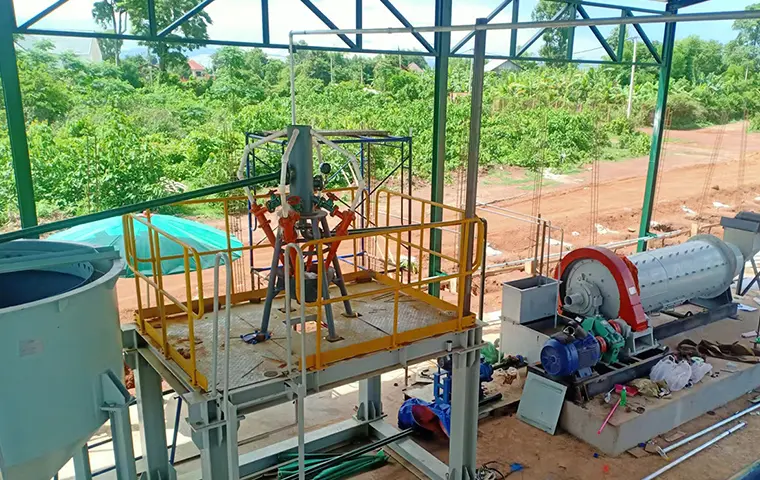
特徴:コンパクトなレイアウト、全プロセスのカバー、低投資コスト、迅速な導入。スタートアップおよび小規模鉱山向けに設計された、柔軟で効率的な金ソリューションです!
私たちの製品とソリューションについて詳しく知るためには、以下のフォームに記入してください。私たちの専門家の一人がすぐにご連絡いたします
ファックス: (+86) 021-58779592
住所:中国上海浦东新区苗川路777号川沙商务中心D3楼606室第二期
著作権 © 2023.プロマイナー(上海)鉱業技術有限公司