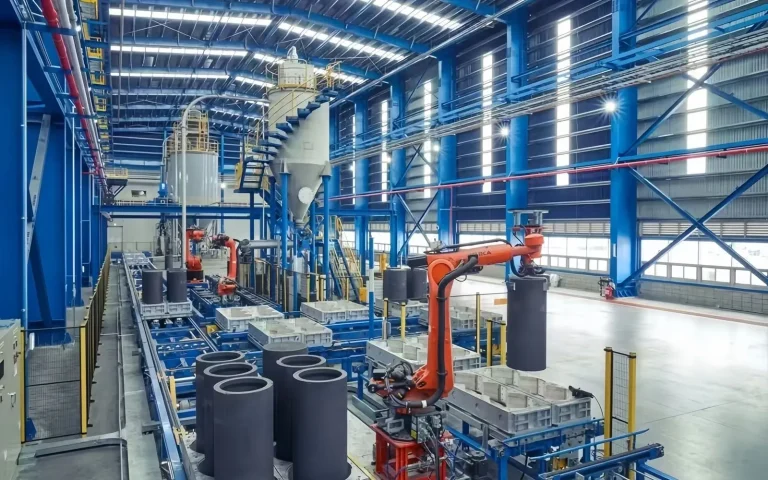
ਹਾਰਡ ਕਾਰਬਨ ਐਨੋਡ ਸਮੱਗਰੀ ਸੋਡੀਅਮ-ਇਆਨ ਬੈਟਰੀ ਦੇ ਵਪਾਰੀਕਰਨ ਲਈ ਸਭ ਤੋਂ ਮਨਪਸੰਦ ਸਮੱਗਰੀ ਹੈ


/
/
What Are Effective Methods for Quartz Processing via Flotation and Chemical Beneficiation?


Quartz is one of the most abundant minerals in the Earth’s crust and is widely used in glassmaking, ceramics, electronics, and high-purity silicon applications. However, raw quartz often contains impurities such as iron oxides, feldspar, mica, clay minerals, and heavy minerals. To meet industrial quality standards—especially for high-purity quartz—advanced processing techniques such as flotation and chemical beneficiation are employed.
Below is an overview of effective methods used in quartz purification.
The effectiveness of quartz beneficiation depends on the type and distribution of impurities. Common contaminants include:
The primary goal of processing is to increase SiO₂ content while minimizing metallic and non-metallic impurities. High-end industries, such as semiconductor and photovoltaic manufacturing, may require silica purity levels above 99.9%.
Flotation is one of the most efficient techniques for separating quartz from associated minerals based on differences in surface properties.
In this method, quartz is floated while impurities are depressed. Cationic collectors such as amines are commonly used under acidic or neutral pH conditions.
Key steps include:
This method is particularly effective when quartz is the primary valuable mineral.
Reverse flotation is widely used in quartz beneficiation. Instead of floating quartz, impurities such as feldspar and iron-bearing minerals are floated away.
Reverse flotation is often preferred for high-purity quartz production because it improves selectivity and reduces silica loss.
Iron impurities significantly affect quartz quality. Targeted flotation can remove iron-bearing minerals using:
This combination improves overall purification results.
When physical and flotation methods are insufficient to meet purity standards, chemical beneficiation is applied to remove trace contaminants.
Acid leaching is one of the most effective chemical purification techniques. It removes iron oxides and other metallic impurities from quartz surfaces and grain boundaries.
Common acids used:
Leaching is typically conducted under controlled temperature and agitation to maximize reaction efficiency.
For ultra-high purity quartz, mixed acid systems (e.g., HCl + HF) are used. This method:
Strict safety and environmental protocols are required due to the corrosive and toxic nature of these chemicals.
In some cases, alkali treatment followed by calcination helps loosen impurity phases before acid leaching. Thermal treatment can also:
This pre-treatment step increases the effectiveness of subsequent chemical purification.
The most effective quartz processing plants combine multiple techniques in a staged approach:
This integrated process maximizes silica recovery while achieving high purity levels suitable for demanding industrial applications.
Several factors affect flotation and chemical beneficiation performance:
Careful optimization of these parameters is essential to achieve both high recovery rates and superior product quality.
Effective quartz processing requires a combination of physical separation, flotation techniques, and chemical beneficiation. Flotation is highly efficient for removing feldspar, mica, and iron-bearing minerals, while acid leaching ensures the removal of trace contaminants for high-purity applications.
By integrating these methods into a well-designed process flow, producers can achieve the stringent purity standards required in modern industries such as glass manufacturing, electronics, and solar energy production.
A: ਗ੍ਰੈਫਾਈਟ ਸਰੋਤਾਂ ਲਈ, ਇੱਕ ਪੂਰਾ ਹੱਲ ਪ੍ਰाकृतिक ਗ੍ਰੈਫਾਈਟ ਫਲੋਟੇਸ਼ਨ ਅਤੇ ਗਹਿਰੇ ਪ੍ਰੋਸੈਸਿੰਗ ਦੋਹਾਂ ਨੂੰ ਕਵਰ ਕਰਨਾ ਚਾਹੀਦਾ ਹੈ। Ball mill ਅਤੇ hydrocyclone ਪ੍ਰਣਾਲੀ ਮੁੱਖ ਪਿਸਾਈ ਮੰਡੀ ਦੇ ਤੌਰ ਤੇ ਕੰਮ ਕਰਦੇ ਹਨ। ਉੱਚ ਅਨੋਡ ਮੈਟਿਰੀਅਲ ਨਿਰੀਧਾਰਣ ਲਈ, ਸ਼ੇਪਿੰਗ ਮਿੱਲ ਜਰੂਰੀ ਹੈ ਤਾਂ ਜੋ ਟੈਪ ਸੰਘਣਾਪਣ ਵਿੱਚ ਸੁਧਾਰ ਹੋਵੇ ਅਤੇ ਵਿਸ਼ੇਸ਼ ਸਤਿਹਫਾ ਘਟੇ। ਇਸ ਤੋਂ ਇਲਾਵਾ, Prominer ਕੋਟਿੰਗ ਪ੍ਰਣਾਲੀ, ਜੋ ਕੋਟਿੰਗ ਅਤੇ ਗ੍ਰੈਨੀਊਲੇਸ਼ਨ ਫੰਗਸ਼ਨਾਂ ਨੂੰ ਜੋੜਦੀ ਹੈ, ਉੱਚ-ਲਾਭਦਾਇਕ ਅਨੋਡ ਮੈਟਿਰੀਅਲਾਂ ਦੇ ਪ੍ਰੋਸੈਸਿੰਗ ਵਿੱਚ ਮਹੱਤਵਪੂਰਣ ਕਦਮ ਹੈ।
A: عمل دا چناو پورے طور تے لبھی دے خصوصیات تے منحصر ہوندا ہے۔ سونا CIL/CIP عمل ایک بہت مقبول تے مؤثر طریقہ ہے تاکہ ہائی گریڈ آکسیڈ قسم دے سونے دے کان نوں پروسس کیتا جا سکے۔ کئی ہور سونے دے منصوبیاں لئی، فلوٹیشن سب توں زیادہ مقبول پروسسنگ طریقہ رہیا ہے۔ مالکان جیہڑے ابتدائی مرحلے میں سرمایہ بچانا چاہندے ہن، اوہ ہڑتال یا ہیمپ لیچنگ نویں لچکدار تے اقتصادی آپشنز سمجھدے ہن۔ اسیں سفارش کردے ہاں کہ سب توں مؤثر تے سائنسی عمل دا پتہ لاؤن لئی لیب تے پائلٹ ٹیسٹ نال شروع کرو۔
A: ਚੁੰਬਕੀ ਵਿਭਜਨ ਖనਿਜ ਵਧਾਉਣ ਲਈ ਅਤਿ ਮਹੱਤਵਪੂਰਣ ਹੈ। ਅਸੀਂ ਵਿਅਕਤ ਖਨਿਜਾਂ ਦੇ ਚੁੰਬਕੀ ਗੁਣਾਂ ਨੂੰ ਸੰਭਾਲਣ ਲਈ HIMS (ਉੱਚ ਤੀਵ੍ਰਤਾ) ਅਤੇ LIMS (ਹਿਰਾ ਤੀਵ੍ਰਤਾ) ਚੁੰਬਕੀ ਵਿਭਾਜਕ ਪ੍ਰਦਾਨ ਕਰਦੇ ਹਾਂ। ਇੱਕ ਅਨੁਕੂਲ ਪੌਦੇ ਡਿਜ਼ਾਈਨ ਵਿੱਚ, ਇਹ ਤਕਨੀਕ ਇੱਕ ਉੱਚ ਪਰਫਾਰਮੈਂਸ ਖੁਦਾਈ ਸਿਸਟਮ ਨਾਲ ਇੰਟég੍ਰੇਟ ਕੀਤੀ ਜਾਂਦੀ ਹੈ—ਜੋ ਇੱਕਲਾ ਸ਼ਿਲੇਂਡਰ ਜਾਂ ਬਹੁ-ਸ਼ਿਲੇਂਡਰ ਹਾਈਡ੍ਰਾਲਿਕ ਕੋਨ ਕ੍ਰਸਰਾਂ ਦੀ ਵਰਤੋਂ ਕਰਦੀ ਹੈ—ਅਤੇ ਇੱਕ ਪਿਸਾਈ ਸਿਸਟਮ। ਇਹ ਯਕੀਨੀ ਬਣਾਉਂਦਾ ਹੈ ਕਿ ਵੈਸਟ ਰਾਕ ਸਹੀ ਸਮੇਂ ਮੁੱਖ ਤੌਰ 'ਤੇ ਨਕਾਰਾ ਕੀਤਾ ਜਾਵੇ, ਜਿਸ ਨਾਲ ਉਤਪਾਦਕਤਾ ਵਿੱਚ ਵਾਧਾ ਹੁੰਦਾ ਹੈ ਅਤੇ ਊਰਜਾ ਬਚਦੀ ਹੈ।
A: ਇੱਕ ਸਫਲ ਪੌਦਾ ਡਿਜ਼ਾਈਨ ਕਰਨ ਲਈ ਸਮਗ੍ਰੀ EPC (ਇੰਜੀਨੀਅਰਿੰਗ, ਖਰੀਦਦਾਰੀ, ਅਤੇ ਨਿਰਮਾਣ) ਸੇਵਾ ਦੀ ਲੋੜ ਹੁੰਦੀ ਹੈ। ਮੁੱਖ ਵਿਚਾਰ ਵਿੱਚ ਇੰਜੀਨੀਅਰਿੰਗ ਡਿਜ਼ਾਈਨ (ਸਾਈਟ ਸਰਵੇਖਣ, ਸੈਂਪਲਿੰਗ ਮਾਰਗਦਰਸ਼ਨ, ਅਤੇ PFD ਡਰਾਇੰਗਜ਼) ਅਤੇ ਸਾਜੋ-ਸਾਮੱਗਰੀ ਕਸਟਮਾਈਜ਼ੇਸ਼ਨ ਸ਼ਾਮਿਲ ਹੈ, ਤਾਂ ਜੋ ਮਸ਼ੀਨਰੀ ਖਾਸ ਖਨਿਜ਼ ਹੋਣ ਵਾਲੀ ਵਿਸ਼ੇਸ਼ਤਾ ਦੇ ਨਾਲ ਮਿਲਦੀ ਜੁਲਦੀ ਹੋਵੇ। ਉਦਾਹਰਨ ਵਜੋਂ, ਪ੍ਰੋਮੀਨਰ ਲਾਈਨਰ ਸਕ੍ਰੀਨਜ਼ ਨੂੰ 5.1 ਮੀਟਰਵਿਆਸ ਤੱਕ ਕਸਟਮਾਈਜ਼ ਕਰ ਸਕਦਾ ਹੈ ਵੱਡੇ ਪੱਧਰ ਦੀ ਦਰਜੇਬੰਦੀ ਅਤੇ ਡੀਵਾਟਰਿੰਗ ਲਈ। ਆਖਿਰਕਾਰ, ਮਾਮਲਾ ਦੁਆਰਾ ਪ੍ਰੋਫੈਸ਼ਨਲ ਥਾਵਾਂ ਦੀ ਸੇਵਾ, ਜਿਸ ਵਿੱਚ ਸਿਵਿਲ ਕਾਰਜ ਦੀ ਨਿਗਰਾਨੀ ਅਤੇ ਕਮਿਸ਼ਨਿੰਗ ਸ਼ਾਮਿਲ ਹੈ, ਲੰਬੇ ਸਮੇਂ ਲਈ ਸਥਿਰ ਓਪਰੇਸ਼ਨ ਲਈ ਜ਼ਰੂਰੀ ਹੈ।
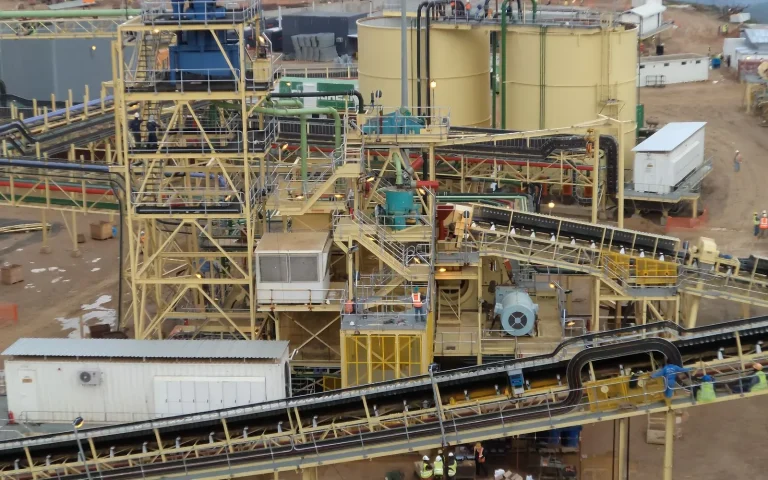
ਫਲੋਟੇਸ਼ਨ ਸੋਨੇ ਦੇ ਓਰਾਂ ਦੀ ਪ੍ਰੋਸੈਸਿੰਗ ਪ੍ਰੋਜੈਕਟ ਵਿੱਚ ਸਭ ਤੋਂ ਪ੍ਰਸਿੱਧ ਪ੍ਰਕਿਰਿਆ ਹੈ। ਕਿਉਂਕਿ ਫਲੋਟੇਸ਼ਨ ਪ੍ਰਕਿਰਿਆ…

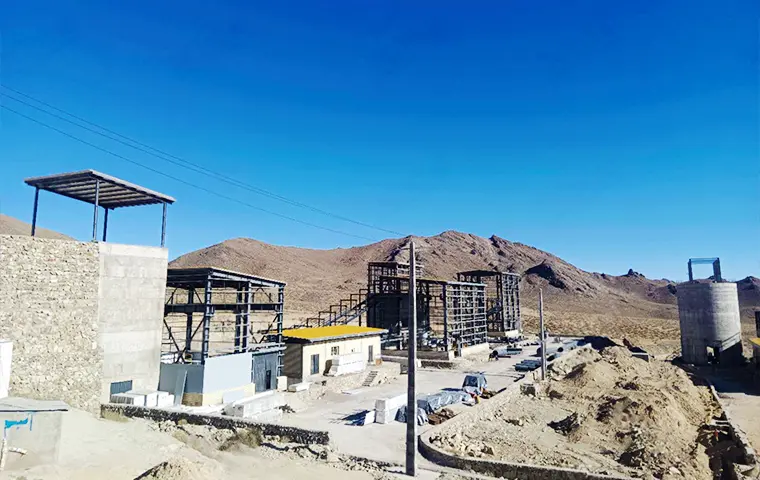
ਕੱਚਾ ਖਣਿਜ: ਸੁਲਫਾਈਡ ਪ੍ਰਕਾਰ ਦਾ ਤਮਬਾਕੁ ਖਣਿਜ ਤਮਬਾਕੁ ਦਾ ਗਰੇਡ: 0.8% ਅੰਤਿਮ ਉਤਪਾਦ: ਤਮਬਾਕੁ ਸੰਘਣੇਤਾ
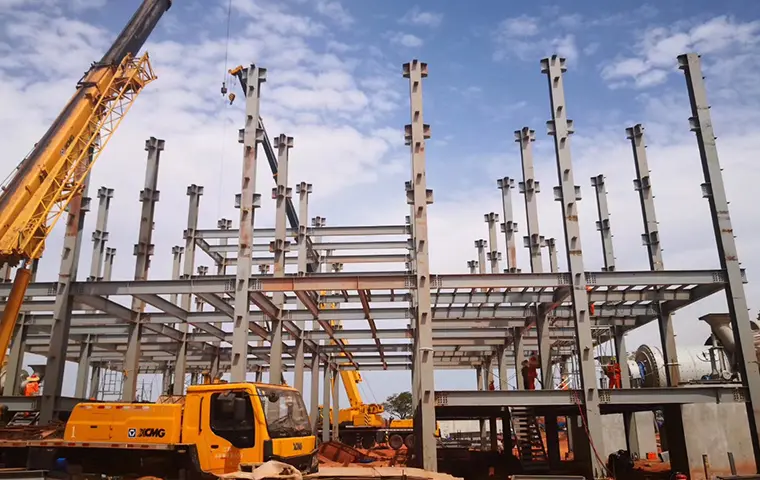
ਗੀਨੇ ਵਿੱਚ ਸਥਿਤ, ਇਸ ਵੱਡੇ ਪੱਧਰ ਦੇ ਪ੍ਰੋਜੈਕਟ ਦੀ ਪ੍ਰਕ੍ਰਿਆ ਸਮਰੱਥਾ 15,000 ਟਨ ਪ੍ਰਤੀ ਦਿਨ (Tons Per Day) ਹੈ।

ਕੱਚਾ ਧਾਤ: ਲੀਥੀਅਮ-ਅਮੀਰ ਹੈਕਟੋਰਾਈਟ ਮਿੱਟੀ (Li₂O: 0.6-1.0%) ਅੰਤਮ ਉਤਪਾਦ: ਬੈਟਰੀ-ਗ੍ਰੇਡ ਲੀਥੀਅਮ ਕਾਰਬੋਨੇਟ
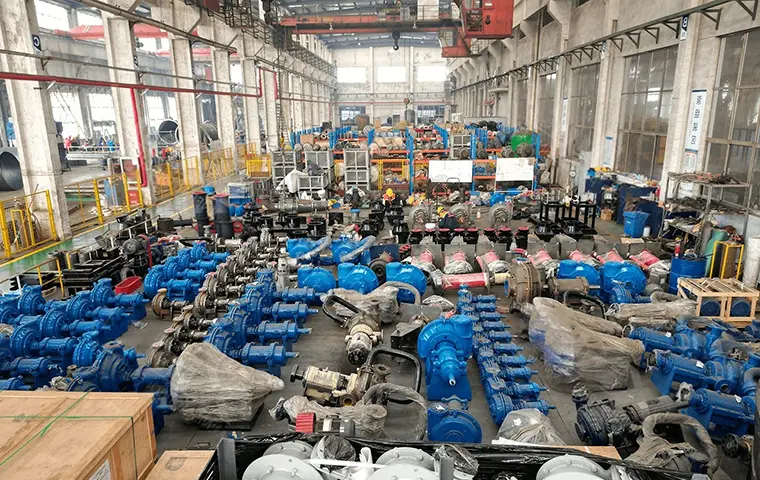
ਕੱਚਾ ਧਾਤੂ: ਕ੍ਰਿਸਟਲਾਈਨ ਫਲਕੇ ਗ੍ਰਾਫਾਈਟ ਧਾਤੂ ਫੀਡ ਕਾਰਬਨ ਗ੍ਰੇਡ: 8–12% (ਵੈਰੀਏਬਲ) ਅੰਤਿਮ ਉਤਪਰਿਵਾਰ: ਉੱਚ-ਸ਼ੁੱਧਤਾ ਵਾਲਾ ਫਲਕੇ ਗ੍ਰਾਫਾਈਟ ਸੰਕਲਨ
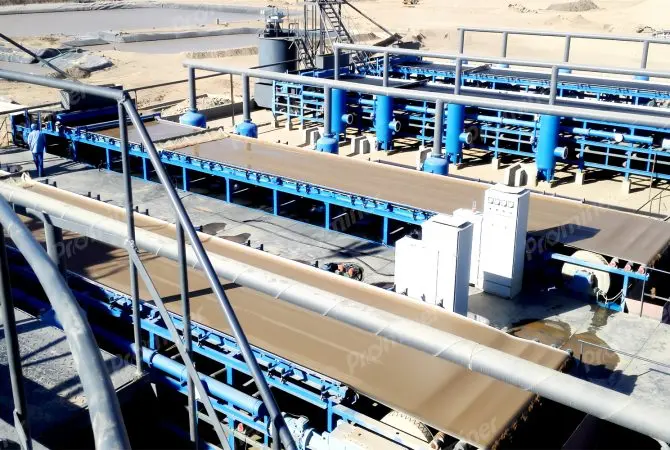
ਕੱਚੀ ਖਦੂਰ: ਆਕਸਾਈਡ ਕਿਸਮ ਦਾ ਸੋਨਾ ਖਦੂਰ ਸੋਨੇ ਦੀ ਗਰਹੱਕ: 6-10 ਗ੍ਰਾਮ/ਟਨ
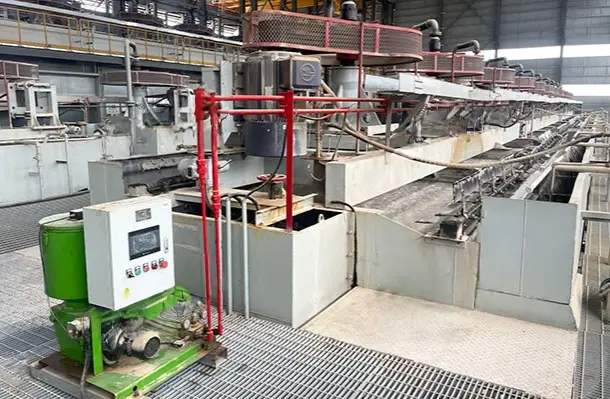
ਕੱਚਾ ਖਣਿਜ: ਪੋਰਫਾਈਰੀ ਸੋਨਾ-ਤਾਮਾ ਖਣਿਜ ਸੋਨੇ ਦੀ ਮਾਤਰਾ: 0.8-1.5 g/t ਤਾਮੇ ਦੀ ਮਾਤਰਾ: 0.6-0.9%
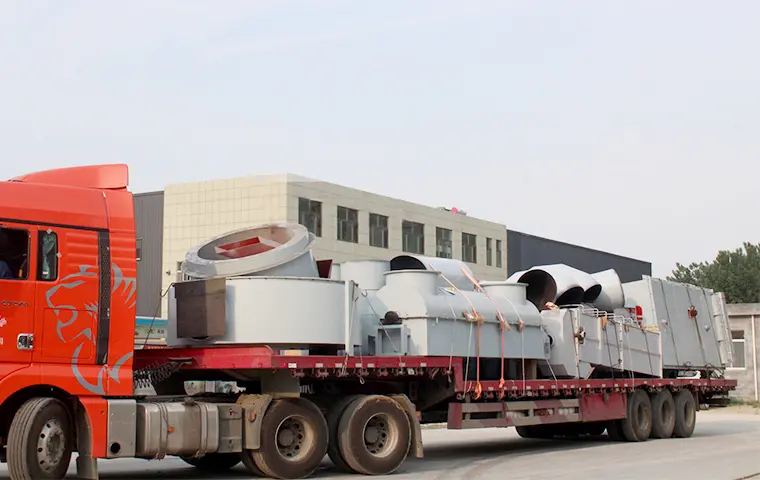
ਕੱਚਾ ਮਾਲ: ਕਵਾਰਜ ਖਣਿਜ ਪ੍ਰੋਜੈਕਟ ਦੀ ਕਿਸਮ: ਉਪਕਰਣ ਸਪਲਾਈ ਅਤੇ ਸਥਾਪਨਾ ਸਹਾਇਤਾ
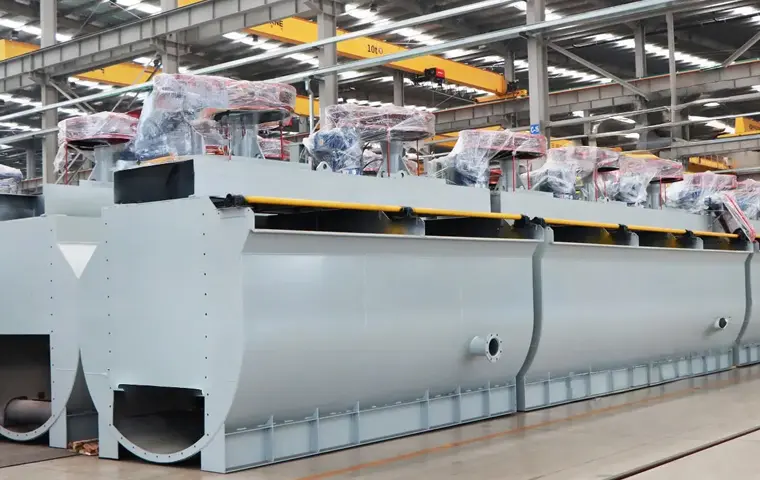
ਕੱਚਾ ਖਣਿਜ: ਸਲਫਾਈਡ ਕਿਸਮ ਦਾ ਸੋਨਾ ਖਣਿਜ ਪਾਈਰਾਈਟ ਸੋਨੇ ਦੀ ਗੁਣਵੱਤਾ: 3.8 g/t ਕੇਂਦ੍ਰਿਤ ਗੁਣਵੱਤਾ: 42 g/t Au
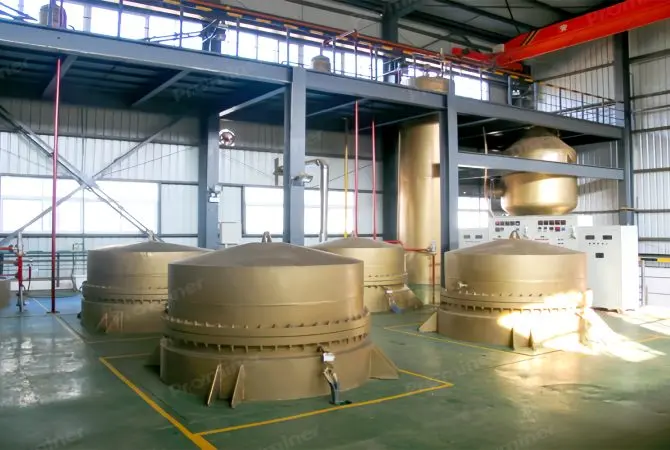
ਖਣਿਜ ਪ੍ਰਕਿਰਿਆ ਤੋਂ ਅਖ਼ੀਰੀ ਸੁਧਾਰਨ ਤੱਕ, ਅਸੀਂ ਸੋਨੇ, ਬੇਸ ਮੈਟਲ ਅਤੇ ਉਦਯੋਗੀ ਖ਼ਣਿਜਾਂ ਲਈ ਮਜ਼ਬੂਤ, ਸਕੇਬਲ ਹੱਲ ਪ੍ਰਦਾਨ ਕਰਦੇ ਹਾਂ।
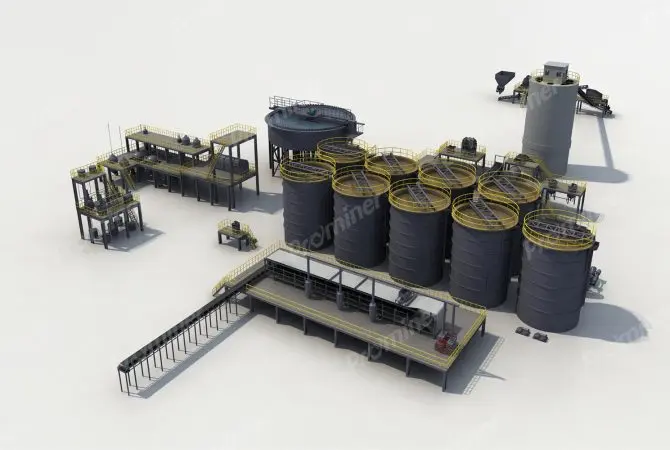
ਪ੍ਰੋਮਾਈਨਰ CIL (ਕਾਰਬਨ ਇਨ ਲੀਚਿੰਗ) ਸਿਸਟਮ ਲਈ ਪੂਰੀ ਹੱਲ ਪ੍ਰਦਾਨ ਕਰ ਸਕਦਾ ਹੈ
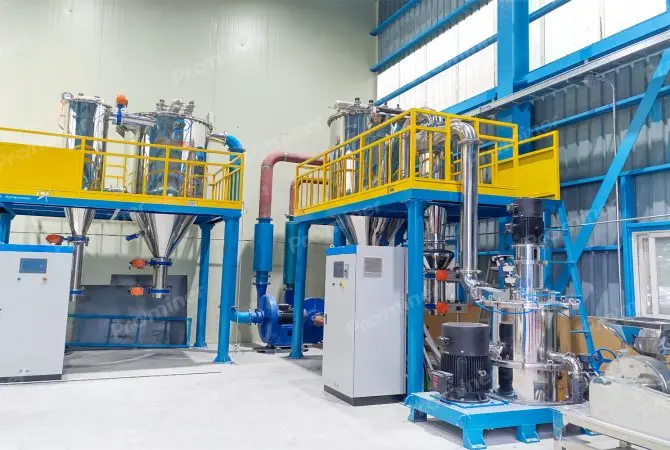
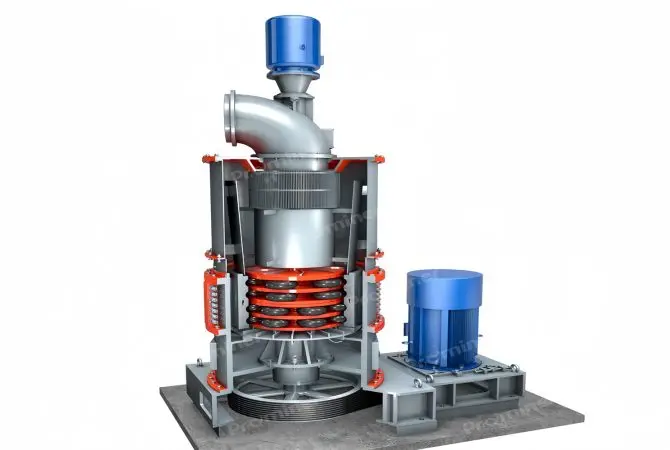
ਸਾਡੇ ਪ੍ਰਭਾਵ ਮਿੱਲ ਨੂੰ ਉੱਚ ਗਤੀ ਮਕੈਨਿਕਲ ਮਿੱਲ ਦਿੱਤਾ ਗਿਆ ਹੈ ਜੋ ਅਲਟਰਾਫਾਈਨ ਪੀਸਣ ਲਈ ਵਰਤਿਆ ਜਾਂਦਾ ਹੈ ਅਤੇ ਮੁਖਤਿਆਰ ਰੂਪ ਦੇ ਵਿੱਚ
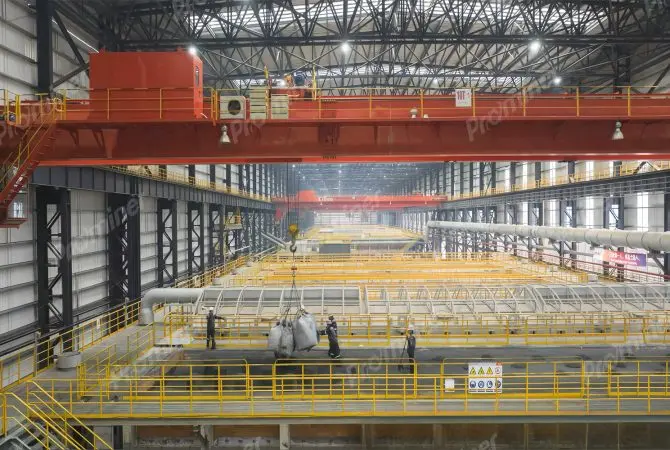
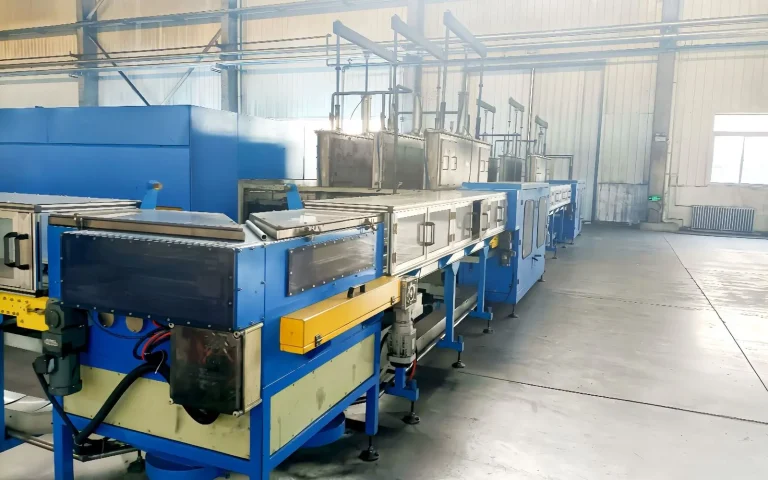
ਅਸੀਂ ਕਾਰਬਨ ਸਮੱਗਰੀ ਨੂੰ ਬਦਲਣ ਲਈ ਵੱਖਰੇ ਪ੍ਰਕਾਰ ਦੀ ਗ੍ਰਾਫਿਟਾਈਜ਼ੇਸ਼ਨ ਭੱਠੀ ਪ੍ਰਦਾਨ ਕਰ ਸਕਦੇ ਹਾਂ
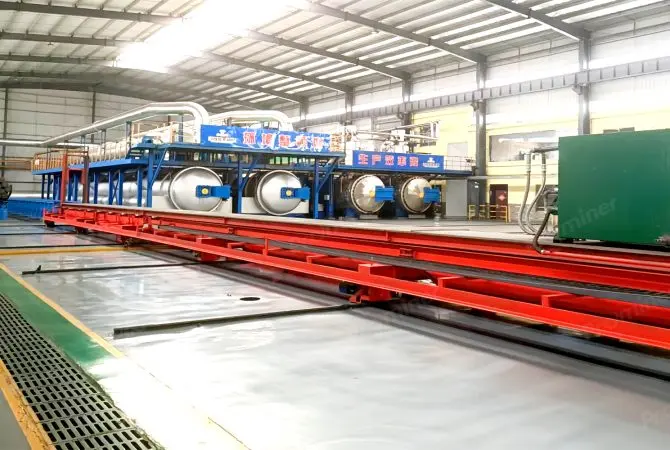
ਅਸੀਂ ਇਕ ਵਾਰ ਪੱਕੀਆਂ ਗ੍ਰਾਫਾਈਟ ਦੀ ਉੱਚ ਦਬਾਅ ਇੰਪ੍ਰਿਗਨੇਸ਼ਨ ਦੇ ਗਰਮ ਵਿਚ ਅਤੇ ਠੰਡੇ ਬਾਹਰ ਦੇ ਪ੍ਰਕਾਰ ਪ੍ਰਦਾਨ ਕਰ ਸਕਦੇ ਹਾਂ
ਸਾਡੇ ਉਤਪਾਦਾਂ ਅਤੇ ਹੱਲਾਂ ਬਾਰੇ ਹੋਰ ਜਾਣਕਾਰੀ ਲੱਭਣ ਲਈ, ਕਿਰਪਾ ਕਰਕੇ ਹੇਠਾਂ ਦਿੱਤਾ ਫੋਰਨ ਭਰੋ ਅਤੇ ਸਾਡੇ ਵਿਚੋਂ ਇੱਕ ਵਿਸ਼ੇਸ਼ਾਗ੍ਹ ਆਪਣੇ ਕੋਲ ਜਲਦੀ ਹੀ ਵਾਪਸ ਆਏਗਾ।
3000 TPD ਸੋਨਾ ਫਲੋਟੇਸ਼ਨ ਪ੍ਰੋਜੈਕਟ ਸ਼ਾਨਡੋਂਗ ਪ੍ਰਾਂਤ ਵਿੱਚ
2500TPD ਲਿਥੀਅਮ ਓਰਫਲੋਟੇਸ਼ਨ ਵਿੱਚ ਸਿਛੁਆਨ
ਫੈਕਸ: (+86) 021-58779592
ਪਤਾ:ਕਮਰਾ 606, ਬਿਲਡਿੰਗ D3, ਫੇਜ਼ II, ਚੁਆਂਸ਼ਾ ਬਿਜ਼ਨੇਸ ਸੈਂਟਰ, 777 ਲਾਂਗ, ਮਿਓਚੁਆਨ ਰੋਡ, ਪੁਡੋਂਗ ਨਵਾਂ ਖੇਤਰ, ਸ਼ੰਗਾਈ, ਚੀਨ
ਕਾਪੀਰਾਈਟ © 2023.ਪ੍ਰੋਮਾਈਨਰ (ਸ਼ੰਘਾਈ) ਮਾਇਨਿੰਗ ਟੈਕਨੋਲੋਜੀ ਕੋ., ਲਿਮਟਿਡ.