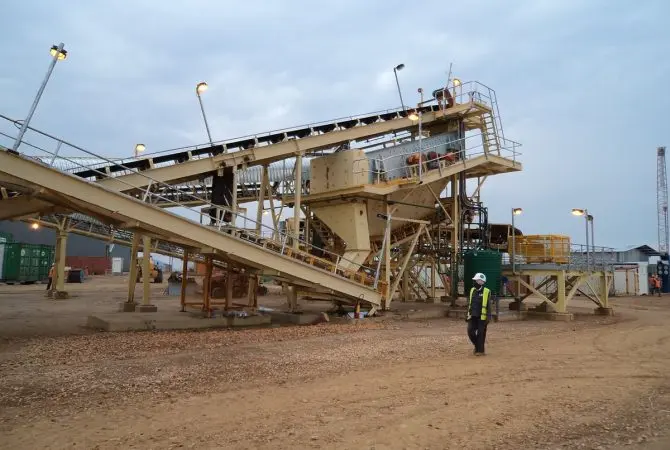
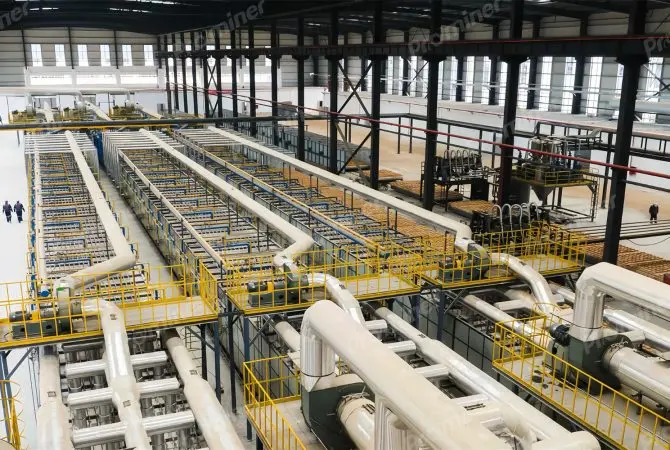
Prominer może zapewnić kompleksowe rozwiązanie do produkcji materiałów anodowych z naturalnego grafitu, w tym mielenie




Quartz sand purification is essential for producing high-purity silica used in glass manufacturing, electronics, photovoltaics, ceramics, and chemical industries. Depending on the impurities present—such as iron, feldspar, mica, clay minerals, and heavy minerals—different purification technologies are applied. Below are the main methods used in quartz sand purification.
Washing and desliming are preliminary purification steps used to remove surface impurities, clay, and fine particles from quartz sand. Water flushing, scrubbing, and hydraulic classification help separate mud and lightweight contaminants.
Attrition scrubbing is often applied to remove iron films and clay coatings attached to the quartz surface. This method improves the efficiency of subsequent separation processes.
Magnetic separation is used to remove magnetic minerals such as magnetite, hematite, and biotite from quartz sand. Both weak and strong magnetic separation techniques can be applied, depending on the type of iron-bearing impurities present.
High-gradient magnetic separators are particularly effective for removing weakly magnetic contaminants and achieving higher purity levels required for advanced industrial applications.
Flotation is a chemical separation method used to remove feldspar, mica, and other non-magnetic impurities. By adding specific reagents, impurities attach to air bubbles and float to the surface, while quartz particles remain at the bottom.
This process is widely used when producing high-purity quartz sand, especially for glassmaking and ceramic industries.
Acid leaching is a chemical purification method designed to remove metal oxides and trace impurities embedded within quartz grains. Common acids used include hydrochloric acid, sulfuric acid, and hydrofluoric acid.
This method is particularly effective for reducing iron, aluminum, and other metallic contaminants, enabling the production of high-purity or ultra-high-purity quartz.
Gravity separation utilizes differences in specific gravity between quartz and impurity minerals. Equipment such as shaking tables, spiral chutes, and centrifugal concentrators can separate heavy minerals like rutile and zircon from quartz sand.
This method is often used as a pre-treatment step before more advanced purification processes.
Thermal treatment involves heating quartz sand to alter or remove certain impurities. For example, calcination can decompose organic materials and facilitate the removal of volatile substances.
In some cases, thermal shock treatment is used to improve the effectiveness of subsequent grinding and purification steps.
In practice, a combination of purification technologies is typically required to achieve the desired purity level. A typical process flow may include washing, magnetic separation, flotation, acid leaching, and final rinsing.
For ultra-high-purity quartz used in semiconductor and photovoltaic industries, advanced techniques such as high-temperature chlorination and plasma treatment may also be applied.
The purification of quartz sand involves multiple technologies tailored to the type and concentration of impurities present. From basic washing and magnetic separation to advanced chemical and thermal treatments, each method plays a critical role in producing high-quality quartz sand for various industrial applications. Selecting the appropriate combination of purification processes ensures optimal performance and cost efficiency.
A: W przypadku zasobów grafitu, kompletne rozwiązanie powinno obejmować zarówno flotację grafitu naturalnego, jak i głęboką obróbkę. Młynek kulowy oraz system hydrocyclonów służą jako podstawowy etap mielenia. Dla zaawansowanej produkcji materiałów anody, niezbędny jest prasa formująca, która poprawia gęstość mączki i redukuje powierzchnię właściwą. Dodatkowo, system powlekania Prominer, łączący funkcje powlekania i granulacji, jest kluczowym etapem w przetwarzaniu wysokoprawnych materiałów anody.
A: Wybór procesu całkowicie zależy od cech rudy. Proces Gold CIL/CIP jest bardzo popularnym i skutecznym sposobem przetwarzania rud złota typu tlenkowego o dużej zawartości. Dla wielu innych projektów złota, flotacja pozostaje najpopularniejszą metodą przetwarzania. Dla właścicieli chcących zaoszczędzić na inwestycjach na etapie początkowym, opcje takie jak leaching w zbiornikach lub heap leaching są elastycznymi i ekonomicznymi rozwiązaniami. Zalecamy rozpoczęcie od testów laboratoryjnych i pilotażowych, aby wyznaczyć najbardziej efektywny i naukowo uzasadniony schemat procesu.
A: Magnetyczne separacja jest kluczowa dla wzbogacania minerałów. Oferujemy separatory magnetyczne HIMS (o wysokiej intensywności) oraz LIMS (o niskiej intensywności), aby obsługiwać różne właściwości magnetyczne minerałów. W zoptymalizowanym projekcie zakładu technologia ta jest zintegrowana z wysokowydajnym systemem kruszenia—wykorzystującym jedno- lub wielocylindrowe hydrauliczne kruszarki stożkowe—oraz systemem mielenia. Zapewnia to wczesne odrzucanie odpadów skalnych, co znacznie poprawia wydajność i oszczędza energię.
A: Designing a successful plant requires a comprehensive EPC (Engineering, Procurement, and Construction) service. Key considerations include engineering design (site surveys, sampling guidance, and PFD drawings) and equipment customization to ensure machinery matches the specific ore characteristics. For example, Prominer can customize linear screens up to 5.1m in width for large-scale grading and dewatering. Finally, professional on-site services, including civil work supervision and commissioning, are vital for long-term stable operation.
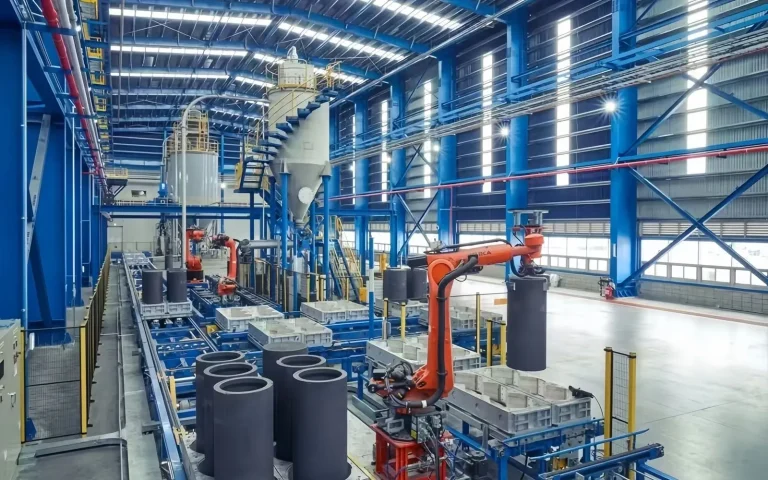
Prominer może zapewnić kompleksowe rozwiązanie do produkcji materiałów anodowych z naturalnego grafitu, w tym mielenie
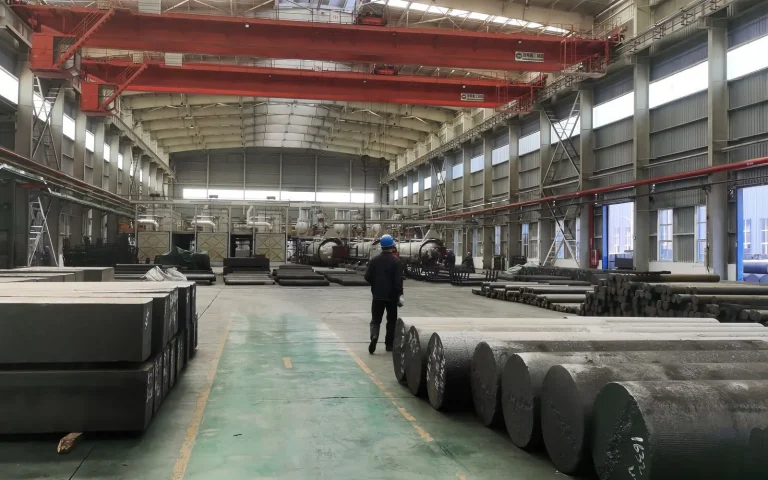
Elektroda grafitowa UHP jest głównie używana w piecach łukowych o ultra wysokiej mocy w przemyśle hutniczym
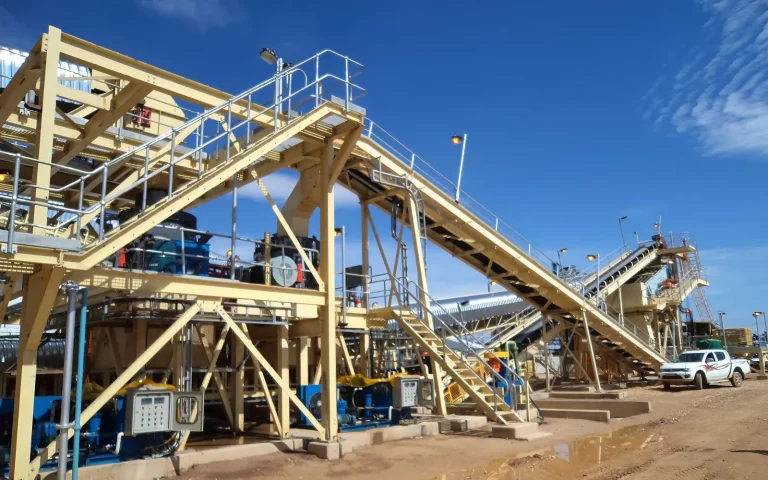
Leaching w zbiornikach to dobry wybór dla właściciela projektu, aby rozpocząć na początkowym etapie, aby zaoszczędzić inwestycje

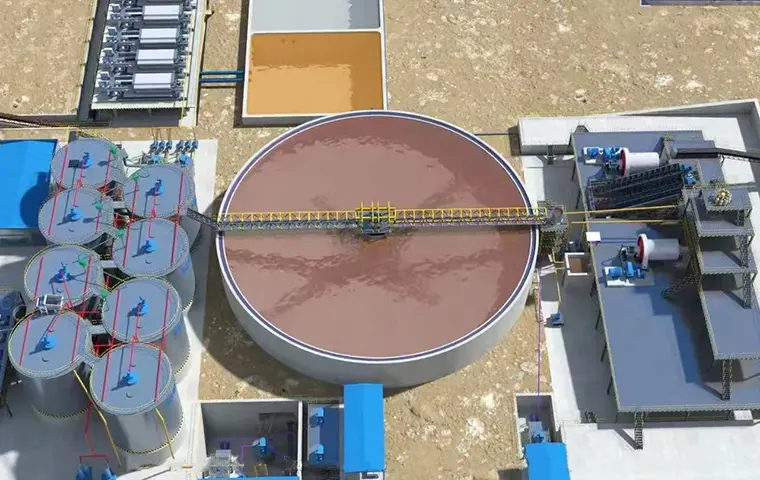
Surowa ruda: Ruda miedzi typu siarczkowego (głównie chalkopiryt) Zawartość miedzi: 0,8% Produkt końcowy: Koncentrat miedzi
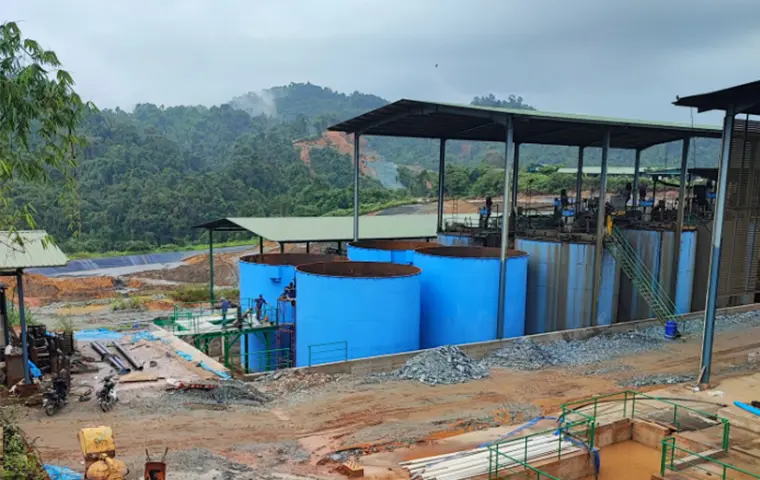
Surowa ruda: Odporny i półodporny rudy złota siarczkowego Klasa złota: 2,65 g/t Czystość sztabki złota: ≥95,5%
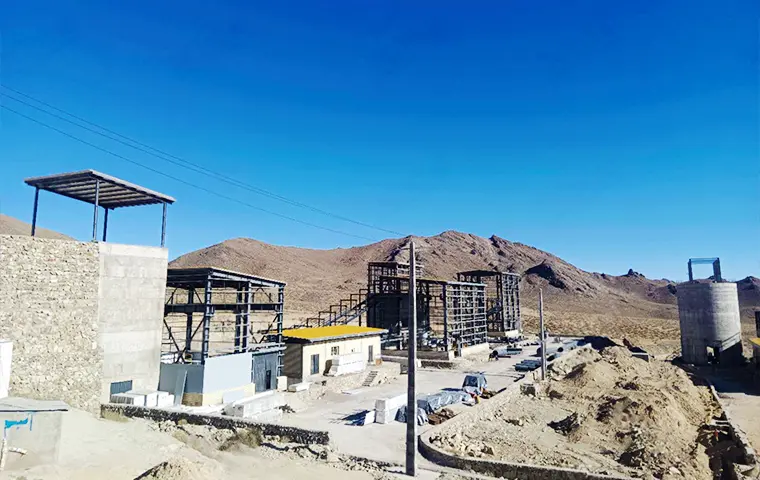
Surowa ruda: Ruda miedzi typu siarczkowego Klasa miedzi: 0,8% Produkt końcowy: Koncentrat miedzi
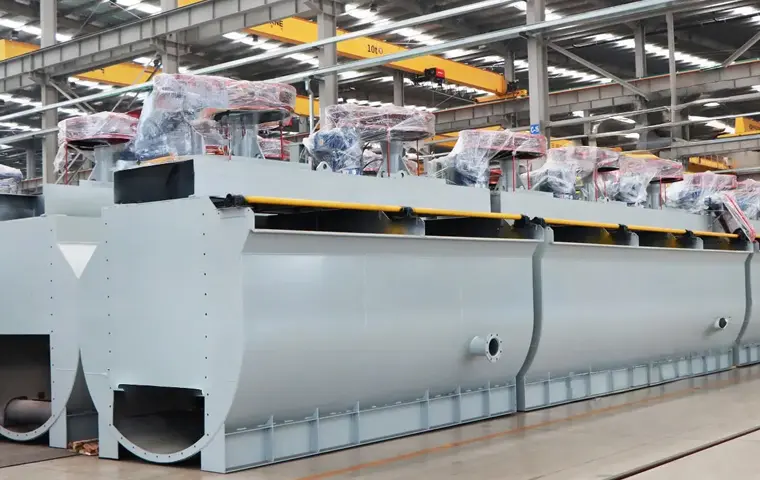
Surowa ruda: Ruda złota typu siarczkowego z pirytem Zawartość złota: 3,8 g/t Stopień koncentratu: 42 g/t Au
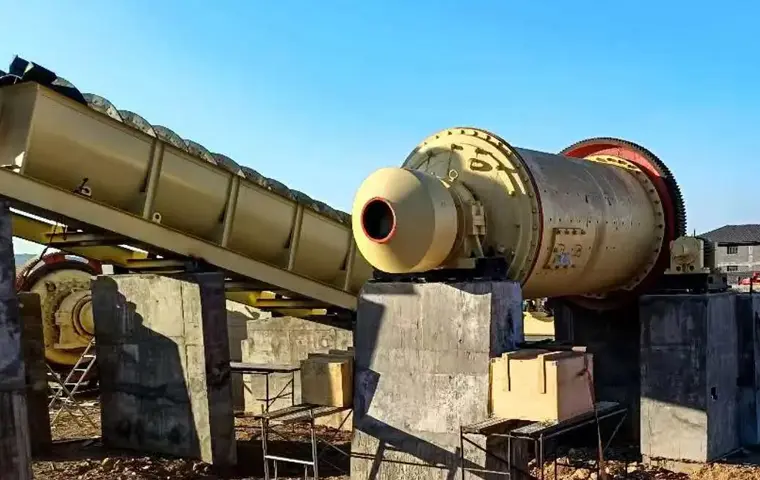
Ruda surowa: Ruda złota typu tlenkowego Stopień złota: 2,5 g/t Czystość sztabki złota: 96%
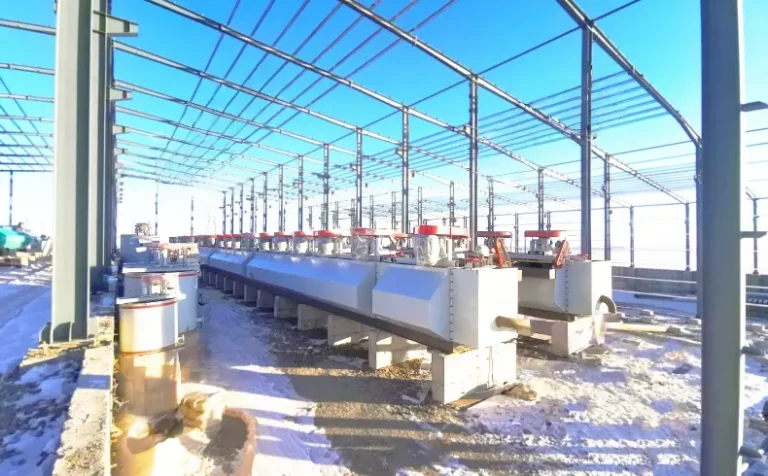
Surowiec: Ruda miedzi siarczkowa Stopień miedzi: 0,85% Produkt końcowy: Koncentrat miedzi
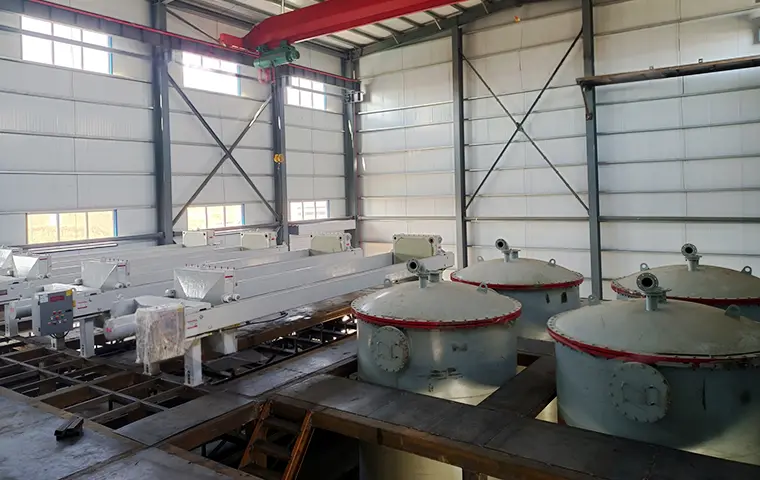
Surowa Ruda: Srebro-Polimetaliczne Ruda Siarczkowa (zawierająca Ag, Pb, Zn) Zawartość Srebra: 180 g/t Zawartość Ołowiu: 4,2% Zawartość Cynku: 5,8%
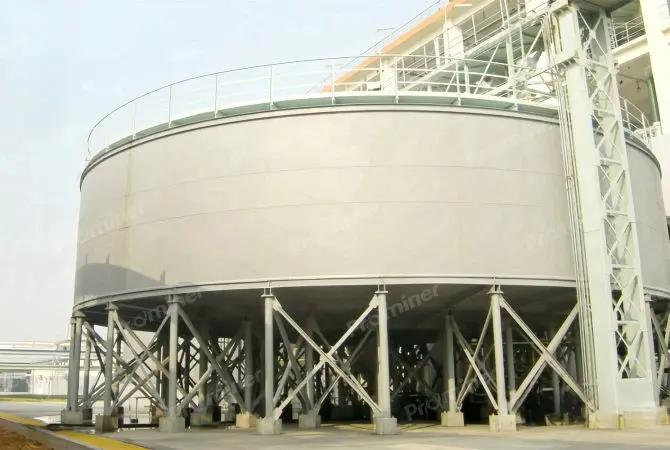
Prominer może dostarczyć różne rodzaje zagęszczaczy, w tym zagęszczacz z napędem centralnym, zagęszczacz z napędem obwodowym
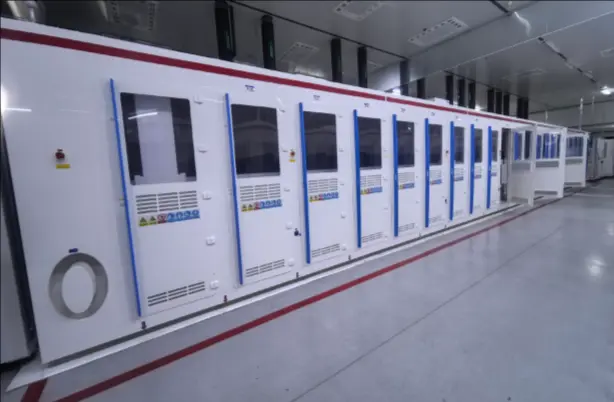
W skład wchodzi: sprzęt do teksturyzacji monokryształów w partiach, ładowarka/rozładowarka do teksturyzacji partii, niskie ciśnienie…
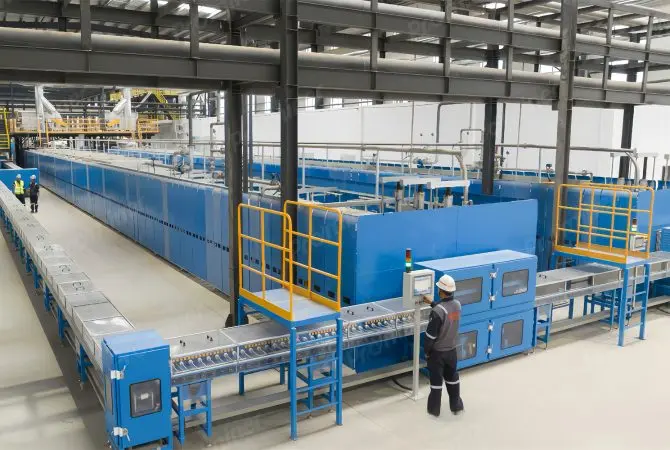
Możemy dostarczyć kompleksowe rozwiązanie dla systemu obróbki karbonizacyjnej w wysokiej temperaturze
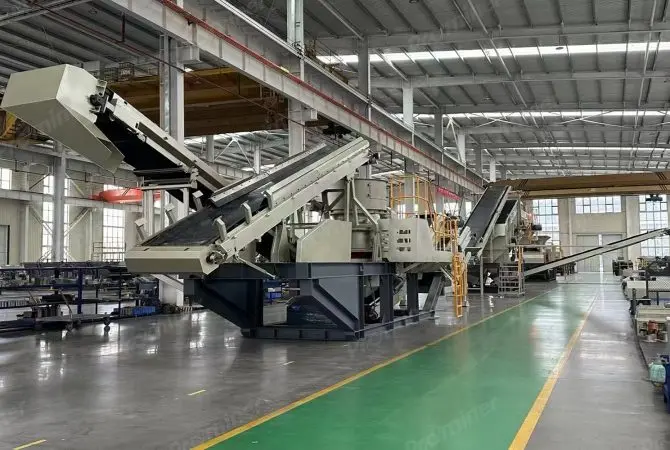
Mobilny kruszarka na podwoziu, oparty na wymaganiach rynku dotyczących łatwiejszego przemieszczania się z jednego miejsca
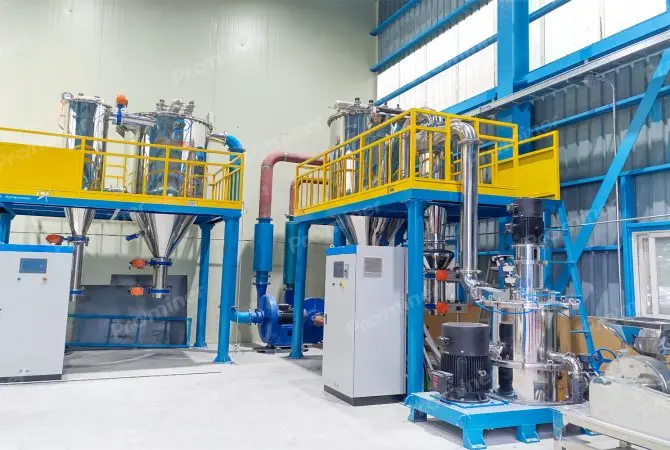
Nasza młyn uderzeniowy to wysokowydajny mechaniczny młyn do ultradrobnego mielenia i głównie
Aby dowiedzieć się więcej o naszych produktach i rozwiązaniach, prosimy o wypełnienie poniższego formularza, a jeden z naszych ekspertów skontaktuje się z Tobą wkrótce
Projekt flotacji złota 3000 TPD w prowincji Shandong
Flotacja rudy litu 2500 TPD w Syczuanie
Faks: (+86) 021-60870195
Adres:Nr 2555, Xiupu Road, Pudong, Szanghaj
Prawa autorskie © 2023.Prominer (Shanghai) Mining Technology Co., Ltd.