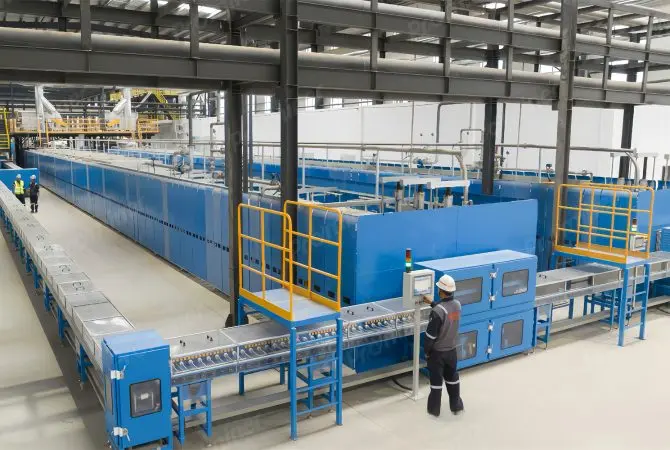
แร่ที่รู้จักกันดีที่สุดในกลุ่มแร่ที่เกิดจากภายนอกคือทองคำจากตะกอนซึ่งเรียกว่าทองคำพลาซ่า ทองคำจากตะกอนหมายถึง




กราไฟต์เป็นแร่ธาตุอุตสาหกรรมที่หลากหลาย ใช้ในแบตเตอรี่ วัสดุกันความร้อน น้ำมันหล่อลื่น และวัสดุขั้นสูง อย่างไรก็ตาม ไม่ใช่กราไฟต์ทุกชนิดเหมือนกัน รูปร่างทางธรณีวิทยาที่กราไฟต์ปรากฏอยู่—เป็นผลึก (แผ่นหรือสายแร่) หรือเป็นผลึกจำนวนน้อย (ไม่มีรูปร่างชัดเจน)—ส่งผลโดยตรงต่อวิธีการแปรรูปที่ต้องใช้ การเข้าใจความแตกต่างเหล่านี้เป็นสิ่งสำคัญเพื่อออกแบบขั้นตอนการแปรรูปให้มีประสิทธิภาพและเพื่อให้ได้คุณภาพผลิตภัณฑ์สูงสุด
ด้านล่างนี้ เราได้สำรวจว่าลักษณะของแร่มีผลต่อกลยุทธ์ในการประมวลผลอย่างไร
กราไฟต์ผลึกโดยปกติจะเกิดเป็นแผ่นหรือสายแร่ที่มีลักษณะสมบูรณ์ภายในหินเมทามอร์ฟ เช่น หินสวิชและหินเกไนส์ ขนาดแผ่นอาจมีตั้งแต่ละเอียดจนถึงหยาบ การรักษาความสมบูรณ์ของแผ่นเป็นเป้าหมายหลักในการกระบวนการแปรรูปเสมอ เพราะแผ่นขนาดใหญ่จะมีมูลค่าทางการตลาดสูงขึ้น
แกรไฟท์คริปโตคริสٹัลไลน์ ซึ่งมักเรียกว่ากราไฟต์ไม่เป็นระเบียบ ประกอบด้วยอนุภาคกราไฟต์ที่ละเอียดมากกระจายอยู่ในหินตะกอนหรือหินเมทามอร์ฟิกเกรดต่ำ ถึงแม้จะชื่อเช่นนั้น แต่ยังคงเป็นผลึกในระดับจุลทรรศน์ แต่โครงสร้างผลึกมีขนาดเล็กเกินกว่าจะมองเห็นด้วยตาเปล่า
ความแตกต่างทางโครงสร้างเหล่านี้ส่งผลกระทบต่อพฤติกรรมการปลดปล่อยในกระบวนการบดและขัดอย่างมีนัยสำคัญ
ในแร่กราไฟต์แบบผลึก (แผ่น), แผ่นกราไฟต์มักจะเจริญร่วมกับแร่กลุ่มซิลิเกต เกปาเป้าหมายสำคัญคือการปลดปล่อยแผ่นโดยไม่ลดขนาดมากเกินไป การบดเกินจะลดขนาดแผ่นและลดมูลค่าของผลิตภัณฑ์
ผลลัพธ์คือ กระบวนการไหลโดยทั่วไปมักประกอบด้วย:
เป้าหมายคือการปลดปล่อยกราไฟต์อย่างค่อยเป็นค่อยไปในขณะที่รักษาขนาดเกล็ดไว้
ในทางตรงกันข้าม กราฟiteคริโครัสตัลลีนมีเม็ดละเอียดอยู่แล้วและเกี่ยวข้องอย่างใกล้ชิดกับแร่ปนเปื้อน การปลดปล่อยมักต้องการการบดที่เข้มข้นมากขึ้น เนื่องจากมูลค่าของผลิตภัณฑ์ไม่ได้ขึ้นอยู่กับขนาดของเกล็ด การบดให้ละเอียดขึ้นจึงไม่มีค่าปรับทางเศรษฐกิจเท่าเดิม
กระบวนการลอยตัวฟองเป็นวิธีการเพิ่มมูลสำคัญสำหรับกราไฟต์แบบผลึก ความไม่ชอบน้ำตามธรรมชาติของกราไฟต์ทำให้มันสามารถลอยตัวได้อย่างง่ายดายโดยไม่ต้องใช้สารเคมีซับซ้อน
แผนผังกระบวนการแบบทั่วไปประกอบด้วย:
สารเข้มข้นเกรดสูง (คาร์บอน 90–97%) สามารถทำได้โดยการทำความสะอาดซ้ำ ๆ โดยคงเสถียรภาพของแผ่นขนานให้น้อยที่สุด
แรographite คริสต์อลไลน์ มักมีคุณภาพต่ำกว่าและอาจไม่คุ้มค่ากับวงจรลอยแยกหลายขั้นตอน ขึ้นอยู่กับแหล่งแร่ การดำเนินการอาจรวมถึง:
ในบางกรณี แร่ถูกคัดแยกด้วยมือหรือขุดเจาะเป็นพิเศษ เนื่องจากมีปริมาณคาร์บอนในธรรมชาติค่อนข้างสูง
สำหรับการใช้งานเทคโนโลยีสูง เช่น แอโนดของแบตเตอรี่ลิเธียมไอออน ความบริสุทธิ์ของกราไฟท์ต้องเกิน 99.9% คาร์บอน
กราไฟต์เกล็ดผลึกโมเลกุลมักถูกนำไปผ่านกระบวนการทำให้บริสุทธิ์เพิ่มเติม เช่น:
กรีไฟต์คริโคลัสเทลิน คาร์บอน ซึ่งมีขนาดอนุภาคละเอียดและการกระจายของสิ่งเจือปนที่ซับซ้อน อาจมีความท้าทายและต้นทุนสูงขึ้นในการทำความบริสุทธิ์ให้ได้ระดับความบริสุทธิ์สูงสุด ดังนั้น จึงมักใช้งานในอุตสาหกรรมอิฐทนไฟ ผิวเทาทะลายร้อน และจาระบี มากกว่าการใช้งานในแบตเตอรี่
ประเภทแร่มีผลโดยตรงต่อ:
กระบวนการผลิตกรีไฟต์แบบเกล็ดผลึกมักต้องใช้วงจรลอยแพที่ซับซ้อนมากขึ้น แต่ให้ผลผลิตที่มีมูลค่าสูงกว่า การรักษาขนาดเกล็ดเป็นสิ่งสำคัญต่อการคงความสามารถในการทำกำไร
การดำเนินงานของกราฟไฟต์คริสตัลไลน์อาจเกี่ยวข้องกับกระบวนการที่ง่ายกว่าแต่บ่อยครั้งที่มุ่งเน้นตลาดที่มีกำไรต่ำกว่า เศรษฐศาสตร์ขึ้นอยู่กับเกรดของแหล่งแร่และความใกล้ชิดกับผู้ใช้ปลายทางเป็นอย่างมาก
ความแตกต่างพื้นฐานระหว่างแร่กราไฟต์ผลึกผลึกและผลึกจุลผลึกกำหนดปรัชญาการแปรรูปที่แตกต่างกันโดยสิ้นเชิง
ในกระบวนการผลิตกราฟไฟต์ ธรณีวิทยาคือชะตากรรม แผนการดำเนินงานที่ดีเริ่มต้นไม่อยู่ในโรงงาน แต่อยู่ที่ความเข้าใจลึกซึ้งเกี่ยวกับแร่ในตัวมันเอง
ลักษณะของแร่มีความแตกต่างกันอย่างมากแม้ในแร่ก้อนเดียวกัน การทดสอบจากผู้เชี่ยวชาญ (เช่น การวิเคราะห์ทางเคมี, XRD และ SEM) จะช่วยให้แน่ใจว่าแผนภาพการไหลได้รับการปรับให้เหมาะสมสำหรับเกรดแร่และขนาดการปล่อยที่เฉพาะเจาะจงของคุณ ซึ่งจะป้องกันการไม่ตรงกันของอุปกรณ์ที่อาจมีค่าใช้จ่ายสูงและรับประกันอัตราการฟื้นฟูที่สูงที่สุดเท่าที่จะเป็นไปได้สำหรับโครงการของคุณ
A: We maintain a permanent stock of core wear parts (such as crusher liners, screen meshes, and grinding media). For international clients, we provide a recommended “2-year spare parts list” with the initial purchase. Technical support is available 24/7 via remote video, and site visits can be arranged for complex maintenance needs.
A: ใช่ เราส่งทีมวิศวกรเครื่องกลและไฟฟ้าระดับสูงไปยังสถานที่เพื่อดูแลการติดตั้ง การเริ่มต้นใช้งาน และการทดสอบโหลดของอุปกรณ์ นอกจากนี้เรายังมีการฝึกอบรมที่ครอบคลุมสำหรับผู้ปฏิบัติงานท้องถิ่นของคุณเพื่อให้แน่ใจว่าการดำเนินงานในระยะยาวเป็นไปอย่างราบรื่น
A: แน่นอน เราเชี่ยวชาญในการให้บริการ EPCM (วิศวกรรม, การจัดซื้อ, การจัดการก่อสร้าง) ซึ่งรวมถึงทุกอย่างตั้งแต่การทดสอบแร่เริ่มต้นและการออกแบบเหมืองไปจนถึงการผลิตอุปกรณ์, การขนส่ง, และการรวมโรงงานในขนาดเต็ม ทำให้มั่นใจได้ว่าจะมีการเปลี่ยนผ่านที่ไร้รอยต่อจากพื้นที่ก่อสร้างใหม่ไปสู่การผลิต
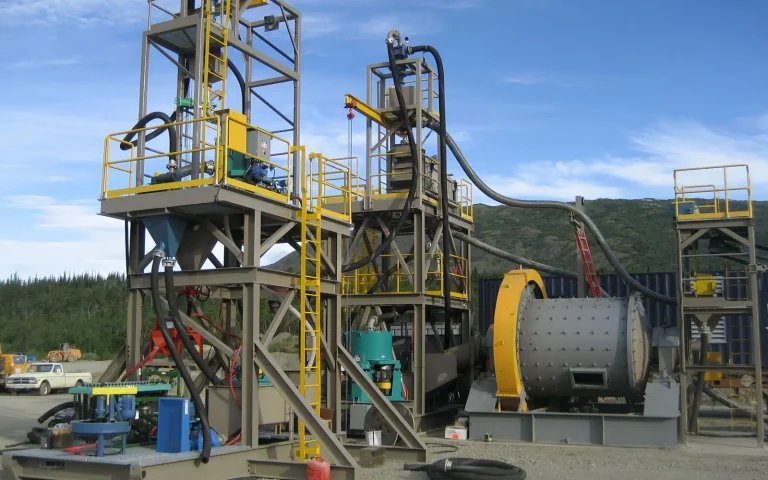
แร่ที่รู้จักกันดีที่สุดในกลุ่มแร่ที่เกิดจากภายนอกคือทองคำจากตะกอนซึ่งเรียกว่าทองคำพลาซ่า ทองคำจากตะกอนหมายถึง
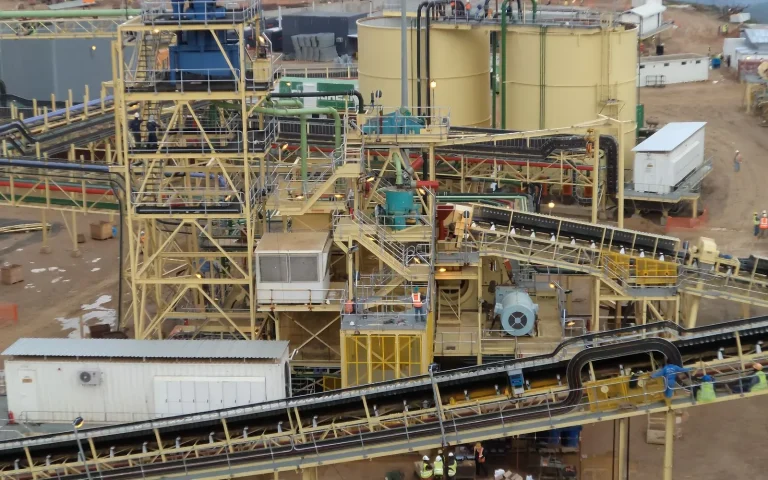
จัดหาอุปกรณ์สำคัญในการขั้นตอนการแยกแร่ทองคำ เช่น ระบบ CIL/CIP, เซลล์ฟลอเตชัน…

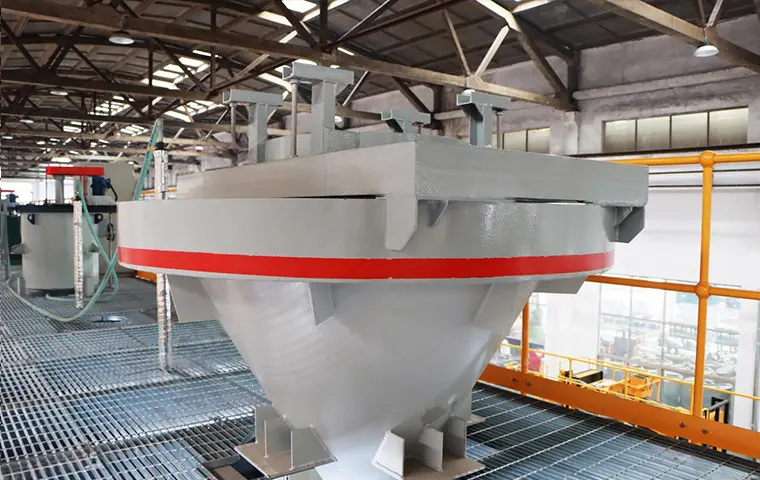
แร่ดิบ: แร่ทองคำประเภทซัลไฟด์ เกรดทอง: 3.5 กรัม/ตัน ผลิตภัณฑ์สุดท้าย: ทองคำแท่ง อัตราการกู้คืนทองคำ: 96%
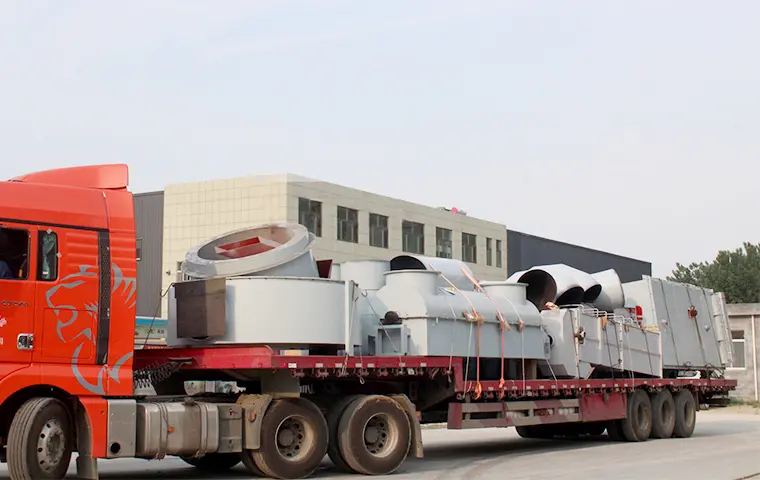
วัสดุดิบ: แร่ควอตซ์ ประเภทโครงการ: การจัดหาและติดตั้งอุปกรณ์
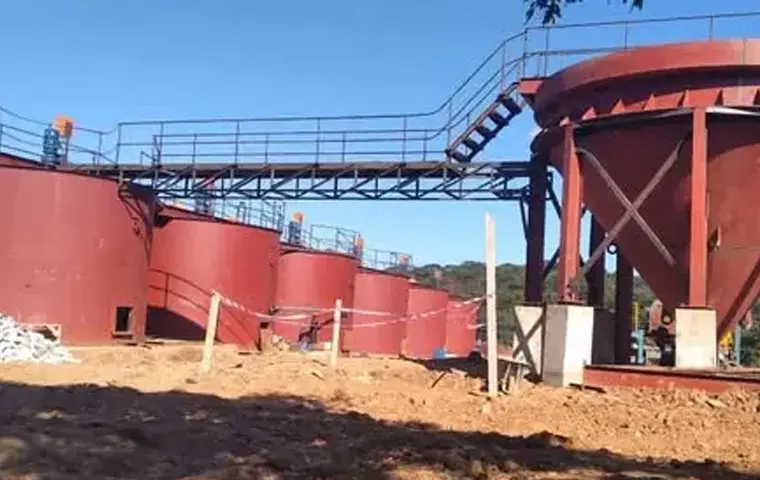
แร่ดิบ: แร่ทองคำออกซิไดซ์ที่อุดมไปด้วยดินเหนียว (มีซัลไฟด์เล็กน้อย) เกรดทองคำ: 2.8 กรัมต่อตัน ความบริสุทธิ์ของแท่งทองคำ: 89.5%
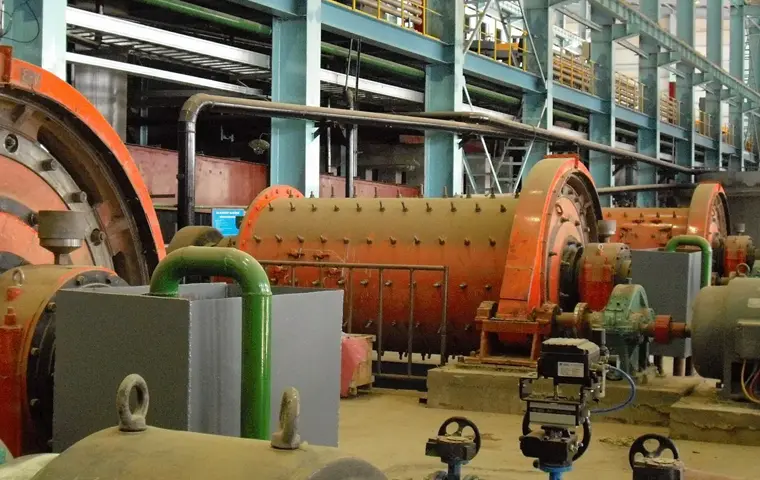
แร่ดิบ: แร่โมลิบดีนัมประเภทซัลไฟด์ (ส่วนใหญ่เป็นโมลิบดีไนต์) เกรดโมลิบดีนัม: 0.15% เกรดผลิตภัณฑ์: 45% Mo
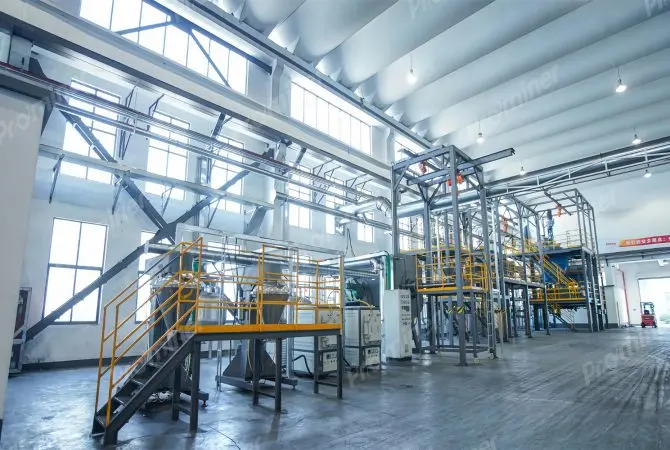
วัตถุดิบ: โค้กเข็มและปิโตรเลียมโค้ก กำลังการผลิตโครงการ: 50 กิโลกรัมต่อชั่วโมง
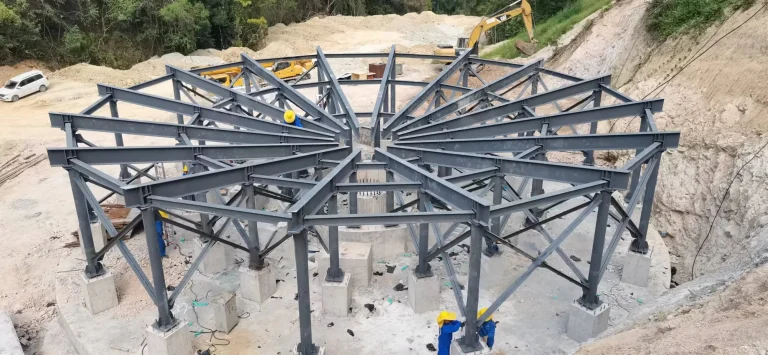
วัตถุดิบ: แร่ฟลูออไรต์ (CaF₂) เกรดฟลูออไรต์: 35-40% เกรดคอนเซนเทรต: ≥97% CaF₂
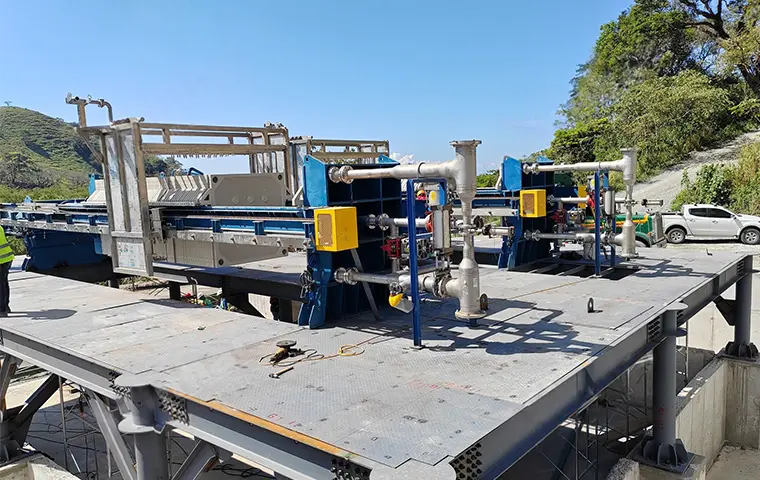
แร่ดิบ: แร่ทองคำออกไซด์และแร่ทองคำประเภทเปลี่ยนแปลง เกรดทอง: 3.5 กรัม/ตัน อัตราการกู้คืนทอง: 93%
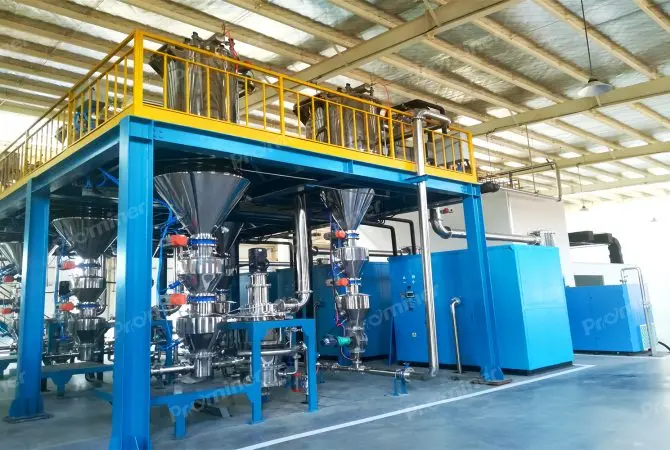
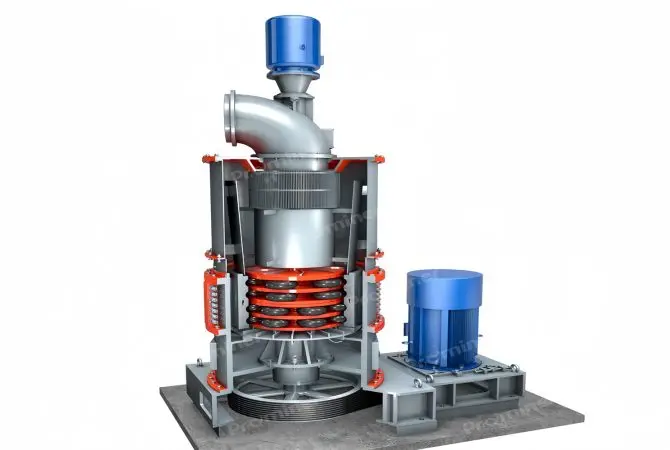
เจ็ทมิลล์ยังเรียกว่ามิลล์แบบฟลูอิไดซ์เบด โดยใช้หัวฉีดหลายตัวเพื่อสร้างการไหลของอากาศที่ความเร็วเสียง
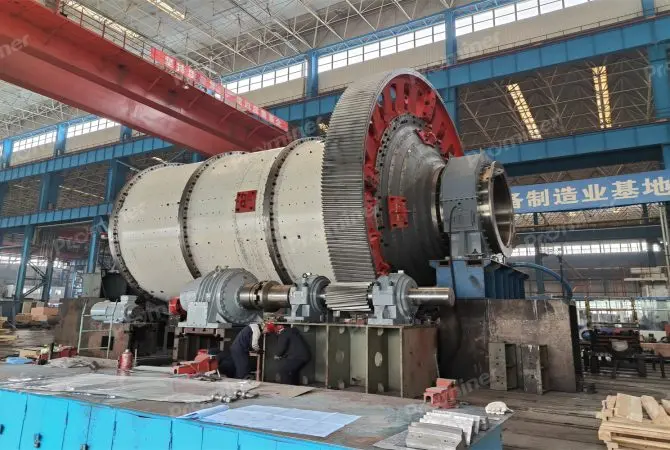
เราสามารถออกแบบและผลิตโรงสีบอลแบบตะแกรงสำหรับการบดแร่เบื้องต้น
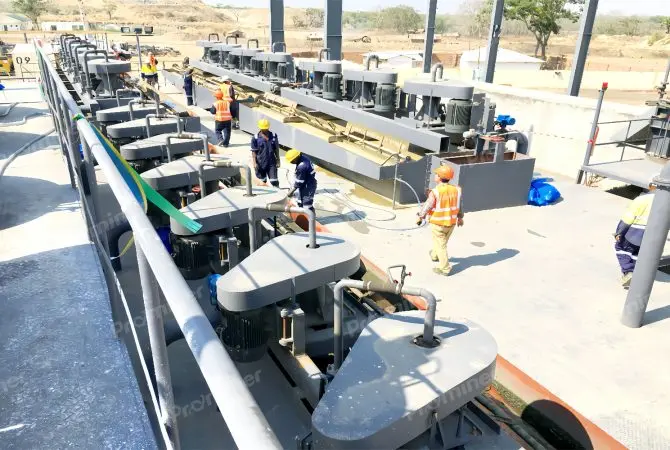
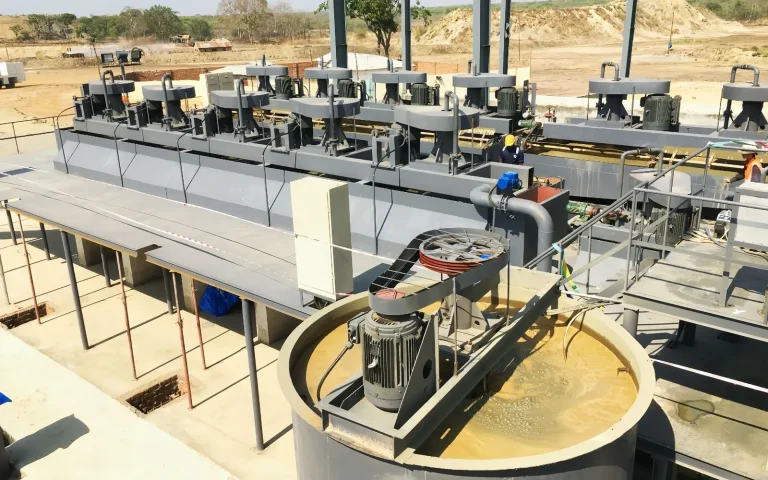
Prominer สามารถจัดหาเครื่องฟลอเทชั่นแบบดูดตัวเองซีรีส์ SF และเซลล์ฟลอเทชั่นแบบนิวเมติกซีรีส์ XCF/KYF
หากต้องการทราบข้อมูลเพิ่มเติมเกี่ยวกับผลิตภัณฑ์และโซลูชันของเรา โปรดกรอกแบบฟอร์มด้านล่างและผู้เชี่ยวชาญของเราจะติดต่อกลับหาคุณในไม่ช้า
โครงการฟลอทเตชั่นทองคำ 3000 TPD ในมณฑลซานตง
ฟลอทเตชั่นแร่ลิเธียม 2500 TPD ในเสฉวน
Fax: (+86) 021-58779592
ที่อยู่: ห้อง 606 อาคาร D3 เฟส II ศูนย์ธุรกิจฉวนซา 777 ถนนหลง เมียโอฉวน ถัง เขตผู่ตงใหม่ เซี่ยงไฮ้ ประเทศจีน
ลิขสิทธิ์ © 2023. บริษัท โปรมิเนอร์ (เซี่ยงไฮ้) ไมนิ่ง เทคโนโลยี จำกัด