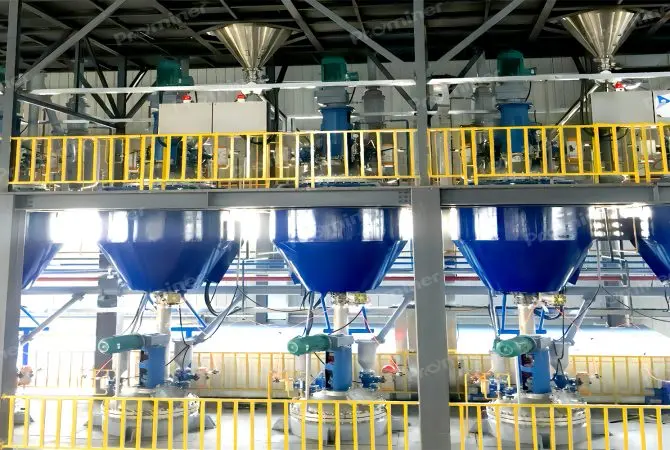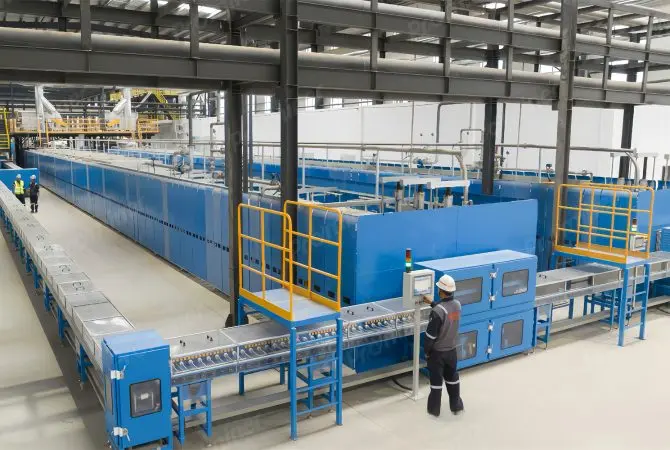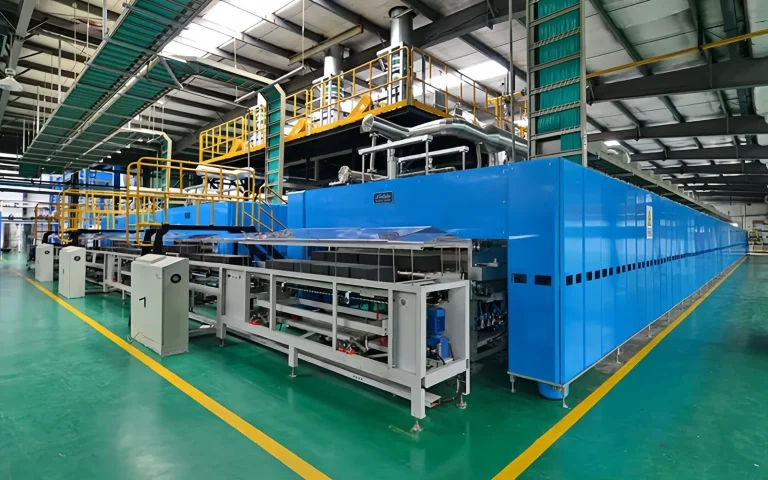
วัสดุแอโนดกราไฟต์เทียมทำมาจากโค้กปิโตรเลียมที่มีคุณภาพสูงและมีซัลเฟอร์ต่ำ




แร่ซัลไฟด์ทองแดงดีบุกสังกะสี (Cu-Pb-Zn) เป็นแหล่งแร่พอลิมาเทลลิกที่พบได้บ่อยและมีคุณค่าทางเศรษฐกิจสูง เนื่องจากโลหะเหล่านี้มักปรากฏร่วมกันในเฟสแร่ที่มีความสัมพันธ์กันอย่างใกล้ชิด เช่น คาล์โคไพรต์ (CuFeS₂), กาเลนา (PbS), และ สฟาแลไรต์ (ZnS) การแยกแร่เหล่านี้จึงอาจเป็นเรื่องที่ท้าทายด้านเทคนิค
การลอยแบบเลือกเฟ้นเป็นวิธีที่นิยมและมีประสิทธิภาพมากที่สุดในการแยกแร่ซัลไฟด์เหล่านี้ บทความนี้อธิบายหลักการ กระบวนการ การใช้งานสารเคมี และปัจจัยสำคัญในการดำเนินงานเพื่อแยกแร่ทองแดง ตะกั่ว และสังกะสีออกจากแร่ซัลไฟด์อย่างประสบความสำเร็จ
ก่อนออกแบบกระบวนการลอยตัว จำเป็นต้องดำเนินการศึกษาทางธรณีเคมีอย่างละเอียด ประเด็นสำคัญได้แก่:
ทองแดงมักมีอยู่ในรูปแบบ:
ตะกั่วเกิดขึ้นส่วนใหญ่อย่างไร:
สังกะสีมักปรากฏเป็น:
เนื่องจากกลีนาและแชลโคปีไรต์มีความลอยตัวที่คล้ายคลึงกัน และสเปลนาไทต์สามารถถูกกระตุ้นโดยไอออนทองแดง การแยกแบบเลือกสรรจึงต้องการการควบคุมสารเคมีที่แม่นยำ
การลอยแบบเลือกทำงานโดย:
กระบวนการแยกขึ้นอยู่กับความแตกต่างทางเคมีผิวซึ่งถูกปรับแต่งด้วยสารเคมีลอยตัว เช่น:
กลยุทธ์กระบวนการที่พบมากที่สุดคือ การลอยตามลำดับโดยทั่วไปแล้วในลำดับนี้:
อย่างไรก็ตาม ในพืชหลายชนิด, การลอยตัวแบบกลุ่มของ Cu-Pb ตามด้วยการแยกfromนั้น การลอยตัวของสังกะสี (Zn) จะเป็นที่นิยม.
แร่ถูกบดและบดละเอียดเพื่อปลดปล่อยแร่ที่มีคุณค่าออกจากหินปนเปื้อน การปลดปล่อยอย่างเหมาะสมเป็นสิ่งสำคัญสำหรับการแยกแยะที่มีประสิทธิภาพ
ในหลายกระบวนการ เหล็กและตะกั่วจะถูกลอยขึ้นพร้อมกันเป็นสารละลายรวม
สารเคมีที่ใช้:
ซิงค์และกำมะถันเหล็กถูกลดระดับลงในระยะนี้ โดยใช้:
หลังจากได้รับแร่รวม Cu-Pb แล้ว การลอยแร่แบบเลือกใช้เพื่อแยกแร่ทั้งสองชนิด
ตัวเลือก A: จมูกเส้นนำ, ลอยทองแดง
ทองแดงลอยอยู่ในขณะที่แกลนารีถูกดันจมหายไป
ตัวเลือก B: ดาวน์คัปเปอร์, ลอยตะกั่ว
ทางเลือกขึ้นอยู่กับลักษณะทางแร่ธาตุ ข้อจำกัดด้านสิ่งแวดล้อม และความพร้อมของสารเร่งปฏิกิริยา
หลังจากที่นำทองแดงและตะกั่วออก Zinc จะถูกกู้คืนจากกากแร่
เนื่องจากซฟาเลไรต์มักจะถูกลดระดับในระยะต้น จึงต้องทำให้มันมีการเปิดใช้งานก่อนการลอยตัว
การเปิดใช้งาน
ตัวสะสม:
การควบคุมค่า pH:
ความสำเร็จในการลอยแยกอย่างแม่นยำขึ้นอยู่กับการควบคุมที่แม่นยำของ:
ระบบเฝ้าระวังออนไลน์และระบบเติมสารเคมีอัตโนมัติเป็นที่นิยมใช้ในโรงงานสมัยใหม่เพื่อรักษาเสถียรภาพ
ปัญหา: ไอออนทองแดงที่ละลายแล้วกระตุ้นให้สังกะสีทำงานก่อนเวลา
วิธีแก้ไข:
ปัญหา: การปลดปล่อยที่ต่ำทำให้ความสามารถในการคัดเลือกลดลง
วิธีแก้ไข:
ปัญหา: ปฏิกิริยาการลอยตัวลดลง
วิธีแก้ไข:
ปัญหา: การใช้ไซยาไนด์และไดโครเมตมีข้อจำกัด
วิธีแก้ไข:
แม้ว่าแผนผังลำไหลจะแตกต่างกัน แต่กลยุทธ์ที่เป็นที่นิยมและได้ผลคือ:
การทดสอบนำร่องเป็นสิ่งที่แนะนำอย่างยิ่งก่อนที่จะสรุปการออกแบบกระบวนการ เนื่องจากแต่ละก้อนแร่มีพฤติกรรมที่แตกต่างกัน
การแยกทองแดง ตะกั่ว และสังกะสีออกจากแร่ซัลไฟด์โดยใช้การลอยแบบเลือกทำให้ต้องมีแบบไหลเวียนที่ออกแบบมาอย่างดี การเลือกสารเคมีที่เหมาะสม และการควบคุมกระบวนการอย่างแม่นยำ สิ่งสำคัญอยู่ที่การปรับเปลี่ยนเคมีบนพื้นผิวแร่เพื่อให้สามารถลอยแร่อย่างเลือกได้อย่างเฉพาะเจาะจง ในขณะที่ยับยั้งแร่ชนิดอื่น
ด้วยการวิเคราะห์ทางแร่ธาตุอย่างถูกต้อง การทดสอบในห้องปฏิบัติการ และแผนการใช้สารเคมีที่เหมาะสม สามารถผลิตแร่ทองแดง ตะกั่ว และสังกะสีคุณภาพสูงได้อย่างมีประสิทธิภาพ ช่วยเพิ่มการกู้คืนโลหะและผลตอบแทนทางเศรษฐกิจสูงสุด
ลักษณะของแร่มีความแตกต่างกันอย่างมากแม้ในแร่ก้อนเดียวกัน การทดสอบจากผู้เชี่ยวชาญ (เช่น การวิเคราะห์ทางเคมี, XRD และ SEM) จะช่วยให้แน่ใจว่าแผนภาพการไหลได้รับการปรับให้เหมาะสมสำหรับเกรดแร่และขนาดการปล่อยที่เฉพาะเจาะจงของคุณ ซึ่งจะป้องกันการไม่ตรงกันของอุปกรณ์ที่อาจมีค่าใช้จ่ายสูงและรับประกันอัตราการฟื้นฟูที่สูงที่สุดเท่าที่จะเป็นไปได้สำหรับโครงการของคุณ
A: We maintain a permanent stock of core wear parts (such as crusher liners, screen meshes, and grinding media). For international clients, we provide a recommended “2-year spare parts list” with the initial purchase. Technical support is available 24/7 via remote video, and site visits can be arranged for complex maintenance needs.
A: ใช่ เราส่งทีมวิศวกรเครื่องกลและไฟฟ้าระดับสูงไปยังสถานที่เพื่อดูแลการติดตั้ง การเริ่มต้นใช้งาน และการทดสอบโหลดของอุปกรณ์ นอกจากนี้เรายังมีการฝึกอบรมที่ครอบคลุมสำหรับผู้ปฏิบัติงานท้องถิ่นของคุณเพื่อให้แน่ใจว่าการดำเนินงานในระยะยาวเป็นไปอย่างราบรื่น
A: แน่นอน เราเชี่ยวชาญในการให้บริการ EPCM (วิศวกรรม, การจัดซื้อ, การจัดการก่อสร้าง) ซึ่งรวมถึงทุกอย่างตั้งแต่การทดสอบแร่เริ่มต้นและการออกแบบเหมืองไปจนถึงการผลิตอุปกรณ์, การขนส่ง, และการรวมโรงงานในขนาดเต็ม ทำให้มั่นใจได้ว่าจะมีการเปลี่ยนผ่านที่ไร้รอยต่อจากพื้นที่ก่อสร้างใหม่ไปสู่การผลิต
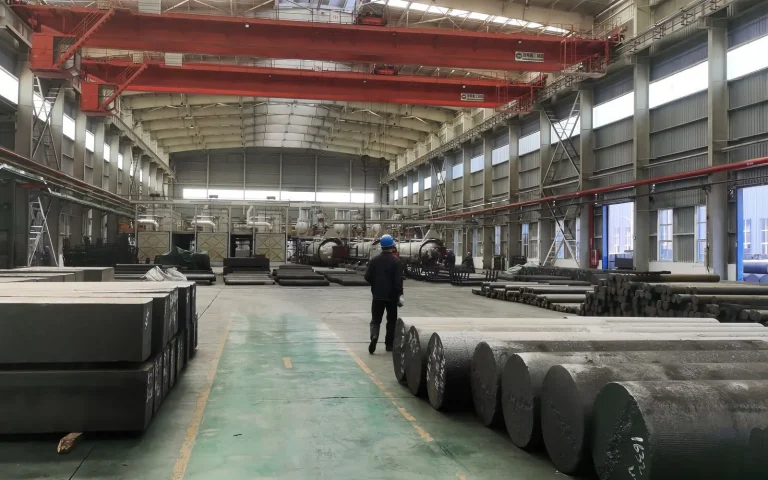
อิเล็กโทรดกราไฟต์ UHP ใช้สำหรับเตาอาร์คไฟฟ้ากำลังสูงพิเศษในอุตสาหกรรมการหลอมเหล็ก
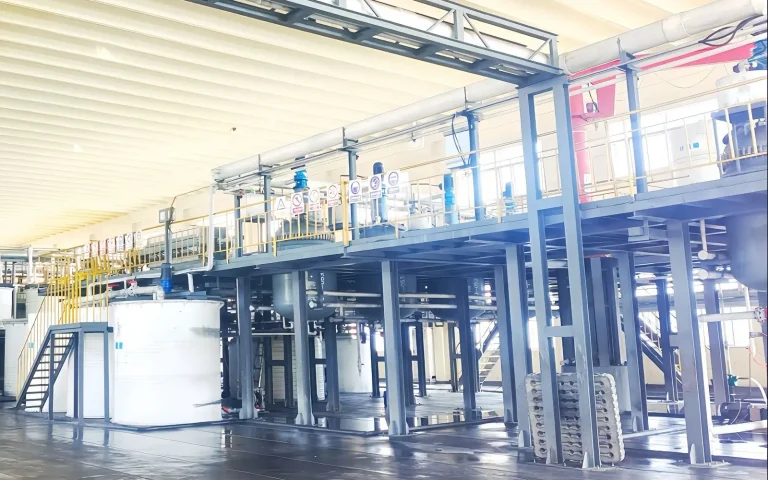
กราไฟต์แบบแผ่นสามารถใช้ผลิตกราไฟต์คาร์บอนสูง, กราไฟต์บริสุทธิ์สูง, กราไฟต์ขยายได้

แร่ดิบ: แร่ทองคำจากตะกอนแม่น้ำ เกรดทองคำ: 0.8 กรัม/ตัน
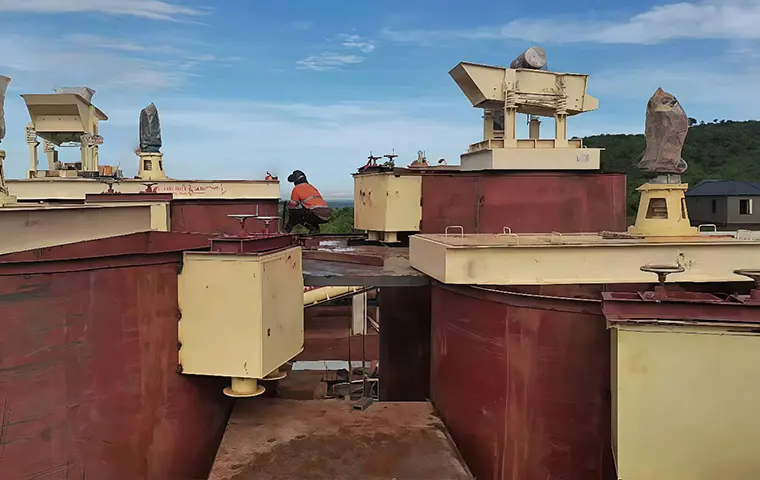
แร่ดิบ: แร่ทองคำชนิดออกไซด์ เกรดทองคำ: 3.5 กรัม/ตัน ความบริสุทธิ์ทองคำแท่ง: 99.5%
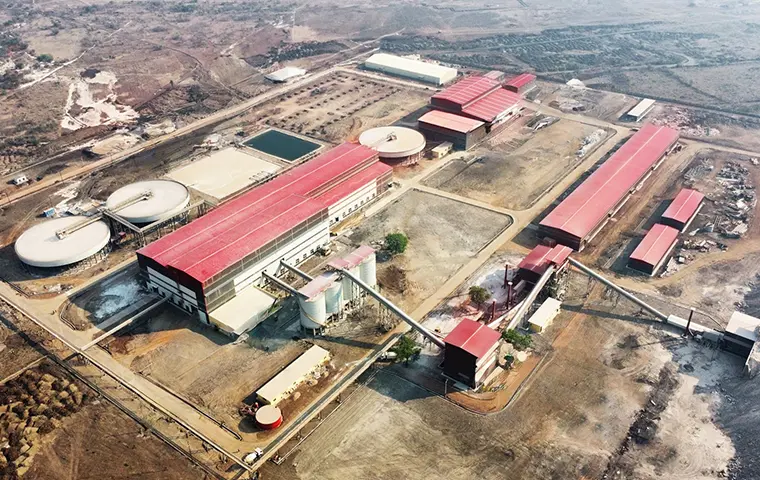
แร่ดิบ: แร่ซัลไฟด์หลายชนิด (Cu, Zn, Au) เกรดแร่: Cu 1.2%, Zn 2.5%, Au 1.5 กรัม/ตัน
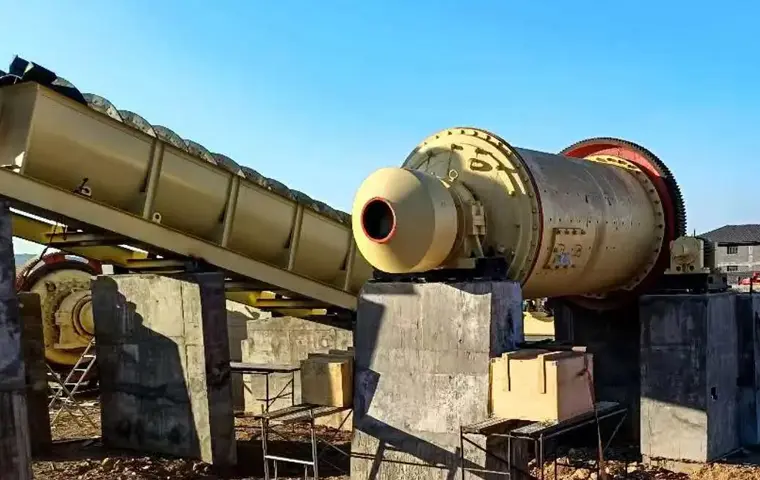
แร่ดิบ: แร่ทองคำชนิดออกไซด์ เกรดทองคำ: 2.5 กรัม/ตัน ความบริสุทธิ์ของทองแท่ง: 96%
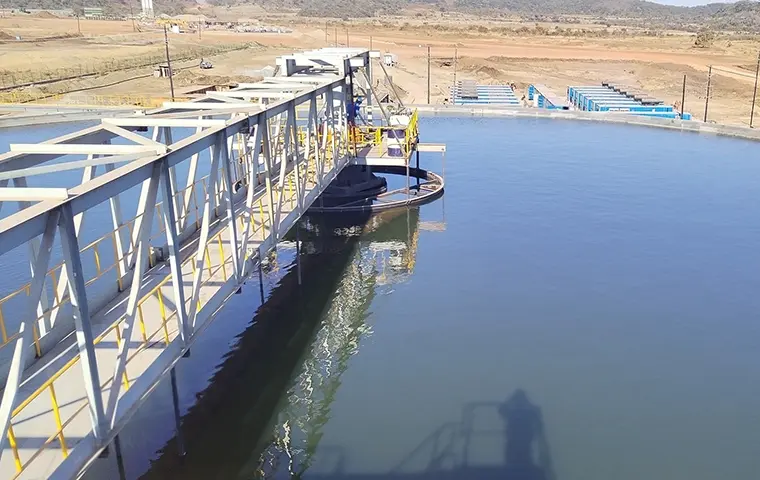
แร่ดิบ: แร่แคลไซต์ CaCO3 เกรด: 85% ผลิตภัณฑ์สุดท้าย: ผงแคลไซต์เคลือบและไม่เคลือบ (325 – 2500 เมช)
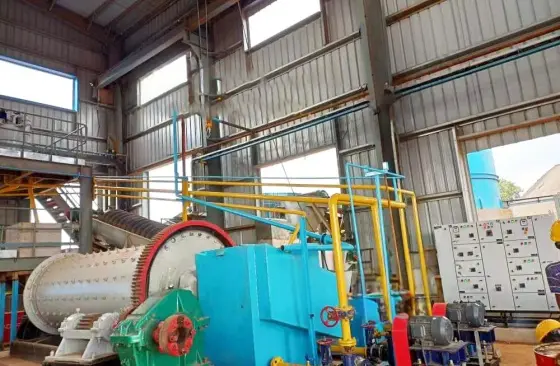
วัตถุดิบ: เถาวัลย์ทองแดงที่ได้จากการฟลอตเตชันแบบซัลไฟด์ คอนแซนเทรตโลหะ: ทองแดง: 0.8% , ทองคำ: 0.3 กรัม/ตัน , เงิน: 5 กรัม/ตัน , เหล็ก: 25%
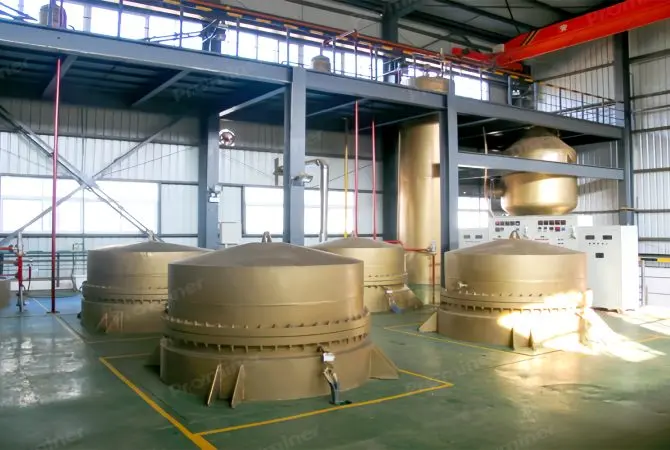
Prominer สามารถออกแบบและจัดหาโรงกลั่นและระบบการหลอมที่สมบูรณ์สำหรับโครงการ CIL ทองคำ
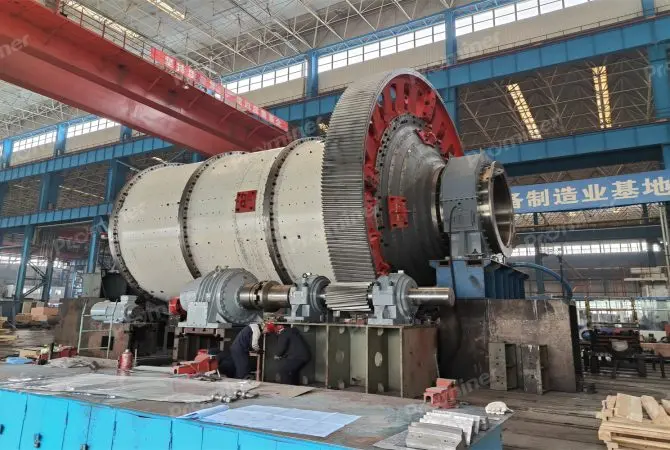
เราสามารถออกแบบและผลิตโรงสีบอลแบบตะแกรงสำหรับการบดแร่เบื้องต้น
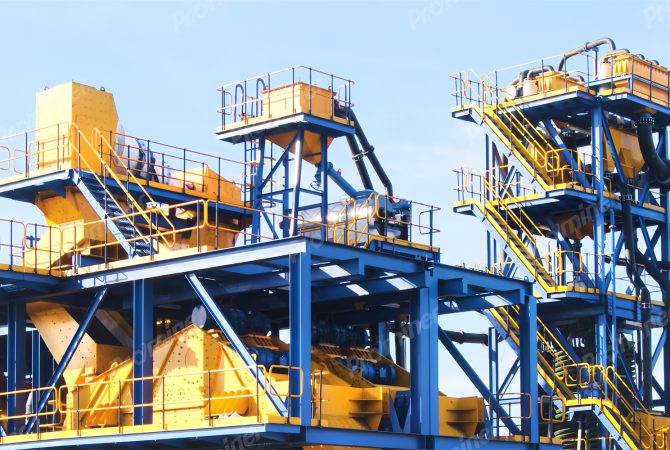
Prominer สามารถจัดหาเครื่องแยกแม่เหล็ก LIMS (เครื่องแยกแม่เหล็กความเข้มต่ำ) ที่แตกต่างกันได้
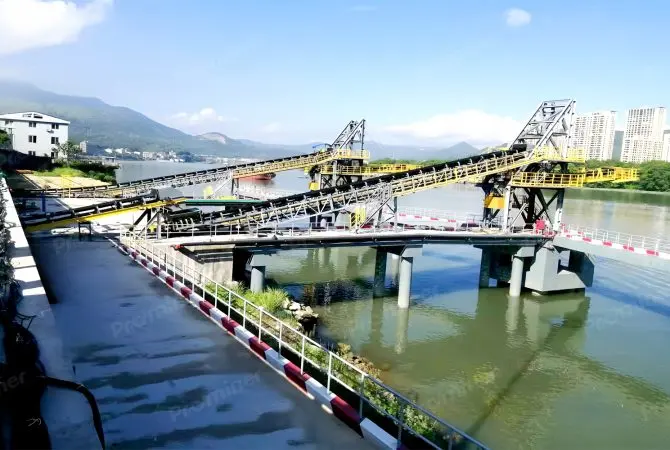
เราสามารถให้โซลูชันของสายพานลำเลียงสำหรับวัตถุประสงค์ที่แตกต่างกัน รวมถึงสายพานลำเลียงที่เอียงสูง
หากต้องการทราบข้อมูลเพิ่มเติมเกี่ยวกับผลิตภัณฑ์และโซลูชันของเรา โปรดกรอกแบบฟอร์มด้านล่างและผู้เชี่ยวชาญของเราจะติดต่อกลับหาคุณในไม่ช้า
โครงการฟลอทเตชั่นทองคำ 3000 TPD ในมณฑลซานตง
ฟลอทเตชั่นแร่ลิเธียม 2500 TPD ในเสฉวน
Fax: (+86) 021-58779592
ที่อยู่: ห้อง 606 อาคาร D3 เฟส II ศูนย์ธุรกิจฉวนซา 777 ถนนหลง เมียโอฉวน ถัง เขตผู่ตงใหม่ เซี่ยงไฮ้ ประเทศจีน
ลิขสิทธิ์ © 2023. บริษัท โปรมิเนอร์ (เซี่ยงไฮ้) ไมนิ่ง เทคโนโลยี จำกัด