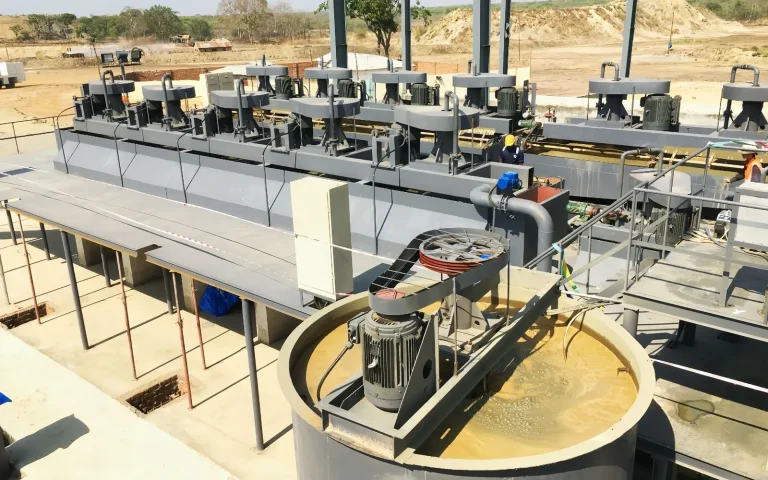
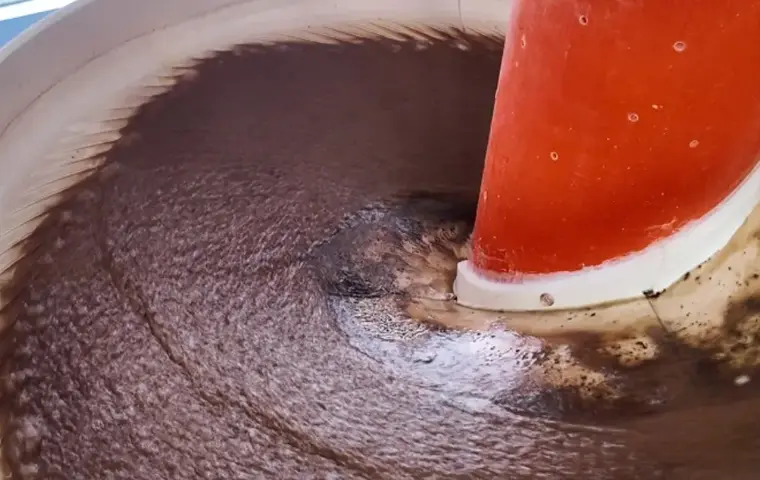
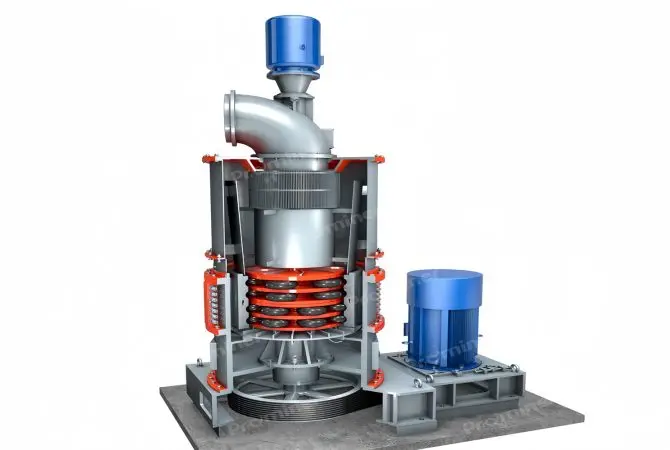
ฟลอทเตชั่นเป็นวิธีการแปรรูปที่ได้รับความนิยมมากที่สุดในโครงการการแปรรูปแร่ทองคำ เนื่องจากกระบวนการฟลอทเตชั่น


/
/
เทคโนโลยีกระบวนการลอยแร่สังกะสีออกไซด์แบบไหนเหมาะสมที่สุดสำหรับเหมืองของคุณ?


การกำหนดเทคโนโลยีการลอยตัวแร่สังกะสีออกไซด์ที่ดีที่สุดสำหรับเหมืองของคุณต้องการความเข้าใจอย่างละเอียดเกี่ยวกับลักษณะเฉพาะของแหล่งแร่ รวมถึงองค์ประกอบของแร่ การกระจายขนาดของอนุภาค คุณสมบัติทางเคมี และสิ่งปนเปื้อนที่เกี่ยวข้อง แร่สังกะสีออกไซด์มีความท้าทายโดยเฉพาะในการประมวลผล เนื่องจากมีการตอบสนองน้อยกว่าวิธีการลอยตัวซัลไฟด์แบบดั้งเดิม มีเทคโนโลยีและวิธีการหลายอย่างที่ใช้สำหรับการลอยตัวแร่สังกะสีออกไซด์ และการเลือกขึ้นอยู่กับลักษณะของแร่และพิจารณาด้านเศรษฐกิจ ด้านล่างนี้เป็นวิธีการลอยตัวที่ใช้กันทั่วไปสำหรับแร่สังกะสีออกไซด์:
ดำเนินการทดสอบแร่ธาตุและโลหะวิทยาอย่างละเอียดกับแร่ของคุณเพื่อตรวจสอบวิธีการตอบสนองต่อวิธีการลอยตัวที่แตกต่างกัน การทดสอบในระดับนำร่องโดยใช้เทคโนโลยีการลอยตัวที่แตกต่างกันเป็นสิ่งสำคัญเพื่อให้ได้ผลลัพธ์ที่ดีที่สุด หากแร่ของคุณไม่สามารถลอยตัวได้เพียงอย่างเดียว ให้พิจารณาการรวมเทคนิคอื่น ๆ เช่น การชะล้างหรือการแยกความโน้มถ่วงเพื่อเพิ่มผลการฟื้นฟู
ให้ฉันรู้หากคุณต้องการความช่วยเหลือเกี่ยวกับเทคนิคการทดสอบเฉพาะหรือคำแนะนำเพิ่มเติม!
ลักษณะของแร่มีความแตกต่างกันอย่างมากแม้ในแร่ก้อนเดียวกัน การทดสอบจากผู้เชี่ยวชาญ (เช่น การวิเคราะห์ทางเคมี, XRD และ SEM) จะช่วยให้แน่ใจว่าแผนภาพการไหลได้รับการปรับให้เหมาะสมสำหรับเกรดแร่และขนาดการปล่อยที่เฉพาะเจาะจงของคุณ ซึ่งจะป้องกันการไม่ตรงกันของอุปกรณ์ที่อาจมีค่าใช้จ่ายสูงและรับประกันอัตราการฟื้นฟูที่สูงที่สุดเท่าที่จะเป็นไปได้สำหรับโครงการของคุณ
A: เรามีสต็อกชิ้นส่วนสึกหรอหลักอย่างถาวร (เช่น แผ่นโม่หิน, ตาข่ายกรอง, และสื่อบด) สำหรับลูกค้าระหว่างประเทศ เราจัดทำ "รายการอะไหล่แนะนำ 2 ปี" พร้อมกับการสั่งซื้อครั้งแรก การสนับสนุนทางเทคนิคมีให้บริการตลอด 24 ชั่วโมงผ่านวิดีโอรีโมต และสามารถจัดการเยี่ยมชมสถานที่สำหรับความต้องการการบำรุงรักษาที่ซับซ้อนได้
A: ใช่ เราส่งทีมวิศวกรเครื่องกลและไฟฟ้าระดับสูงไปยังสถานที่เพื่อดูแลการติดตั้ง การเริ่มต้นใช้งาน และการทดสอบโหลดของอุปกรณ์ นอกจากนี้เรายังมีการฝึกอบรมที่ครอบคลุมสำหรับผู้ปฏิบัติงานท้องถิ่นของคุณเพื่อให้แน่ใจว่าการดำเนินงานในระยะยาวเป็นไปอย่างราบรื่น
A: แน่นอน เราเชี่ยวชาญในการให้บริการ EPCM (วิศวกรรม, การจัดซื้อ, การจัดการก่อสร้าง) ซึ่งรวมถึงทุกอย่างตั้งแต่การทดสอบแร่เริ่มต้นและการออกแบบเหมืองไปจนถึงการผลิตอุปกรณ์, การขนส่ง, และการรวมโรงงานในขนาดเต็ม ทำให้มั่นใจได้ว่าจะมีการเปลี่ยนผ่านที่ไร้รอยต่อจากพื้นที่ก่อสร้างใหม่ไปสู่การผลิต
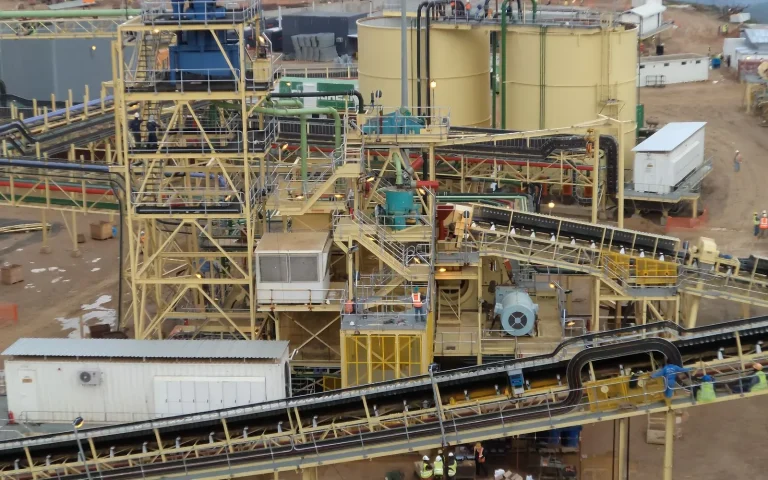
ฟลอทเตชั่นเป็นวิธีการแปรรูปที่ได้รับความนิยมมากที่สุดในโครงการการแปรรูปแร่ทองคำ เนื่องจากกระบวนการฟลอทเตชั่น

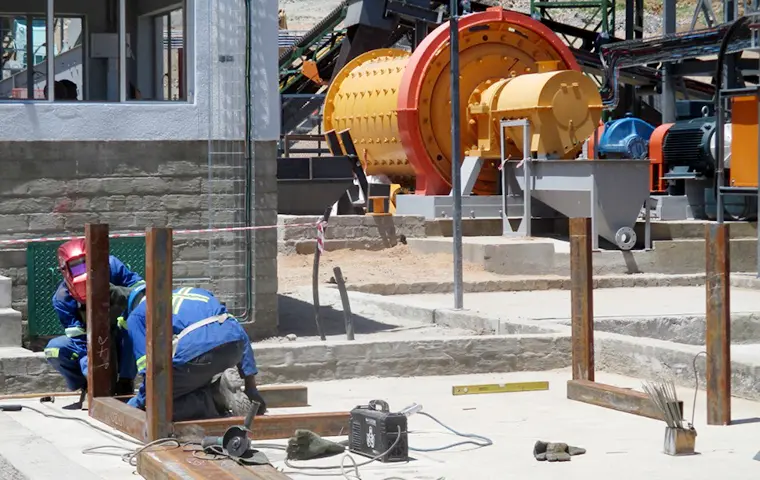
แร่ดิบ: แร่กราไฟต์แบบผลึกเกรดสูง เกรดอาหาร: 18% C เกรดคอนเซนเทรต: 95% C (TGC)
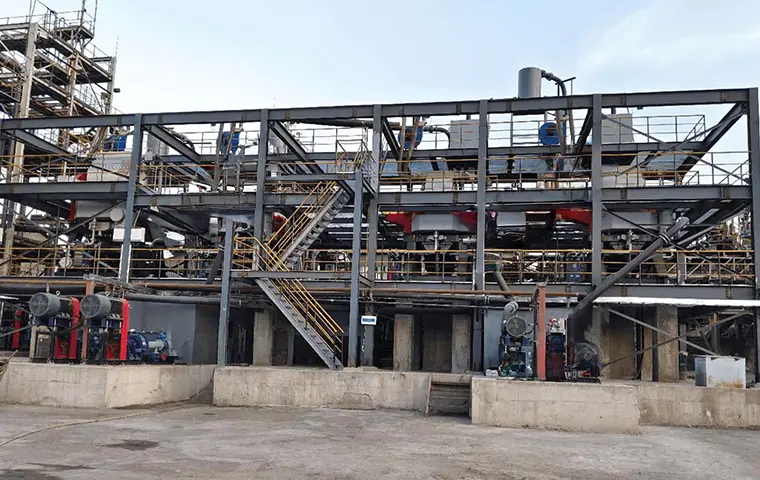
แร่ดิบ: แร่โครเมียมจากแอฟริกาใต้ เกรด Cr₂O₃ ดั้งเดิม: 38% เกรดสารเข้มข้นที่ปรับปรุงแล้ว: 46%
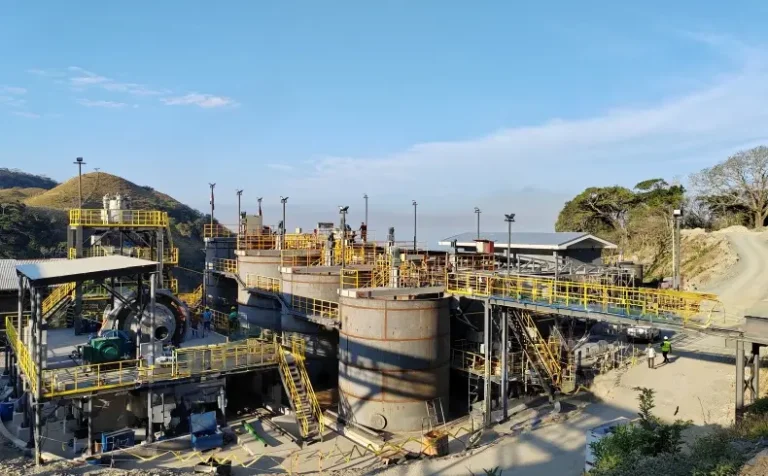
แร่ดิบ: แร่ทองคำซัลไฟด์-ดื้อไฟ (ซัลไฟด์ 25%) ระดับทองคำ: 2.8-4.1 กรัม/ตัน ผลิตภัณฑ์สุดท้าย: แท่งทองคำแท่งบริสุทธิ์ 99.99%
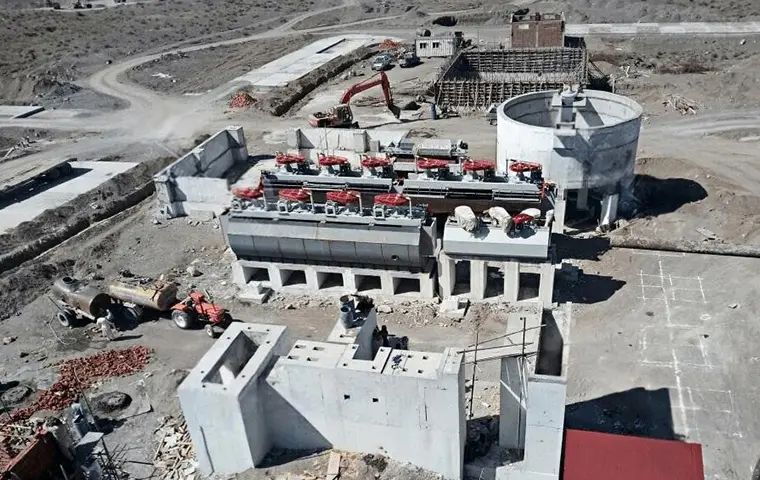
แร่ดิบ: แร่ลิเทอไรต์นิกเกิล-โคบอลต์ (ชั้นลิโมนิทและซาปรอไลต์) เกรดเฉลี่ยของอาหาร: นิกเกิล: 1.2%, โคบอลต์: 0.15%
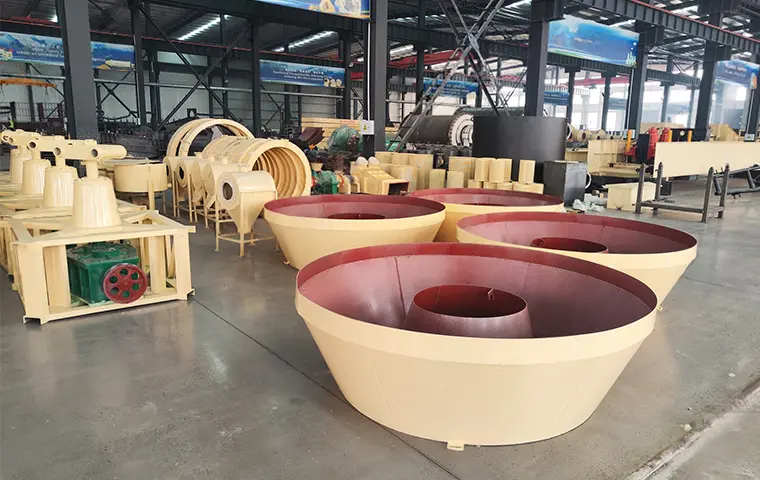
แร่ดิบ: แร่ทองคำจากตะกอน / แร่ทองคำแข็งออกไซด์ (ที่มีทองคำที่บดละเอียดได้) เกรดทองคำ: 2.5 กรัม/ตัน อัตราการกู้คืนทองคำ: > 88%
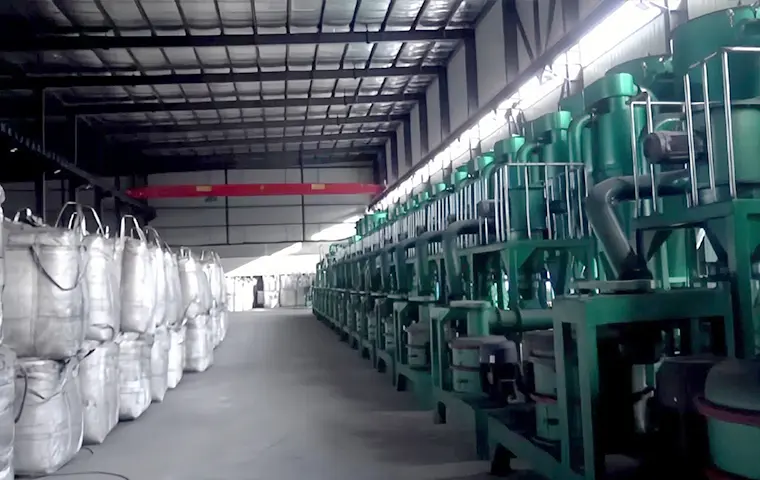
วัตถุดิบ: กราไฟท์บริสุทธิ์สูง (99.95% C) ความสามารถของโครงการ: 10,000 ตันต่อปี
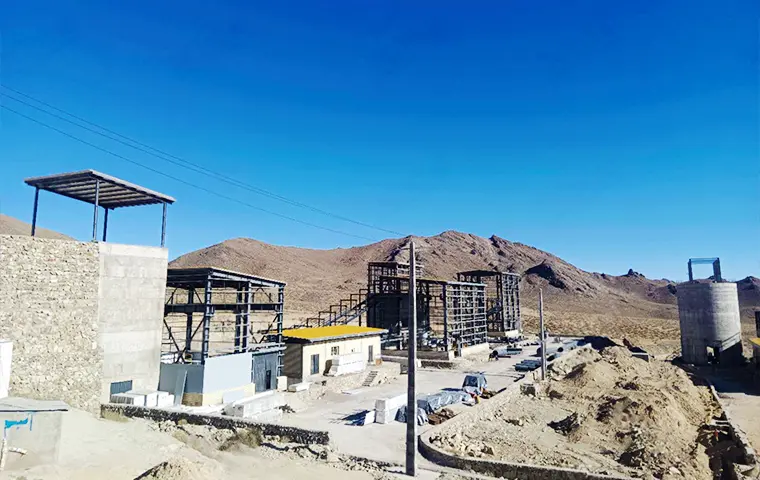
แร่ดิบ: แร่ทองแดงชนิดซัลไฟด์ เกรดทองแดง: 0.8% ผลิตภัณฑ์สุดท้าย: สารละลายทองแดง
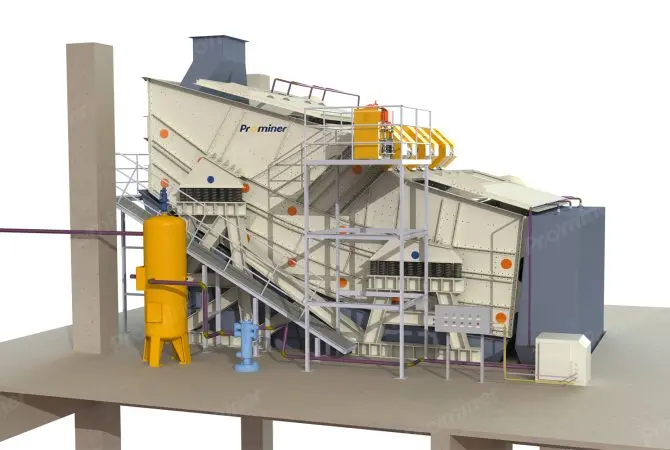
หน้าจอกล้วยยังเป็นที่รู้จักกันดีในชื่อหน้าจอความหนาของเตียงคงที่ Prominer มีความสามารถในการจัดหาวัสดุแห้ง
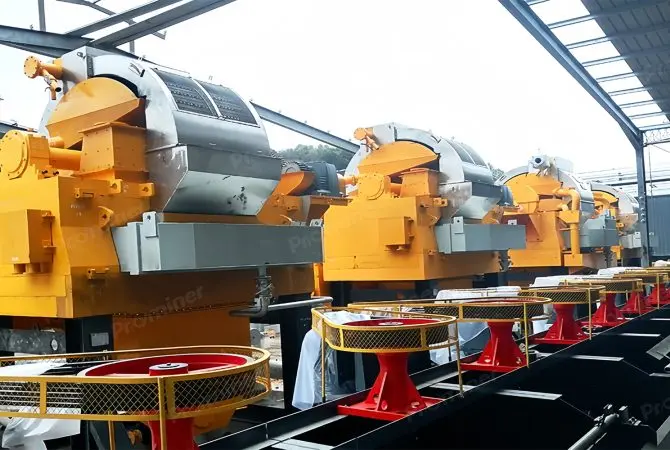
Prominer สามารถจัดหาเครื่องแยกแม่เหล็ก HIMS (เครื่องแยกแม่เหล็กความเข้มสูง) ที่แตกต่างกันได้
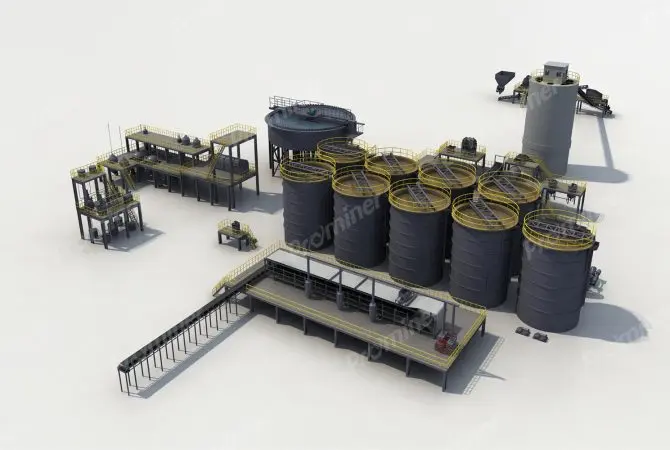
Prominer สามารถให้บริการโซลูชันครบวงจรสำหรับระบบ CIL (คาร์บอนในสารละลาย)
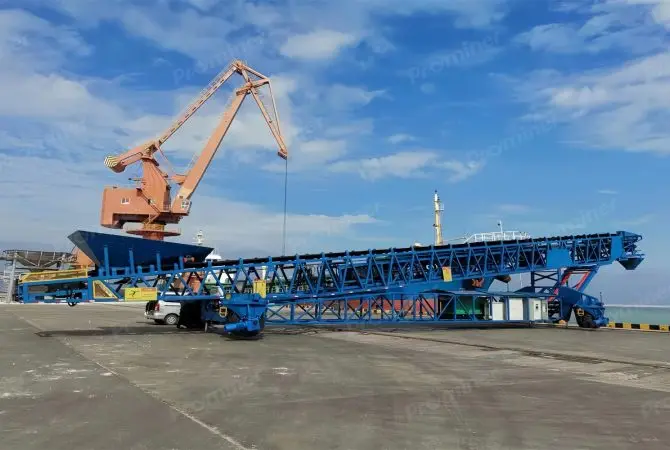
ทีมวิศวกรของเราสามารถออกแบบและผลิตสแต็คเกอร์แบบรัศมีเคลื่อนที่และเครื่องขนถ่าย
หากต้องการทราบข้อมูลเพิ่มเติมเกี่ยวกับผลิตภัณฑ์และโซลูชันของเรา โปรดกรอกแบบฟอร์มด้านล่างและผู้เชี่ยวชาญของเราจะติดต่อกลับหาคุณในไม่ช้า
โครงการฟลอทเตชั่นทองคำ 3000 TPD ในมณฑลซานตง
ฟลอทเตชั่นแร่ลิเธียม 2500 TPD ในเสฉวน
แฟกซ์: (+86) 021-60870195
ที่อยู่:เลขที่ 2555 ถนนซิ่วผู่ ผู่ตง เซี่ยงไฮ้
ลิขสิทธิ์ © 2023.บริษัท โปรมิเนอร์ (เซี่ยงไฮ้) ไมนิ่ง เทคโนโลยี จำกัด