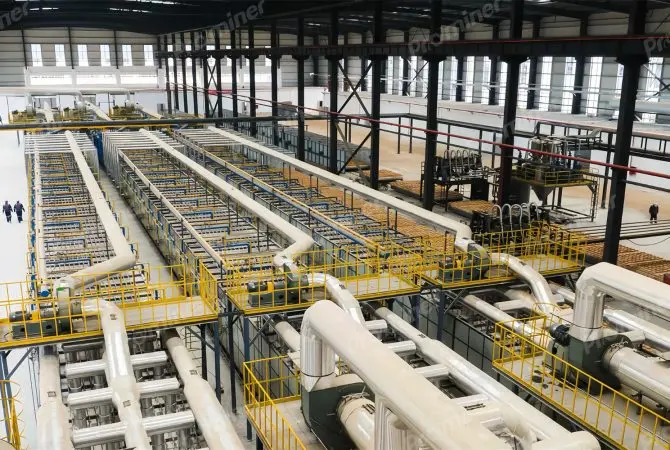
Промайнер може надати повне рішення для виготовлення матеріалів анода з природного графіту, включаючи подрібнення




Quartz sand purification is essential for producing high-purity silica used in glass manufacturing, electronics, photovoltaics, ceramics, and chemical industries. Depending on the impurities present—such as iron, feldspar, mica, clay minerals, and heavy minerals—different purification technologies are applied. Below are the main methods used in quartz sand purification.
Washing and desliming are preliminary purification steps used to remove surface impurities, clay, and fine particles from quartz sand. Water flushing, scrubbing, and hydraulic classification help separate mud and lightweight contaminants.
Attrition scrubbing is often applied to remove iron films and clay coatings attached to the quartz surface. This method improves the efficiency of subsequent separation processes.
Magnetic separation is used to remove magnetic minerals such as magnetite, hematite, and biotite from quartz sand. Both weak and strong magnetic separation techniques can be applied, depending on the type of iron-bearing impurities present.
High-gradient magnetic separators are particularly effective for removing weakly magnetic contaminants and achieving higher purity levels required for advanced industrial applications.
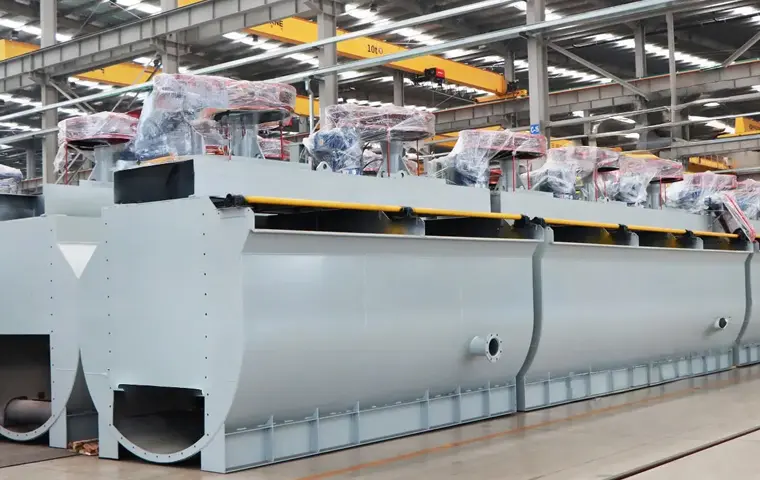
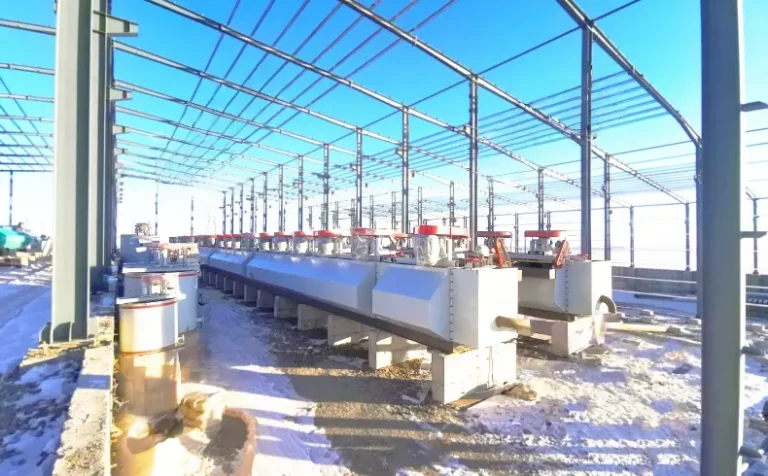
Flotation is a chemical separation method used to remove feldspar, mica, and other non-magnetic impurities. By adding specific reagents, impurities attach to air bubbles and float to the surface, while quartz particles remain at the bottom.
This process is widely used when producing high-purity quartz sand, especially for glassmaking and ceramic industries.
Acid leaching is a chemical purification method designed to remove metal oxides and trace impurities embedded within quartz grains. Common acids used include hydrochloric acid, sulfuric acid, and hydrofluoric acid.
This method is particularly effective for reducing iron, aluminum, and other metallic contaminants, enabling the production of high-purity or ultra-high-purity quartz.
Gravity separation utilizes differences in specific gravity between quartz and impurity minerals. Equipment such as shaking tables, spiral chutes, and centrifugal concentrators can separate heavy minerals like rutile and zircon from quartz sand.
This method is often used as a pre-treatment step before more advanced purification processes.
Thermal treatment involves heating quartz sand to alter or remove certain impurities. For example, calcination can decompose organic materials and facilitate the removal of volatile substances.
In some cases, thermal shock treatment is used to improve the effectiveness of subsequent grinding and purification steps.
In practice, a combination of purification technologies is typically required to achieve the desired purity level. A typical process flow may include washing, magnetic separation, flotation, acid leaching, and final rinsing.
For ultra-high-purity quartz used in semiconductor and photovoltaic industries, advanced techniques such as high-temperature chlorination and plasma treatment may also be applied.
The purification of quartz sand involves multiple technologies tailored to the type and concentration of impurities present. From basic washing and magnetic separation to advanced chemical and thermal treatments, each method plays a critical role in producing high-quality quartz sand for various industrial applications. Selecting the appropriate combination of purification processes ensures optimal performance and cost efficiency.
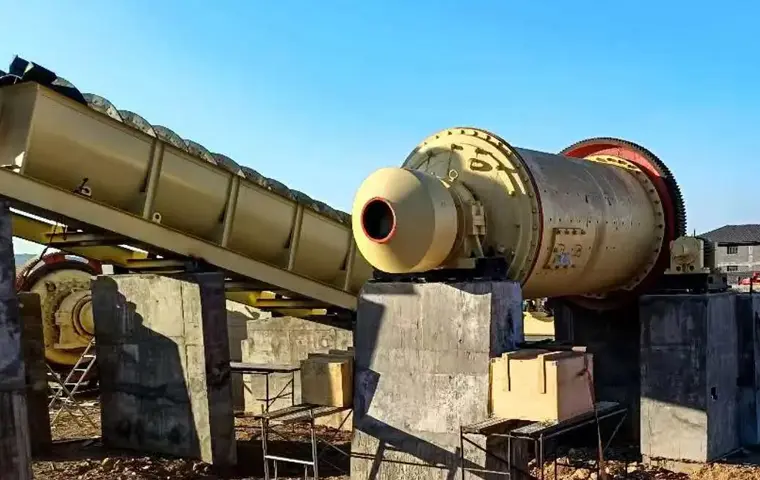
A: Щодо ресурсів графіту, повне рішення має охоплювати як флотацію природного графіту, так і глибоку обробку. Мельнична установка з кульовим млином і гідроциклонною системою виконує базовий етап подрібнення. Для виробництва передового анодного матеріалу необхідний формувальний млин для підвищення питомої щільності та зменшення питомної поверхні. Крім того, система покриття Prominer, яка поєднує функції покриття і гранулювання, є ключовим кроком у обробці високорентабельних анодних матеріалів.
A: Вибір процесу залежить цілком від характеристик руди. Процес Gold CIL/CIP є дуже популярним і ефективним способом обробки руди з високим вмістом золота типу оксиду. Для багатьох інших проектів з видобутку золота обробка за допомогою флотації залишається найпопулярнішим методом. Для власників, які прагнуть зекономити на початковому етапі, ваннева або штабова обробка є гнучкими й економічними варіантами. Рекомендуємо починати з лабораторних і пілотних випробувань для визначення найбільш ефективного та науково обґрунтованого технологічного процесу.
A: Магнітне збагачення є критичним для підвищення якості мінералів. Ми надаємо як високоефективні магнітні сепаратори HIMS (висока інтенсивність), так і низькоінтенсивні LIMS для обробки різних магнітних властивостей мінералів. У оптимізованому проекті заводу ця технологія інтегрована з високопродуктивною системою дроблення — з використанням одноциліндрових або багатициліндрових гідравлічних конусних crushers — та системою помелу. Це забезпечує раннє відкидання відходів гірської породи, значно підвищуючи продуктивність та економію енергії.
A: Designing a successful plant requires a comprehensive EPC (Engineering, Procurement, and Construction) service. Key considerations include engineering design (site surveys, sampling guidance, and PFD drawings) and equipment customization to ensure machinery matches the specific ore characteristics. For example, Prominer can customize linear screens up to 5.1m in width for large-scale grading and dewatering. Finally, professional on-site services, including civil work supervision and commissioning, are vital for long-term stable operation.
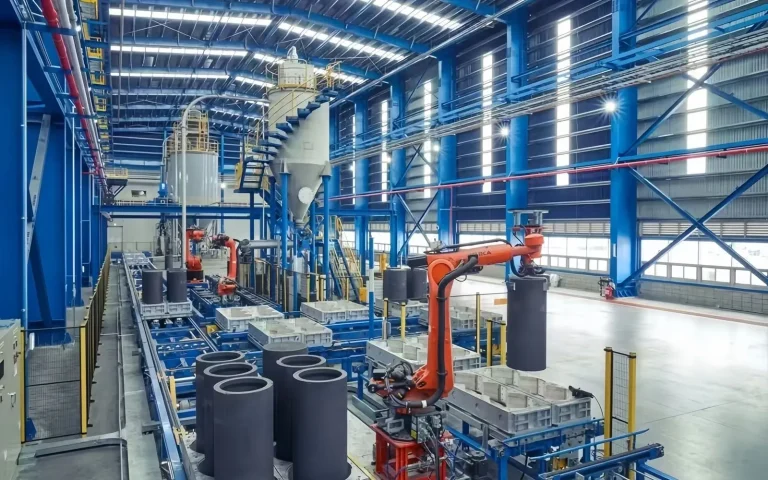
Промайнер може надати повне рішення для виготовлення матеріалів анода з природного графіту, включаючи подрібнення
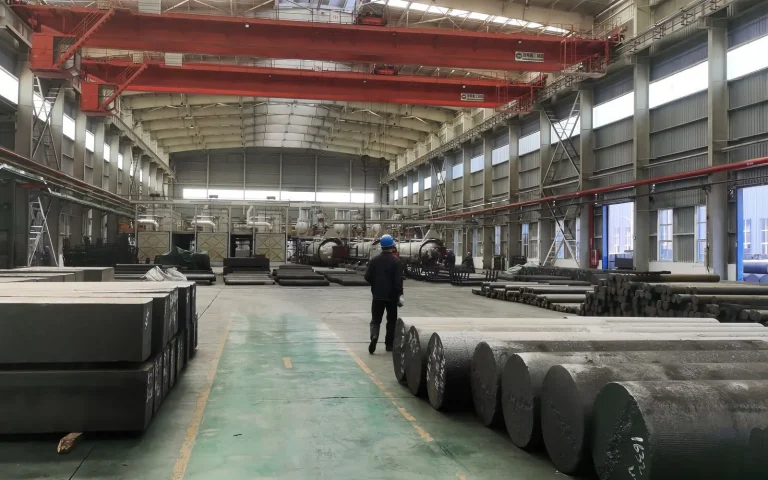
Електрод UHP графіту в основному використовується для ультрависоких електричних дугових печей у сталеливарній промисловості
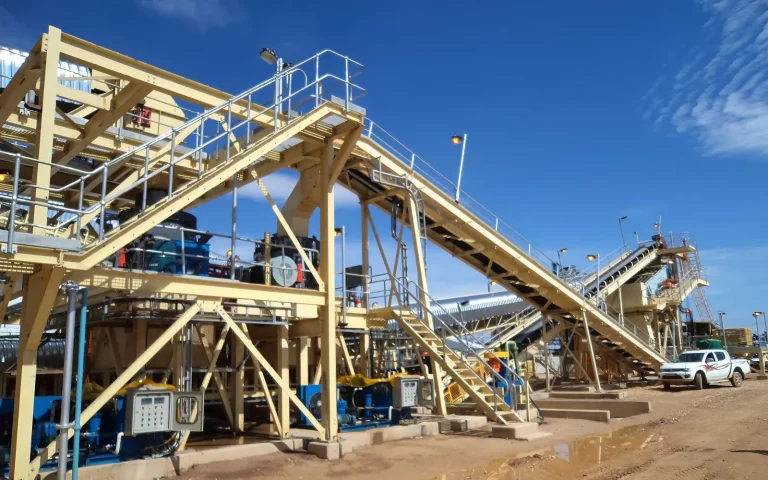
Вилуговування в чанах є хорошим варіантом для власника проекту, щоб почати на початковому етапі для економії інвестицій

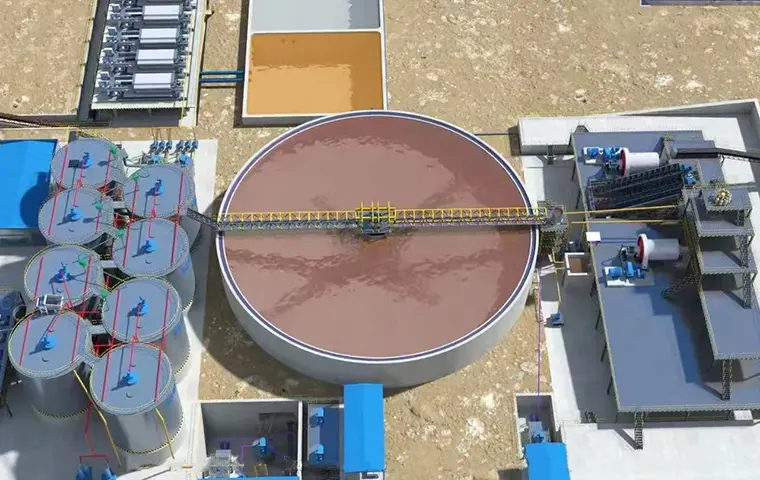
Сире рудах: Сульфідний мідний рудник (переважно халькопірит) Вміст міді: 0,8% Остаточний продукт: Мідний концентрат
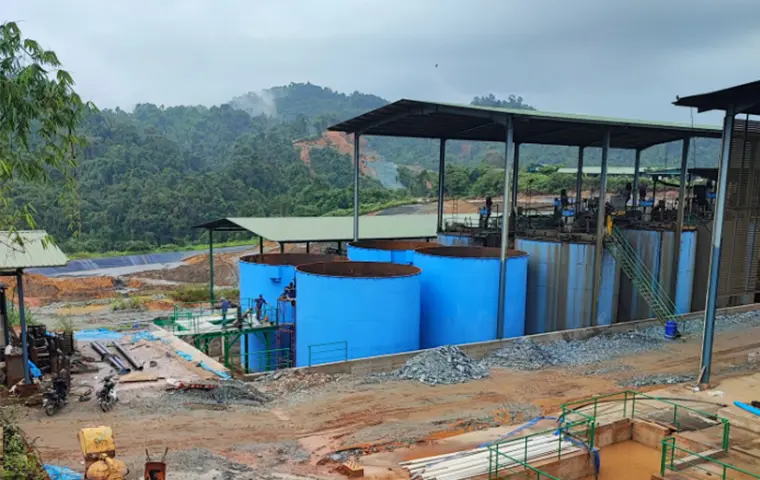
Сира руда: вогнетривка та напіввогнетривка сульфідна золота руда Густина золота: 2.65 г/t Чистота золота злитка: ≥95.5%
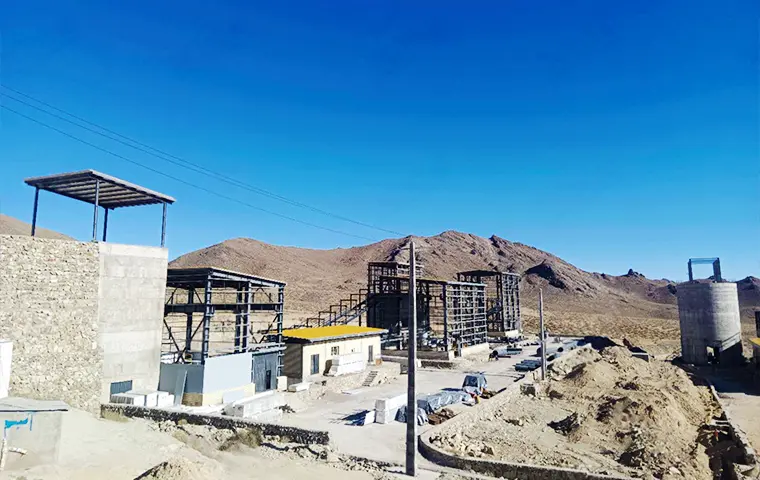
Сирий рудник: Сульфідний мідний рудник Градус міді: 0,8% Кінцевий продукт: Мідний концентрат
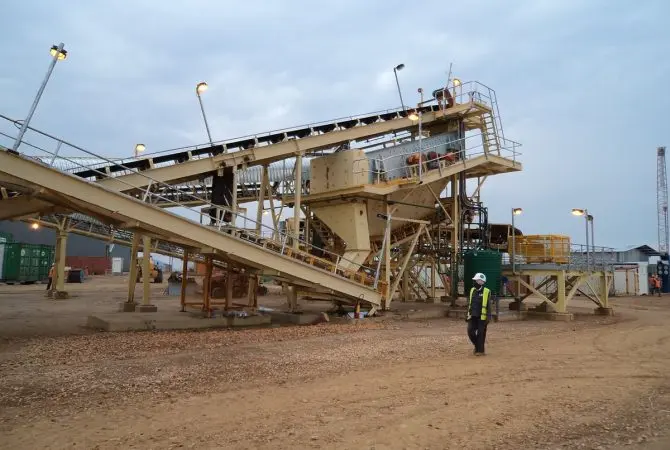
Сира руда: Оксидний тип золотої руди, градація золота: 4 г/т
Сира руда: Сульфідна золота руда з піритом Золото в руді: 3,8 г/т Концентрат: 42 г/т Au
Сира руда: оксидний тип золотої руди Град золота: 2,5 г/т Чистота золотої зливки: 96%
Вихідна руда: Сульфідна мідна руда, вміст міді: 0,85% Кінцевий продукт: Концентрат міді
Сировина: срібно-поліметалічна сульфідна руда (яка містить Ag, Pb, Zn) Вміст срібла: 180 г/т Вміст свинцю: 4.2% Вміст цинку: 5.8%
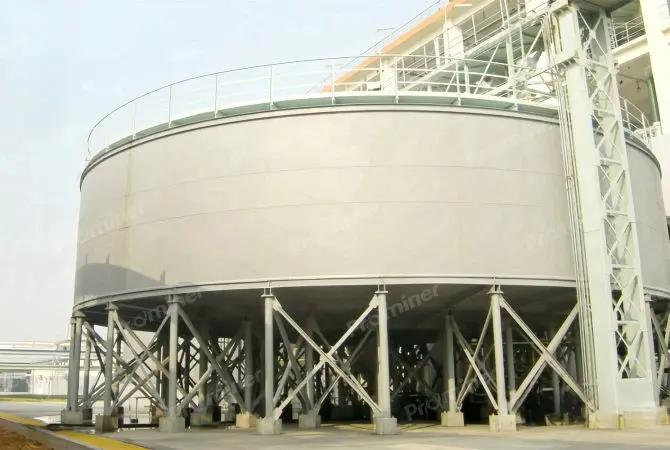
Prominer може надати різні види згущувачів, включаючи згущувач з центральним приводом, периферійний тяговий згущувач
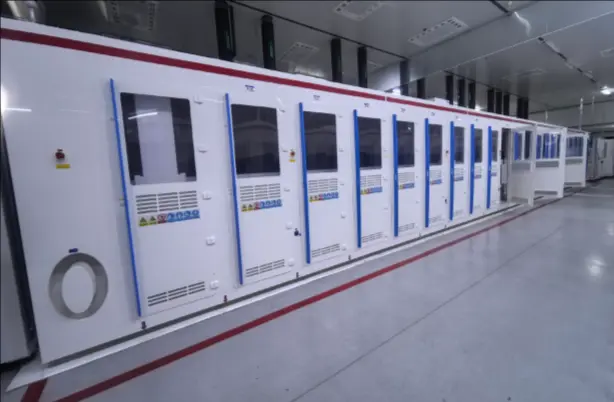
Включає: обладнання для текстурування монокристалічних партій, завантажувач/вивантажувач для текстурування партій, низькотемпературне…
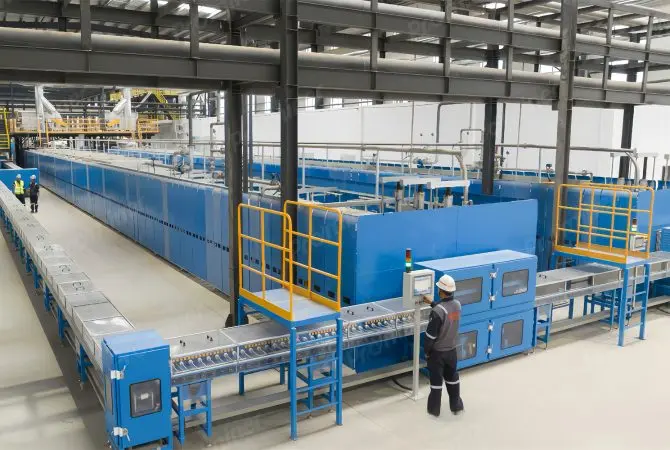
Ми можемо надати повне рішення для системи обробки карбонізації при високих температурах
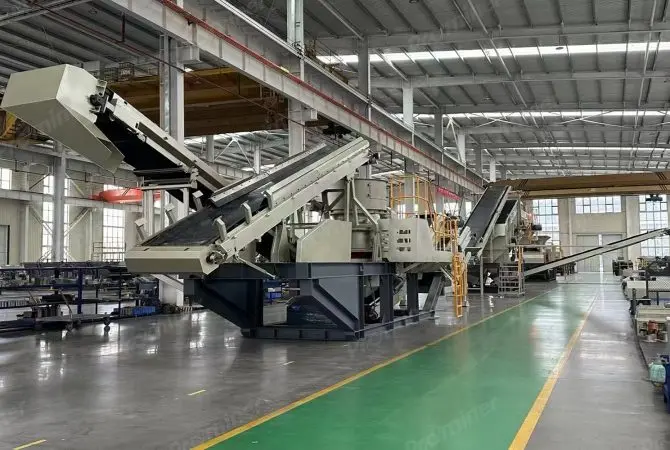
Портативна дробарка на шасі, основана на вимогах ринку для легшого переміщення з одного місця
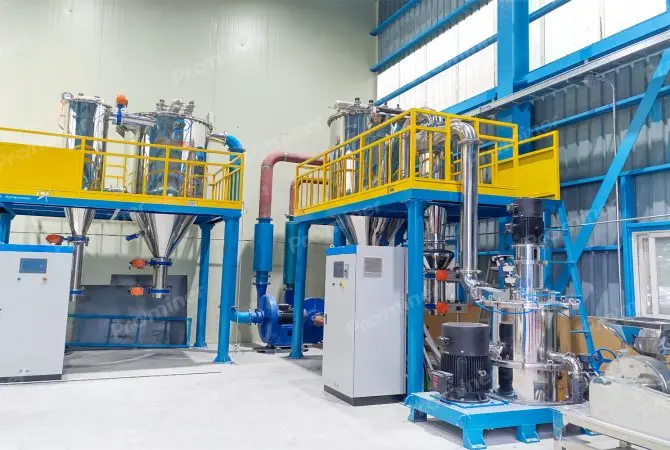
Наш ударний млин є високошвидкісним механічним млином для виконання ультратонкого млину та в основному
Щоб дізнатися більше про наші продукти та рішення, будь ласка, заповніть форму нижче, і один з наших експертів зв'яжеться з вами найближчим часом
3000 TPD проект флотації золота в провінції Шаньдун
2500 TPD флотація руди літію в Сичуані
Факс: (+86) 021-60870195
Адреса:Номер 2555, дорога Сюпу, Пудун, Шанхай
Авторські права © 2023.Промайнер (Шанхай) Гірничі Технології ТОВ.